Download to read offline

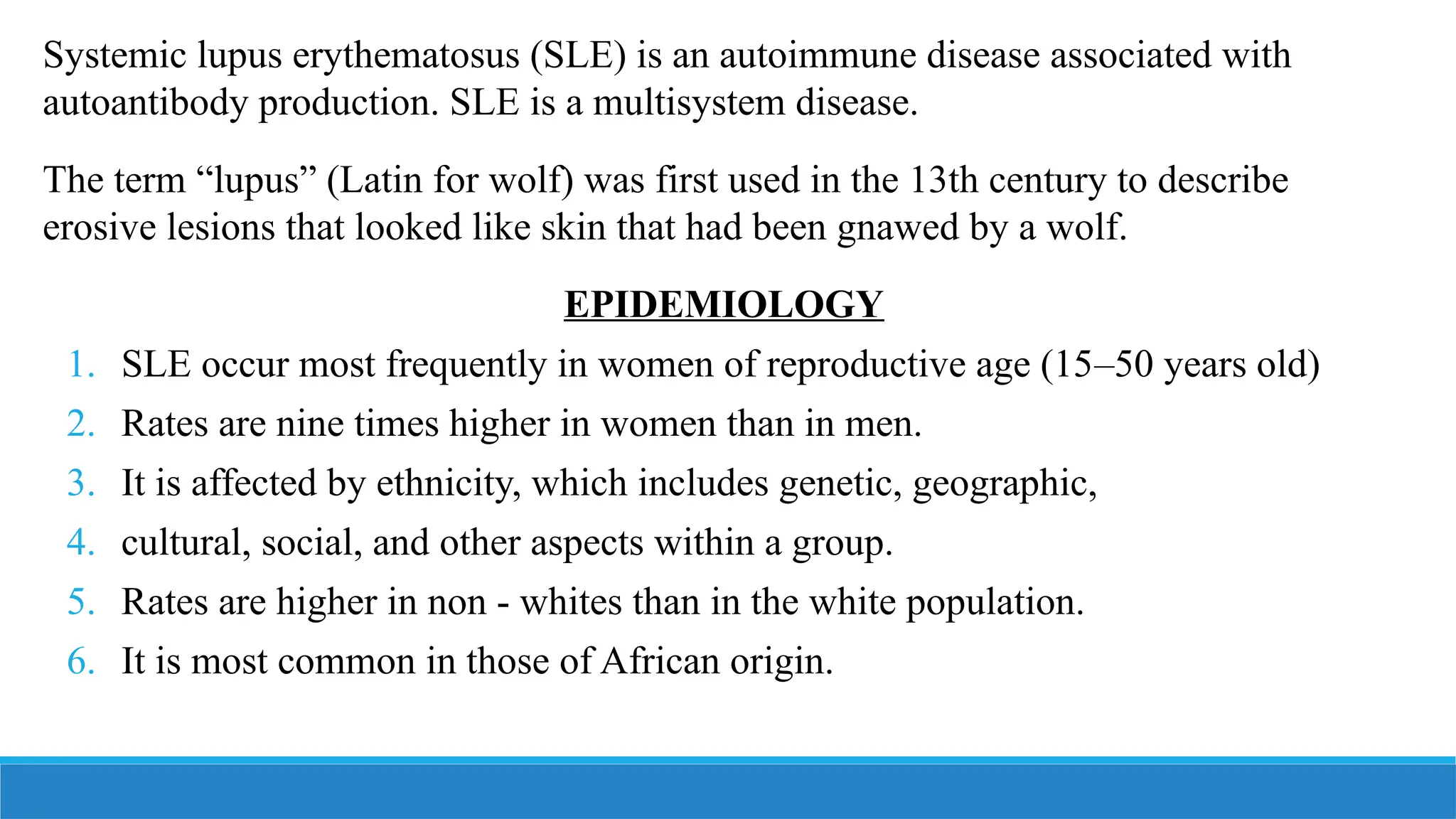
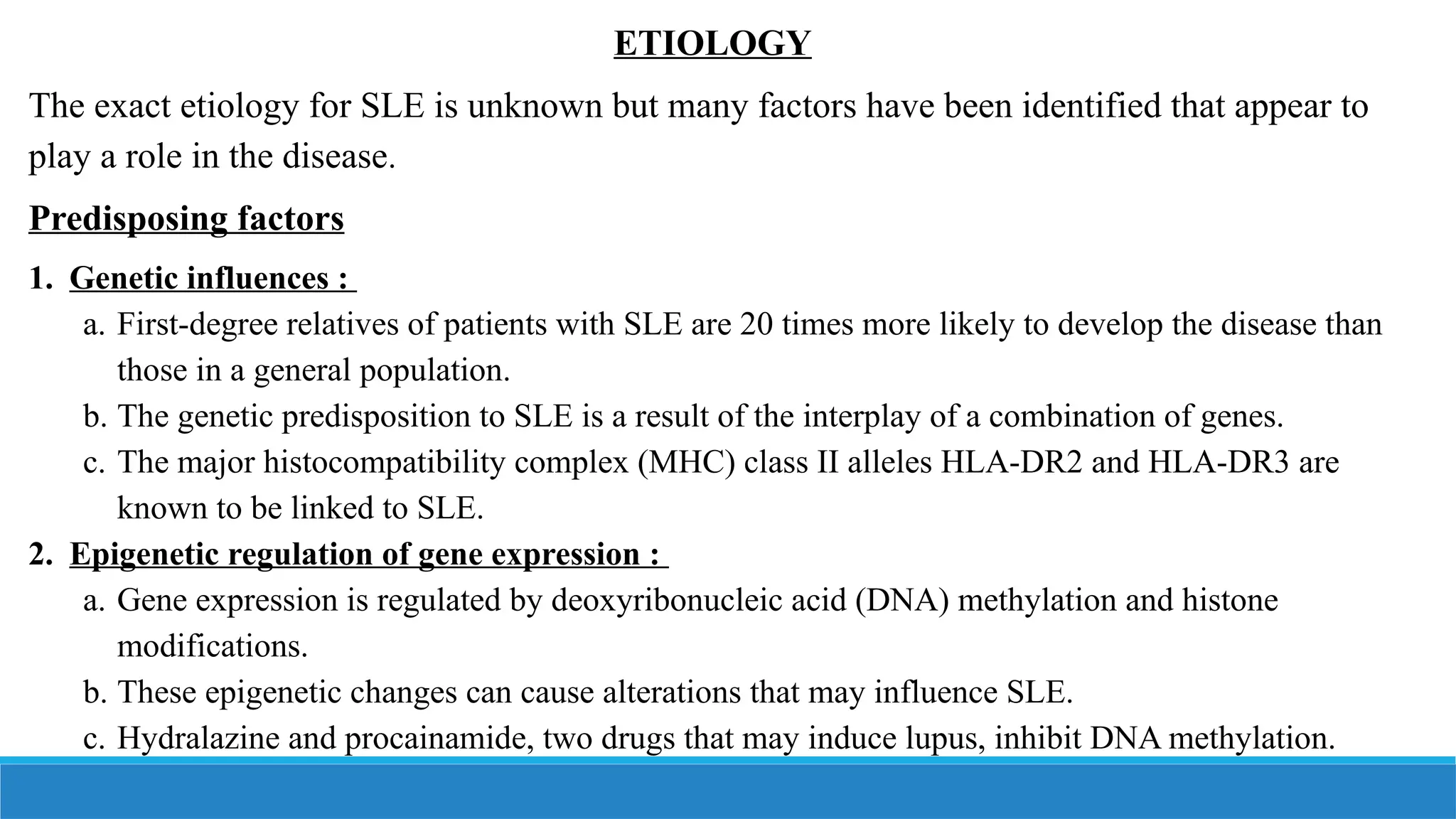


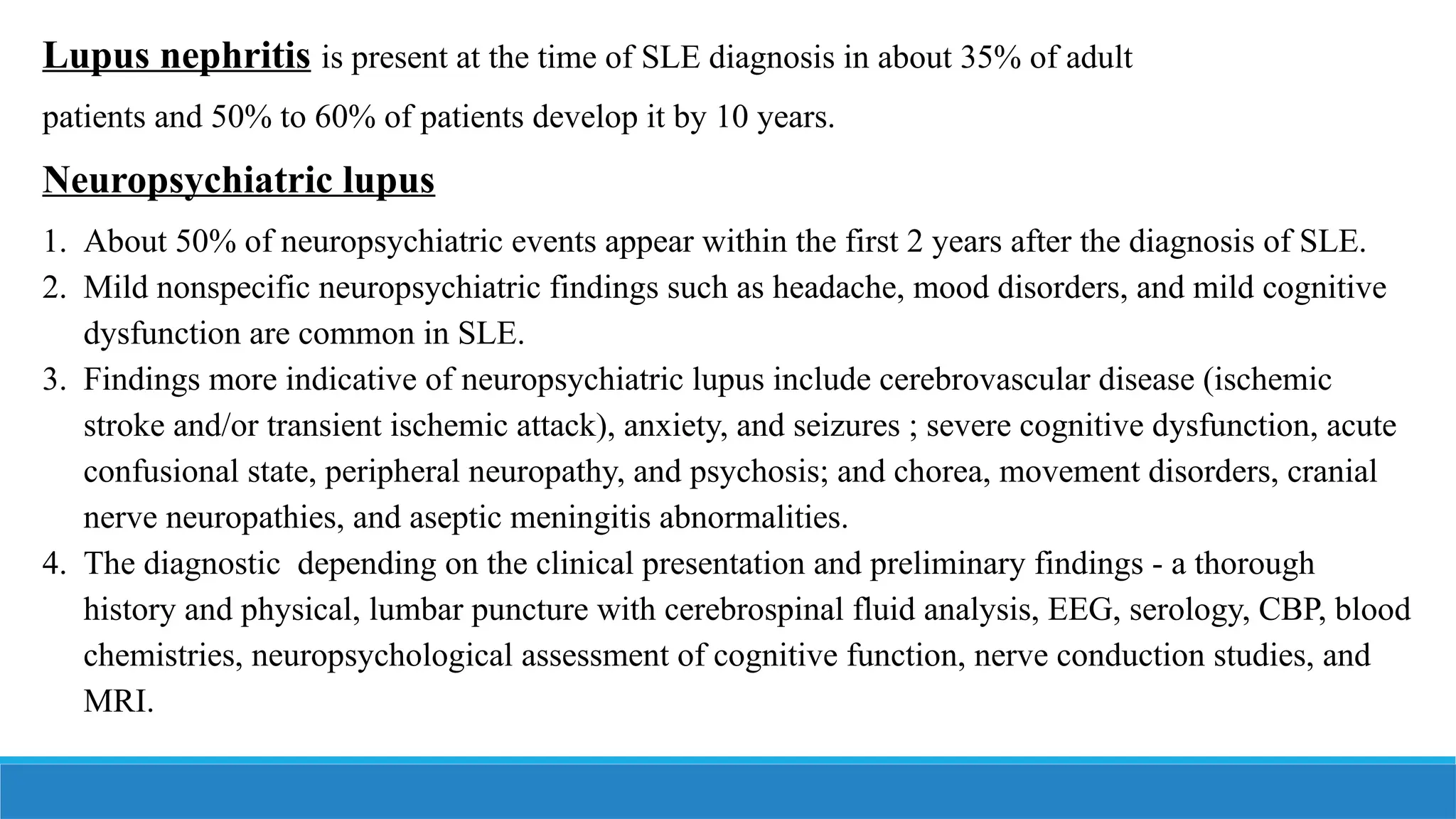


Systemic lupus erythematosus (SLE) is an autoimmune disease associated with autoantibody production. SLE is a multisystem disease. The term “lupus” (Latin for wolf) was first used in the 13th century to describe erosive lesions that looked like skin that had been gnawed by a wolf. EPIDEMIOLOGY SLE occur most frequently in women of reproductive age (15–50 years old) Rates are nine times higher in women than in men. It is affected by ethnicity, which includes genetic, geographic, cultural, social, and other aspects within a group. Rates are higher in non - whites than in the white population. It is most common in those of African origin. ETIOLOGY The exact etiology for SLE is unknown but many factors have been identified that appear to play a role in the disease. Predisposing factors Genetic influences : First-degree relatives of patients with SLE are 20 times more likely to develop the disease than those in a general population. The genetic predisposition to SLE is a result of the interplay of a combination of genes. The major histocompatibility complex (MHC) class II alleles HLA-DR2 and HLA-DR3 are known to be linked to SLE. Epigenetic regulation of gene expression : Gene expression is regulated by deoxyribonucleic acid (DNA) methylation and histone modifications. These epigenetic changes can cause alterations that may influence SLE. Hydralazine and procainamide, two drugs that may induce lupus, inhibit DNA methylation. Environmental factors : Cigarette smoke is phototoxic and associated with cutaneous lupus. Ultraviolet light can cause keratinocytes in the skin to release nuclear material that can further stimulate the immune system and autoantibody production by B cells. Viruses Epstein–Barr virus. Other include : infections, medications (eg, vaccines and biologics) psychological stress, silica dust, hydralazines, petroleum, solvents (eg, nail polish remover and metal cleaners), dyes, and pesticides. Hormones, and Abnormalities in immune cells and cytokines Pathogenesis is related in large part to production of increased quantities and immunogenic forms of nucleic acids and other self-antigens, which drive autoimmune-inducing activation of innate immunity, autoantibodies, and T cells. Interactions between genes, environment, and epigenetic changes drive increased autophagy, Ag presentation, neutrophil NETosis, autoantibody formation with increased plasma cells, and production of pathogenic effector T cells in Th1, Th17, and Tfh subsets, with ineffective regulatory networks. The exact mechanism of autoantibody tissue destruction is unclear. Immune complexes form when autoantibodies bind to nuclear material and deposit in tissues. They activate the complement cascade, leading to an influx of inflammatory cells and tissue injury. Autoantibodies might also directly react with proteins in tissues. There are increased T helper cells type 2 and 17 and diminished number and function of T regulatory (Treg) cells. Cytokines, such TNF-


