Synthetic Biology & Architecture AVATAR group The Bartlett School of Architecture University College London
Overview Architecture & Biology Contemporary Materials Architecture 2030 Connecting Architecture & Nature Complex Materials AVATAR Projects & Collaborations Fabricating Nature
Architecture & Biology Biological Formalism – flattering nature Schism between built and natural environments due to lack of technological ‘bridge’
Contemporary Materials Derived from original technological function of architecture to generate homeostasis Belligerent to nature & inert During industrial revolution the relationship changed from belligerence to toxicity with the production of GHGs Current architectural practice based on Victorian technologies
Architecture 2030 Brussels targets to reach first carbon neutral cities Requires retooling of architects by 2010 Broader portfolio of design strategies needed since sustainable practice involves energetics, efficiency and recycling with limited opportunities for designers
“ The road to  energy independence, economic recovery and reductions in greenhouse gas emissions runs through the Building Sector.” Edward Mazria www.architecture2030.org
Connecting Architecture & Nature Architecture is an environmental technology In order to produce genuinely sustainable architecture it needs to be part of the biosphere, not separate from it Requires a common ‘language’ based in physics & chemistry
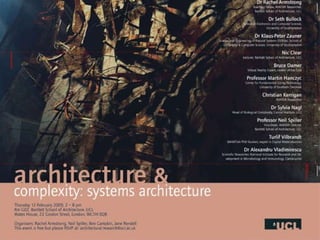
Complex Materials Architecture & Complexity: Systems Architecture workshop held Darwin Day 2009 Interdisciplinary, international partners from architecture, synthetic biology & computer sciences Materials identified with potential for self organization derived from Origins Of Life sciences
 
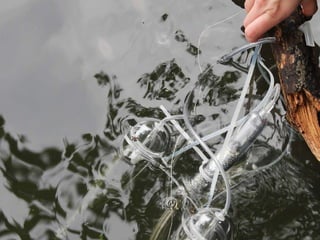
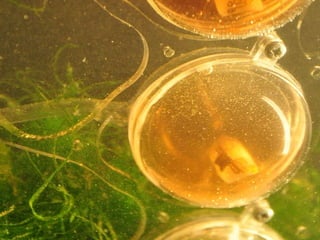
AVATAR Projects & Collaborations Low Tech Biotech – ubiquitous, inexpensive, robust materials that do not require genetic engineering Innovation by Design – existing biological systems at ‘cellular level’ Innovation by Invention – building agents from scratch using complexity chemistry
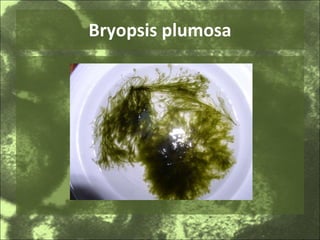
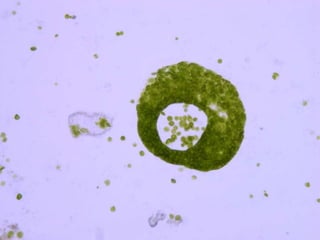
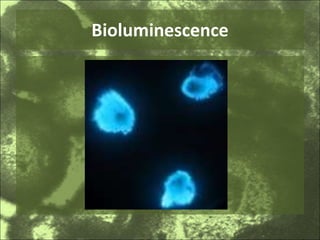
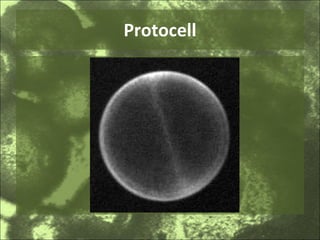
AVATAR Research Innovation by design:  Bryopsis ,  Physarum  & unconventional computing, bioluminescence Innovation by invention: Protocells
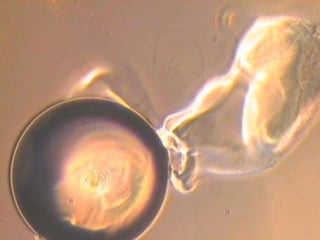
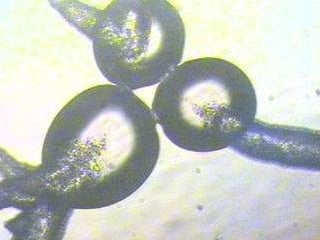
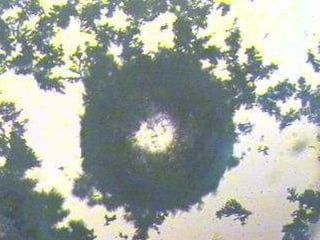
Bryopsis plumosa


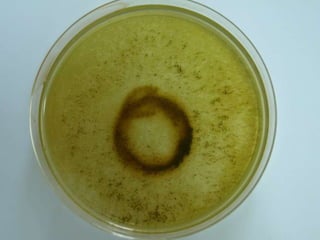
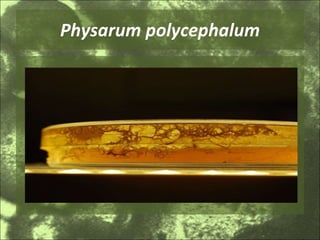
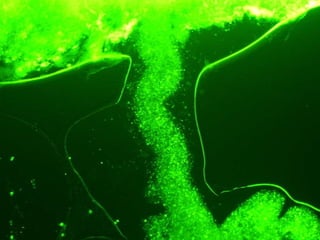
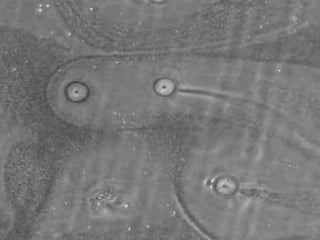
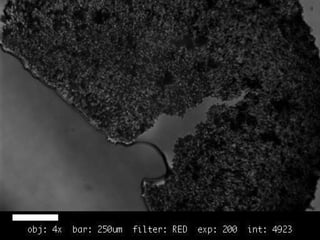
Physarum polycephalum


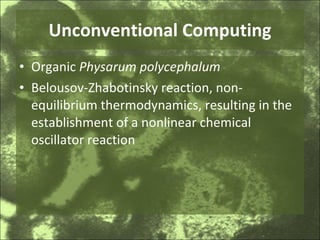
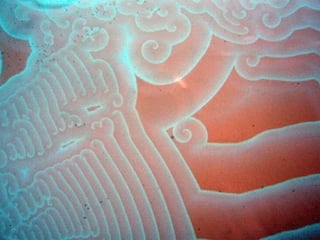
Unconventional Computing Organic  Physarum polycephalum Belousov-Zhabotinsky reaction, non-equilibrium thermodynamics, resulting in the establishment of a nonlinear chemical oscillator reaction
 
 
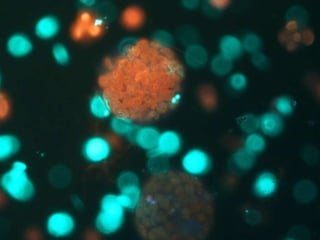
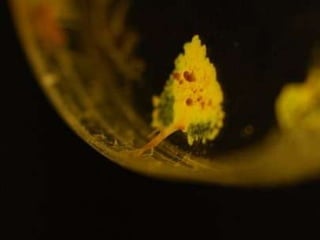
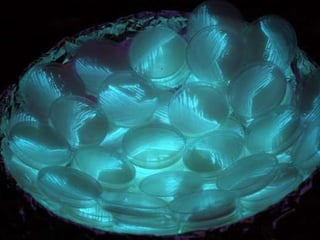
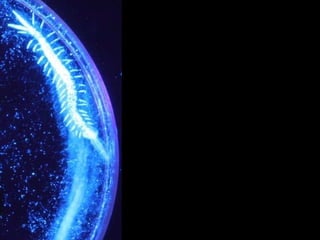
Bioluminescence
 
 
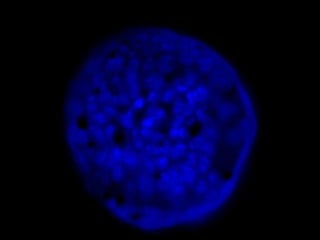
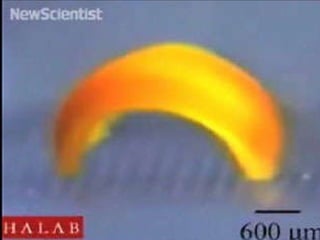
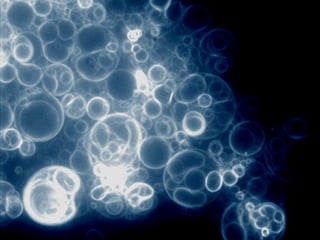
Protocell


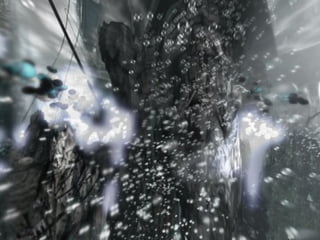
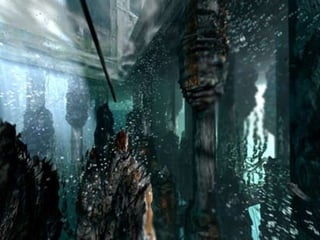
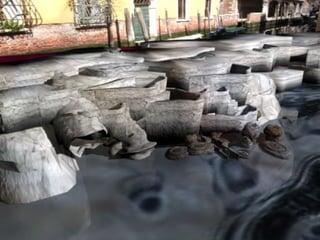
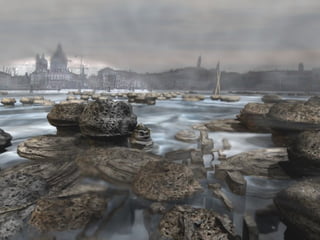
AVATAR Architectural Projects Casa Diatom – Shin Tseng Reclaiming Venice – Christian Kerrigan
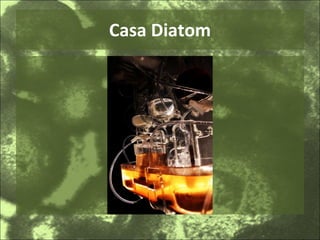
Casa Diatom


Reclaiming Venice


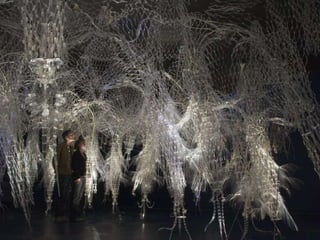
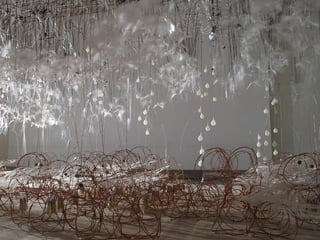
AVATAR Architectural Practice AVATAR, Philip Beesley & Mette Ramsgard Thompsen, UN Climate Summit, December 2009 Philip Beesley & AVATAR, Venice Bienale 2010


Artificial Life XII Workshop at Artificial Life XII, September 2010 Project presentation by international synthetic biologists and architects engaging with self-organizing material systems & new computational methods Curated by interdisciplinary partnership between Neil Spiller (architect) & Martin Hanczyc (synthetic biologist)
Fabricating Nature “ One can imagine an addition to the Revit 2017 menu ... Print to pdf, Print to Plotter, Print to SDL, Print to Genetic Algorithm, Print to Protocells ...” Tom Wujec, Autodesk Fellow, Canada Uformia, new systems that can model natural objects Evo Grid, evolutionary software at level of basic chemistry
Explicit Near Atomic Control Generation of new materials, processes, interfaces, tools & communications systems that engage directly with artificial and living processes Bigger picture of synthetic environments – no longer virtual reality 4 th  epoch of the Digital Age
Summary Synthetic Biology & Architecture as a portfolio of new tools for architects so they can meet the 2030 targets Surface of the built environment is a managed and monitored interface with nature Low Tech Biotech New computer modelling/fabrication technologies leading to alternative biologies

Synthetic Biology & Architecture[1]

  • 1.
    Synthetic Biology &Architecture AVATAR group The Bartlett School of Architecture University College London
  • 2.
    Overview Architecture &Biology Contemporary Materials Architecture 2030 Connecting Architecture & Nature Complex Materials AVATAR Projects & Collaborations Fabricating Nature
  • 3.
    Architecture & BiologyBiological Formalism – flattering nature Schism between built and natural environments due to lack of technological ‘bridge’
  • 4.
    Contemporary Materials Derivedfrom original technological function of architecture to generate homeostasis Belligerent to nature & inert During industrial revolution the relationship changed from belligerence to toxicity with the production of GHGs Current architectural practice based on Victorian technologies
  • 5.
    Architecture 2030 Brusselstargets to reach first carbon neutral cities Requires retooling of architects by 2010 Broader portfolio of design strategies needed since sustainable practice involves energetics, efficiency and recycling with limited opportunities for designers
  • 6.
    “ The roadto energy independence, economic recovery and reductions in greenhouse gas emissions runs through the Building Sector.” Edward Mazria www.architecture2030.org
  • 7.
    Connecting Architecture &Nature Architecture is an environmental technology In order to produce genuinely sustainable architecture it needs to be part of the biosphere, not separate from it Requires a common ‘language’ based in physics & chemistry
  • 8.
    Complex Materials Architecture& Complexity: Systems Architecture workshop held Darwin Day 2009 Interdisciplinary, international partners from architecture, synthetic biology & computer sciences Materials identified with potential for self organization derived from Origins Of Life sciences
  • 9.
  • 10.
    AVATAR Projects &Collaborations Low Tech Biotech – ubiquitous, inexpensive, robust materials that do not require genetic engineering Innovation by Design – existing biological systems at ‘cellular level’ Innovation by Invention – building agents from scratch using complexity chemistry
  • 11.
    AVATAR Research Innovationby design: Bryopsis , Physarum & unconventional computing, bioluminescence Innovation by invention: Protocells
  • 12.
  • 13.
  • 14.
  • 15.
  • 16.
  • 17.
  • 18.
  • 19.
  • 20.
  • 21.
    Unconventional Computing Organic Physarum polycephalum Belousov-Zhabotinsky reaction, non-equilibrium thermodynamics, resulting in the establishment of a nonlinear chemical oscillator reaction
  • 22.
  • 23.
  • 24.
  • 25.
  • 26.
  • 27.
  • 28.
  • 29.
  • 30.
  • 31.
  • 32.
  • 33.
  • 34.
    AVATAR Architectural ProjectsCasa Diatom – Shin Tseng Reclaiming Venice – Christian Kerrigan
  • 35.
  • 36.
  • 37.
  • 38.
  • 39.
  • 40.
  • 41.
  • 42.
  • 43.
  • 44.
    AVATAR Architectural PracticeAVATAR, Philip Beesley & Mette Ramsgard Thompsen, UN Climate Summit, December 2009 Philip Beesley & AVATAR, Venice Bienale 2010
  • 45.
  • 46.
  • 47.
  • 48.
    Artificial Life XIIWorkshop at Artificial Life XII, September 2010 Project presentation by international synthetic biologists and architects engaging with self-organizing material systems & new computational methods Curated by interdisciplinary partnership between Neil Spiller (architect) & Martin Hanczyc (synthetic biologist)
  • 49.
    Fabricating Nature “One can imagine an addition to the Revit 2017 menu ... Print to pdf, Print to Plotter, Print to SDL, Print to Genetic Algorithm, Print to Protocells ...” Tom Wujec, Autodesk Fellow, Canada Uformia, new systems that can model natural objects Evo Grid, evolutionary software at level of basic chemistry
  • 50.
    Explicit Near AtomicControl Generation of new materials, processes, interfaces, tools & communications systems that engage directly with artificial and living processes Bigger picture of synthetic environments – no longer virtual reality 4 th epoch of the Digital Age
  • 51.
    Summary Synthetic Biology& Architecture as a portfolio of new tools for architects so they can meet the 2030 targets Surface of the built environment is a managed and monitored interface with nature Low Tech Biotech New computer modelling/fabrication technologies leading to alternative biologies