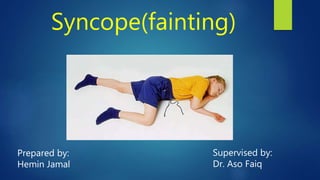
Syncope(fainting)
Prepared by:
Hemin Jamal
Supervised by:
Dr. Aso Faiq
What is syncope
 Sudden transient loss of consciousness with loss of
postural tone(falling) which is followed by
spontaneous and complete recovery.
 Usually it is due to cerebral hypoperfusion.
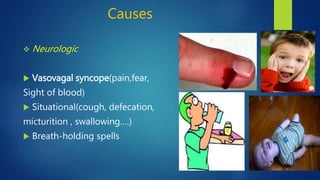
 Neurologic
 Vasovagal syncope(pain,fear,
Sight of blood)
 Situational(cough, defecation,
micturition , swallowing….)
 Breath-holding spells
Causes
 Cardiovascular
 Primary electrical disorder
 Tachyarrthmia
 SVT,WPW
 VT
 Braddyarrhythmia
 Sick sinus syndrome
 Heart block
 Long QT syndrome
 Outflow obstruction
 Aortic stenosis
 Hypertrophic obstructive cardiomyopathy
 Pulmonary hypertension
 Pulmonary stenosis
 Poor contractility
 Congestive heart failure
 Myocarditis
 Dilated cardiomyopathy
 Orthostatic hypotension
 Hypovolemia(dehydration)
 Adrenal Insufficiency
 Other
 Anemia
 Hypoglycemia
 Medication ingestions
 Conversion disorder
PATHOPHYSIOLOGY
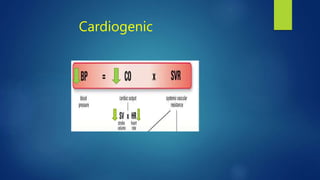
Cardiogenic
Neurogenic
History
 Patient: collapsed , passed out ,drop out
 It is syncope or not? (presyncope ,seizure)
 Precipitating factor( standing, pain, emotion fear )
 Prodrome (sweating, pallor, dizziness, visual change)
 Duration of unconsciousness
 Was there associated chest pain, palpitations, or rapid
heart rate
 Were there symptoms of dehydration, vomiting, and
diarrhea .
Past medical hx congenital heart disease, cardiac
diseases
Drug hx; diuretics , beta blocker, Drugs prolonging QT
interval
Family hx :
 Early cardiac death <45y
 Familial cardiomyopathy
Physical examination
1.Vital signs
Make sure to take orthostatic vital
signs: heart rate and blood pressure in
supine, sitting, and standing positions.
2. General hydration status, pallor suggesting
anemia
3. Cardiac
a. Systolic ejection murmurs: AS,
hypertrophic obstructive cardiomyopathy
b. S3 and S4 suggest heart failure
4. Neurologic: focal deficits, signs of increased
intracranial pressure (ICP)/papilledema
1.Lab investigations
a. glucose and electrolytes
b. hematocrit if history or physical examination suggests anemia
Investigations
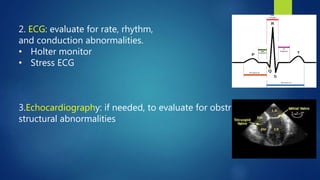
2. ECG: evaluate for rate, rhythm,
and conduction abnormalities.
• Holter monitor
• Stress ECG
3.Echocardiography: if needed, to evaluate for obstruction,
structural abnormalities
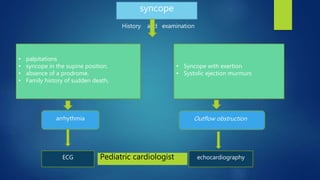
• palpitations
• syncope in the supine position.
• absence of a prodrome.
• Family history of sudden death,
• Syncope with exertion
• Systolic ejection murmurs
arrhythmia Outflow obstruction
syncope
History and examination
ECG echocardiographyPediatric cardiologist
• Symptoms of dehydration,
vomiting, and diarrhea
suggesting hypovolemia.
• BP drop(>20) during
standing.
• Episodes occurring after
coughing, urination, defecation,
or swallowing?
Orthostatic
hypotension
Situational
Syncope
History and examination
• Rehydration
• Non pharmacotherapy
• Reassurance
• Non pharmacotherapy
• Triggered by prolonged standing,
pain, or unpleasant environment
• Prodrome of sweating, nausea,
vomiting, dizziness, feeling cold
Vasovagal attack
• Reassurance
• Non pharmacotherapy
Non pharmacological
 Avoidance of precipitating factors
 Awareness of prodrome
 Behavior modification with regard to changing position from
supine to standing
 Avoidance of volume depletion
Syncope in children
Syncope in children

Syncope in children

  • 1.
  • 2.
    What is syncope Sudden transient loss of consciousness with loss of postural tone(falling) which is followed by spontaneous and complete recovery.  Usually it is due to cerebral hypoperfusion.
  • 3.
     Neurologic  Vasovagalsyncope(pain,fear, Sight of blood)  Situational(cough, defecation, micturition , swallowing….)  Breath-holding spells Causes
  • 4.
     Cardiovascular  Primaryelectrical disorder  Tachyarrthmia  SVT,WPW  VT  Braddyarrhythmia  Sick sinus syndrome  Heart block  Long QT syndrome
  • 5.
     Outflow obstruction Aortic stenosis  Hypertrophic obstructive cardiomyopathy  Pulmonary hypertension  Pulmonary stenosis  Poor contractility  Congestive heart failure  Myocarditis  Dilated cardiomyopathy
  • 6.
     Orthostatic hypotension Hypovolemia(dehydration)  Adrenal Insufficiency  Other  Anemia  Hypoglycemia  Medication ingestions  Conversion disorder
  • 7.
  • 8.
  • 9.
  • 10.
    History  Patient: collapsed, passed out ,drop out  It is syncope or not? (presyncope ,seizure)  Precipitating factor( standing, pain, emotion fear )  Prodrome (sweating, pallor, dizziness, visual change)  Duration of unconsciousness
  • 11.
     Was thereassociated chest pain, palpitations, or rapid heart rate  Were there symptoms of dehydration, vomiting, and diarrhea . Past medical hx congenital heart disease, cardiac diseases Drug hx; diuretics , beta blocker, Drugs prolonging QT interval Family hx :  Early cardiac death <45y  Familial cardiomyopathy
  • 12.
    Physical examination 1.Vital signs Makesure to take orthostatic vital signs: heart rate and blood pressure in supine, sitting, and standing positions.
  • 13.
    2. General hydrationstatus, pallor suggesting anemia 3. Cardiac a. Systolic ejection murmurs: AS, hypertrophic obstructive cardiomyopathy b. S3 and S4 suggest heart failure 4. Neurologic: focal deficits, signs of increased intracranial pressure (ICP)/papilledema
  • 14.
    1.Lab investigations a. glucoseand electrolytes b. hematocrit if history or physical examination suggests anemia Investigations
  • 15.
    2. ECG: evaluatefor rate, rhythm, and conduction abnormalities. • Holter monitor • Stress ECG 3.Echocardiography: if needed, to evaluate for obstruction, structural abnormalities
  • 16.
    • palpitations • syncopein the supine position. • absence of a prodrome. • Family history of sudden death, • Syncope with exertion • Systolic ejection murmurs arrhythmia Outflow obstruction syncope History and examination ECG echocardiographyPediatric cardiologist
  • 17.
    • Symptoms ofdehydration, vomiting, and diarrhea suggesting hypovolemia. • BP drop(>20) during standing. • Episodes occurring after coughing, urination, defecation, or swallowing? Orthostatic hypotension Situational Syncope History and examination • Rehydration • Non pharmacotherapy • Reassurance • Non pharmacotherapy • Triggered by prolonged standing, pain, or unpleasant environment • Prodrome of sweating, nausea, vomiting, dizziness, feeling cold Vasovagal attack • Reassurance • Non pharmacotherapy
  • 18.
    Non pharmacological  Avoidanceof precipitating factors  Awareness of prodrome  Behavior modification with regard to changing position from supine to standing  Avoidance of volume depletion

Editor's Notes

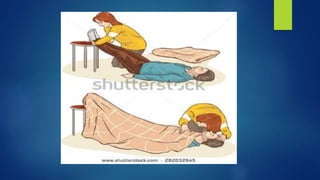
  • #20 Sit or lie down quickly: Have your child sit and bend over to put his head between his knees, or lie down if he feels lightheaded or dizzy. This helps to increase blood flow to his heart and brain. Change position carefully: Remind your child to change positions slowly. Teach him to take deep breaths before he sits or stands up. He may need to move his legs frequently if he sits or stands for long periods of time. TREATMENT Most patients with neurocardiogenic syncope will experience eventual resolution by adulthood; many even get better spontaneously within a few months or years. Many therapies have been employed for this condition, but it is difficult to determine which ones are truly effective because of the lack of randomized prospective studies. Nonetheless, initial salt and water supplementation is commonly recommended, particularly in those who have a low-salt diet or who have limited their fluid intake. A reasonable second step is treatment with fludrocortisone, a mineralocorticoid that promotes sodium and water retention with potassium loss. In patients who have a prominent low-bloodpressure response, the α-agonist midodrine may be useful. Both midodrine and fludrocortisone should be managed with careful monitoring of the supine blood pressure, as they may lead to supine hypertension. The most important therapeutic step is educational. Once the young patient is aware of the importance of the prodromal symptoms, they can take appropriate steps to change position and not attempt to remain standing. In many, this is all that is necessary to adequately manage their symptoms