GROUP 3:
BINIT SHRESTHA
NAMRITA TUALADHAR
BILASH DEUJA
SUJATA PATHAK
ANISHA SAPKOTA
PREKSHYA LAMSHAL
Contemporary Issues Of
Sustainable Development in
Management
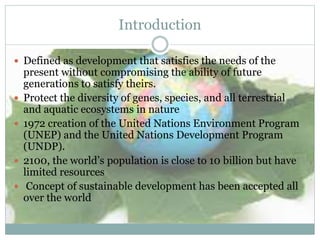
 Defined as development that satisfies the needs of the
present without compromising the ability of future
generations to satisfy theirs.
 Protect the diversity of genes, species, and all terrestrial
and aquatic ecosystems in nature
 1972 creation of the United Nations Environment Program
(UNEP) and the United Nations Development Program
(UNDP).
 2100, the world’s population is close to 10 billion but have
limited resources
 Concept of sustainable development has been accepted all
over the world
Introduction
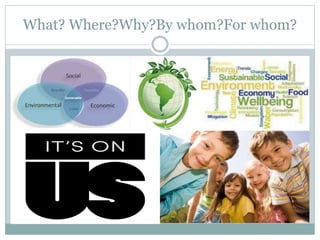
What? Where?Why?By whom?For whom?
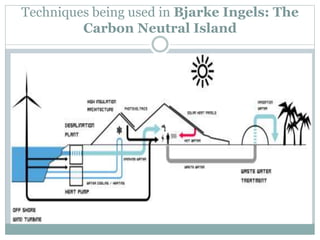
Techniques being used in Bjarke Ingels: The
Carbon Neutral Island
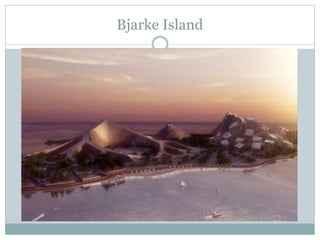
Bjarke Island
Issues and Challenges
Gaps in awareness, knowledge and capacity
 Limited Capabilities and opportunities
 Population growth
 Under-representation and inadequate participation
 Weak Monitoring and Lack of System
 Gaps in maintaining sustainability
 Climatic change
 Weak government policy
Green Economy
Green Economy= Low carbon growth +
Resources efficiency + Social Inclusivity
Green Economy: Strength
Strengths:
 A proposal for addressing the triple crisis.
 A strategy to create a social base.
STRATEGIES AND TECHNIQUE TO
OVERCOME
 Favorable policy making environment and well
functioning institutional frameworks.
 Adopting clean and smart technologies
 Environmental Education and Awareness Centre t
o increase awareness and education, and for enviro
nmental advocacy should be established.
Emerging challenges to Management
 Generate appropriate technologies, enhance services,
finance and improve market infrastructure for
increasing the productivity.
 Acid rain, global warming, toxic wastes, pollution,
deforestation, environmental degradation
 Poverty and illiteracy
 While using natural resources for economic gain,
equitable profit sharing with the local community.
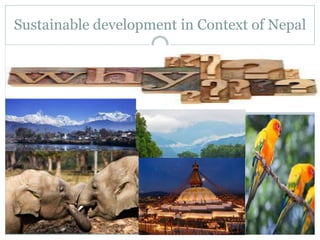
Sustainable development in Context of Nepal
 To create balance between economic growth and
protection of our environment
 To eliminate poverty and illiteracy
 To let our future generations to get the benefits from the
natural resources
 To eliminate current environmental degradation
 To create a healthy environment for everyone.
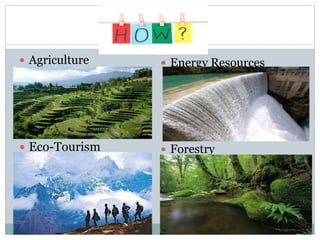
 Energy Resources
 Forestry
 Agriculture
 Eco-Tourism
 Major issues for developing country
 Lack of knowledge and Implementation
 Lack of Government Intervention
 Lack of knowledge in government(Bagmati)
 Uneducated people
 Inadequate resources and expertise
Conclusion
 Sustainable development is the must for Future
mankind.
 The various obstacles should be identified and
recognized.
 International cooperation measures should be taken to
enable and support the sustainable development efforts
 Conditions must be established “green economy.”
 Principles and framework, and care should be taken that
it does not
 Detract or distract from “sustainable development”
 Better place for living.

Sustainable development as contemporary issue in management

  • 1.
    GROUP 3: BINIT SHRESTHA NAMRITATUALADHAR BILASH DEUJA SUJATA PATHAK ANISHA SAPKOTA PREKSHYA LAMSHAL Contemporary Issues Of Sustainable Development in Management
  • 3.
     Defined asdevelopment that satisfies the needs of the present without compromising the ability of future generations to satisfy theirs.  Protect the diversity of genes, species, and all terrestrial and aquatic ecosystems in nature  1972 creation of the United Nations Environment Program (UNEP) and the United Nations Development Program (UNDP).  2100, the world’s population is close to 10 billion but have limited resources  Concept of sustainable development has been accepted all over the world Introduction
  • 4.
  • 5.
    Techniques being usedin Bjarke Ingels: The Carbon Neutral Island
  • 6.
  • 7.
    Issues and Challenges Gapsin awareness, knowledge and capacity  Limited Capabilities and opportunities  Population growth  Under-representation and inadequate participation  Weak Monitoring and Lack of System  Gaps in maintaining sustainability  Climatic change  Weak government policy
  • 8.
    Green Economy Green Economy=Low carbon growth + Resources efficiency + Social Inclusivity
  • 9.
    Green Economy: Strength Strengths: A proposal for addressing the triple crisis.  A strategy to create a social base.
  • 10.
    STRATEGIES AND TECHNIQUETO OVERCOME  Favorable policy making environment and well functioning institutional frameworks.  Adopting clean and smart technologies  Environmental Education and Awareness Centre t o increase awareness and education, and for enviro nmental advocacy should be established.
  • 11.
    Emerging challenges toManagement  Generate appropriate technologies, enhance services, finance and improve market infrastructure for increasing the productivity.  Acid rain, global warming, toxic wastes, pollution, deforestation, environmental degradation  Poverty and illiteracy  While using natural resources for economic gain, equitable profit sharing with the local community.
  • 12.
  • 13.
     To createbalance between economic growth and protection of our environment  To eliminate poverty and illiteracy  To let our future generations to get the benefits from the natural resources  To eliminate current environmental degradation  To create a healthy environment for everyone.
  • 14.
     Energy Resources Forestry  Agriculture  Eco-Tourism
  • 15.
     Major issuesfor developing country  Lack of knowledge and Implementation  Lack of Government Intervention  Lack of knowledge in government(Bagmati)  Uneducated people  Inadequate resources and expertise
  • 16.
    Conclusion  Sustainable developmentis the must for Future mankind.  The various obstacles should be identified and recognized.  International cooperation measures should be taken to enable and support the sustainable development efforts  Conditions must be established “green economy.”  Principles and framework, and care should be taken that it does not  Detract or distract from “sustainable development”  Better place for living.