Wasan Abu-Baker
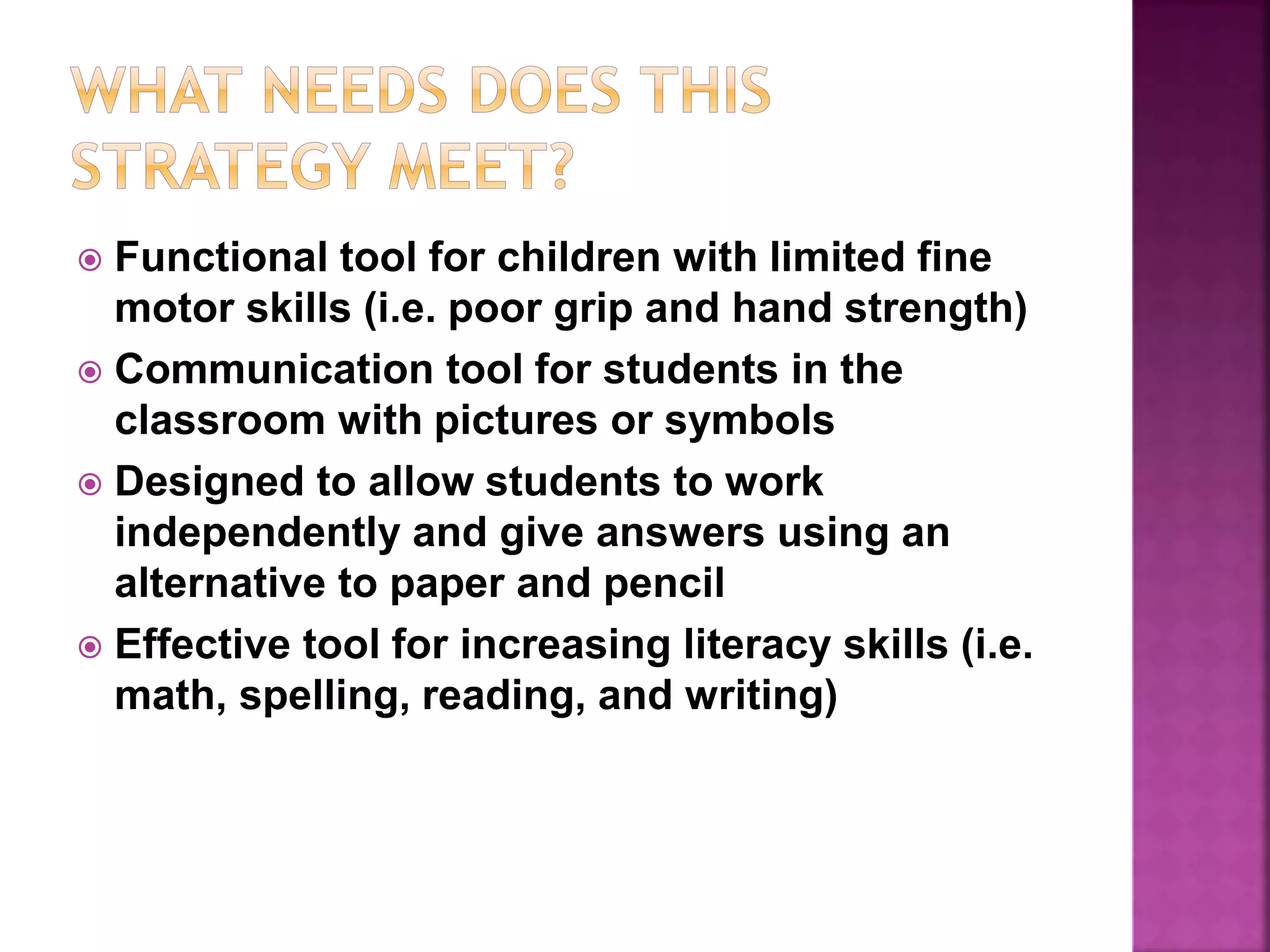
 Functional tool for children with limited fine
motor skills (i.e. poor grip and hand strength)
 Communication tool for students in the
classroom with pictures or symbols
 Designed to allow students to work
independently and give answers using an
alternative to paper and pencil
 Effective tool for increasing literacy skills (i.e.
math, spelling, reading, and writing)
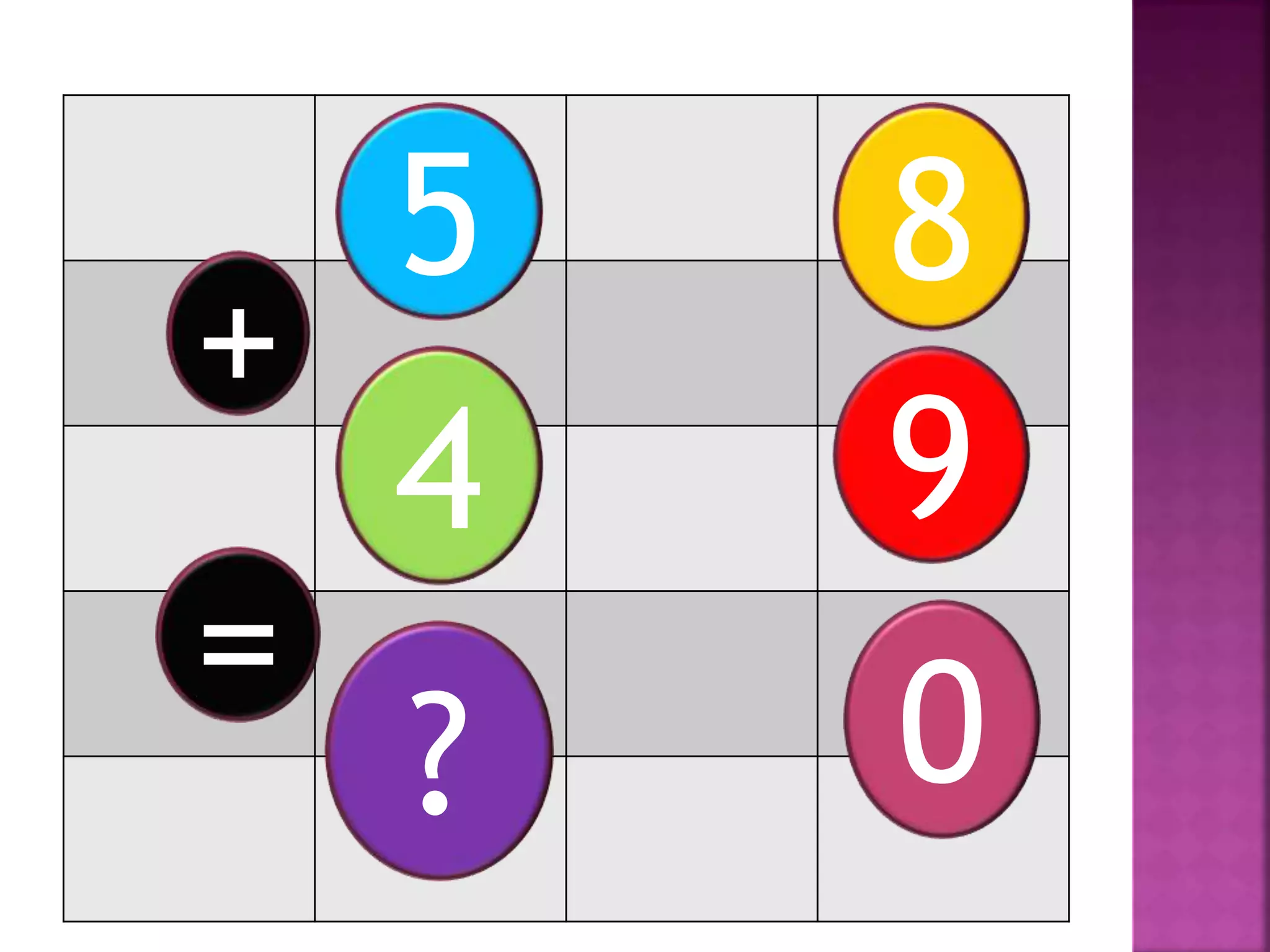
5
4 9
? 0
8
+
=
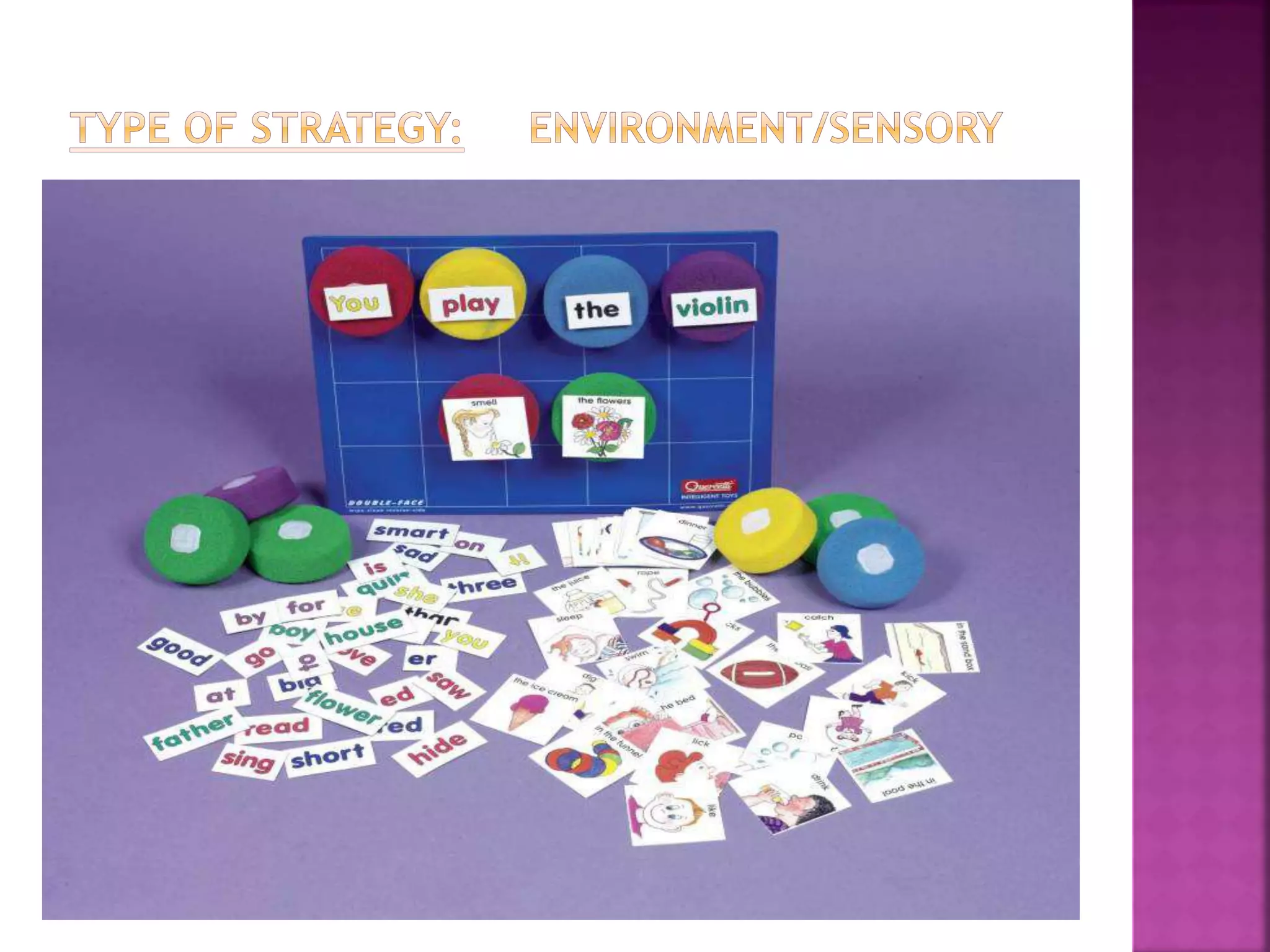
 Magnetic white board
 Magnetic paper (for printing symbols, images,
etc)
 Color coded magnetic pegs
 Dry erase markers
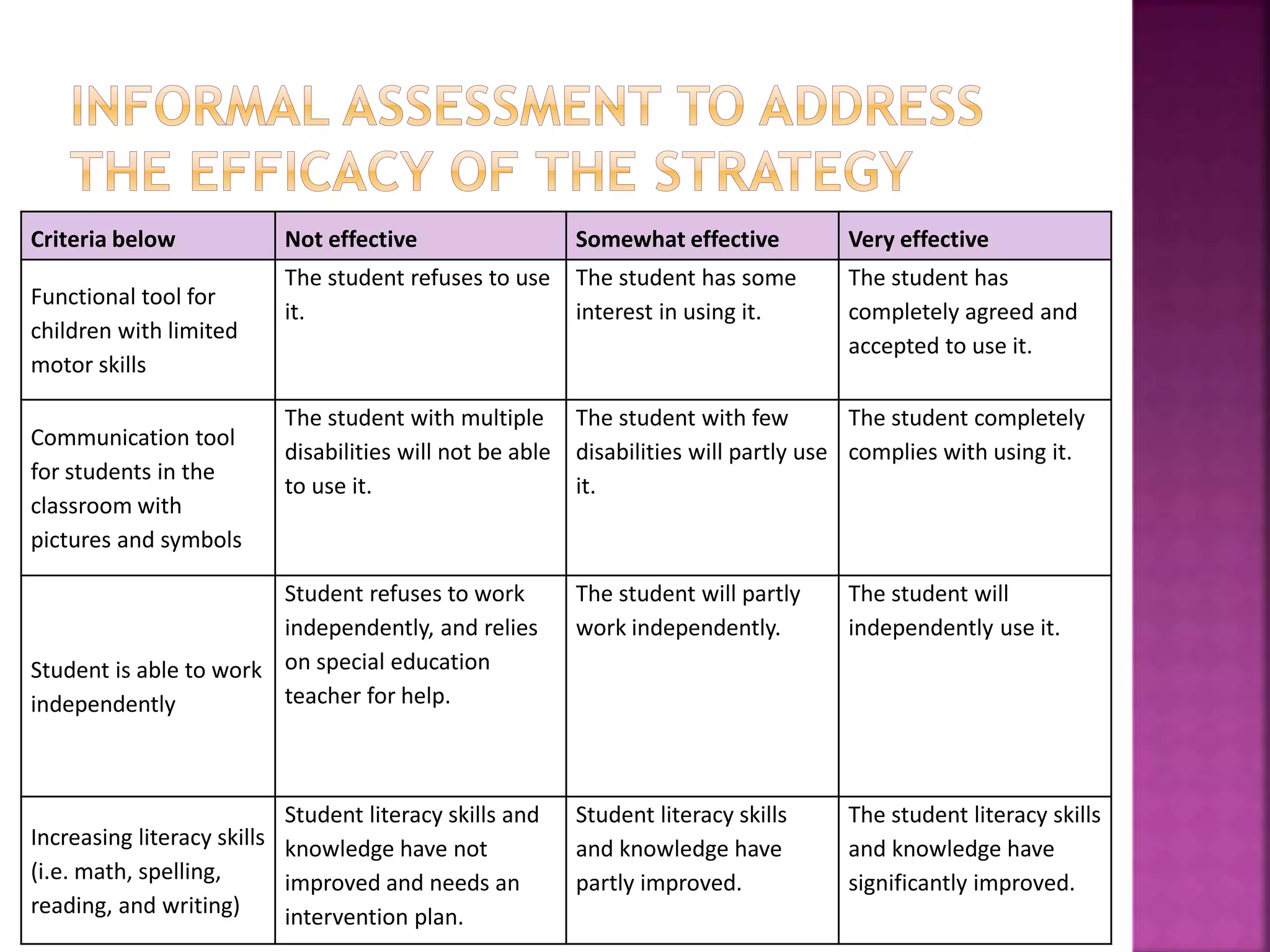
Criteria below Not effective Somewhat effective Very effective
Functional tool for
children with limited
motor skills
The student refuses to use
it.
The student has some
interest in using it.
The student has
completely agreed and
accepted to use it.
Communication tool
for students in the
classroom with
pictures and symbols
The student with multiple
disabilities will not be able
to use it.
The student with few
disabilities will partly use
it.
The student completely
complies with using it.
Student is able to work
independently
Student refuses to work
independently, and relies
on special education
teacher for help.
The student will partly
work independently.
The student will
independently use it.
Increasing literacy skills
(i.e. math, spelling,
reading, and writing)
Student literacy skills and
knowledge have not
improved and needs an
intervention plan.
Student literacy skills
and knowledge have
partly improved.
The student literacy skills
and knowledge have
significantly improved.
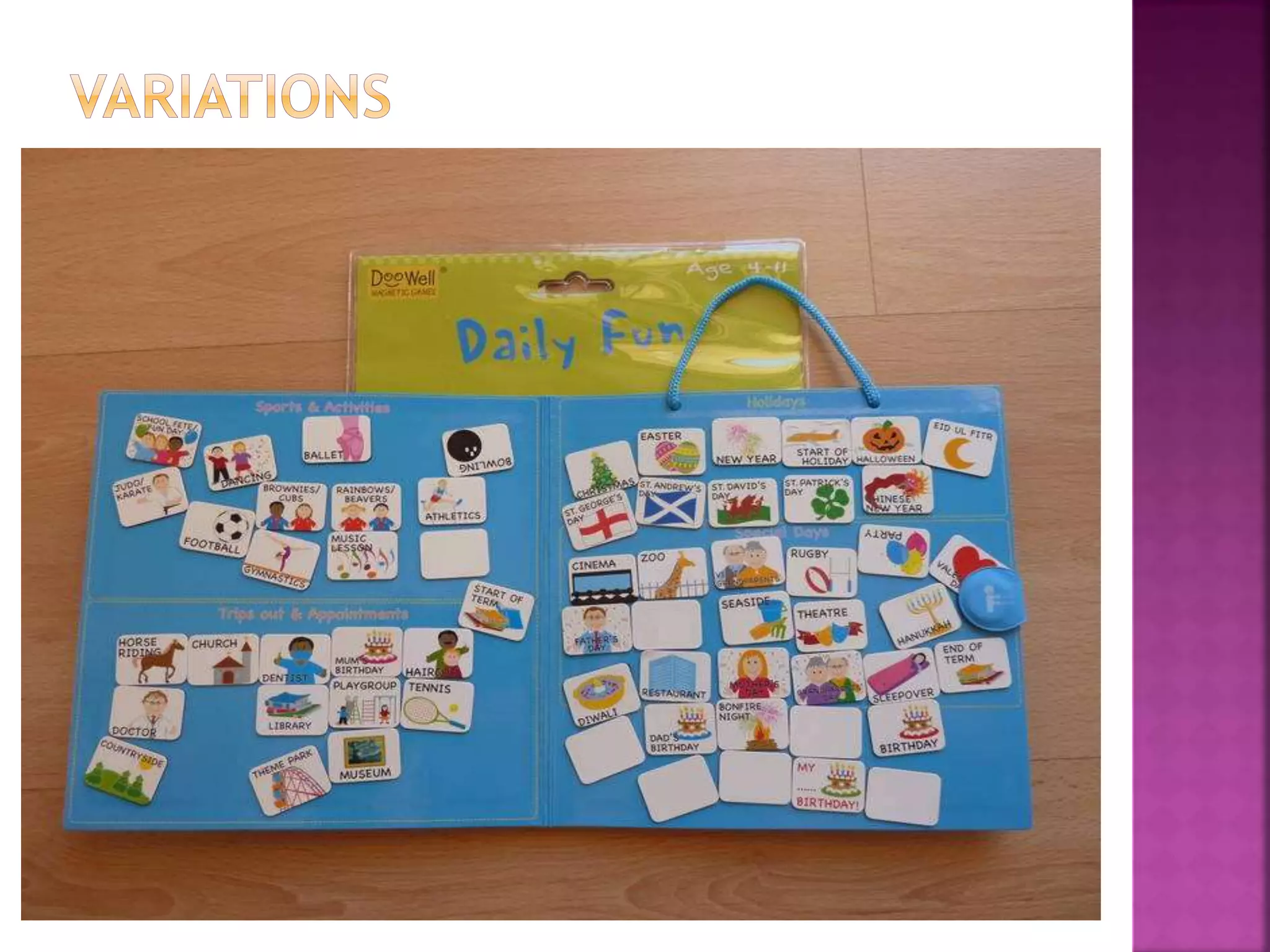
 Reward chart
 Transition charts for daily schedule for
students with disabilities
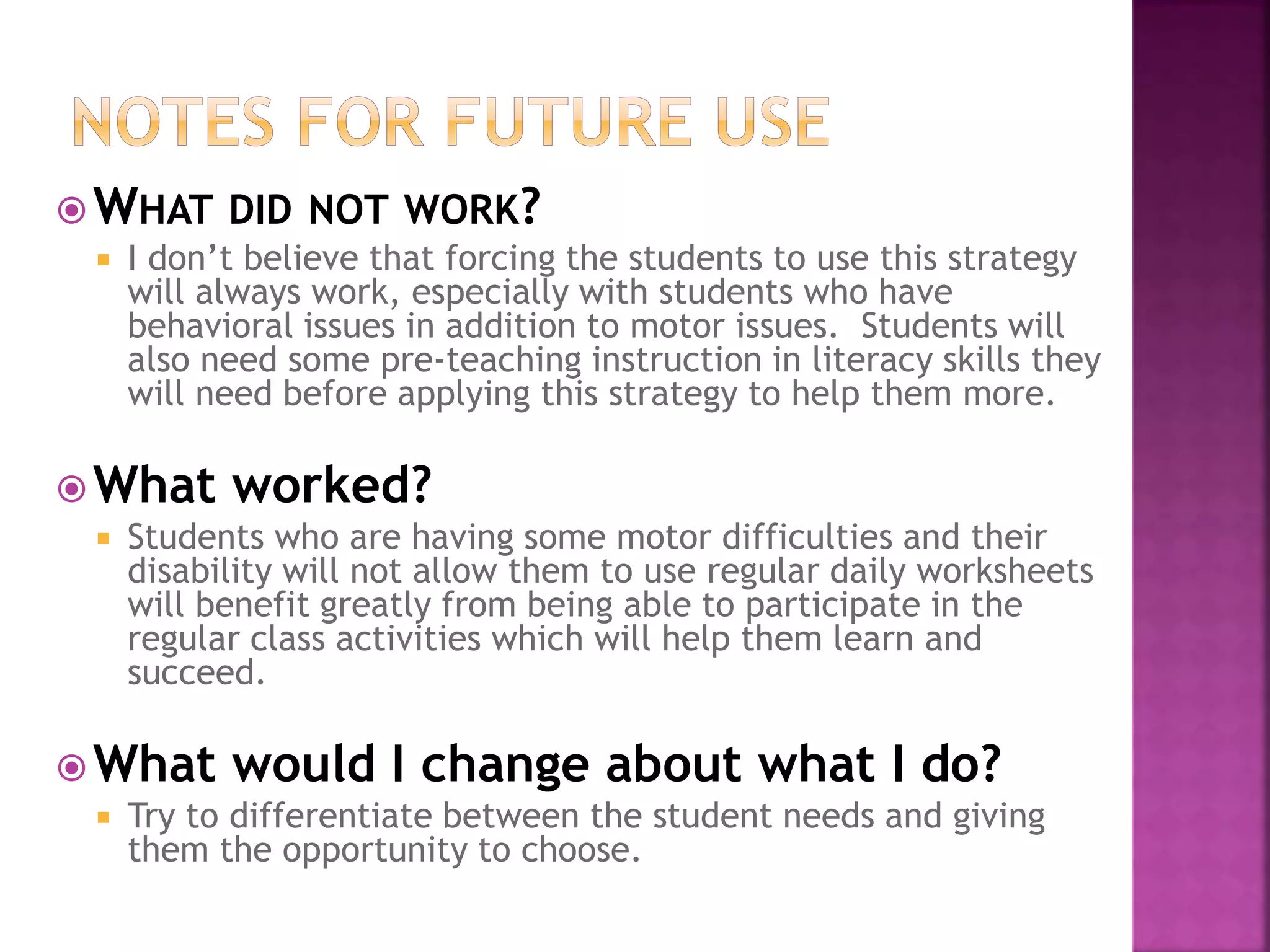
WHAT DID NOT WORK?
 I don’t believe that forcing the students to use this strategy
will always work, especially with students who have
behavioral issues in addition to motor issues. Students will
also need some pre-teaching instruction in literacy skills they
will need before applying this strategy to help them more.
What worked?
 Students who are having some motor difficulties and their
disability will not allow them to use regular daily worksheets
will benefit greatly from being able to participate in the
regular class activities which will help them learn and
succeed.
What would I change about what I do?
 Try to differentiate between the student needs and giving
them the opportunity to choose.

Strategy presentation

  • 1.
  • 3.
     Functional toolfor children with limited fine motor skills (i.e. poor grip and hand strength)  Communication tool for students in the classroom with pictures or symbols  Designed to allow students to work independently and give answers using an alternative to paper and pencil  Effective tool for increasing literacy skills (i.e. math, spelling, reading, and writing)
  • 4.
  • 5.
     Magnetic whiteboard  Magnetic paper (for printing symbols, images, etc)  Color coded magnetic pegs  Dry erase markers
  • 6.
    Criteria below Noteffective Somewhat effective Very effective Functional tool for children with limited motor skills The student refuses to use it. The student has some interest in using it. The student has completely agreed and accepted to use it. Communication tool for students in the classroom with pictures and symbols The student with multiple disabilities will not be able to use it. The student with few disabilities will partly use it. The student completely complies with using it. Student is able to work independently Student refuses to work independently, and relies on special education teacher for help. The student will partly work independently. The student will independently use it. Increasing literacy skills (i.e. math, spelling, reading, and writing) Student literacy skills and knowledge have not improved and needs an intervention plan. Student literacy skills and knowledge have partly improved. The student literacy skills and knowledge have significantly improved.
  • 7.
     Reward chart Transition charts for daily schedule for students with disabilities
  • 9.
    WHAT DID NOTWORK?  I don’t believe that forcing the students to use this strategy will always work, especially with students who have behavioral issues in addition to motor issues. Students will also need some pre-teaching instruction in literacy skills they will need before applying this strategy to help them more. What worked?  Students who are having some motor difficulties and their disability will not allow them to use regular daily worksheets will benefit greatly from being able to participate in the regular class activities which will help them learn and succeed. What would I change about what I do?  Try to differentiate between the student needs and giving them the opportunity to choose.