Socioeconomic Status
By: Wasan Abu-Baker
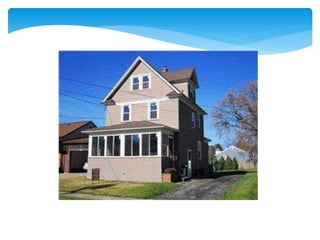
 Please take out a blank sheet of paper and label it 1-10
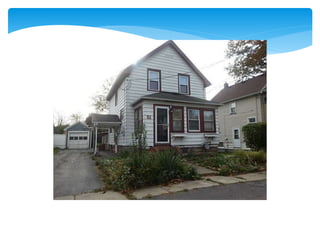
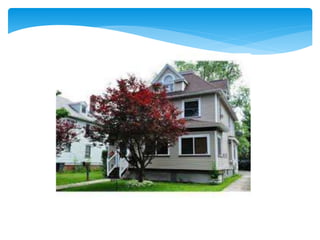
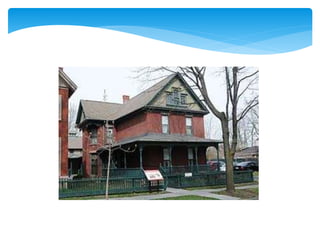
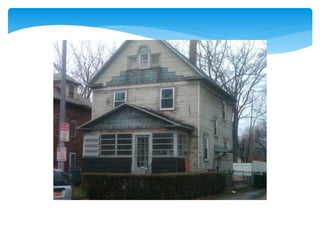
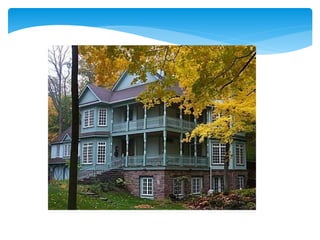
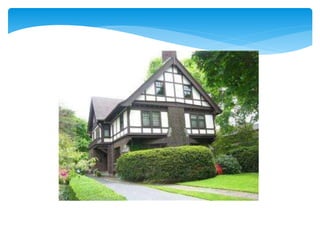
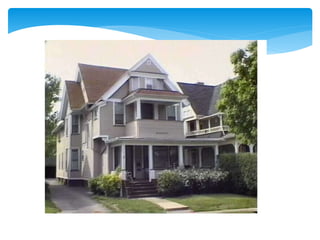
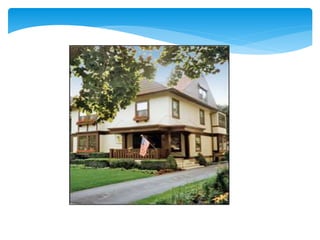
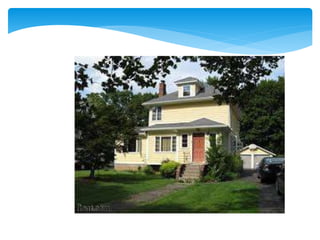
 In the following slides we will have pictures of houses
 If you believe the house is in the suburbs mark it with
an S
 If you believe that the house is in an urban setting
mark it with a U
To Begin…
 Economic measure of a person’s income, education
and occupation related to other people
 Poverty line: Family of four living on $23,550
Definition
 While there are many laws that govern the way in which
our schools operate, The National School Lunch Program is
one of them that is directly linked to a students particular
Socio-economic status in the community.
 Students who qualify for this program are often entitled to
free and reduced priced lunches offered by their school.
 In order to qualify for this program students must register
with the NSLP and they in turn subsidize the school lunch
programs in order for them to continue to operate within
their State regulated budgets.
Socio-economic Status & The Law
 Other Laws that are effected by a students S.E.S classification are often
done so indirectly.
 Laws regarding Student immunization are often broken in lower socio-
economic areas due to limited or no access to health care. Although
there usually alternatives provided by the State these laws are often
broken and result in higher incidence of preventable illness amongst
student populations on lower S.E.S areas, such as hep B.
 Additionally the law surrounding compulsory attendance is often
another law that is broken more frequently in lower S.E.S. areas in NYS
as there is pressure on some students to drop out of school and work to
help support family members economically.
 Although there are attempts to enforce this law, students are often
able to work around these and escape attempts to enforce these laws
as there are a high number of incidences all happening at once.
Socio-economic status
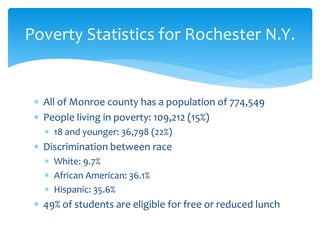
 All of Monroe county has a population of 774,549
 People living in poverty: 109,212 (15%)
 18 and younger: 36,798 (22%)
 Discrimination between race
 White: 9.7%
 African American: 36.1%
 Hispanic: 35.6%
 49% of students are eligible for free or reduced lunch
Poverty Statistics for Rochester N.Y.
 Action for a better community
 Rochester youth year
 Path Stone
 All of these programs are designed to help low-income
families
Community Programs in Rochester
 Mission Statement:
 Action for a Better Community is a Community Action
Agency that promotes and provides opportunities for
low-income individuals and families to become self-
sufficient.
Action for a Better Community
Services
 Milestone Youth Advocacy
Program
 Summer Youth
Employment
 Family Self-Sufficiency
Program
 Workforce Development
 Neighbors ROC
 Community Leadership
Development
 Rochester Youth Year takes graduates from area
colleges and allows them to make changes and
positive impacts on the Rochester community.
 Alleviating the effects of poverty on youth
 Strengthening Communities
 Promoting civic engagement and community-
centered leadership
Rochester Youth Year
 The College at Brockport
 Nazareth College
 Roberts Wesleyan College
 Rochester Institute of Technology
 ST. JOHN FISHER!!
 SUNY Geneseo
 University of Rochester
Area Schools
 http://www.youtube.com/watch?v=UwzWH9-19o4
Video
 Mission Statement
 Path Stone builds family and individual self-sufficiency
by strengthening farmworker, rural and urban
communities. Path Stone promotes social justice
through programs and advocacy.
 Has services in Indiana, Vermont, Ohio, Virginia,
Pennsylvania, New Jersey, Puerto Rico, and New York
Path Stone
Rochester Services
 E-commerce
 Financial Education
 Foreclosure Intervention
Services
 Home Buyer Post-Purchase
Counseling
 Home Buyer Pre-Purchase
Education
 HOME Rochester
 NYSERDA Assisted Home
Performance
 Low Income Taxpayer Clinic
 Main St. Construction
Management Services
 Marketview Heights Collective
Action Project
 Microenterprise Assistance
Program
 Property Management Services
 Resident Services
 Technical Assistance
 Weatherization Assistance
Program
 Loan Fund
 Research indicates that children from low-SES households and communities
develop academic skills more slowly compared to children from higher SES
groups (Morgan, Farkas, Hillemeier, & Maczuga, 2009). School conditions
contribute more to SES differences in learning rates than family characteristics.
 The school systems in low-SES communities are often under-resourced,
negatively affecting students’ academic progress.
 A teacher’s years of experience and quality of training is correlated with
children’s academic achievement (Gimbert, Bol, & Wallace, 2007). Yet, children
in low income schools are less likely to have well-qualified teachers.
 A focus on improving teaching and learning, creation of an information-rich
environment, building of a learning community, continuous professional
development, involvement of parents, and increased funding and resources
have been found to improve the quality of schools in low-SES neighborhoods.
Socioeconomic Status Affect on School
Environment
 Children from low-SES environments acquire language skills more slowly, exhibit delayed
letter recognition and phonological awareness, and are at risk for reading difficulties;
however, children with higher SES backgrounds were more likely to be proficient on tasks
of addition, subtraction, sequencing, and math word problems than children with lower
SES backgrounds (Aikens & Barbarin, 2008).
 Family structure and educational expectations have important associations with SES,
race/ethnicity, and with young children’s test scores, though their impacts on cognitive
skills are much smaller than either race or SES. Although 15% of white children live with
only one parent, 54% of black and 27% of Hispanic children live in single-parent homes.
Similarly, 48% of families in the lowest SES rank are headed by a single parent, compared
to only 10% of families in the highest rank.
 Inadequate education and increased dropout rates affect children’s academic
achievement, perpetuating the low-SES status of the community. Improving school
systems and early intervention programs may help to reduce these risk factors.
Socioeconomic Affect on Student
Academic Achievement
Unresolved issues
 Health: diet, infectious disease
 Psychological.
 Educational achievement
 Parenting
 Cognition
 Behavioral.
 Transportation
 Unemployment
 Access to Health Care Services
 Quality and stability of
romantic relationships.
 Motivation.
 Home environment.
 Neighborhood
 School environment.
 Learning resources
 (n.d.). Retrieved from http://www.abcinfo.org/
 (n.d.). Retrieved from http://aspe.hhs.gov/poverty/13poverty.cfm
 (n.d.). Retrieved from
http://www.nyscaaonline.org/poverty_reports.cfm?location=nystate§io
n=2011
 (n.d.). Retrieved from http://www.youthyear.org/
 Neighbor Works. (n.d.). Retrieved from http://www.pathstone.org/
 http://www.youtube.com/watch?v=tmkXE2CK-rM
 http://www.youtube.com/watch?v=BCFSjVkstS0
 http://www.youtube.com/watch?v=rAsZNditf-A
Sources

Socioeconomic status

  • 1.
  • 2.
     Please takeout a blank sheet of paper and label it 1-10  In the following slides we will have pictures of houses  If you believe the house is in the suburbs mark it with an S  If you believe that the house is in an urban setting mark it with a U To Begin…
  • 13.
     Economic measureof a person’s income, education and occupation related to other people  Poverty line: Family of four living on $23,550 Definition
  • 14.
     While thereare many laws that govern the way in which our schools operate, The National School Lunch Program is one of them that is directly linked to a students particular Socio-economic status in the community.  Students who qualify for this program are often entitled to free and reduced priced lunches offered by their school.  In order to qualify for this program students must register with the NSLP and they in turn subsidize the school lunch programs in order for them to continue to operate within their State regulated budgets. Socio-economic Status & The Law
  • 15.
     Other Lawsthat are effected by a students S.E.S classification are often done so indirectly.  Laws regarding Student immunization are often broken in lower socio- economic areas due to limited or no access to health care. Although there usually alternatives provided by the State these laws are often broken and result in higher incidence of preventable illness amongst student populations on lower S.E.S areas, such as hep B.  Additionally the law surrounding compulsory attendance is often another law that is broken more frequently in lower S.E.S. areas in NYS as there is pressure on some students to drop out of school and work to help support family members economically.  Although there are attempts to enforce this law, students are often able to work around these and escape attempts to enforce these laws as there are a high number of incidences all happening at once. Socio-economic status
  • 16.
     All ofMonroe county has a population of 774,549  People living in poverty: 109,212 (15%)  18 and younger: 36,798 (22%)  Discrimination between race  White: 9.7%  African American: 36.1%  Hispanic: 35.6%  49% of students are eligible for free or reduced lunch Poverty Statistics for Rochester N.Y.
  • 17.
     Action fora better community  Rochester youth year  Path Stone  All of these programs are designed to help low-income families Community Programs in Rochester
  • 18.
     Mission Statement: Action for a Better Community is a Community Action Agency that promotes and provides opportunities for low-income individuals and families to become self- sufficient. Action for a Better Community
  • 19.
    Action for aBetter Community Services  Milestone Youth Advocacy Program  Summer Youth Employment  Family Self-Sufficiency Program  Workforce Development  Neighbors ROC  Community Leadership Development
  • 20.
     Rochester YouthYear takes graduates from area colleges and allows them to make changes and positive impacts on the Rochester community.  Alleviating the effects of poverty on youth  Strengthening Communities  Promoting civic engagement and community- centered leadership Rochester Youth Year
  • 21.
     The Collegeat Brockport  Nazareth College  Roberts Wesleyan College  Rochester Institute of Technology  ST. JOHN FISHER!!  SUNY Geneseo  University of Rochester Area Schools
  • 22.
  • 23.
     Mission Statement Path Stone builds family and individual self-sufficiency by strengthening farmworker, rural and urban communities. Path Stone promotes social justice through programs and advocacy.  Has services in Indiana, Vermont, Ohio, Virginia, Pennsylvania, New Jersey, Puerto Rico, and New York Path Stone
  • 24.
    Rochester Services  E-commerce Financial Education  Foreclosure Intervention Services  Home Buyer Post-Purchase Counseling  Home Buyer Pre-Purchase Education  HOME Rochester  NYSERDA Assisted Home Performance  Low Income Taxpayer Clinic  Main St. Construction Management Services  Marketview Heights Collective Action Project  Microenterprise Assistance Program  Property Management Services  Resident Services  Technical Assistance  Weatherization Assistance Program  Loan Fund
  • 25.
     Research indicatesthat children from low-SES households and communities develop academic skills more slowly compared to children from higher SES groups (Morgan, Farkas, Hillemeier, & Maczuga, 2009). School conditions contribute more to SES differences in learning rates than family characteristics.  The school systems in low-SES communities are often under-resourced, negatively affecting students’ academic progress.  A teacher’s years of experience and quality of training is correlated with children’s academic achievement (Gimbert, Bol, & Wallace, 2007). Yet, children in low income schools are less likely to have well-qualified teachers.  A focus on improving teaching and learning, creation of an information-rich environment, building of a learning community, continuous professional development, involvement of parents, and increased funding and resources have been found to improve the quality of schools in low-SES neighborhoods. Socioeconomic Status Affect on School Environment
  • 26.
     Children fromlow-SES environments acquire language skills more slowly, exhibit delayed letter recognition and phonological awareness, and are at risk for reading difficulties; however, children with higher SES backgrounds were more likely to be proficient on tasks of addition, subtraction, sequencing, and math word problems than children with lower SES backgrounds (Aikens & Barbarin, 2008).  Family structure and educational expectations have important associations with SES, race/ethnicity, and with young children’s test scores, though their impacts on cognitive skills are much smaller than either race or SES. Although 15% of white children live with only one parent, 54% of black and 27% of Hispanic children live in single-parent homes. Similarly, 48% of families in the lowest SES rank are headed by a single parent, compared to only 10% of families in the highest rank.  Inadequate education and increased dropout rates affect children’s academic achievement, perpetuating the low-SES status of the community. Improving school systems and early intervention programs may help to reduce these risk factors. Socioeconomic Affect on Student Academic Achievement
  • 27.
    Unresolved issues  Health:diet, infectious disease  Psychological.  Educational achievement  Parenting  Cognition  Behavioral.  Transportation  Unemployment  Access to Health Care Services  Quality and stability of romantic relationships.  Motivation.  Home environment.  Neighborhood  School environment.  Learning resources
  • 28.
     (n.d.). Retrievedfrom http://www.abcinfo.org/  (n.d.). Retrieved from http://aspe.hhs.gov/poverty/13poverty.cfm  (n.d.). Retrieved from http://www.nyscaaonline.org/poverty_reports.cfm?location=nystate§io n=2011  (n.d.). Retrieved from http://www.youthyear.org/  Neighbor Works. (n.d.). Retrieved from http://www.pathstone.org/  http://www.youtube.com/watch?v=tmkXE2CK-rM  http://www.youtube.com/watch?v=BCFSjVkstS0  http://www.youtube.com/watch?v=rAsZNditf-A Sources