SMT. S. M CHOKHAWALA
LITTLE ANGLES SCHOOL
STD 8 TH SCIENCE
CHAPTER 1
CROP PRODUCTION AND MANAGEMENT
Basic agricultural practice
•Preparation of soil
•Sowing of seed
•Manuring
•Irrigation
•Protection of crop
•Harvesting
•storage
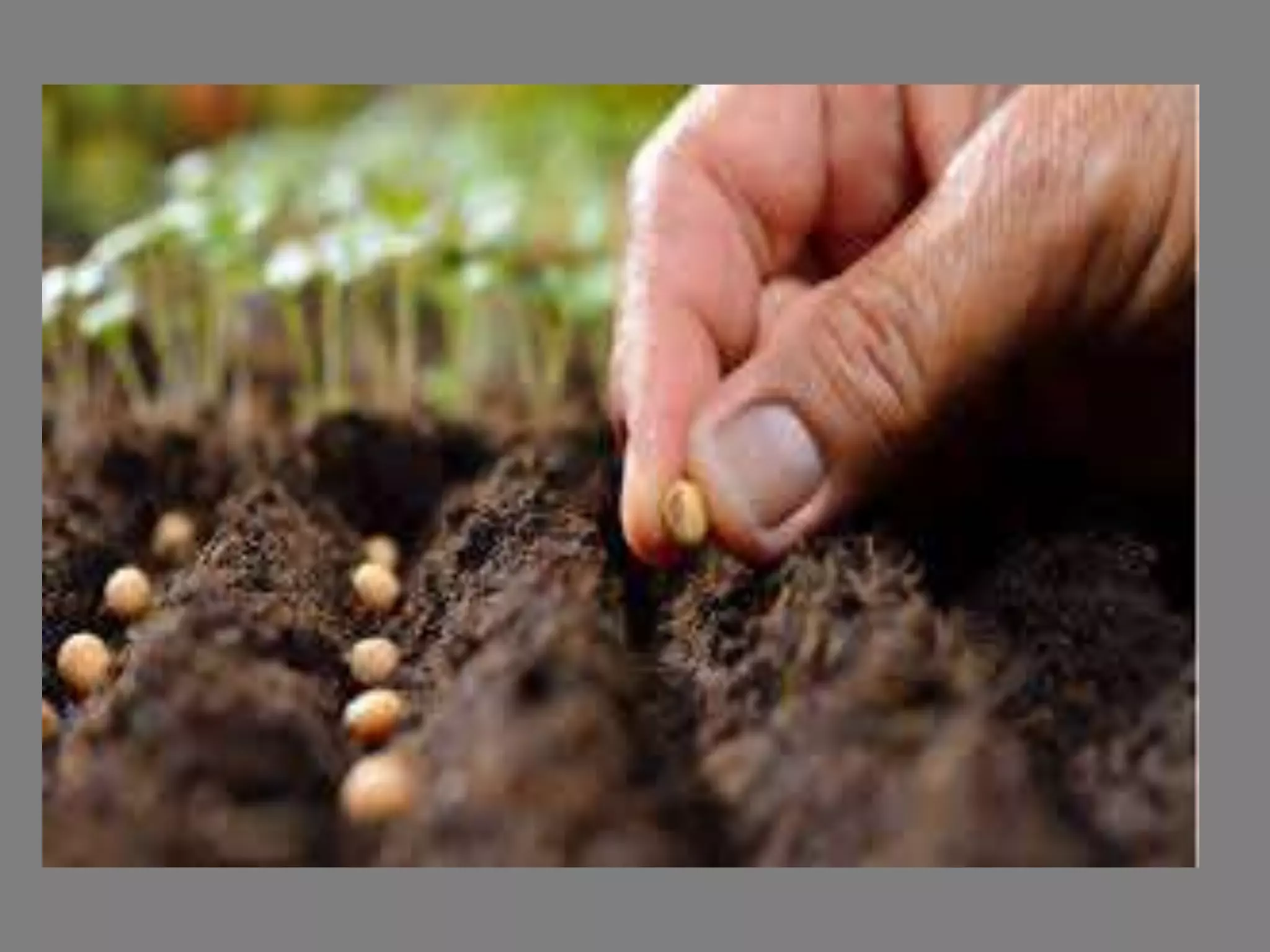
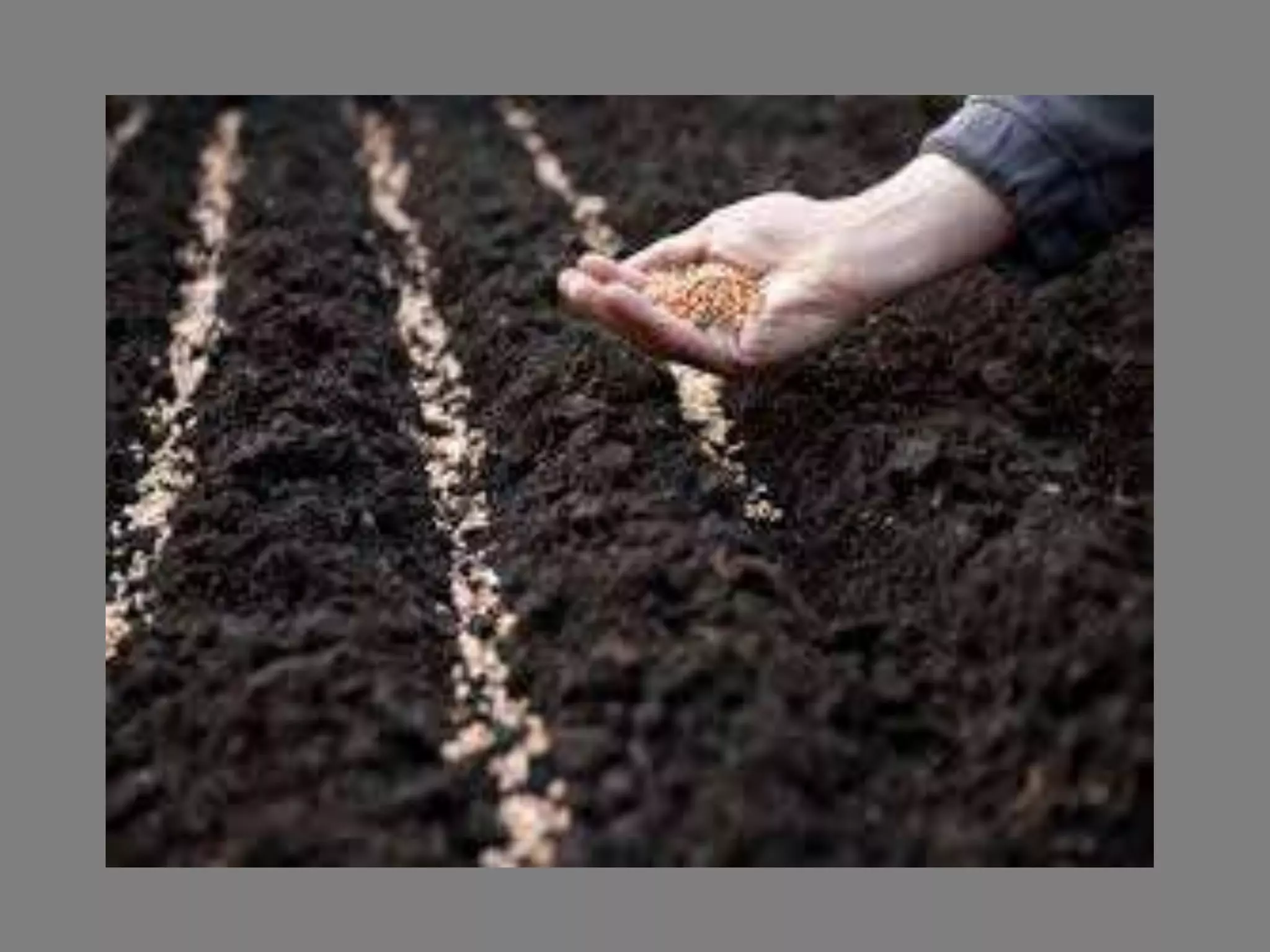
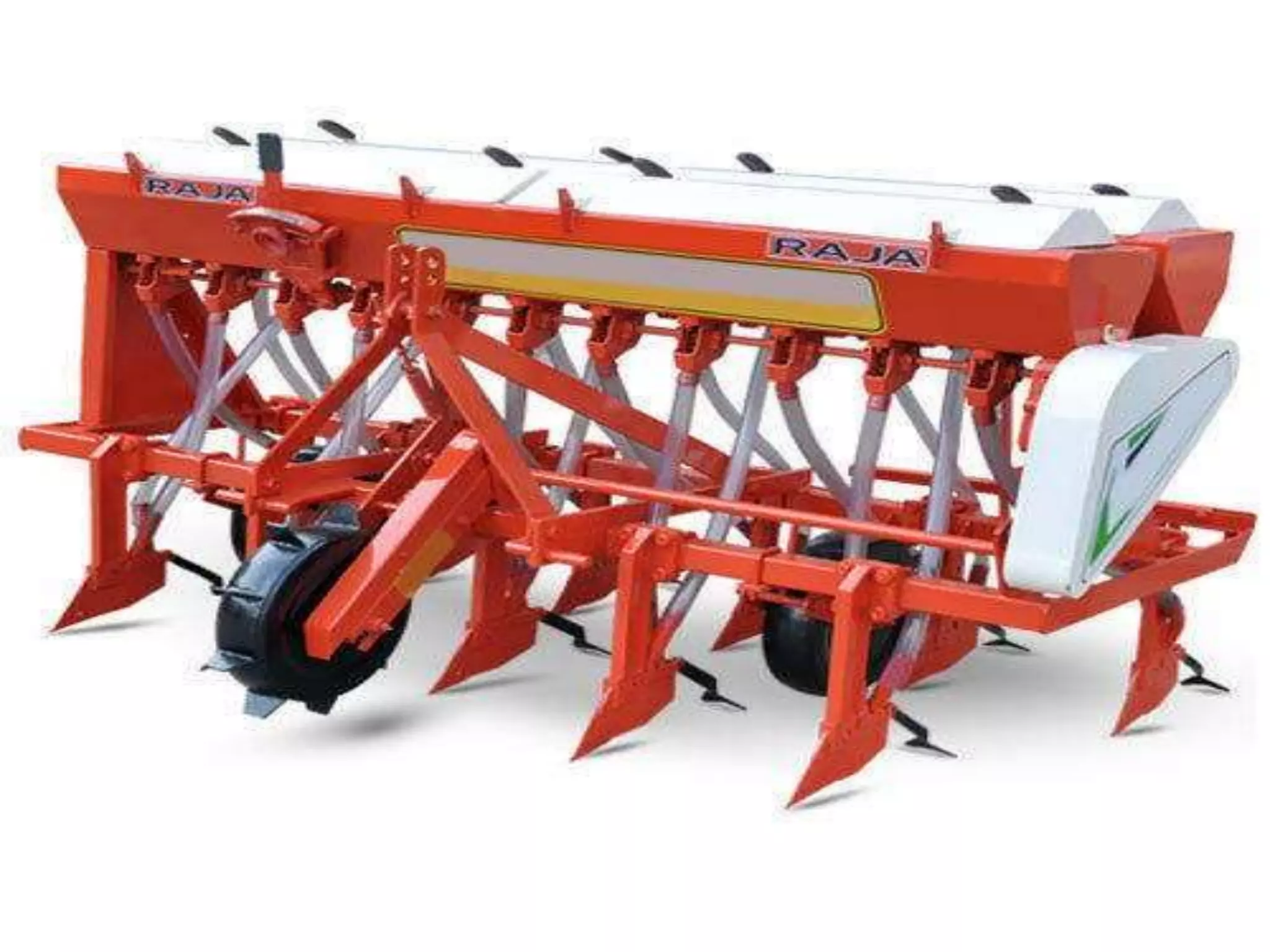
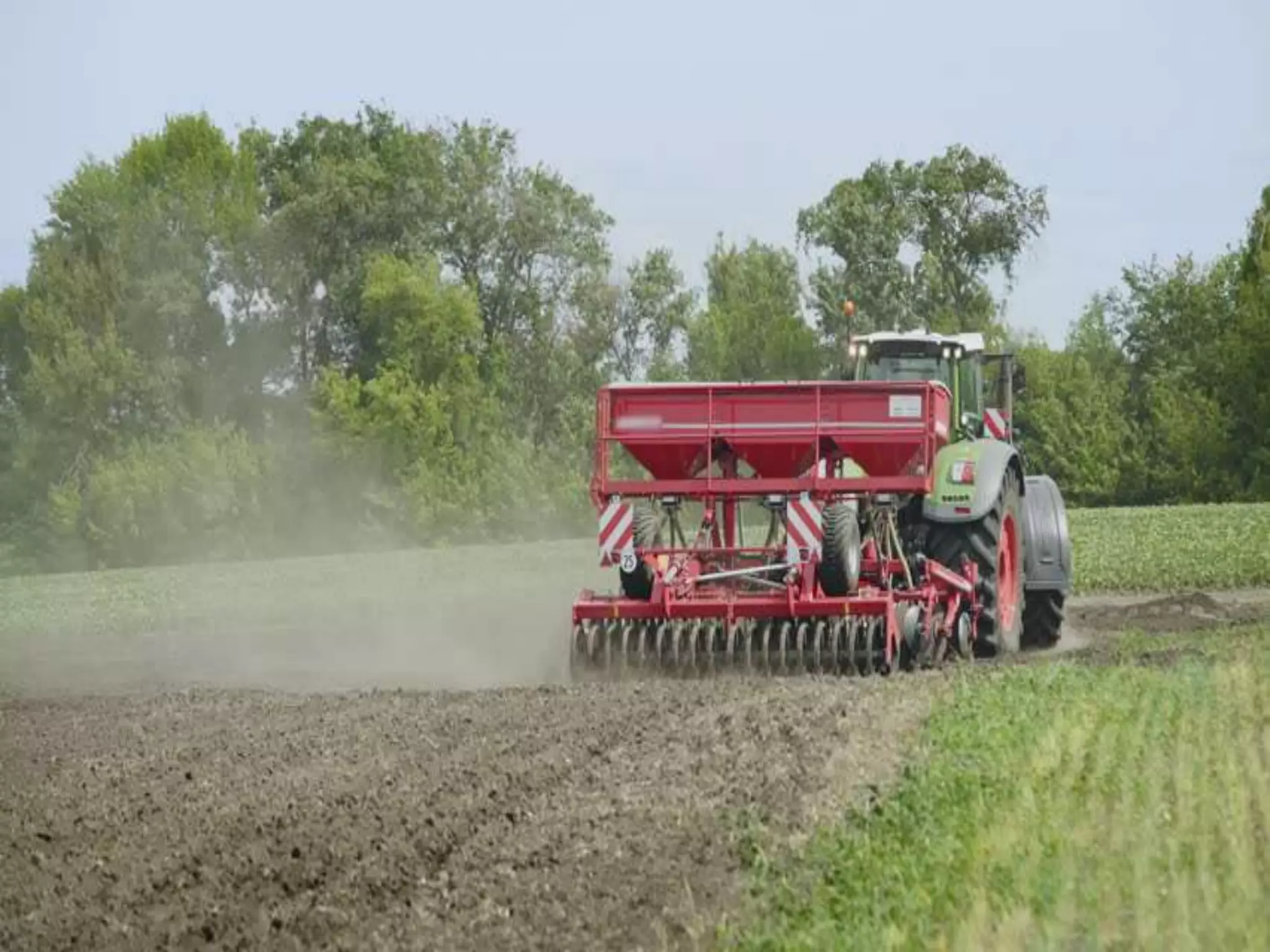
Sowing of seed:-The process of
putting seed in the soil for
germination is called sowing.
Germination:- conversion of seed in
to seedling
Germination
1.Seed should be sown in
proper season and moist soil
2.Seed should be sown at a
correct depth
3.Seed should be sown at
proper spacing to prevent
overcrowding.
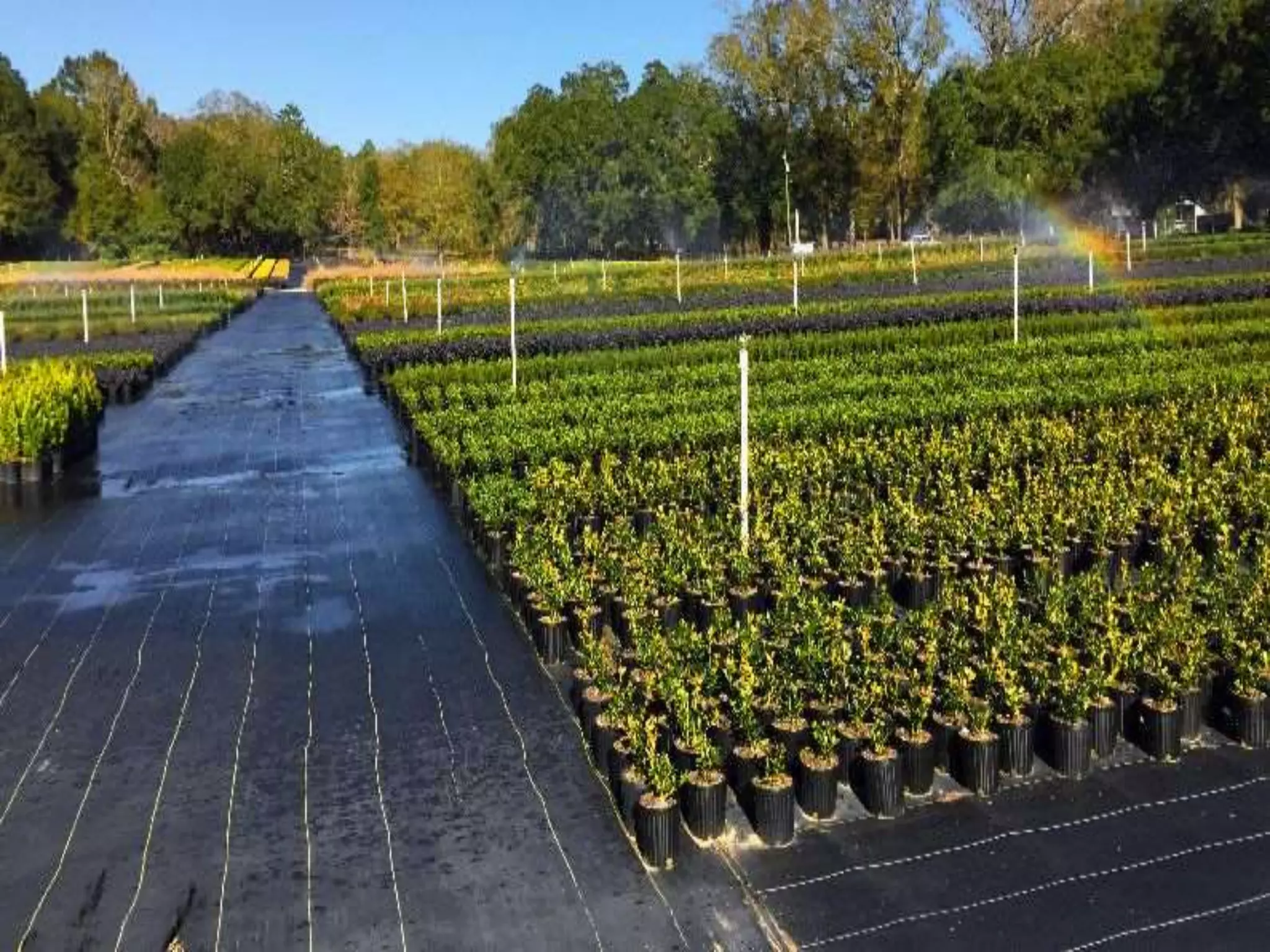
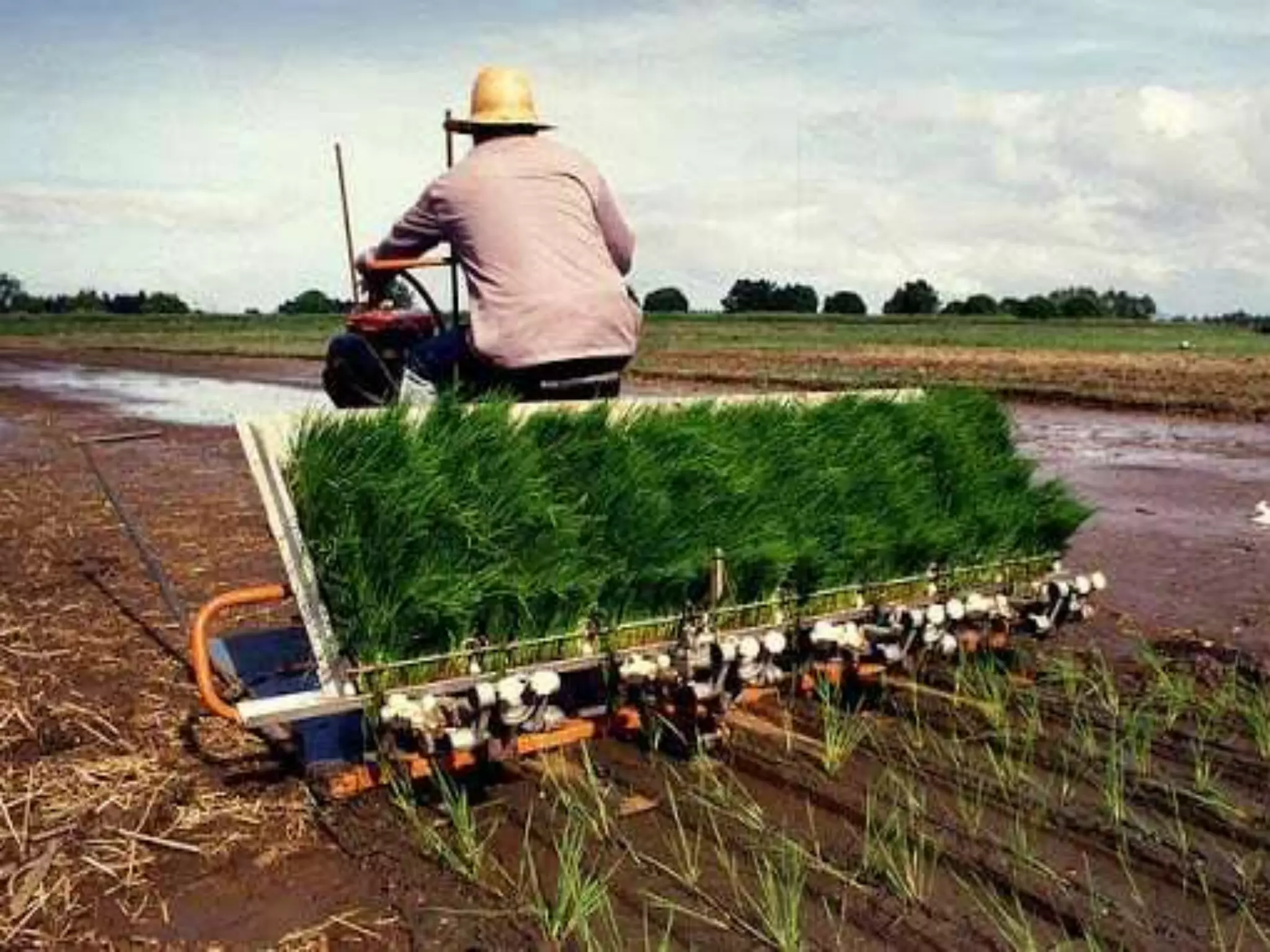
Crop transplantation:- The seed are
sown in to small area called
nursery.
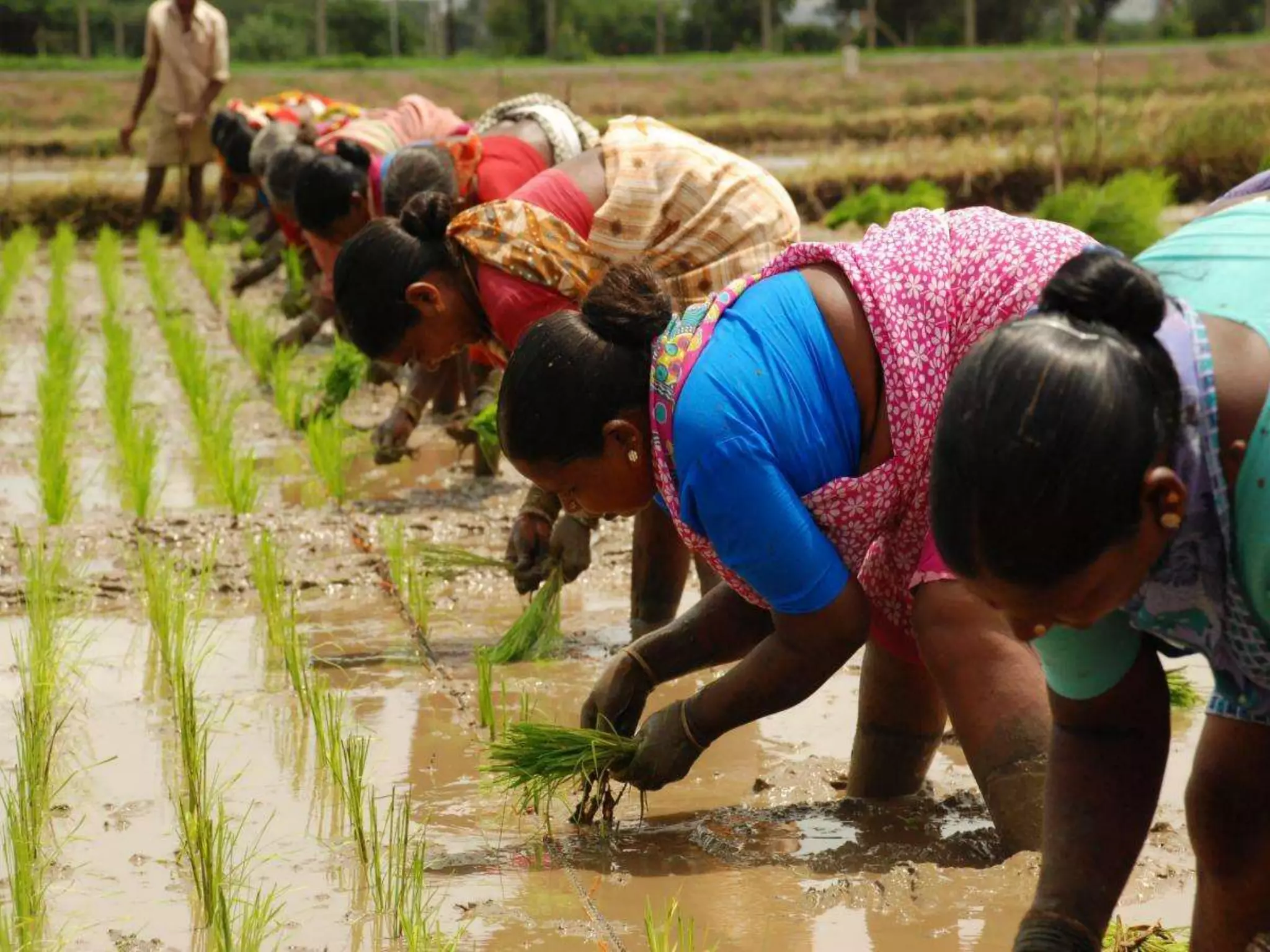
When they germinate in small
seedlings this are transferred to a
main field this is called
crop transplantation
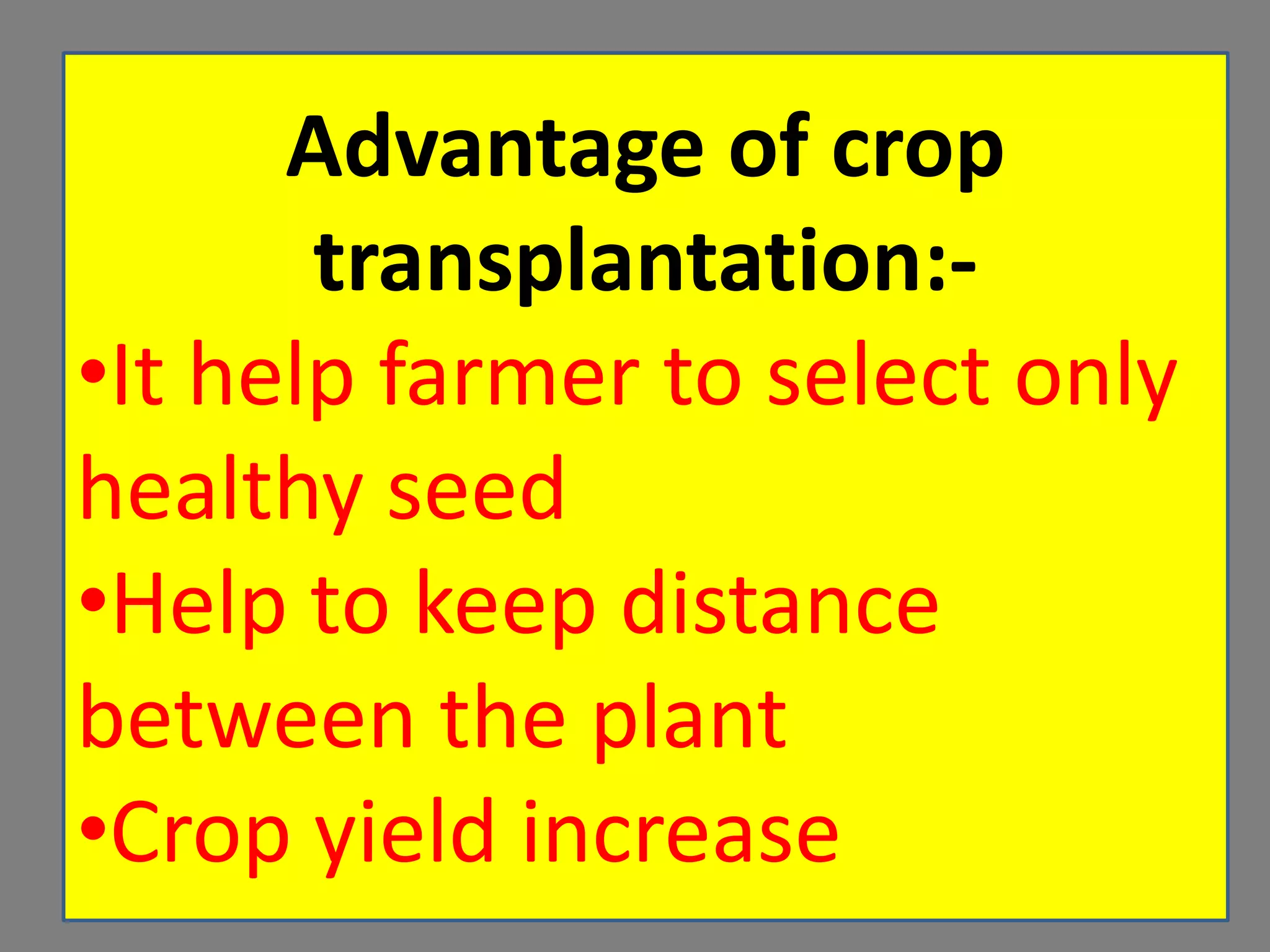
Advantage of crop
transplantation:-
•It help farmer to select only
healthy seed
•Help to keep distance
between the plant
•Crop yield increase
MANURING
The process of adding manure
fertilizer to soil is called manuring
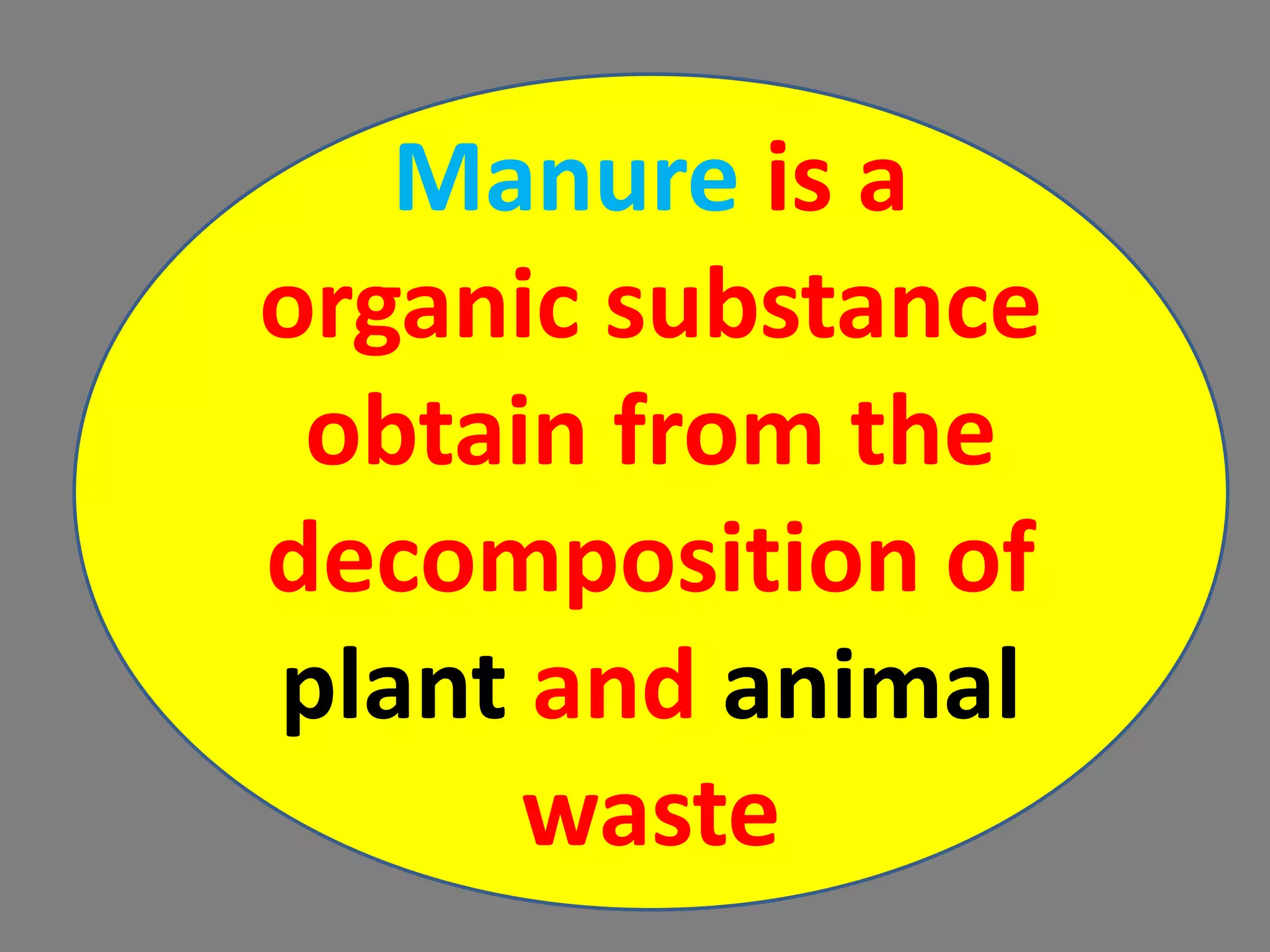
Manure is a
organic substance
obtain from the
decomposition of
plant and animal
waste
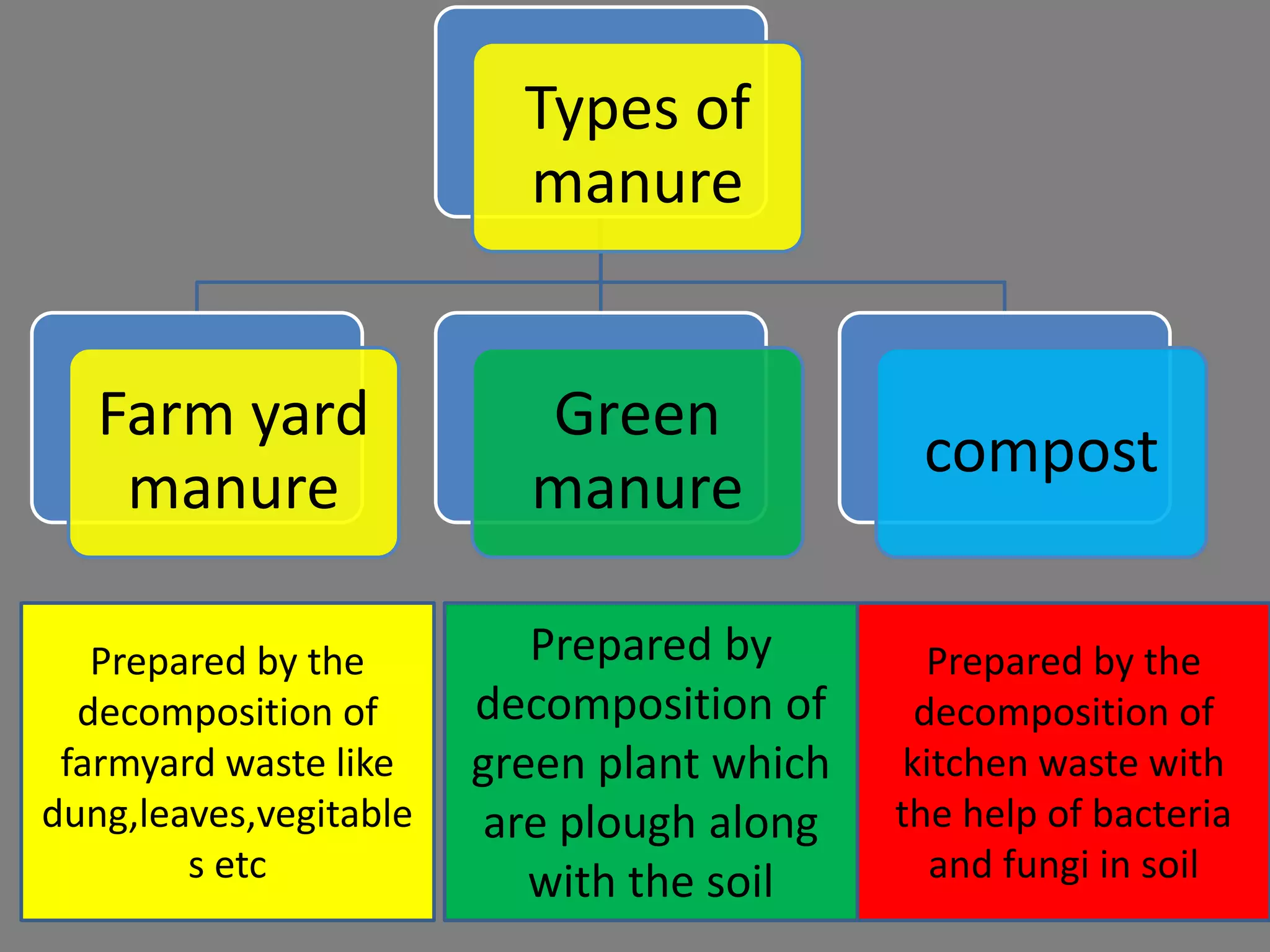
Types of
manure
Farm yard
manure
Green
manure
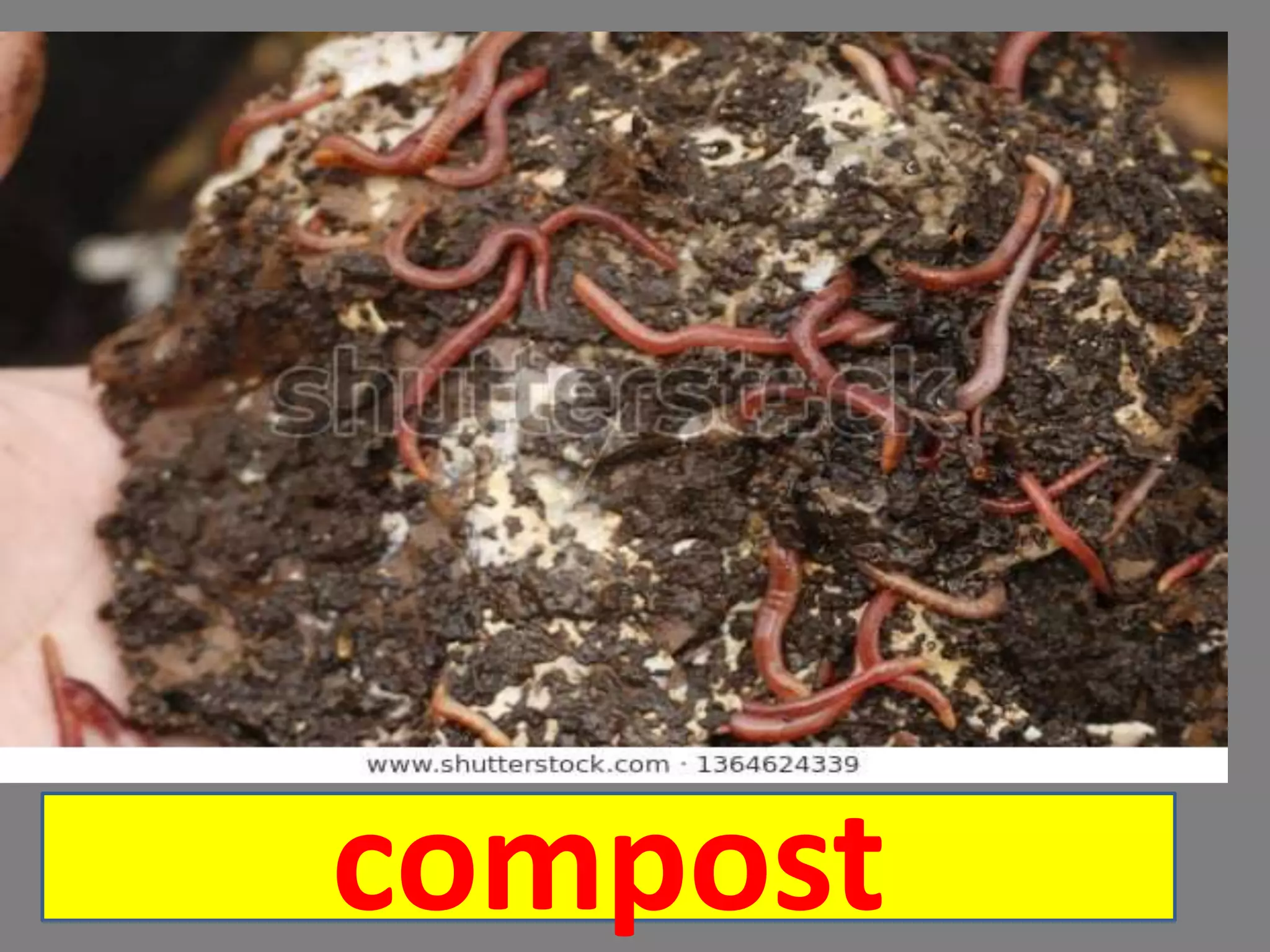
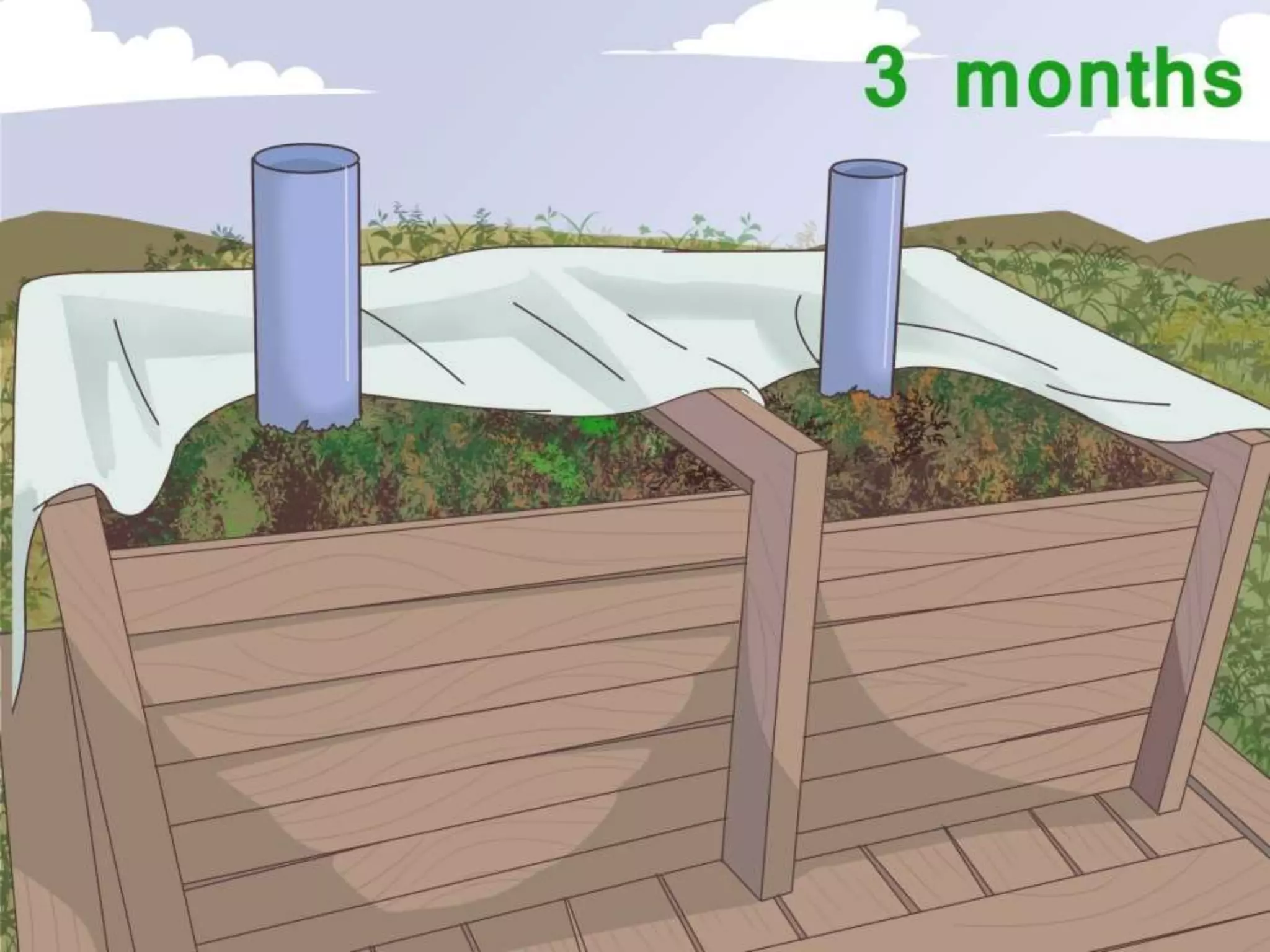
compost
Prepared by the
decomposition of
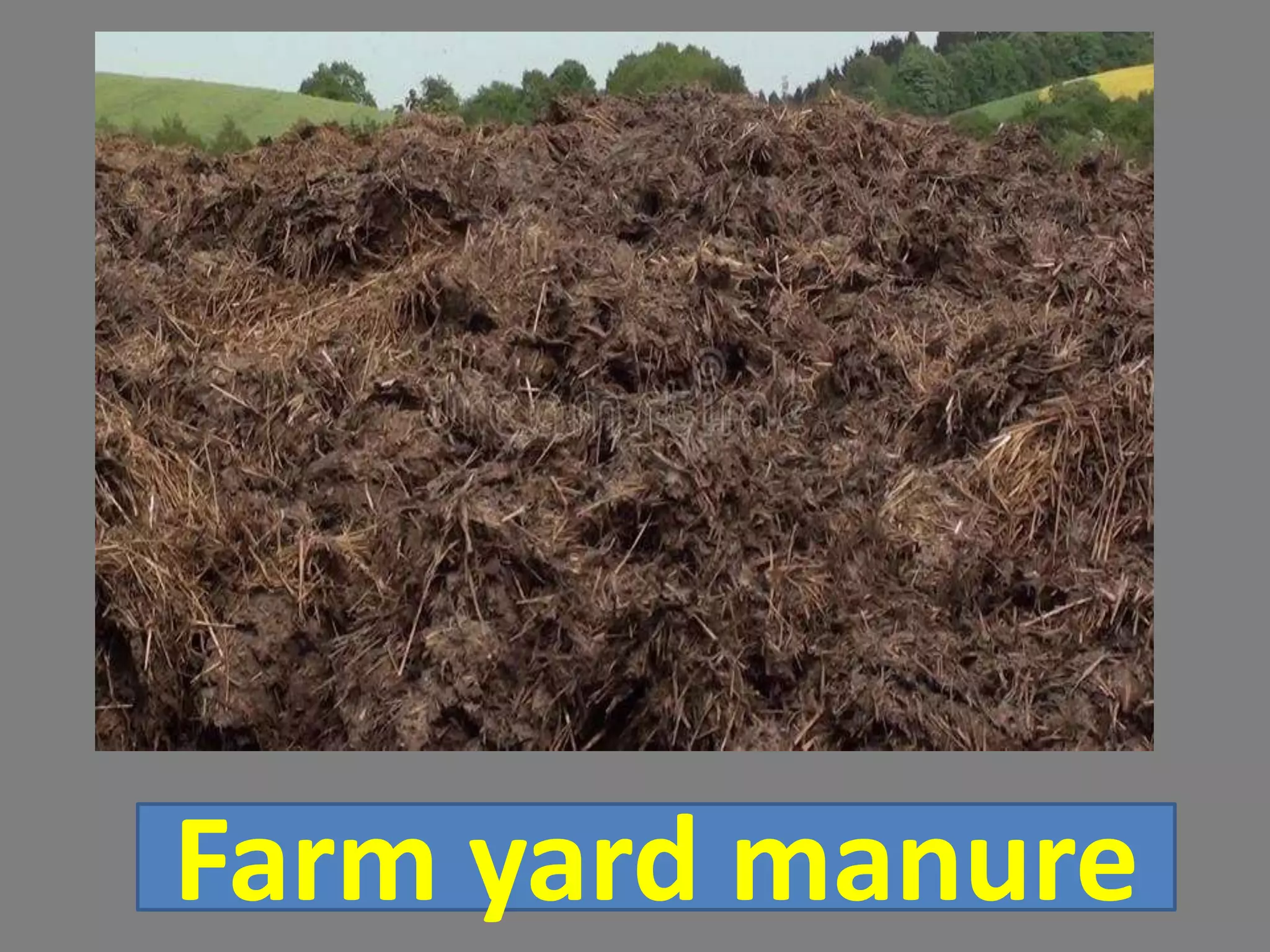
farmyard waste like
dung,leaves,vegitable
s etc
Prepared by
decomposition of
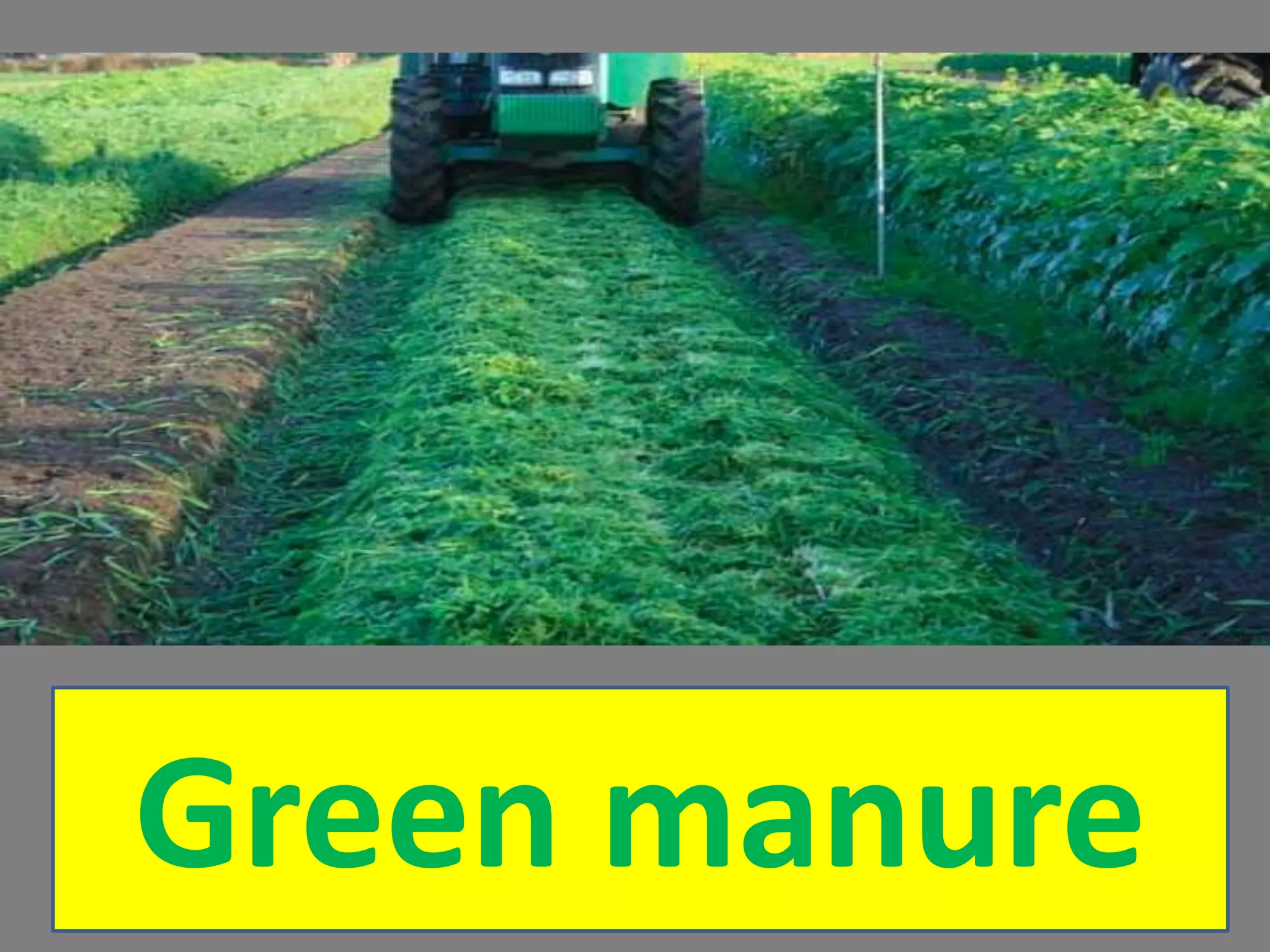
green plant which
are plough along
with the soil
Prepared by the
decomposition of
kitchen waste with
the help of bacteria
and fungi in soil
Farm yard manure
Green manure
compost
FERTILISER
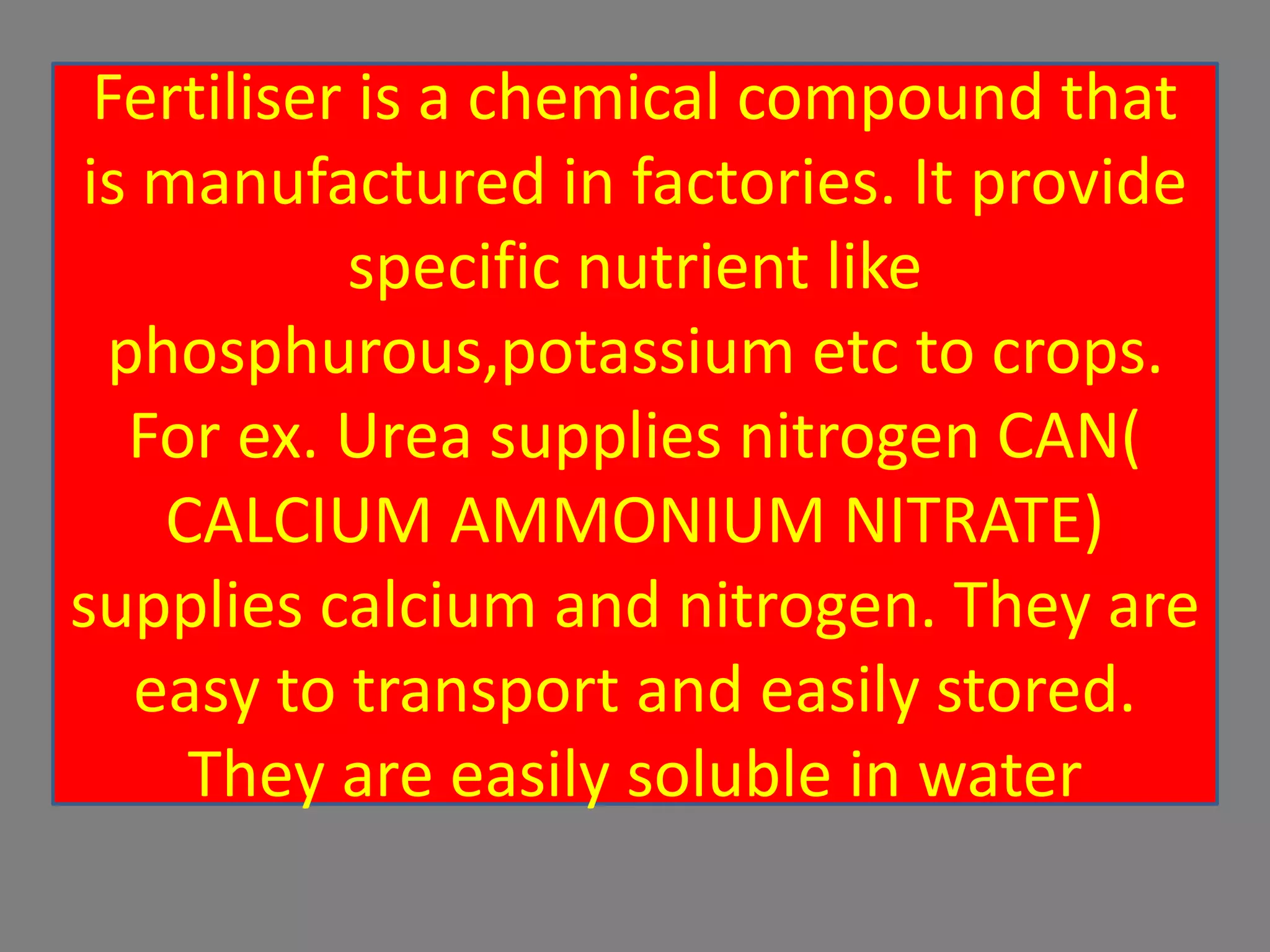
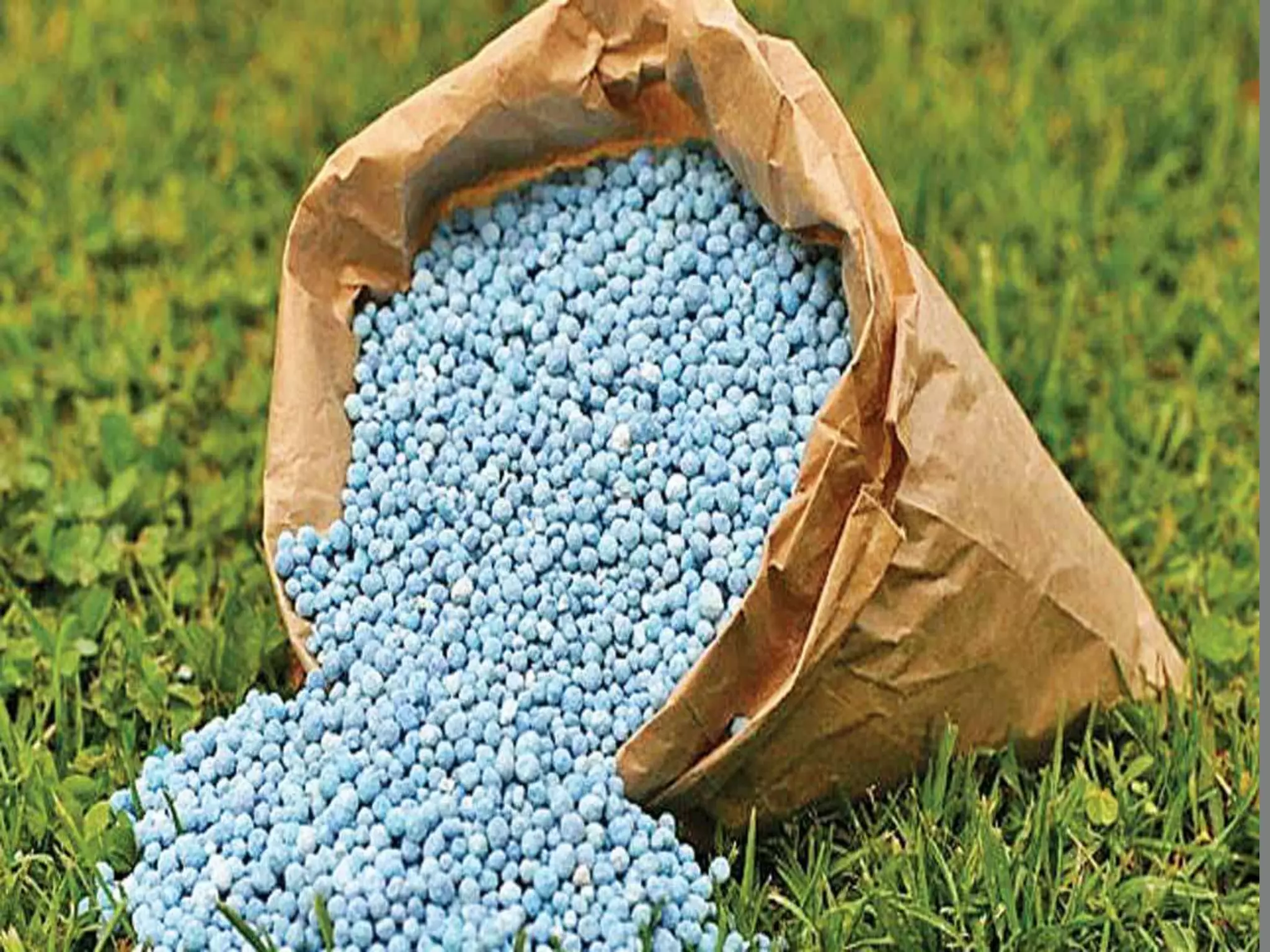
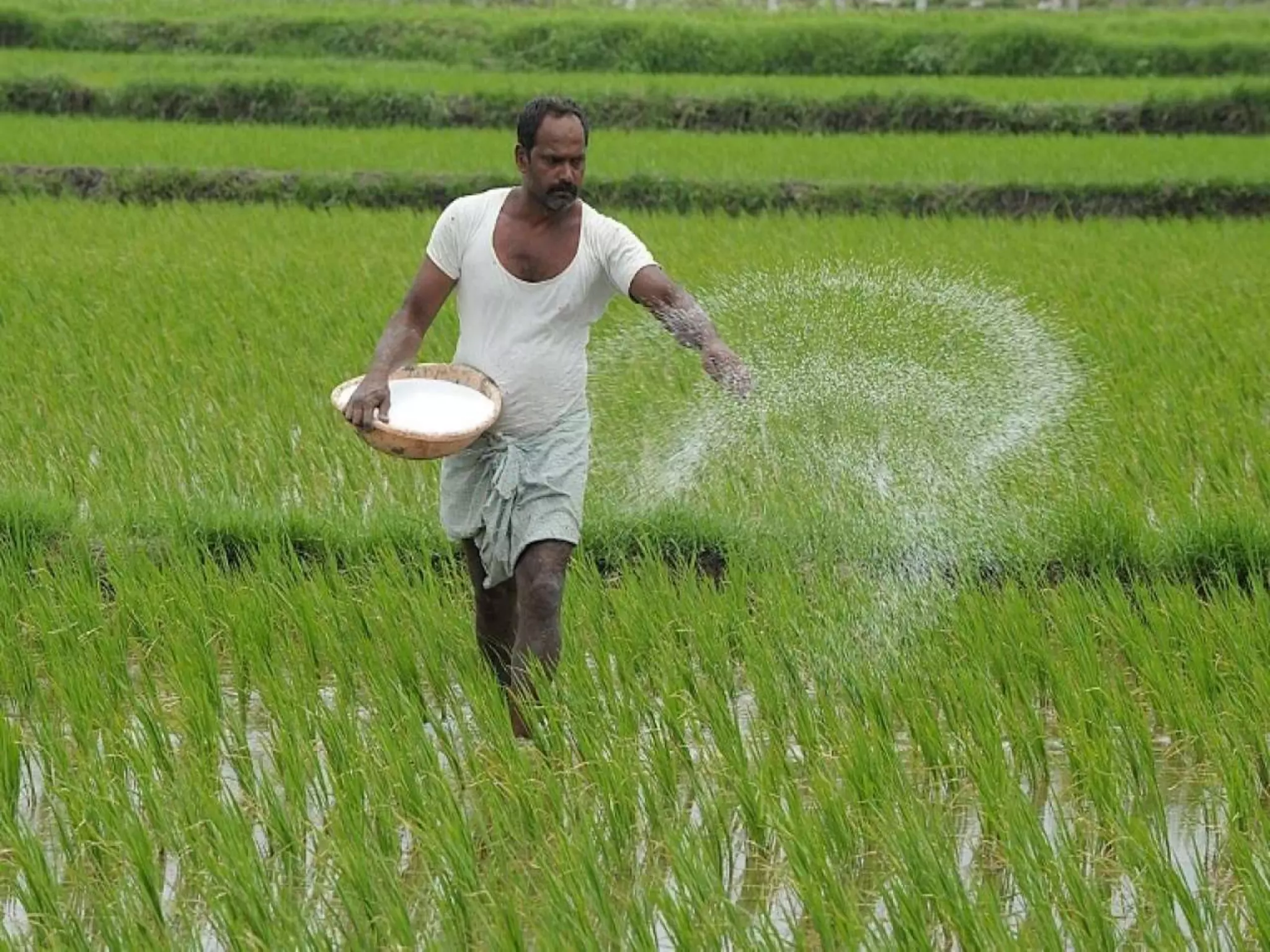
Fertiliser is a chemical compound that
is manufactured in factories. It provide
specific nutrient like
phosphurous,potassium etc to crops.
For ex. Urea supplies nitrogen CAN(
CALCIUM AMMONIUM NITRATE)
supplies calcium and nitrogen. They are
easy to transport and easily stored.
They are easily soluble in water
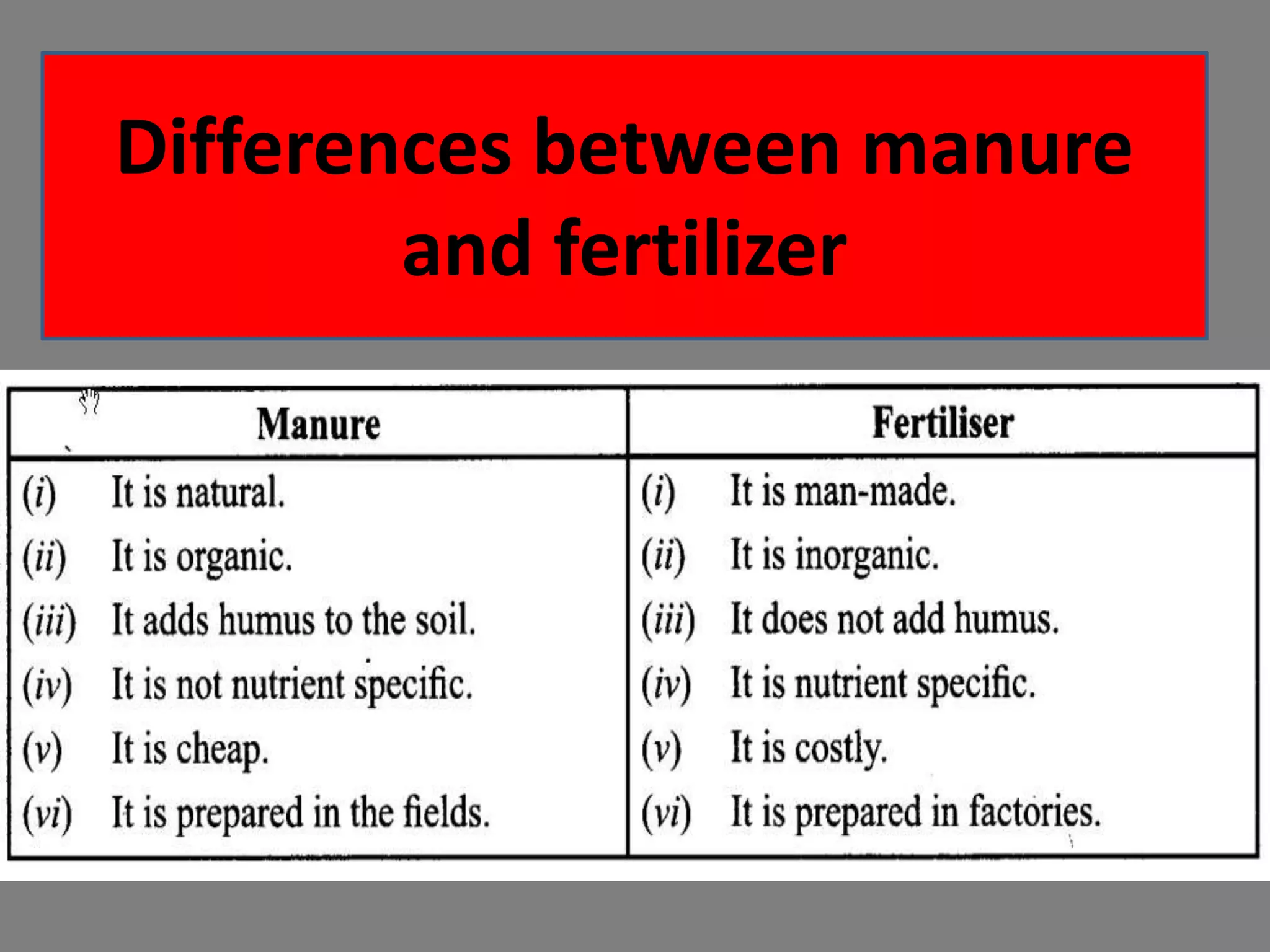
Differences between manure
and fertilizer
Despite the advantages fertilisers
also have some disadvantages it
reduce soil fertility, and cause soil
pollution.
And alternative to fertilisers
nutrient in soil can replenished
naturally by practicing various
methods as:
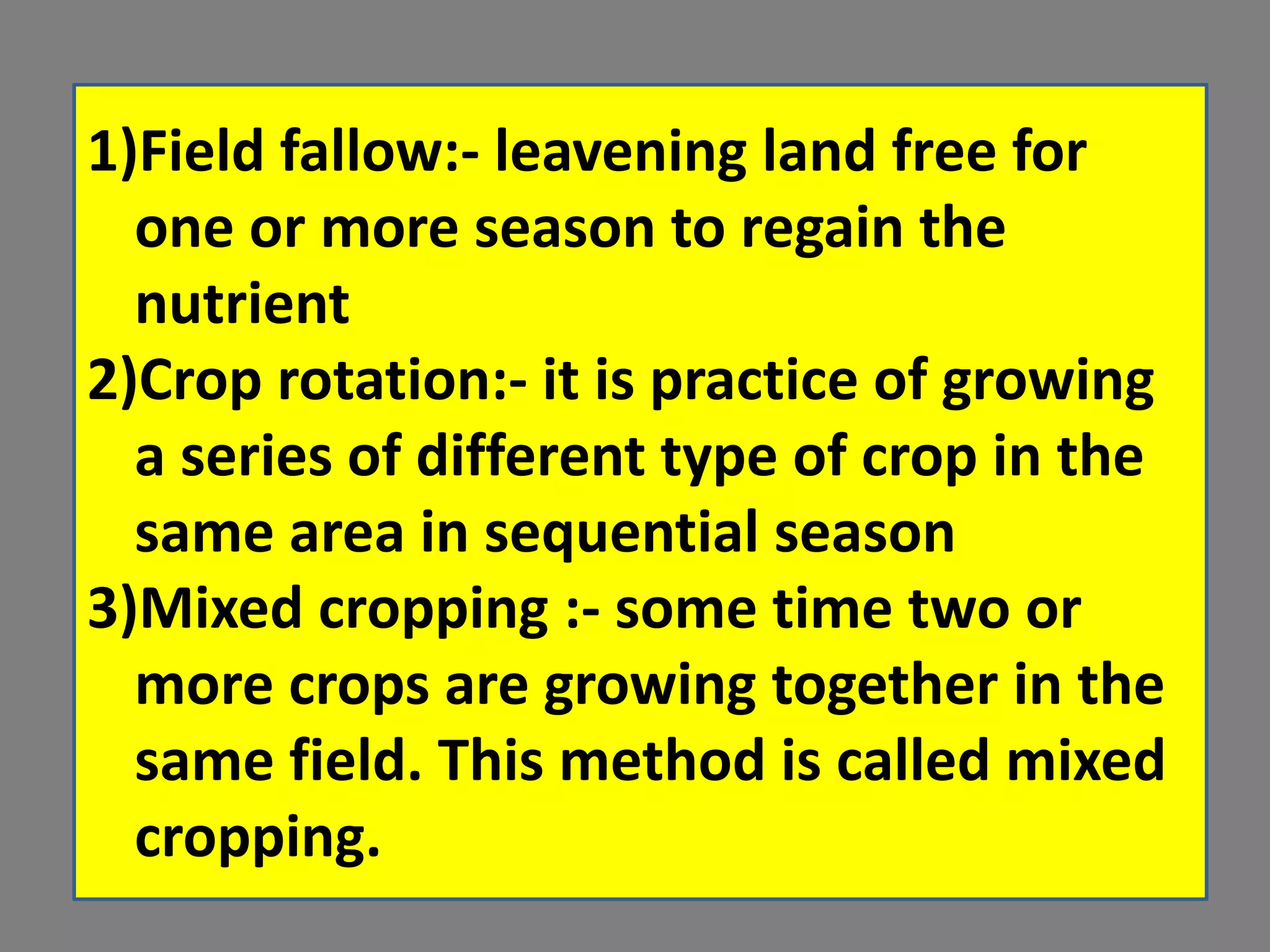
1)Field fallow:- leavening land free for
one or more season to regain the
nutrient
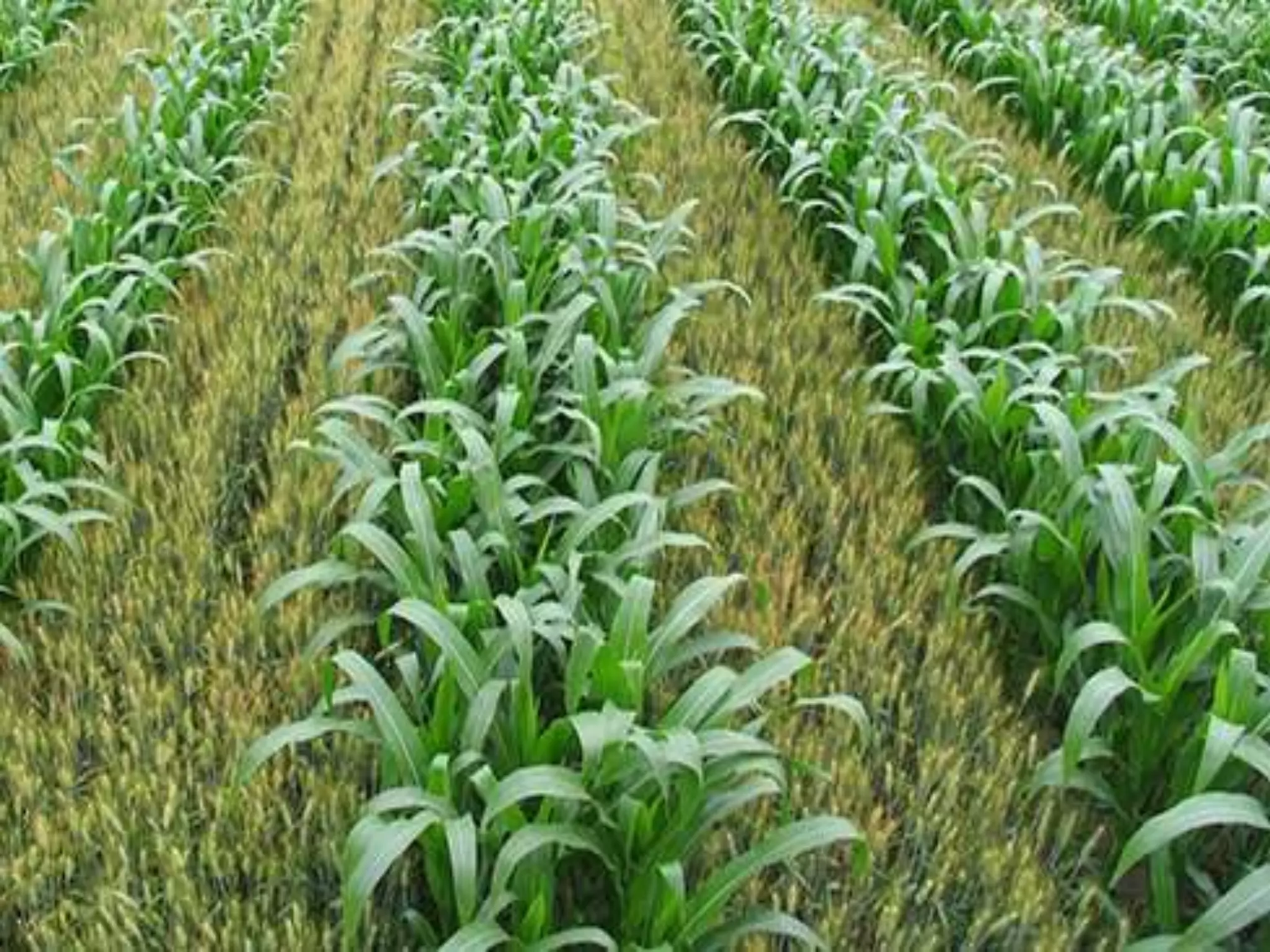
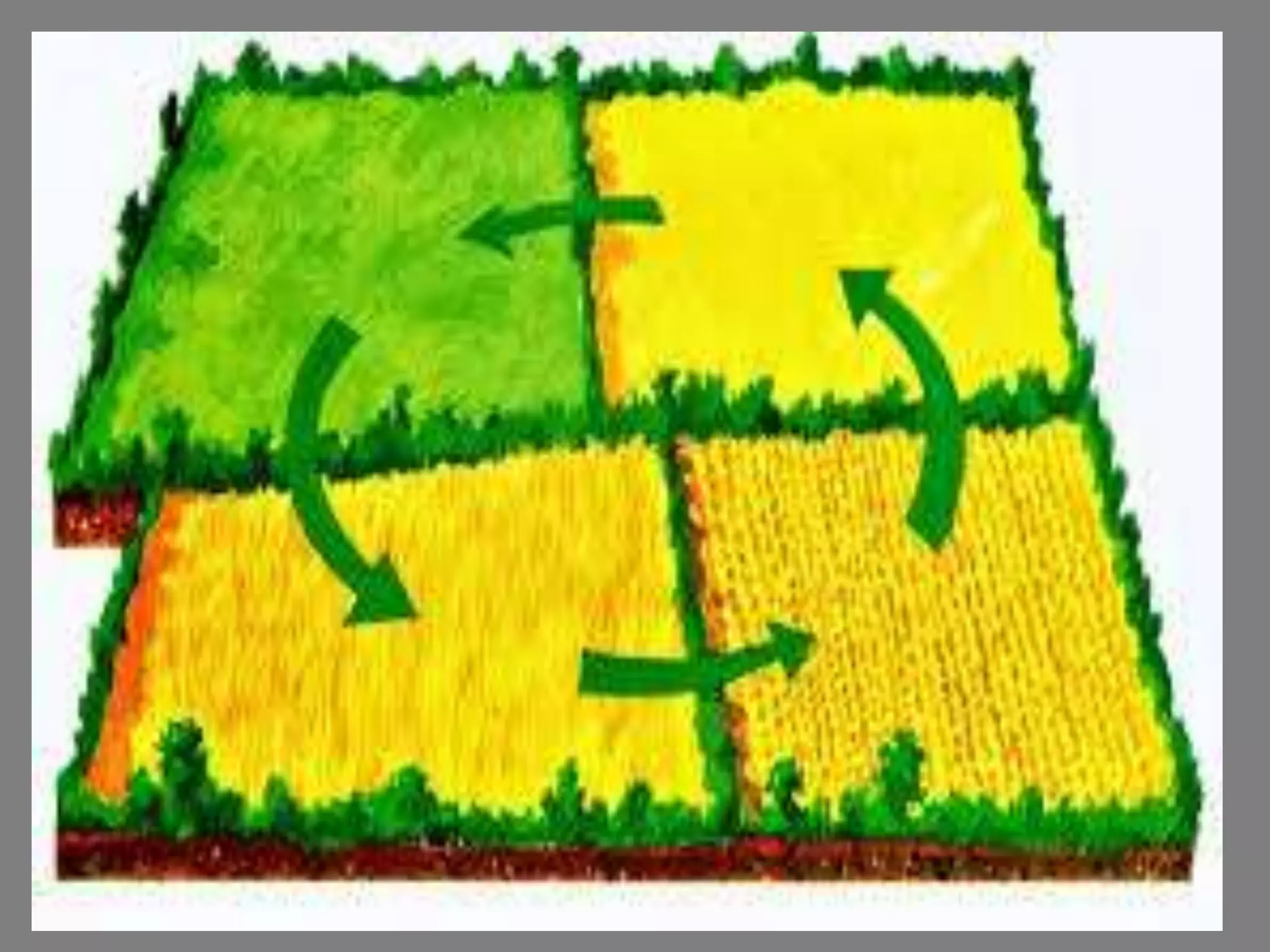
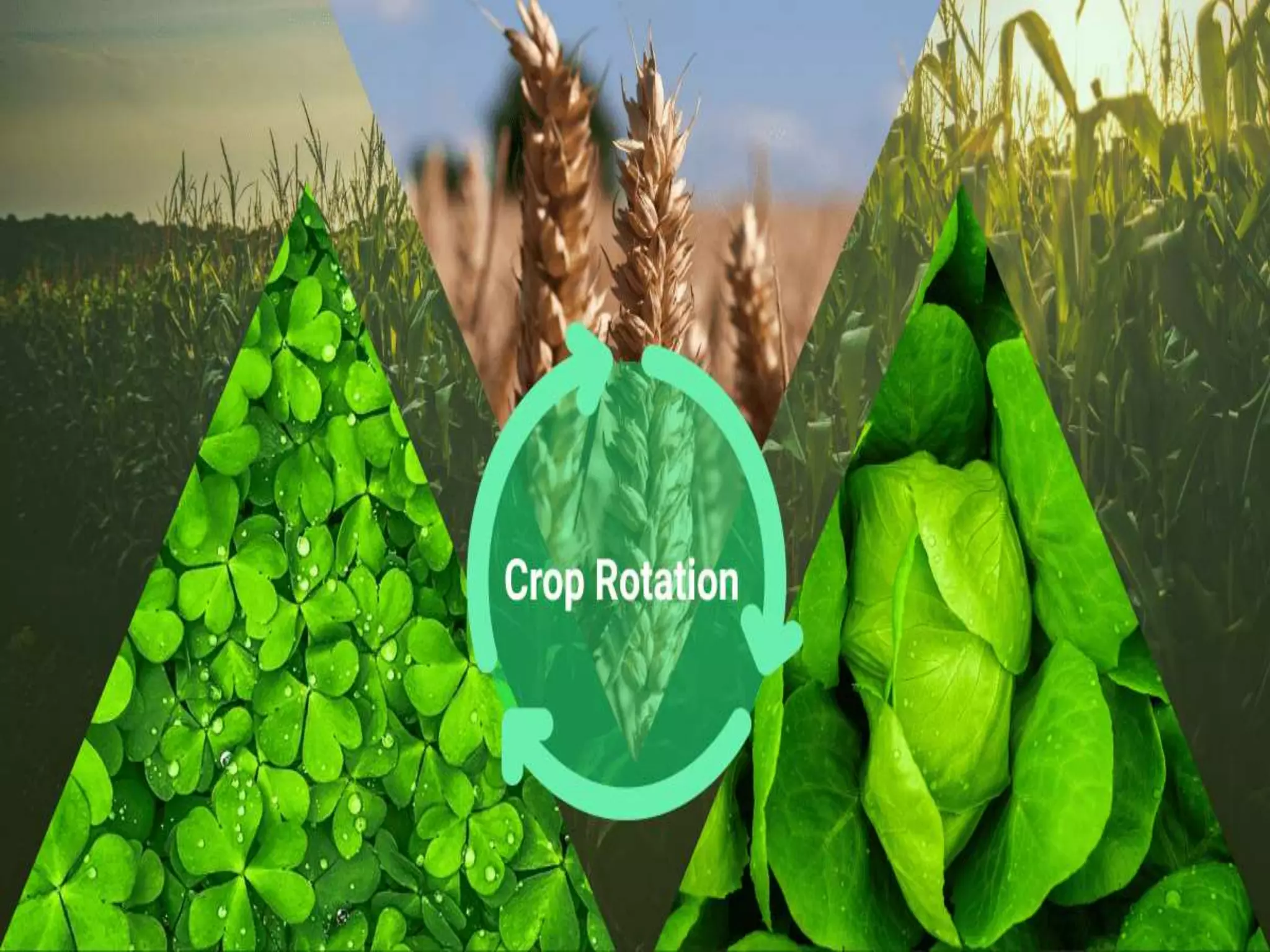
2)Crop rotation:- it is practice of growing
a series of different type of crop in the
same area in sequential season
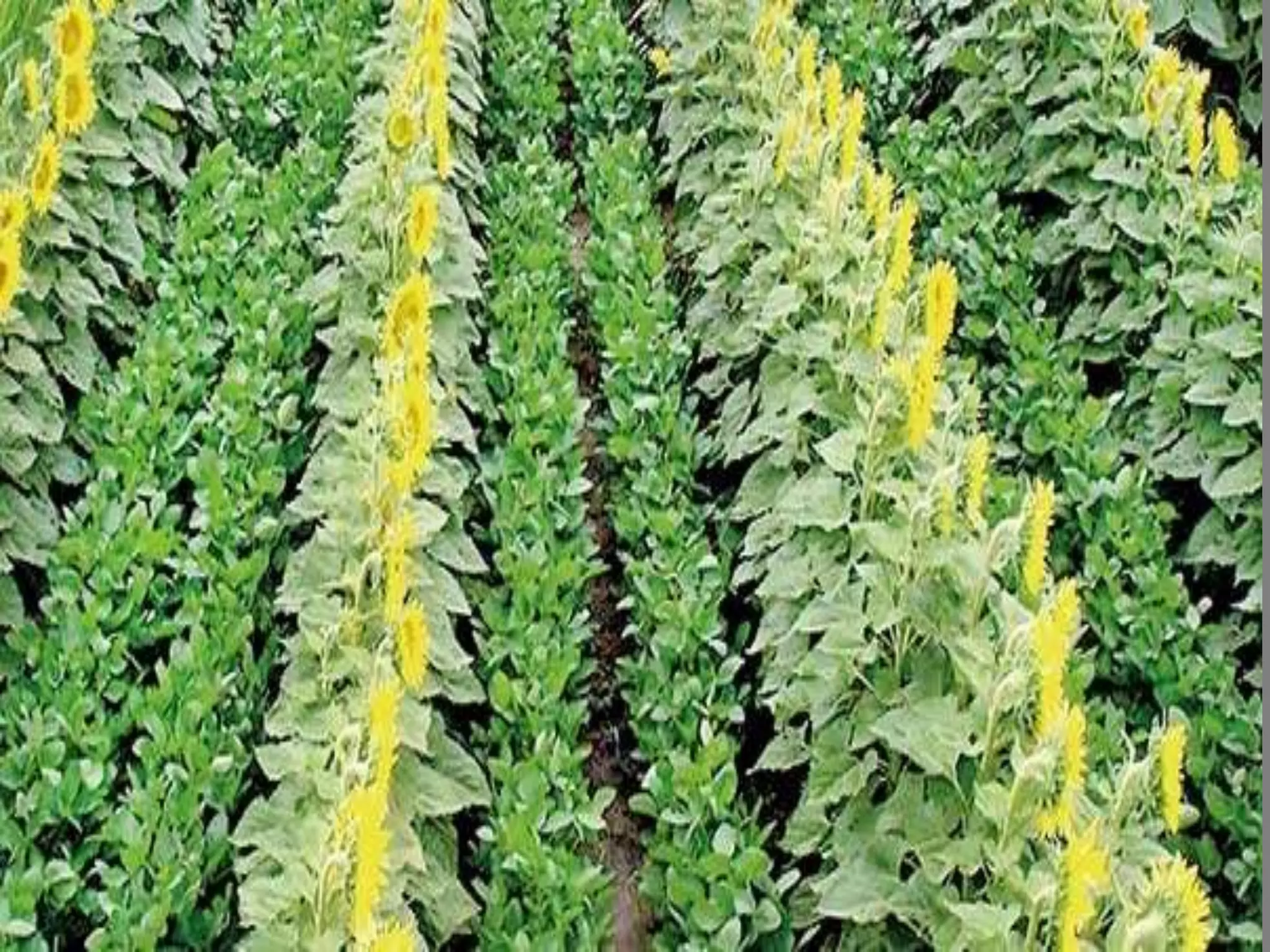
3)Mixed cropping :- some time two or
more crops are growing together in the
same field. This method is called mixed
cropping.
FIELD FALLOW
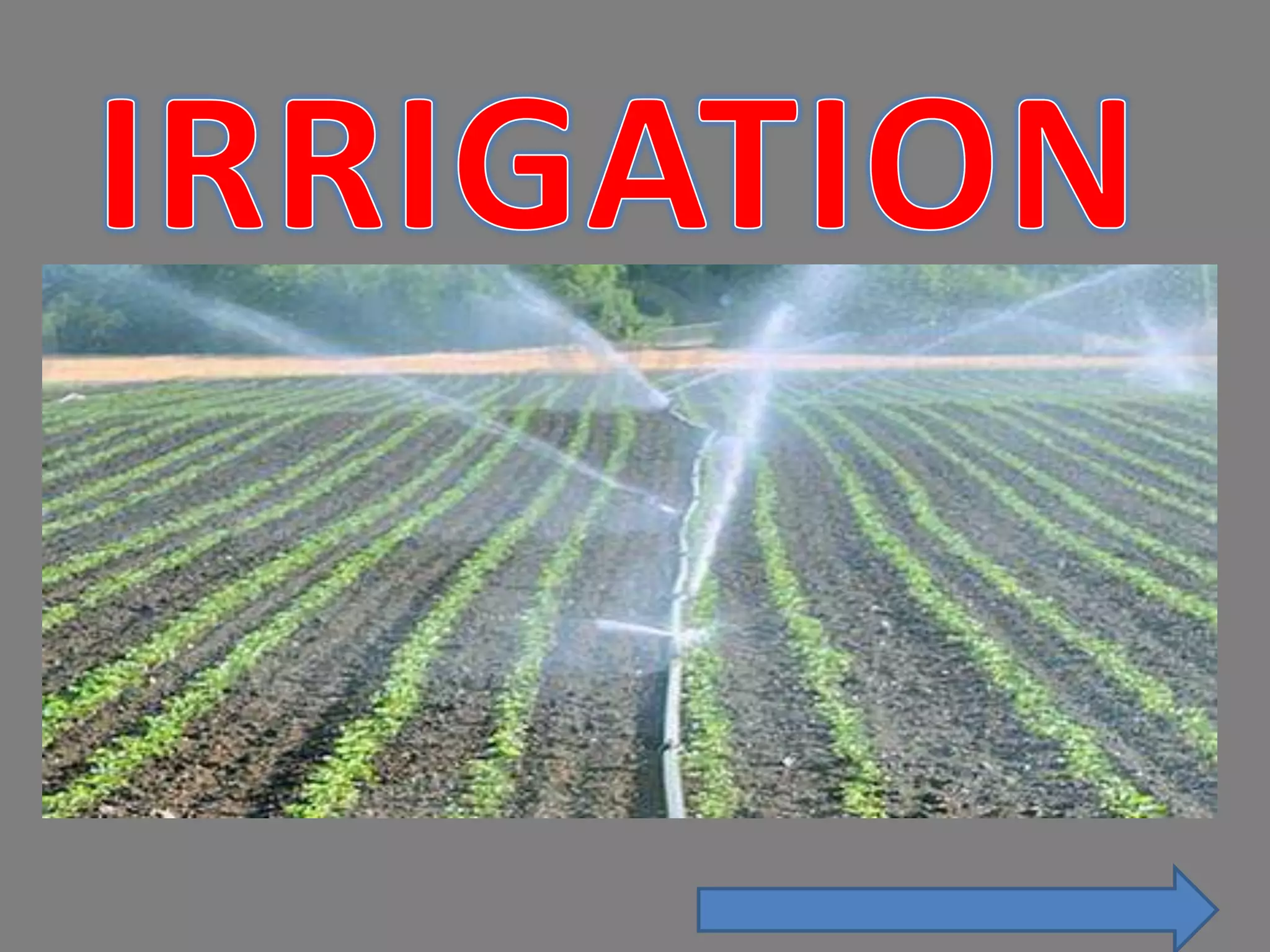
The process of watering crop in the
field at different interval is called
irrigation
In our country farmer are not depend
an rain for irrigation because when the
crop require water it may not rain. To
get good crop produce, crop need to be
irrigated properly. The time and
frequency of irrigation differs from
crop to crop and soil to soil
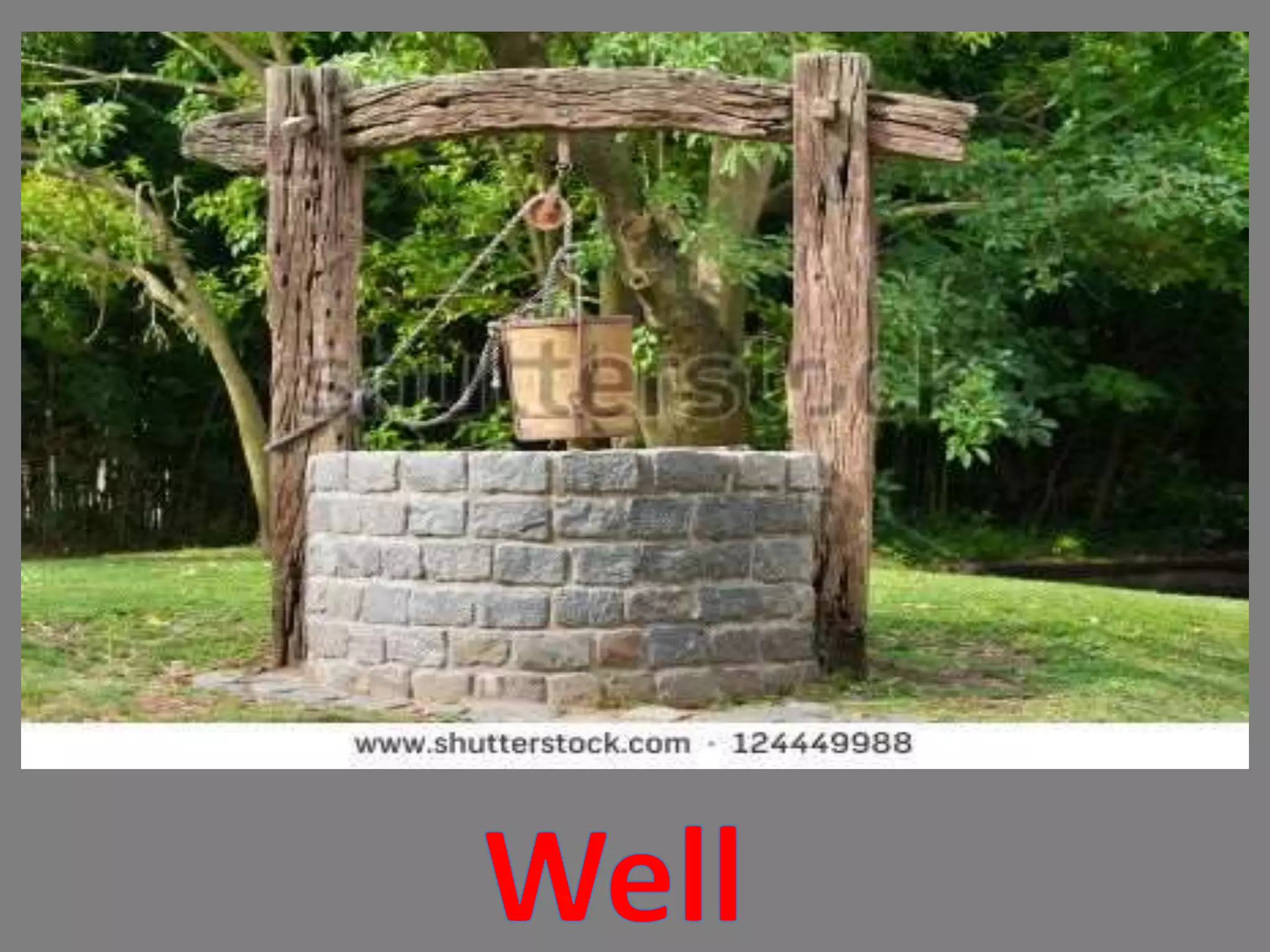
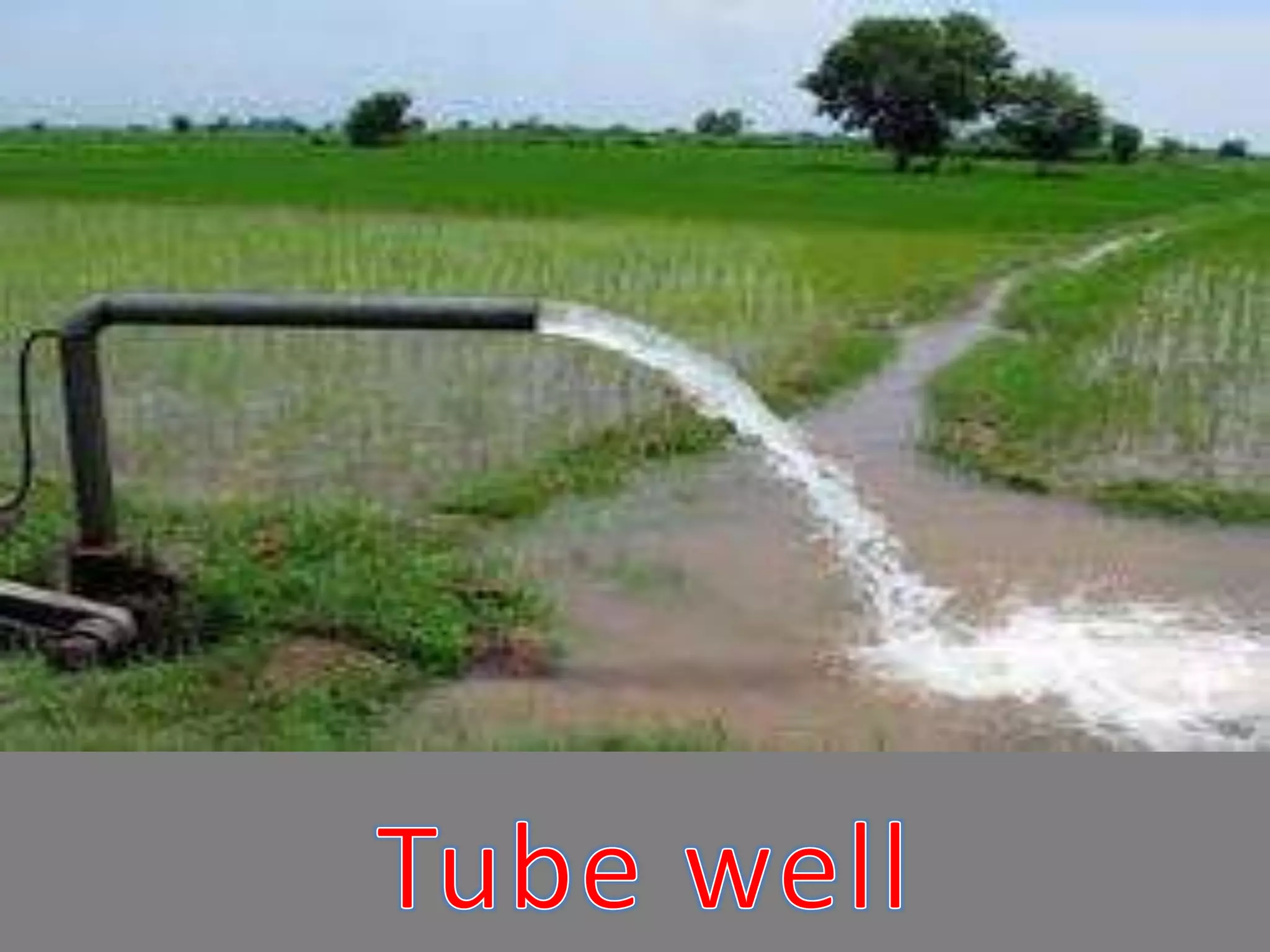
Source of
irrigation
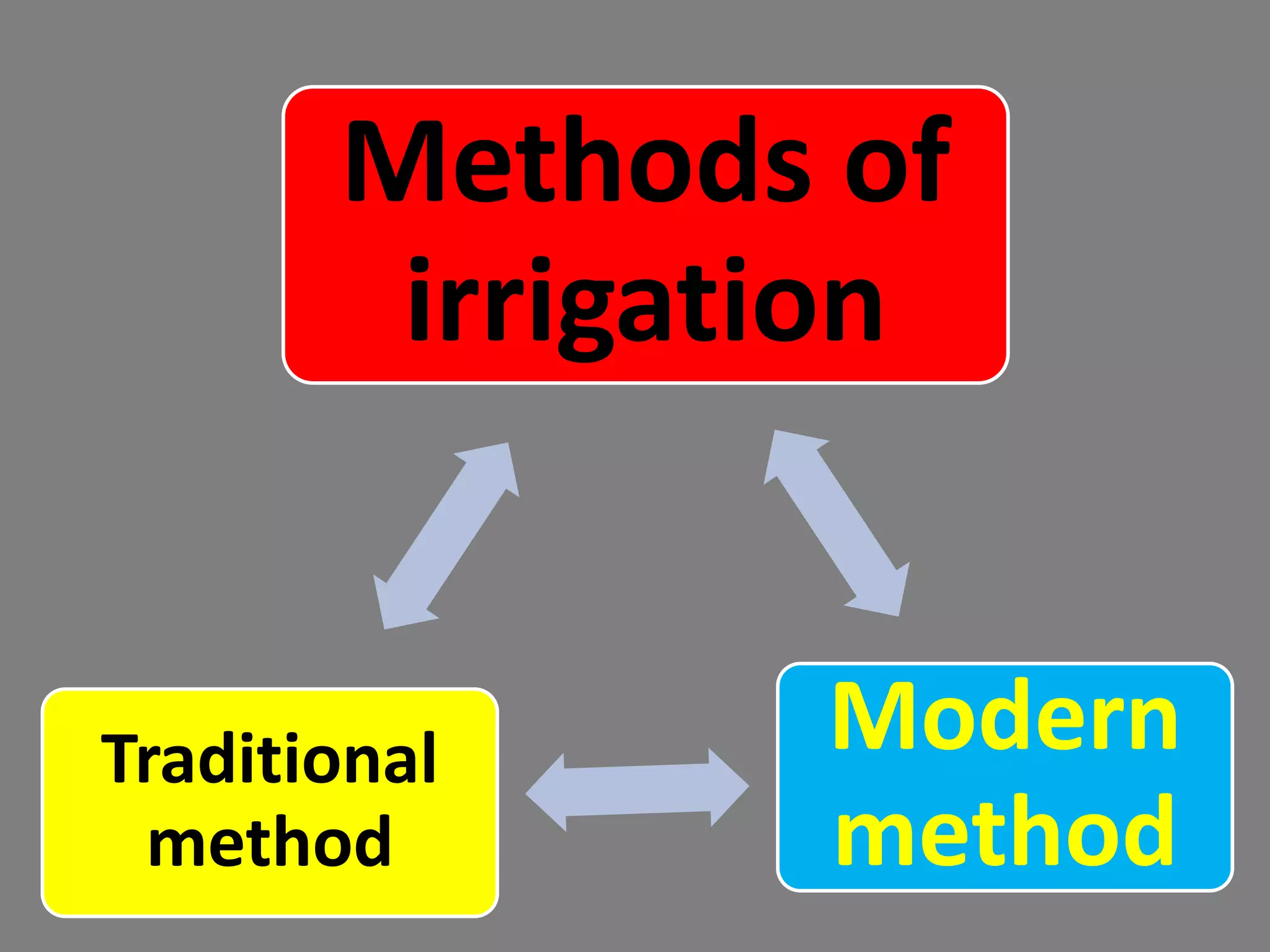
Methods of
irrigation
Modern
method
Traditional
method
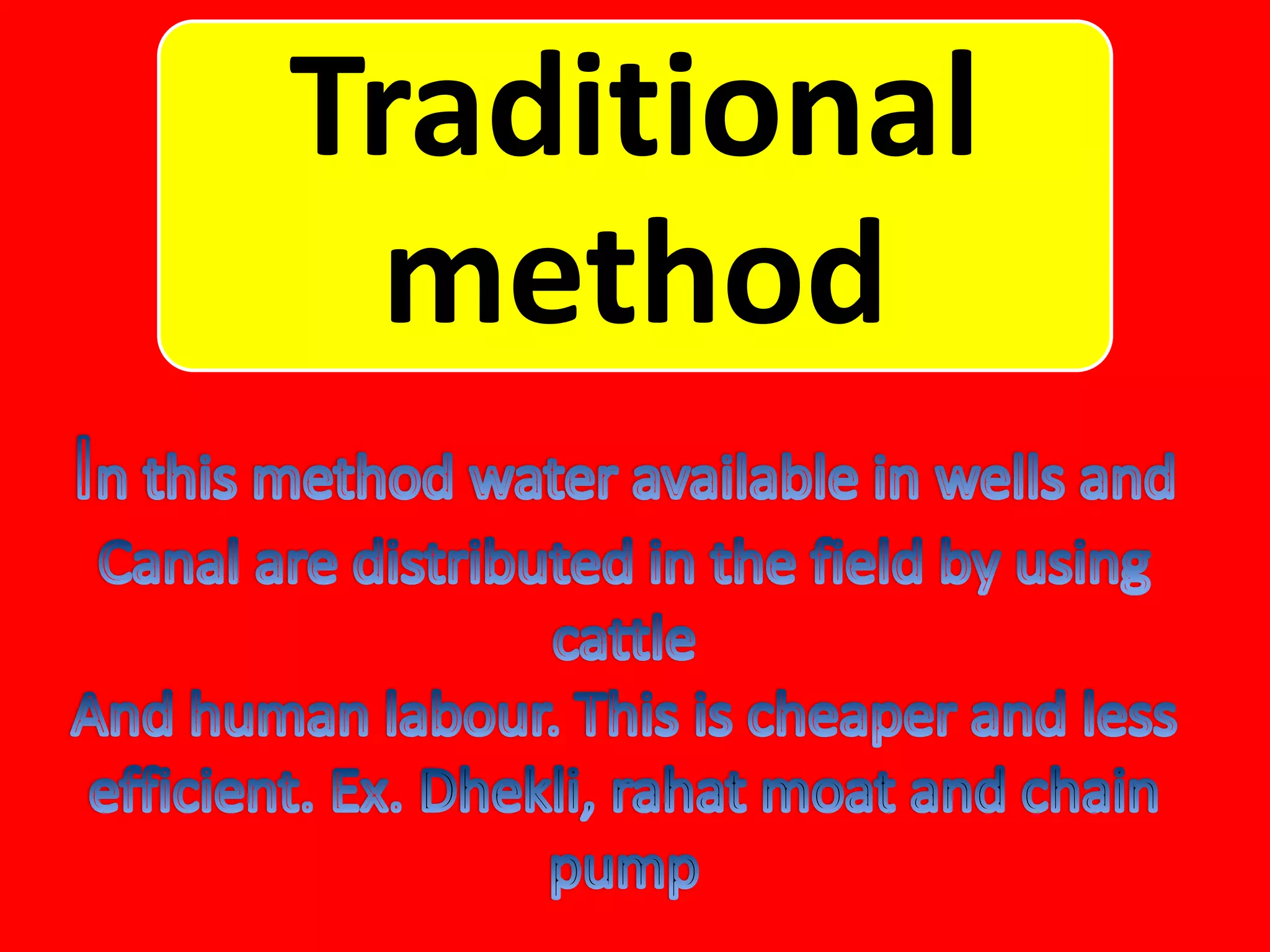
Traditional
method
Modern
method of
irrigation
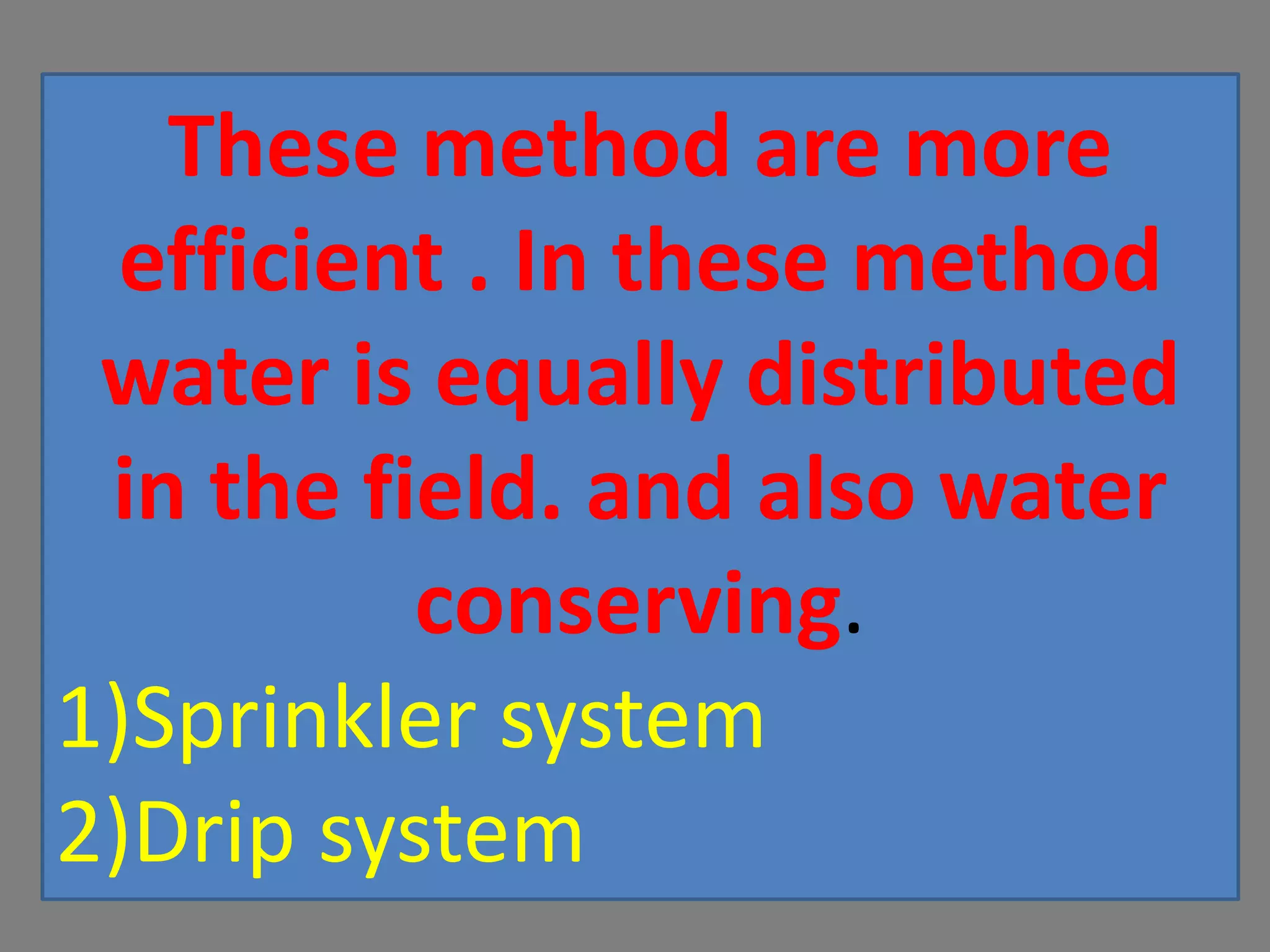
These method are more
efficient . In these method
water is equally distributed
in the field. and also water
conserving.
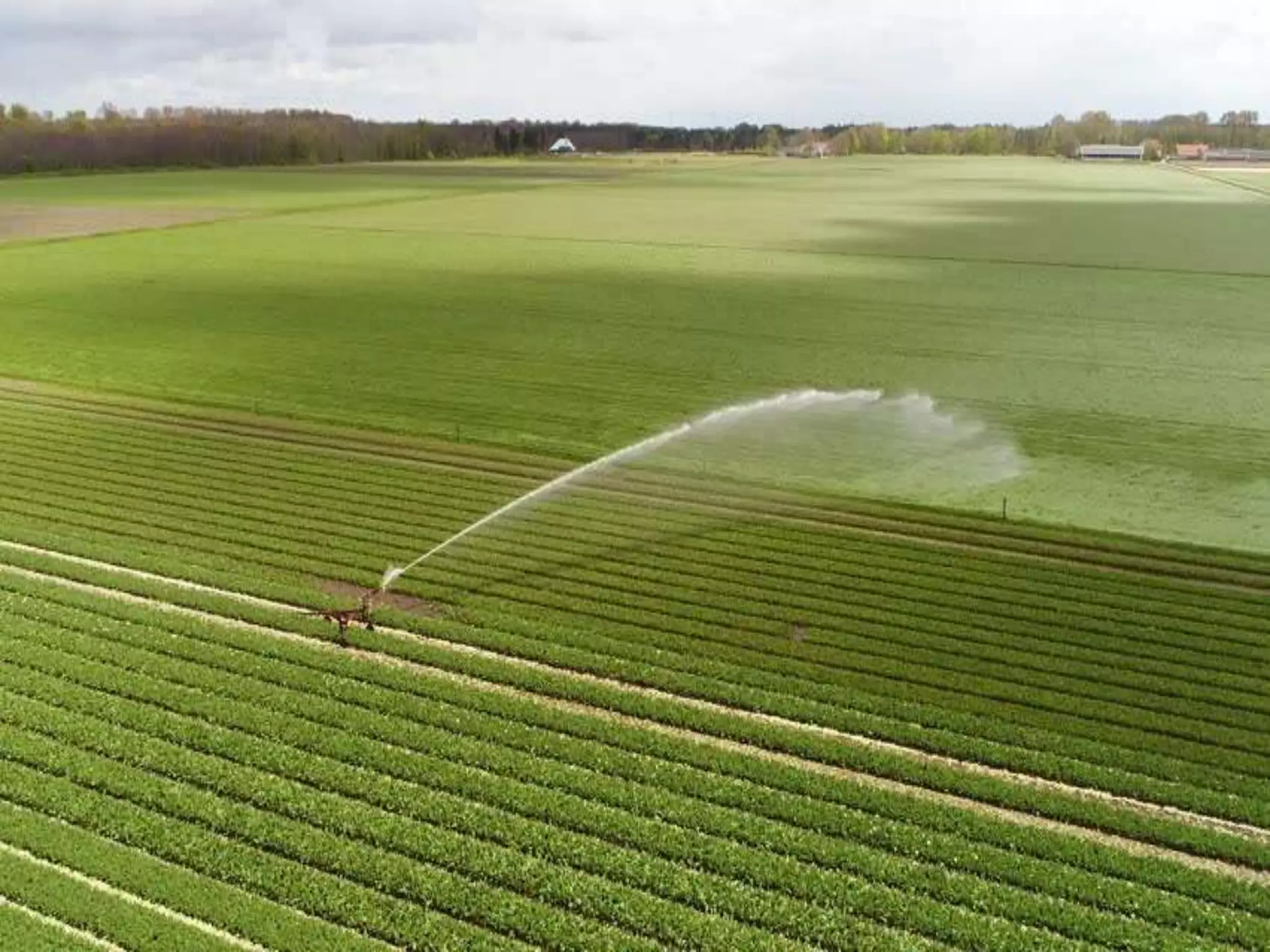
1)Sprinkler system
2)Drip system
Advantage of irrigation
1. Irrigation help seed to germinate
2. Help to absorb nutrient from soilby
plant
3. Water protect crop from frost and dry
hot air current
Disadvantage of
irrigation
It is important to provide plant with right
amount of water at the right time. Excessive
amount of water cause following problems
•Water logging occur in the soil that inhibits
germination of seed
•Root do not hold the crop upright
•Plant which can not resist strong wind fall
down
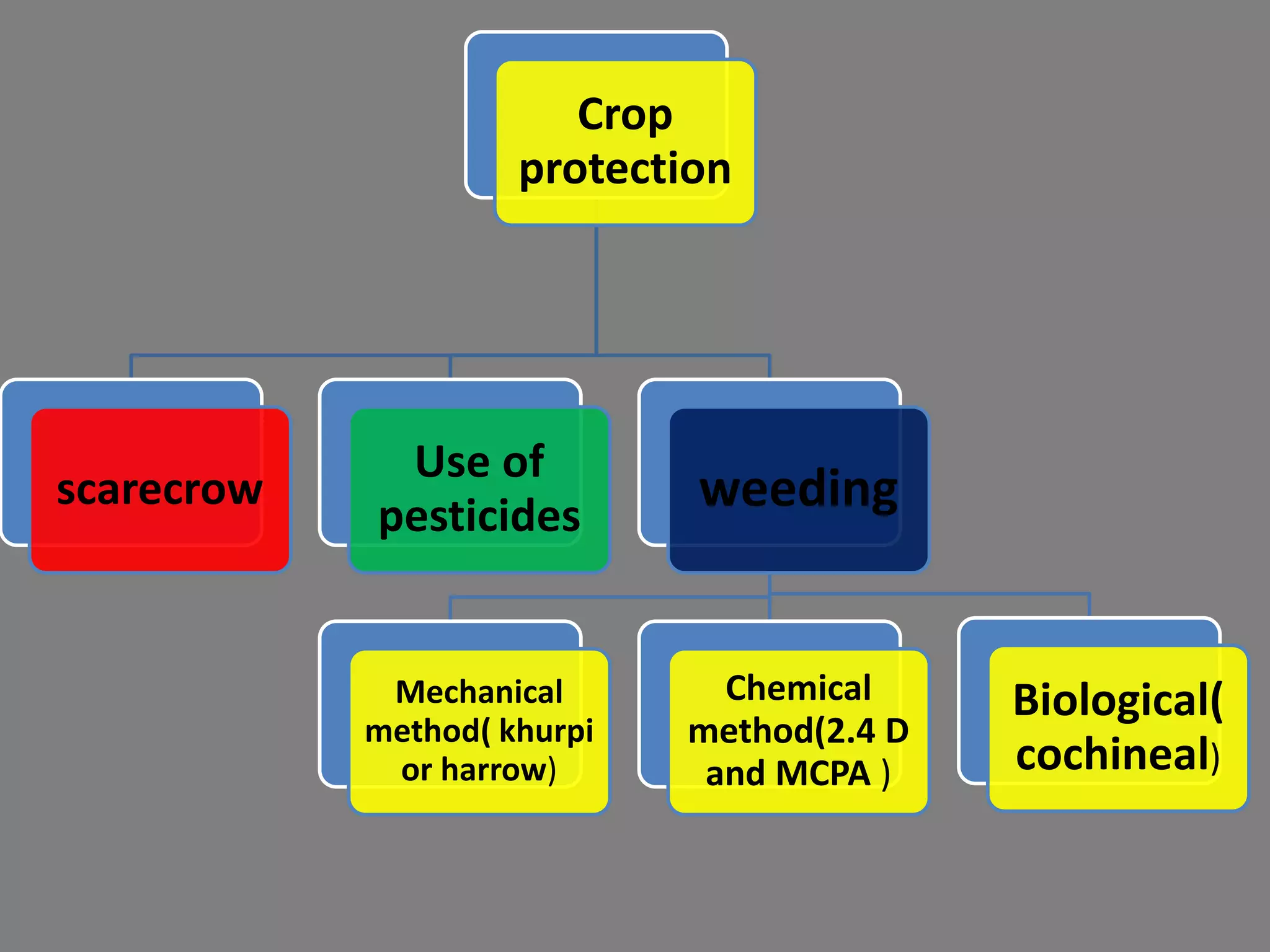
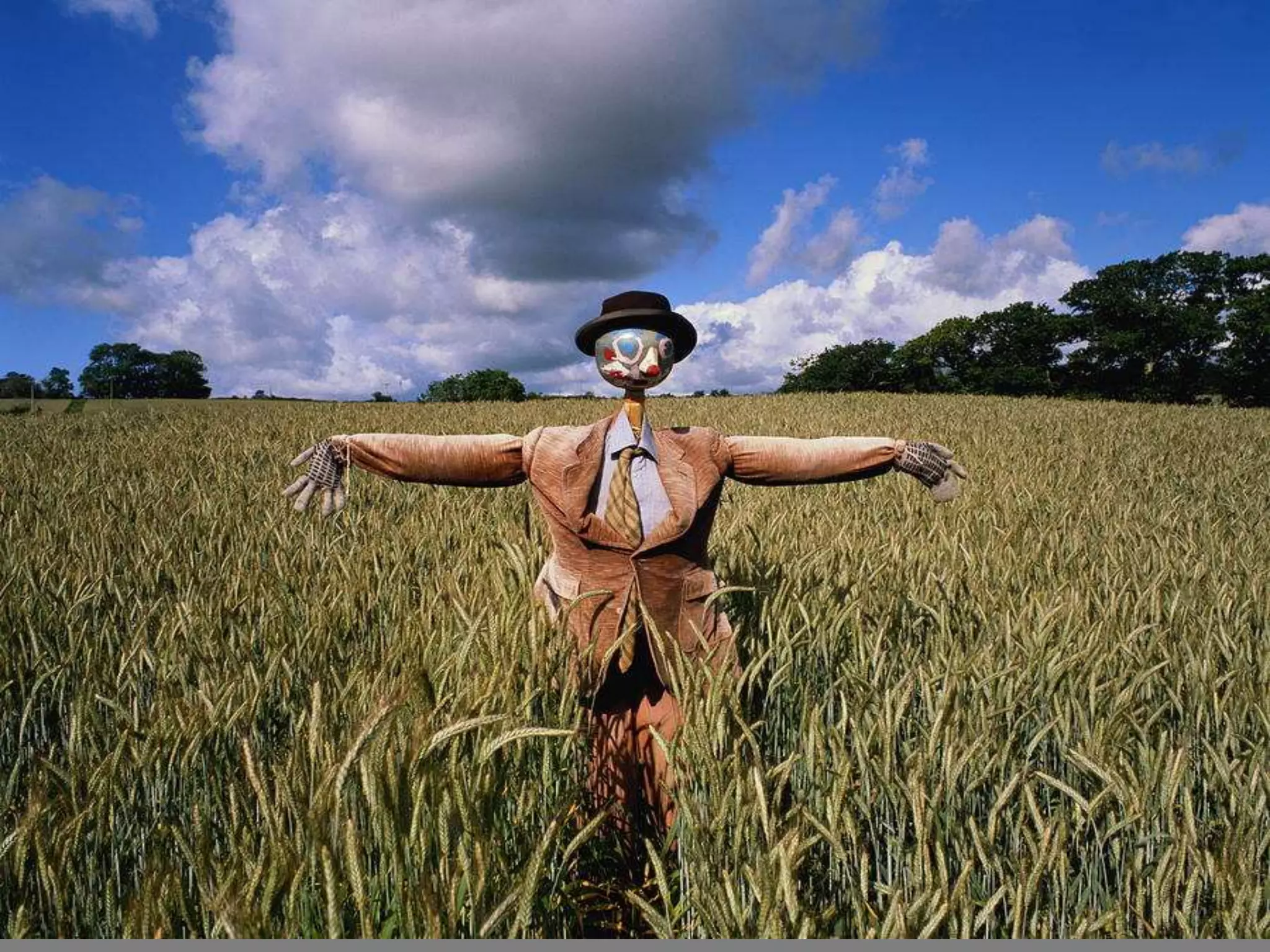
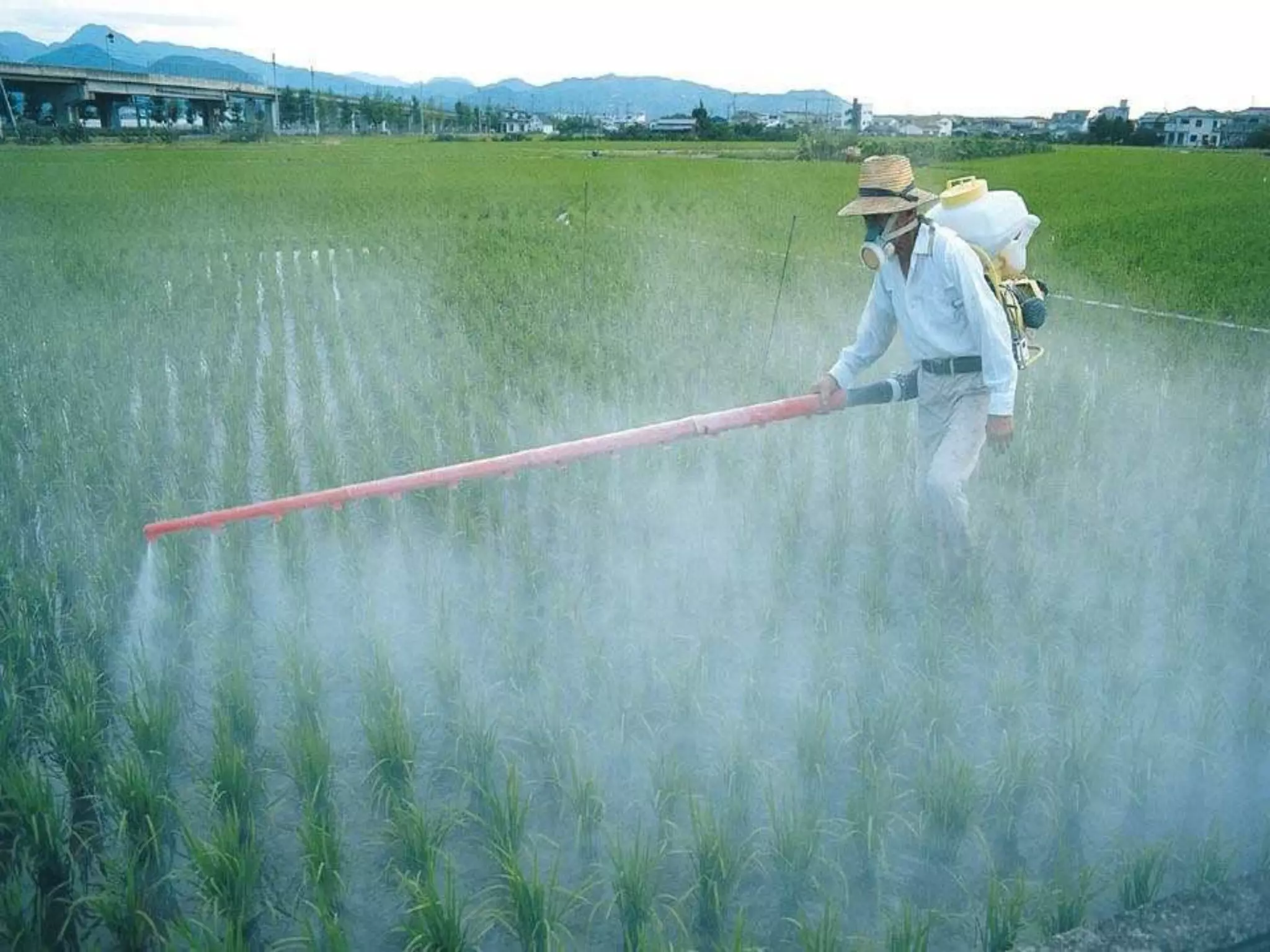
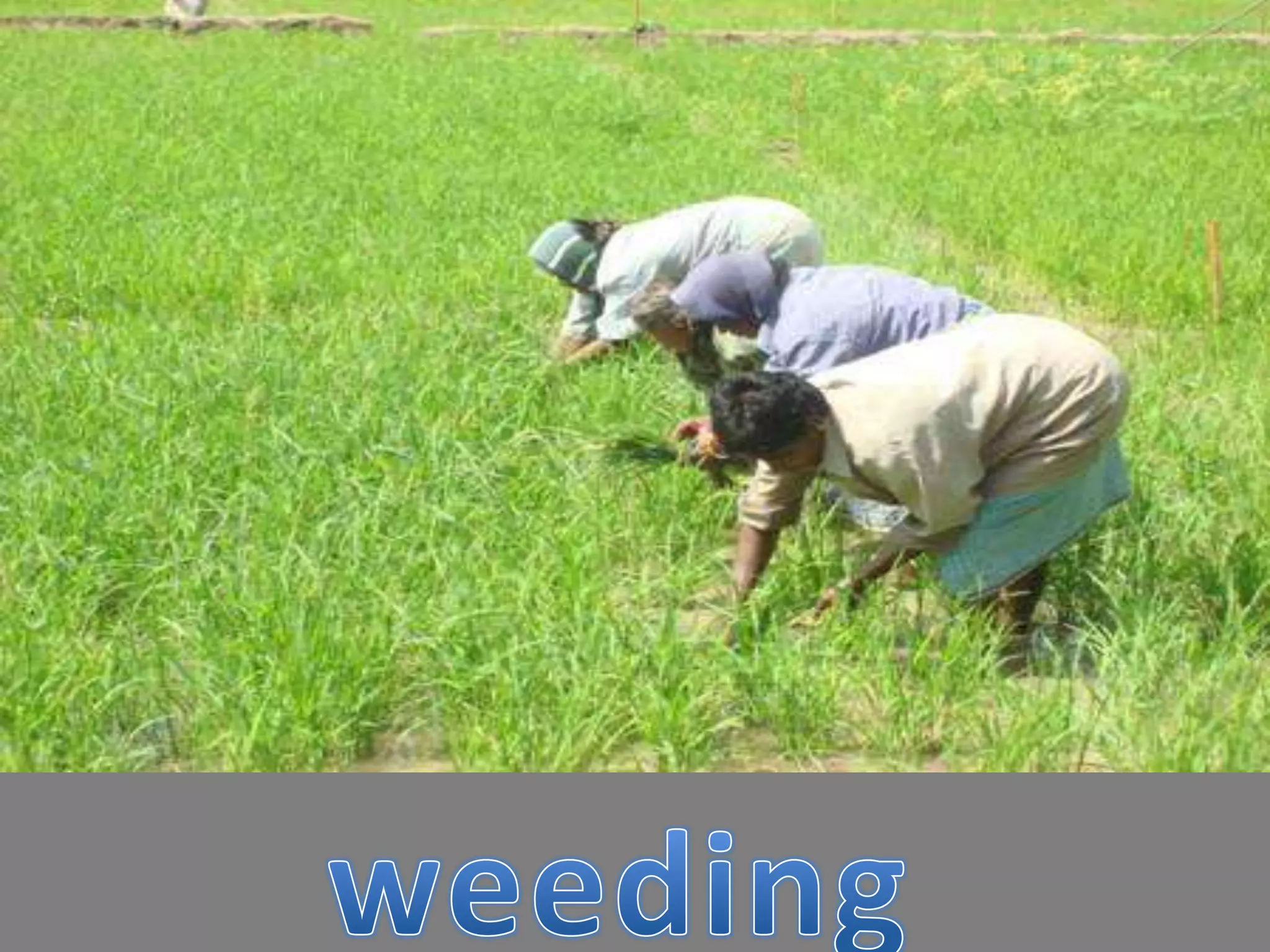
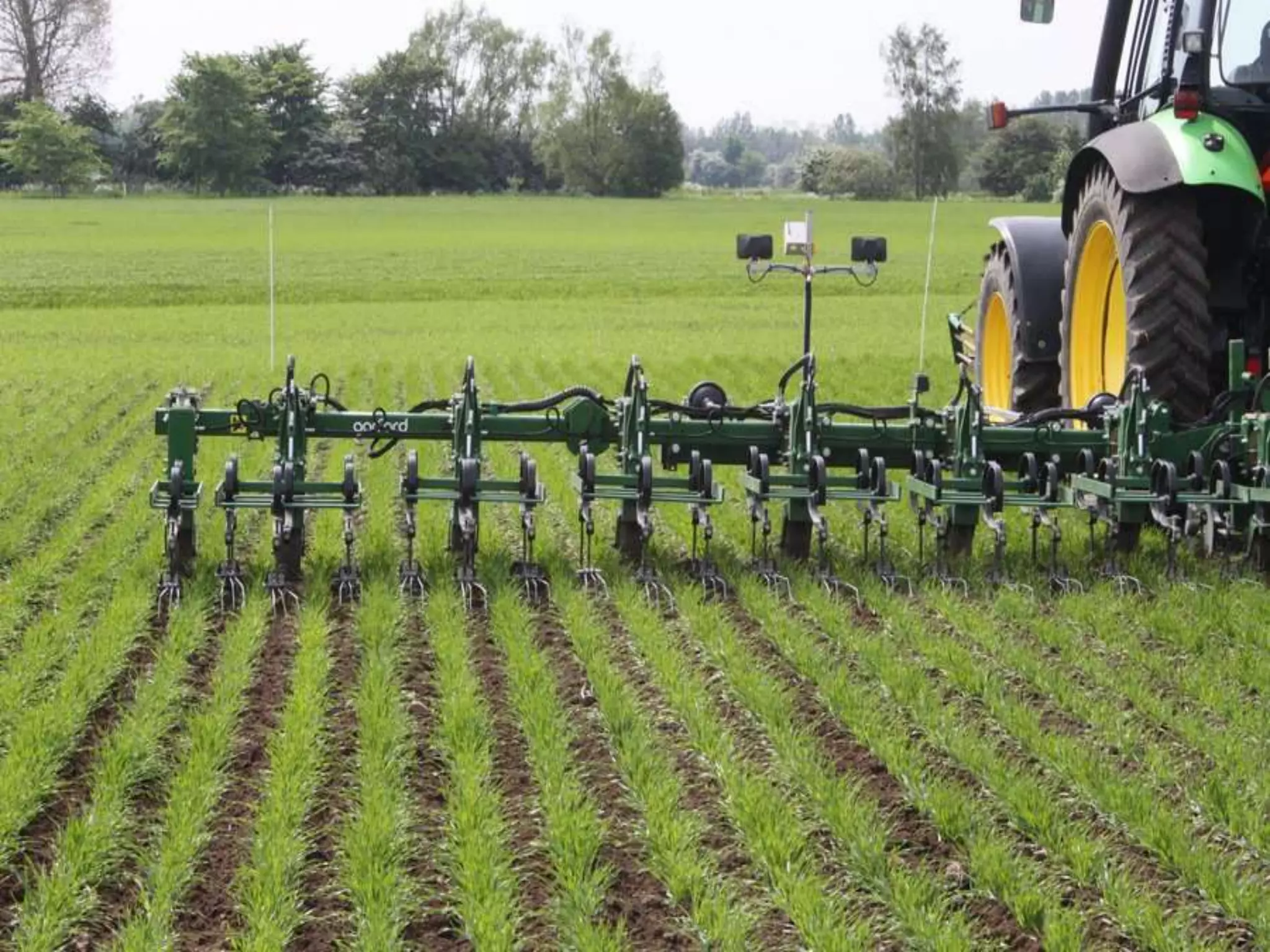
Crop
protection
scarecrow
Use of
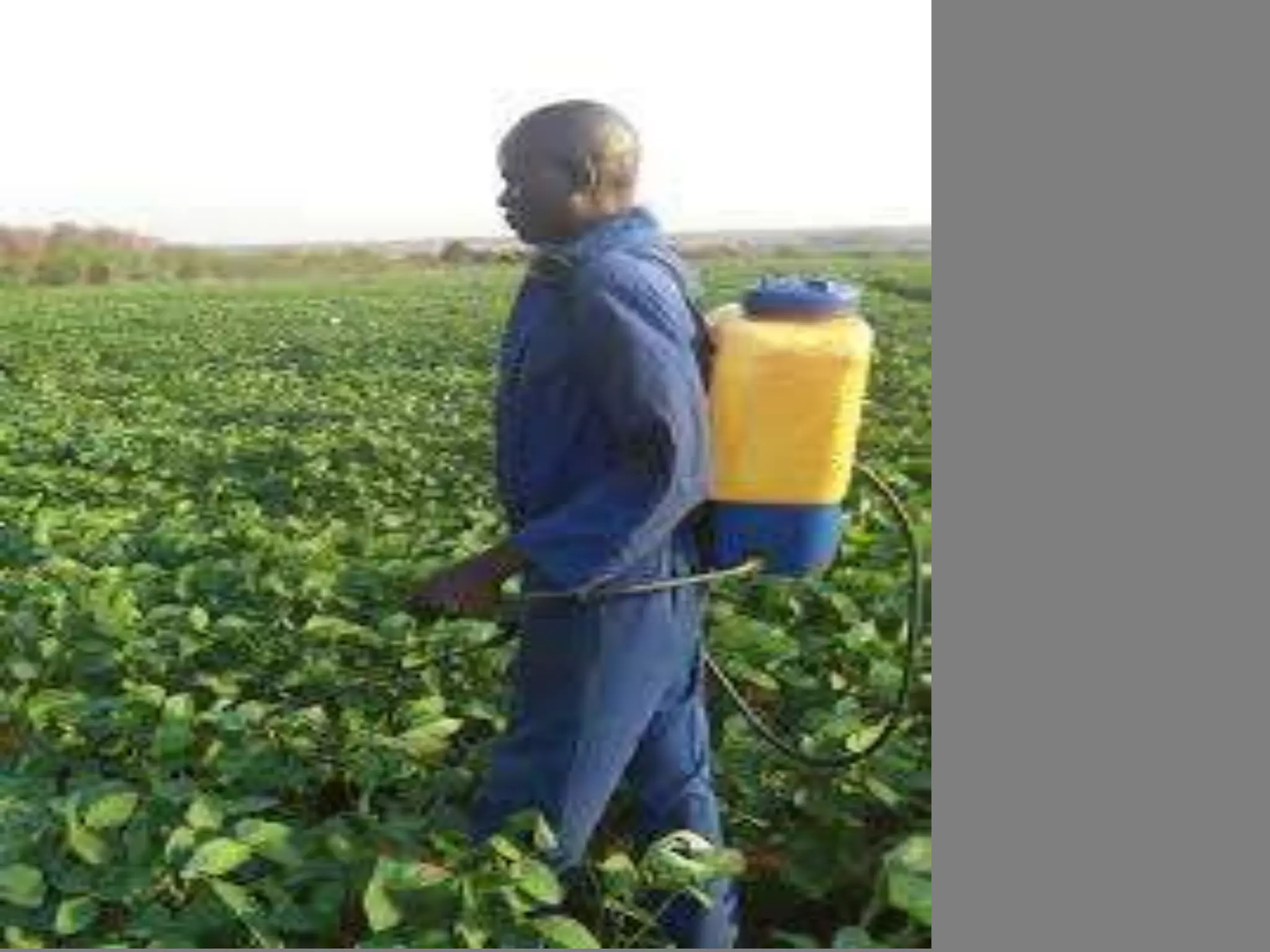
pesticides
weeding
Mechanical
method( khurpi
or harrow)
Chemical
method(2.4 D
and MCPA )
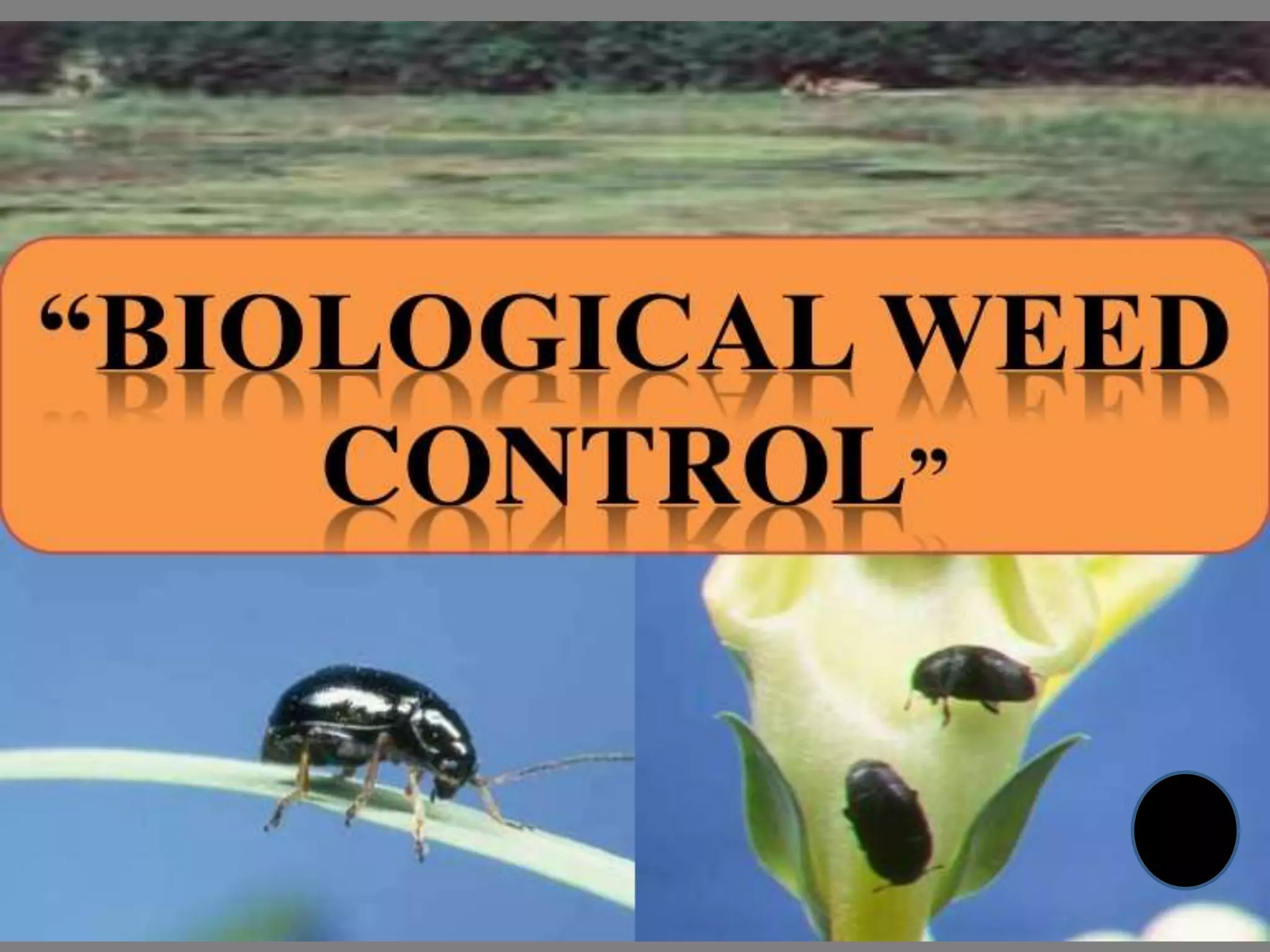
Biological(
cochineal)
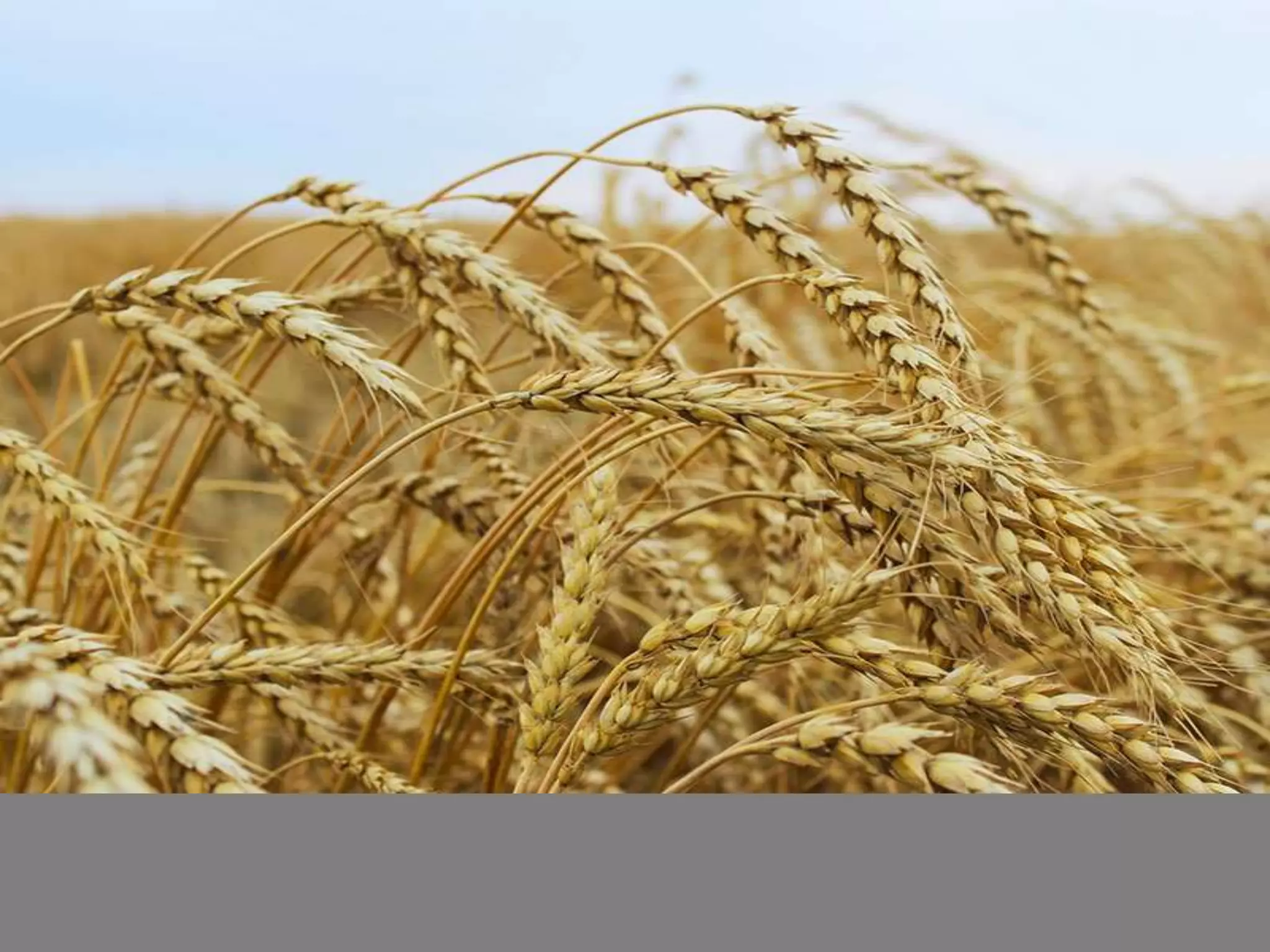
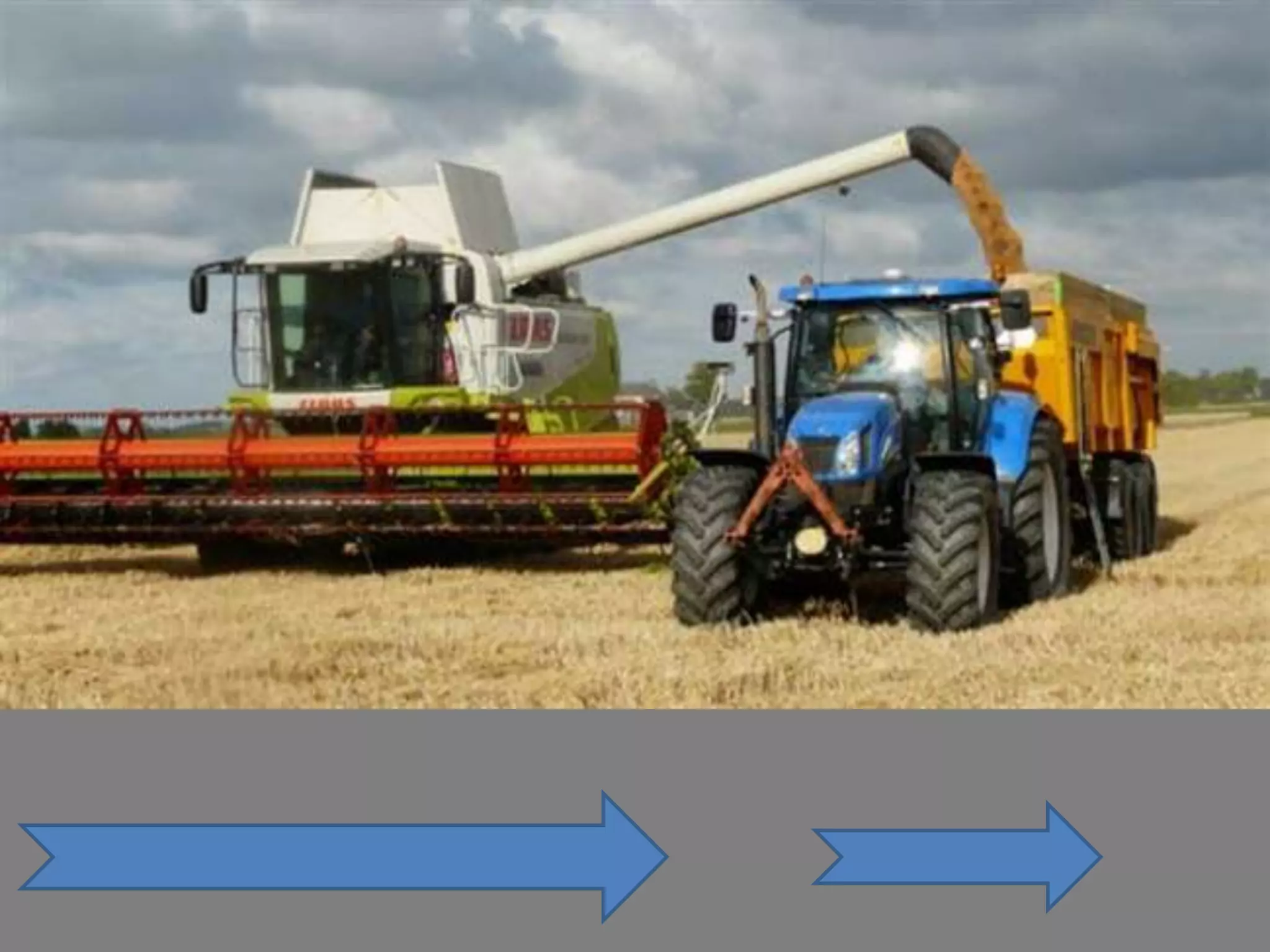
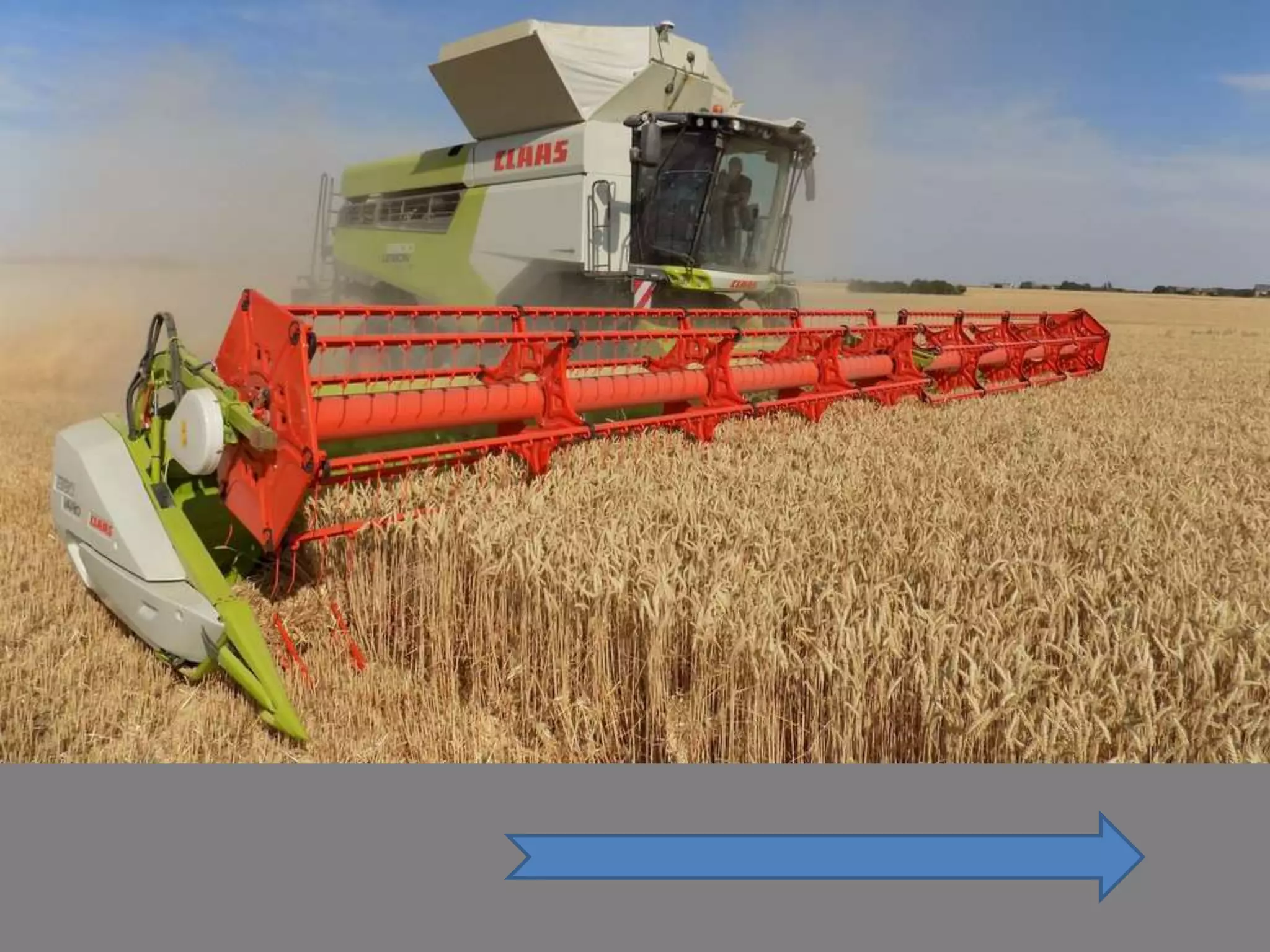
Harvesting
The process of cutting and gathering of
crop when fully grown is called
harvesting.
Harvesting can be done by manually by
sickle or by machine called harvester.
The harvested grain is stored. In case of
cereals
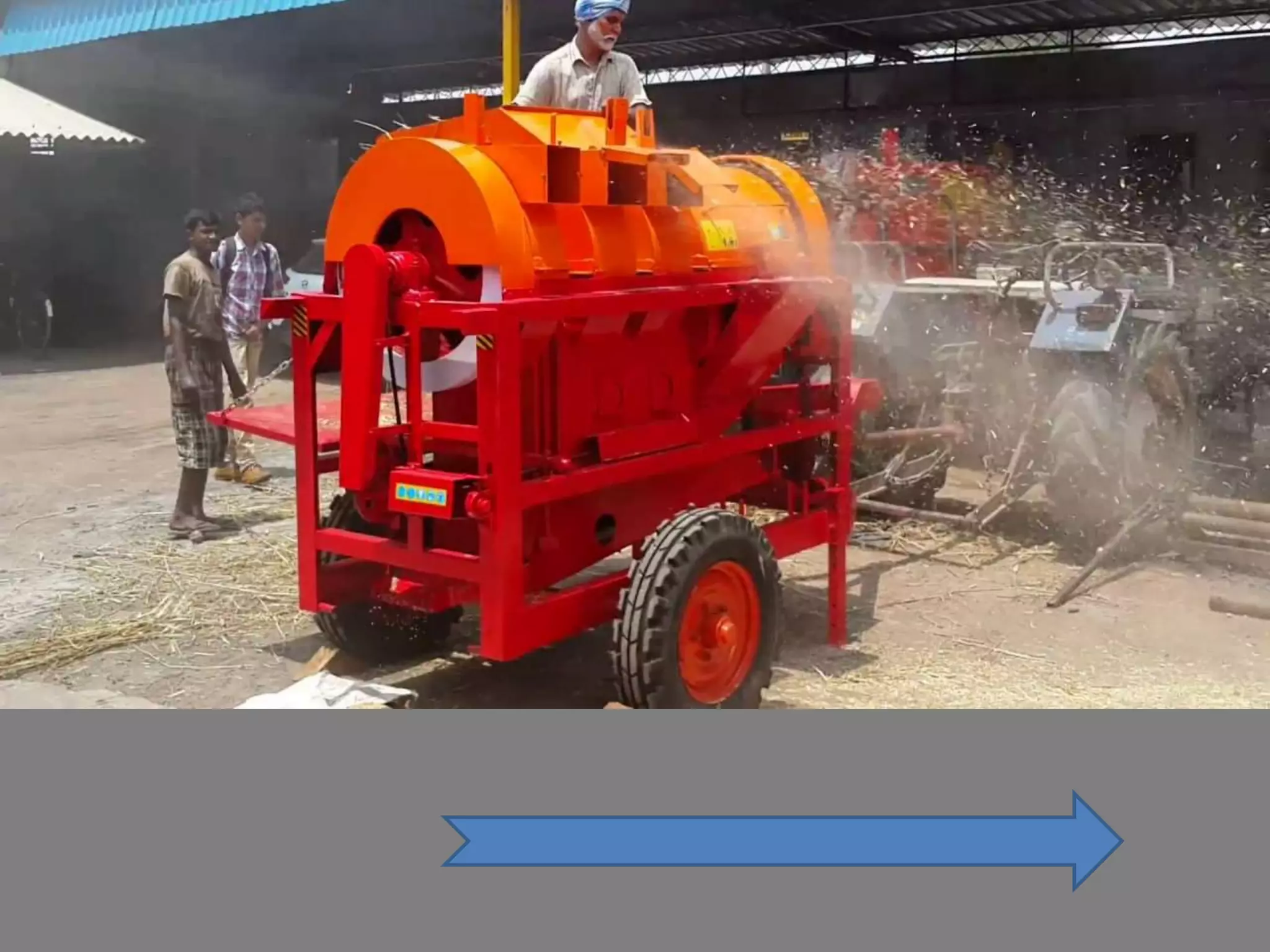
Harvesting is followed by threshing
Threshing
The process of separating chaff in
the harvested crop is called
threshing.
It can be done by manually or by
machine called thresher. A
machine called ‘combine’ is use
for both harvesting and threshing.
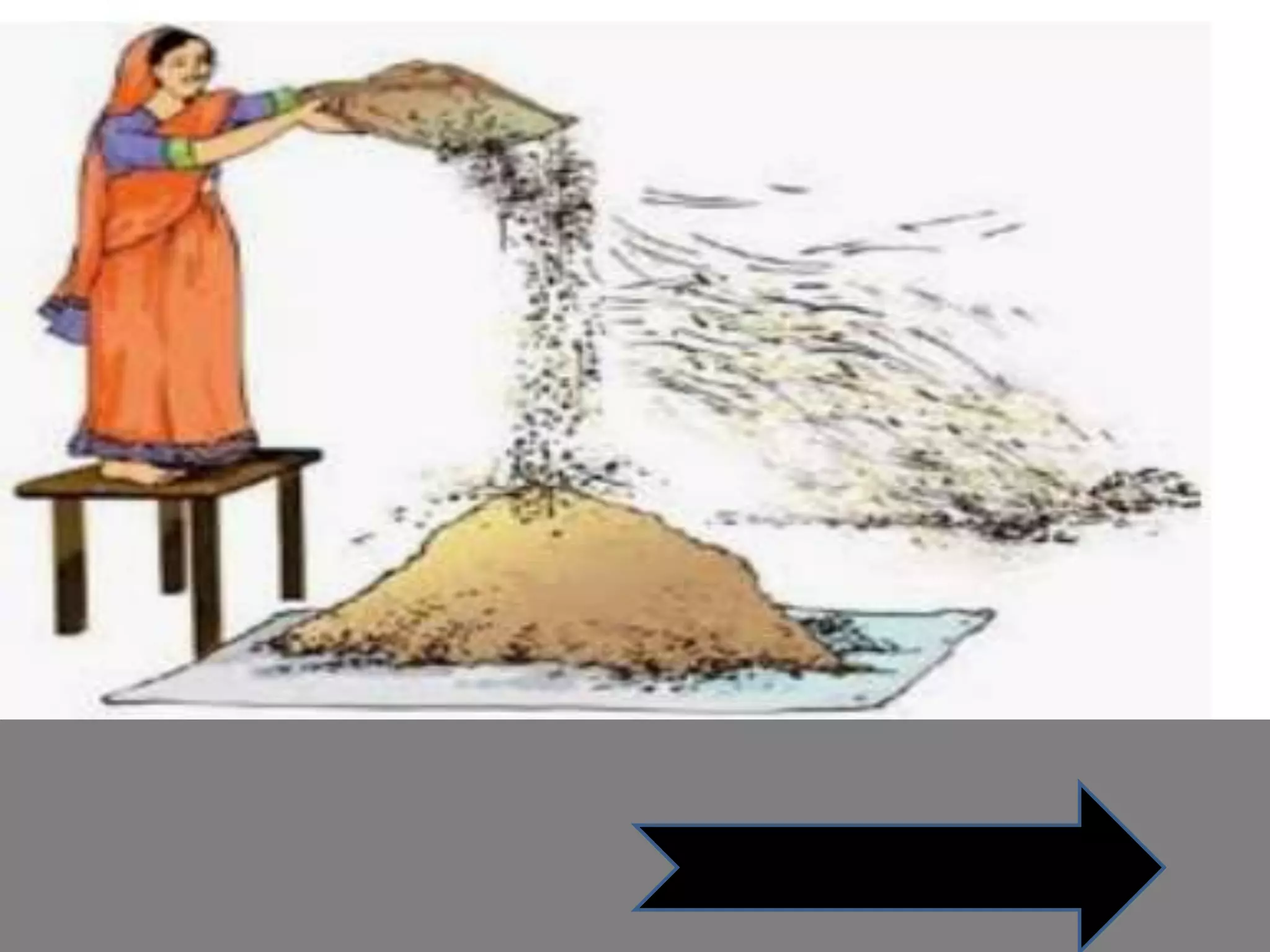
Winnowing
Farmer that have small land
holding separate grain from
chaff by dropping the
harvested crop on the ground
from height by the use of
blowing wind. This is called
winnowing
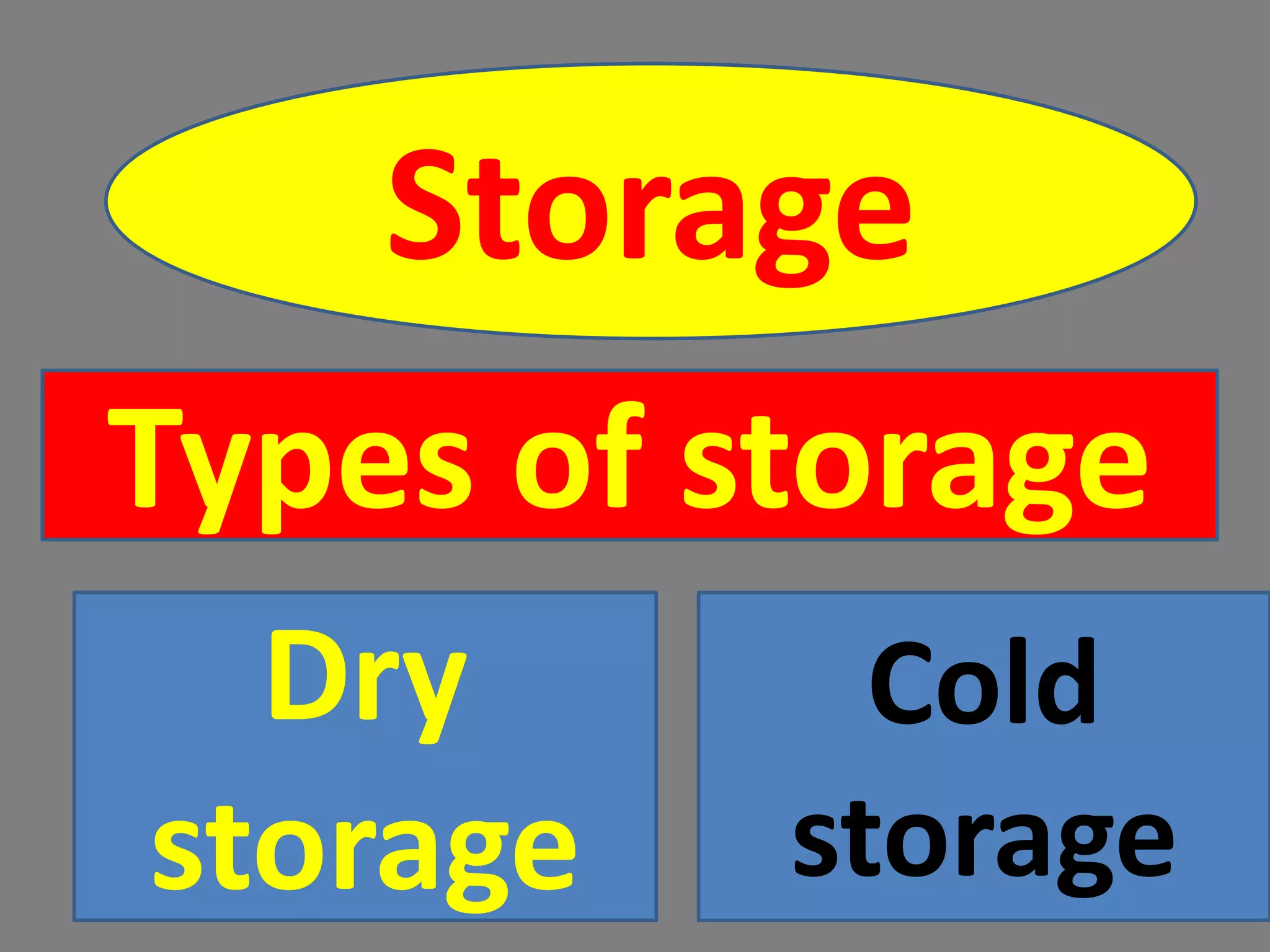
Storage
Types of storage
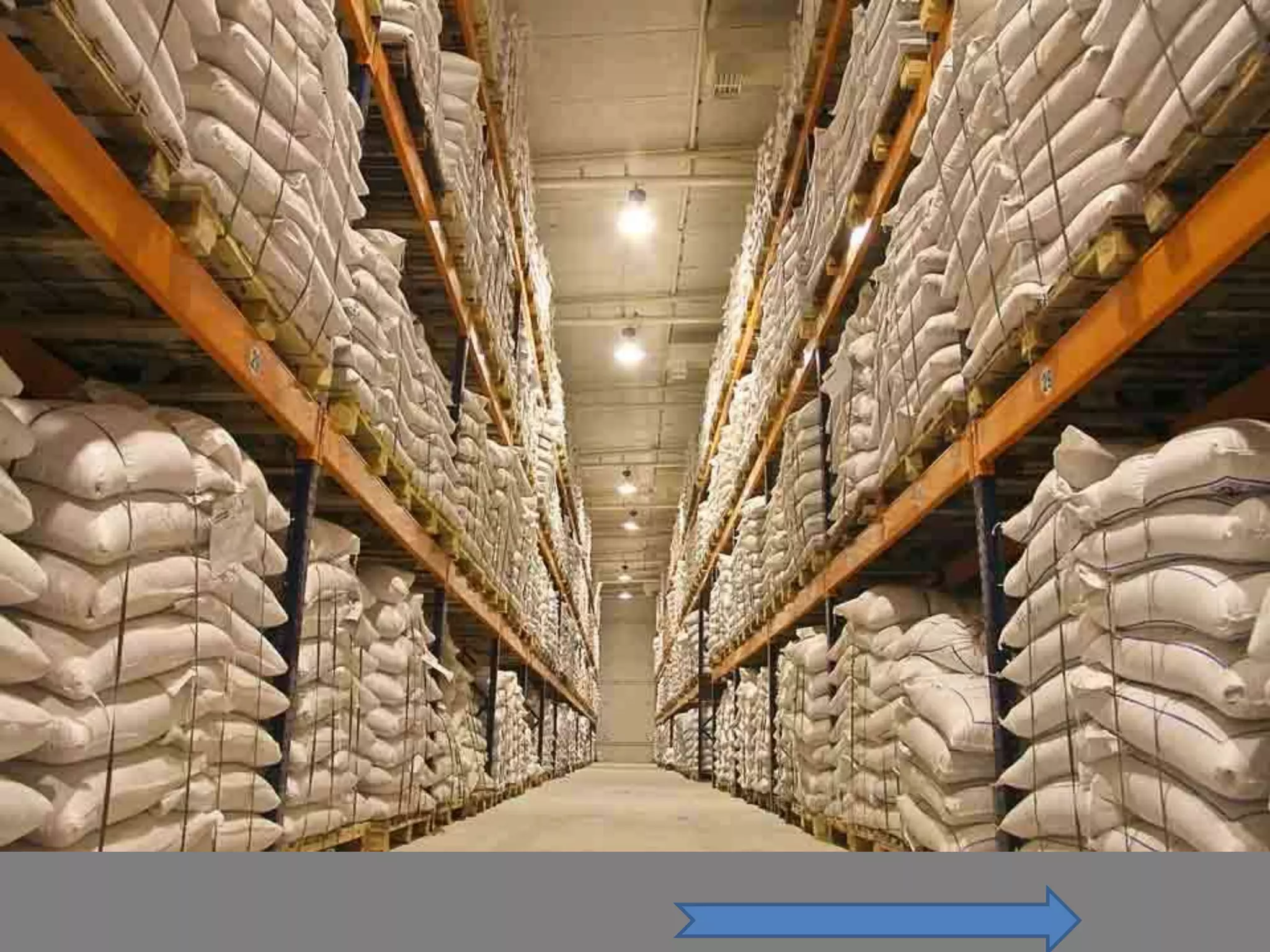
Dry
storage
Cold
storage
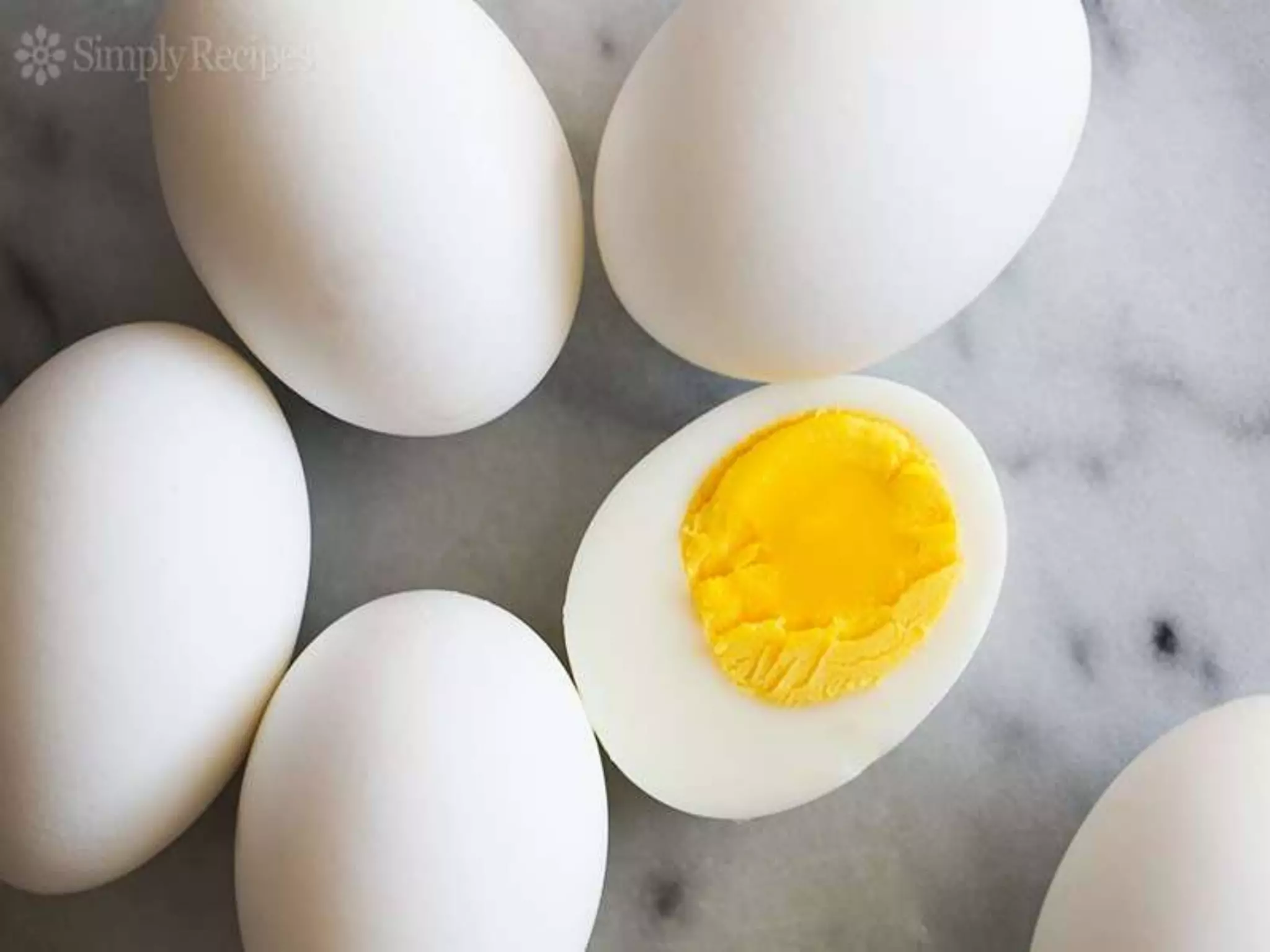
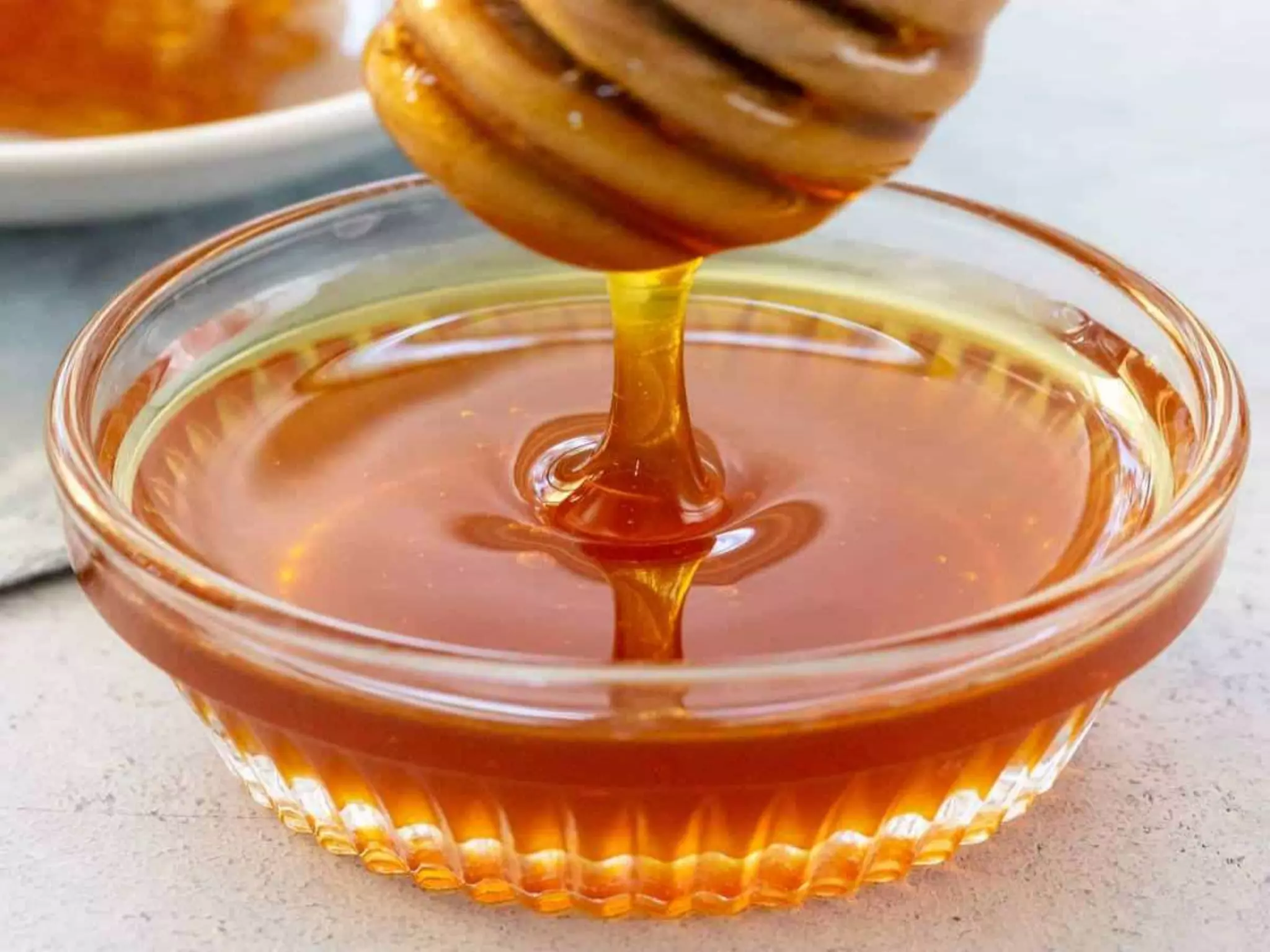
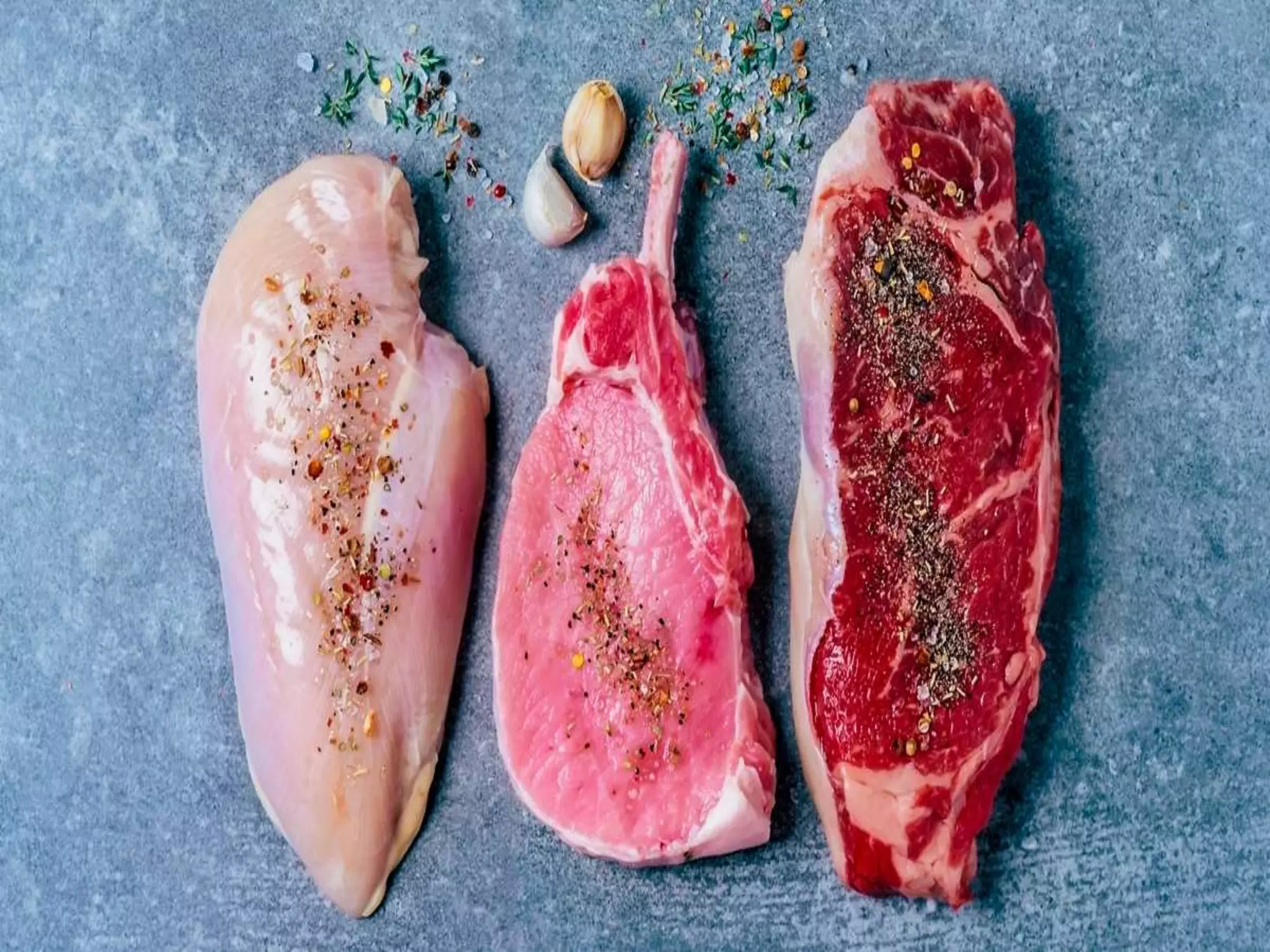
Food from
animals
Milk, eggs, honey ,meat and
fish
Animal
husbandry
The domestication of
animal on a large scale
is called animal
husbandry
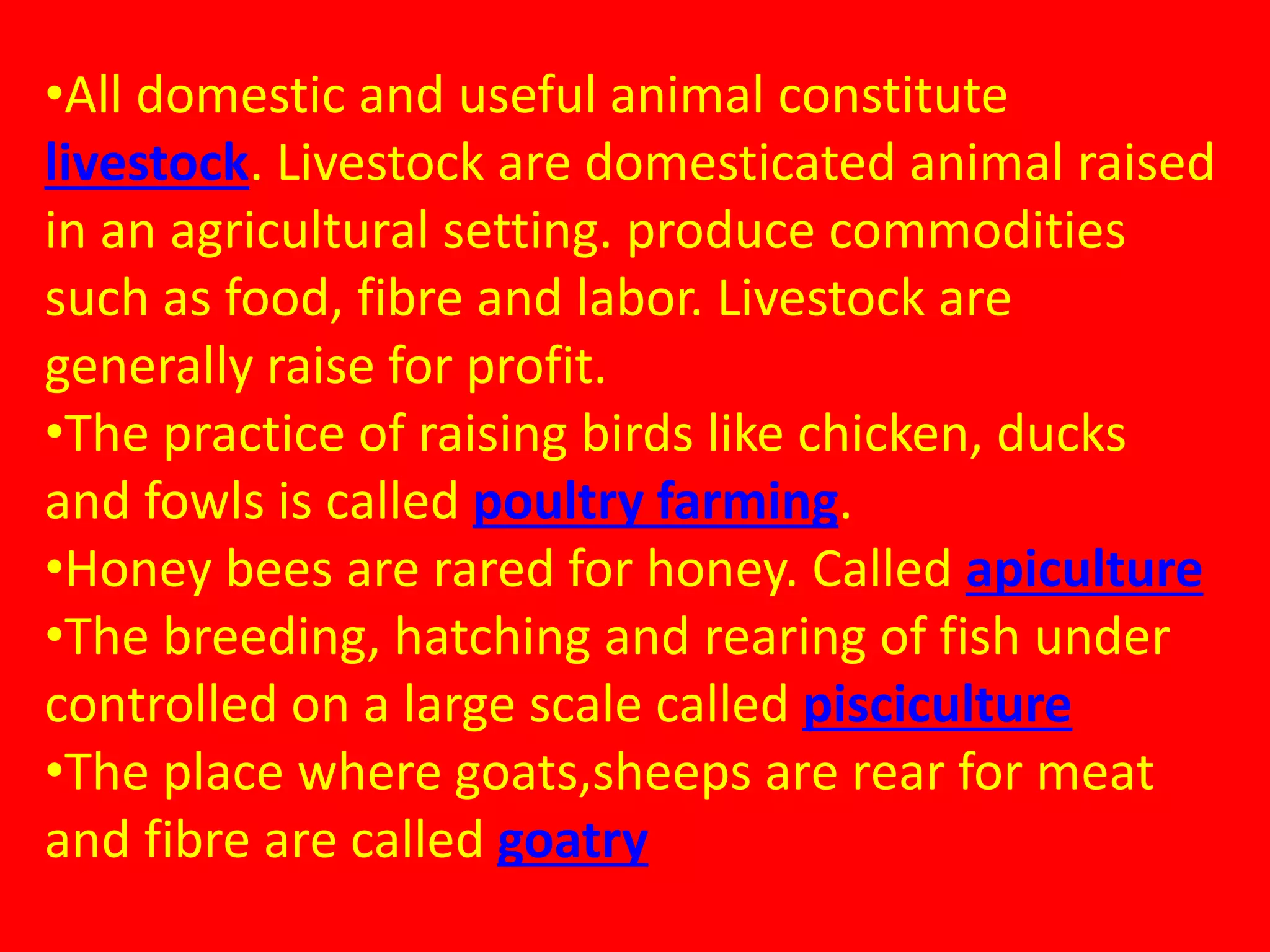
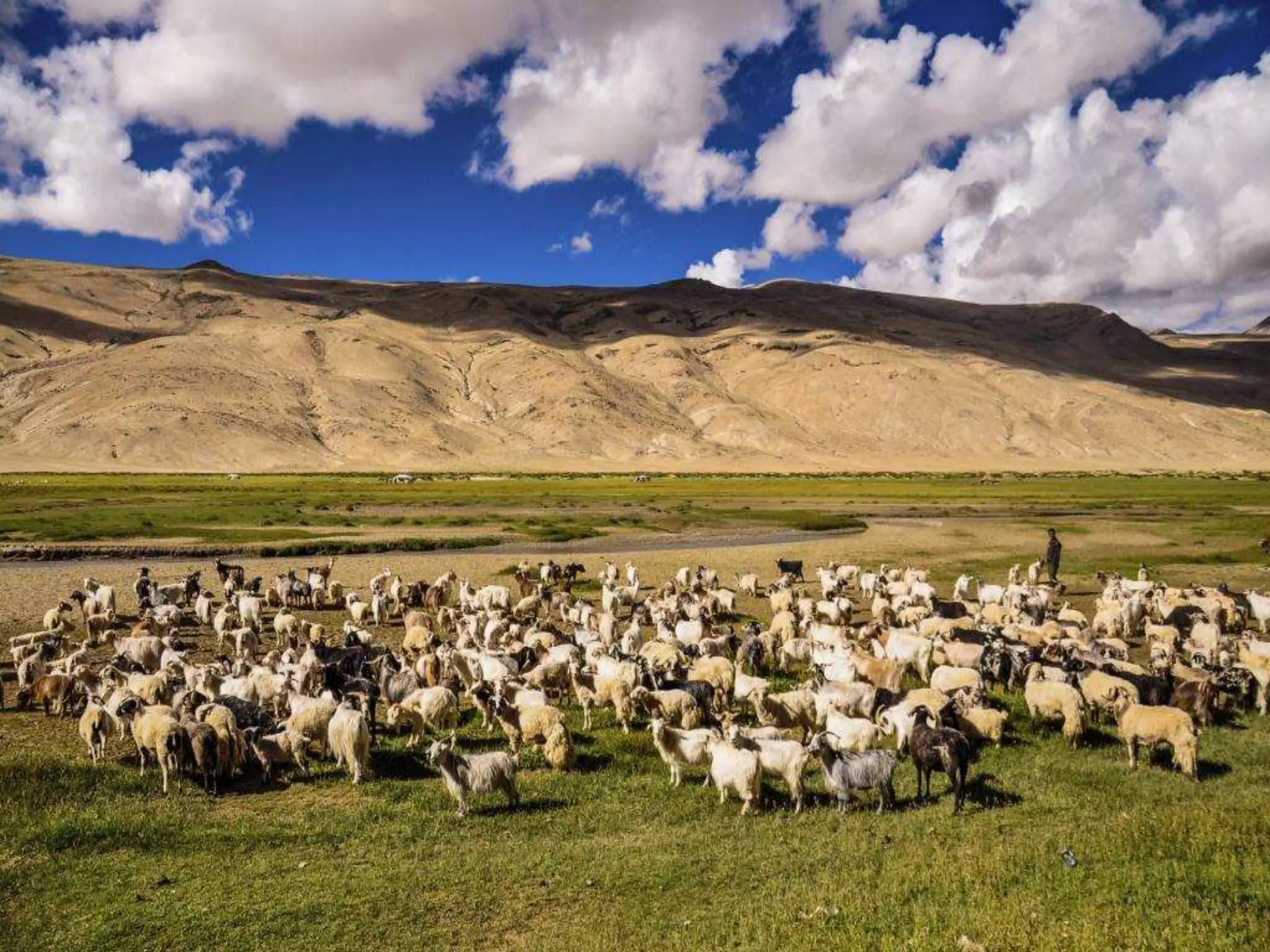
•All domestic and useful animal constitute
livestock. Livestock are domesticated animal raised
in an agricultural setting. produce commodities
such as food, fibre and labor. Livestock are
generally raise for profit.
•The practice of raising birds like chicken, ducks
and fowls is called poultry farming.
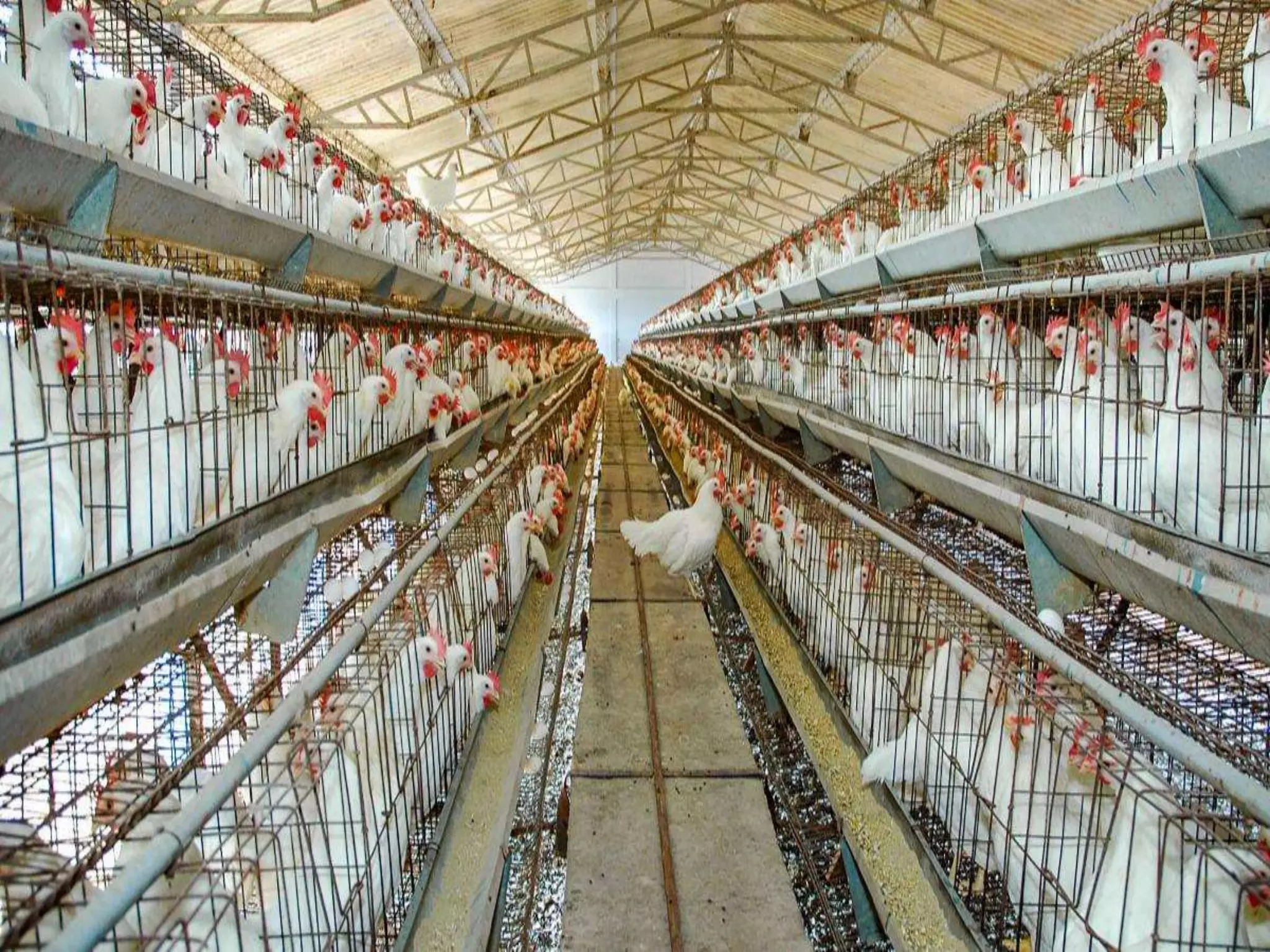
•Honey bees are rared for honey. Called apiculture
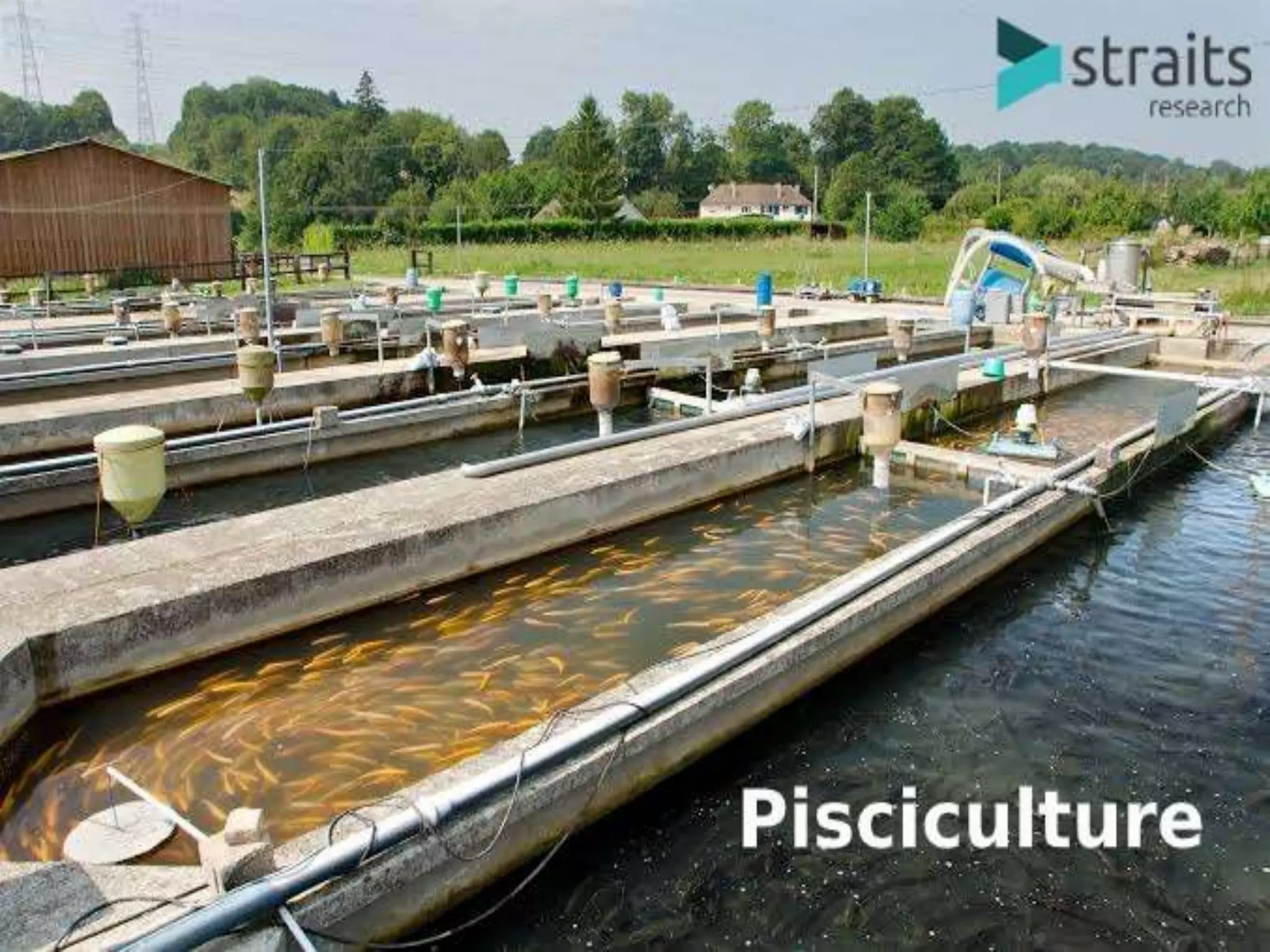
•The breeding, hatching and rearing of fish under
controlled on a large scale called pisciculture
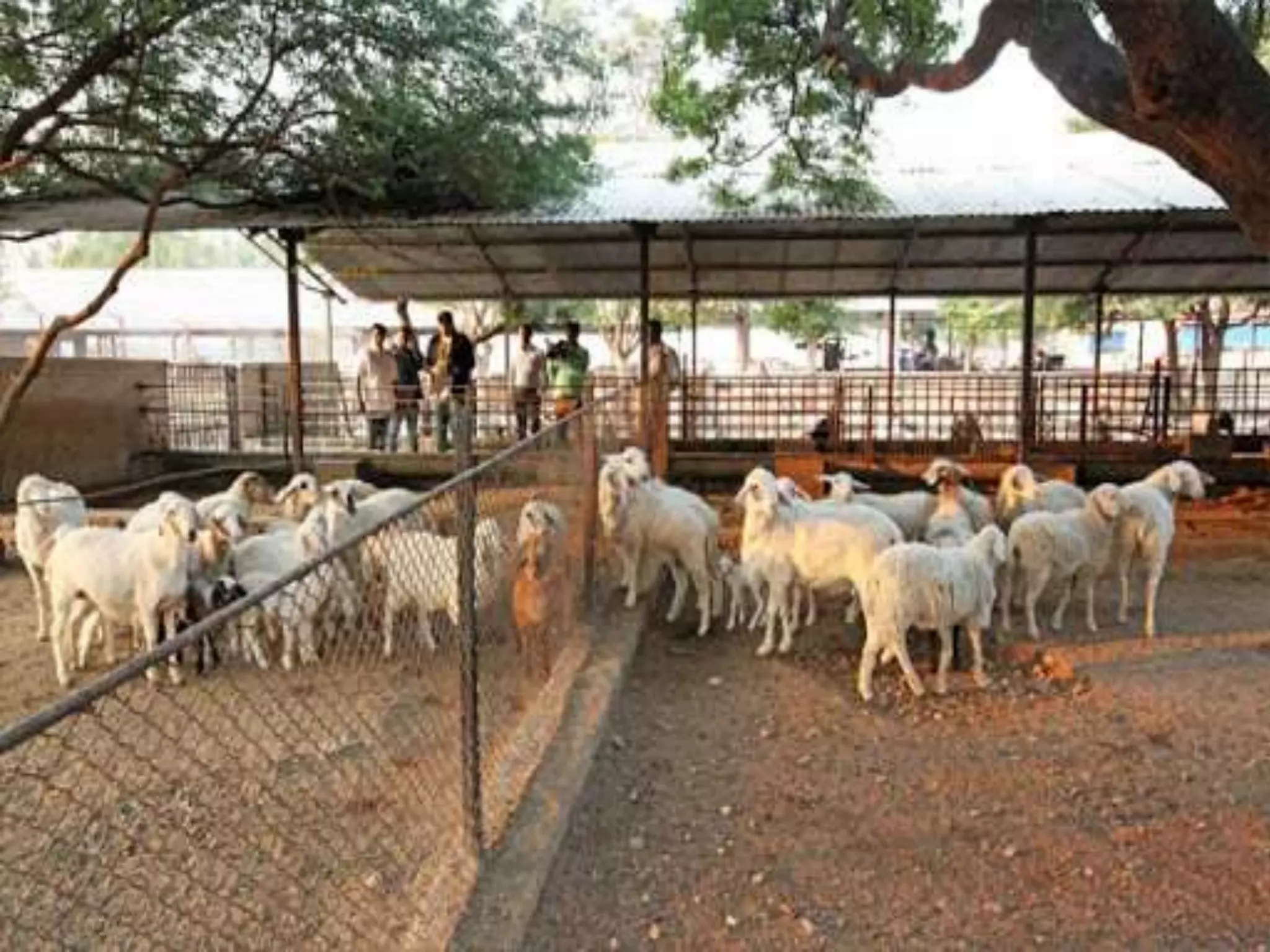
•The place where goats,sheeps are rear for meat
and fibre are called goatry
Dr. Simran A
Diwate

Std 8 presentation

  • 3.
    SMT. S. MCHOKHAWALA LITTLE ANGLES SCHOOL STD 8 TH SCIENCE CHAPTER 1 CROP PRODUCTION AND MANAGEMENT
  • 4.
    Basic agricultural practice •Preparationof soil •Sowing of seed •Manuring •Irrigation •Protection of crop •Harvesting •storage
  • 5.
    Sowing of seed:-Theprocess of putting seed in the soil for germination is called sowing. Germination:- conversion of seed in to seedling
  • 6.
  • 7.
    1.Seed should besown in proper season and moist soil 2.Seed should be sown at a correct depth 3.Seed should be sown at proper spacing to prevent overcrowding.
  • 12.
    Crop transplantation:- Theseed are sown in to small area called nursery. When they germinate in small seedlings this are transferred to a main field this is called crop transplantation
  • 17.
    Advantage of crop transplantation:- •Ithelp farmer to select only healthy seed •Help to keep distance between the plant •Crop yield increase
  • 18.
    MANURING The process ofadding manure fertilizer to soil is called manuring
  • 19.
    Manure is a organicsubstance obtain from the decomposition of plant and animal waste
  • 20.
    Types of manure Farm yard manure Green manure compost Preparedby the decomposition of farmyard waste like dung,leaves,vegitable s etc Prepared by decomposition of green plant which are plough along with the soil Prepared by the decomposition of kitchen waste with the help of bacteria and fungi in soil
  • 21.
  • 22.
  • 23.
  • 25.
  • 26.
    Fertiliser is achemical compound that is manufactured in factories. It provide specific nutrient like phosphurous,potassium etc to crops. For ex. Urea supplies nitrogen CAN( CALCIUM AMMONIUM NITRATE) supplies calcium and nitrogen. They are easy to transport and easily stored. They are easily soluble in water
  • 27.
  • 30.
    Despite the advantagesfertilisers also have some disadvantages it reduce soil fertility, and cause soil pollution. And alternative to fertilisers nutrient in soil can replenished naturally by practicing various methods as:
  • 31.
    1)Field fallow:- leaveningland free for one or more season to regain the nutrient 2)Crop rotation:- it is practice of growing a series of different type of crop in the same area in sequential season 3)Mixed cropping :- some time two or more crops are growing together in the same field. This method is called mixed cropping.
  • 32.
  • 40.
    The process ofwatering crop in the field at different interval is called irrigation In our country farmer are not depend an rain for irrigation because when the crop require water it may not rain. To get good crop produce, crop need to be irrigated properly. The time and frequency of irrigation differs from crop to crop and soil to soil
  • 41.
  • 47.
  • 48.
  • 50.
  • 51.
    These method aremore efficient . In these method water is equally distributed in the field. and also water conserving. 1)Sprinkler system 2)Drip system
  • 53.
    Advantage of irrigation 1.Irrigation help seed to germinate 2. Help to absorb nutrient from soilby plant 3. Water protect crop from frost and dry hot air current
  • 54.
    Disadvantage of irrigation It isimportant to provide plant with right amount of water at the right time. Excessive amount of water cause following problems •Water logging occur in the soil that inhibits germination of seed •Root do not hold the crop upright •Plant which can not resist strong wind fall down
  • 55.
    Crop protection scarecrow Use of pesticides weeding Mechanical method( khurpi orharrow) Chemical method(2.4 D and MCPA ) Biological( cochineal)
  • 62.
  • 63.
    The process ofcutting and gathering of crop when fully grown is called harvesting. Harvesting can be done by manually by sickle or by machine called harvester. The harvested grain is stored. In case of cereals Harvesting is followed by threshing
  • 64.
    Threshing The process ofseparating chaff in the harvested crop is called threshing. It can be done by manually or by machine called thresher. A machine called ‘combine’ is use for both harvesting and threshing.
  • 65.
    Winnowing Farmer that havesmall land holding separate grain from chaff by dropping the harvested crop on the ground from height by the use of blowing wind. This is called winnowing
  • 69.
  • 74.
    Food from animals Milk, eggs,honey ,meat and fish
  • 81.
  • 82.
    The domestication of animalon a large scale is called animal husbandry
  • 83.
    •All domestic anduseful animal constitute livestock. Livestock are domesticated animal raised in an agricultural setting. produce commodities such as food, fibre and labor. Livestock are generally raise for profit. •The practice of raising birds like chicken, ducks and fowls is called poultry farming. •Honey bees are rared for honey. Called apiculture •The breeding, hatching and rearing of fish under controlled on a large scale called pisciculture •The place where goats,sheeps are rear for meat and fibre are called goatry
  • 90.