Ann Carlock, NCDPI Social Studies
Consultant
Middle School Conference
March 16, 2015

Section Chief K-12 Social
Fay Gore
Fay.Gore@dpi.nc.gov
K-12 Social Studies Consultants
Ann Carlock
ann.carlock@dpi.nc.gov
Justyn Knox
Justyn.knox@dpi.nc.gov
Michelle McLaughlin
Michelle.McLaughlin@dpi.nc.gov
Scott Garren
Scott.Garren@dpi.nc.gov
Program Assistant
Bernadette Cole
Bernadette.Cole@dpi.nc.gov
Our Team

Expected Outcomes
Gain a mutual understanding of:
• the inquiry process
• how to DO HISTORY & effectively
research
• how to create a compelling question
• how to evaluate evidence
• how to facilitate authentic student
thinking in which the student arrives at
their own truth

Activity
• What is inquiry?
• What are components of a
compelling question?
• What should teaching and learning
look like?
• How should valid and credible
resources be selected?

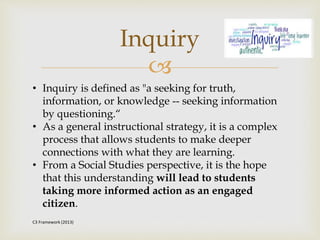
Inquiry
• Inquiry is defined as "a seeking for truth,
information, or knowledge -- seeking information
by questioning.“
• As a general instructional strategy, it is a complex
process that allows students to make deeper
connections with what they are learning.
• From a Social Studies perspective, it is the hope
that this understanding will lead to students
taking more informed action as an engaged
citizen.
C3 Framework (2013)
Components of a compelling question?
When determining if a question is compelling, ask yourself
whether it allows students to:
❏ Focus on enduring issues and concerns?
❏ Explore curiosities about how things work?
❏ Interpret and apply disciplinary concepts?
❏ Construct arguments in response to unresolved issues?
❏ Ask additional questions? What Supporting questions
need to first be answered?
❏ Is the question relevant to contemporary times?
❏ Is the question debatebale?
❏ Will the question hold the sustained interest of the grade
level student for which it is intended?
❏ Is the question challenging?
Is a compelling question
critical to the inquiry
process? C3 Framework (2013) & Lesh (2011)
What should teaching and
learning look like?
“In history courses I took in school we read about
history, talked about history and wrote about
history; we never actually did history. If I had
learned basketball in this way, I would have spent
years reading interpretations and viewpoints of
great players, watching them play games and
analyzing the results of various techniques and
strategies.”
-Anecdote from a teacher in Stephane Levesque’s Thinking Historically
❏Identify if a source is categorized as primary or secondary
❏Determine the relevance of a source both in print and in
digital formats
❏Determine the disciplinary context
❏Identify the author’s bias, motive and point of view
❏Make a claim with an awareness of the counterclaim and
know how to defend against a counter claim
❏Reconcile multiple perspectives on the same content
❏Identify both consistencies and inconsistencies in evidence
❏Articulate how other experts regard the source's value,
validity and credibility
❏Cite sources in order to avoid plagiarism
❏Identify when and why evidence may have limitations
How should valid and credible sources be
selected?
The results of validating evidence:
❏ Students should be able to provide well-reasoned
explanations, claims and arguments that are
supported by valuable evidence.
❏ It is not only important that students be able to
analyze a source through multiple disciplinary
lenses, the student should additionally be able to
evaluate the source and determine its credibility,
value and validity.
❏ Students will know the difference between an
opinion, an explanation and an argument.
❏ This is an opportunity for the student to reflect as to
if the selected sources represented all of the available
and valuable evidence that is needed to answer their
compelling question
http://ssnces.ncdpi.wikispaces.net/Evaluating+Sources+and+Using+Evidence (2014)

Free Your Mind
Shape
Shifters

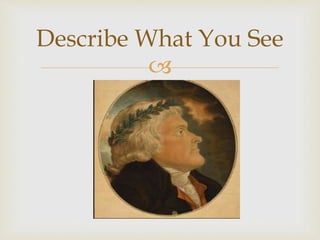
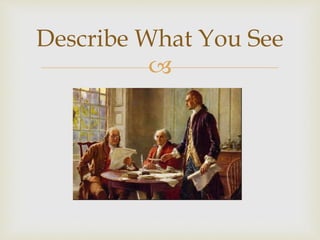
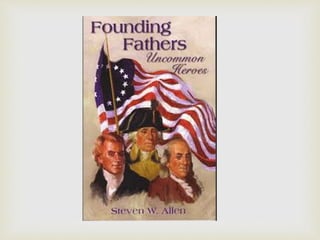
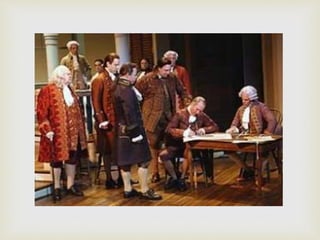
Describe What You See

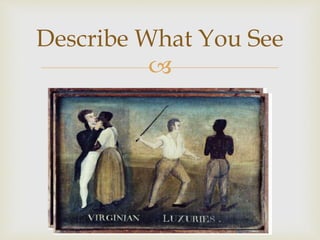
Describe What You See

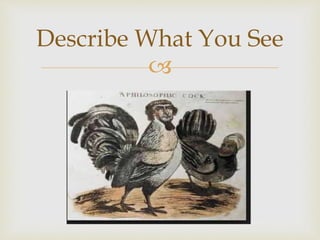
Describe What You See

Describe What You See

What does this mean?
“We hold these truths to be self-
evident, that all men are created
equal; that they are endowed by their
Creator with inherent and inalienable
Rights; that among these, are Life,
Liberty, and the pursuit of
Happiness...”

What does this mean?
“The most fortunate of us, in our journey
through life, frequently meet with calamities
and misfortunes which may greatly afflict
us; and, to fortify our minds against the
attacks of these calamities and misfortunes,
should be one of the principal studies and
endeavors of our lives.”

Practice
Generate at least one
compelling question
that this evidence could
help answer?

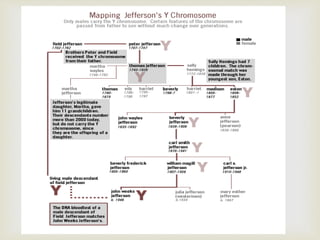
Public History Assignment
Having absorbed all the evidence, create the
historical marker (less than 100 words) that should
be placed at the entrance of Monticello. Describe
your interpretations of Thomas Jefferson. Taking
into account specific factors involved in the events
and the publics opinions and conflicting perceptions
of Thomas Jefferson.
Finally, be prepared to explain why you came to this
decision and which document had the most
influence and why?

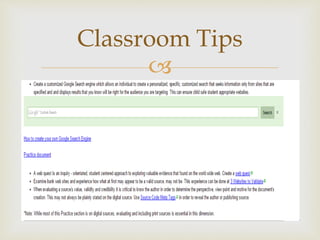
Classroom Tips

Classroom Tips
❏ How to create your own Google
Search Engine
❏ Practice document
❏ Evaluating Valid Websites
❏ Source Code Meta Tags
❏ Resources

Resources
http://ssnces.ncdpi.wikispaces.net/Evaluating+Sources+
and+Using+Evidence
Lesh, B. A. (2011) Why don’t you just tell me the
answer? Portland, ME: Stenhouse Publishers.
VanSledright, B.A. (2014). Assessing historical thinking
and understanding: Innovative designs for new `
standards. New York: Routledge.

Making the Connections: Effective Integration for Social Studies and English Language Arts II

  • 1.
    Ann Carlock, NCDPISocial Studies Consultant Middle School Conference March 16, 2015
  • 2.
     Section Chief K-12Social Fay Gore Fay.Gore@dpi.nc.gov K-12 Social Studies Consultants Ann Carlock ann.carlock@dpi.nc.gov Justyn Knox Justyn.knox@dpi.nc.gov Michelle McLaughlin Michelle.McLaughlin@dpi.nc.gov Scott Garren Scott.Garren@dpi.nc.gov Program Assistant Bernadette Cole Bernadette.Cole@dpi.nc.gov Our Team
  • 3.
     Expected Outcomes Gain amutual understanding of: • the inquiry process • how to DO HISTORY & effectively research • how to create a compelling question • how to evaluate evidence • how to facilitate authentic student thinking in which the student arrives at their own truth
  • 4.
     Activity • What isinquiry? • What are components of a compelling question? • What should teaching and learning look like? • How should valid and credible resources be selected?
  • 5.
     Inquiry • Inquiry isdefined as "a seeking for truth, information, or knowledge -- seeking information by questioning.“ • As a general instructional strategy, it is a complex process that allows students to make deeper connections with what they are learning. • From a Social Studies perspective, it is the hope that this understanding will lead to students taking more informed action as an engaged citizen. C3 Framework (2013)
  • 6.
    Components of acompelling question? When determining if a question is compelling, ask yourself whether it allows students to: ❏ Focus on enduring issues and concerns? ❏ Explore curiosities about how things work? ❏ Interpret and apply disciplinary concepts? ❏ Construct arguments in response to unresolved issues? ❏ Ask additional questions? What Supporting questions need to first be answered? ❏ Is the question relevant to contemporary times? ❏ Is the question debatebale? ❏ Will the question hold the sustained interest of the grade level student for which it is intended? ❏ Is the question challenging? Is a compelling question critical to the inquiry process? C3 Framework (2013) & Lesh (2011)
  • 7.
    What should teachingand learning look like? “In history courses I took in school we read about history, talked about history and wrote about history; we never actually did history. If I had learned basketball in this way, I would have spent years reading interpretations and viewpoints of great players, watching them play games and analyzing the results of various techniques and strategies.” -Anecdote from a teacher in Stephane Levesque’s Thinking Historically
  • 8.
    ❏Identify if asource is categorized as primary or secondary ❏Determine the relevance of a source both in print and in digital formats ❏Determine the disciplinary context ❏Identify the author’s bias, motive and point of view ❏Make a claim with an awareness of the counterclaim and know how to defend against a counter claim ❏Reconcile multiple perspectives on the same content ❏Identify both consistencies and inconsistencies in evidence ❏Articulate how other experts regard the source's value, validity and credibility ❏Cite sources in order to avoid plagiarism ❏Identify when and why evidence may have limitations How should valid and credible sources be selected?
  • 9.
    The results ofvalidating evidence: ❏ Students should be able to provide well-reasoned explanations, claims and arguments that are supported by valuable evidence. ❏ It is not only important that students be able to analyze a source through multiple disciplinary lenses, the student should additionally be able to evaluate the source and determine its credibility, value and validity. ❏ Students will know the difference between an opinion, an explanation and an argument. ❏ This is an opportunity for the student to reflect as to if the selected sources represented all of the available and valuable evidence that is needed to answer their compelling question http://ssnces.ncdpi.wikispaces.net/Evaluating+Sources+and+Using+Evidence (2014)
  • 10.
  • 11.
  • 12.
  • 13.
  • 14.
  • 15.
     What does thismean? “We hold these truths to be self- evident, that all men are created equal; that they are endowed by their Creator with inherent and inalienable Rights; that among these, are Life, Liberty, and the pursuit of Happiness...”
  • 16.
     What does thismean? “The most fortunate of us, in our journey through life, frequently meet with calamities and misfortunes which may greatly afflict us; and, to fortify our minds against the attacks of these calamities and misfortunes, should be one of the principal studies and endeavors of our lives.”
  • 20.
     Practice Generate at leastone compelling question that this evidence could help answer?
  • 21.
     Public History Assignment Havingabsorbed all the evidence, create the historical marker (less than 100 words) that should be placed at the entrance of Monticello. Describe your interpretations of Thomas Jefferson. Taking into account specific factors involved in the events and the publics opinions and conflicting perceptions of Thomas Jefferson. Finally, be prepared to explain why you came to this decision and which document had the most influence and why?
  • 22.
  • 23.
     Classroom Tips ❏ Howto create your own Google Search Engine ❏ Practice document ❏ Evaluating Valid Websites ❏ Source Code Meta Tags ❏ Resources
  • 24.
     Resources http://ssnces.ncdpi.wikispaces.net/Evaluating+Sources+ and+Using+Evidence Lesh, B. A.(2011) Why don’t you just tell me the answer? Portland, ME: Stenhouse Publishers. VanSledright, B.A. (2014). Assessing historical thinking and understanding: Innovative designs for new ` standards. New York: Routledge.

Editor's Notes

  • #11 Everyone in this room has their own personal biases, own interpretation of history and individuals throughout history. Try to let them go.
  • #12 What its motive of artist?
  • #13 What its motive of artist?
  • #14 What its motive of artist?
  • #15 What its motive of artist?