SPORTS
AN INTRODUCTION
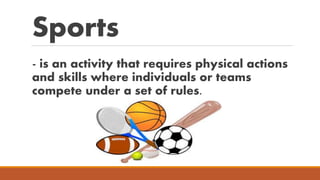
Sports
- is an activity that requires physical actions
and skills where individuals or teams
compete under a set of rules.
Types of Sports
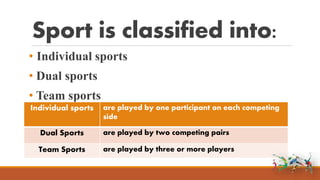
Sport is classified into:
• Individual sports
• Dual sports
• Team sports
Individual sports are played by one participant on each competing
side
Dual Sports are played by two competing pairs
Team Sports are played by three or more players
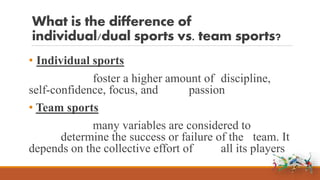
What is the difference of
individual/dual sports vs. team sports?
• Individual sports
foster a higher amount of discipline,
self-confidence, focus, and passion
• Team sports
many variables are considered to
determine the success or failure of the team. It
depends on the collective effort of all its players
What does one need
to know in playing
sports?
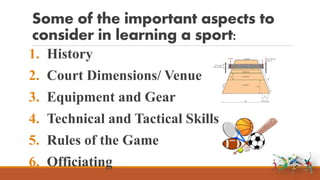
Some of the important aspects to
consider in learning a sport:
1. History
2. Court Dimensions/ Venue
3. Equipment and Gear
4. Technical and Tactical Skills
5. Rules of the Game
6. Officiating
Individual/
Dual Sports
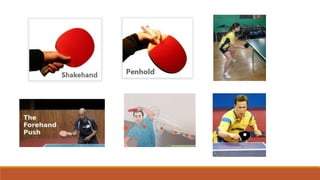
Table Tennis
1. Grip
• Shakehand Grip
• Penhold Grip
2. Ready Position
3. Forehand and Backhand
4. Basic hitting
5. Topsin Serve
6. Basic Position, Forehand and Backhand Drive
7. Forehand and Backhand Push
Badminton
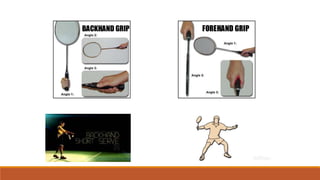
1. Grip
• Handshake Grip (forehand and
backhand)
2. Ready Position and footwork
3. Serve
• Long serve
• Short serve (forehand and
backhand)
4. Forehand and Backhand
Overhead Stroke
5. Forehand and Backhand Clear
6. Forehand and Backhand Drop
7. Forehand and Backhand
Smash
8. Forehand and Backhand Drive
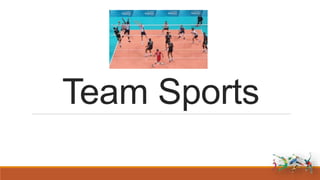
Team Sports
Basketball
1. Footwork
2. Pivoting
3. Catching the Ball
4. Dribbling
5. Passing
6. Shooting
7. Rebounding
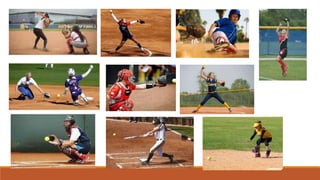
Softball
1. Throwing
2. Catching
3. Fielding Flyballs and Ground Balls
4. Playing Catcher
5. Pitching
6. Batting
7. Baserunning
8. Sliding
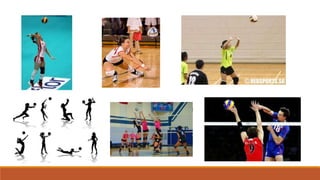
Volleyball
1. Stance (ready position of the body and foot)
2. Service (Underhand, sidearm, and overhand serve)
3. Tossing (underhand and overhand or finger toss)
4. Passing/receiving (Forearm pass, Overhand, and dig
pass)
5. Attacking
6. Blocking
7. Defensive skills (Rolling/Sliding)
Technical and
Tactical Skills in
Playing Sports
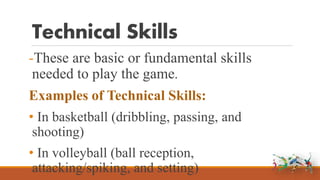
Technical Skills
-These are basic or fundamental skills
needed to play the game.
Examples of Technical Skills:
• In basketball (dribbling, passing, and
shooting)
• In volleyball (ball reception,
attacking/spiking, and setting)
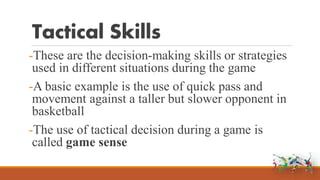
Tactical Skills
-These are the decision-making skills or strategies
used in different situations during the game
-A basic example is the use of quick pass and
movement against a taller but slower opponent in
basketball
-The use of tactical decision during a game is
called game sense
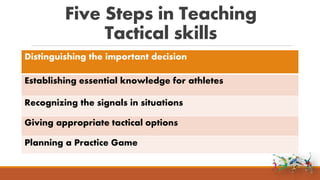
Five Steps in Teaching
Tactical skills
Distinguishing the important decision
Establishing essential knowledge for athletes
Recognizing the signals in situations
Giving appropriate tactical options
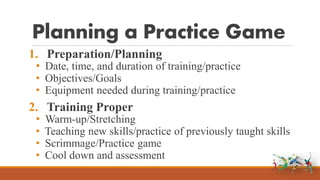
Planning a Practice Game
1. Preparation/Planning
• Date, time, and duration of training/practice
• Objectives/Goals
• Equipment needed during training/practice
2. Training Proper
• Warm-up/Stretching
• Teaching new skills/practice of previously taught skills
• Scrimmage/Practice game
• Cool down and assessment
CHOOSING A
SPORT
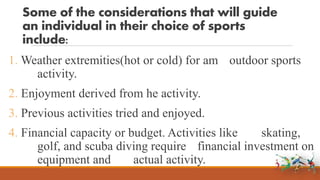
Some of the considerations that will guide
an individual in their choice of sports
include:
1. Weather extremities(hot or cold) for am outdoor sports
activity.
2. Enjoyment derived from he activity.
3. Previous activities tried and enjoyed.
4. Financial capacity or budget. Activities like skating,
golf, and scuba diving require financial investment on
equipment and actual activity.
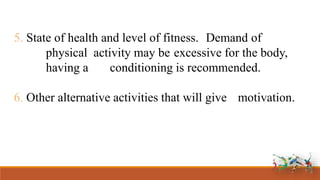
5. State of health and level of fitness. Demand of
physical activity may be excessive for the body,
having a conditioning is recommended.
6. Other alternative activities that will give motivation.
What are the health-related and skill-
related fitness in sports/physical
activity ?
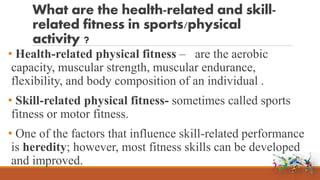
• Health-related physical fitness – are the aerobic
capacity, muscular strength, muscular endurance,
flexibility, and body composition of an individual .
• Skill-related physical fitness- sometimes called sports
fitness or motor fitness.
• One of the factors that influence skill-related performance
is heredity; however, most fitness skills can be developed
and improved.
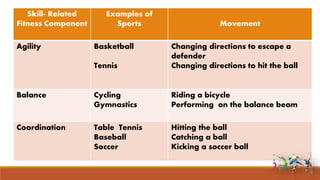
Skill- Related
Fitness Component
Examples of
Sports Movement
Agility Basketball
Tennis
Changing directions to escape a
defender
Changing directions to hit the ball
Balance Cycling
Gymnastics
Riding a bicycle
Performing on the balance beam
Coordination Table Tennis
Baseball
Soccer
Hitting the ball
Catching a ball
Kicking a soccer ball
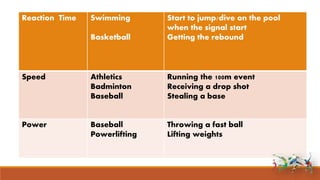
Reaction Time Swimming
Basketball
Start to jump/dive on the pool
when the signal start
Getting the rebound
Speed Athletics
Badminton
Baseball
Running the 100m event
Receiving a drop shot
Stealing a base
Power Baseball
Powerlifting
Throwing a fast ball
Lifting weights
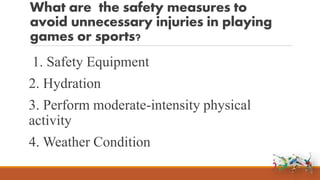
What are the safety measures to
avoid unnecessary injuries in playing
games or sports?
1. Safety Equipment
2. Hydration
3. Perform moderate-intensity physical
activity
4. Weather Condition

Sports

  • 1.
  • 2.
    Sports - is anactivity that requires physical actions and skills where individuals or teams compete under a set of rules.
  • 3.
  • 4.
    Sport is classifiedinto: • Individual sports • Dual sports • Team sports Individual sports are played by one participant on each competing side Dual Sports are played by two competing pairs Team Sports are played by three or more players
  • 5.
    What is thedifference of individual/dual sports vs. team sports? • Individual sports foster a higher amount of discipline, self-confidence, focus, and passion • Team sports many variables are considered to determine the success or failure of the team. It depends on the collective effort of all its players
  • 6.
    What does oneneed to know in playing sports?
  • 7.
    Some of theimportant aspects to consider in learning a sport: 1. History 2. Court Dimensions/ Venue 3. Equipment and Gear 4. Technical and Tactical Skills 5. Rules of the Game 6. Officiating
  • 8.
  • 9.
    Table Tennis 1. Grip •Shakehand Grip • Penhold Grip 2. Ready Position 3. Forehand and Backhand 4. Basic hitting 5. Topsin Serve 6. Basic Position, Forehand and Backhand Drive 7. Forehand and Backhand Push
  • 11.
    Badminton 1. Grip • HandshakeGrip (forehand and backhand) 2. Ready Position and footwork 3. Serve • Long serve • Short serve (forehand and backhand) 4. Forehand and Backhand Overhead Stroke 5. Forehand and Backhand Clear 6. Forehand and Backhand Drop 7. Forehand and Backhand Smash 8. Forehand and Backhand Drive
  • 13.
  • 14.
    Basketball 1. Footwork 2. Pivoting 3.Catching the Ball 4. Dribbling 5. Passing 6. Shooting 7. Rebounding
  • 15.
    Softball 1. Throwing 2. Catching 3.Fielding Flyballs and Ground Balls 4. Playing Catcher 5. Pitching 6. Batting 7. Baserunning 8. Sliding
  • 17.
    Volleyball 1. Stance (readyposition of the body and foot) 2. Service (Underhand, sidearm, and overhand serve) 3. Tossing (underhand and overhand or finger toss) 4. Passing/receiving (Forearm pass, Overhand, and dig pass) 5. Attacking 6. Blocking 7. Defensive skills (Rolling/Sliding)
  • 19.
  • 20.
    Technical Skills -These arebasic or fundamental skills needed to play the game. Examples of Technical Skills: • In basketball (dribbling, passing, and shooting) • In volleyball (ball reception, attacking/spiking, and setting)
  • 21.
    Tactical Skills -These arethe decision-making skills or strategies used in different situations during the game -A basic example is the use of quick pass and movement against a taller but slower opponent in basketball -The use of tactical decision during a game is called game sense
  • 22.
    Five Steps inTeaching Tactical skills Distinguishing the important decision Establishing essential knowledge for athletes Recognizing the signals in situations Giving appropriate tactical options Planning a Practice Game
  • 23.
    Planning a PracticeGame 1. Preparation/Planning • Date, time, and duration of training/practice • Objectives/Goals • Equipment needed during training/practice 2. Training Proper • Warm-up/Stretching • Teaching new skills/practice of previously taught skills • Scrimmage/Practice game • Cool down and assessment
  • 24.
  • 25.
    Some of theconsiderations that will guide an individual in their choice of sports include: 1. Weather extremities(hot or cold) for am outdoor sports activity. 2. Enjoyment derived from he activity. 3. Previous activities tried and enjoyed. 4. Financial capacity or budget. Activities like skating, golf, and scuba diving require financial investment on equipment and actual activity.
  • 26.
    5. State ofhealth and level of fitness. Demand of physical activity may be excessive for the body, having a conditioning is recommended. 6. Other alternative activities that will give motivation.
  • 27.
    What are thehealth-related and skill- related fitness in sports/physical activity ? • Health-related physical fitness – are the aerobic capacity, muscular strength, muscular endurance, flexibility, and body composition of an individual . • Skill-related physical fitness- sometimes called sports fitness or motor fitness. • One of the factors that influence skill-related performance is heredity; however, most fitness skills can be developed and improved.
  • 28.
    Skill- Related Fitness Component Examplesof Sports Movement Agility Basketball Tennis Changing directions to escape a defender Changing directions to hit the ball Balance Cycling Gymnastics Riding a bicycle Performing on the balance beam Coordination Table Tennis Baseball Soccer Hitting the ball Catching a ball Kicking a soccer ball
  • 29.
    Reaction Time Swimming Basketball Startto jump/dive on the pool when the signal start Getting the rebound Speed Athletics Badminton Baseball Running the 100m event Receiving a drop shot Stealing a base Power Baseball Powerlifting Throwing a fast ball Lifting weights
  • 30.
    What are thesafety measures to avoid unnecessary injuries in playing games or sports? 1. Safety Equipment 2. Hydration 3. Perform moderate-intensity physical activity 4. Weather Condition