 Are considered to be naturally inclined
to establish societies.
Since it is in interacting with others that
they are able to ensure their survival
by establishing mutually
beneficial relationship
with one other.
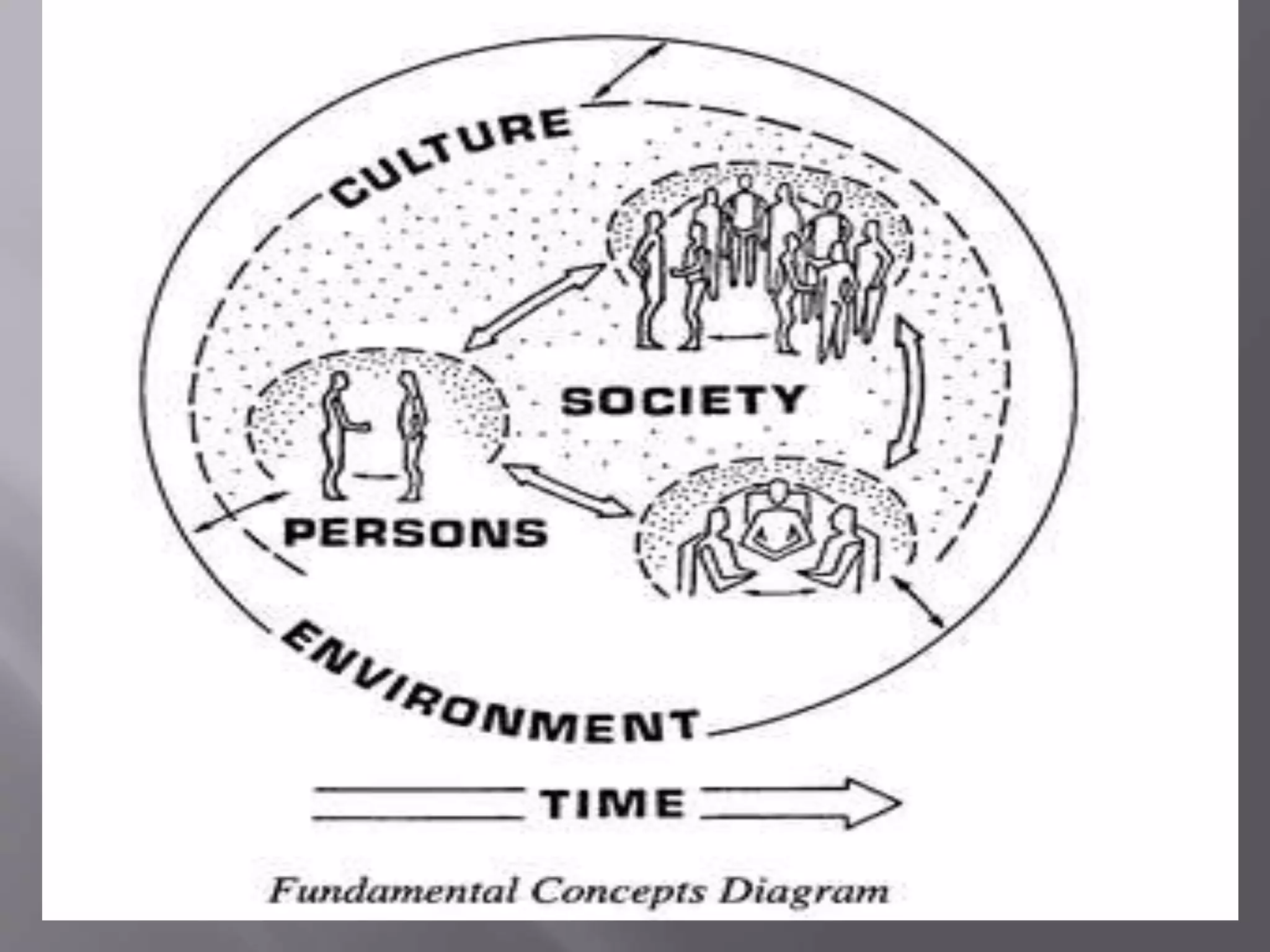
 Defined SOCIETY complex
whole which encompasses
beliefs, practices, values,
attitudes, laws, norms, artifacts,
symbols, knowledge, and
everything that a person learns
and shares as a member of
society.
SOCIETY
is characterized
by the following
elements:
Whereby members
of the community
live together for
mutual benefit.
Among members that
serve as basis for their
patterns of action and
behavior.
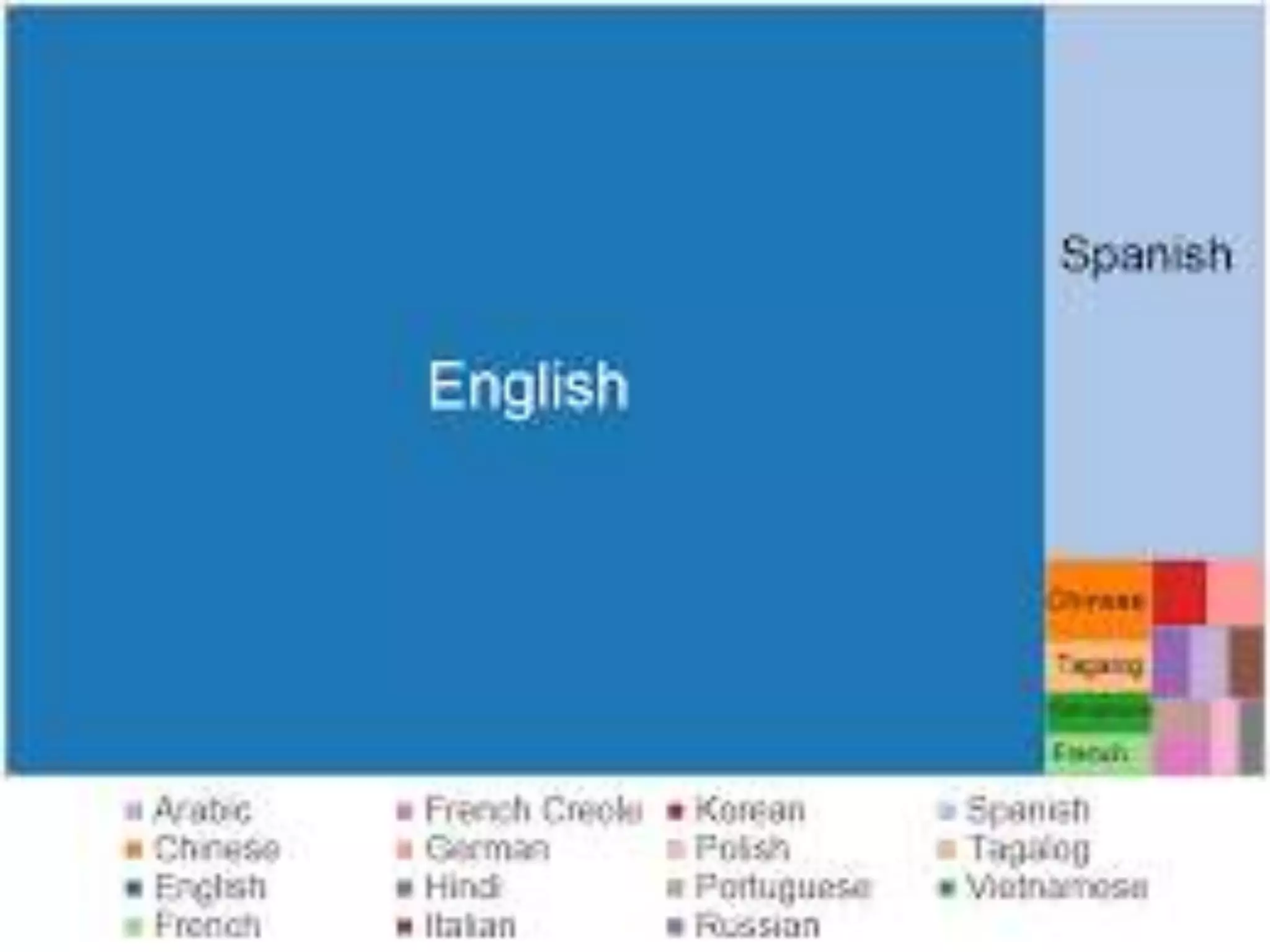
3. A COMMON
LANGUAGE
4. A LARGE
POPULATION AND
ABILITY TO SUSTAIN
SUCCEEDING
GENERATION
MEMBERS
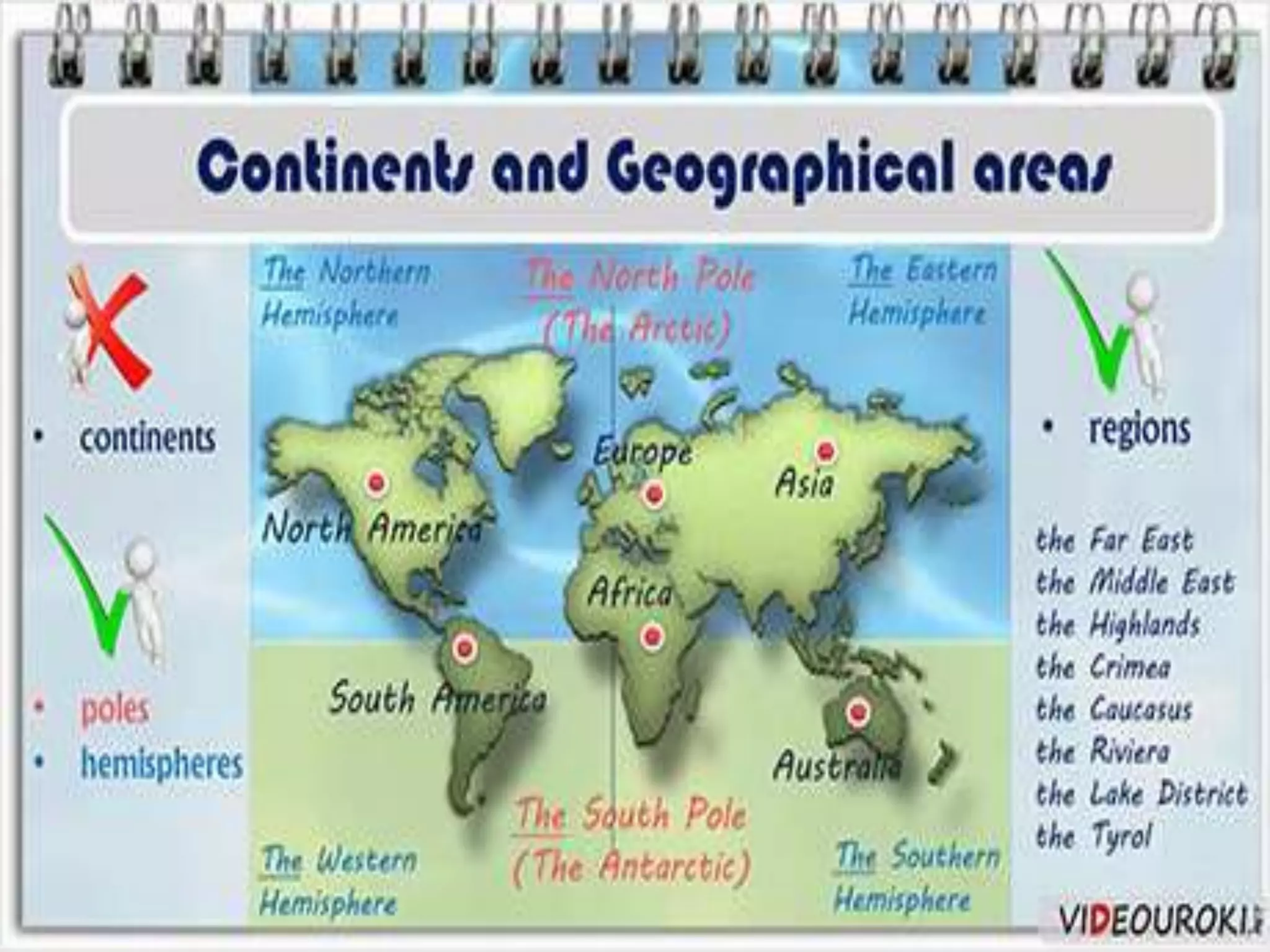
5. DEFINITIE
GEOGRPHICAL
AREA
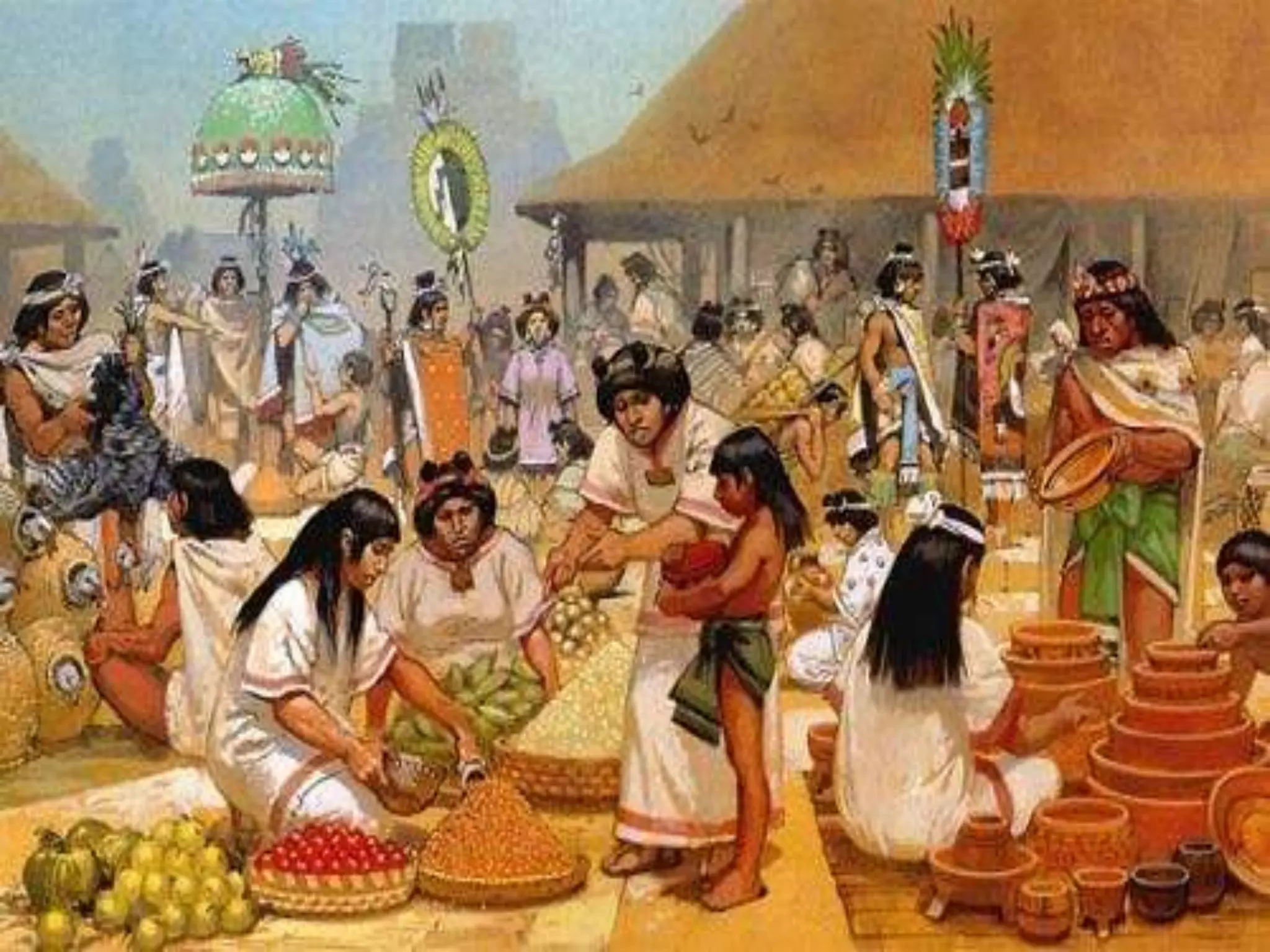
6. POLITICAL,
ECONOMIC,
AND SOCIAL
ORGANIZATION
Have also identified five
major types of societies
according to how they
changed and developed
over time.
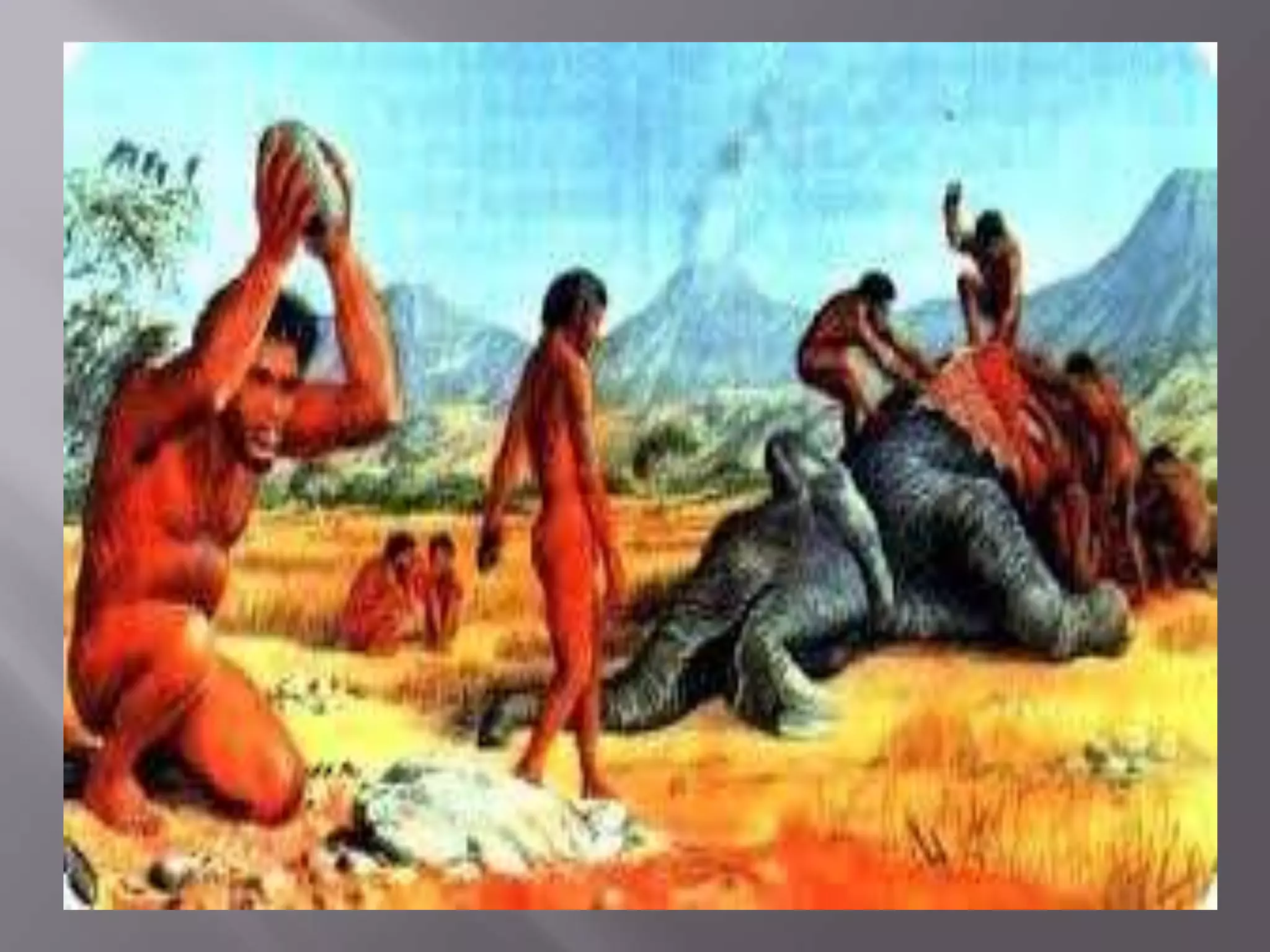
 is a human living in a society in
which most or all food is obtained
by foraging (collecting wild plants
and pursuing wild animals), in
contrast to agricultural societies,
which rely mainly
on domesticated species.
Hunting and gathering
was humanity's first
and most successful
adaptation, occupying
at least 90 percent of
human history.
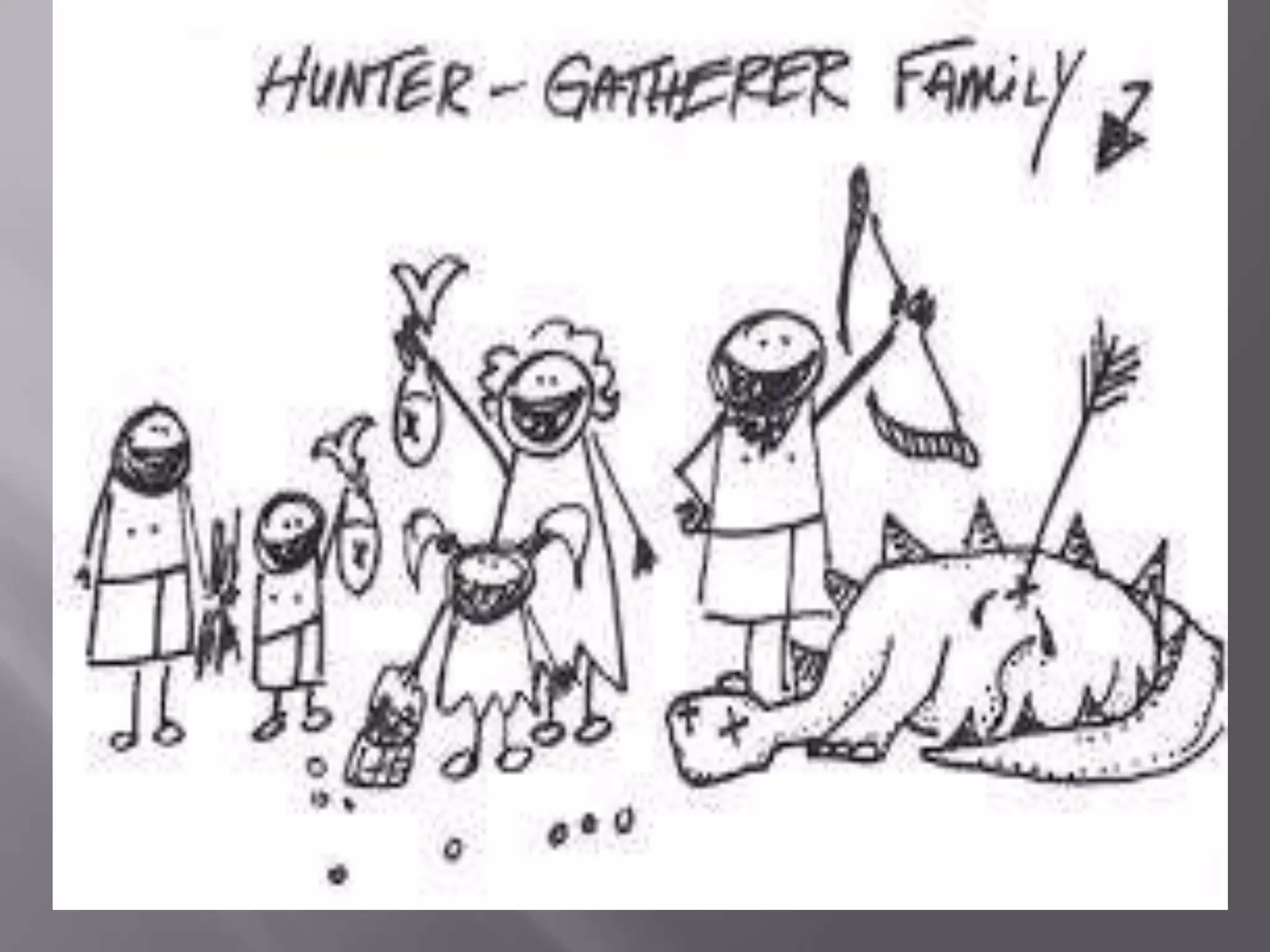
• Were considered the first
societies.
• The basic social and economic
units were the family and
local clan which organized
hunting and gathering
activities and distributed the
accumulated food supply.
 People in this type of society depended
on the food that they had planted.
 This produced a larger quantity of food
than the hunter-gather society; so the
people didn’t move as often to obtain
food.
 The people would settle on the land for
a few years and then would move due to
the lack of nutrients in the soil.
 Their emergence was brought
about by the gradual shift
from the hunting-and-
gathering lifestyle to a more
sedentary life.
 And the introduction of
agriculture as a more stable
food production method.
 This society used the slash and
burned method to make their
gardens in the forest.
 Horticultural societies obtained
food easier than the hunter-gather
society because they grew their
own vegetables and some raised
domesticated animals but they also
had struggles; due to nature, pest,
and other uncontrollable things.
 Pastoralist society emerged in
regions that horticulture was
impractical.
 The primary means of subsistence
was from domesticated livestock.
 This society was nomadic, like the
Native Americans in which they
would move their livestock to
better pastures and water
according to the season.
 Food was not wasted in this society.
They used the wool from the sheep
to make clothing and other parts of
the animals for their survival.
 Both of these societies had a more
complex social organization and
have increased specialization. Due to
material surplus, labor distribution
was unequal and so was social
inequality. Some pastoral societies
fought each other over grazing areas.
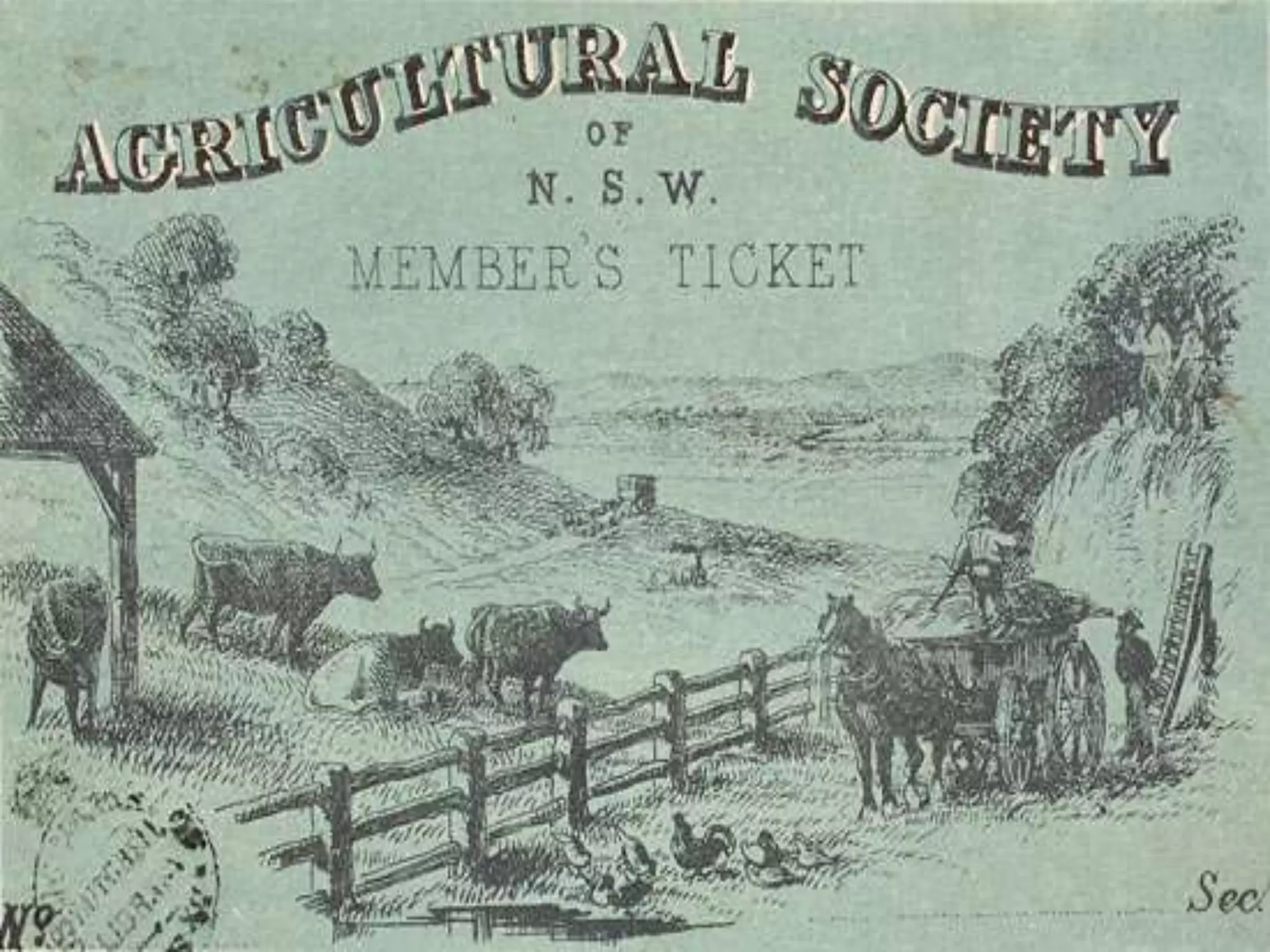
 Around 10,000 years ago, the
development and spread of
agriculture as more stable food
production method.
 Food production became more
efficient due to the new methods
of farming, the invention of more
advanced tools, and the
establishment of permanent
settlements.
The beginning of the
Industrial Revolution in
England during the latter
half of 18th century.
Technological
advancements resulted in
the invention of machines
that improved production.
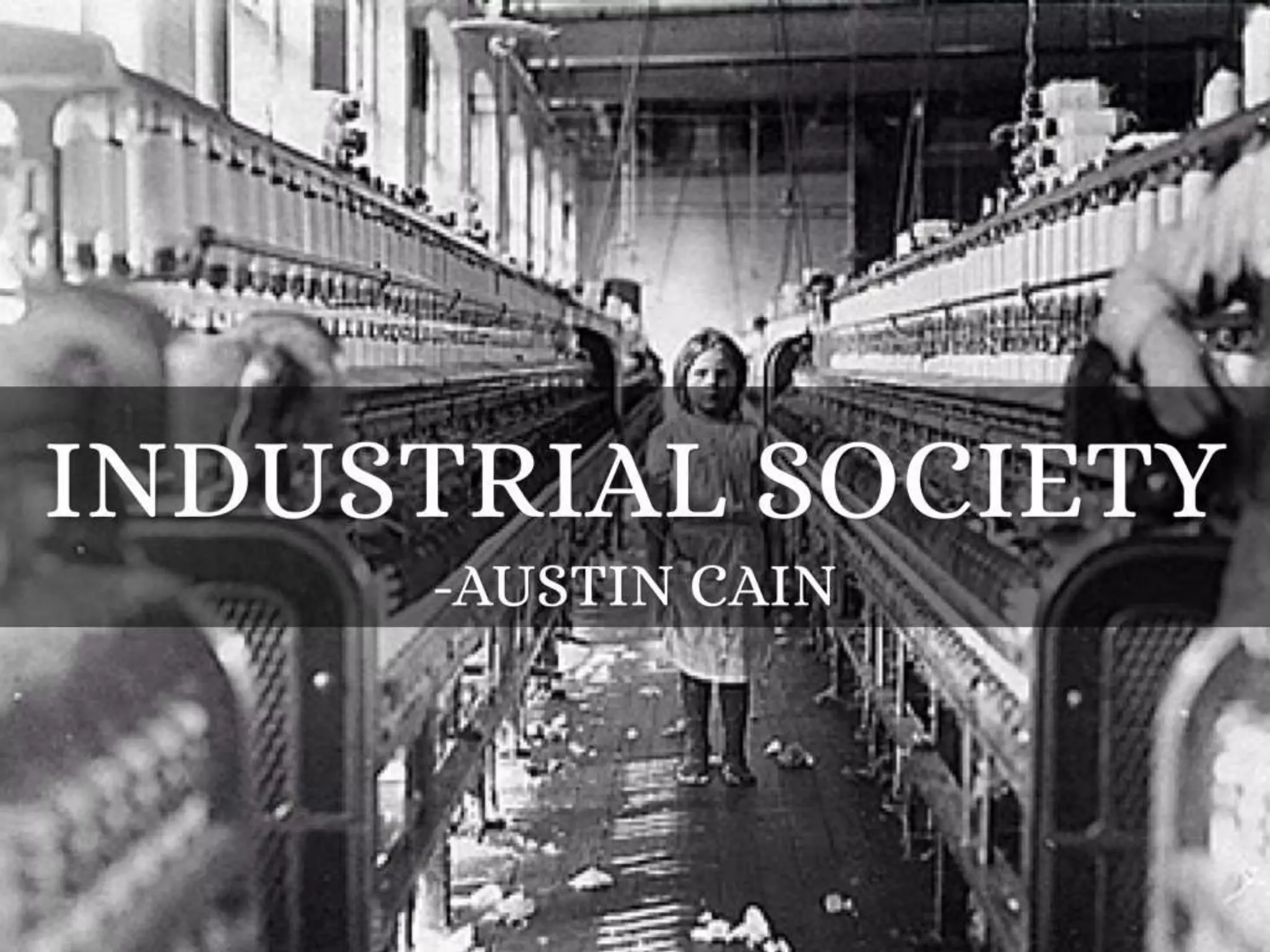
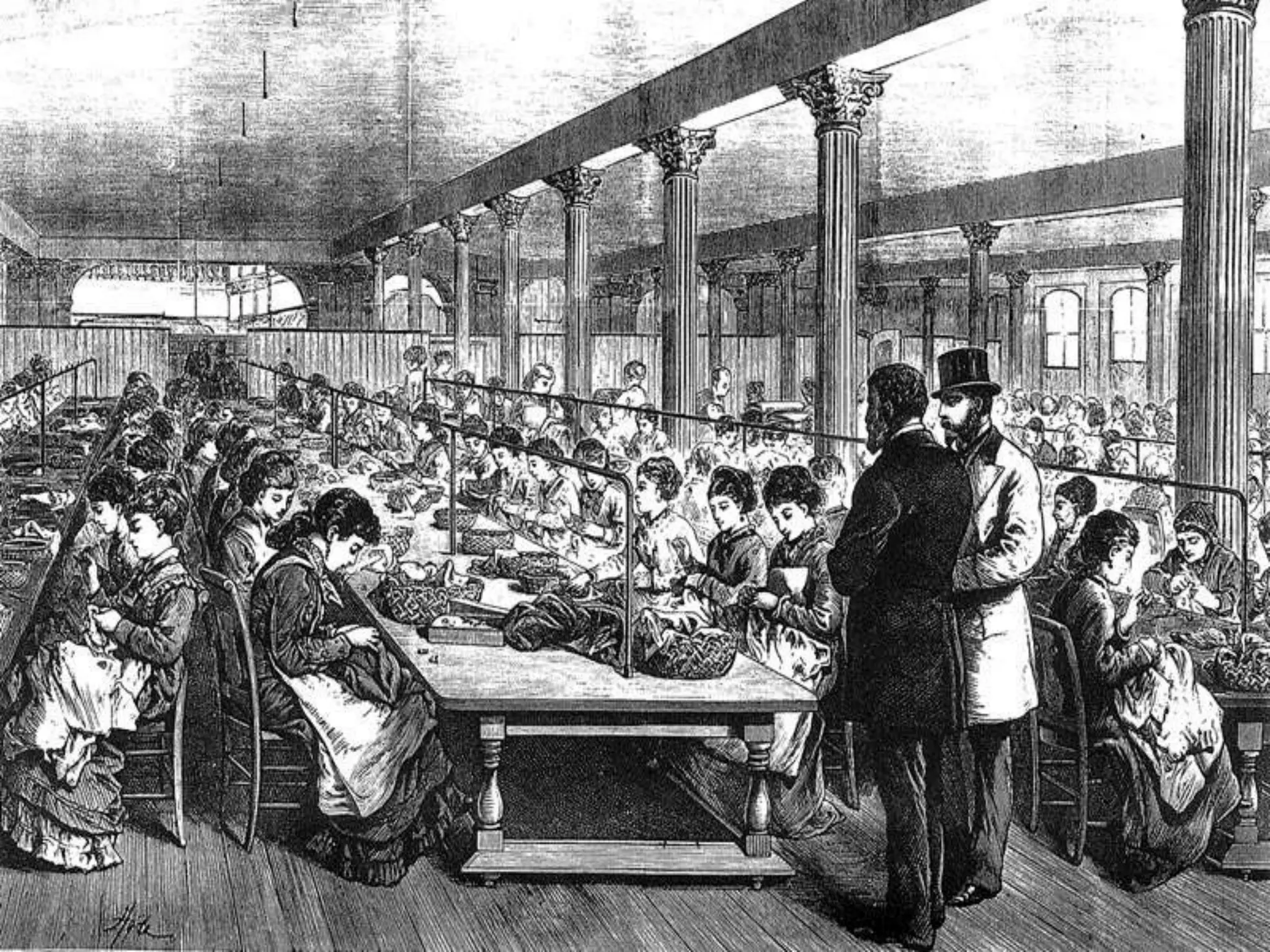
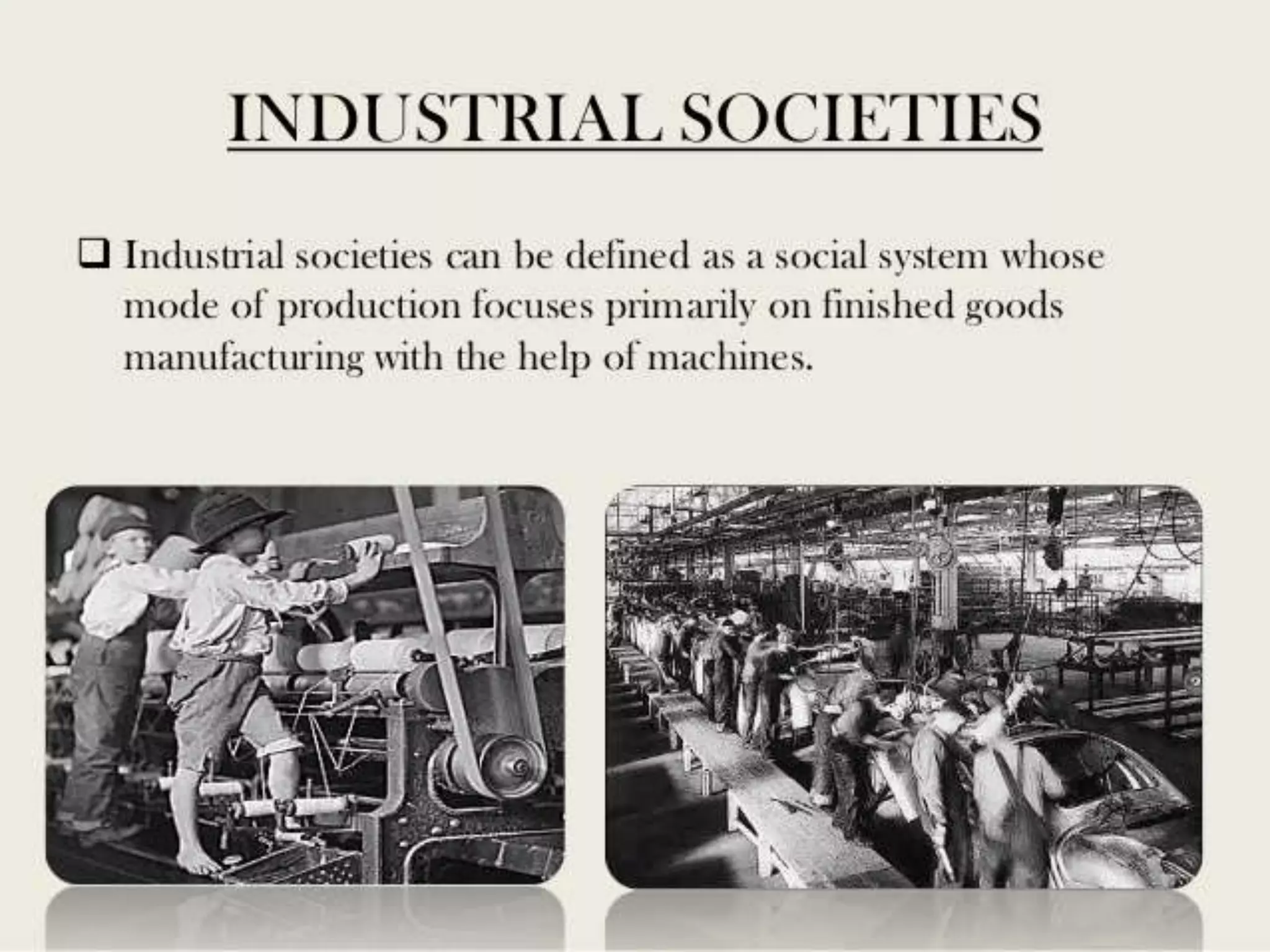
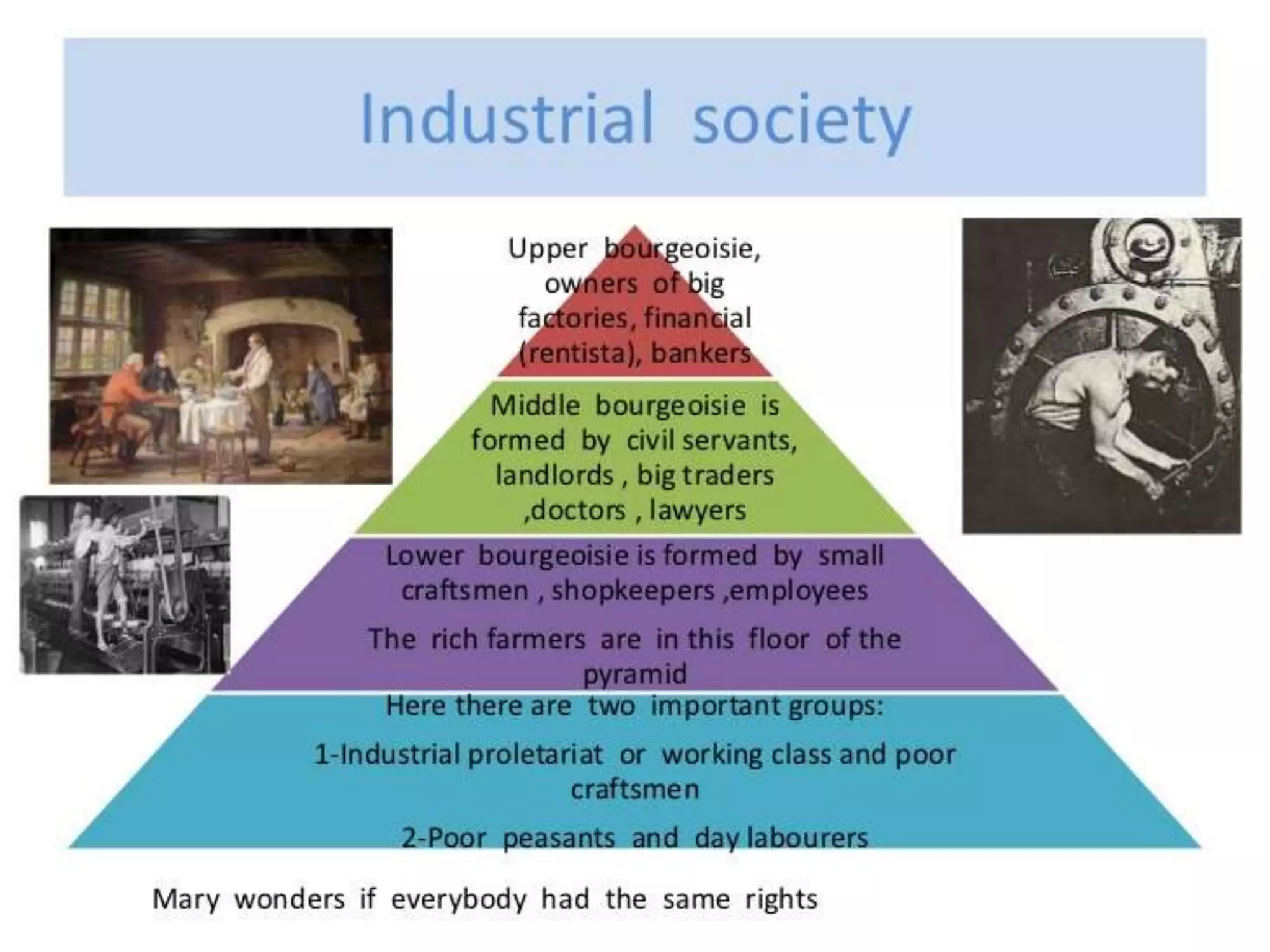
 In sociology, industrial society refers
to a society driven by the use
of technology to enable mass
production, supporting a large
population with a high capacity
for division of labour.
 Such a structure developed in
the west in the period of time
following the Industrial Revolution,
and replaced the agrarian societies of
the Pre-modern, Pre-industrial age.
Industrial societies are
generally mass societies,
and may be succeeded by
an Information society.
They are often contrasted
with traditional societies.[1]
 Industrial society is use by external
energy sources, such as fossil fuels, to
increase the rate and scale of
production.
 The production of food is shifted to
large commercial farms where the
products of industry, such as combine
harvesters and fossil fuel
based fertilizers, are used to decrease
required human labor while
increasing production.
 No longer needed for the production
of food, excess labor is moved into
these factories where mechanization
is utilized to further increase
efficiency.
 As populations grow,
and mechanizationis further refined,
often to the level of automation,
many workers shift to
expanding service industries.
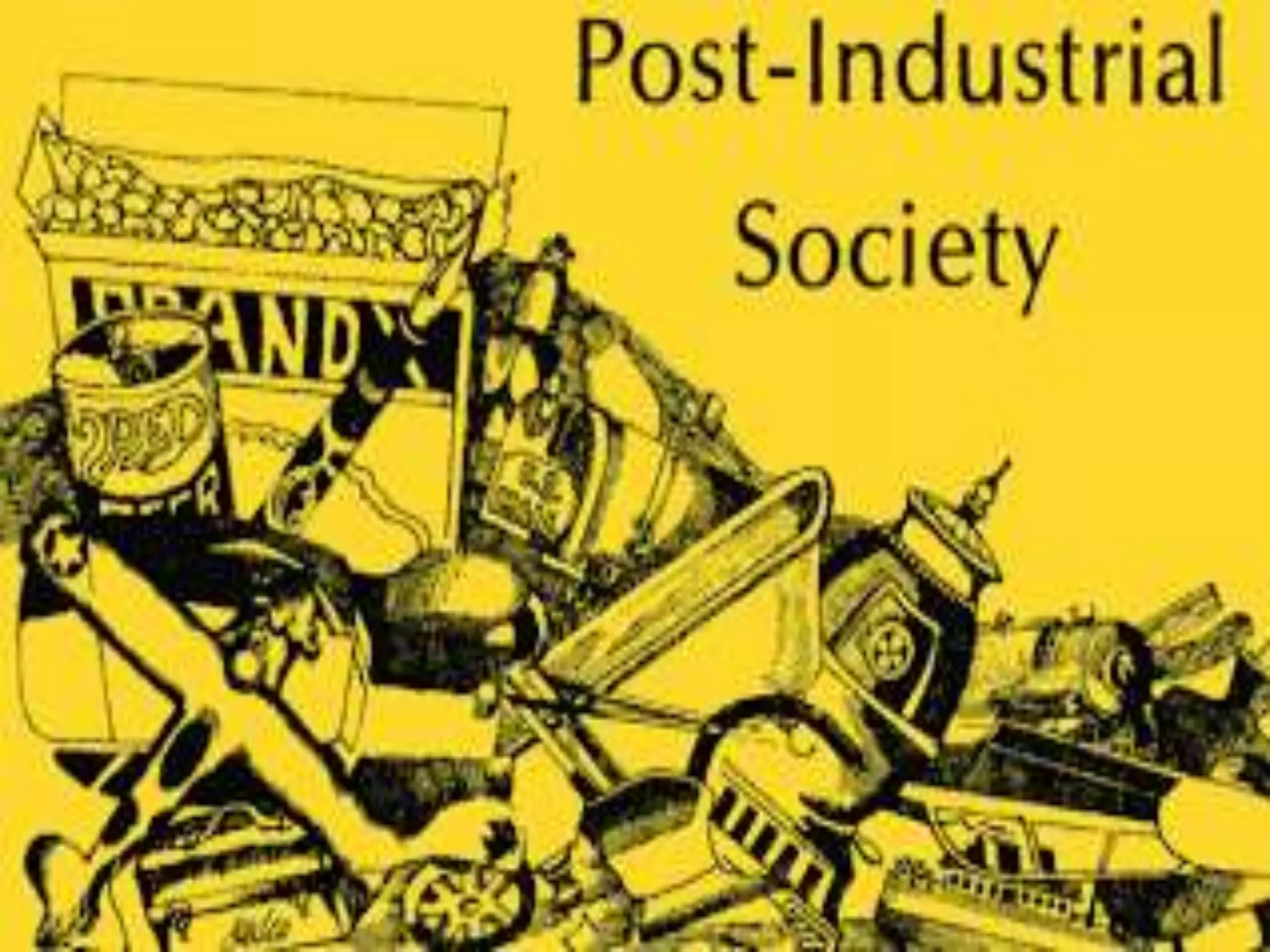
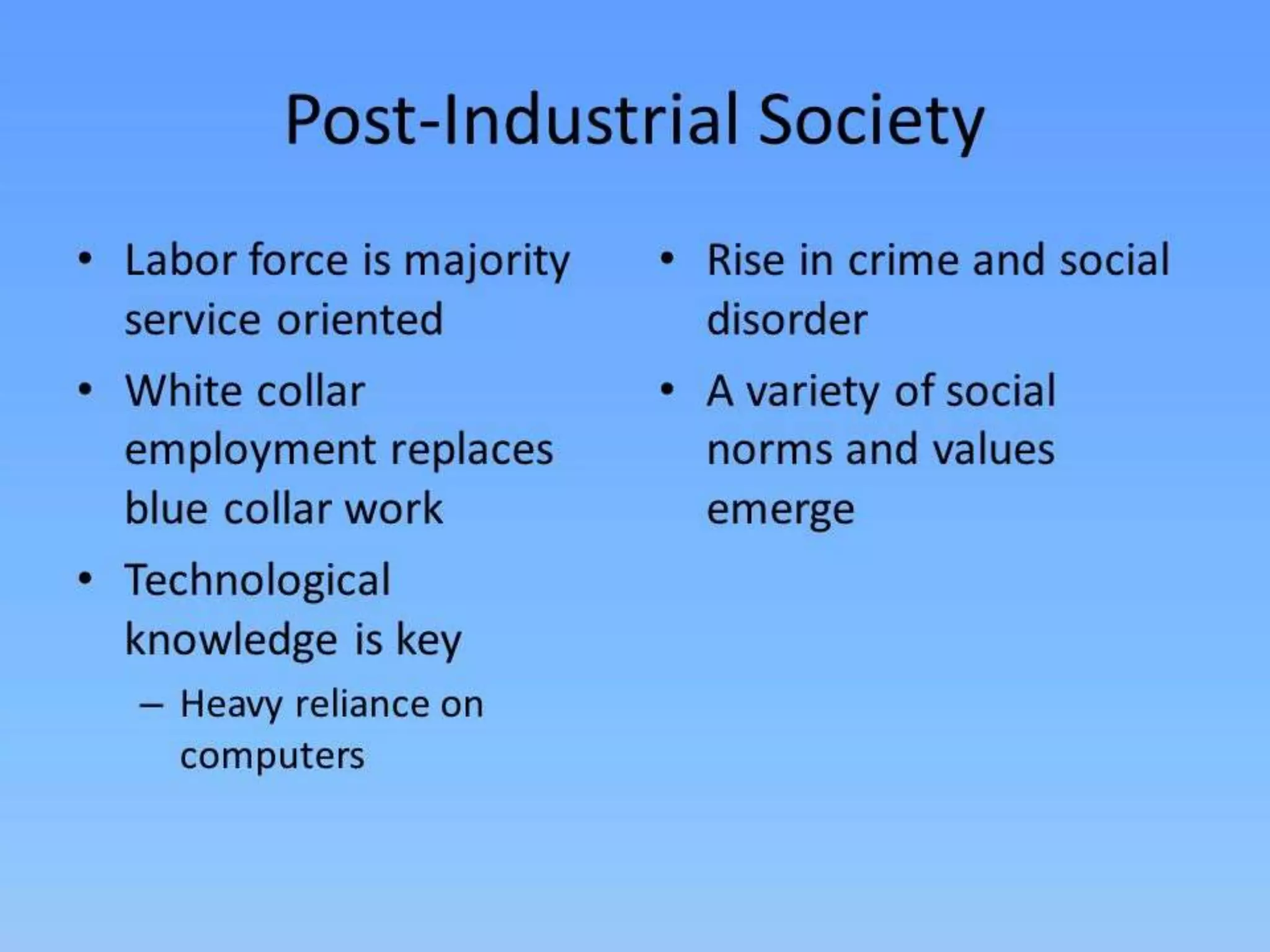
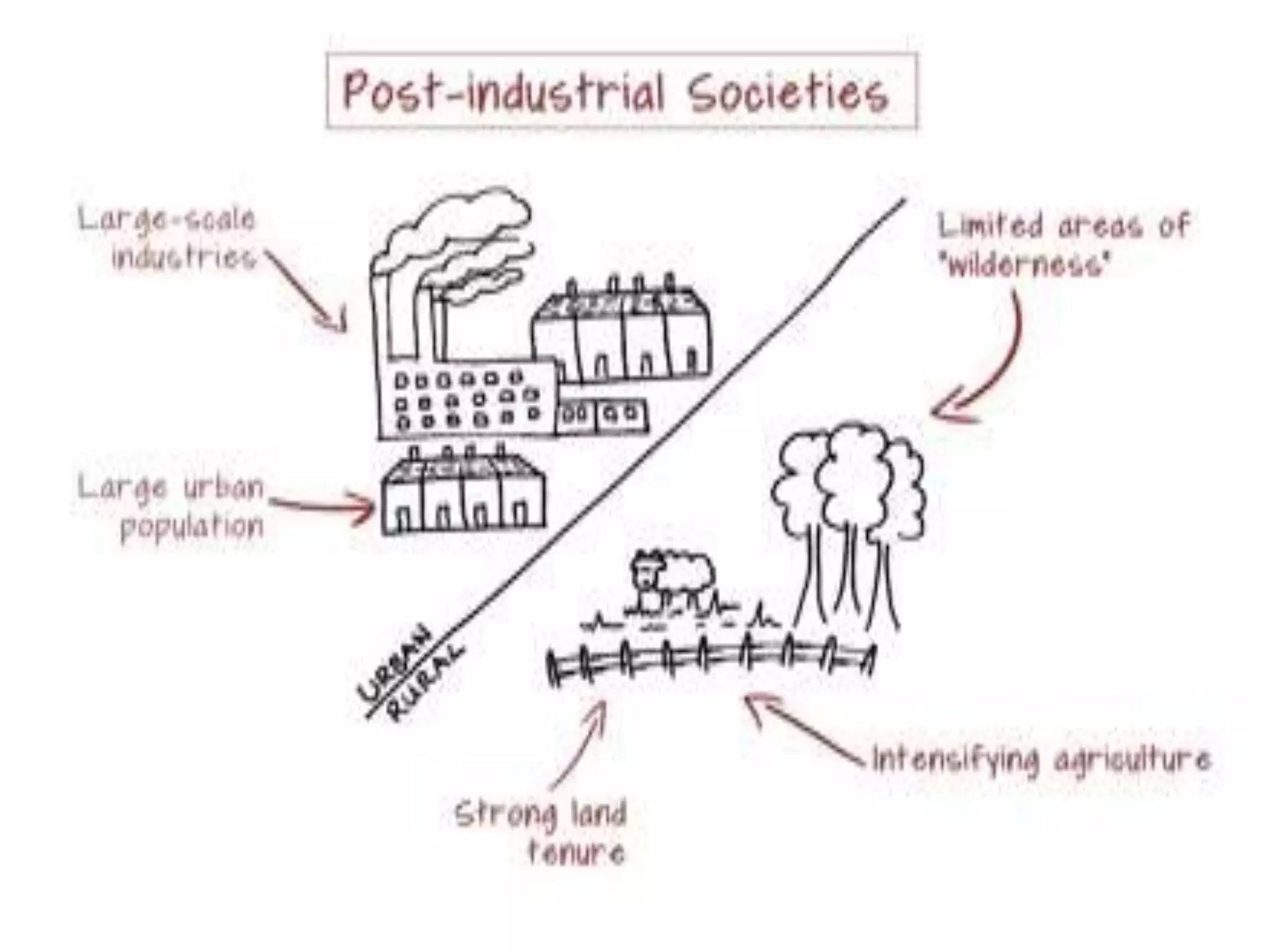
20th century, many
countires have become post
industrialist societies.
Knowledge is a commodity
and technological
innovation is key to long-
lasting growth and
development.
Society and culture
Society and culture
Society and culture

Society and culture

  • 4.
     Are consideredto be naturally inclined to establish societies. Since it is in interacting with others that they are able to ensure their survival by establishing mutually beneficial relationship with one other.
  • 6.
     Defined SOCIETYcomplex whole which encompasses beliefs, practices, values, attitudes, laws, norms, artifacts, symbols, knowledge, and everything that a person learns and shares as a member of society.
  • 7.
  • 8.
    Whereby members of thecommunity live together for mutual benefit.
  • 10.
    Among members that serveas basis for their patterns of action and behavior.
  • 12.
  • 14.
    4. A LARGE POPULATIONAND ABILITY TO SUSTAIN SUCCEEDING GENERATION MEMBERS
  • 16.
  • 18.
  • 23.
    Have also identifiedfive major types of societies according to how they changed and developed over time.
  • 26.
     is ahuman living in a society in which most or all food is obtained by foraging (collecting wild plants and pursuing wild animals), in contrast to agricultural societies, which rely mainly on domesticated species.
  • 27.
    Hunting and gathering washumanity's first and most successful adaptation, occupying at least 90 percent of human history.
  • 28.
    • Were consideredthe first societies. • The basic social and economic units were the family and local clan which organized hunting and gathering activities and distributed the accumulated food supply.
  • 34.
     People inthis type of society depended on the food that they had planted.  This produced a larger quantity of food than the hunter-gather society; so the people didn’t move as often to obtain food.  The people would settle on the land for a few years and then would move due to the lack of nutrients in the soil.
  • 36.
     Their emergencewas brought about by the gradual shift from the hunting-and- gathering lifestyle to a more sedentary life.  And the introduction of agriculture as a more stable food production method.
  • 37.
     This societyused the slash and burned method to make their gardens in the forest.  Horticultural societies obtained food easier than the hunter-gather society because they grew their own vegetables and some raised domesticated animals but they also had struggles; due to nature, pest, and other uncontrollable things.
  • 38.
     Pastoralist societyemerged in regions that horticulture was impractical.  The primary means of subsistence was from domesticated livestock.  This society was nomadic, like the Native Americans in which they would move their livestock to better pastures and water according to the season.
  • 39.
     Food wasnot wasted in this society. They used the wool from the sheep to make clothing and other parts of the animals for their survival.  Both of these societies had a more complex social organization and have increased specialization. Due to material surplus, labor distribution was unequal and so was social inequality. Some pastoral societies fought each other over grazing areas.
  • 41.
     Around 10,000years ago, the development and spread of agriculture as more stable food production method.  Food production became more efficient due to the new methods of farming, the invention of more advanced tools, and the establishment of permanent settlements.
  • 50.
    The beginning ofthe Industrial Revolution in England during the latter half of 18th century. Technological advancements resulted in the invention of machines that improved production.
  • 52.
     In sociology,industrial society refers to a society driven by the use of technology to enable mass production, supporting a large population with a high capacity for division of labour.  Such a structure developed in the west in the period of time following the Industrial Revolution, and replaced the agrarian societies of the Pre-modern, Pre-industrial age.
  • 53.
    Industrial societies are generallymass societies, and may be succeeded by an Information society. They are often contrasted with traditional societies.[1]
  • 54.
     Industrial societyis use by external energy sources, such as fossil fuels, to increase the rate and scale of production.  The production of food is shifted to large commercial farms where the products of industry, such as combine harvesters and fossil fuel based fertilizers, are used to decrease required human labor while increasing production.
  • 55.
     No longerneeded for the production of food, excess labor is moved into these factories where mechanization is utilized to further increase efficiency.  As populations grow, and mechanizationis further refined, often to the level of automation, many workers shift to expanding service industries.
  • 58.
    20th century, many countireshave become post industrialist societies. Knowledge is a commodity and technological innovation is key to long- lasting growth and development.