SOCIALLY
DISADVANTAGED
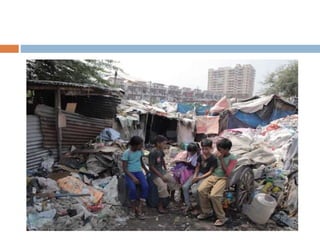
 The term disadvantaged and is used to refer to those
children who are economically, educationally, and
socially disadvantaged.
 Components
 poverty
 Ill-health
 Poor nutrition
 Poor housing
 Lack of proper education
 S-D children are especially handicapped by their basic
poor cognitive background.
 Poor attention
 Lack of involvement in academics
 Pre-mature school termination
 Low level of aspiration
 Poor school achievement
 Lack in adjustment
 Depressed
 Anxiety
Factors influencing the family
 Physical factors
 Home environment
 Economic factors
 Poor income, tension, strain,
 Social factors
Who are disadvantaged in Indian
context
 In common parlance, the following are
considered disadvantaged section.
 Scheduled caste
 Scheduled tribe
 Other backward classes
 Women/girls
 Children with special needs
 Minorities
 Sense of Insecurity:
 poor, illiterate
 Lack of Motivation:
 lack motivation for changing their backward conditions
and for progress in any direction.
 Personal Disorganization:
 Alcoholism, drug addiction, mental diseases, sense of
irresponsibility, lack of moral character, absence of higher
sentiments and even inability to lead a normal marital and
family life.
Role of school?
 One of main tasks of education: provide skills needed to
function in society.
 School is not the only actor, also parents and broader
environment.
 More knowledge, skills and attitudes can be developed in
certain social environments than in others.
 Compensating for this inequality is a specific emancipator
task of education.
 Education has to try to ensure that the position that
someone achieves in society does not depend solely on the
opportunities offered by the home context.
What do we know about the effects of poverty and
disadvantage?
Disadvantaged pupils are more likely to
Lack in ambition
self-esteem,
behavioural problems
difficulty relating to their peers.
Disadvantaged pupils are more likely to see the
curriculum as irrelevant.
Pupils in disadvantaged schools have limited access to
music, art and out-of-school activities that pupils in
advantaged schools generally take for granted.
Pupils from disadvantaged backgrounds
poor attendance record
often less likely to accept the school culture.
Pupils from disadvantaged backgrounds are more likely to be not in
employment, education or training.
Pupils from disadvantaged backgrounds are more likely to have
parents who are less involved in their children’s education and have a
negative perception and experience of school and education.
 Disadvantaged children have been considered as those whose
home background does not prepare them as well as other children
for an education which largely reflects middle-class values.
 Disadvantage is often associated with poverty and, indeed, one
would expect to find a considerable number of disadvantaged
children living in areas whose visible characteristics include poor
housing, low income and high unemployment.

Socially disadvantaged in Indian Context

  • 1.
  • 3.
     The termdisadvantaged and is used to refer to those children who are economically, educationally, and socially disadvantaged.  Components  poverty  Ill-health  Poor nutrition  Poor housing  Lack of proper education
  • 4.
     S-D childrenare especially handicapped by their basic poor cognitive background.  Poor attention  Lack of involvement in academics  Pre-mature school termination  Low level of aspiration  Poor school achievement  Lack in adjustment  Depressed  Anxiety
  • 5.
    Factors influencing thefamily  Physical factors  Home environment  Economic factors  Poor income, tension, strain,  Social factors
  • 6.
    Who are disadvantagedin Indian context  In common parlance, the following are considered disadvantaged section.  Scheduled caste  Scheduled tribe  Other backward classes  Women/girls  Children with special needs  Minorities
  • 7.
     Sense ofInsecurity:  poor, illiterate  Lack of Motivation:  lack motivation for changing their backward conditions and for progress in any direction.  Personal Disorganization:  Alcoholism, drug addiction, mental diseases, sense of irresponsibility, lack of moral character, absence of higher sentiments and even inability to lead a normal marital and family life.
  • 8.
    Role of school? One of main tasks of education: provide skills needed to function in society.  School is not the only actor, also parents and broader environment.  More knowledge, skills and attitudes can be developed in certain social environments than in others.  Compensating for this inequality is a specific emancipator task of education.  Education has to try to ensure that the position that someone achieves in society does not depend solely on the opportunities offered by the home context.
  • 9.
    What do weknow about the effects of poverty and disadvantage? Disadvantaged pupils are more likely to Lack in ambition self-esteem, behavioural problems difficulty relating to their peers. Disadvantaged pupils are more likely to see the curriculum as irrelevant. Pupils in disadvantaged schools have limited access to music, art and out-of-school activities that pupils in advantaged schools generally take for granted.
  • 10.
    Pupils from disadvantagedbackgrounds poor attendance record often less likely to accept the school culture. Pupils from disadvantaged backgrounds are more likely to be not in employment, education or training. Pupils from disadvantaged backgrounds are more likely to have parents who are less involved in their children’s education and have a negative perception and experience of school and education.
  • 11.
     Disadvantaged childrenhave been considered as those whose home background does not prepare them as well as other children for an education which largely reflects middle-class values.  Disadvantage is often associated with poverty and, indeed, one would expect to find a considerable number of disadvantaged children living in areas whose visible characteristics include poor housing, low income and high unemployment.