Social media shifts the dynamics of communication in public health emergenciesR. Craig Lefebvre, PhDResearch Professor University of South Florida
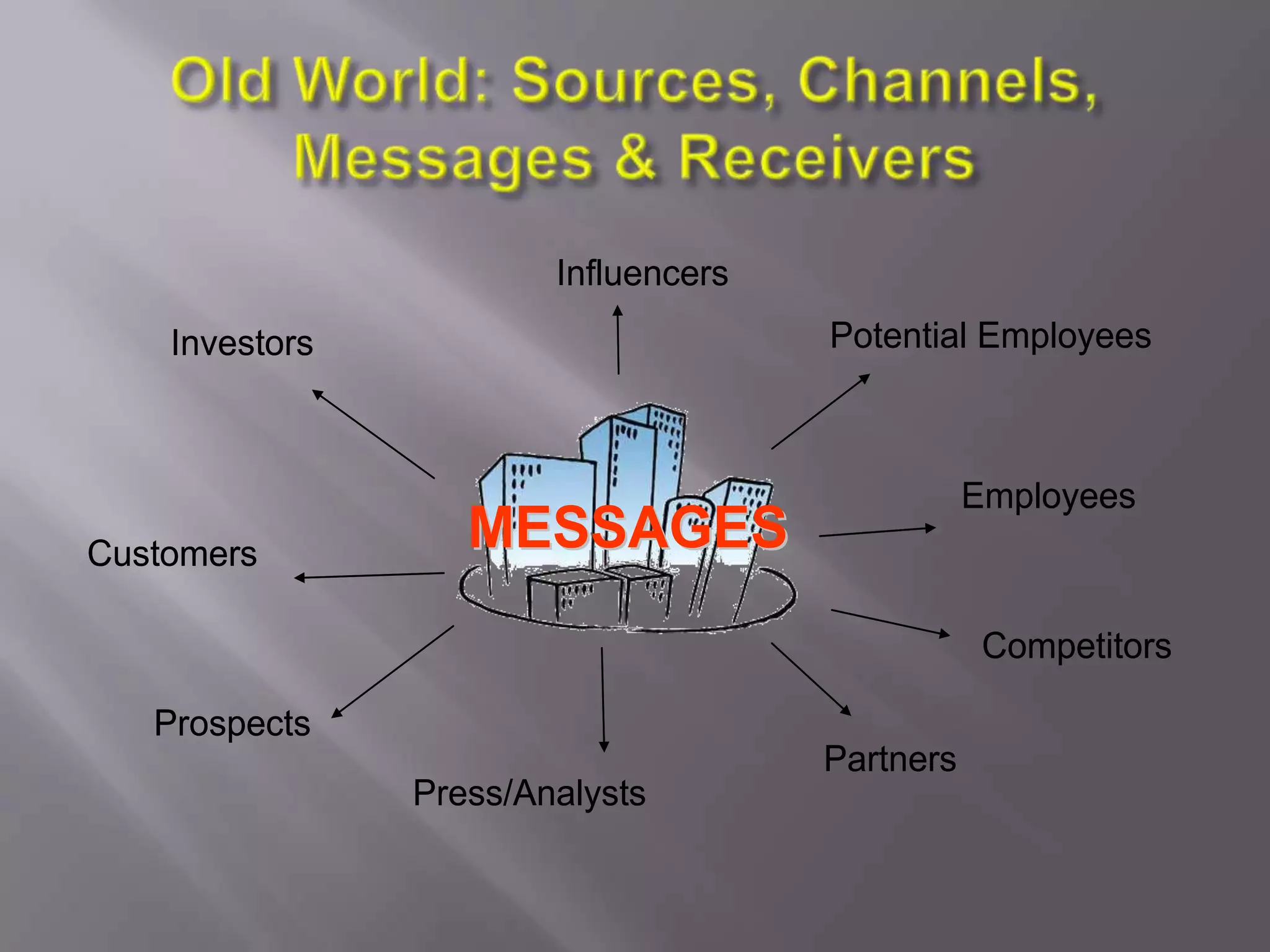
Old World: Sources, Channels, Messages & Receivers
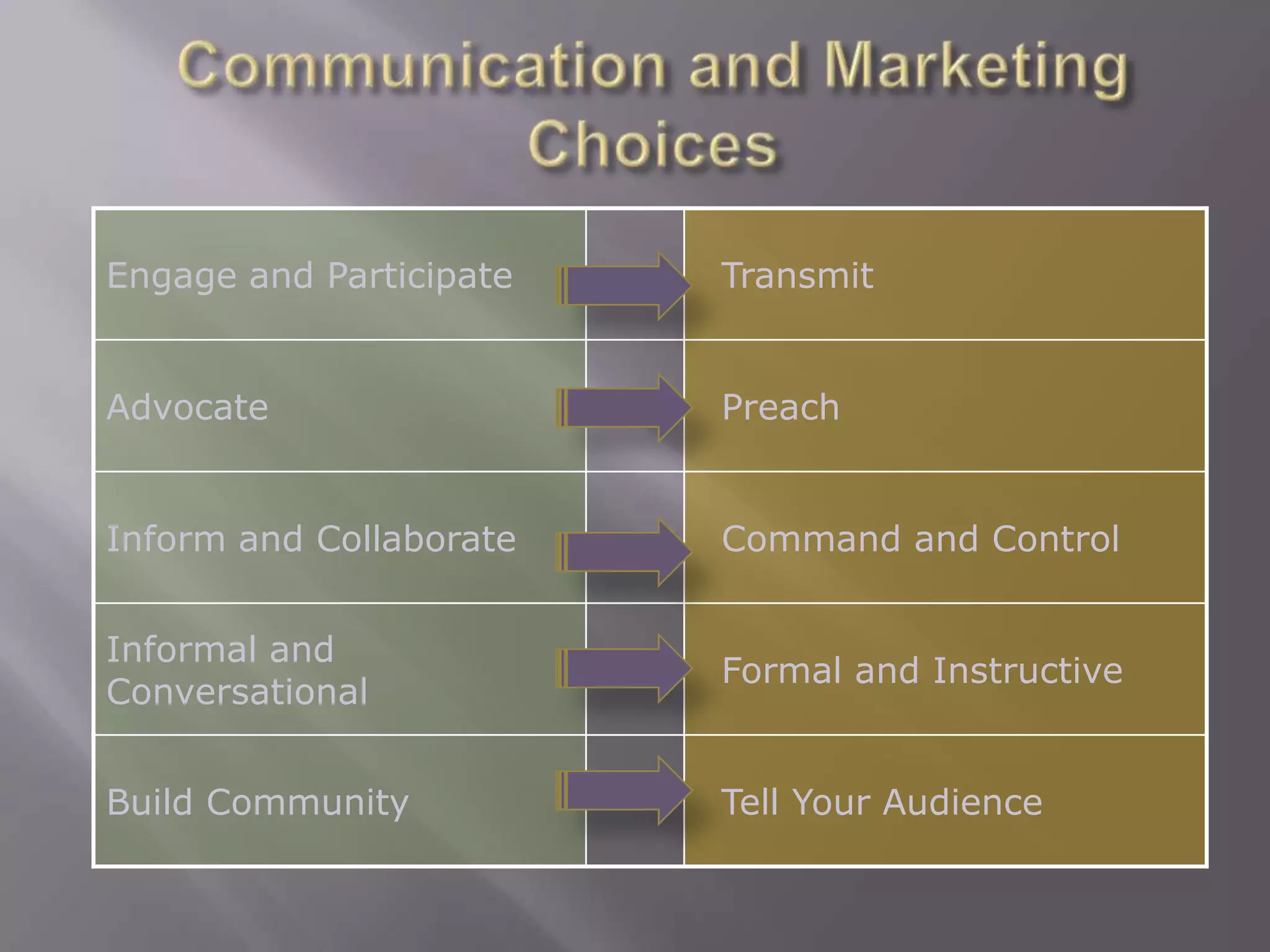
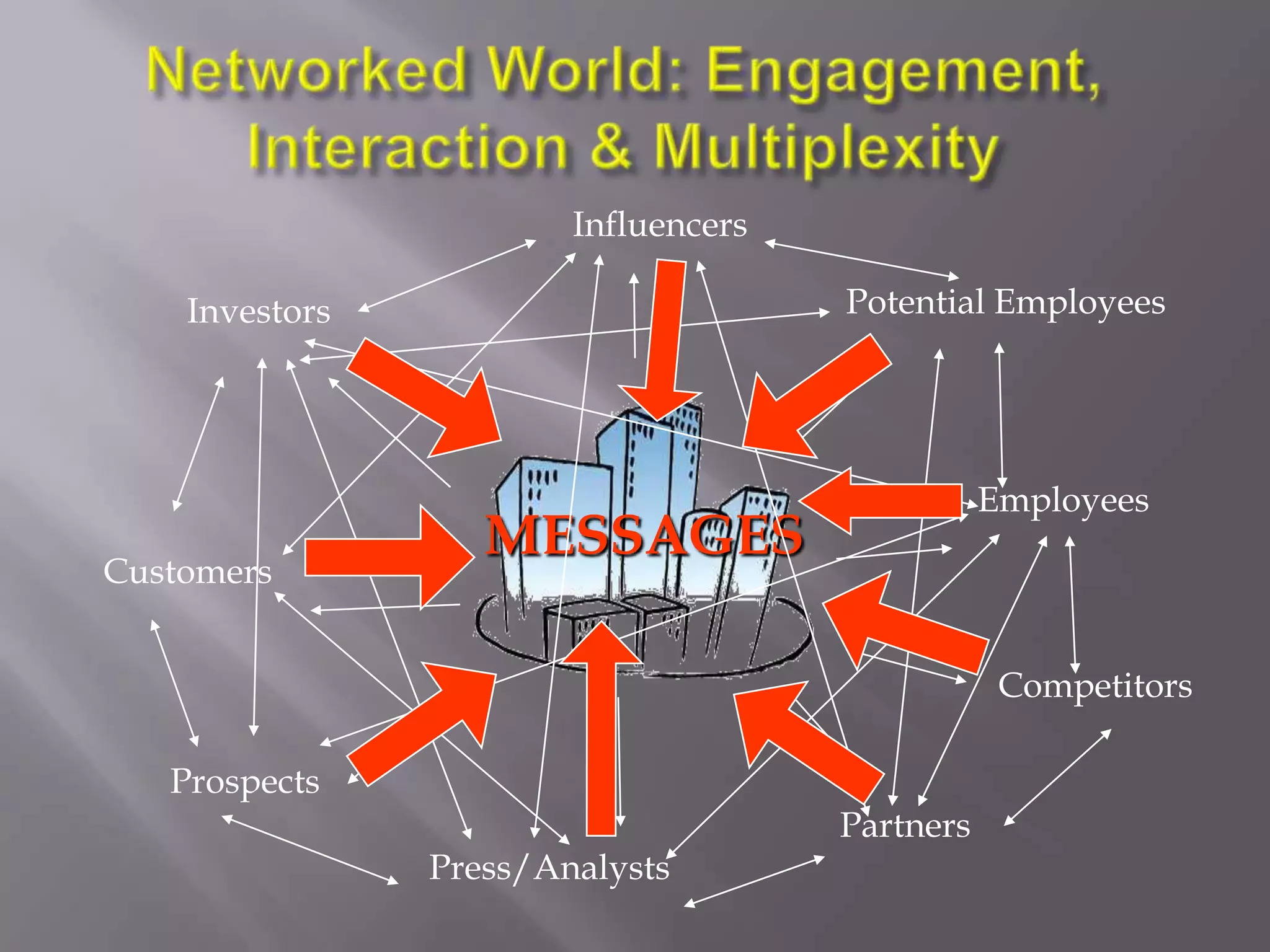
InfluencersPotential EmployeesInvestorsEmployeesMESSAGESCustomersCompetitorsProspectsPartnersPress/AnalystsNetworked World: Engagement,  Interaction & Multiplexity
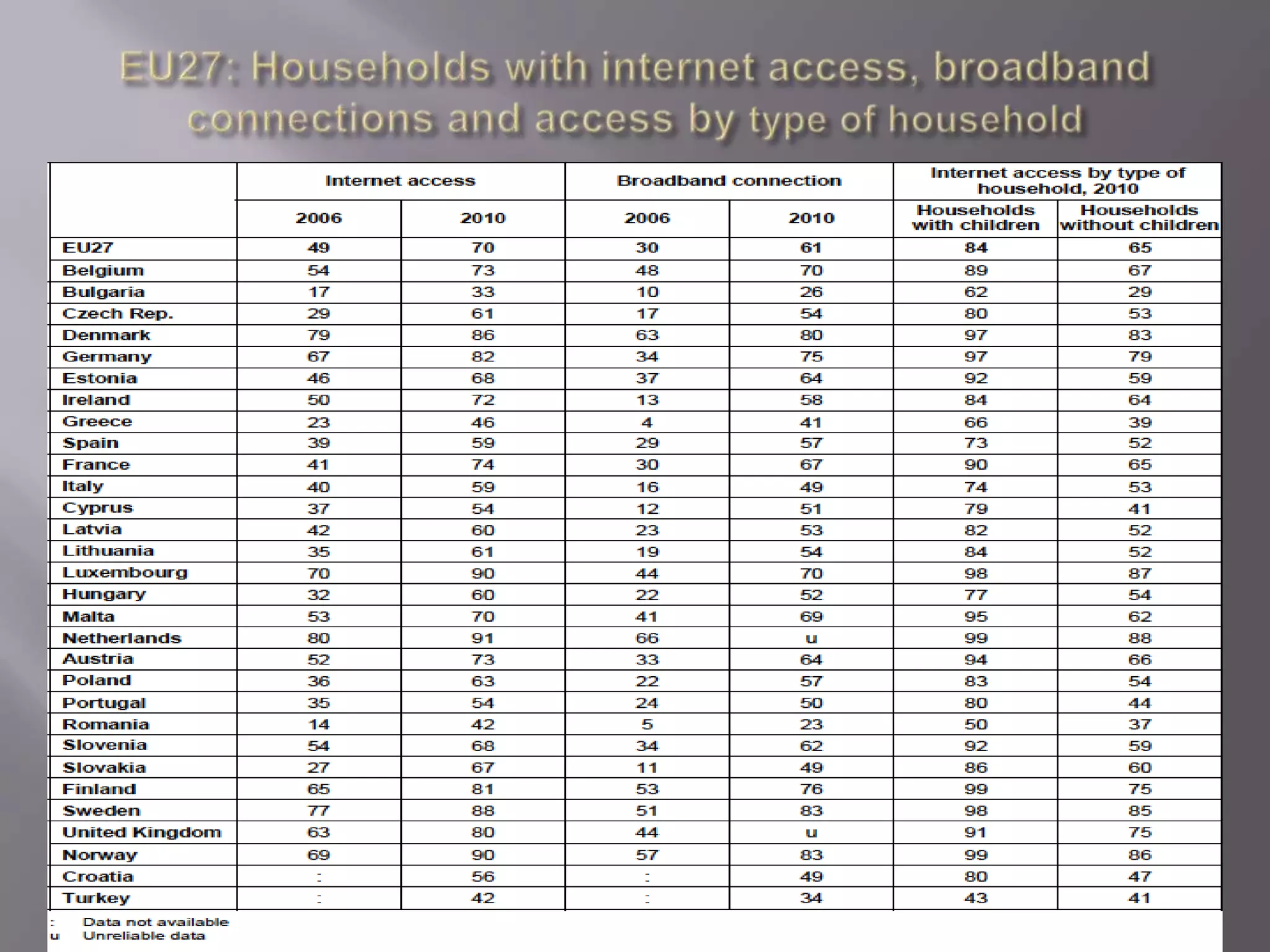
EU27: Households with internet access, broadband connections and access by type of household
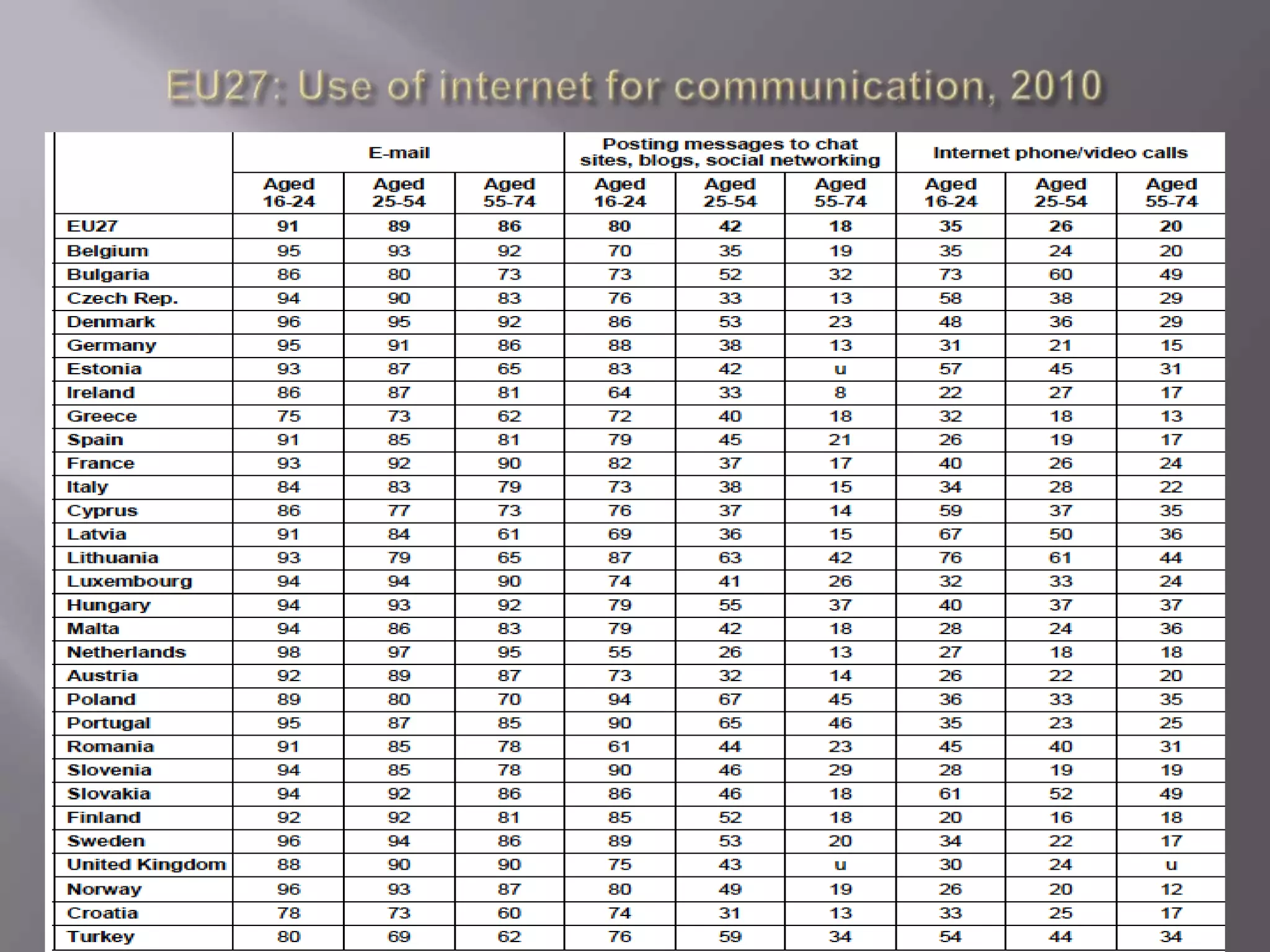
EU27: Use of internet for communication, 2010
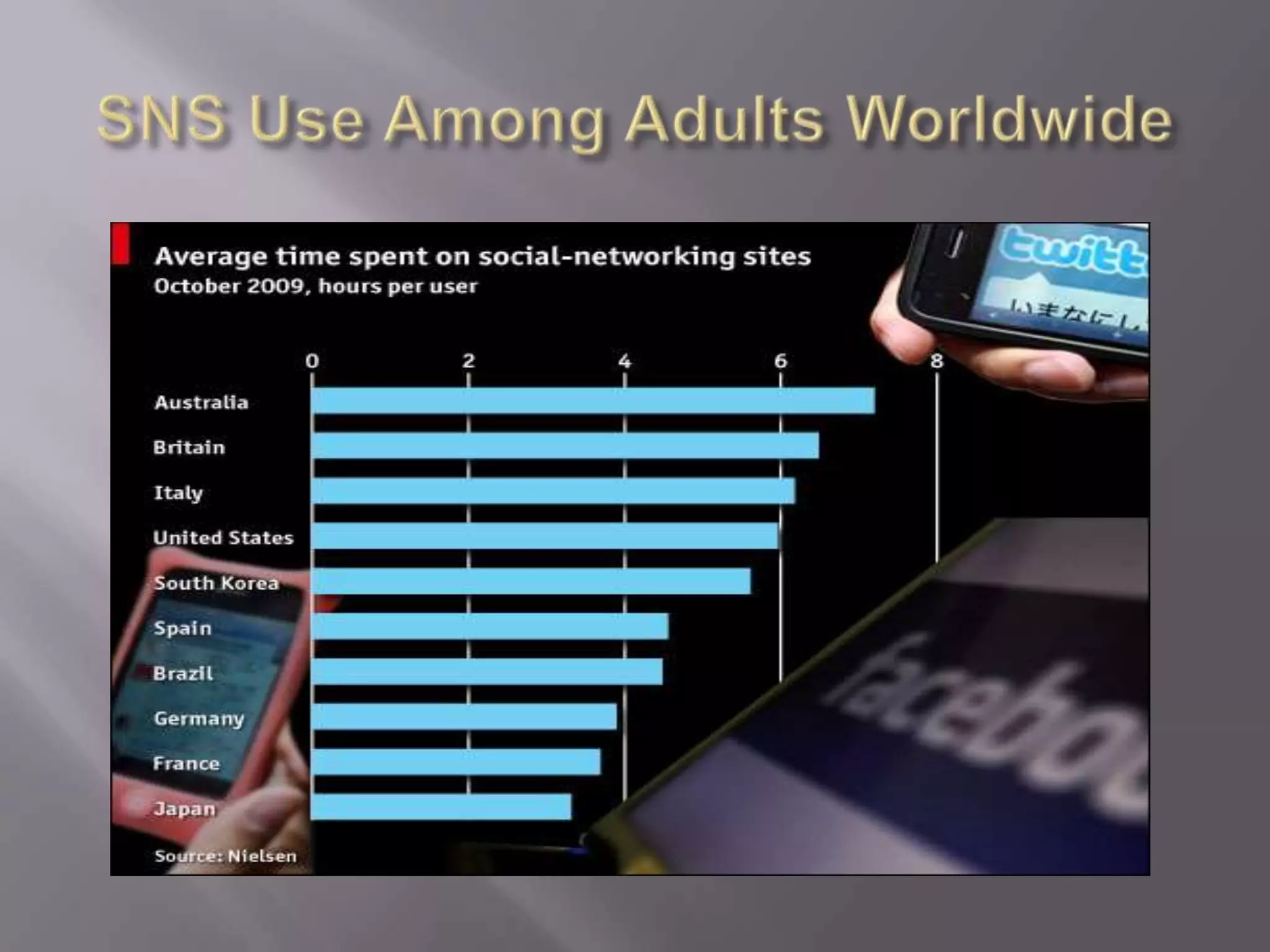
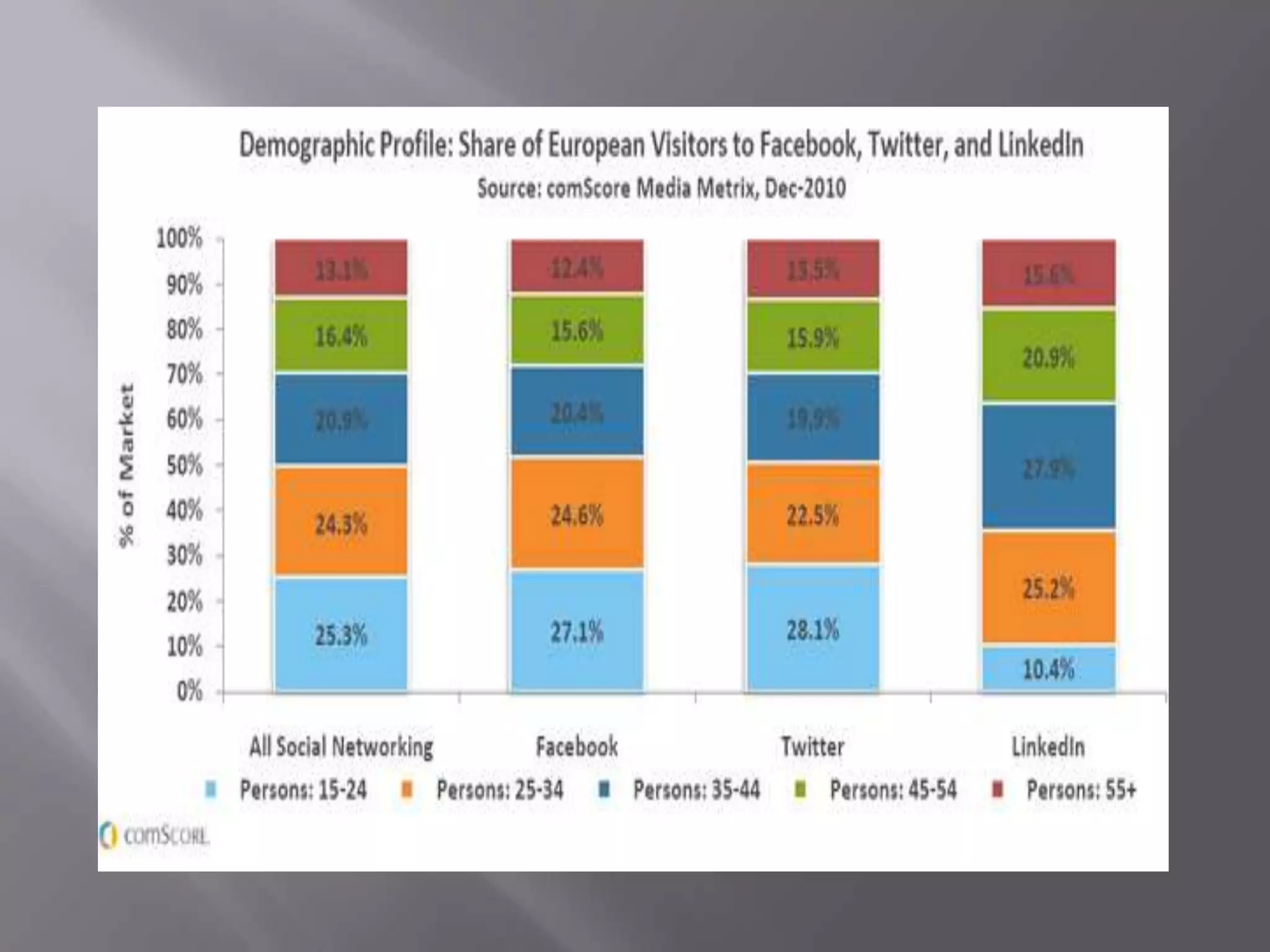
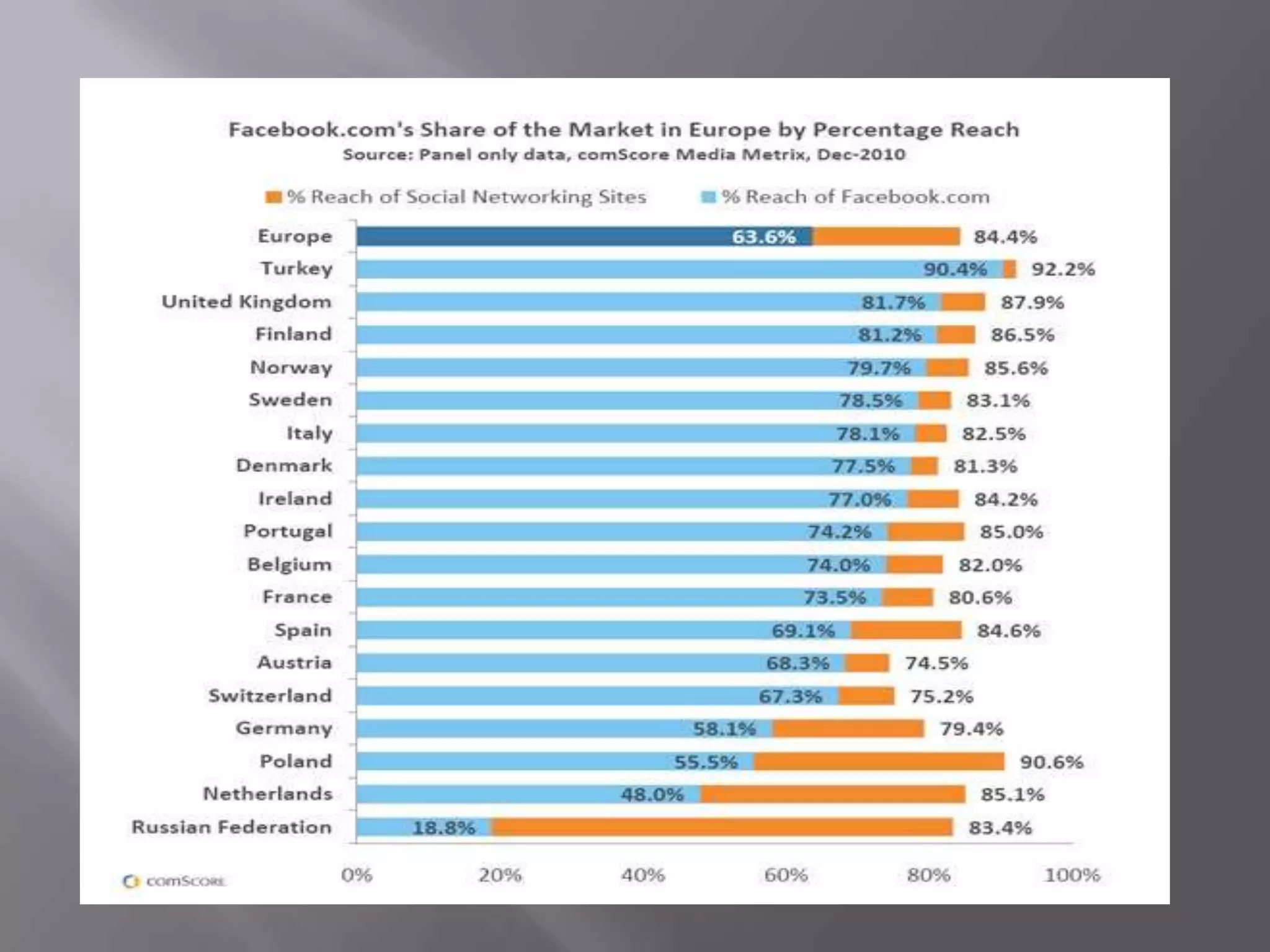
SNS Use Among Adults Worldwide
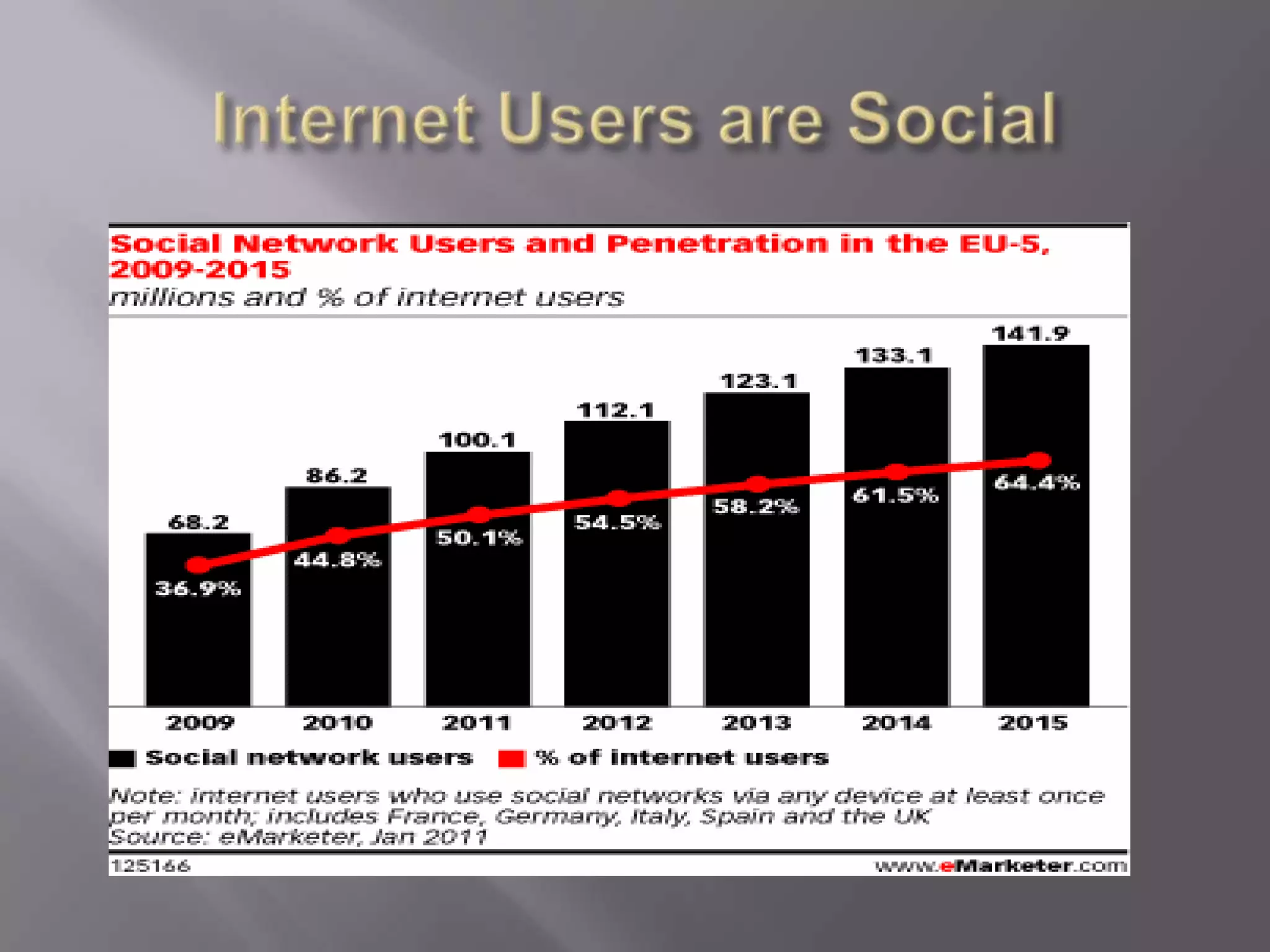
Internet Users are Social
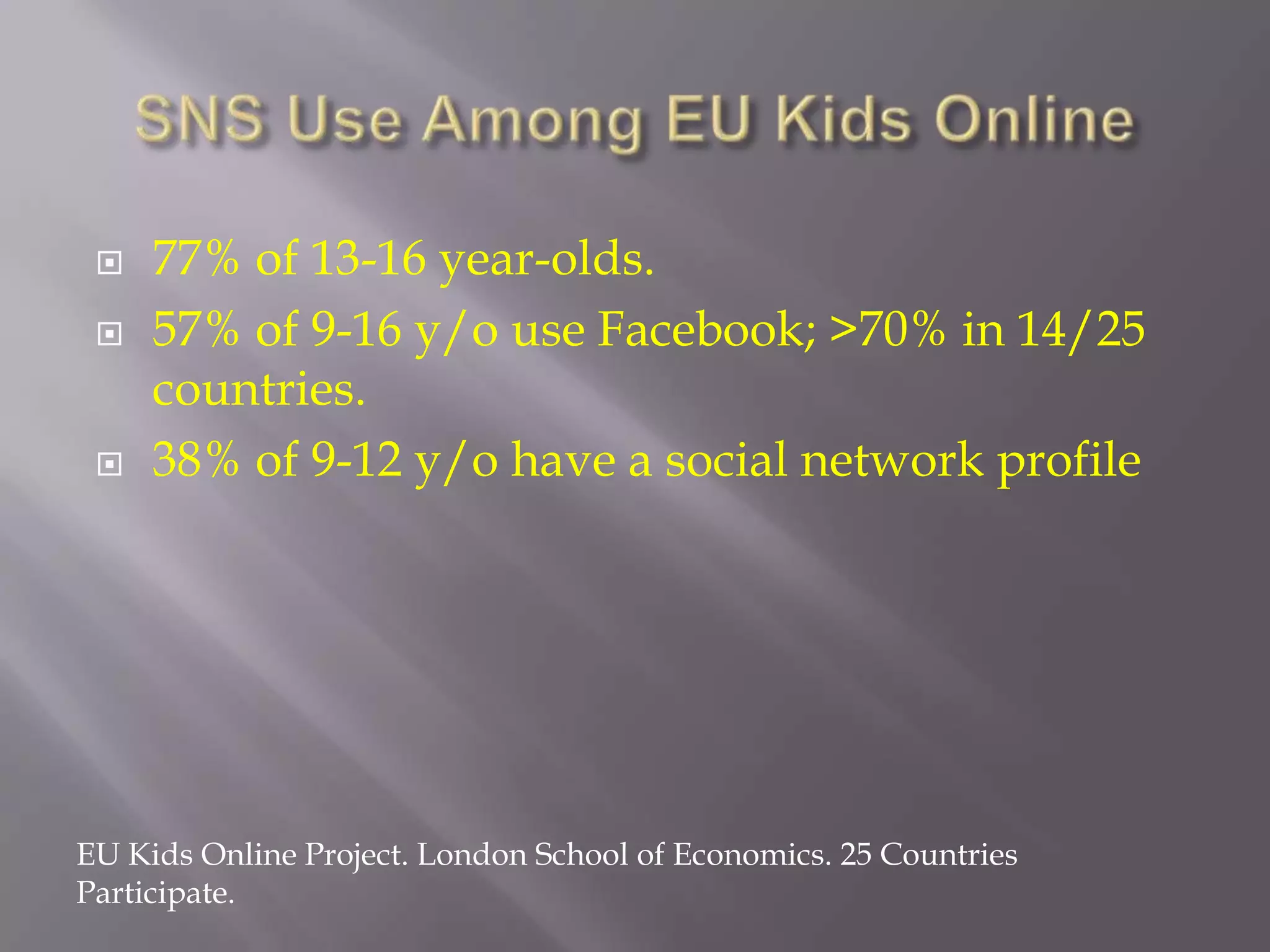
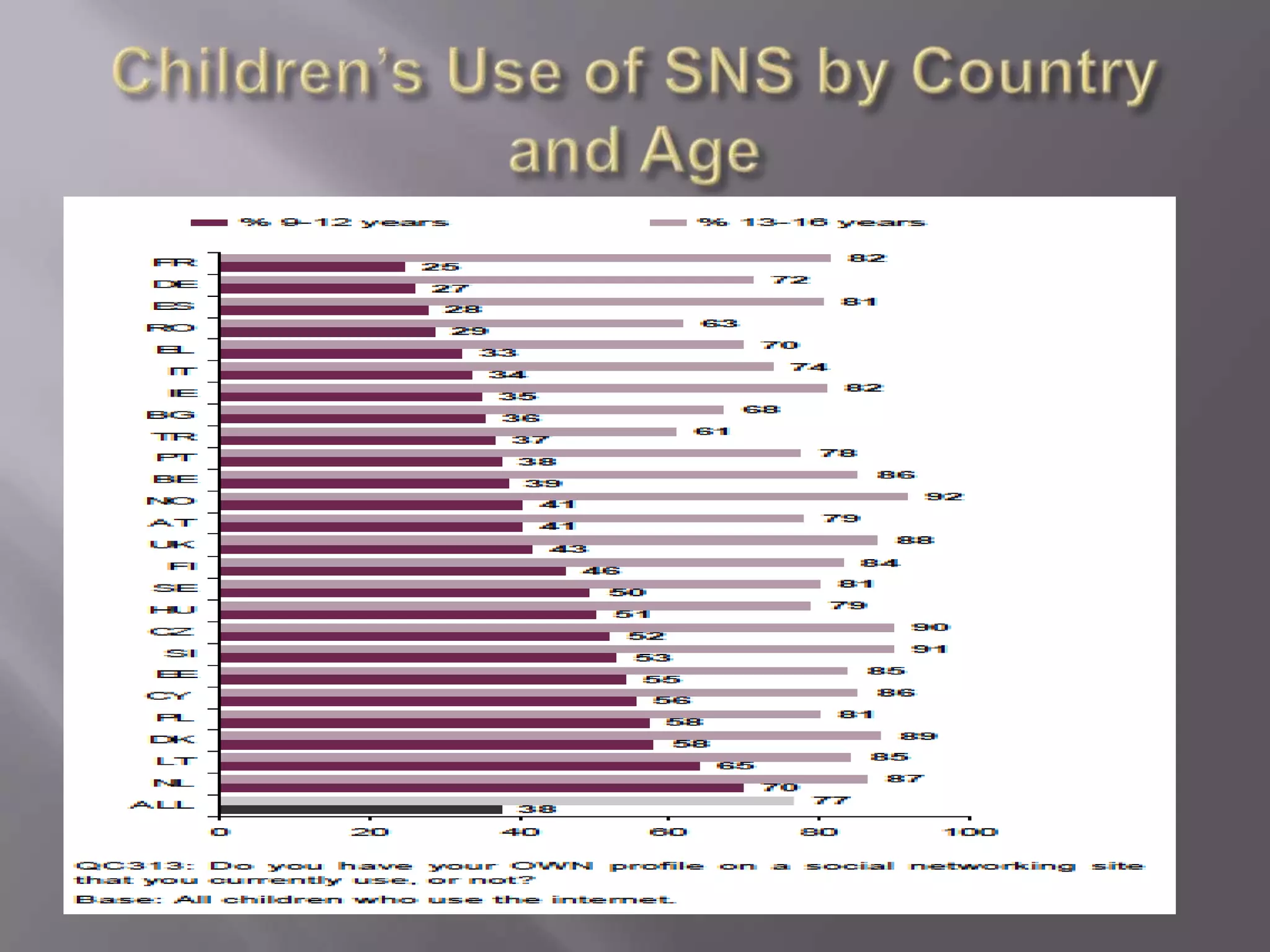
SNS Use Among EU Kids Online77% of 13-16 year-olds.57% of 9-16 y/o use Facebook; >70% in 14/25 countries.38% of 9-12 y/o have a social network profileEU Kids Online Project. London School of Economics. 25 Countries Participate.
Children’s Use of SNS by Country and Age
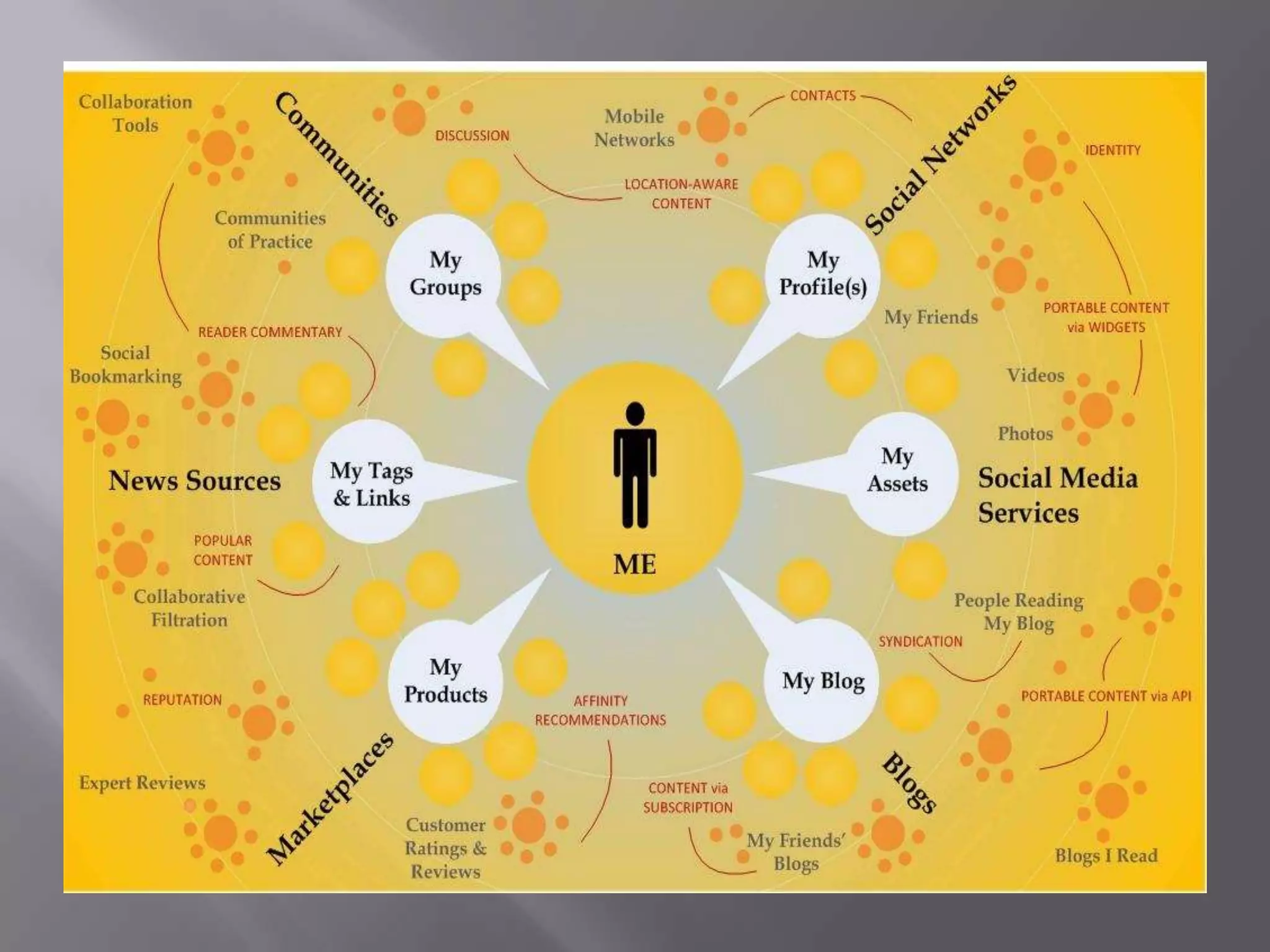
What Does Social Media Do?Becomes a collaborative platformHarnesses collective intelligence Enables everyone to be a content creatorProvides greater access to knowledge and information resourcesEncourages media multiplexityExpands and manages social networks
Social Network Sites“The most frequently cited benefit of the internet was in helping people tap into [their] social networks” – Susannah Fox, Pew American Life and Internet Project, Nov 2006
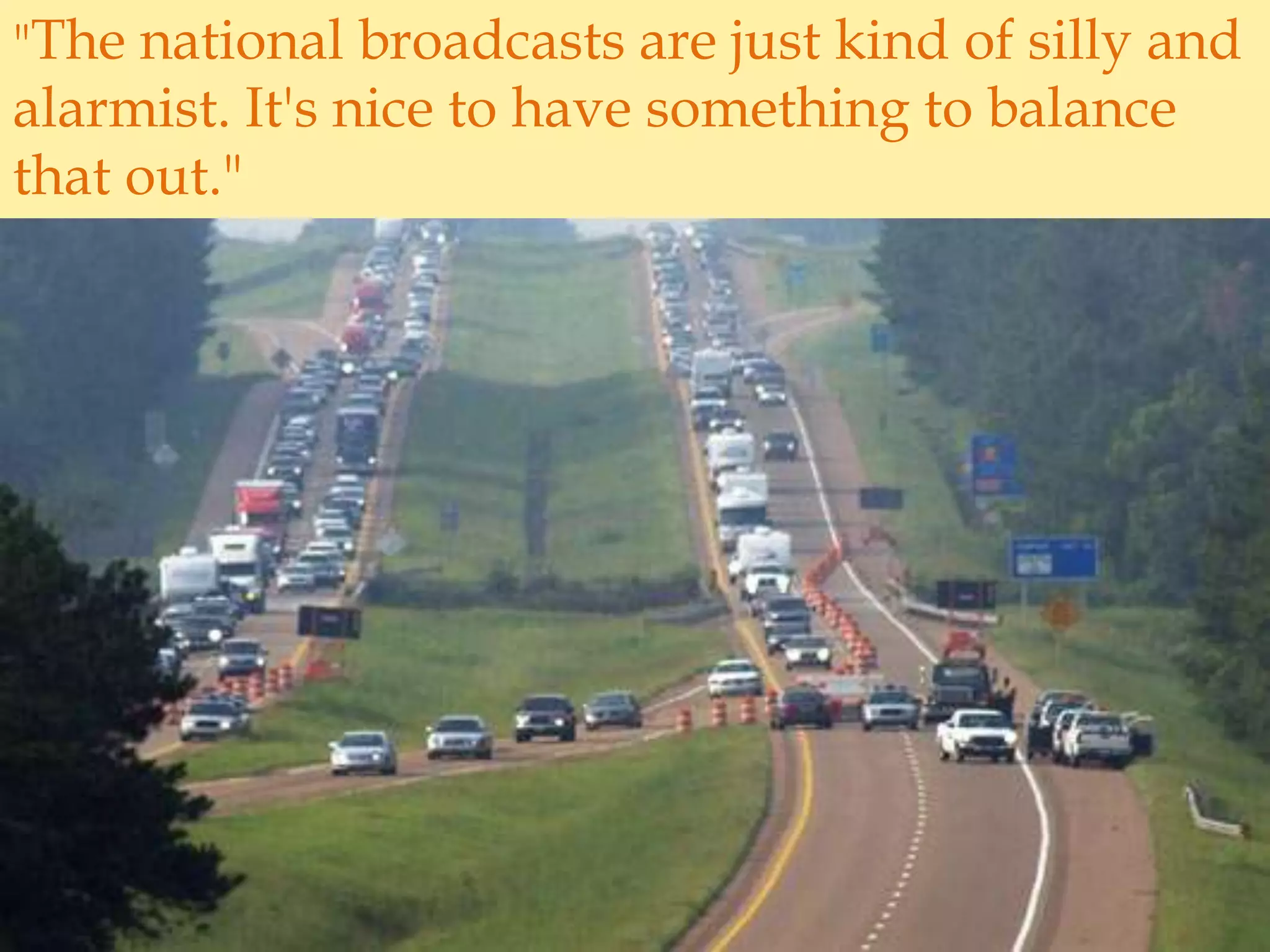
"The national broadcasts are just kind of silly and alarmist. It's nice to have something to balance that out."
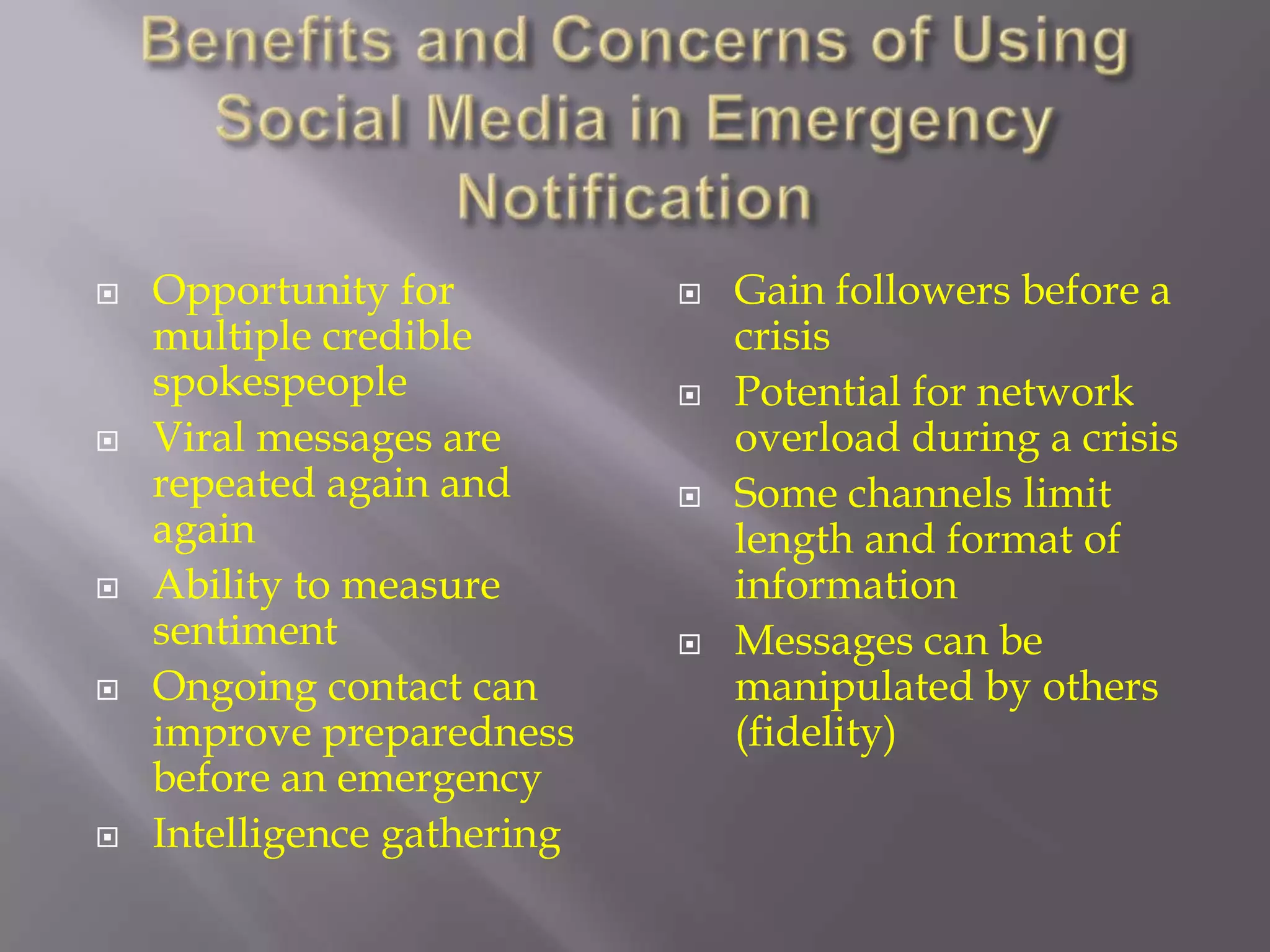
Benefits and Concerns of Using Social Media in Emergency NotificationOpportunity for multiple credible spokespeopleViral messages are repeated again and againAbility to measure sentimentOngoing contact can improve preparedness before an emergencyIntelligence gatheringGain followers before a crisisPotential for network overload during a crisisSome channels limit length and format of informationMessages can be manipulated by others (fidelity)
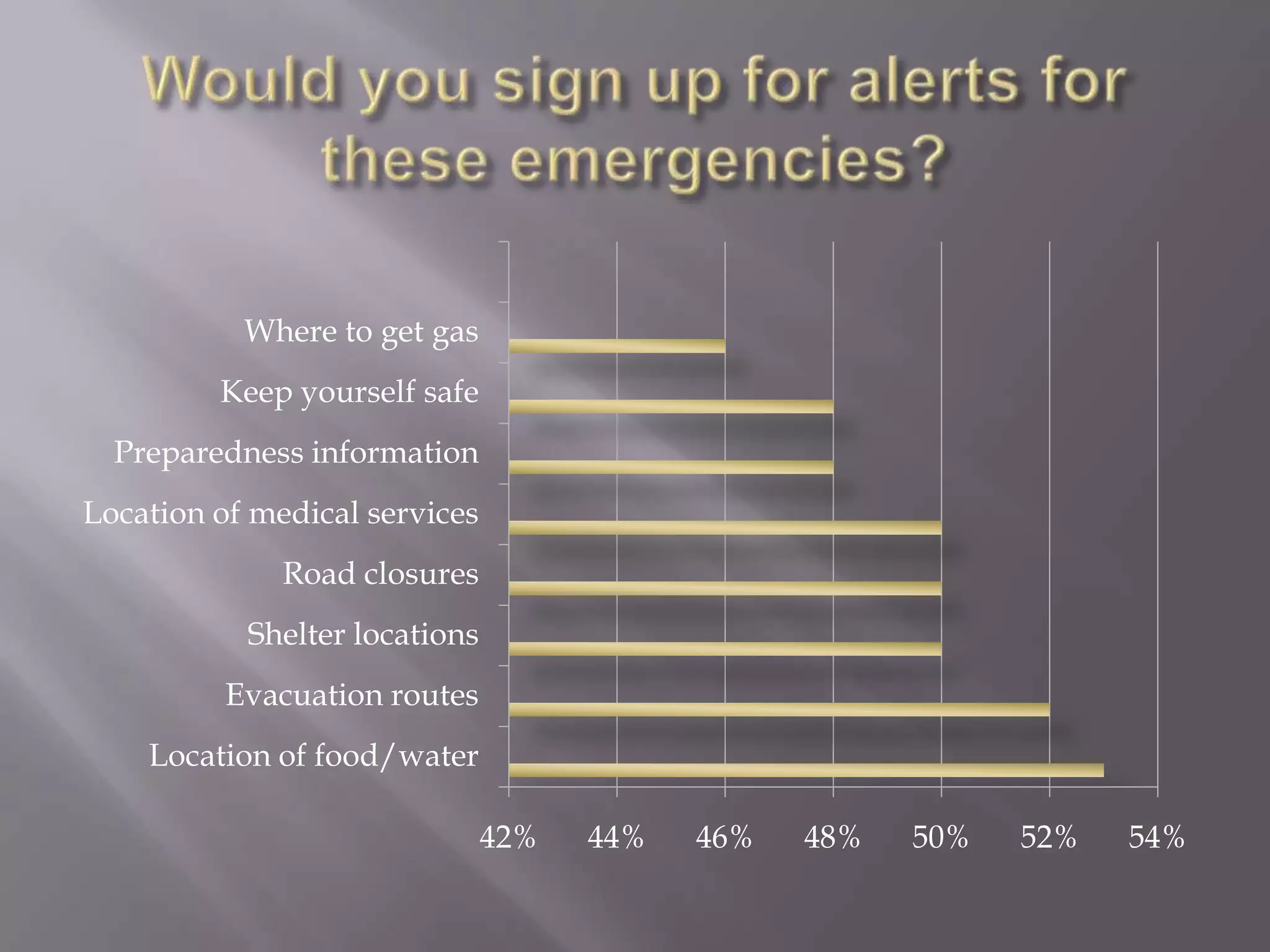
Would you sign up for alerts for these emergencies?
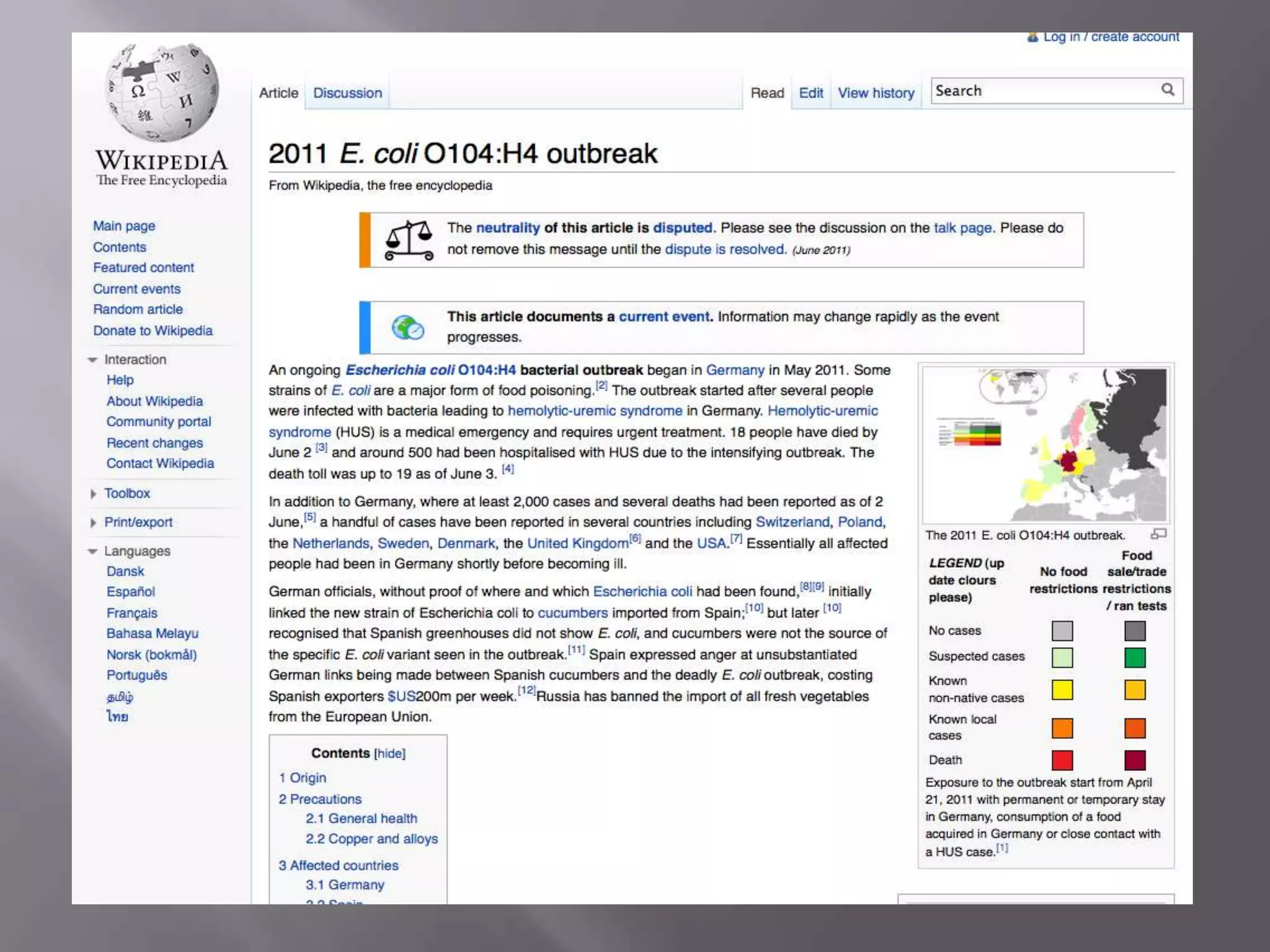
Social Media in EmergenciesFacebook: public discussion, community-building, multi-media engagement, more emotional involvement, notification channel.Twitter: speed and news source.YouTube: video repository. Longer format audio-visual materials.Wikipedia: News in the making.
CDC Social Media use During the 2009 H1N1 Flu Event in the USUse of Facebook, Twitter and YouTube for information.Facebook ‘likes’ – 55,078Twitter followers – 1.2 millionTwitter click-throughs – 481,183Views of YouTube videos – 3.15 million
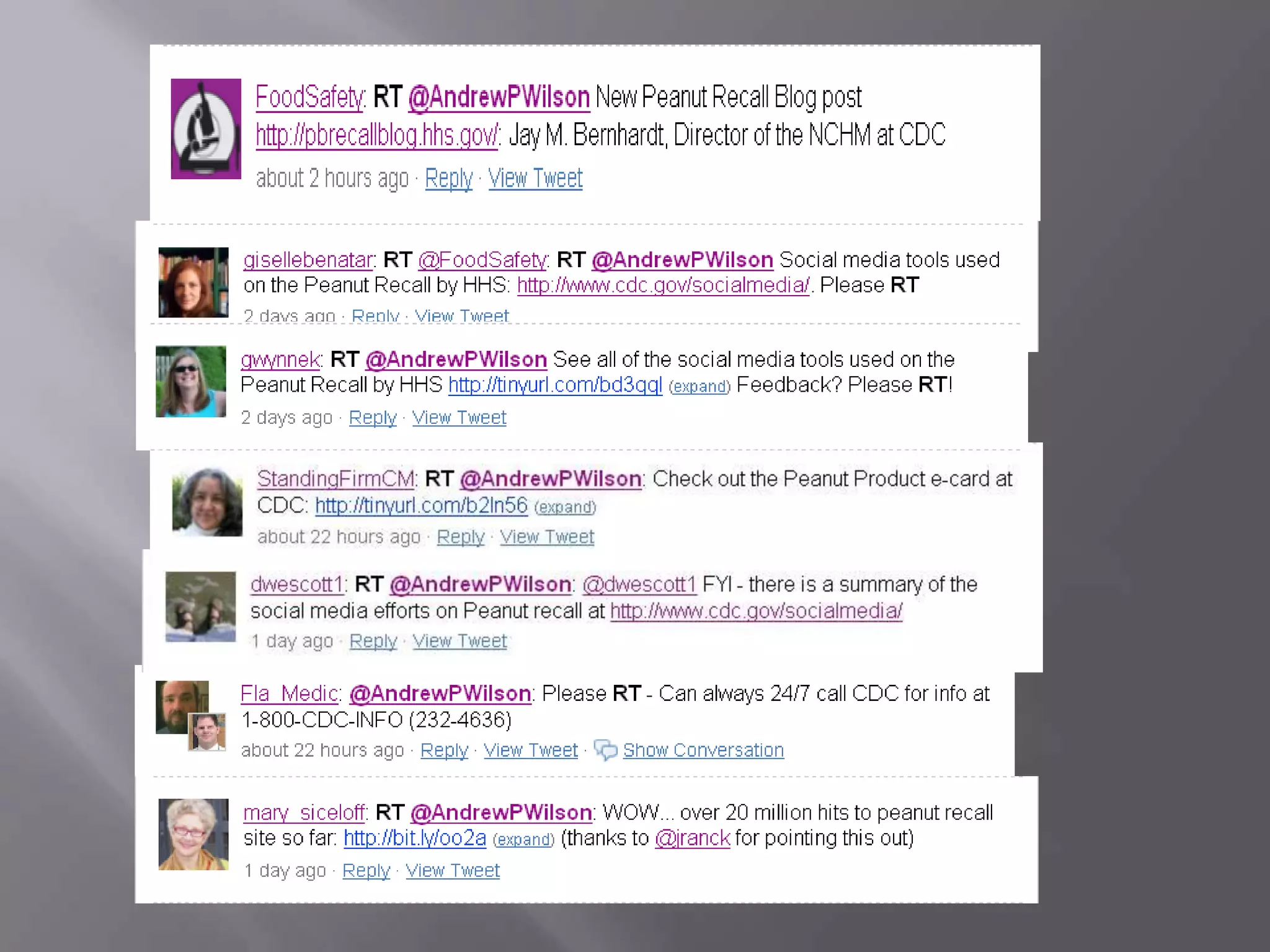
Twitter Use in Emergencies The Australian Country Fire Authority used Twitter to send out regular alerts and updates regarding the Victorian bushfires. The Food and Drug Administration (FDA) recalled salmonella-tainted pistachio products - 3,000 people found out through the agency’s Twitter feed Federal Emergency Management Agency (FEMA) was sending Twitter updates to 2,600 people as the Red River was cresting at record flood levels in ND and MN
Twitter Benefits for Emergency ResponseResponders can perform hazard assessments in real-time from pictures taken at the scene and posted to the web.Real time knowledge of conditions on the ground.Can communicate with and direct on-the-ground assets.      KEY: Need to set up accounts and follow/add      		followers before an incident occurs.@CDCemergency has 1,273,232 followers (31 May 11)
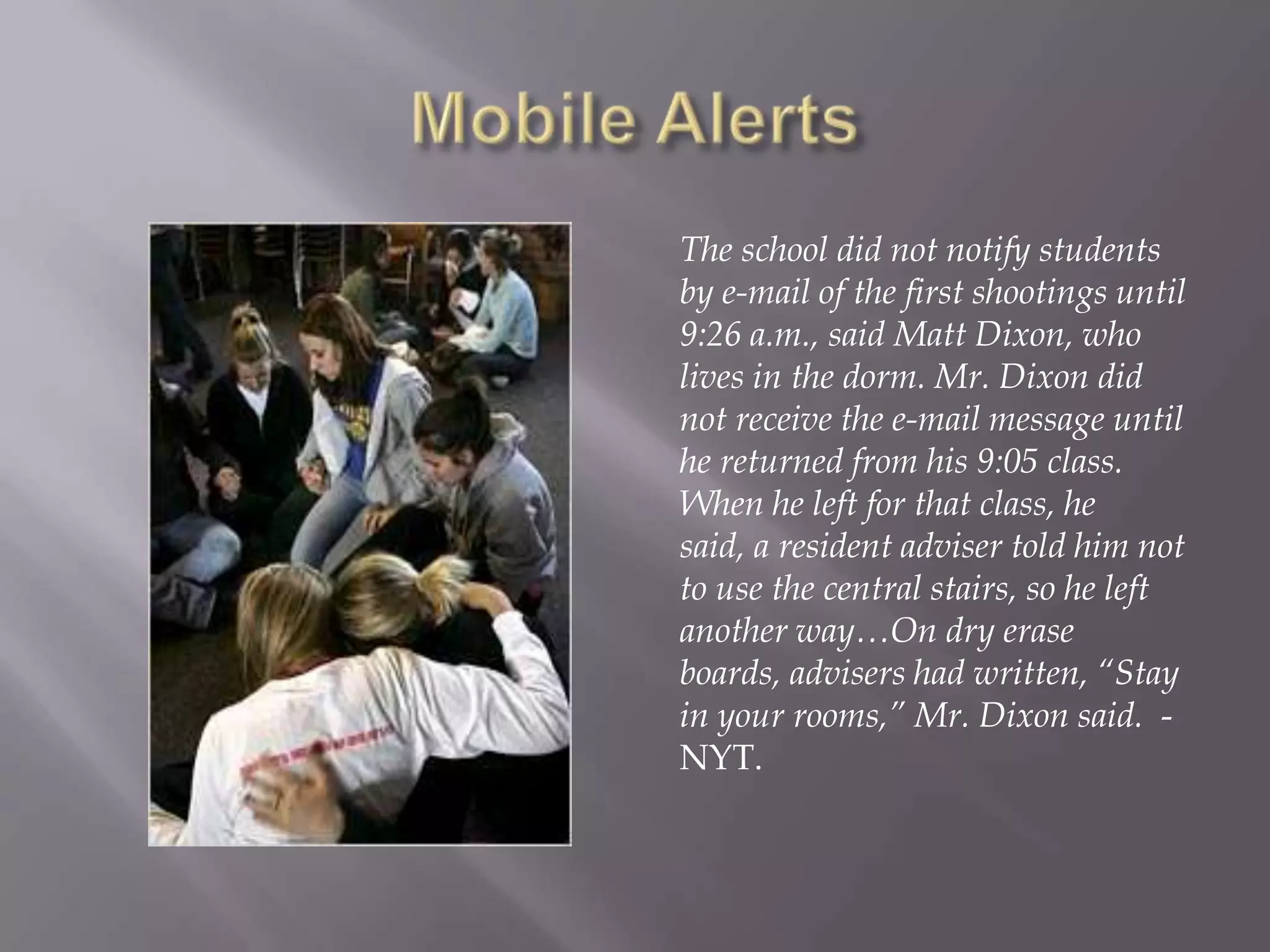
Mobile AlertsThe school did not notify students by e-mail of the first shootings until 9:26 a.m., said Matt Dixon, who lives in the dorm. Mr. Dixon did not receive the e-mail message until he returned from his 9:05 class. When he left for that class, he said, a resident adviser told him not to use the central stairs, so he left another way…On dry erase boards, advisers had written, “Stay in your rooms,” Mr. Dixon said.  - NYT.
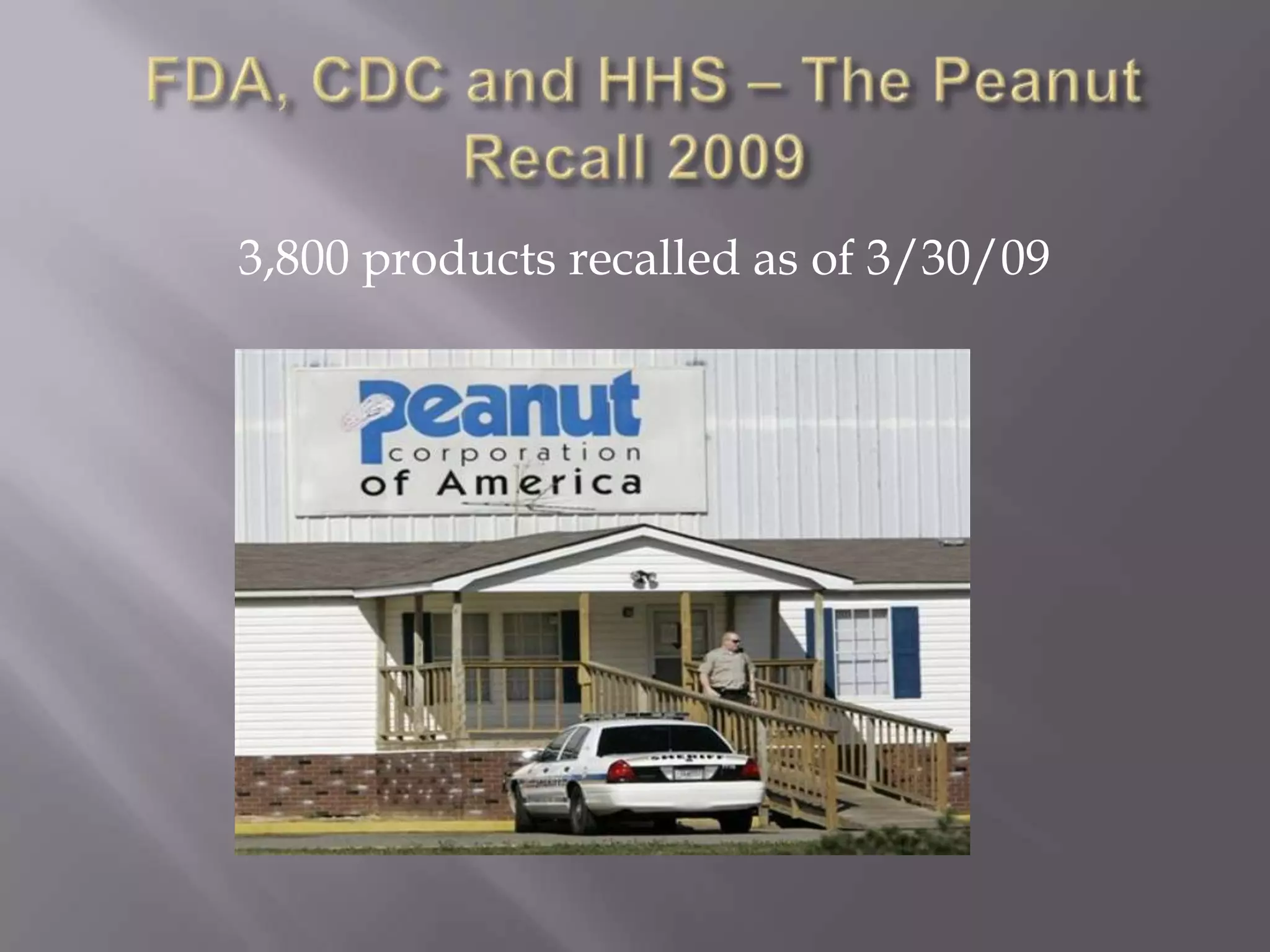
 FDA, CDC and HHS – The Peanut Recall 20093,800 products recalled as of 3/30/09
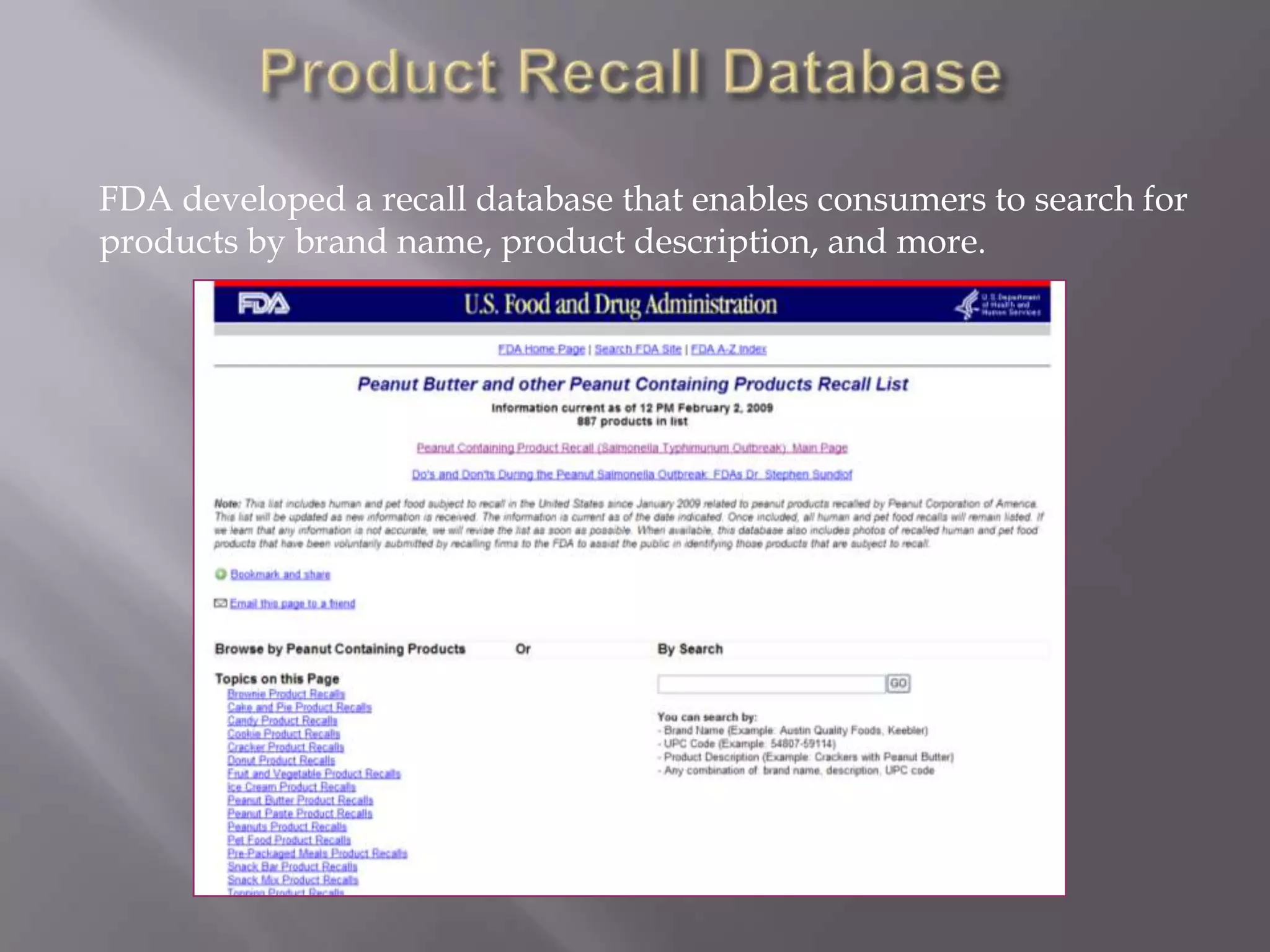
Product Recall Database	FDA developed a recall database that enables consumers to search for products by brand name, product description, and more.
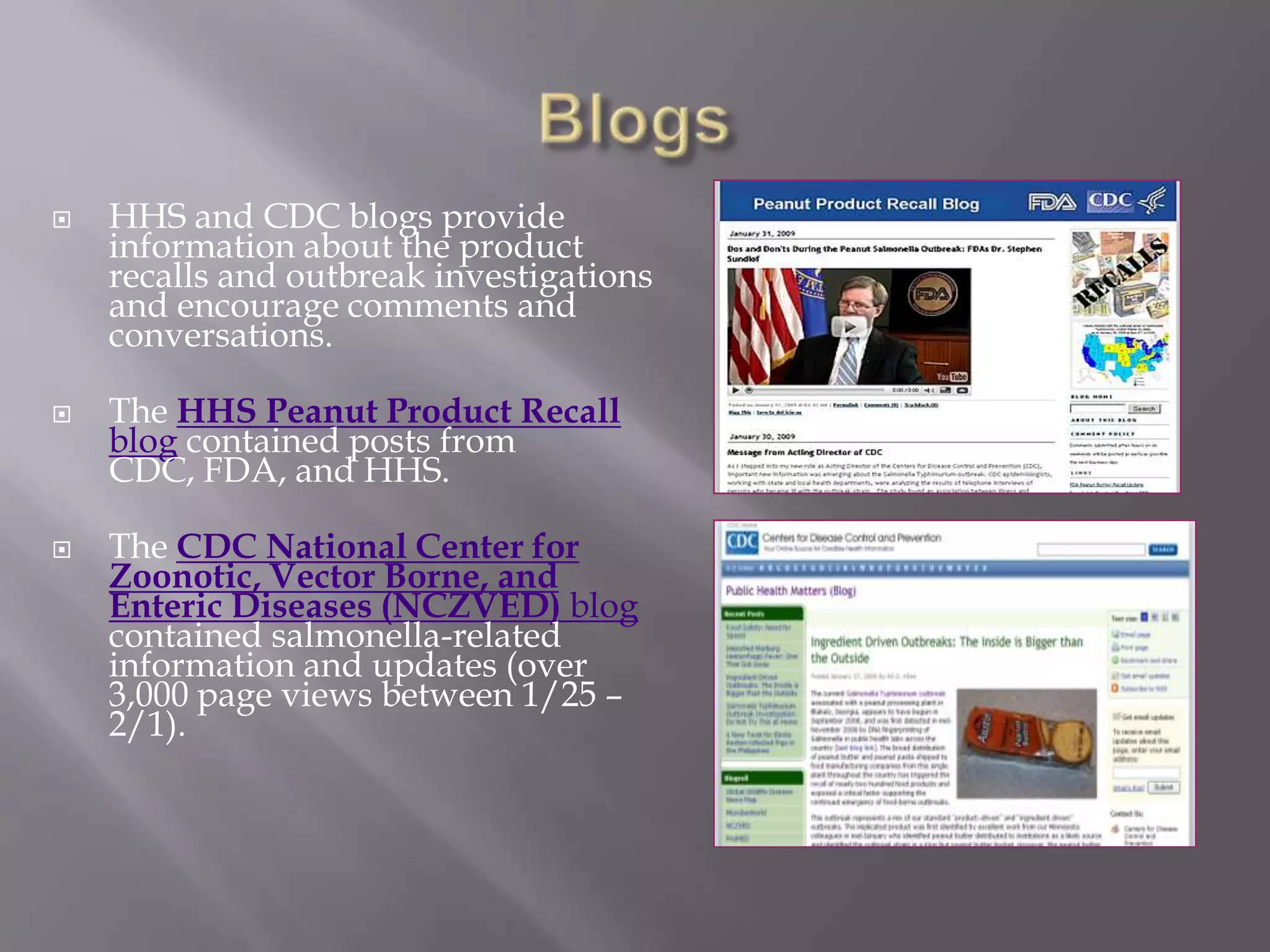
BlogsHHS and CDC blogs provide information about the product recalls and outbreak investigations and encourage comments and conversations.The HHS Peanut Product Recall blog contained posts from CDC, FDA, and HHS. The CDC National Center for Zoonotic, Vector Borne, and Enteric Diseases (NCZVED) blog contained salmonella-related information and updates (over 3,000 page views between 1/25 – 2/1).
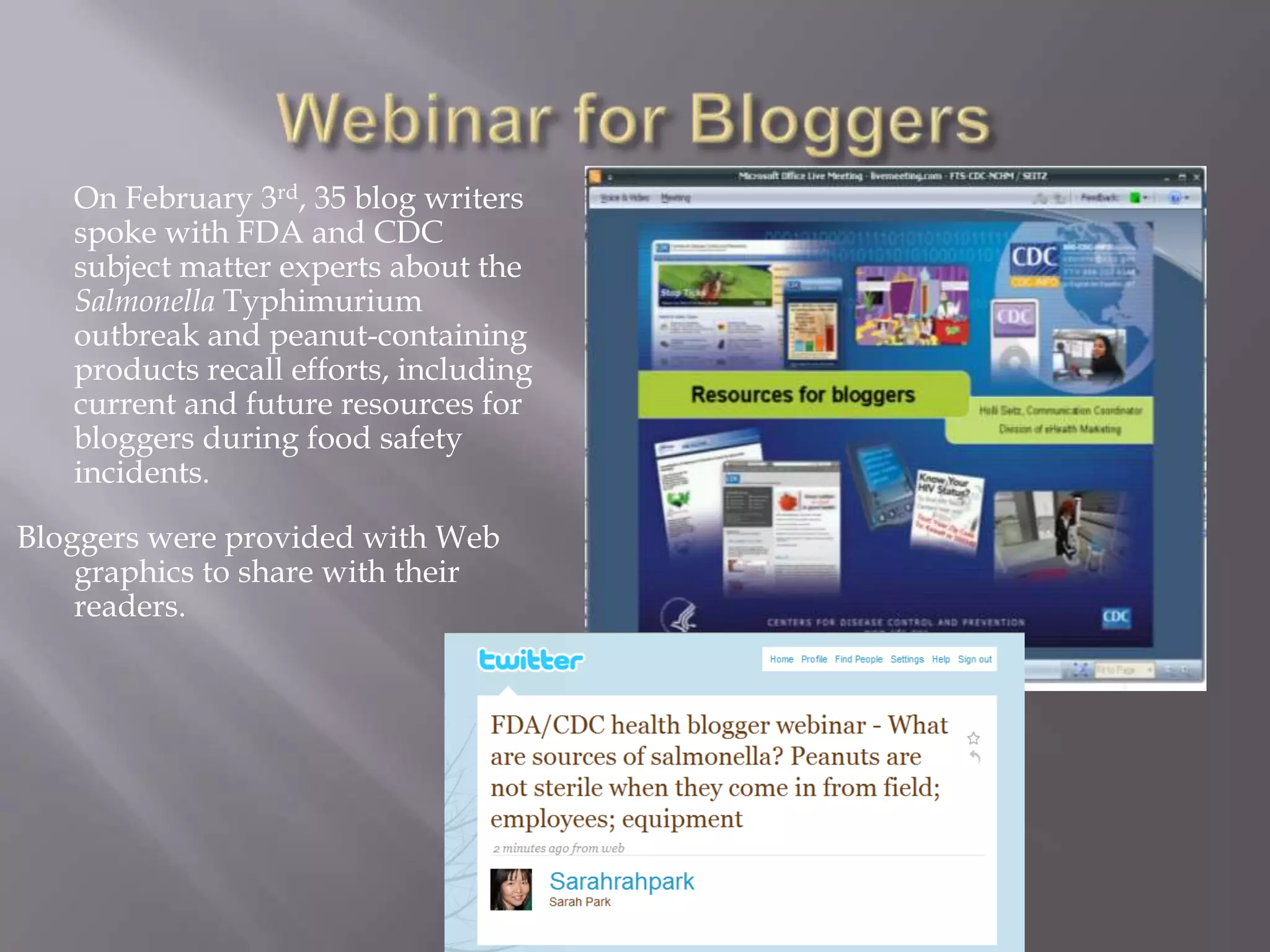
Webinar for Bloggers	On February 3rd, 35 blog writers spoke with FDA and CDC subject matter experts about the Salmonella Typhimurium outbreak and peanut-containing products recall efforts, including current and future resources for bloggers during food safety incidents.Bloggers were provided with Web graphics to share with their readers.
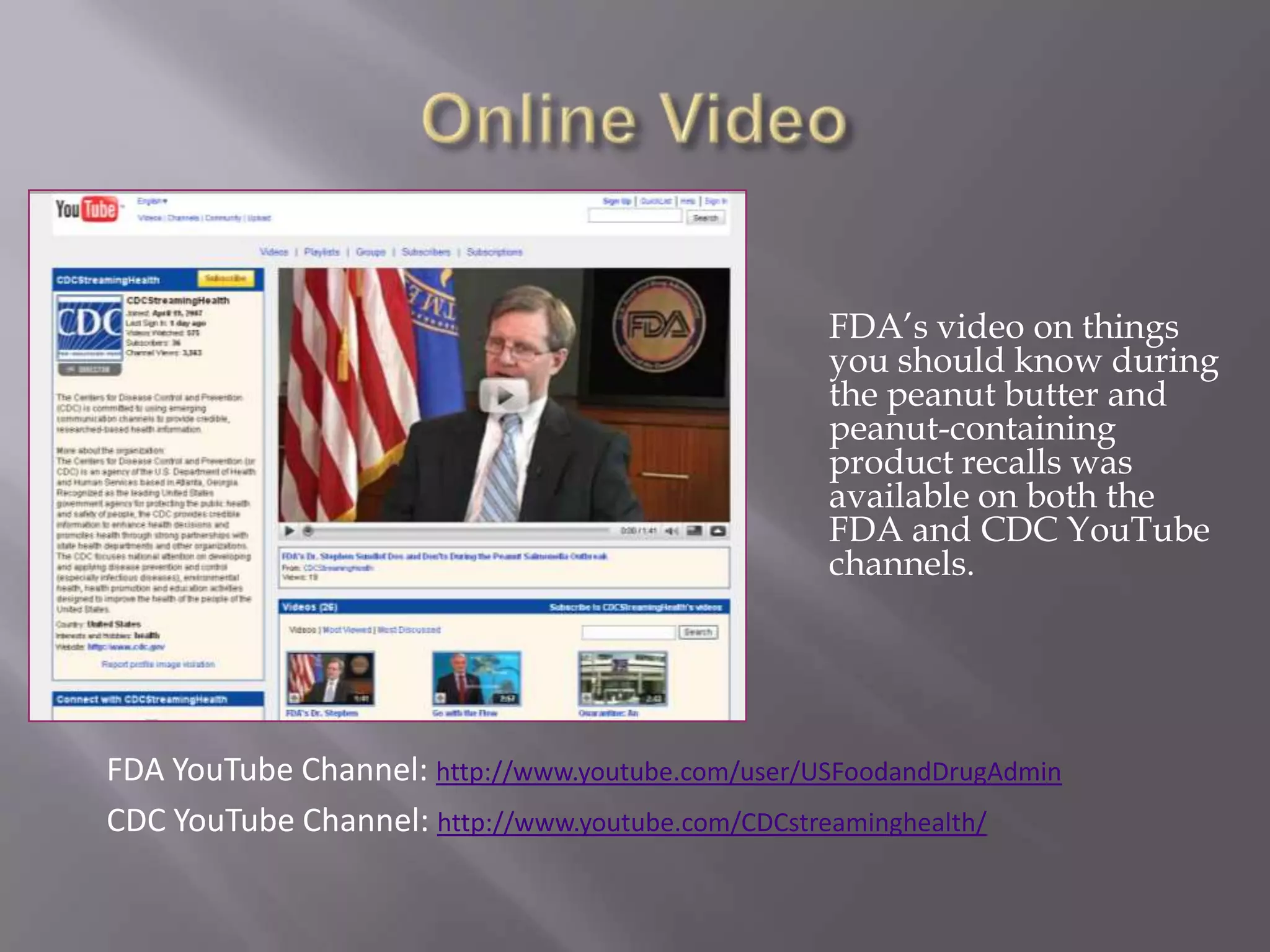
Online Video	FDA’s video on things you should know during the peanut butter and peanut-containing product recalls was available on both the FDA and CDC YouTube channels.FDA YouTube Channel: http://www.youtube.com/user/USFoodandDrugAdminCDC YouTube Channel: http://www.youtube.com/CDCstreaminghealth/
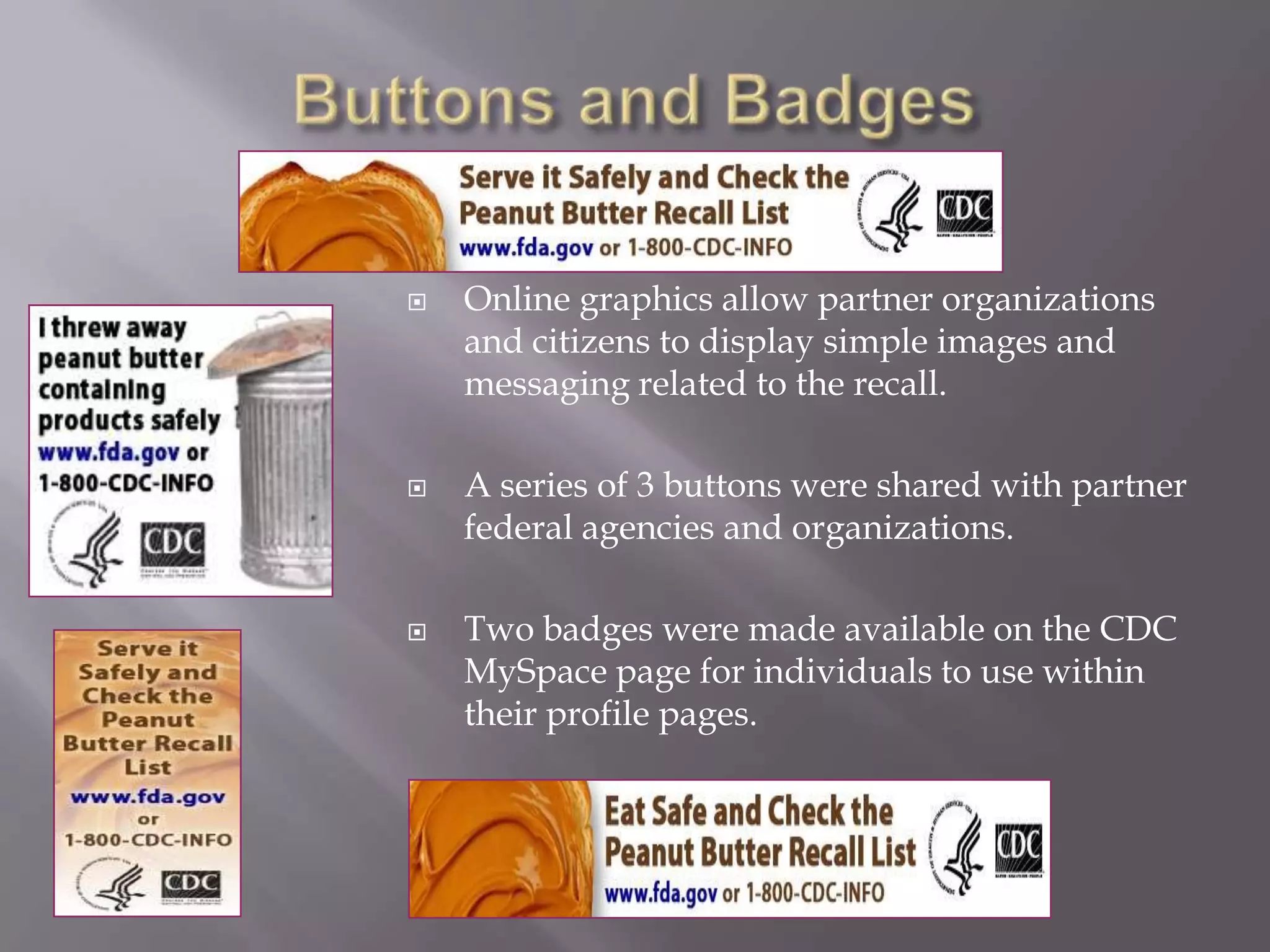
Buttons and BadgesOnline graphics allow partner organizations and citizens to display simple images and messaging related to the recall. A series of 3 buttons were shared with partner federal agencies and organizations.Two badges were made available on the CDC MySpace page for individuals to use within their profile pages.
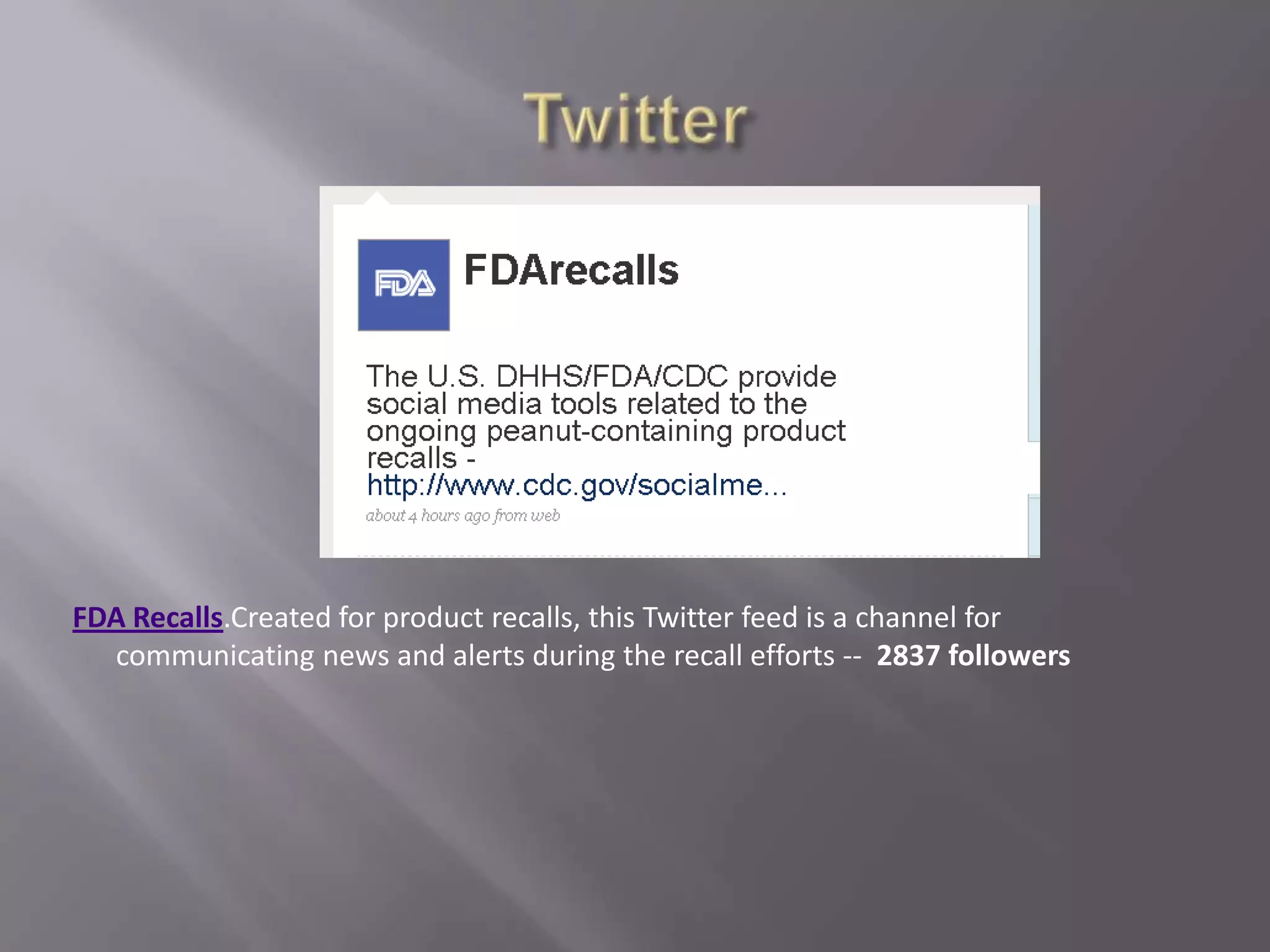
TwitterFDA Recalls.Created for product recalls, this Twitter feed is a channel for      communicating news and alerts during the recall efforts --  2837 followers
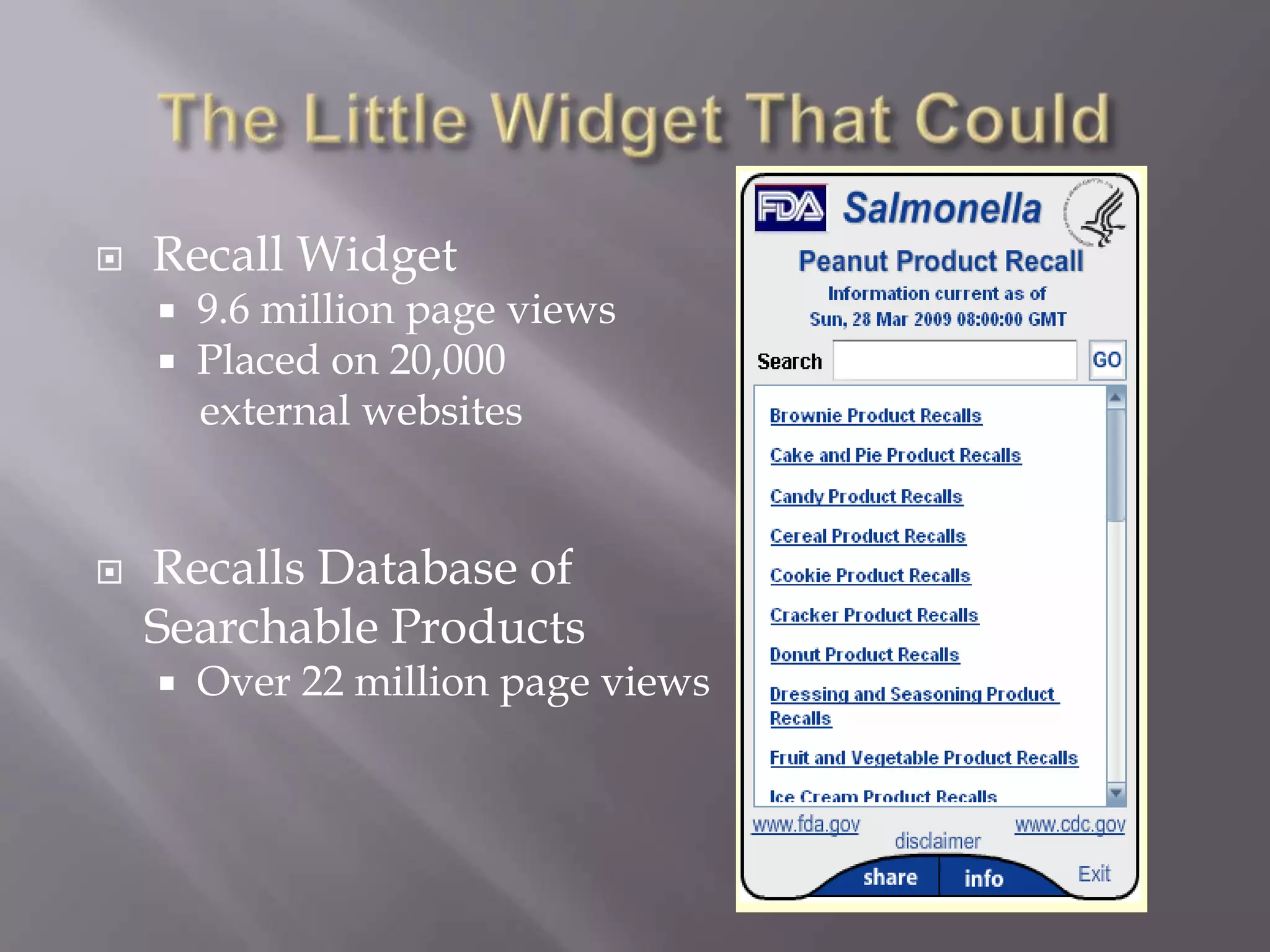
The Little Widget That CouldRecall Widget9.6 million page viewsPlaced on 20,000    external websites Recalls Database of     Searchable ProductsOver 22 million page views
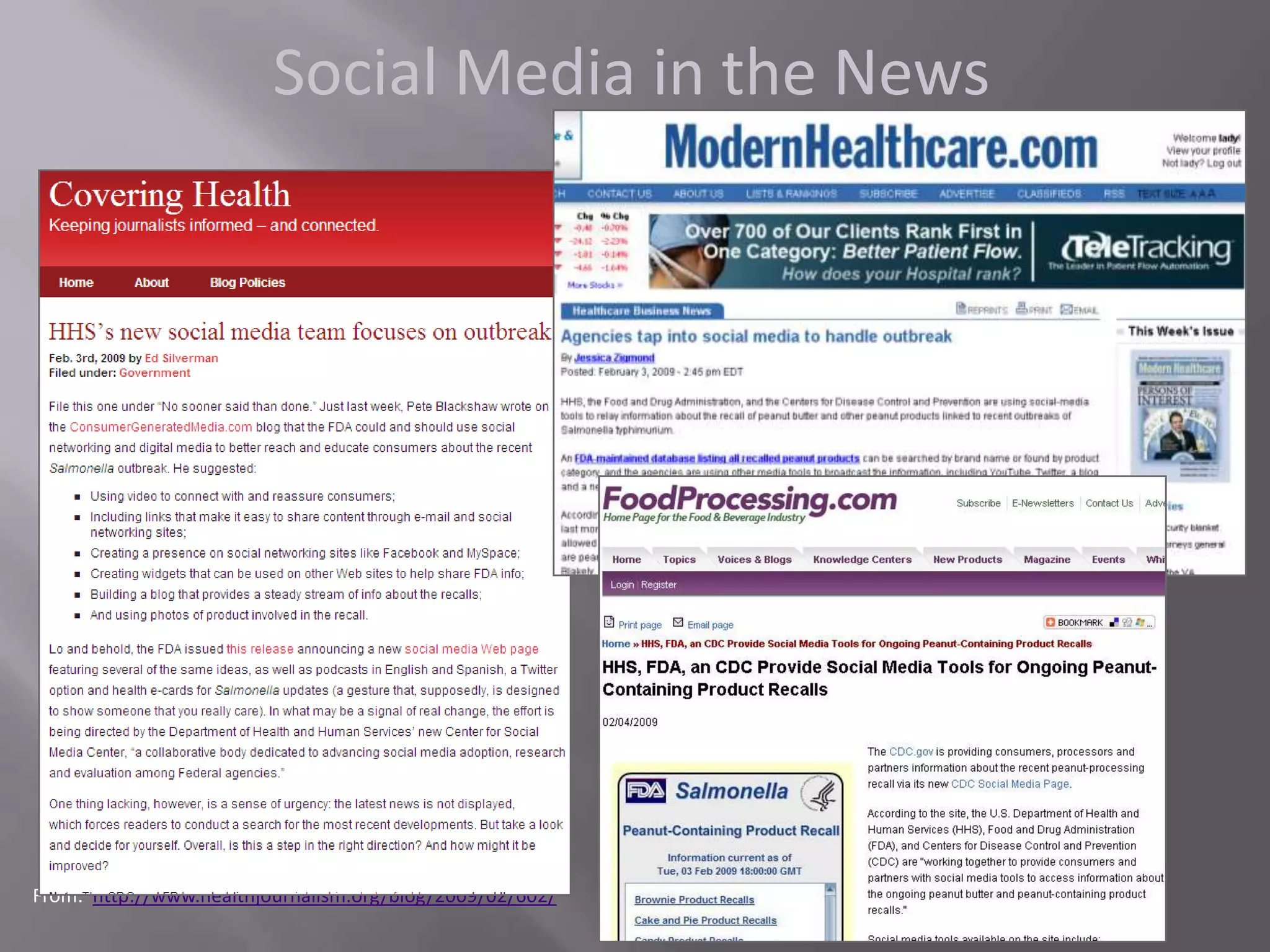
Social Media in the NewsFrom:  http://www.healthjournalism.org/blog/2009/02/602/
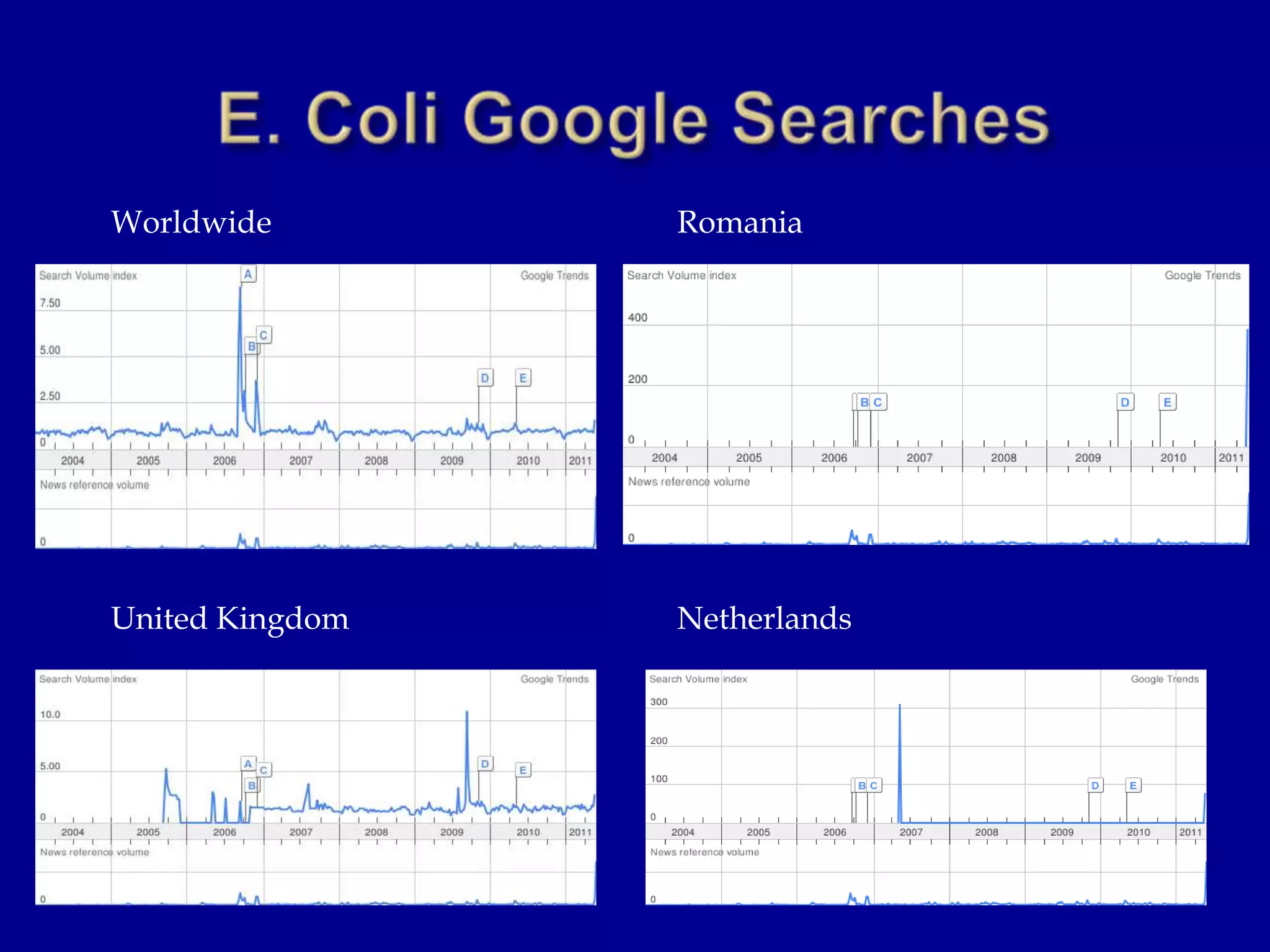
E. Coli Google SearchesRomaniaWorldwideNetherlandsUnited Kingdom
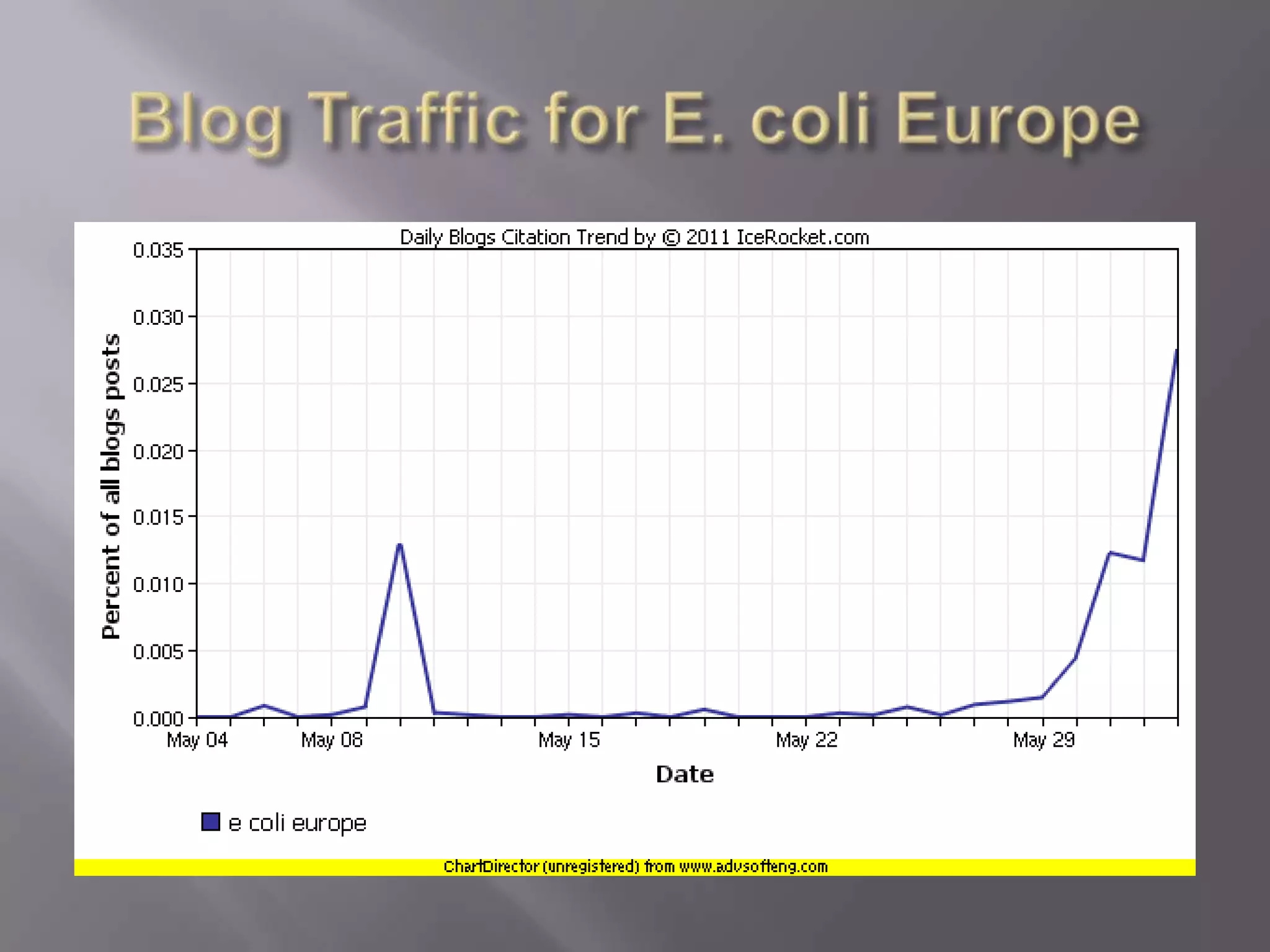
Blog Traffic for E. coli Europe
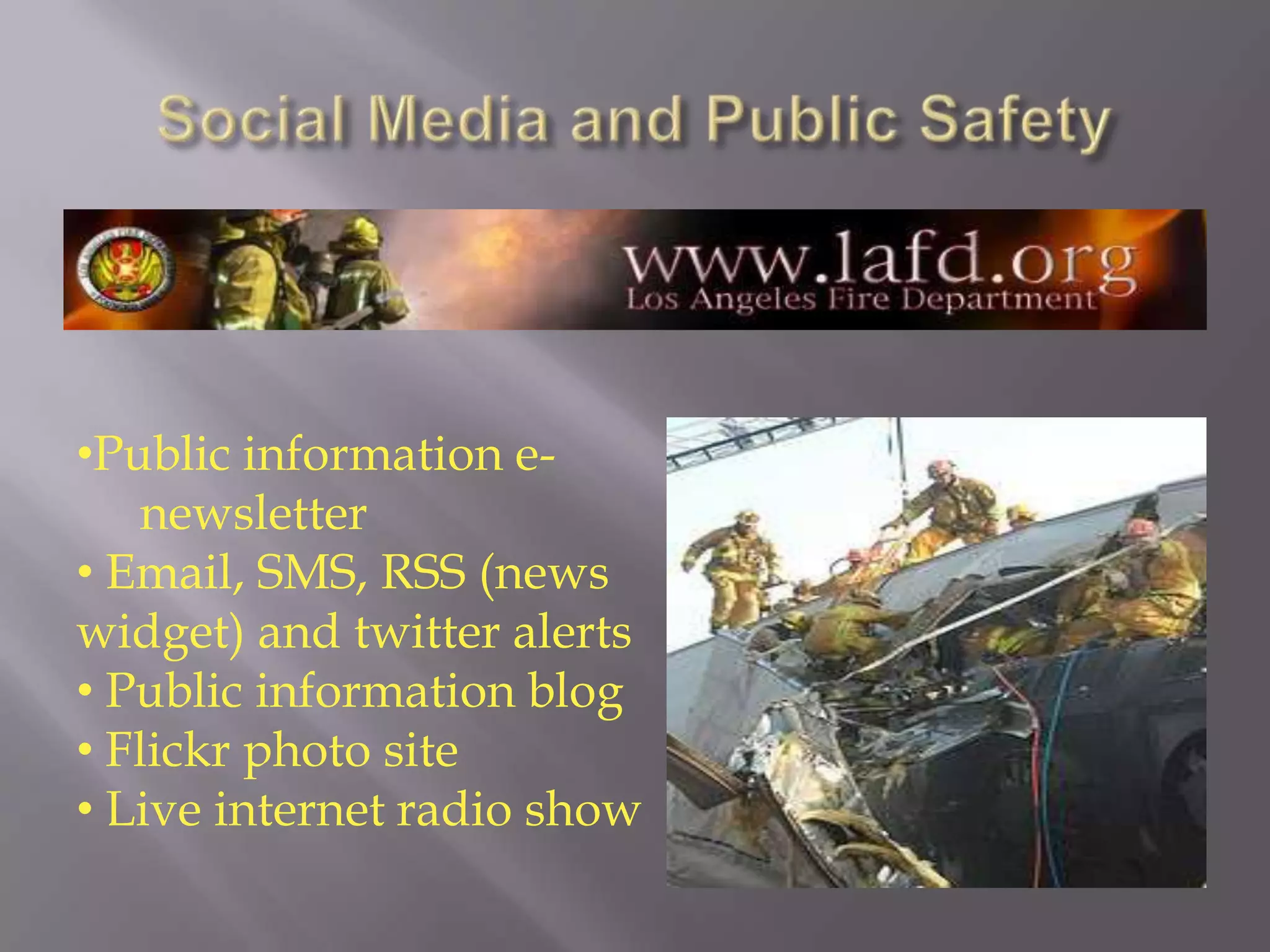
Social Media and Public SafetyPublic information e-	newsletter
 Email, SMS, RSS (news widget) and twitter alerts
 Public information blog
 Flickr photo site
 Live internet radio showWhat is State-of-the-Art and Science?Provide timely information
Use multiple social media networks
Communicate directly with the public
Engage people in a dialogue

Social media shifts the dynamics of communication in public health emergencies

  • 1.
    Social media shiftsthe dynamics of communication in public health emergenciesR. Craig Lefebvre, PhDResearch Professor University of South Florida
  • 3.
    Old World: Sources,Channels, Messages & Receivers
  • 5.
  • 8.
    EU27: Households withinternet access, broadband connections and access by type of household
  • 9.
    EU27: Use ofinternet for communication, 2010
  • 10.
    SNS Use AmongAdults Worldwide
  • 11.
  • 14.
    SNS Use AmongEU Kids Online77% of 13-16 year-olds.57% of 9-16 y/o use Facebook; >70% in 14/25 countries.38% of 9-12 y/o have a social network profileEU Kids Online Project. London School of Economics. 25 Countries Participate.
  • 15.
    Children’s Use ofSNS by Country and Age
  • 16.
    What Does SocialMedia Do?Becomes a collaborative platformHarnesses collective intelligence Enables everyone to be a content creatorProvides greater access to knowledge and information resourcesEncourages media multiplexityExpands and manages social networks
  • 17.
    Social Network Sites“Themost frequently cited benefit of the internet was in helping people tap into [their] social networks” – Susannah Fox, Pew American Life and Internet Project, Nov 2006
  • 18.
    "The national broadcastsare just kind of silly and alarmist. It's nice to have something to balance that out."
  • 19.
    Benefits and Concernsof Using Social Media in Emergency NotificationOpportunity for multiple credible spokespeopleViral messages are repeated again and againAbility to measure sentimentOngoing contact can improve preparedness before an emergencyIntelligence gatheringGain followers before a crisisPotential for network overload during a crisisSome channels limit length and format of informationMessages can be manipulated by others (fidelity)
  • 20.
    Would you signup for alerts for these emergencies?
  • 22.
    Social Media inEmergenciesFacebook: public discussion, community-building, multi-media engagement, more emotional involvement, notification channel.Twitter: speed and news source.YouTube: video repository. Longer format audio-visual materials.Wikipedia: News in the making.
  • 23.
    CDC Social Mediause During the 2009 H1N1 Flu Event in the USUse of Facebook, Twitter and YouTube for information.Facebook ‘likes’ – 55,078Twitter followers – 1.2 millionTwitter click-throughs – 481,183Views of YouTube videos – 3.15 million
  • 24.
    Twitter Use inEmergencies The Australian Country Fire Authority used Twitter to send out regular alerts and updates regarding the Victorian bushfires. The Food and Drug Administration (FDA) recalled salmonella-tainted pistachio products - 3,000 people found out through the agency’s Twitter feed Federal Emergency Management Agency (FEMA) was sending Twitter updates to 2,600 people as the Red River was cresting at record flood levels in ND and MN
  • 25.
    Twitter Benefits forEmergency ResponseResponders can perform hazard assessments in real-time from pictures taken at the scene and posted to the web.Real time knowledge of conditions on the ground.Can communicate with and direct on-the-ground assets. KEY: Need to set up accounts and follow/add followers before an incident occurs.@CDCemergency has 1,273,232 followers (31 May 11)
  • 26.
    Mobile AlertsThe schooldid not notify students by e-mail of the first shootings until 9:26 a.m., said Matt Dixon, who lives in the dorm. Mr. Dixon did not receive the e-mail message until he returned from his 9:05 class. When he left for that class, he said, a resident adviser told him not to use the central stairs, so he left another way…On dry erase boards, advisers had written, “Stay in your rooms,” Mr. Dixon said. - NYT.
  • 28.
    FDA, CDCand HHS – The Peanut Recall 20093,800 products recalled as of 3/30/09
  • 29.
    Product Recall Database FDAdeveloped a recall database that enables consumers to search for products by brand name, product description, and more.
  • 30.
    BlogsHHS and CDCblogs provide information about the product recalls and outbreak investigations and encourage comments and conversations.The HHS Peanut Product Recall blog contained posts from CDC, FDA, and HHS. The CDC National Center for Zoonotic, Vector Borne, and Enteric Diseases (NCZVED) blog contained salmonella-related information and updates (over 3,000 page views between 1/25 – 2/1).
  • 31.
    Webinar for Bloggers OnFebruary 3rd, 35 blog writers spoke with FDA and CDC subject matter experts about the Salmonella Typhimurium outbreak and peanut-containing products recall efforts, including current and future resources for bloggers during food safety incidents.Bloggers were provided with Web graphics to share with their readers.
  • 32.
    Online Video FDA’s videoon things you should know during the peanut butter and peanut-containing product recalls was available on both the FDA and CDC YouTube channels.FDA YouTube Channel: http://www.youtube.com/user/USFoodandDrugAdminCDC YouTube Channel: http://www.youtube.com/CDCstreaminghealth/
  • 33.
    Buttons and BadgesOnlinegraphics allow partner organizations and citizens to display simple images and messaging related to the recall. A series of 3 buttons were shared with partner federal agencies and organizations.Two badges were made available on the CDC MySpace page for individuals to use within their profile pages.
  • 34.
    TwitterFDA Recalls.Created forproduct recalls, this Twitter feed is a channel for communicating news and alerts during the recall efforts -- 2837 followers
  • 36.
    The Little WidgetThat CouldRecall Widget9.6 million page viewsPlaced on 20,000 external websites Recalls Database of Searchable ProductsOver 22 million page views
  • 37.
    Social Media inthe NewsFrom: http://www.healthjournalism.org/blog/2009/02/602/
  • 38.
    E. Coli GoogleSearchesRomaniaWorldwideNetherlandsUnited Kingdom
  • 39.
    Blog Traffic forE. coli Europe
  • 41.
    Social Media andPublic SafetyPublic information e- newsletter
  • 42.
    Email, SMS,RSS (news widget) and twitter alerts
  • 43.
  • 44.
  • 45.
    Live internetradio showWhat is State-of-the-Art and Science?Provide timely information
  • 46.
    Use multiple socialmedia networks
  • 47.
  • 48.
  • 49.
  • 50.
    Allow comments sopeople can inform each other
  • 51.
    Move traffic awayfrom websites to avoid crashing
  • 52.
    Enlist the publicto help the response
  • 53.
    Enlist the publicto help each other
  • 54.
    Provide a ‘one-stopshop’ for information
  • 55.
    Set and enforcepolicies regarding use and abuse
  • 56.
    Expect to receivelife-threatening information
  • 57.
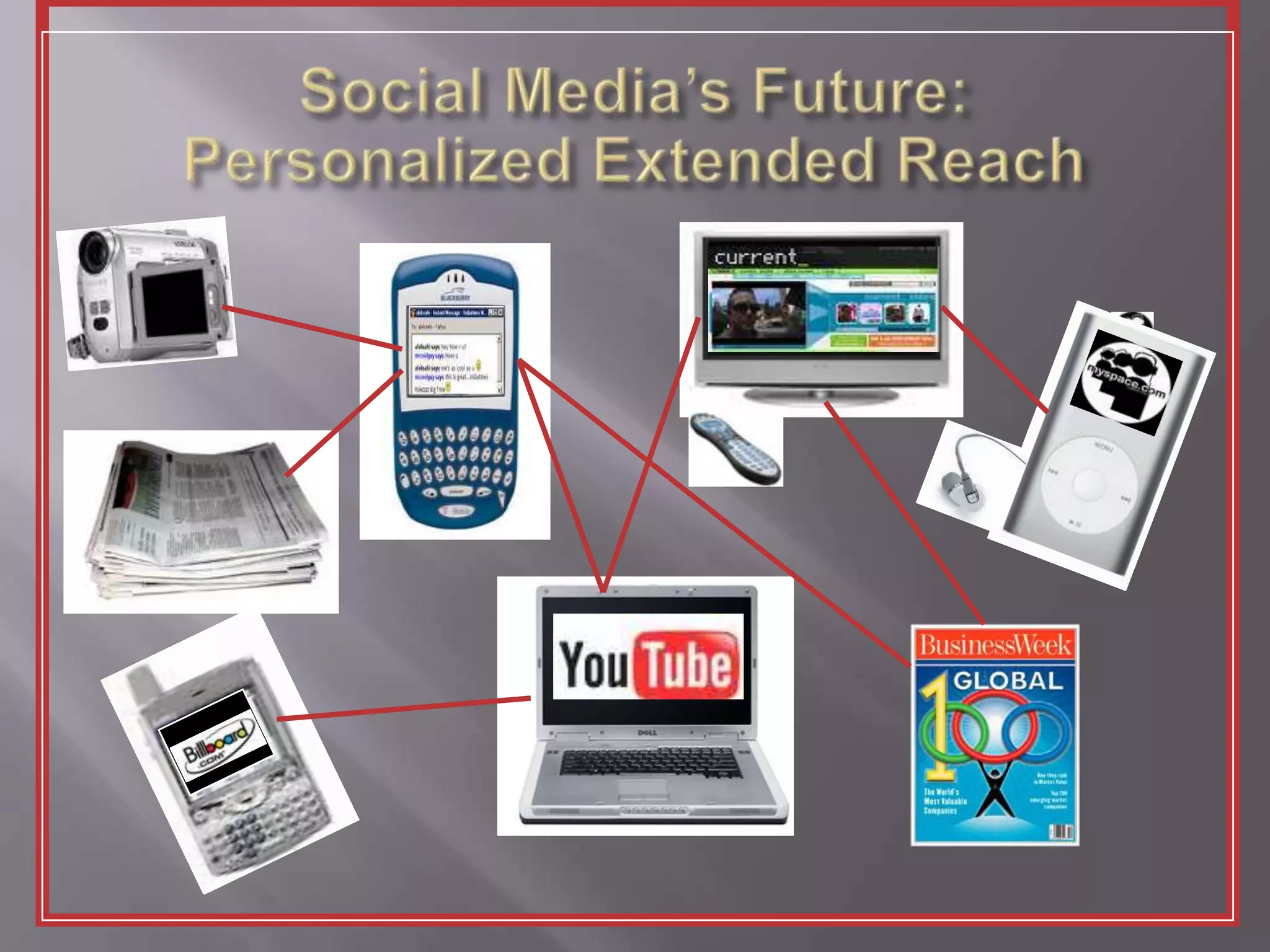
    Ask for feedbackon your effortsSocial Media’s Future: Personalized Extended Reach
  • 58.
    Social Media isMore than PR“Social media are obviously about morethan how we reach out to the public and educate the public…It’s about the public talking to US.It’s also about the public talking to the public.”Nathan HuebnerUS Centers for Disease Control
  • 59.
    Ask not whattools you want to use, ask how you want to change how you talk to people. All evolutions in marketing are evolutions in language. Those who can raise the level of conversation in any market, win. -Hugh MacLeod http://www.flickr.com/photos/kdlengacher/3352170211/
  • 60.
  • 61.
    Are we availablewhen, where and how people want us to be?
  • 62.
    R. Craig Lefebvre,PhDCollege of Public HealthUniversity of South FloridaOn Social Marketing and Social Changehttp://socialmarketing.blogs.com

Editor's Notes

  • #9 Eurostat News release 14 December 2010
  • #11 Facebook, for example, which was launched in 2004, now boasts over 350m users, more than two-thirds of them outside of America. – The Economist 29 Jan 10http://www.economist.com/research/articlesBySubject/displaystory.cfm?subjectid=7933596&story_id=15408371
  • #12 Europe experienced a 10.9% gain in social networking penetration over 2010 - the highest seen in any global region. Facebook was the leading social networking sites in 15 out of the 18 markets. Local social networks in the Netherlands, Poland, and Russia continued to retain their majority share of the market. - http://www.newmediatrendwatch.com/regional-overview/103-europe?start=5
  • #14 Among all internet users
  • #15 Among 13-to-16-year-olds in 25 European countries, 77% use social network sites (SNS), according to EU Kids Online , compared to 73% of American 12-to-17-year-olds in 2010 (the latest figure available from the Pew Internet & American Life Project). Facebook is the dominant SNS in Europe, with 57% of European 9-to-16-year-olds using it and more than 70% using it in 14 of the 25 EU countries. FB use is as high as 98% among youth in Cypress to as low as 2% of Polish youth, and it’s No. 1 in 17 of the countries. Where FB’s No. 2, the most popular site is Nasza-Klasa (NK.pl) in Poland (with no age restriction), Tuenti.com in Spain (min. age of 14), Hyves.nl in the Netherlands (no restriction), and San Francisco-based Hi5.com in Romania (min. age of 13). Three other popular SNS in Europe are schulerVZ (schuelervz.net) in Germany (min. age of 12) and iWiW.hu and Myvip.com in Hungary (neither with age restrictions).
  • #16 From Social networking, age and privacy. www.eukidsonline.net
  • #19 "Embeds" -- bloggers who stayed behind in New Orleans -- provided hyper-local information about various neighborhoods, he said.social networks - gustavNew Orleanians whose lives have been upended by Hurricane Gustav have turned Twitter into an invaluable source of information.Sheila Moragas, another local blogger who evacuated to a hotel near the Louisiana State University with her husband and toddler, said one of the "embeds" offered to check out her house when the storm passed and then Twitter about it for her."Twitter becomes your online neighborhood," she said.CNN and other major networks reported ony on the places with the most action, she said. But because Twitter users live throughout the city, they could provide more local coverage.Since Hurricane Katrina devastated the city in 2005, blogger Folse said, a core group of bloggers has been building a Twitter community that would be useful in emergency situations. Source: http://abcnews.go.com/Technology/SmartHome/Story?id=5703281&page=1
  • #42 Interest in the LAFD's effort has grown; its blog just logged its 1 millionth visitor this year, and photos on its Flickr account have been viewed 500,000 times in the past year, Humphrey said. The department has made widgets available with content it produces and uses RSS to allow more users to subscribe to updates.Blog at http://lafd.blogspot.com/Google groups alert at http://groups.google.com/group/LAFD_ALERTFlickr site - http://www.flickr.com/photos/LAFDLive internet radio (not since 2007?) - http://www.blogtalkradio.com/profile.aspx?userid=62Source – PC World 3 AUG 2007 - http://www.pcworld.com/article/135518/la_fire_department_all_atwitter_over_web_20.html
  • #48 mobile communications are changing our expectations about when and how others are available to us