


Skoool.Ph Science and Mathematics Internet-based e-Learning
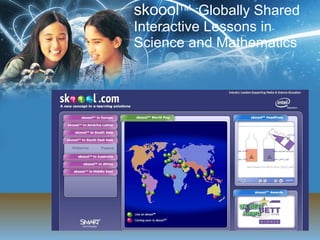
skoool TM  - Globally Shared Interactive Lessons in Science and Mathematics
Demonstration Agenda On Skoool.Ph Project Instructional Design Framework Curricular Usability Alignment Learning Object Demonstration Presented by: John J. Macasio Skoool.Ph Project Consultant
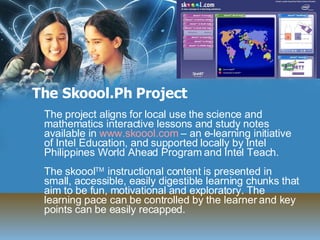
The Skoool.Ph Project The project aligns for local use the science and mathematics interactive lessons and study notes available in  www.skoool.com  – an e-learning initiative of Intel Education, and supported locally by Intel Philippines World Ahead Program and Intel Teach. The skoool TM  instructional content is presented in small, accessible, easily digestible learning chunks that aim to be fun, motivational and exploratory. The learning pace can be controlled by the learner and key points can be easily recapped.
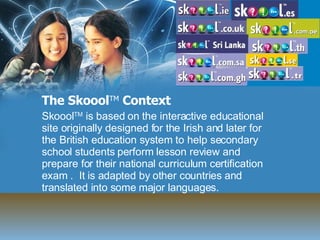
The Skoool TM  Context Skoool TM  is based on the interactive educational site originally designed for the Irish and later for the British education system to help secondary school students perform lesson review and prepare for their national curriculum certification exam .  It is adapted by other countries and translated into some major languages.
Skoool TM  Localization  The local consultation workshops with the curricular supervisors and teachers coming from the Department of Education and Philippine National Science High School evolves the  instructional design process  for an ICT enhanced teaching and learning. It develops a teacher-based  lesson alignment framework  to facilitate the re-use of digital learning objects coming from other educational context. Templates Available at:   www.ischoolwebboard.co.cc
www.skoool.ph A local educational website is developed to contain the science and mathematics interactive lessons and study guides that were reviewed to support the learning objectives of the Philippines basic education competency standards.  The site is freely accessible and usable for both teacher-led and student self-directed learning scenarios.
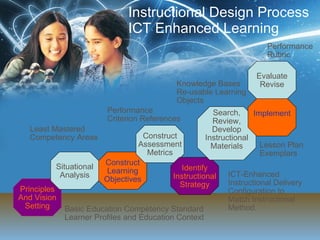
Instructional Design Process ICT Enhanced Learning Principles And Vision Setting Situational Analysis Construct Learning Objectives Construct Assessment Metrics Identify Instructional Strategy Search, Review, Develop Instructional Materials Implement Evaluate Revise Basic Education Competency Standard Learner Profiles and Education Context ICT-Enhanced  Instructional Delivery Configuration to  Match Instructional Method.  Performance Criterion References Least Mastered Competency Areas Knowledge Bases Re-usable Learning  Objects Lesson Plan Exemplars Performance Rubric
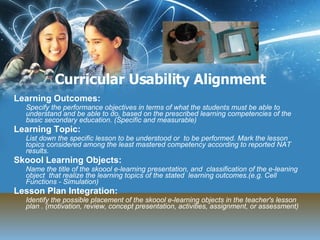
Curricular Usability Alignment Learning Outcomes: Specify the performance objectives in terms of what the students must be able to understand and be able to do, based on the prescribed learning competencies of the basic secondary education. (Specific and measurable) Learning Topic: List down the specific lesson to be understood or  to be performed. Mark the lesson topics considered among the least mastered competency according to reported NAT results.  Skoool Learning Objects: Name the title of the skoool e-learning presentation, and  classification of the e-leaning object  that realize the learning topics of the stated  learning outcomes.(e.g. Cell Functions - Simulation) Lesson Plan Integration: Identify the possible placement of the skoool e-learning objects in the teacher's lesson plan . (motivation, review, concept presentation, activities, assignment, or assessment)
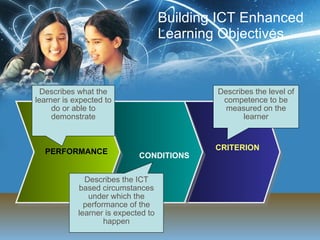
Building ICT Enhanced Learning Objectives PERFORMANCE CONDITIONS CRITERION Describes what the learner is expected to do or able to demonstrate Describes the ICT based circumstances under which the performance of the learner is expected to happen Describes the level of competence to be measured on the learner
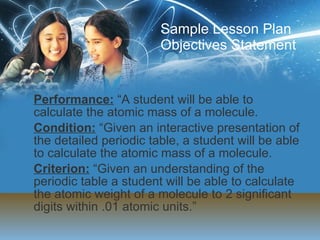
Sample Lesson Plan Objectives Statement Performance:  “A student will be able to calculate the atomic mass of a molecule. Condition:  “Given an interactive presentation of the detailed periodic table, a student will be able to calculate the atomic mass of a molecule.  Criterion:  “Given an understanding of the periodic table a student will be able to calculate the atomic weight of a molecule to 2 significant digits within .01 atomic units.”
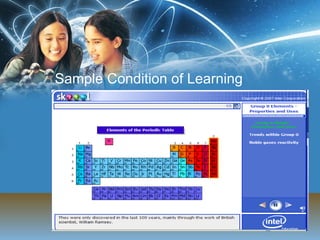
Sample Condition of Learning
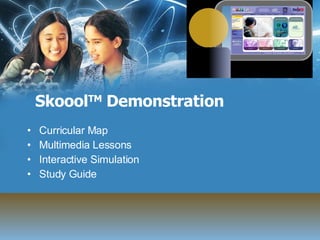
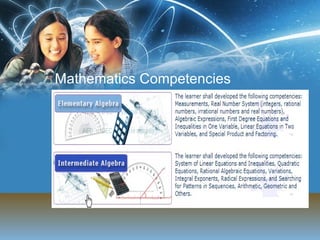
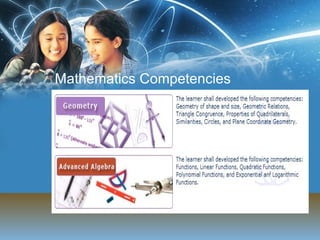
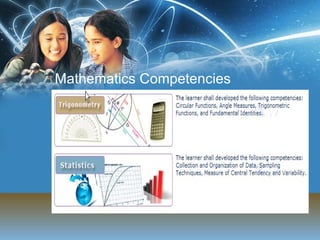
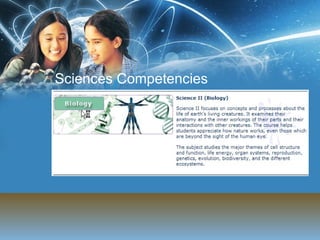
Skoool TM  Demonstration   Curricular Map Multimedia Lessons Interactive Simulation Study Guide
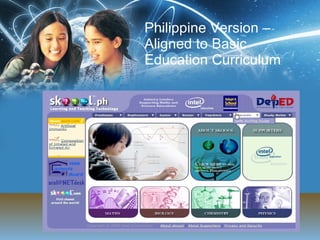
Philippine Version – Aligned to Basic Education Curriculum
Mathematics Competencies
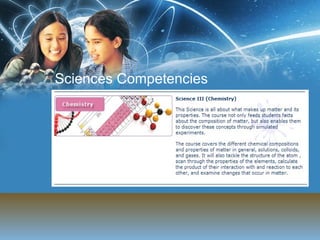
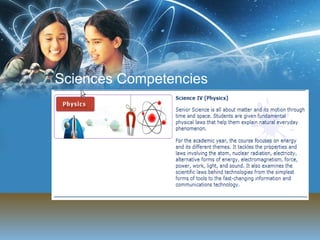
Sciences Competencies
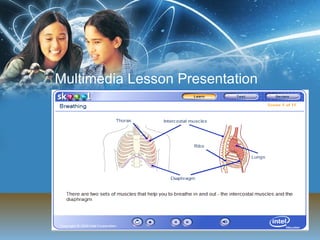
Multimedia Lesson Presentation
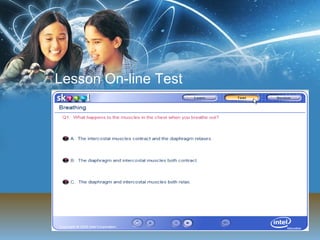
Lesson On-line Test
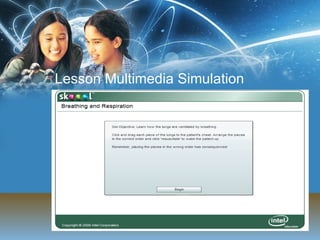
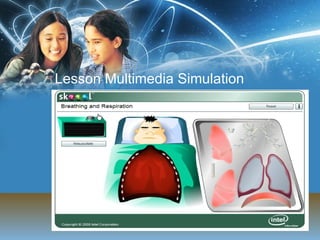
Lesson Multimedia Simulation
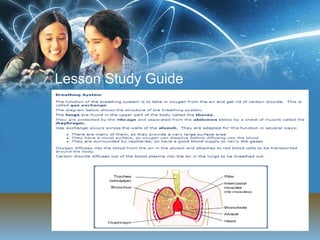
Lesson Study Guide
Question and Answer John J. Macasio Skoool.Ph Project Consultant [email_address] www.aralanet.org +632-917-329-7993

Skoool Presentation V1

  • 1.
    Skoool.Ph Science andMathematics Internet-based e-Learning
  • 2.
    skoool TM - Globally Shared Interactive Lessons in Science and Mathematics
  • 3.
    Demonstration Agenda OnSkoool.Ph Project Instructional Design Framework Curricular Usability Alignment Learning Object Demonstration Presented by: John J. Macasio Skoool.Ph Project Consultant
  • 4.
    The Skoool.Ph ProjectThe project aligns for local use the science and mathematics interactive lessons and study notes available in www.skoool.com – an e-learning initiative of Intel Education, and supported locally by Intel Philippines World Ahead Program and Intel Teach. The skoool TM instructional content is presented in small, accessible, easily digestible learning chunks that aim to be fun, motivational and exploratory. The learning pace can be controlled by the learner and key points can be easily recapped.
  • 5.
    The Skoool TM Context Skoool TM is based on the interactive educational site originally designed for the Irish and later for the British education system to help secondary school students perform lesson review and prepare for their national curriculum certification exam . It is adapted by other countries and translated into some major languages.
  • 6.
    Skoool TM Localization The local consultation workshops with the curricular supervisors and teachers coming from the Department of Education and Philippine National Science High School evolves the instructional design process for an ICT enhanced teaching and learning. It develops a teacher-based lesson alignment framework to facilitate the re-use of digital learning objects coming from other educational context. Templates Available at: www.ischoolwebboard.co.cc
  • 7.
    www.skoool.ph A localeducational website is developed to contain the science and mathematics interactive lessons and study guides that were reviewed to support the learning objectives of the Philippines basic education competency standards. The site is freely accessible and usable for both teacher-led and student self-directed learning scenarios.
  • 8.
    Instructional Design ProcessICT Enhanced Learning Principles And Vision Setting Situational Analysis Construct Learning Objectives Construct Assessment Metrics Identify Instructional Strategy Search, Review, Develop Instructional Materials Implement Evaluate Revise Basic Education Competency Standard Learner Profiles and Education Context ICT-Enhanced Instructional Delivery Configuration to Match Instructional Method. Performance Criterion References Least Mastered Competency Areas Knowledge Bases Re-usable Learning Objects Lesson Plan Exemplars Performance Rubric
  • 9.
    Curricular Usability AlignmentLearning Outcomes: Specify the performance objectives in terms of what the students must be able to understand and be able to do, based on the prescribed learning competencies of the basic secondary education. (Specific and measurable) Learning Topic: List down the specific lesson to be understood or to be performed. Mark the lesson topics considered among the least mastered competency according to reported NAT results. Skoool Learning Objects: Name the title of the skoool e-learning presentation, and classification of the e-leaning object that realize the learning topics of the stated learning outcomes.(e.g. Cell Functions - Simulation) Lesson Plan Integration: Identify the possible placement of the skoool e-learning objects in the teacher's lesson plan . (motivation, review, concept presentation, activities, assignment, or assessment)
  • 10.
    Building ICT EnhancedLearning Objectives PERFORMANCE CONDITIONS CRITERION Describes what the learner is expected to do or able to demonstrate Describes the ICT based circumstances under which the performance of the learner is expected to happen Describes the level of competence to be measured on the learner
  • 11.
    Sample Lesson PlanObjectives Statement Performance: “A student will be able to calculate the atomic mass of a molecule. Condition: “Given an interactive presentation of the detailed periodic table, a student will be able to calculate the atomic mass of a molecule. Criterion: “Given an understanding of the periodic table a student will be able to calculate the atomic weight of a molecule to 2 significant digits within .01 atomic units.”
  • 12.
  • 13.
    Skoool TM Demonstration Curricular Map Multimedia Lessons Interactive Simulation Study Guide
  • 14.
    Philippine Version –Aligned to Basic Education Curriculum
  • 15.
  • 16.
  • 17.
  • 18.
  • 19.
  • 20.
  • 21.
  • 22.
  • 23.
  • 24.
  • 25.
  • 26.
    Question and AnswerJohn J. Macasio Skoool.Ph Project Consultant [email_address] www.aralanet.org +632-917-329-7993