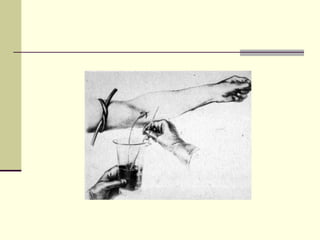
SHOCK
Outline Definition Epidemiology Physiology Classes of Shock Clinical Presentation Management Controversies
Definition A physiologic state characterized by Inadequate tissue perfusion Clinically manifested by Hemodynamic disturbances Organ dysfunction
Epidemiology Mortality Septic shock – 35-40% (1 month mortality) Cardiogenic shock – 60-90% Hypovolemic shock – variable/mechanism
Pathophysiology Imbalance in oxygen supply and demand Conversion from aerobic to anaerobic metabolism Appropriate and inappropriate metabolic and physiologic responses
Pathophysiology Cellular physiology Cell membrane ion pump dysfunction Leakage of intracellular contents into the extracellular space Intracellular pH dysregulation Resultant systemic physiology Cell death and end organ dysfunction MSOF and death
Physiology Characterized by three stages Preshock (warm shock, compensated shock) Shock End organ dysfunction
Physiology Compensated shock Low preload shock – tachycardia, vasoconstriction, mildly decreased BP Low afterload (distributive) shock – peripheral vasodilation, hyperdynamic state
Pathophysiology Shock Initial signs of end organ dysfunction Tachycardia Tachypnea Metabolic acidosis Oliguria Cool and clammy skin
Physiology End Organ Dysfunction Progressive irreversible dysfunction Oliguria or anuria Progressive acidosis and decreased CO  Agitation, obtundation, and coma Patient death
Classification Schemes are designed to simplify complex physiology Major classes of shock Hypovolemic Cardiogenic Distributive
Hypovolemic Shock Results from decreased preload Etiologic classes Hemorrhage - e.g. trauma, GI bleed, ruptured aneurysm Fluid loss - e.g. diarrhea, vomiting, burns, third spacing, iatrogenic
Hypovolemic Shock Hemorrhagic Shock Crit Care. 2004; 8(5): 373–381.   Lethargic Confused Anxious Normal CNS symptoms Negligible 5–15 20–30 >30 Urine output (ml/hour) >35 30–40 20–30 14–20 Respiratory rate (bpm) Decreased Decreased Decreased Normal Blood pressure >140 >120 >100 <100 Pulse rate (beats/min) >40% 30–40% 15–30% <15% Blood loss (%) >2000 1500–2000 750–1500 <750 Blood loss (ml) IV III II I Parameter


*
Cardiogenic Shock Results from pump failure Decreased systolic function Resultant decreased cardiac output Etiologic categories Myopathic Arrhythmic Mechanical Extracardiac (obstructive)
Distributive Shock Results from a severe decrease in SVR Vasodilation reduces afterload May be associated with increased CO Etiologic categories Sepsis Neurogenic / spinal Other (next page)
Distributive Shock Other causes Systemic inflammation – pancreatitis, burns Toxic shock syndrome Anaphylaxis and anaphylactoid reactions Toxin reactions – drugs, transfusions Addisonian crisis Myxedema coma
 
 
Distributive Shock Septic Shock
 
 
Clinical Presentation Clinical presentation varies with type and cause, but there are features in common Hypotension (SBP<90 or Delta>40) Cool, clammy skin (exceptions – early distributive, terminal shock) Oliguria Change in mental status Metabolic acidosis
 
 
Evaluation Done in parallel with treatment! H&P – helpful to distinguish type of shock Full laboratory evaluation (including H&H, cardiac enzymes, ABG) Basic studies – CxR, EKG, UA Basic monitoring – VS, UOP, CVP, A-line Imaging if appropriate – FAST, CT Echo vs. PA catheterization CO, PAS/PAD/PAW, SVR, SvO2
Treatment Manage the emergency Determine the underlying cause Definitive management or support
 
Manage the Emergency Your patient is in extremis – tachycardic, hypotensive, obtunded How long do you have to manage this? Suggests that many things must be done at once Draw in ancillary staff for support! What must be done?
Manage the Emergency One person runs the code! Control airway and breathing Maximize oxygen delivery Place lines, tubes, and monitors Get and run IVF on a pressure bag Get and run blood (if appropriate) Get and hang pressors Call your senior/fellow/attending
Determine the Cause Often obvious based on history Trauma most often hypovolemic (hemorrhagic) Postoperative most often hypovolemic (hemorrhagic or third spacing) Debilitated hospitalized pts most often septic Must evaluate all pts for risk factors for MI and consider cardiogenic Consider distributive (spinal) shock in trauma
 
Determine the Cause What if you’re wrong? 85 y/o M 4 hours postop S/P sigmoid resection for perforated diverticulitis is hypotensive on a monitored bed at 70/40 Likely causes Best actions for the first 5 minutes?
Definitive Management Hypovolemic – Fluid resuscitate (blood or crystalloid) and control ongoing loss Cardiogenic -  Restore blood pressure (chemical and mechanical) and prevent ongoing cardiac death Distributive – Fluid resuscitate, pressors for maintenance, immediate abx/surgical control for infection, steroids for adrenocortical insufficiency
Controversies IVF Resuscitation Limited resuscitation in penetrating trauma Use of hypertonic saline resuscitation in trauma Endpoints for prolonged resuscitation Pressors Best pressors for distributive shock Monitoring Most appropriate timing and use for PA catheterization or intermittent echocardiogram

Shock

  • 1.
  • 2.
    Outline Definition EpidemiologyPhysiology Classes of Shock Clinical Presentation Management Controversies
  • 3.
    Definition A physiologicstate characterized by Inadequate tissue perfusion Clinically manifested by Hemodynamic disturbances Organ dysfunction
  • 4.
    Epidemiology Mortality Septicshock – 35-40% (1 month mortality) Cardiogenic shock – 60-90% Hypovolemic shock – variable/mechanism
  • 5.
    Pathophysiology Imbalance inoxygen supply and demand Conversion from aerobic to anaerobic metabolism Appropriate and inappropriate metabolic and physiologic responses
  • 6.
    Pathophysiology Cellular physiologyCell membrane ion pump dysfunction Leakage of intracellular contents into the extracellular space Intracellular pH dysregulation Resultant systemic physiology Cell death and end organ dysfunction MSOF and death
  • 7.
    Physiology Characterized bythree stages Preshock (warm shock, compensated shock) Shock End organ dysfunction
  • 8.
    Physiology Compensated shockLow preload shock – tachycardia, vasoconstriction, mildly decreased BP Low afterload (distributive) shock – peripheral vasodilation, hyperdynamic state
  • 9.
    Pathophysiology Shock Initialsigns of end organ dysfunction Tachycardia Tachypnea Metabolic acidosis Oliguria Cool and clammy skin
  • 10.
    Physiology End OrganDysfunction Progressive irreversible dysfunction Oliguria or anuria Progressive acidosis and decreased CO Agitation, obtundation, and coma Patient death
  • 11.
    Classification Schemes aredesigned to simplify complex physiology Major classes of shock Hypovolemic Cardiogenic Distributive
  • 12.
    Hypovolemic Shock Resultsfrom decreased preload Etiologic classes Hemorrhage - e.g. trauma, GI bleed, ruptured aneurysm Fluid loss - e.g. diarrhea, vomiting, burns, third spacing, iatrogenic
  • 13.
    Hypovolemic Shock HemorrhagicShock Crit Care. 2004; 8(5): 373–381. Lethargic Confused Anxious Normal CNS symptoms Negligible 5–15 20–30 >30 Urine output (ml/hour) >35 30–40 20–30 14–20 Respiratory rate (bpm) Decreased Decreased Decreased Normal Blood pressure >140 >120 >100 <100 Pulse rate (beats/min) >40% 30–40% 15–30% <15% Blood loss (%) >2000 1500–2000 750–1500 <750 Blood loss (ml) IV III II I Parameter
  • 14.
  • 15.
  • 16.
  • 17.
  • 18.
  • 19.
    Cardiogenic Shock Resultsfrom pump failure Decreased systolic function Resultant decreased cardiac output Etiologic categories Myopathic Arrhythmic Mechanical Extracardiac (obstructive)
  • 20.
    Distributive Shock Resultsfrom a severe decrease in SVR Vasodilation reduces afterload May be associated with increased CO Etiologic categories Sepsis Neurogenic / spinal Other (next page)
  • 21.
    Distributive Shock Othercauses Systemic inflammation – pancreatitis, burns Toxic shock syndrome Anaphylaxis and anaphylactoid reactions Toxin reactions – drugs, transfusions Addisonian crisis Myxedema coma
  • 22.
  • 23.
  • 24.
  • 25.
  • 26.
  • 27.
    Clinical Presentation Clinicalpresentation varies with type and cause, but there are features in common Hypotension (SBP<90 or Delta>40) Cool, clammy skin (exceptions – early distributive, terminal shock) Oliguria Change in mental status Metabolic acidosis
  • 28.
  • 29.
  • 30.
    Evaluation Done inparallel with treatment! H&P – helpful to distinguish type of shock Full laboratory evaluation (including H&H, cardiac enzymes, ABG) Basic studies – CxR, EKG, UA Basic monitoring – VS, UOP, CVP, A-line Imaging if appropriate – FAST, CT Echo vs. PA catheterization CO, PAS/PAD/PAW, SVR, SvO2
  • 31.
    Treatment Manage theemergency Determine the underlying cause Definitive management or support
  • 32.
  • 33.
    Manage the EmergencyYour patient is in extremis – tachycardic, hypotensive, obtunded How long do you have to manage this? Suggests that many things must be done at once Draw in ancillary staff for support! What must be done?
  • 34.
    Manage the EmergencyOne person runs the code! Control airway and breathing Maximize oxygen delivery Place lines, tubes, and monitors Get and run IVF on a pressure bag Get and run blood (if appropriate) Get and hang pressors Call your senior/fellow/attending
  • 35.
    Determine the CauseOften obvious based on history Trauma most often hypovolemic (hemorrhagic) Postoperative most often hypovolemic (hemorrhagic or third spacing) Debilitated hospitalized pts most often septic Must evaluate all pts for risk factors for MI and consider cardiogenic Consider distributive (spinal) shock in trauma
  • 36.
  • 37.
    Determine the CauseWhat if you’re wrong? 85 y/o M 4 hours postop S/P sigmoid resection for perforated diverticulitis is hypotensive on a monitored bed at 70/40 Likely causes Best actions for the first 5 minutes?
  • 38.
    Definitive Management Hypovolemic– Fluid resuscitate (blood or crystalloid) and control ongoing loss Cardiogenic - Restore blood pressure (chemical and mechanical) and prevent ongoing cardiac death Distributive – Fluid resuscitate, pressors for maintenance, immediate abx/surgical control for infection, steroids for adrenocortical insufficiency
  • 39.
    Controversies IVF ResuscitationLimited resuscitation in penetrating trauma Use of hypertonic saline resuscitation in trauma Endpoints for prolonged resuscitation Pressors Best pressors for distributive shock Monitoring Most appropriate timing and use for PA catheterization or intermittent echocardiogram