Self-Assessment for Self-Improvement Assessment for Learning
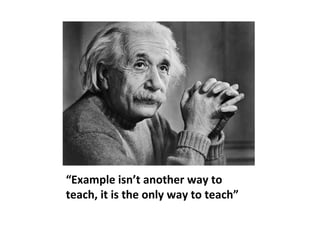
“ Example isn’t another way to teach, it is the only way to teach”
Objectives •  To understand the importance of self and peer assessments; To learn new strategies for peer and self-assessment; To understand the significance of plenary sessions
Continuum of Feedback 1. Pupil self-assessment against success criteria 2. Peer assessment 3. Teacher assesses Pupil orally 4. Teacher marks against success criteria and sets a target: ‘Next time…’ 5. Discussion of marking
Key Questions for You How are you discerning what the students have  learned  from the lesson?  How are  they  discerning what they have  learned  and established how to  improve ?
Key Questions for Students What did you  learn  this lesson that you did not know before? Which part of the lesson did you most  enjoy ? Which part of the lesson could you use a bit  more help  with? Which of your achievements are you most  proud  of this lesson?
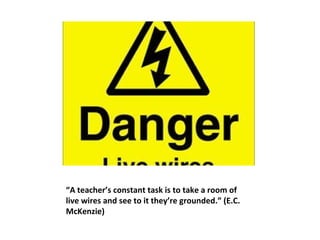
“ A teacher’s constant task is to take a room of live wires and see to it they’re grounded.” (E.C. McKenzie)
Every Lesson Share  W.A.L.T.  (learning specific, not activity specific).  Refer to it throughout the lesson Share  success criteria  (ideally, kids have copy) Exemplar work to assess or improve Make a point of giving time to  reflect  on your marking comments, esp. ‘Next time…’ Have pupils refer to their  target  for improvement
Self and Peer Assessment Can’t expect the girls to make a fine distinction between a ‘level 3c’ and a ‘level 3b’, but we can expect them to evaluate their  learning ‘ Make it neater next time ’ or ‘ Make it sound more good’
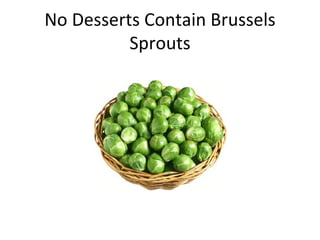
No Desserts Contain Brussels Sprouts
Two Stars and a Wish  (Peer Assessment)  Two things they wish to compliment their peer on (the stars)… … and one thing they think could be improved (the wish) Make sure they know the lesson objective and what they are looking for (the success criteria)
Secret Admirer Assign each member of class to someone else in  secret. The admirer’s task is (without admitting  to it) to pay their admire a sincere compliment  about their contribution to the project/group  task in secret – by writing anonymously on a  scrap of paper and redistributing
Guess Who? Assign an admirer as you did with ‘Secret Admirer’, but rather than secretly submit their positive observation, the pupils announce their statement, starting with the phrase ‘The person I was admiring did/made/said/showed…’ and the class is left to guess who the admire was.
Role Reversal   Teacher takes on the role of a student who is not quite getting it right! Students to grade your performance against the success criteria Link with ‘traffic light’ – red if you’re getting it wrong; green if right, etc.
Challenge Mum Girls have to spend 5-10 minutes ‘teaching’ a  parent about the concept covered in class.  The student and the parent then complete the  homework, and evaluate each other against the  success criteria.
Success Sorting You require a series of cards or statements  which the girls need to exhibit in order to  succeed on the assignment, as well as some  cards detailing skills and features that would be  distracting or erroneous. Girls then sort which  card belongs in each class.
Plenary Pals Choose a small group/pairs to run the plenary session Stop before rest of class to give them time to prepare Their job is to link back to the main objective – the W.A.L.T. of the session
Colour-Coded Compliments *  Students highlight features of work that meet the success criteria *  Can extend by asking girls to use another colour to highlight very good examples *  And a third colour for areas that could be stronger
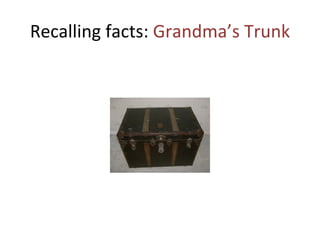
Recalling facts:  Grandma’s Trunk
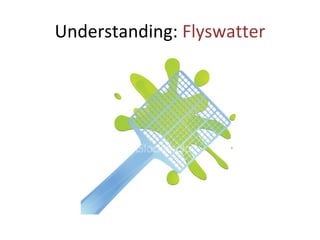
Understanding:  Flyswatter
http://www.youtube.com/watch?v=0WhuikFY1Pg
Pass the parcel Layer of the parcel alternate between a question/task & one containing a small prize, e.g. box of raisins
Don’t Skimp or Skip the Plenary! Last five minutes of Dr. Who… Often weakest Often least active Outstanding lessons:  an active plenary
Trash it Tick marking Bog-standard teacher-led Q&A sessions A selection of students reading out their work (like other people’s holiday photos) ...traffic lights (controversial!)
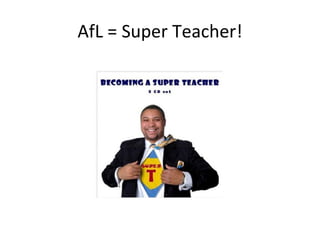
AfL = Super Teacher!

Self-assessment for Self-Improvement

  • 1.
    Self-Assessment for Self-ImprovementAssessment for Learning
  • 2.
    “ Example isn’tanother way to teach, it is the only way to teach”
  • 3.
    Objectives • To understand the importance of self and peer assessments; To learn new strategies for peer and self-assessment; To understand the significance of plenary sessions
  • 4.
    Continuum of Feedback1. Pupil self-assessment against success criteria 2. Peer assessment 3. Teacher assesses Pupil orally 4. Teacher marks against success criteria and sets a target: ‘Next time…’ 5. Discussion of marking
  • 5.
    Key Questions forYou How are you discerning what the students have learned from the lesson? How are they discerning what they have learned and established how to improve ?
  • 6.
    Key Questions forStudents What did you learn this lesson that you did not know before? Which part of the lesson did you most enjoy ? Which part of the lesson could you use a bit more help with? Which of your achievements are you most proud of this lesson?
  • 7.
    “ A teacher’sconstant task is to take a room of live wires and see to it they’re grounded.” (E.C. McKenzie)
  • 8.
    Every Lesson Share W.A.L.T. (learning specific, not activity specific). Refer to it throughout the lesson Share success criteria (ideally, kids have copy) Exemplar work to assess or improve Make a point of giving time to reflect on your marking comments, esp. ‘Next time…’ Have pupils refer to their target for improvement
  • 9.
    Self and PeerAssessment Can’t expect the girls to make a fine distinction between a ‘level 3c’ and a ‘level 3b’, but we can expect them to evaluate their learning ‘ Make it neater next time ’ or ‘ Make it sound more good’
  • 10.
    No Desserts ContainBrussels Sprouts
  • 11.
    Two Stars anda Wish (Peer Assessment)  Two things they wish to compliment their peer on (the stars)… … and one thing they think could be improved (the wish) Make sure they know the lesson objective and what they are looking for (the success criteria)
  • 12.
    Secret Admirer Assigneach member of class to someone else in secret. The admirer’s task is (without admitting to it) to pay their admire a sincere compliment about their contribution to the project/group task in secret – by writing anonymously on a scrap of paper and redistributing
  • 13.
    Guess Who? Assignan admirer as you did with ‘Secret Admirer’, but rather than secretly submit their positive observation, the pupils announce their statement, starting with the phrase ‘The person I was admiring did/made/said/showed…’ and the class is left to guess who the admire was.
  • 14.
    Role Reversal  Teacher takes on the role of a student who is not quite getting it right! Students to grade your performance against the success criteria Link with ‘traffic light’ – red if you’re getting it wrong; green if right, etc.
  • 15.
    Challenge Mum Girlshave to spend 5-10 minutes ‘teaching’ a parent about the concept covered in class. The student and the parent then complete the homework, and evaluate each other against the success criteria.
  • 16.
    Success Sorting Yourequire a series of cards or statements which the girls need to exhibit in order to succeed on the assignment, as well as some cards detailing skills and features that would be distracting or erroneous. Girls then sort which card belongs in each class.
  • 17.
    Plenary Pals Choosea small group/pairs to run the plenary session Stop before rest of class to give them time to prepare Their job is to link back to the main objective – the W.A.L.T. of the session
  • 18.
    Colour-Coded Compliments * Students highlight features of work that meet the success criteria * Can extend by asking girls to use another colour to highlight very good examples * And a third colour for areas that could be stronger
  • 19.
    Recalling facts: Grandma’s Trunk
  • 20.
  • 21.
  • 22.
    Pass the parcelLayer of the parcel alternate between a question/task & one containing a small prize, e.g. box of raisins
  • 23.
    Don’t Skimp orSkip the Plenary! Last five minutes of Dr. Who… Often weakest Often least active Outstanding lessons: an active plenary
  • 24.
    Trash it Tickmarking Bog-standard teacher-led Q&A sessions A selection of students reading out their work (like other people’s holiday photos) ...traffic lights (controversial!)
  • 25.
    AfL = SuperTeacher!