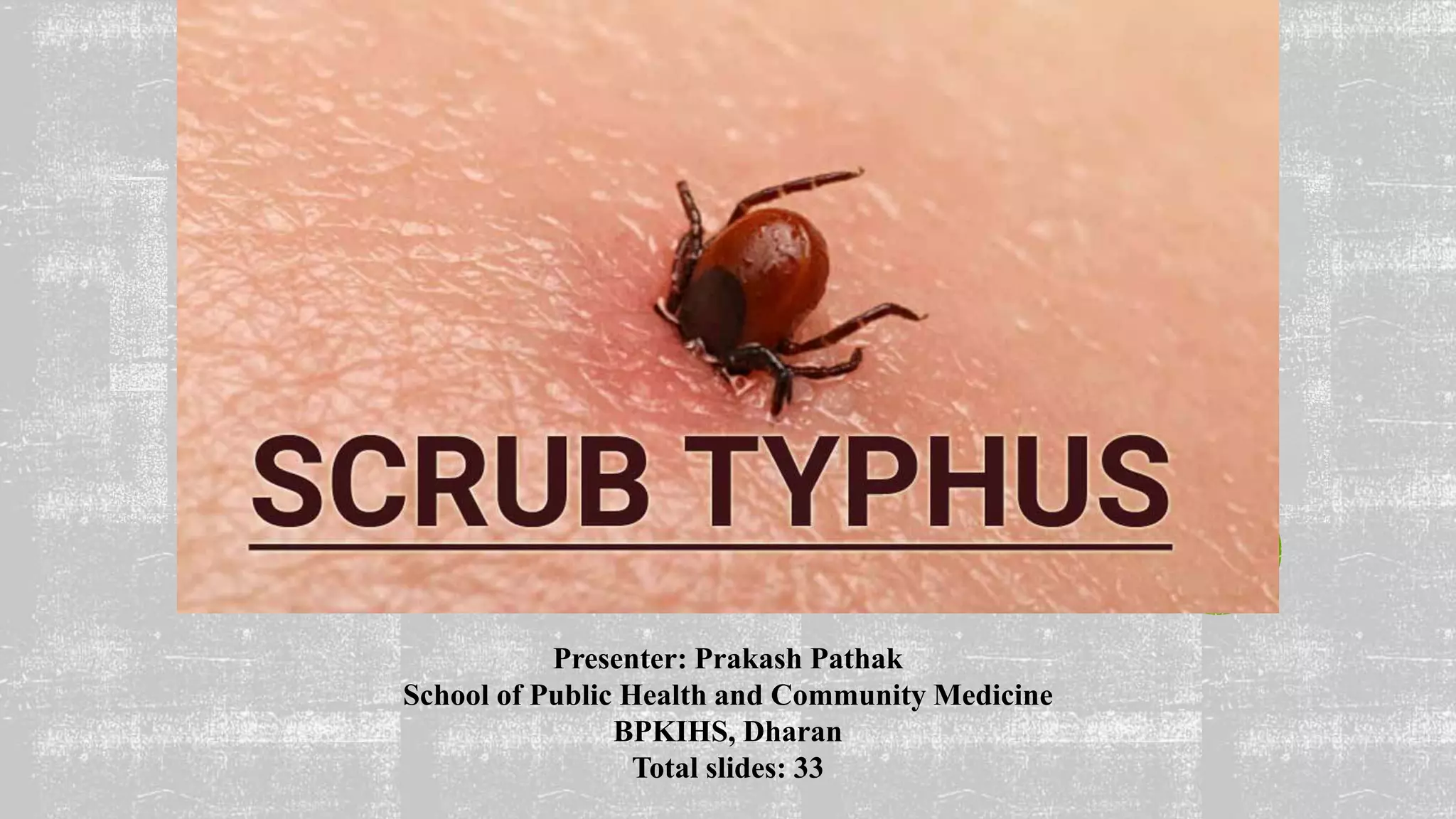
Presenter: Prakash Pathak
School of Public Health and Community Medicine
BPKIHS, Dharan
Total slides: 33
INTRODUCTION(1)
 Scrub typhus, caused by the Rickettsia bacterium, Orientia tsutsugamushi, is an
acute infectious disease of variable severity that is transmitted to humans by an
arthropod vector of the Trombiculidae family.
 Affects people of all ages including children.
 Mortality rates for scrub typhus range from < 1% to 50% depending on proper
antibiotic treatment, status of the individual infected, and the strain of Orientia sps.
4/6/2022 2
Source: https://pubmed.ncbi.nlm.nih.gov/28979009/
INTRODUCTION(2)
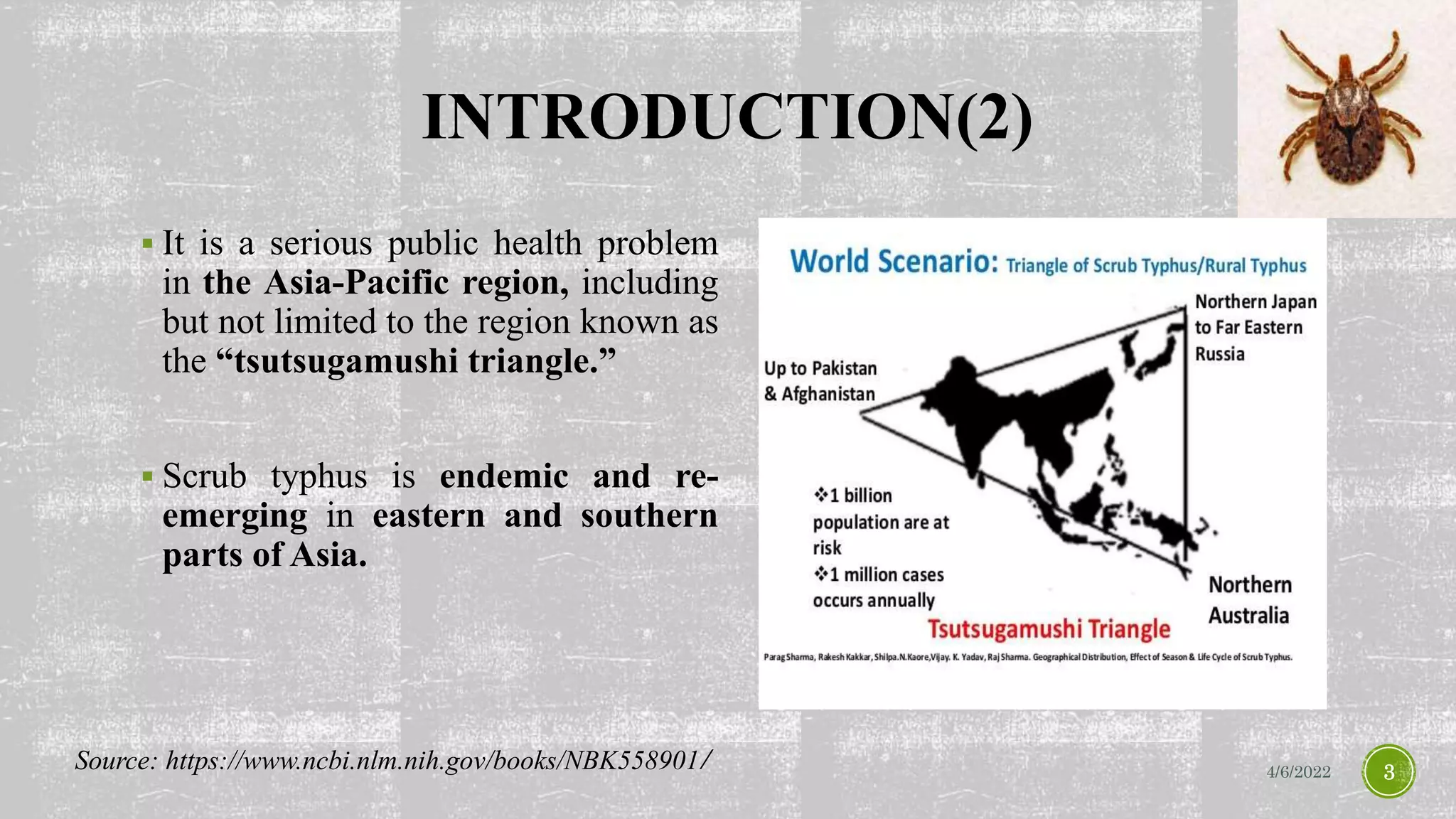
 It is a serious public health problem
in the Asia-Pacific region, including
but not limited to the region known as
the “tsutsugamushi triangle.”
 Scrub typhus is endemic and re-
emerging in eastern and southern
parts of Asia.
4/6/2022 3
Source: https://www.ncbi.nlm.nih.gov/books/NBK558901/
HISTORY(1)
 Historically, in 313 AD, a clinical manual by Hong Ge called “Zhouhofang” had mentioned
the clinical description of disease and there was accurate morphological description of
mites.
 Later, in 1596 AD, well-known Chinese physician Shi-Zen Li described the characteristics
of the disease.
 Scrub typhus, first described in Japan in 1899, caused by Orientia tsutsugamushi
(formerly Rickettsia).
 The term “scrub” is used because of the type of vegetation that harbors the vector.
4/6/2022 4
Source: Descriptive Epidemiology of Scrub Typhus in Nepal, NHRC, 2017
HISTORY(2)
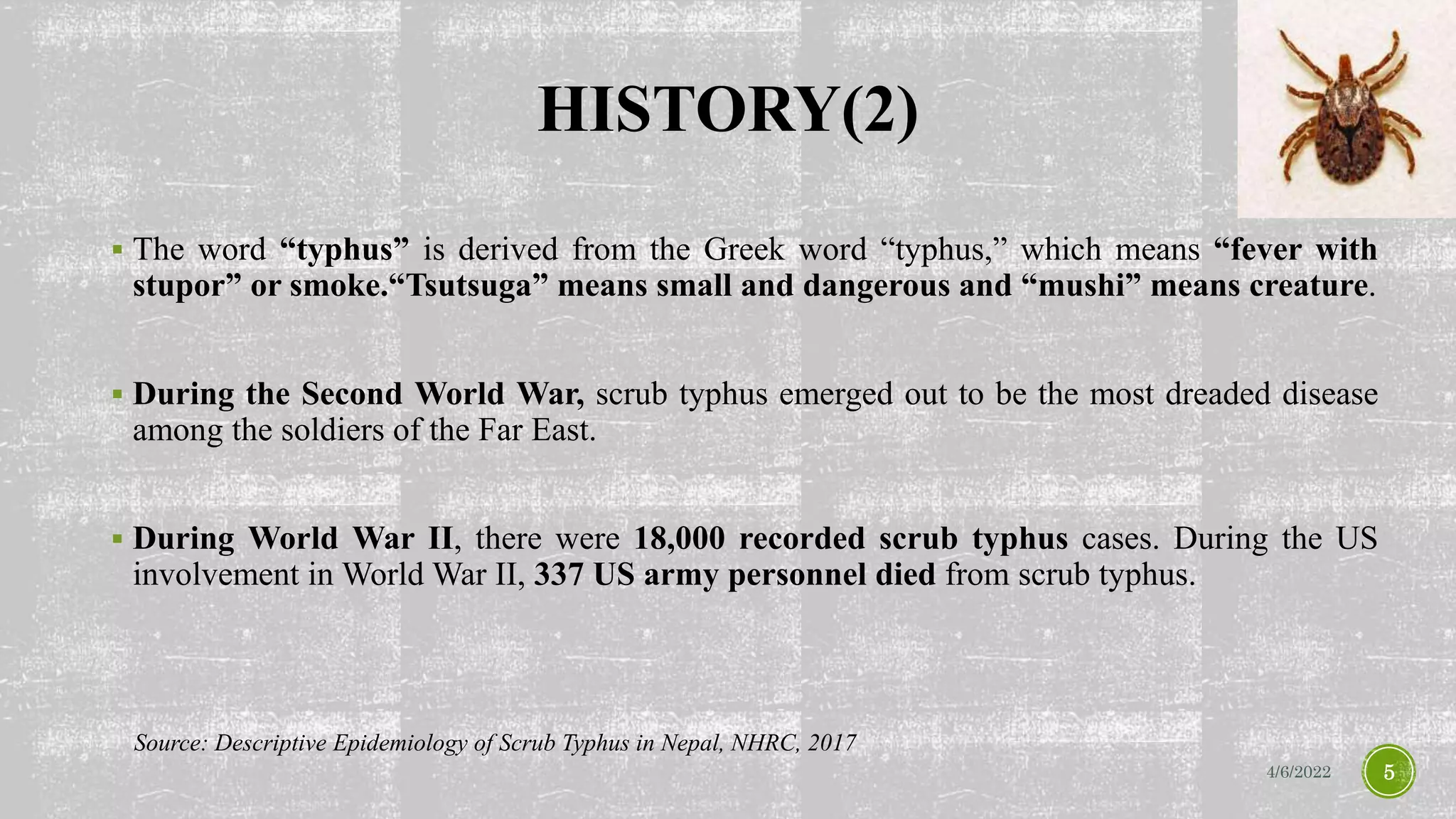
 The word “typhus” is derived from the Greek word “typhus,” which means “fever with
stupor” or smoke.“Tsutsuga” means small and dangerous and “mushi” means creature.
 During the Second World War, scrub typhus emerged out to be the most dreaded disease
among the soldiers of the Far East.
 During World War II, there were 18,000 recorded scrub typhus cases. During the US
involvement in World War II, 337 US army personnel died from scrub typhus.
4/6/2022 5
Source: Descriptive Epidemiology of Scrub Typhus in Nepal, NHRC, 2017
EPIDEMIOLOGY AND
DISTRIBUTION(1)
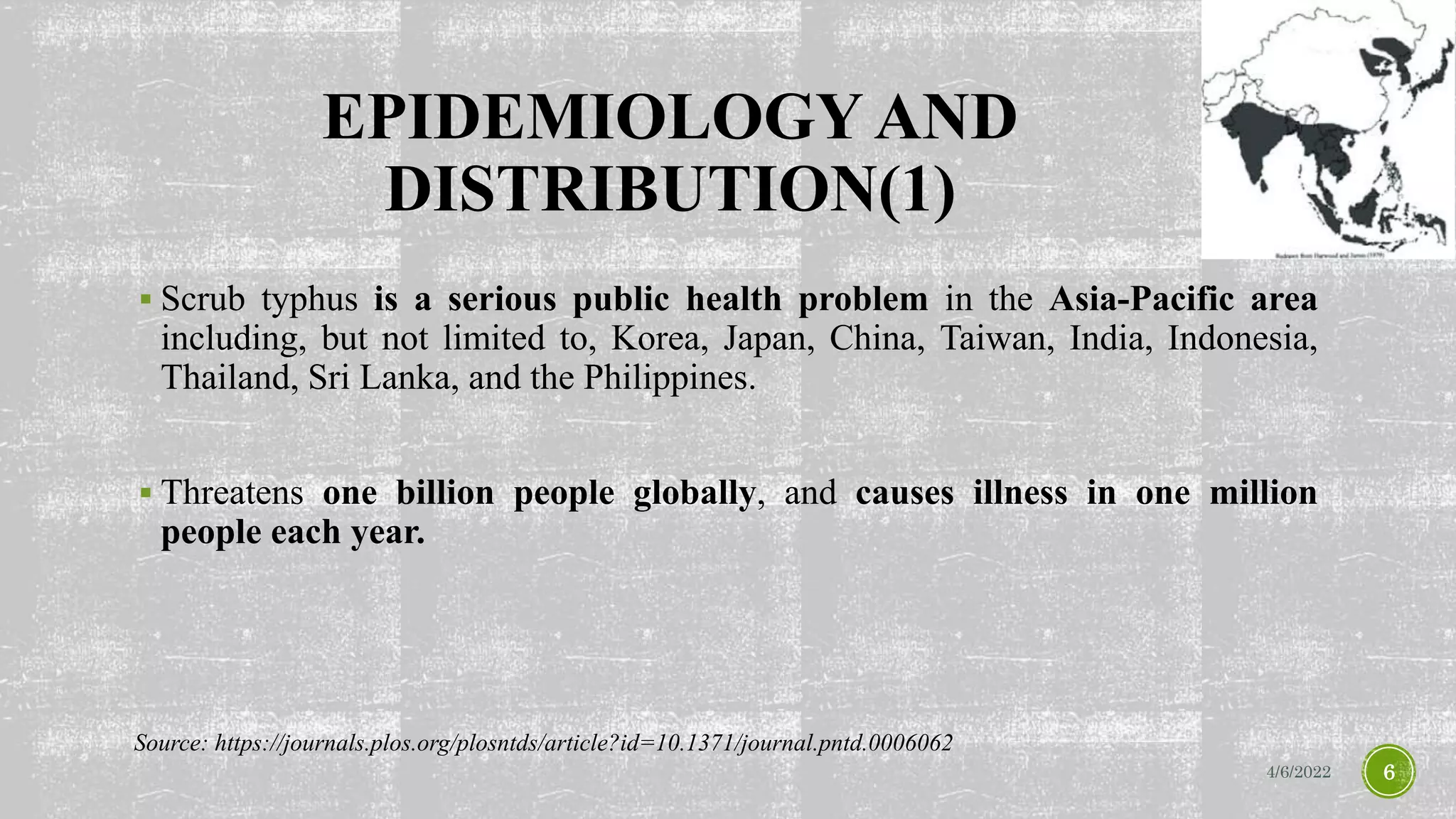
 Scrub typhus is a serious public health problem in the Asia-Pacific area
including, but not limited to, Korea, Japan, China, Taiwan, India, Indonesia,
Thailand, Sri Lanka, and the Philippines.
 Threatens one billion people globally, and causes illness in one million
people each year.
4/6/2022 6
Source: https://journals.plos.org/plosntds/article?id=10.1371/journal.pntd.0006062
EPIDEMIOLOGY AND
DISTRIBUTION(2)
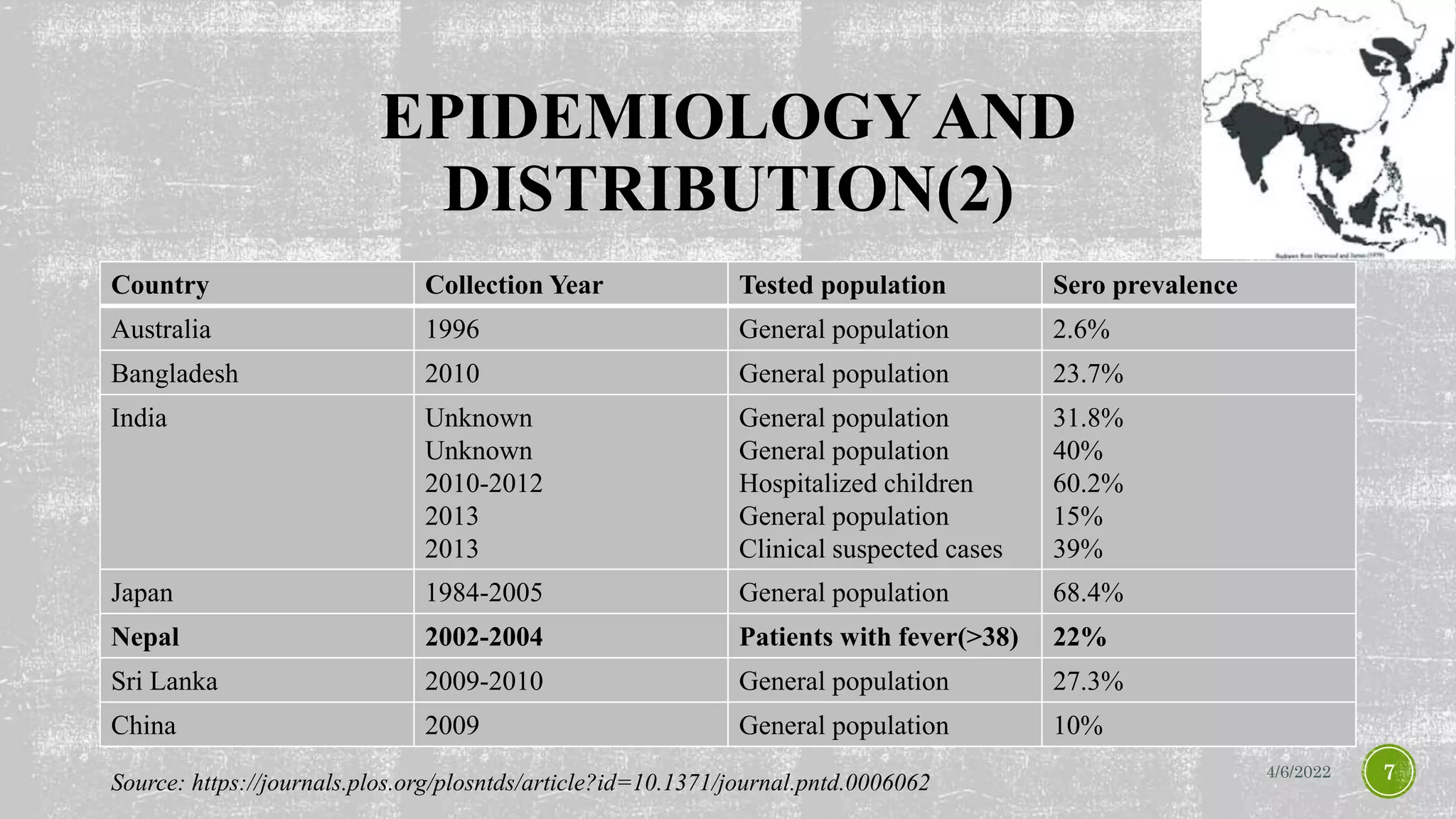
Country Collection Year Tested population Sero prevalence
Australia 1996 General population 2.6%
Bangladesh 2010 General population 23.7%
India Unknown
Unknown
2010-2012
2013
2013
General population
General population
Hospitalized children
General population
Clinical suspected cases
31.8%
40%
60.2%
15%
39%
Japan 1984-2005 General population 68.4%
Nepal 2002-2004 Patients with fever(>38) 22%
Sri Lanka 2009-2010 General population 27.3%
China 2009 General population 10%
4/6/2022 7
Source: https://journals.plos.org/plosntds/article?id=10.1371/journal.pntd.0006062
EPIDEMIOLOGY AND
DISTRIBUTION(3)
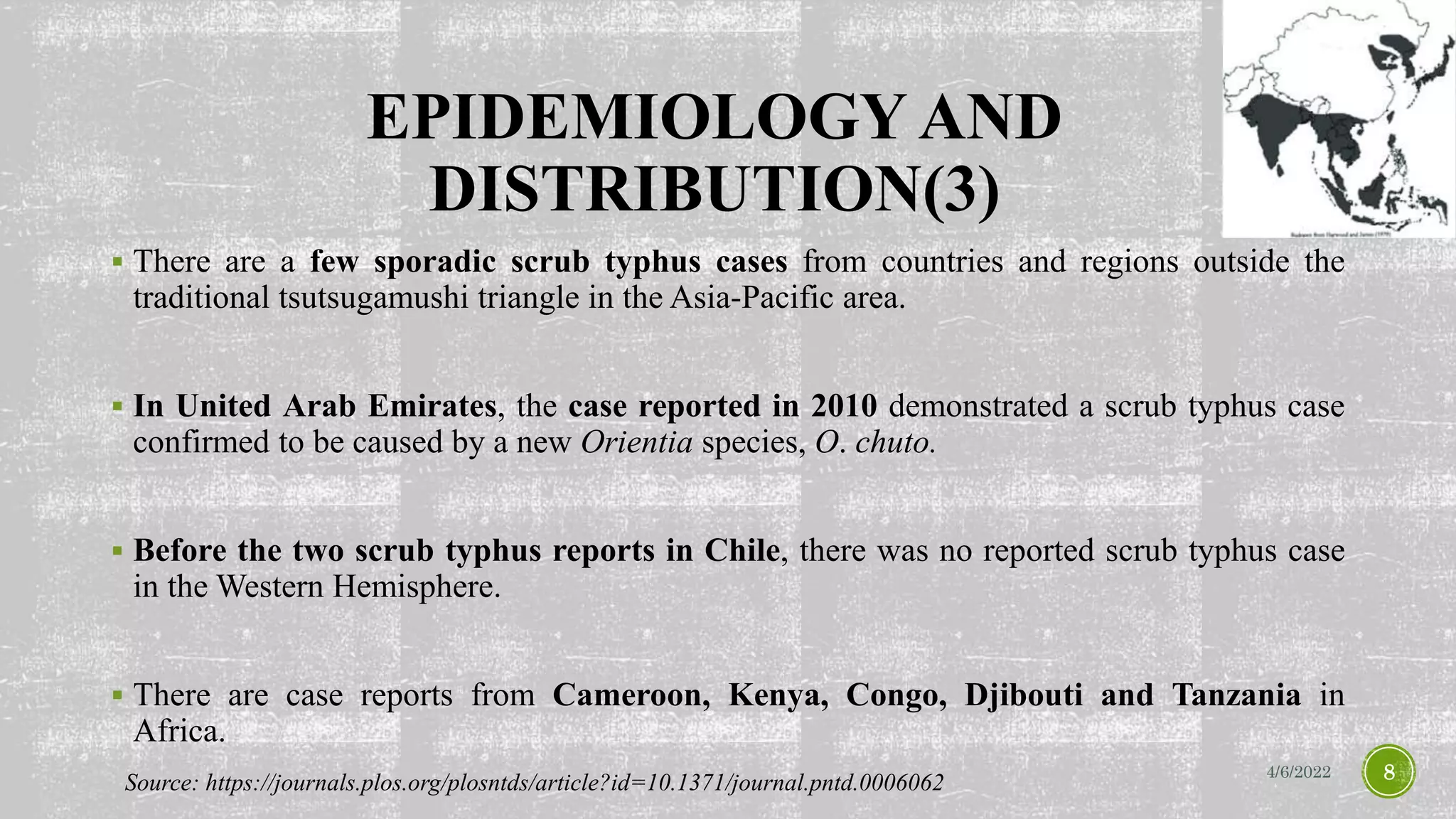
 There are a few sporadic scrub typhus cases from countries and regions outside the
traditional tsutsugamushi triangle in the Asia-Pacific area.
 In United Arab Emirates, the case reported in 2010 demonstrated a scrub typhus case
confirmed to be caused by a new Orientia species, O. chuto.
 Before the two scrub typhus reports in Chile, there was no reported scrub typhus case
in the Western Hemisphere.
 There are case reports from Cameroon, Kenya, Congo, Djibouti and Tanzania in
Africa.
4/6/2022 8
Source: https://journals.plos.org/plosntds/article?id=10.1371/journal.pntd.0006062
NEPAL’S SCENARIO(1)
 As early as 1981, a study had revealed the high possibility of scrub typhus in Nepal by
showing high antibody titers among healthy adults (10%).
 Unfortunately, further disease possibility in the country was not followed up for next 25
years until 2004.
 There was no clear evidence of apparent outbreak (and fatality) of scrub typhus in Nepal
before 2014.
 As a consequence, there was no scrub typhus case reported to Epidemiology and Disease
Control Division (EDCD) until 2014.
4/6/2022 9
Source: Descriptive Epidemiology of Scrub Typhus in Nepal, NHRC, 2017
NEPAL’S SCENARIO(2)
 After 3 months of the devastating earthquake in Nepal (August 2015), BP Koirala
Institute of Health Sciences (BPKIHS), Dharan had alerted EDCD that children
with fever and severe respiratory features had not been responded with usual course of
treatment.
 The scrub typhus fatal episodes of outbreak magnitude have officially been
confirmed in Nepal in 2015.
 A total of 101 confirmed scrub typhus cases were reported from 16 districts in
2015, where 8 cases died.
4/6/2022 10
Source: Descriptive Epidemiology of Scrub Typhus in Nepal, NHRC, 2017
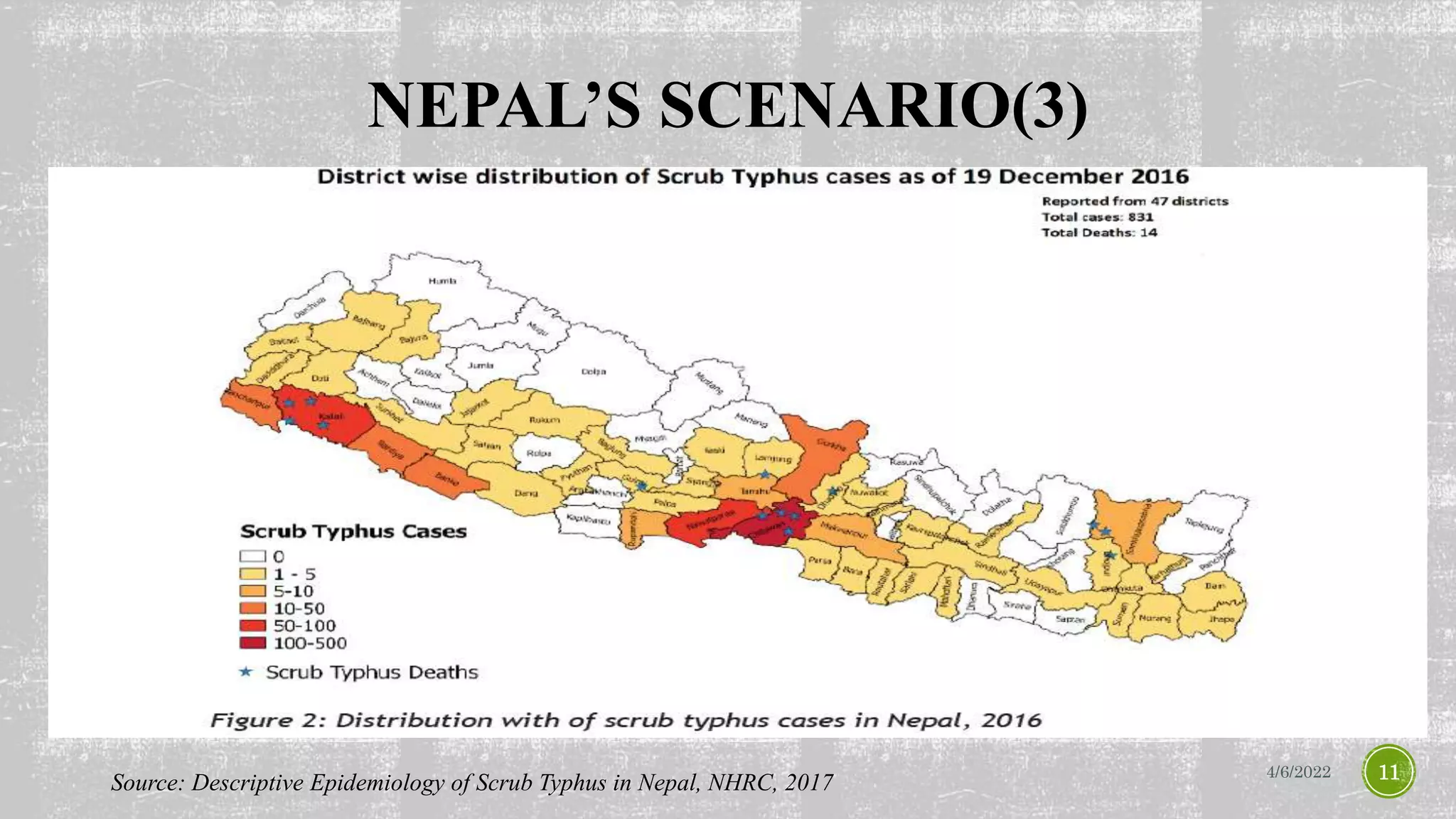
NEPAL’S SCENARIO(3)
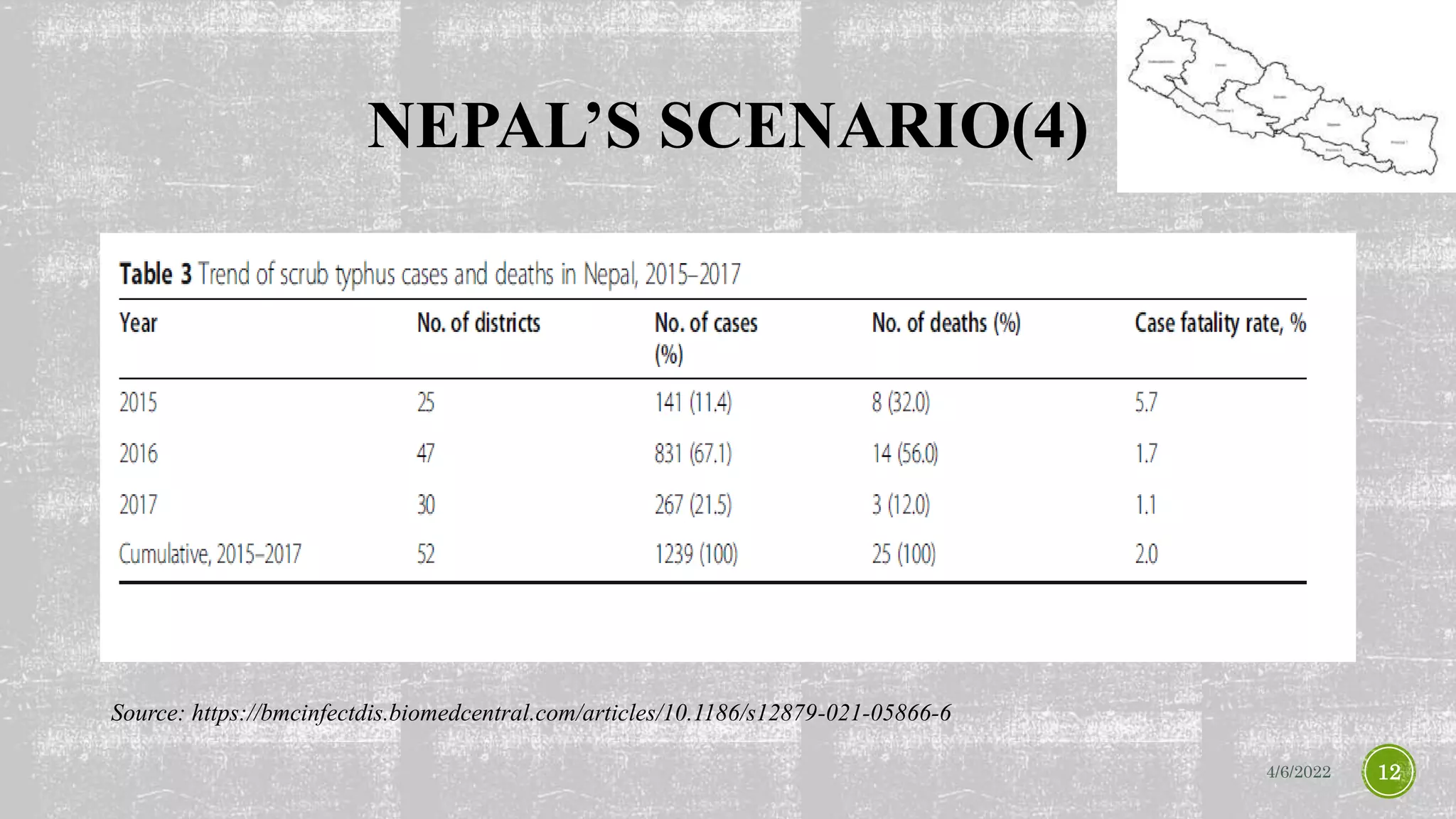
 From 2015 to 2017, 1239 scrub typhus cases were confirmed with the largest
outbreak occurring in 2016 with 831 (67.1%) cases. The case fatality rate was
5.7% in 2015 which declined to 1.1% in 2017.
 A nationwide outbreak of scrub typhus was declared as the cases were detected
in 52 out of the 75 districts of Nepal.
4/6/2022 11
Source: Descriptive Epidemiology of Scrub Typhus in Nepal, NHRC, 2017
NEPAL’S SCENARIO(4)
4/6/2022 12
Source: https://bmcinfectdis.biomedcentral.com/articles/10.1186/s12879-021-05866-6
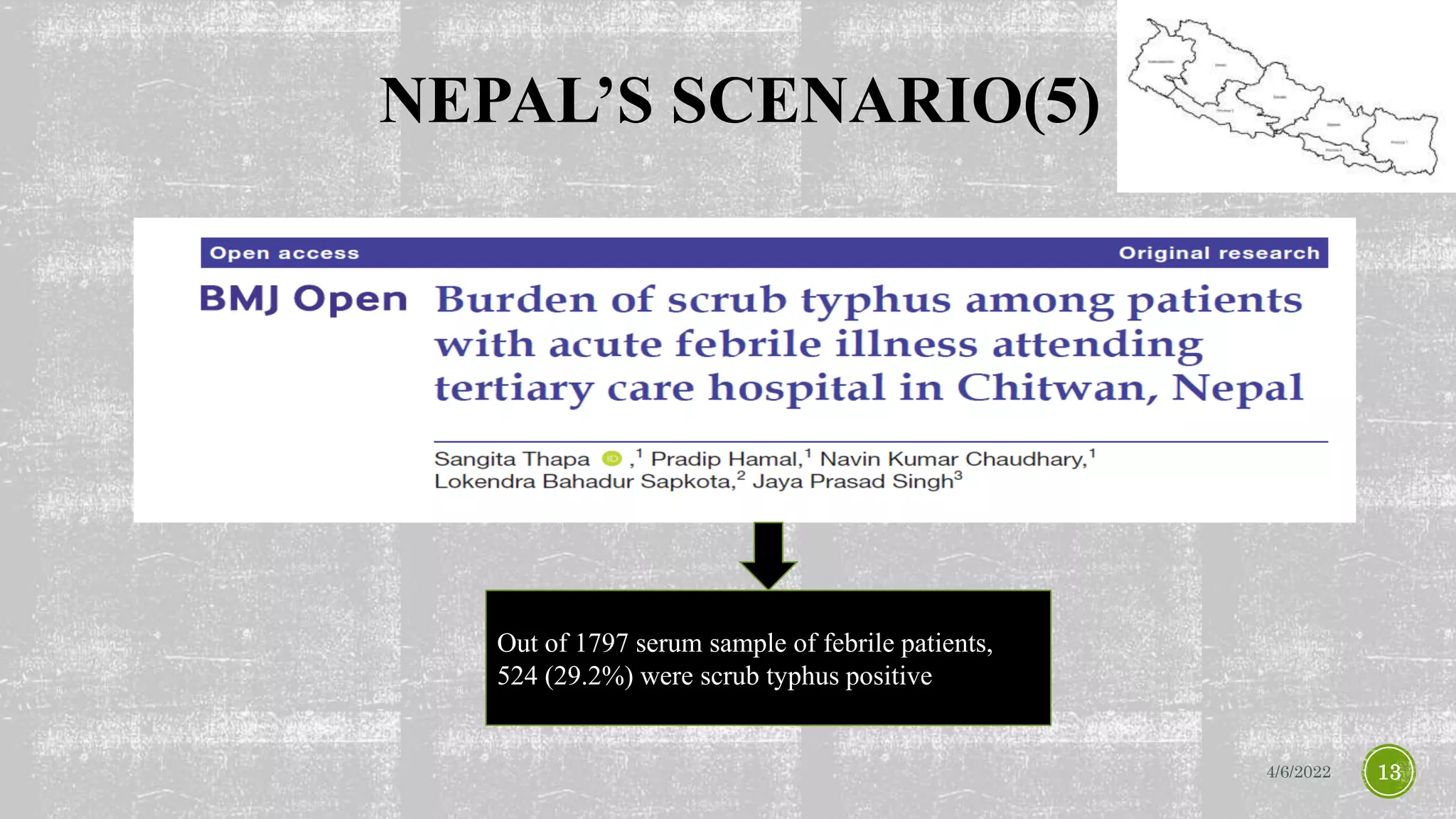
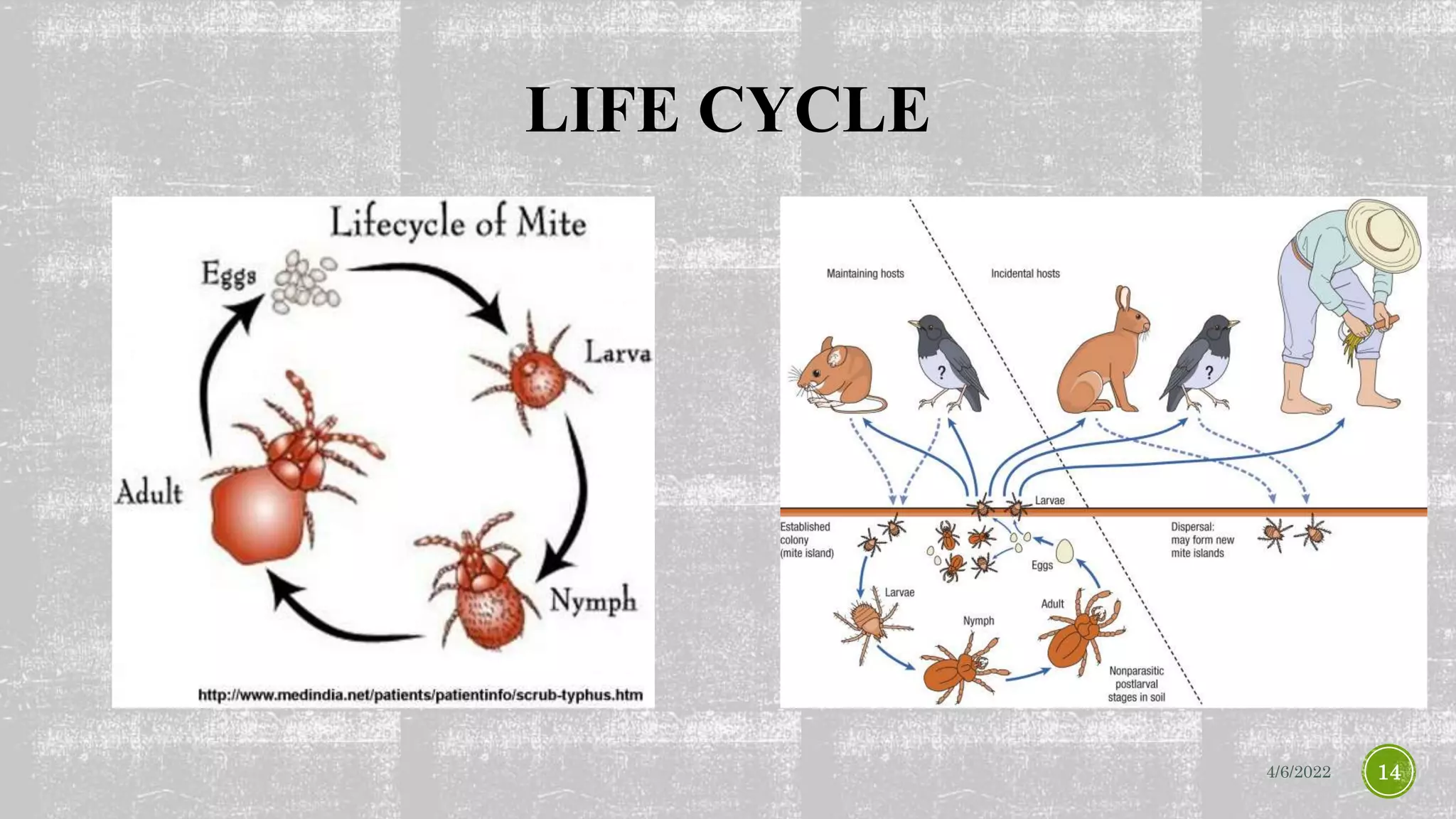
NEPAL’S SCENARIO(5)
4/6/2022 13
Out of 1797 serum sample of febrile patients,
524 (29.2%) were scrub typhus positive
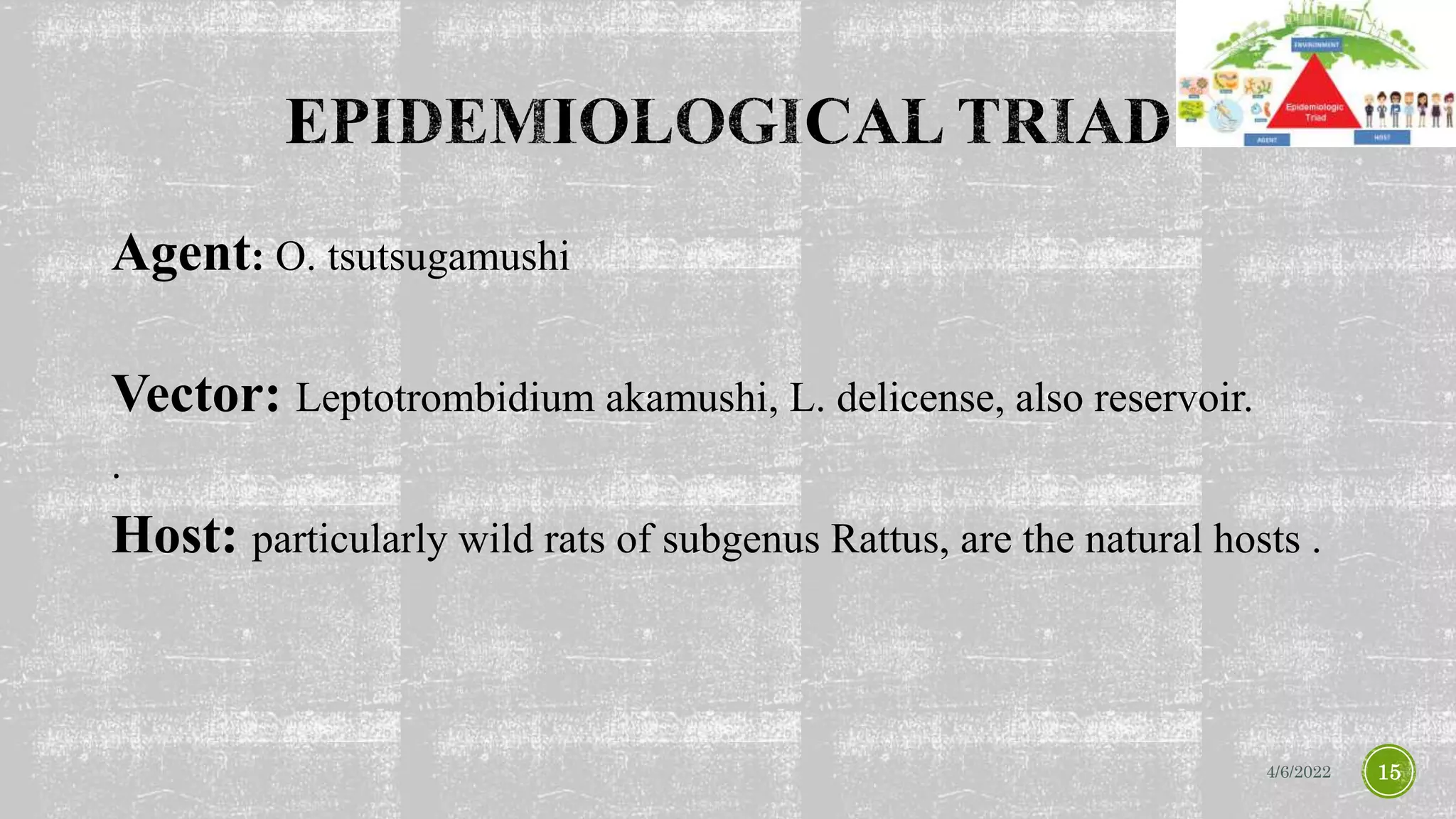
LIFE CYCLE
4/6/2022 14
Agent: O. tsutsugamushi
Vector: Leptotrombidium akamushi, L. delicense, also reservoir.
.
Host: particularly wild rats of subgenus Rattus, are the natural hosts .
4/6/2022 15
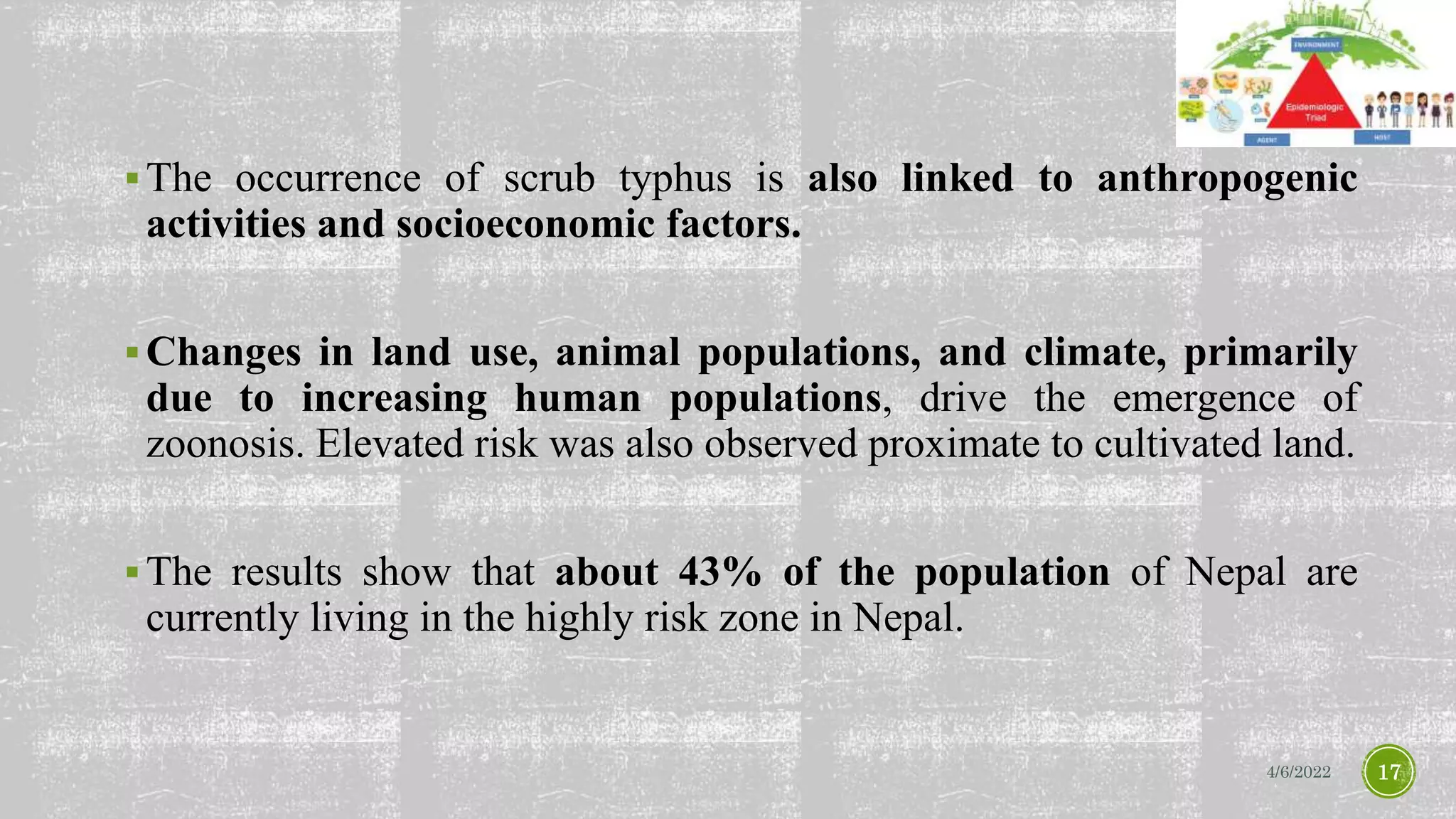
Environment
 Suitable environmental conditions can provide ideal habitats for vectors to
breed, become bacterium, survive long enough to become infectious, and
finally transmit the disease to a susceptible human host.
 Rainfall provides the moisture necessary for the survival and growth of host
rodents and shows a positive association with rodent density.
 In addition, during the wetter months of the year more chiggers are attached
to a rodent which may cause scrub typhus burdens in rainy seasons.
4/6/2022 16
The occurrence of scrub typhus is also linked to anthropogenic
activities and socioeconomic factors.
Changes in land use, animal populations, and climate, primarily
due to increasing human populations, drive the emergence of
zoonosis. Elevated risk was also observed proximate to cultivated land.
The results show that about 43% of the population of Nepal are
currently living in the highly risk zone in Nepal.
4/6/2022 17
SEASON OF DISTRIBUTION
Transmission of scrub typhus disease occurs throughout the year in
the tropical areas, whereas in the temperate zones, transmission is
seasonal.
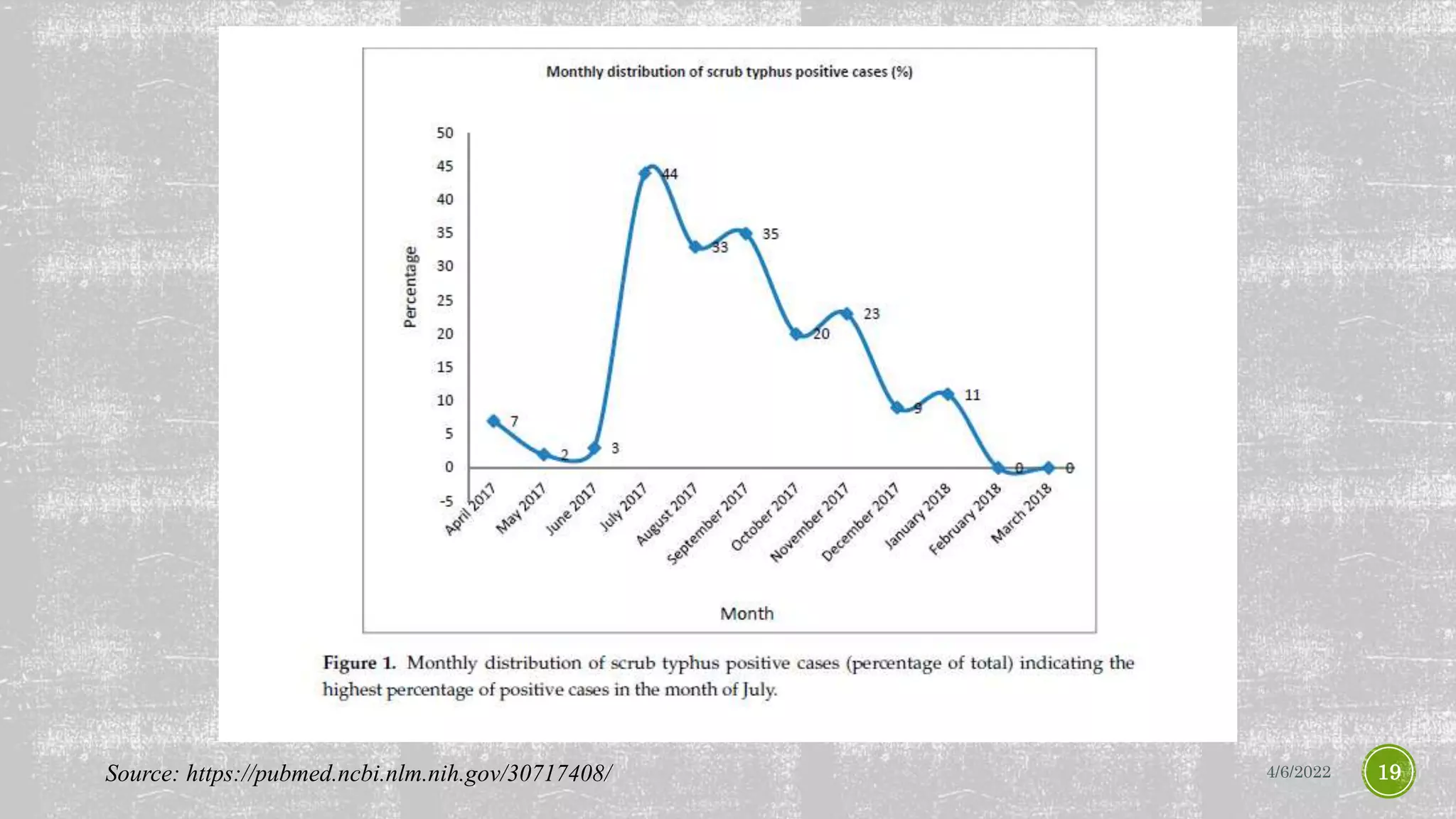
Occurrence of L. deliense is influenced by rainfall, with more
chiggers attached to the rodents in the wetter months of the year,
which may be the reason for clustering of cases during the rainy
season.
4/6/2022 18
4/6/2022 19
Source: https://pubmed.ncbi.nlm.nih.gov/30717408/
MODE OF TRANSMISSION
 Humans are the accidental host.
 Infection takes place when humans accidentally pick up an infective larval
(chigger) mite while walking, sitting, or lying on the infested ground.
 No human to human transmission and does not transmit through the bite
of infected rodent.
 Incubation Period: 5-20 days
4/6/2022 20
Clinical features:
 Fever is high grade (>1040F) and usually lasts 14 days.
 Maculopapular rash is seen over trunk, which is transient, and is seen around day 7 of
fever
 Severe headache
 Profuse sweating
 Conjunctival injection
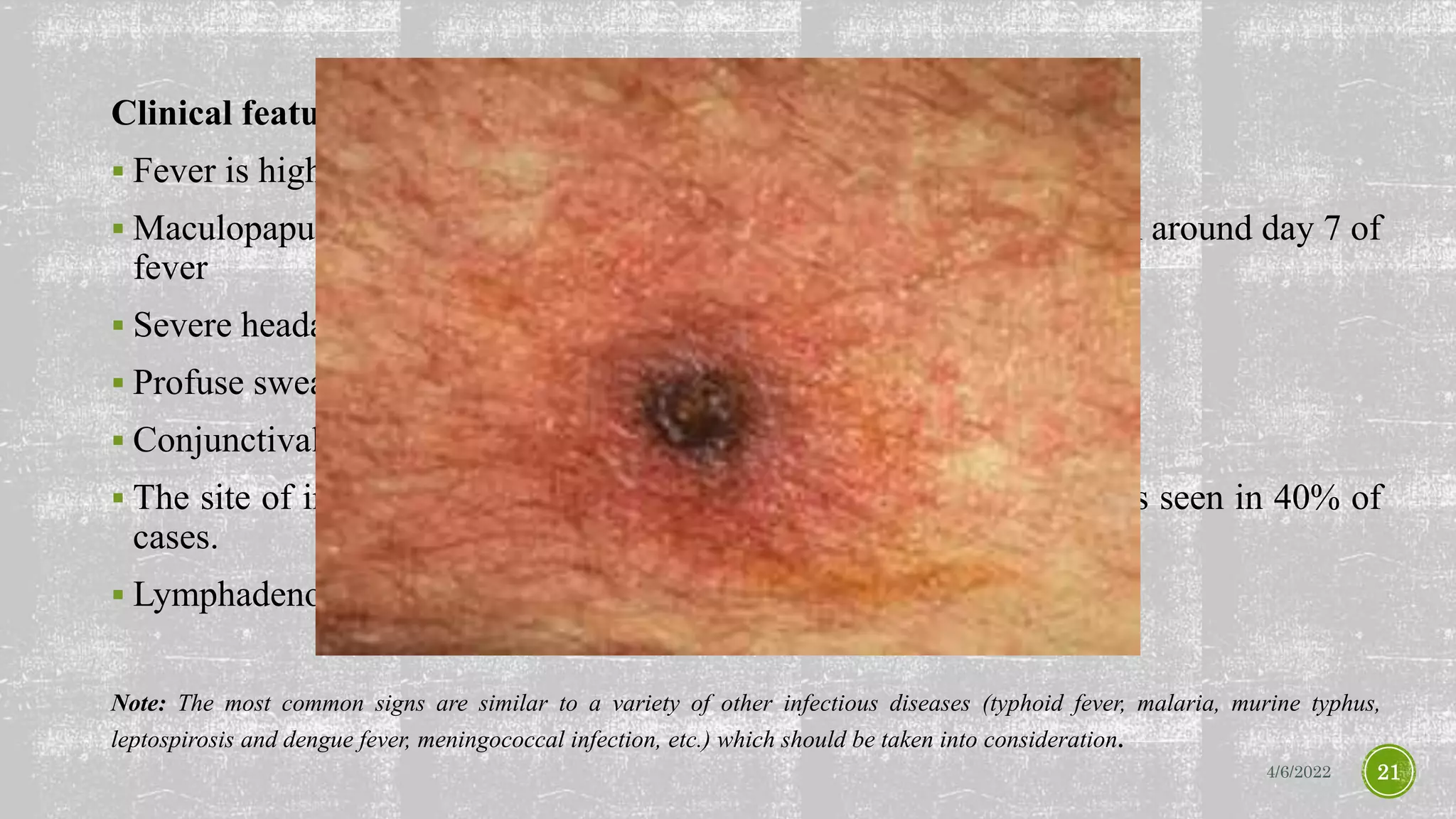
 The site of insect bite is usually painless and a black eschar (scab) is seen in 40% of
cases.
 Lymphadenopathy
Note: The most common signs are similar to a variety of other infectious diseases (typhoid fever, malaria, murine typhus,
leptospirosis and dengue fever, meningococcal infection, etc.) which should be taken into consideration.
4/6/2022 21
CASE DEFINITION
 Suspected/clinical case: Acute undifferentiated febrile illness (UFI) of 5 days or more
with or without eschar should be suspected as a case of Rickettsial infection. (If eschar is
present, fever of less than 5 days duration should be considered as scrub typhus.)
 Probable case: A suspected clinical case with an IgM titer > 1:32 and/or a four-fold
increase of titers between two sera confirm a recent infection.
 Confirmed case: The one in which:
 Rickettsial DNA is detected in eschar samples or whole blood by PCR OR,
 Rising antibody titers on acute and convalescent sera detected by Indirect Immune
Fluorescence Assay (IFA) or Indirect Immunoperoxidase Assay (IPA)
4/6/2022 22
DIAGNOSIS
 Weil-Felix test: oldest but not so reliable test
 Indirect Immunofluorescent Antibody (IFA): gold standard
 Indirect Immunoperoxidase (IIP)
 Enzyme-linked Immunoabsorbent Assays (ELISA): preferred method
 Immunochromatographic Tests (ICT) : rapid diagnostic test
 Polymerase Chain Reaction (PCR)
 Bacterial Culture
4/6/2022 23
MANAGEMENT
 Pediatric treatment:
Azithromycin for less than 8 years: 10mg/kg orally single dose
For more than 8 years: Doxycycline 2.2mg/kg orally twice daily for 3 days after
resolution of fever (usually 5-10 day course)
 Adult treatment: Azithromycin 500 mg orally single dose; OR Doxycycline 100
mg orally twice daily for 5 to 10 days.
 Pregnant women: Azithromycin 500 mg orally single dose
 Alternatives:
 Ciprofloxacin 10 mg/kg twice daily for 5-10 days
 Chloramphenicol 25 mg/kg/dose 6 hourly for 5-10 days
 Supportive treatment for management of complications.
4/6/2022 24
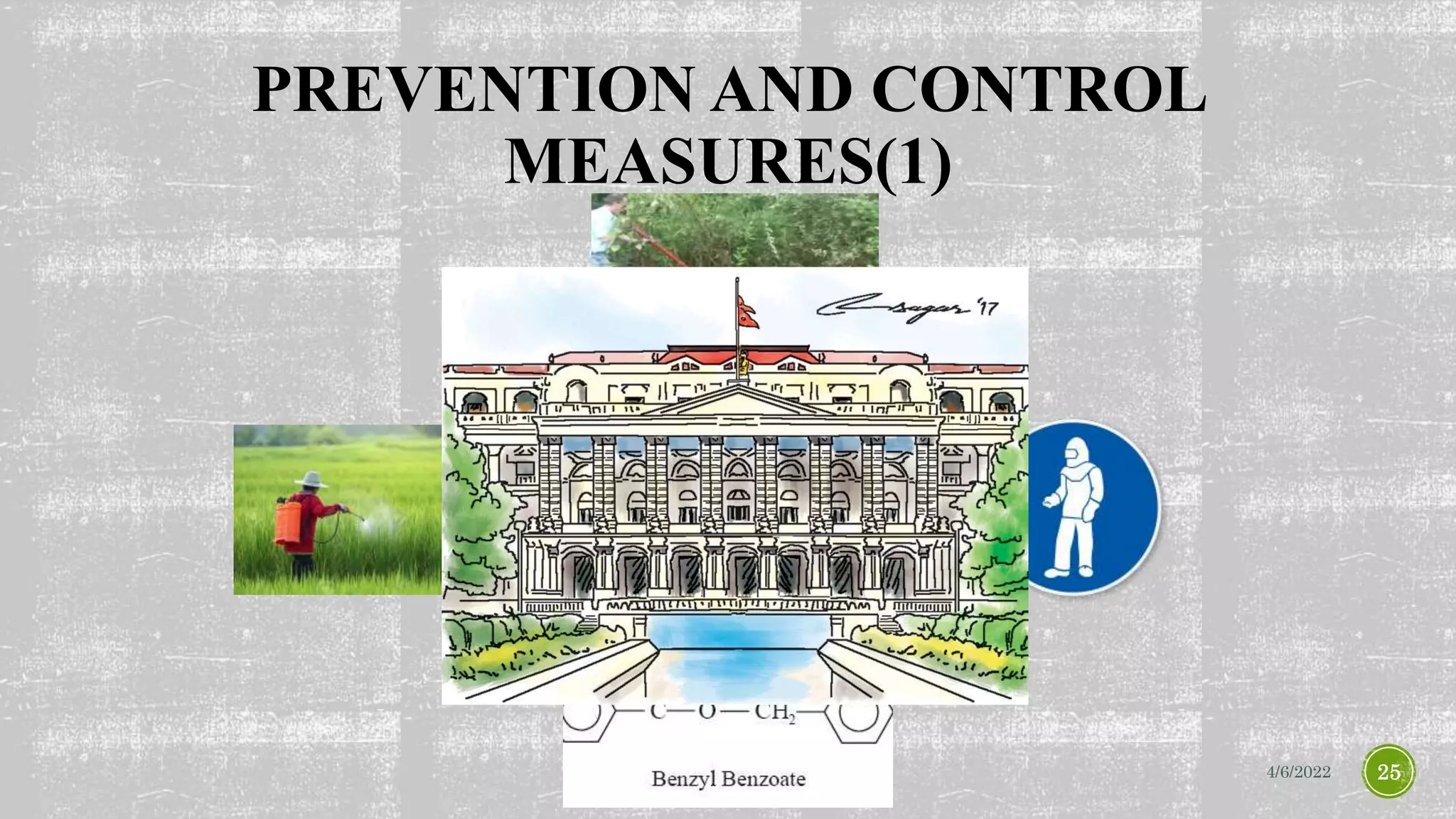
PREVENTION AND CONTROL
MEASURES(1)
4/6/2022 25
Prevention
and Control
Measures
PREVENTION AND CONTROL
MEASURES(2)
Prophylaxis and Vaccines:
 Single oral dose of chloramphenicol or tetracycline given every five days for a
total of 35 days, with 5-day non-treatment intervals (for endemic regions).
 No vaccine is available for scrub typhus till now due to the diversity of strains.
4/6/2022 26
SCRUB TYPHUS INITIATIVES IN
NEPAL
 EDCD had developed an Interim Guideline on Prevention and Control of
Scrub Typhus in Nepal.
 Distributed throughout the country through District (Public) Health Offices.
 All health care workers were made aware on early diagnosis and treatment of
scrub typhus.
 Clinicians, public health experts and paramedics throughout the country were
trained on common infectious diseases including scrub typhus.
4/6/2022 27
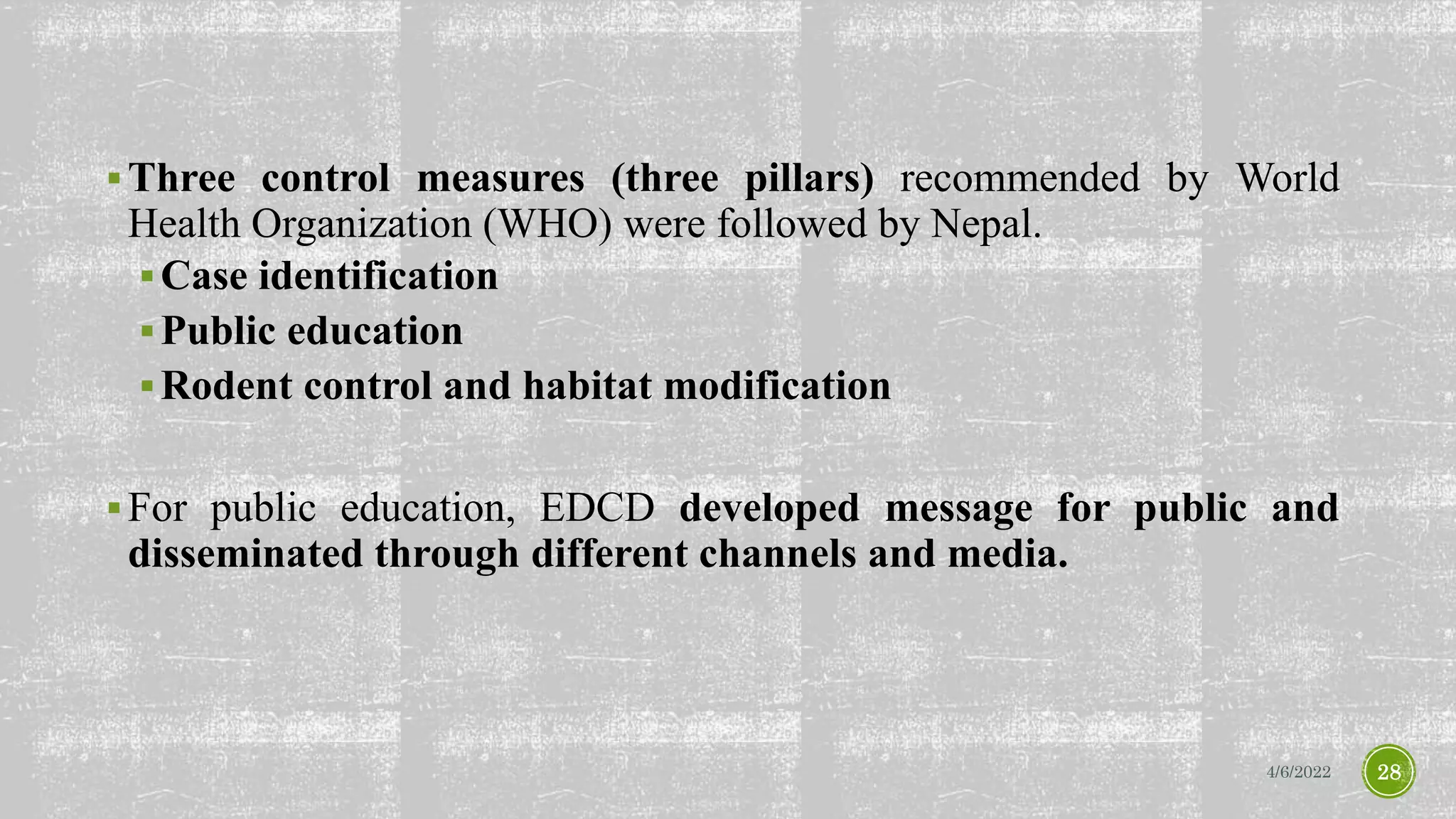
Three control measures (three pillars) recommended by World
Health Organization (WHO) were followed by Nepal.
Case identification
Public education
Rodent control and habitat modification
For public education, EDCD developed message for public and
disseminated through different channels and media.
4/6/2022 28
SO WHAT IS BEING DONE AT THE
PRESENT?
 Epidemiology and Outbreak Management Section prepared Interim Guideline on
Prevention and Control of Scrub Typhus in 2016.
 The monitoring of outbreak potential diseases (malaria, kala-azar, dengue, scrub
typhus, acute gastroenteritis, cholera, severe acute respiratory infections, influenza,
etc.) at sentinel sites.
 Vector Borne Disease Research and Training Center is responsible for research
and trainings that relate with VBDs such as Malaria, Kala-azar, Dengue,
Chikungunaya, Zika, West-Nile diseases, Lymphatic filariasis, Scrub typhus and
Japanese encephalitis.
4/6/2022 29
Source: Annual Report, 2076/77, DOHS, MoHP, Nepal
Orientation and capacity building to health workers on scrub typhus,
malaria, kalazar including other vector borne diseases.
Online coaching from medical and technical managers for various
diseases including malaria, kala-azar, dengue, scrub typhus,
chikungunya in various hospitals and health institutions
 On-site coaching for EWARS sentinel sites.
4/6/2022 30
Source: Annual Report, 2076/77, DOHS, MoHP, Nepal
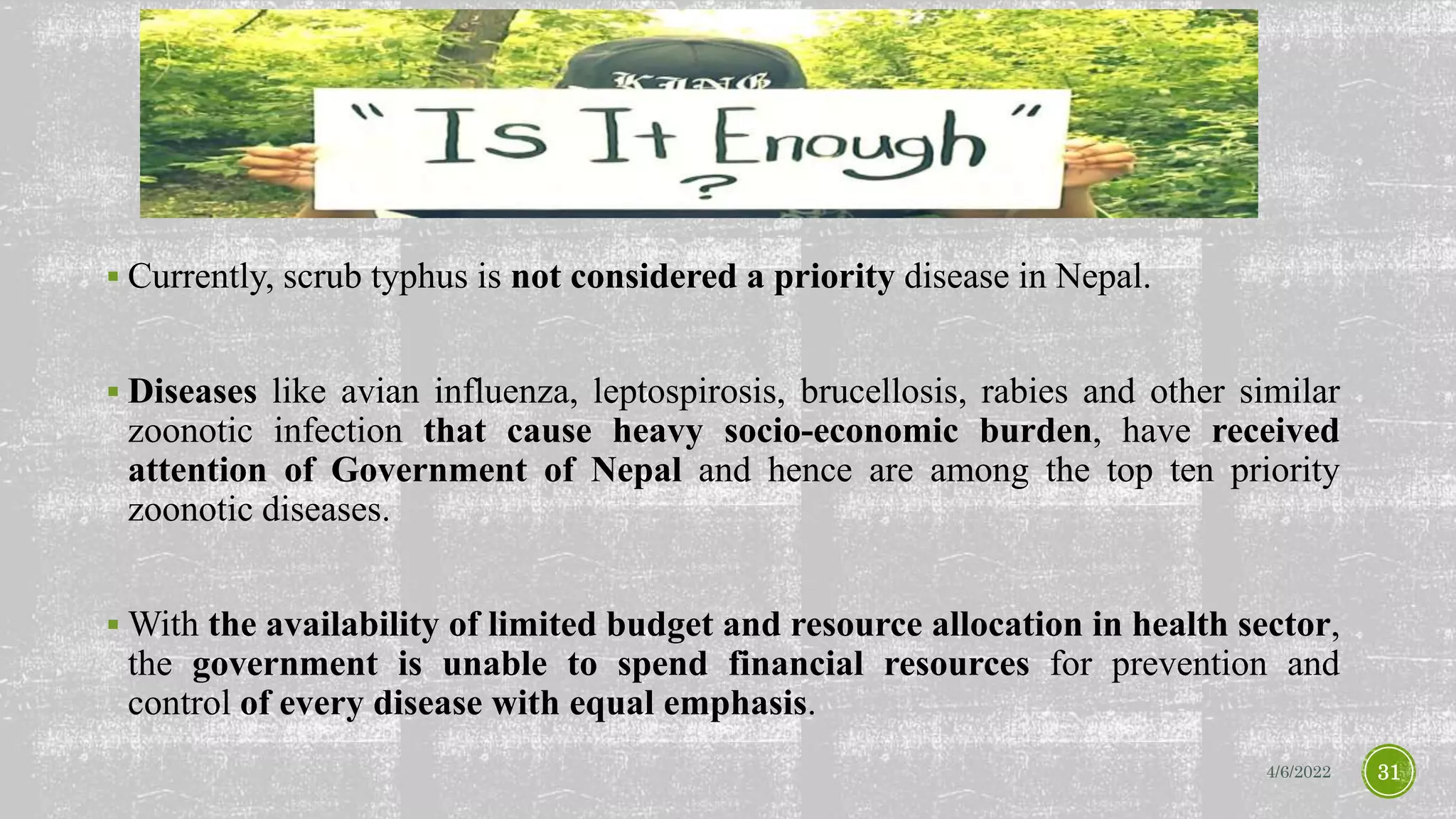
 Currently, scrub typhus is not considered a priority disease in Nepal.
 Diseases like avian influenza, leptospirosis, brucellosis, rabies and other similar
zoonotic infection that cause heavy socio-economic burden, have received
attention of Government of Nepal and hence are among the top ten priority
zoonotic diseases.
 With the availability of limited budget and resource allocation in health sector,
the government is unable to spend financial resources for prevention and
control of every disease with equal emphasis.
4/6/2022 31
WHAT CAN BE DONE?
 Medical and para-medical staff training and education, availability of cost
effective diagnostic methods and an effective program to improve awareness
and prompt treatment.
 Proactive management strategies for mice/rat control and improving
sanitation, public health and hygiene conditions for the people at most risks.
 Optimum budget allocation of re-emerging disease.
 Research
4/6/2022 32
SCRUB TYPHUS IS THE SINGLE MOST
PREVALENT, UNDER-RECOGNIZED,
NEGLECTED, AND SEVERE BUT EASILY
TREATABLE DISEASE IN THE WORLD
THANK YOU
4/6/2022 33

Scrub typhus prakash pathak

  • 1.
    Presenter: Prakash Pathak Schoolof Public Health and Community Medicine BPKIHS, Dharan Total slides: 33
  • 2.
    INTRODUCTION(1)  Scrub typhus,caused by the Rickettsia bacterium, Orientia tsutsugamushi, is an acute infectious disease of variable severity that is transmitted to humans by an arthropod vector of the Trombiculidae family.  Affects people of all ages including children.  Mortality rates for scrub typhus range from < 1% to 50% depending on proper antibiotic treatment, status of the individual infected, and the strain of Orientia sps. 4/6/2022 2 Source: https://pubmed.ncbi.nlm.nih.gov/28979009/
  • 3.
    INTRODUCTION(2)  It isa serious public health problem in the Asia-Pacific region, including but not limited to the region known as the “tsutsugamushi triangle.”  Scrub typhus is endemic and re- emerging in eastern and southern parts of Asia. 4/6/2022 3 Source: https://www.ncbi.nlm.nih.gov/books/NBK558901/
  • 4.
    HISTORY(1)  Historically, in313 AD, a clinical manual by Hong Ge called “Zhouhofang” had mentioned the clinical description of disease and there was accurate morphological description of mites.  Later, in 1596 AD, well-known Chinese physician Shi-Zen Li described the characteristics of the disease.  Scrub typhus, first described in Japan in 1899, caused by Orientia tsutsugamushi (formerly Rickettsia).  The term “scrub” is used because of the type of vegetation that harbors the vector. 4/6/2022 4 Source: Descriptive Epidemiology of Scrub Typhus in Nepal, NHRC, 2017
  • 5.
    HISTORY(2)  The word“typhus” is derived from the Greek word “typhus,” which means “fever with stupor” or smoke.“Tsutsuga” means small and dangerous and “mushi” means creature.  During the Second World War, scrub typhus emerged out to be the most dreaded disease among the soldiers of the Far East.  During World War II, there were 18,000 recorded scrub typhus cases. During the US involvement in World War II, 337 US army personnel died from scrub typhus. 4/6/2022 5 Source: Descriptive Epidemiology of Scrub Typhus in Nepal, NHRC, 2017
  • 6.
    EPIDEMIOLOGY AND DISTRIBUTION(1)  Scrubtyphus is a serious public health problem in the Asia-Pacific area including, but not limited to, Korea, Japan, China, Taiwan, India, Indonesia, Thailand, Sri Lanka, and the Philippines.  Threatens one billion people globally, and causes illness in one million people each year. 4/6/2022 6 Source: https://journals.plos.org/plosntds/article?id=10.1371/journal.pntd.0006062
  • 7.
    EPIDEMIOLOGY AND DISTRIBUTION(2) Country CollectionYear Tested population Sero prevalence Australia 1996 General population 2.6% Bangladesh 2010 General population 23.7% India Unknown Unknown 2010-2012 2013 2013 General population General population Hospitalized children General population Clinical suspected cases 31.8% 40% 60.2% 15% 39% Japan 1984-2005 General population 68.4% Nepal 2002-2004 Patients with fever(>38) 22% Sri Lanka 2009-2010 General population 27.3% China 2009 General population 10% 4/6/2022 7 Source: https://journals.plos.org/plosntds/article?id=10.1371/journal.pntd.0006062
  • 8.
    EPIDEMIOLOGY AND DISTRIBUTION(3)  Thereare a few sporadic scrub typhus cases from countries and regions outside the traditional tsutsugamushi triangle in the Asia-Pacific area.  In United Arab Emirates, the case reported in 2010 demonstrated a scrub typhus case confirmed to be caused by a new Orientia species, O. chuto.  Before the two scrub typhus reports in Chile, there was no reported scrub typhus case in the Western Hemisphere.  There are case reports from Cameroon, Kenya, Congo, Djibouti and Tanzania in Africa. 4/6/2022 8 Source: https://journals.plos.org/plosntds/article?id=10.1371/journal.pntd.0006062
  • 9.
    NEPAL’S SCENARIO(1)  Asearly as 1981, a study had revealed the high possibility of scrub typhus in Nepal by showing high antibody titers among healthy adults (10%).  Unfortunately, further disease possibility in the country was not followed up for next 25 years until 2004.  There was no clear evidence of apparent outbreak (and fatality) of scrub typhus in Nepal before 2014.  As a consequence, there was no scrub typhus case reported to Epidemiology and Disease Control Division (EDCD) until 2014. 4/6/2022 9 Source: Descriptive Epidemiology of Scrub Typhus in Nepal, NHRC, 2017
  • 10.
    NEPAL’S SCENARIO(2)  After3 months of the devastating earthquake in Nepal (August 2015), BP Koirala Institute of Health Sciences (BPKIHS), Dharan had alerted EDCD that children with fever and severe respiratory features had not been responded with usual course of treatment.  The scrub typhus fatal episodes of outbreak magnitude have officially been confirmed in Nepal in 2015.  A total of 101 confirmed scrub typhus cases were reported from 16 districts in 2015, where 8 cases died. 4/6/2022 10 Source: Descriptive Epidemiology of Scrub Typhus in Nepal, NHRC, 2017
  • 11.
    NEPAL’S SCENARIO(3)  From2015 to 2017, 1239 scrub typhus cases were confirmed with the largest outbreak occurring in 2016 with 831 (67.1%) cases. The case fatality rate was 5.7% in 2015 which declined to 1.1% in 2017.  A nationwide outbreak of scrub typhus was declared as the cases were detected in 52 out of the 75 districts of Nepal. 4/6/2022 11 Source: Descriptive Epidemiology of Scrub Typhus in Nepal, NHRC, 2017
  • 12.
    NEPAL’S SCENARIO(4) 4/6/2022 12 Source:https://bmcinfectdis.biomedcentral.com/articles/10.1186/s12879-021-05866-6
  • 13.
    NEPAL’S SCENARIO(5) 4/6/2022 13 Outof 1797 serum sample of febrile patients, 524 (29.2%) were scrub typhus positive
  • 14.
  • 15.
    Agent: O. tsutsugamushi Vector:Leptotrombidium akamushi, L. delicense, also reservoir. . Host: particularly wild rats of subgenus Rattus, are the natural hosts . 4/6/2022 15
  • 16.
    Environment  Suitable environmentalconditions can provide ideal habitats for vectors to breed, become bacterium, survive long enough to become infectious, and finally transmit the disease to a susceptible human host.  Rainfall provides the moisture necessary for the survival and growth of host rodents and shows a positive association with rodent density.  In addition, during the wetter months of the year more chiggers are attached to a rodent which may cause scrub typhus burdens in rainy seasons. 4/6/2022 16
  • 17.
    The occurrence ofscrub typhus is also linked to anthropogenic activities and socioeconomic factors. Changes in land use, animal populations, and climate, primarily due to increasing human populations, drive the emergence of zoonosis. Elevated risk was also observed proximate to cultivated land. The results show that about 43% of the population of Nepal are currently living in the highly risk zone in Nepal. 4/6/2022 17
  • 18.
    SEASON OF DISTRIBUTION Transmissionof scrub typhus disease occurs throughout the year in the tropical areas, whereas in the temperate zones, transmission is seasonal. Occurrence of L. deliense is influenced by rainfall, with more chiggers attached to the rodents in the wetter months of the year, which may be the reason for clustering of cases during the rainy season. 4/6/2022 18
  • 19.
  • 20.
    MODE OF TRANSMISSION Humans are the accidental host.  Infection takes place when humans accidentally pick up an infective larval (chigger) mite while walking, sitting, or lying on the infested ground.  No human to human transmission and does not transmit through the bite of infected rodent.  Incubation Period: 5-20 days 4/6/2022 20
  • 21.
    Clinical features:  Feveris high grade (>1040F) and usually lasts 14 days.  Maculopapular rash is seen over trunk, which is transient, and is seen around day 7 of fever  Severe headache  Profuse sweating  Conjunctival injection  The site of insect bite is usually painless and a black eschar (scab) is seen in 40% of cases.  Lymphadenopathy Note: The most common signs are similar to a variety of other infectious diseases (typhoid fever, malaria, murine typhus, leptospirosis and dengue fever, meningococcal infection, etc.) which should be taken into consideration. 4/6/2022 21
  • 22.
    CASE DEFINITION  Suspected/clinicalcase: Acute undifferentiated febrile illness (UFI) of 5 days or more with or without eschar should be suspected as a case of Rickettsial infection. (If eschar is present, fever of less than 5 days duration should be considered as scrub typhus.)  Probable case: A suspected clinical case with an IgM titer > 1:32 and/or a four-fold increase of titers between two sera confirm a recent infection.  Confirmed case: The one in which:  Rickettsial DNA is detected in eschar samples or whole blood by PCR OR,  Rising antibody titers on acute and convalescent sera detected by Indirect Immune Fluorescence Assay (IFA) or Indirect Immunoperoxidase Assay (IPA) 4/6/2022 22
  • 23.
    DIAGNOSIS  Weil-Felix test:oldest but not so reliable test  Indirect Immunofluorescent Antibody (IFA): gold standard  Indirect Immunoperoxidase (IIP)  Enzyme-linked Immunoabsorbent Assays (ELISA): preferred method  Immunochromatographic Tests (ICT) : rapid diagnostic test  Polymerase Chain Reaction (PCR)  Bacterial Culture 4/6/2022 23
  • 24.
    MANAGEMENT  Pediatric treatment: Azithromycinfor less than 8 years: 10mg/kg orally single dose For more than 8 years: Doxycycline 2.2mg/kg orally twice daily for 3 days after resolution of fever (usually 5-10 day course)  Adult treatment: Azithromycin 500 mg orally single dose; OR Doxycycline 100 mg orally twice daily for 5 to 10 days.  Pregnant women: Azithromycin 500 mg orally single dose  Alternatives:  Ciprofloxacin 10 mg/kg twice daily for 5-10 days  Chloramphenicol 25 mg/kg/dose 6 hourly for 5-10 days  Supportive treatment for management of complications. 4/6/2022 24
  • 25.
    PREVENTION AND CONTROL MEASURES(1) 4/6/202225 Prevention and Control Measures
  • 26.
    PREVENTION AND CONTROL MEASURES(2) Prophylaxisand Vaccines:  Single oral dose of chloramphenicol or tetracycline given every five days for a total of 35 days, with 5-day non-treatment intervals (for endemic regions).  No vaccine is available for scrub typhus till now due to the diversity of strains. 4/6/2022 26
  • 27.
    SCRUB TYPHUS INITIATIVESIN NEPAL  EDCD had developed an Interim Guideline on Prevention and Control of Scrub Typhus in Nepal.  Distributed throughout the country through District (Public) Health Offices.  All health care workers were made aware on early diagnosis and treatment of scrub typhus.  Clinicians, public health experts and paramedics throughout the country were trained on common infectious diseases including scrub typhus. 4/6/2022 27
  • 28.
    Three control measures(three pillars) recommended by World Health Organization (WHO) were followed by Nepal. Case identification Public education Rodent control and habitat modification For public education, EDCD developed message for public and disseminated through different channels and media. 4/6/2022 28
  • 29.
    SO WHAT ISBEING DONE AT THE PRESENT?  Epidemiology and Outbreak Management Section prepared Interim Guideline on Prevention and Control of Scrub Typhus in 2016.  The monitoring of outbreak potential diseases (malaria, kala-azar, dengue, scrub typhus, acute gastroenteritis, cholera, severe acute respiratory infections, influenza, etc.) at sentinel sites.  Vector Borne Disease Research and Training Center is responsible for research and trainings that relate with VBDs such as Malaria, Kala-azar, Dengue, Chikungunaya, Zika, West-Nile diseases, Lymphatic filariasis, Scrub typhus and Japanese encephalitis. 4/6/2022 29 Source: Annual Report, 2076/77, DOHS, MoHP, Nepal
  • 30.
    Orientation and capacitybuilding to health workers on scrub typhus, malaria, kalazar including other vector borne diseases. Online coaching from medical and technical managers for various diseases including malaria, kala-azar, dengue, scrub typhus, chikungunya in various hospitals and health institutions  On-site coaching for EWARS sentinel sites. 4/6/2022 30 Source: Annual Report, 2076/77, DOHS, MoHP, Nepal
  • 31.
     Currently, scrubtyphus is not considered a priority disease in Nepal.  Diseases like avian influenza, leptospirosis, brucellosis, rabies and other similar zoonotic infection that cause heavy socio-economic burden, have received attention of Government of Nepal and hence are among the top ten priority zoonotic diseases.  With the availability of limited budget and resource allocation in health sector, the government is unable to spend financial resources for prevention and control of every disease with equal emphasis. 4/6/2022 31
  • 32.
    WHAT CAN BEDONE?  Medical and para-medical staff training and education, availability of cost effective diagnostic methods and an effective program to improve awareness and prompt treatment.  Proactive management strategies for mice/rat control and improving sanitation, public health and hygiene conditions for the people at most risks.  Optimum budget allocation of re-emerging disease.  Research 4/6/2022 32
  • 33.
    SCRUB TYPHUS ISTHE SINGLE MOST PREVALENT, UNDER-RECOGNIZED, NEGLECTED, AND SEVERE BUT EASILY TREATABLE DISEASE IN THE WORLD THANK YOU 4/6/2022 33