

Assessment capable students, Riverina


     James Nottingham @JamesNottinghm
         www.challenginglearning.com
How do we improve achievement for all?

Achievement is more likely to be increased when
students …
 Invoke learning rather than performance strategies
 Accept rather than discount feedback
 Benchmark to difficult rather than to easy goals
 Compare themselves to subject criteria rather than to
  other students
 Possess high rather than low efficacy to learning
 Effect self-regulation and personal control
                                       John Hattie, 2009
Number of words heard by children

A child in a welfare-dependent family hears on average
616 words an hour               500

A child in a working-class home hears on average 1,251
words an hour             700

A child in a professional home hears on average 2,153
words an hour             1100

Number of words spoken by the time children are 3


Hart &Risley, 1995
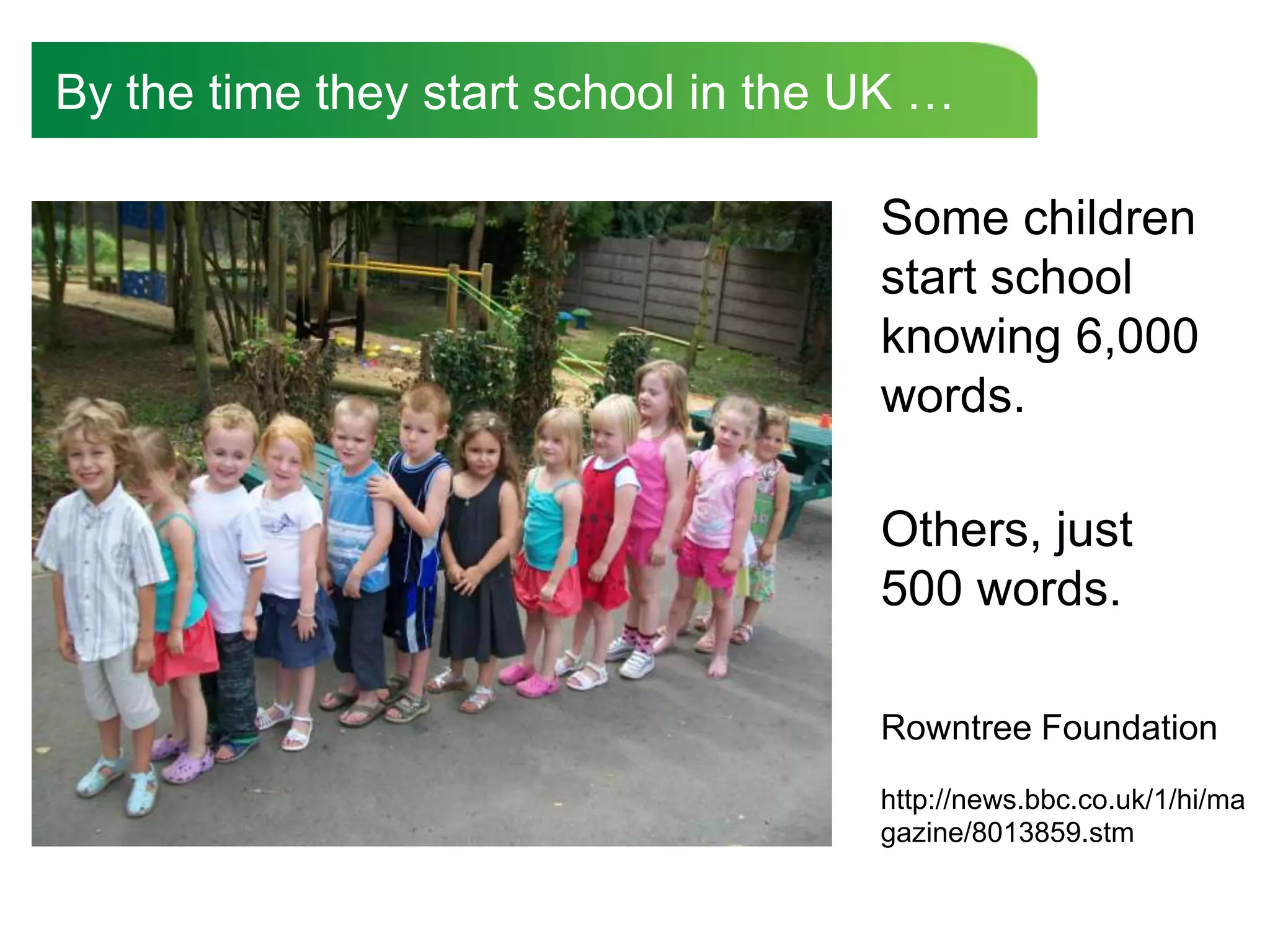
By the time they start school in the UK …

                                     Some children
                                     start school
                                     knowing 6,000
                                     words.

                                     Others, just
                                     500 words.

                                     Rowntree Foundation
                                     http://news.bbc.co.uk/1/hi/ma
                                     gazine/8013859.stm
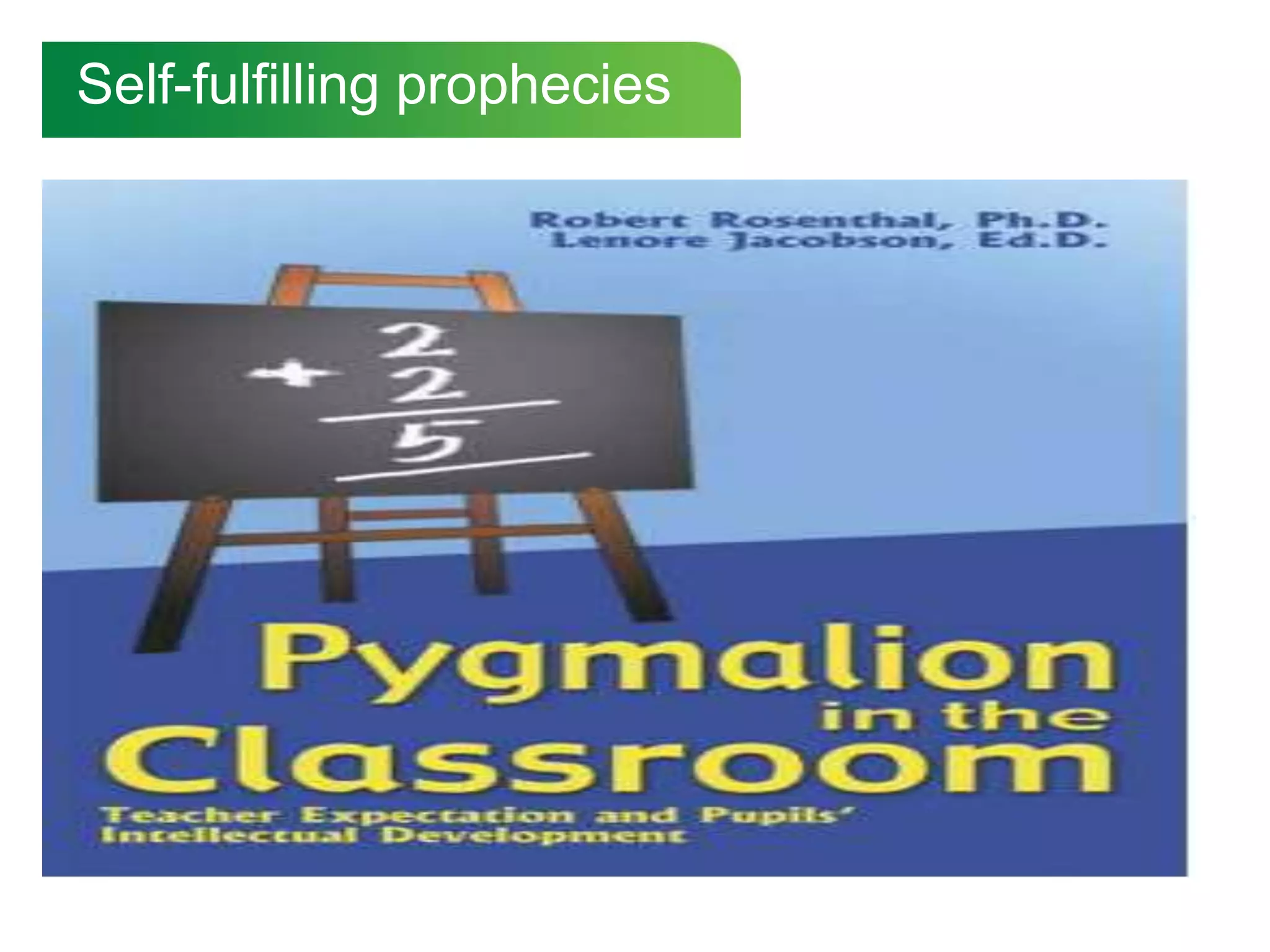
Self-fulfilling prophecies
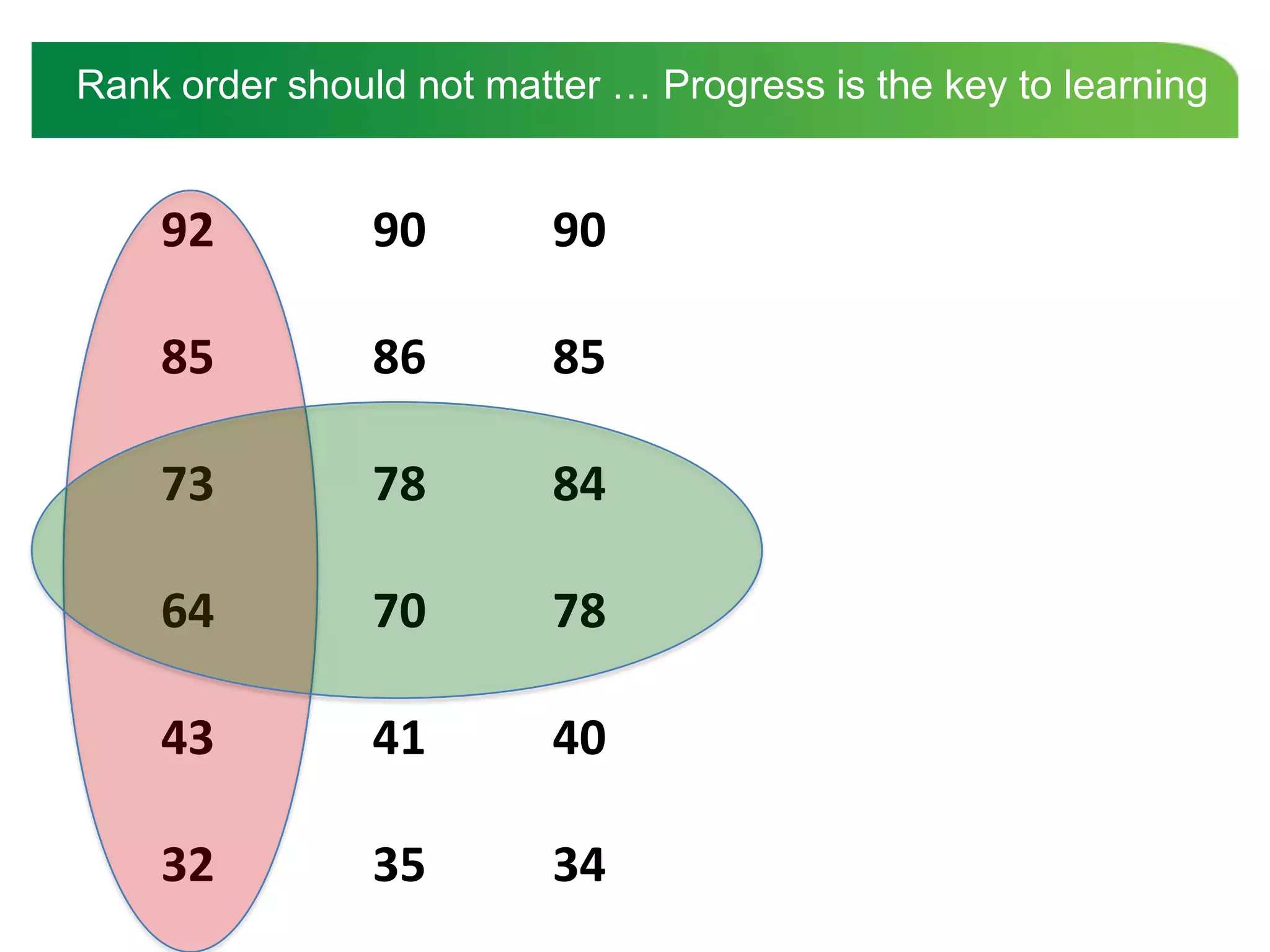
Rank order should not matter … Progress is the key to learning


    92          90        90

    85          86        85

    73          78        84

    64          70        78

    43          41        40

    32          35        34
Learning how to learn

   „What (students) should learn first is not the
subjects ordinarily taught, however important they
 may be; they should be given lessons of will, of
    attention, of discipline; before exercises in
  grammar, they need to be exercised in mental
 orthopaedics; in a word they must learn how to
                        learn.‟
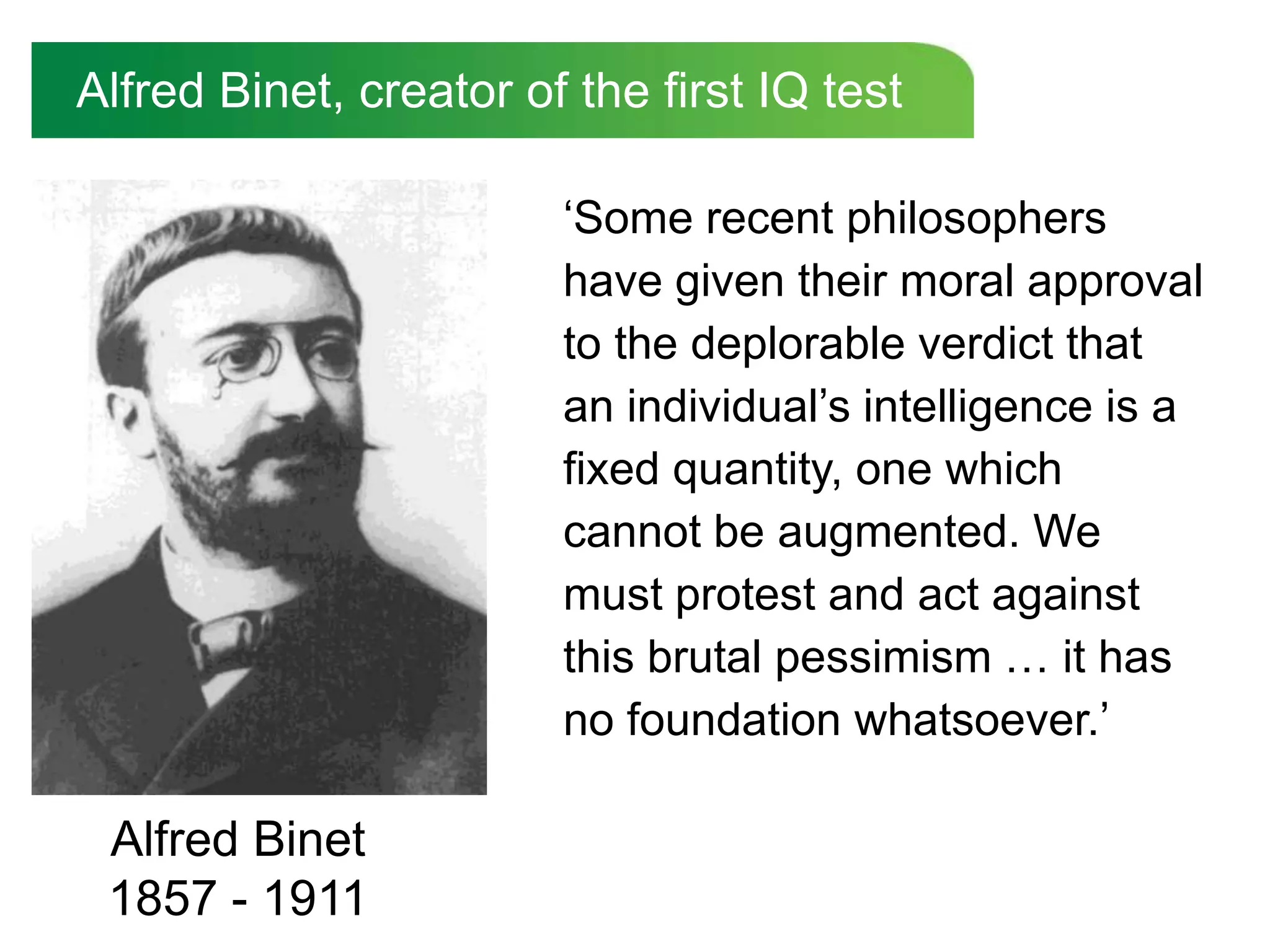
                       Alfred Binet
                       1857 - 1911
Alfred Binet, creator of the first IQ test

                        „Some recent philosophers
                        have given their moral approval
                        to the deplorable verdict that
                        an individual‟s intelligence is a
                        fixed quantity, one which
                        cannot be augmented. We
                        must protest and act against
                        this brutal pessimism … it has
                        no foundation whatsoever.‟

 Alfred Binet
 1857 - 1911
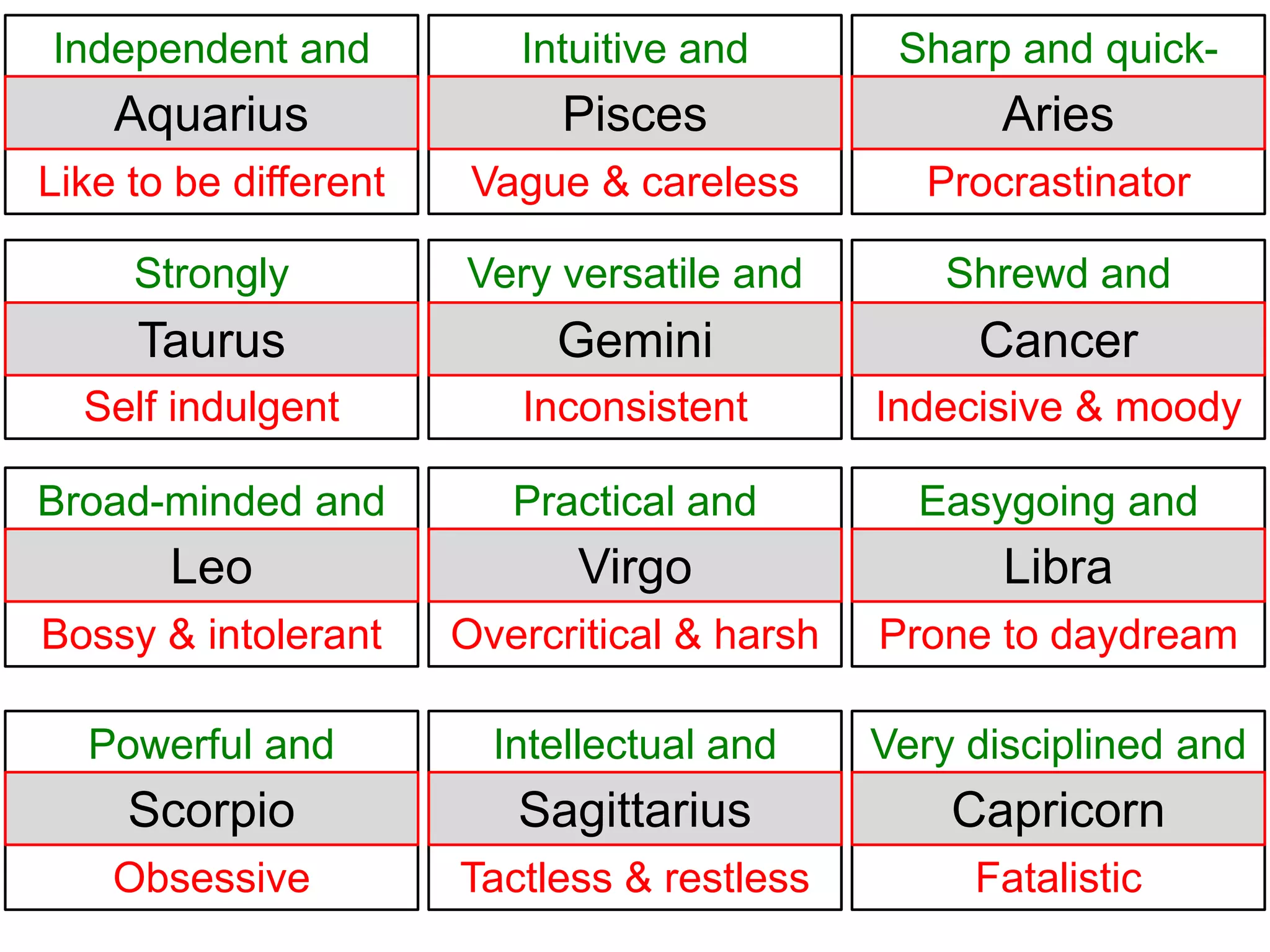
Independent and           Intuitive and        Sharp and quick-
   intellectual
   Aquarius               sympathetic
                            Pisces                  witted
                                                    Aries
Like to be different    Vague & careless         Procrastinator

    Strongly           Very versatile and         Shrewd and
   determined
    Taurus                 adaptable
                            Gemini                 cautious
                                                   Cancer
  Self indulgent          Inconsistent        Indecisive & moody

Broad-minded and          Practical and         Easygoing and
    expansive
      Leo                    diligent
                             Virgo                 sociable
                                                    Libra
Bossy & intolerant     Overcritical & harsh   Prone to daydream

  Powerful and           Intellectual and     Very disciplined and
   passionate
    Scorpio               philosophical
                           Sagittarius              focused
                                                  Capricorn
    Obsessive          Tactless & restless         Fatalistic
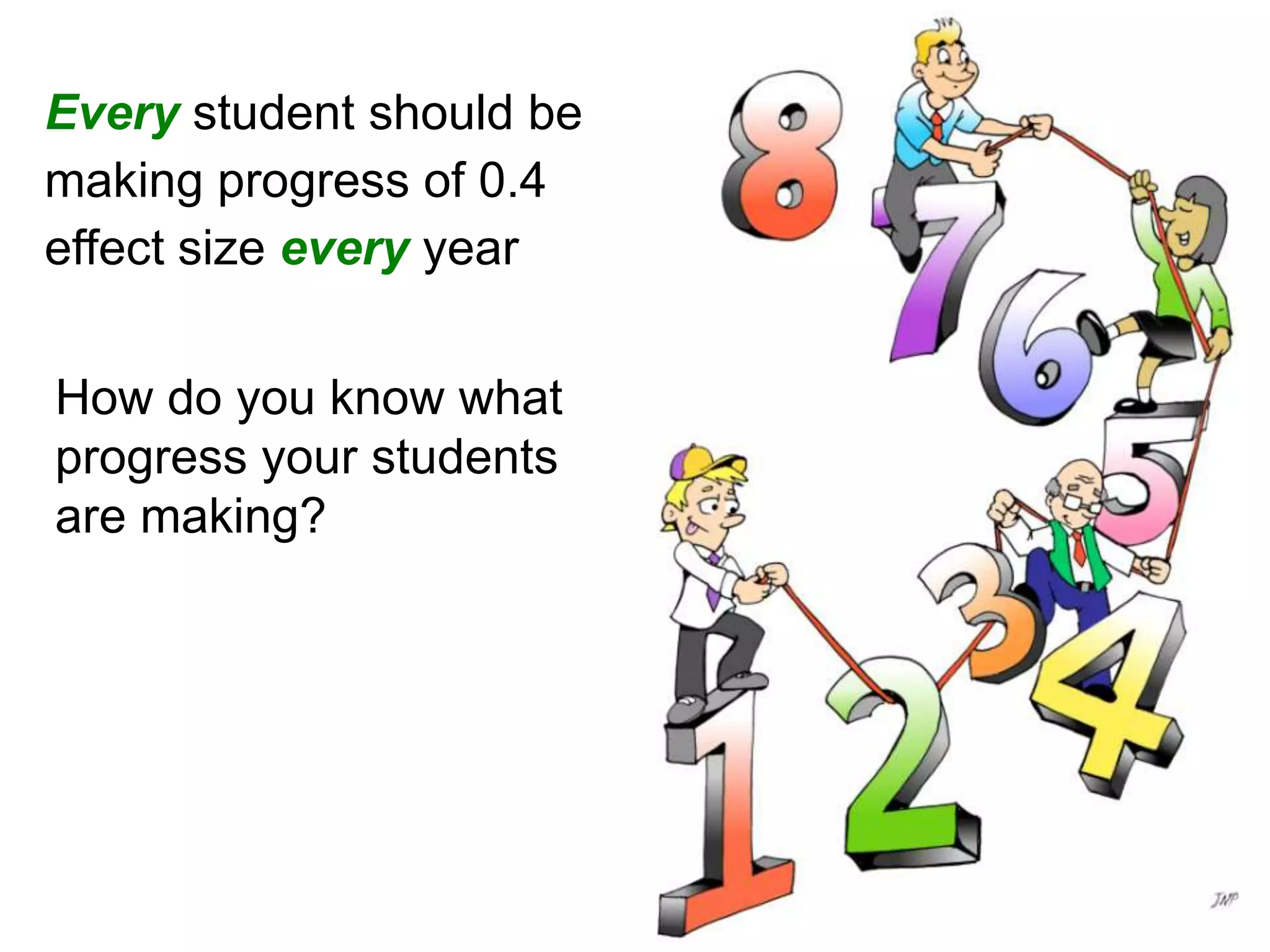
Every student should be
making progress of 0.4
effect size every year


How do you know what
progress your students
are making?
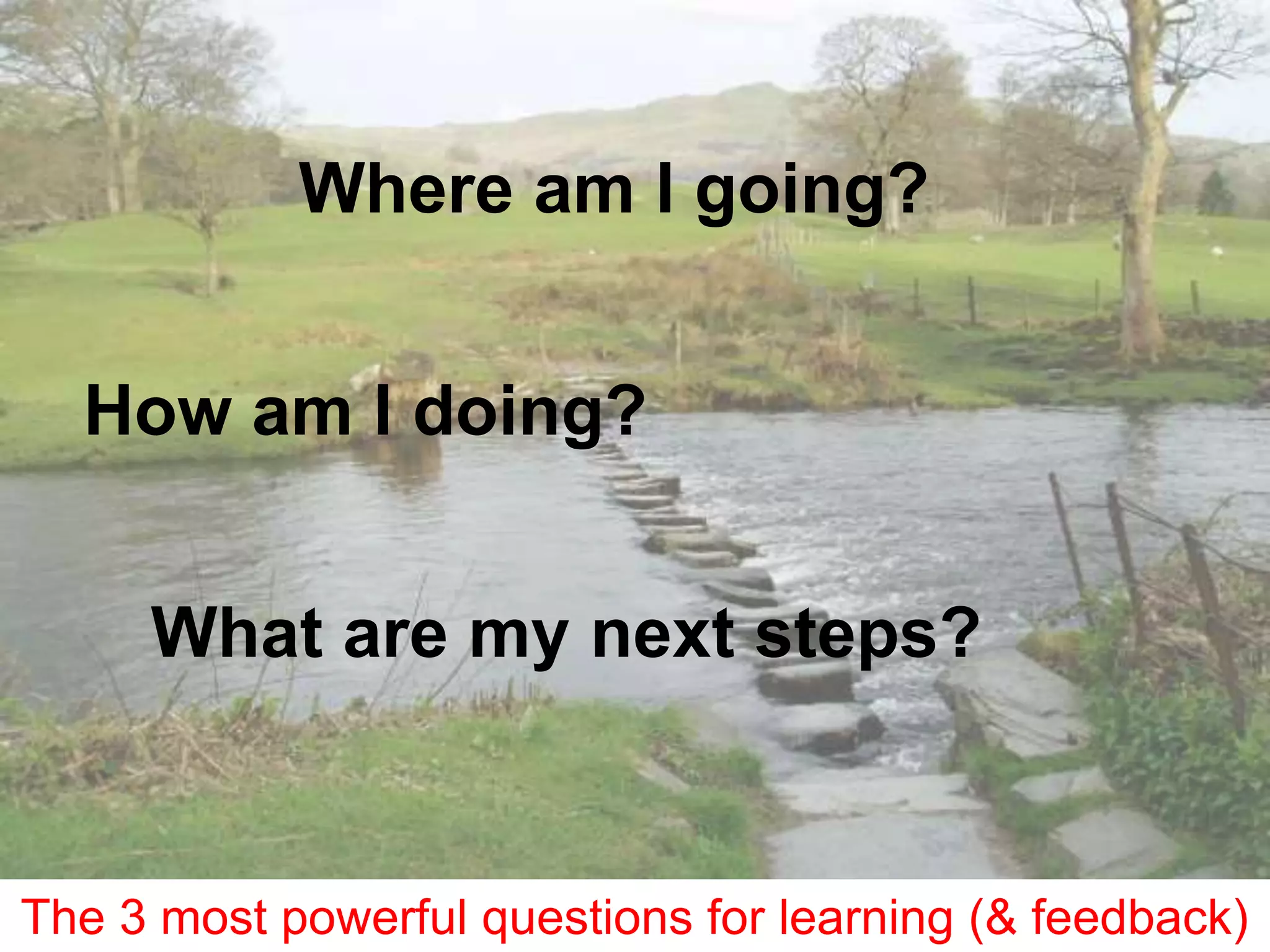
Where am I going?


  How am I doing?


     What are my next steps?


The 3 most powerful questions for learning (& feedback)
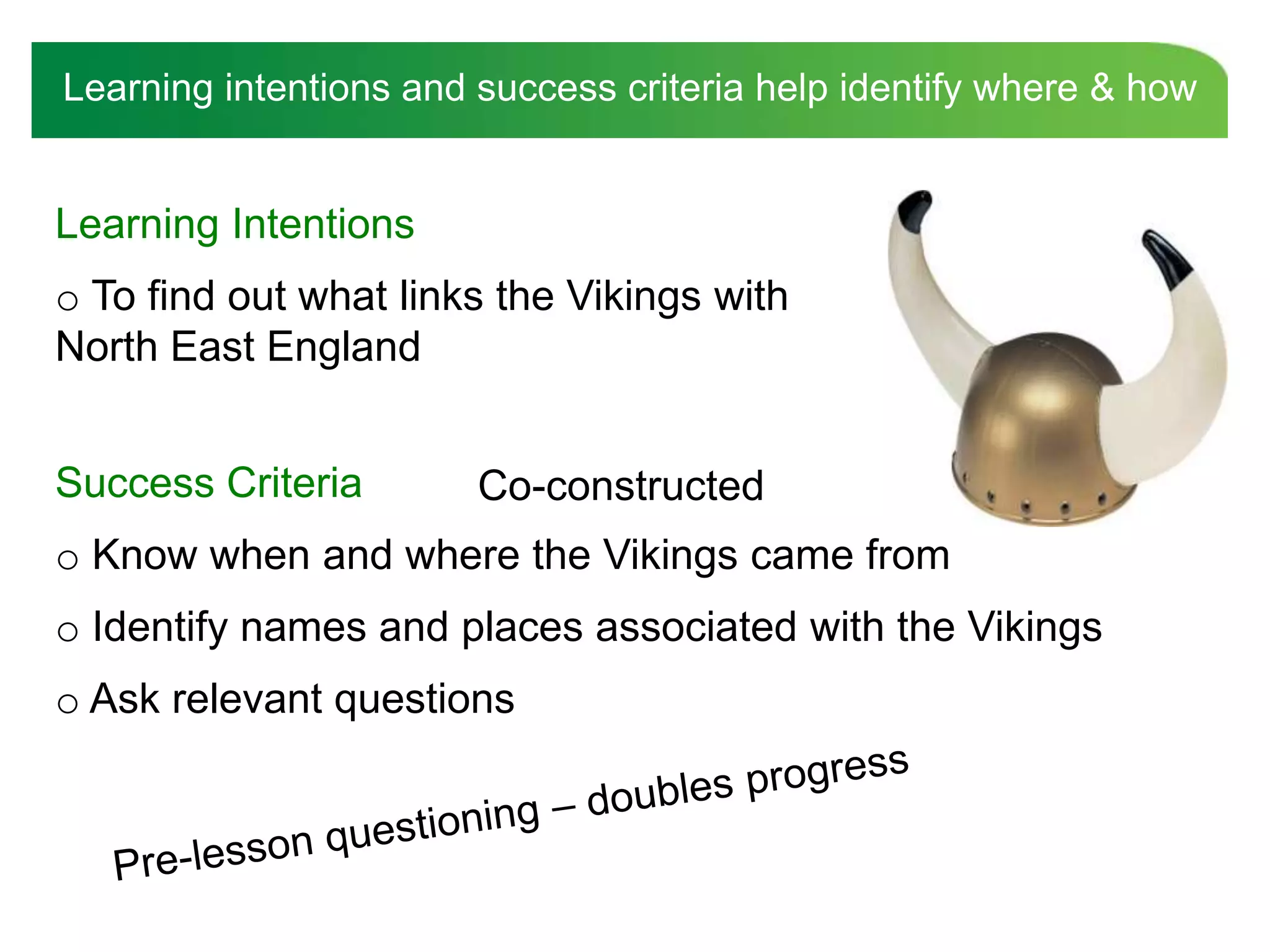
Learning intentions and success criteria help identify where & how


Learning Intentions
o To find out what links the Vikings with
North East England


Success Criteria        Co-constructed
o Know when and where the Vikings came from
o Identify names and places associated with the Vikings
o Ask relevant questions
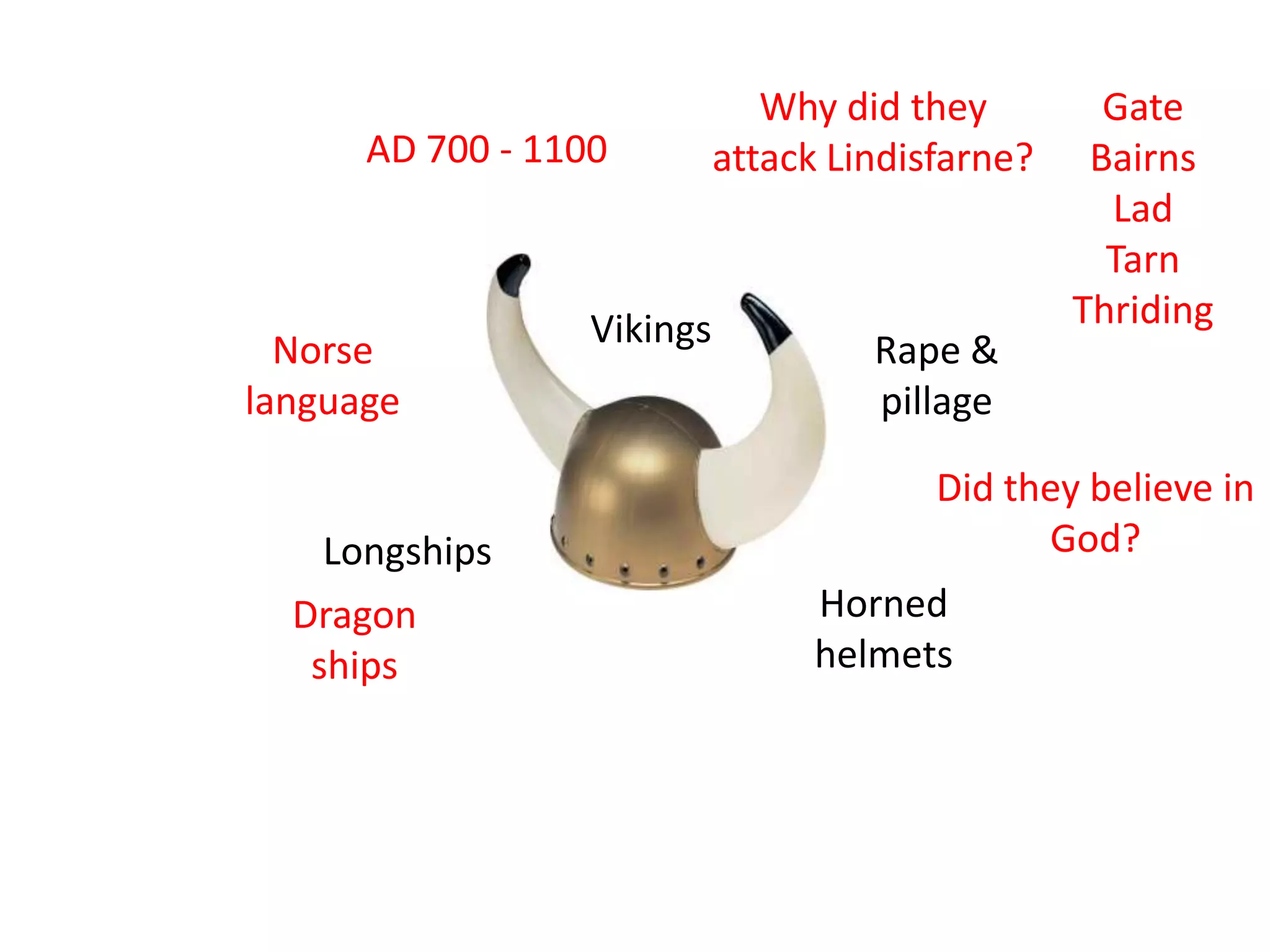
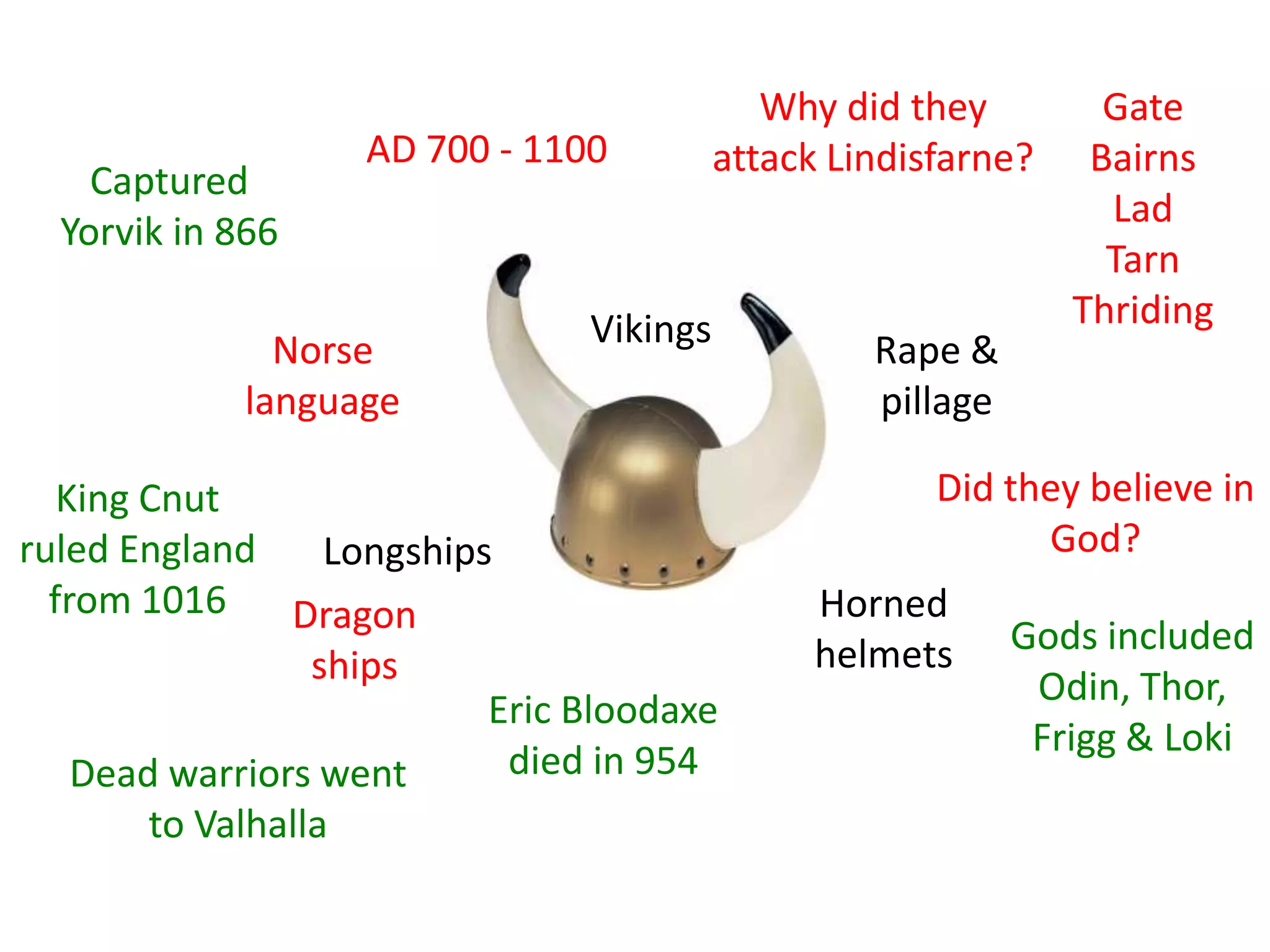
Why did they         Gate
      AD 700 - 1100         attack Lindisfarne?    Bairns
                                                    Lad
                                                    Tarn
                  Vikings                         Thriding
  Norse                              Rape &
language                             pillage

                                         Did they believe in
    Longships                                  God?
  Dragon                          Horned
   ships                          helmets
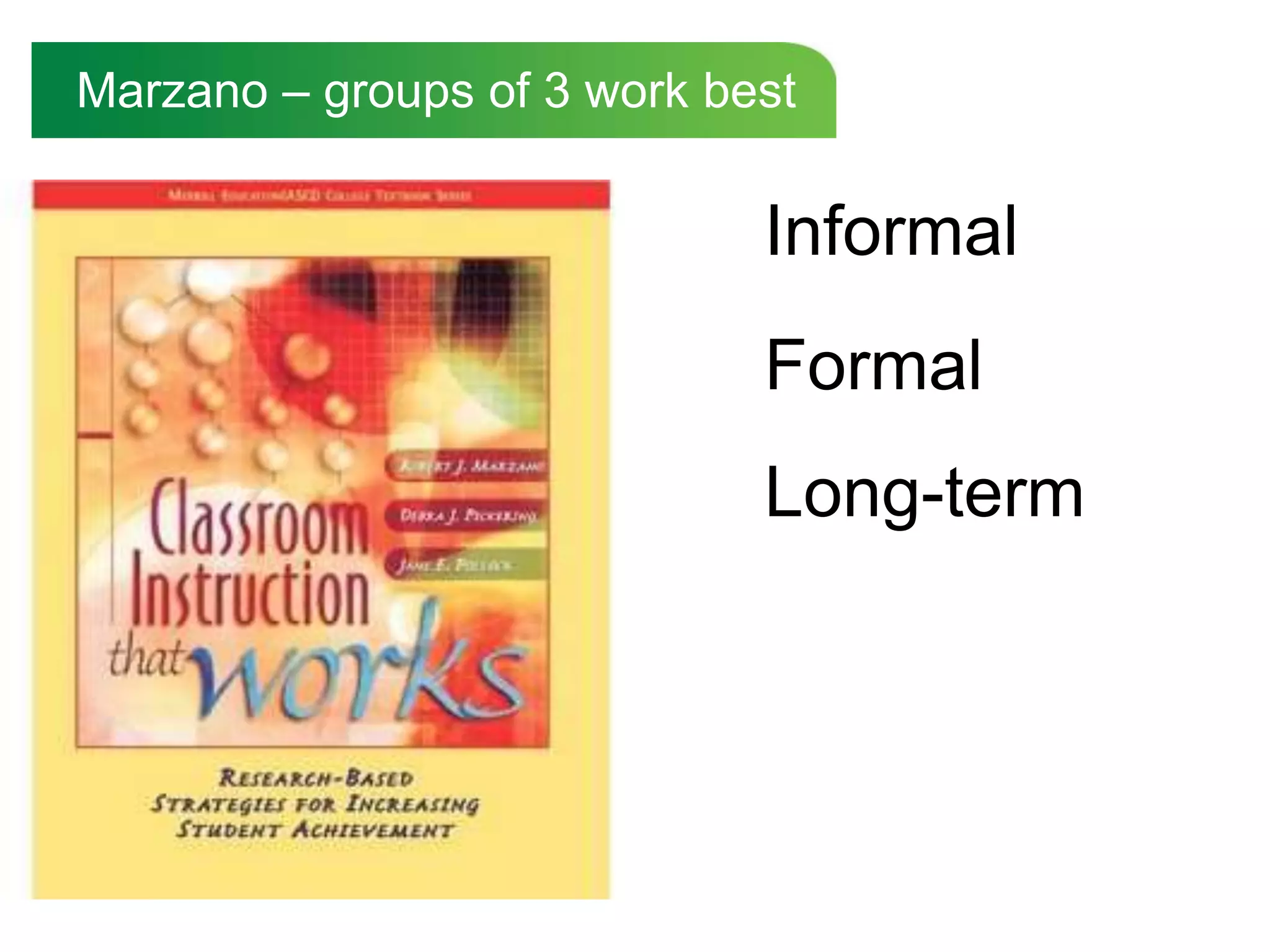
Marzano – groups of 3 work best

                             Informal
                             Formal
                             Long-term
Why did they         Gate
                    AD 700 - 1100          attack Lindisfarne?    Bairns
    Captured
                                                                   Lad
  Yorvik in 866
                                                                   Tarn
                                 Vikings                         Thriding
               Norse                                Rape &
             language                               pillage

   King Cnut                                            Did they believe in
ruled England      Longships                                  God?
  from 1016     Dragon                           Horned
                                                 helmets      Gods included
                  ships                                        Odin, Thor,
                            Eric Bloodaxe
                                                               Frigg & Loki
    Dead warriors went       died in 954
        to Valhalla
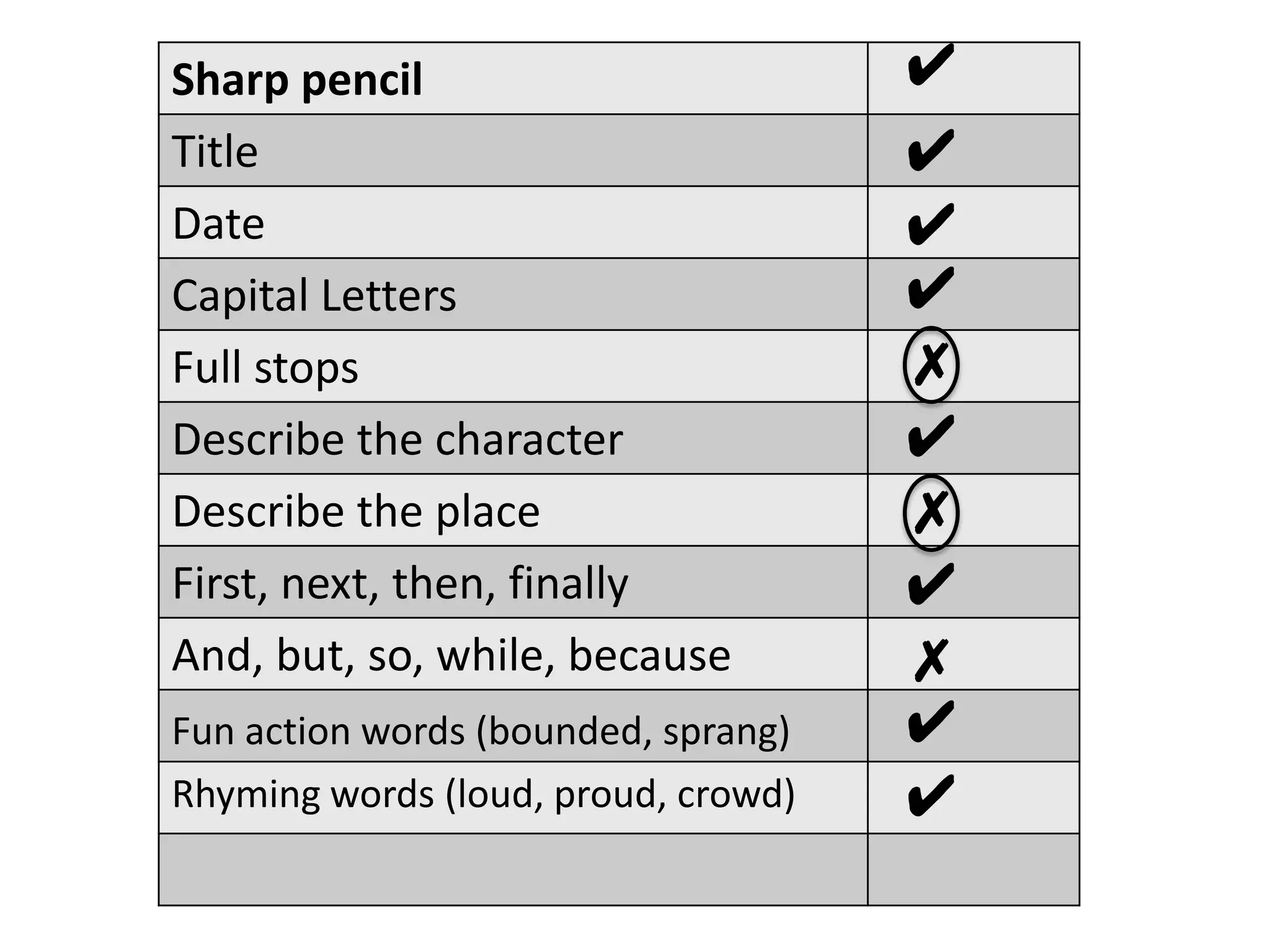
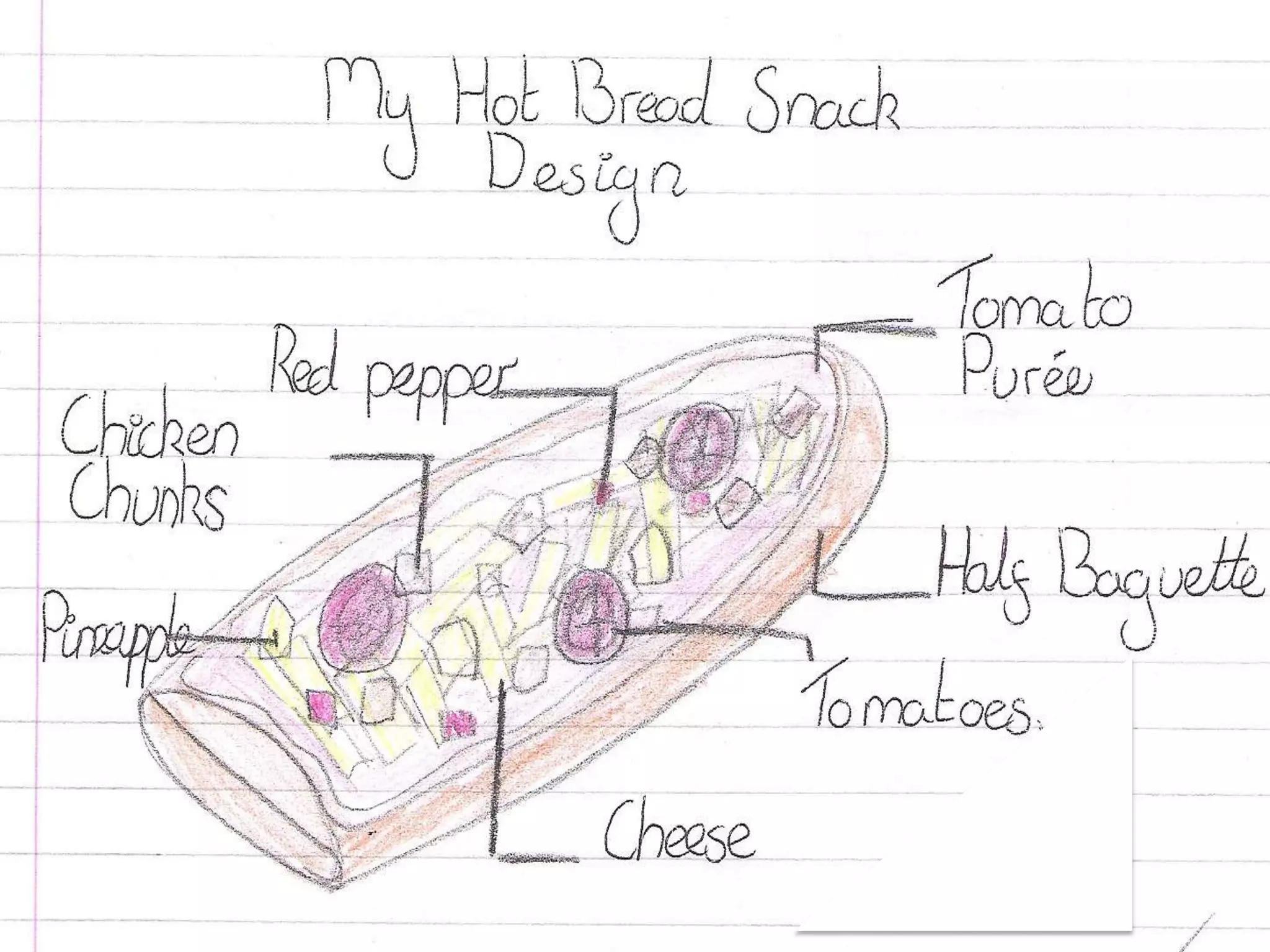
Sharp pencil                         ✔
Title                                ✔
Date                                 ✔
Capital Letters                      ✔
Full stops                           ✗
Describe the character               ✔
Describe the place                   ✗
First, next, then, finally           ✔
And, but, so, while, because         ✗
Fun action words (bounded, sprang)   ✔
Rhyming words (loud, proud, crowd)   ✔
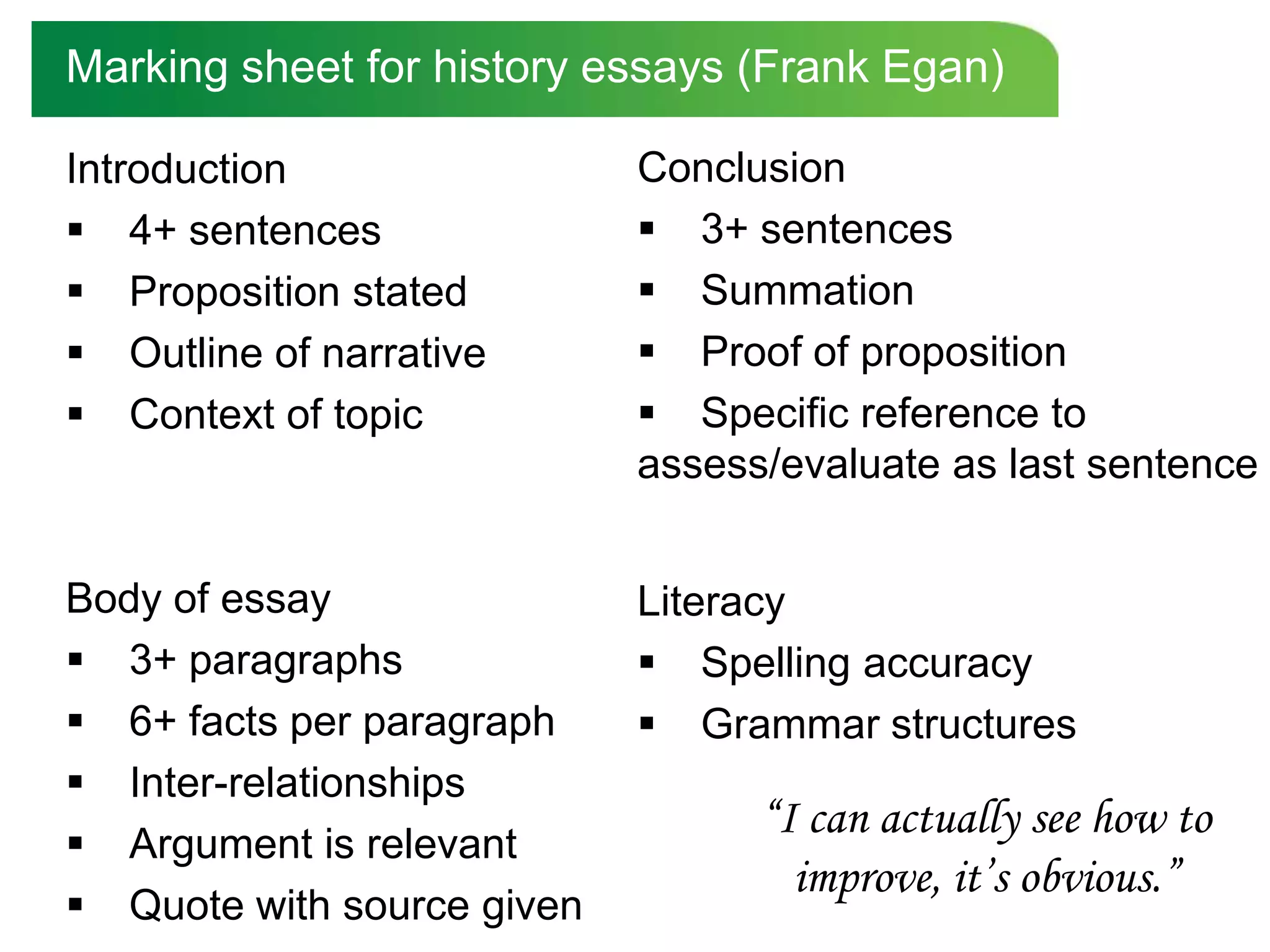
Marking sheet for history essays (Frank Egan)

Introduction                Conclusion
 4+ sentences               3+ sentences
 Proposition stated         Summation
 Outline of narrative       Proof of proposition
 Context of topic           Specific reference to
                            assess/evaluate as last sentence


Body of essay               Literacy
 3+ paragraphs              Spelling accuracy
 6+ facts per paragraph     Grammar structures
 Inter-relationships
                                  “I can actually see how to
 Argument is relevant
                                    improve, it’s obvious.”
 Quote with source given
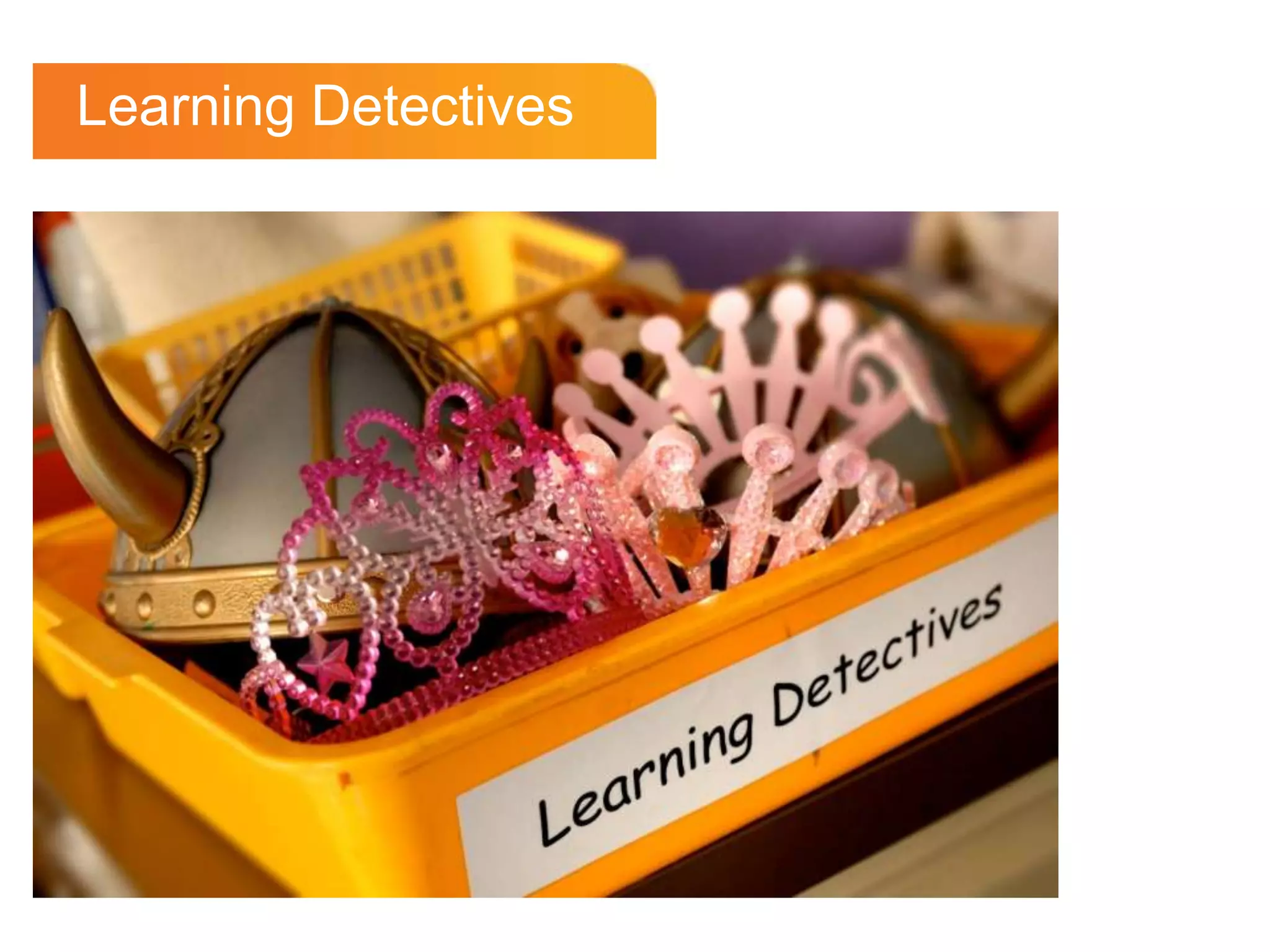
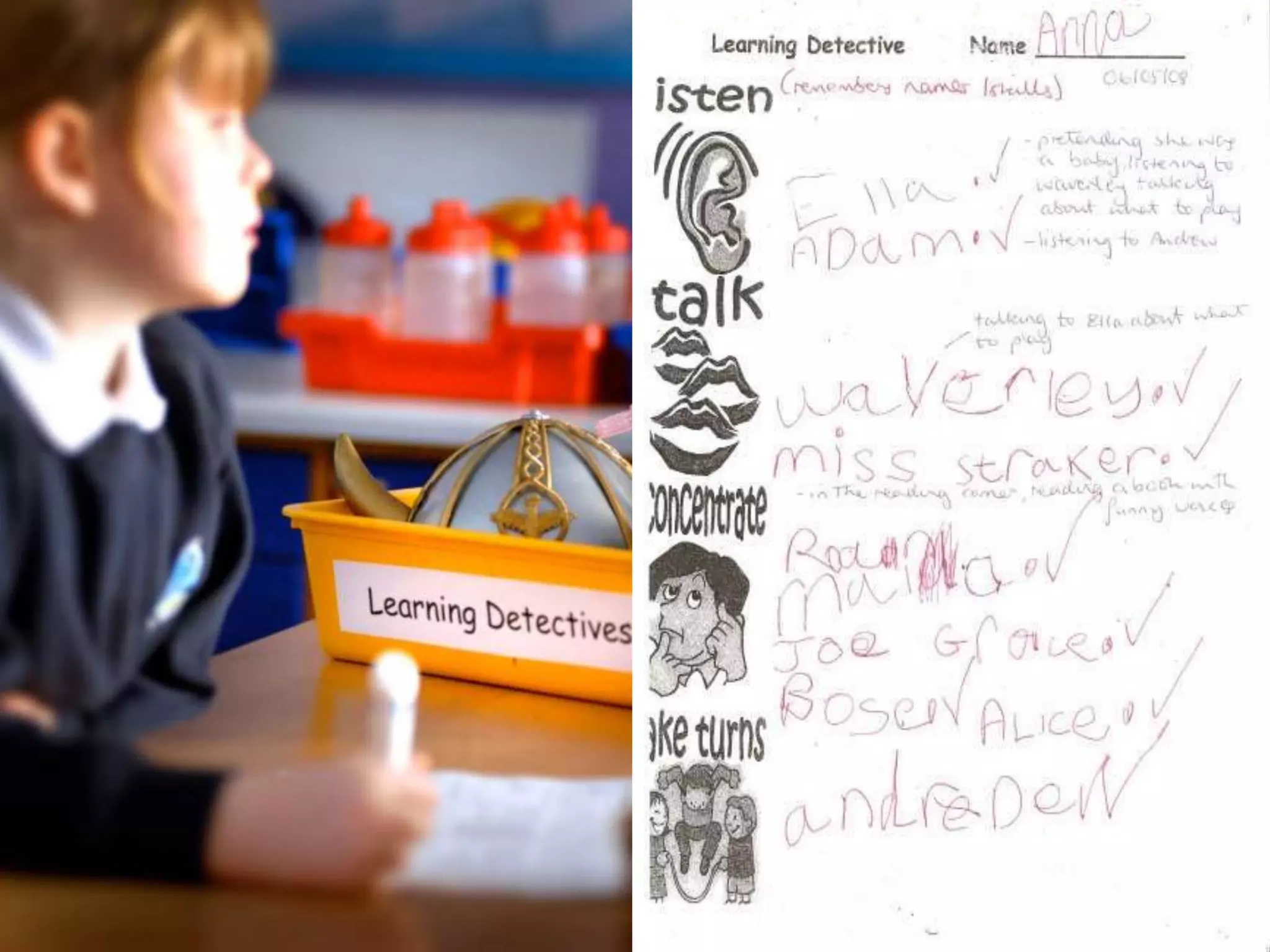
Learning Detectives
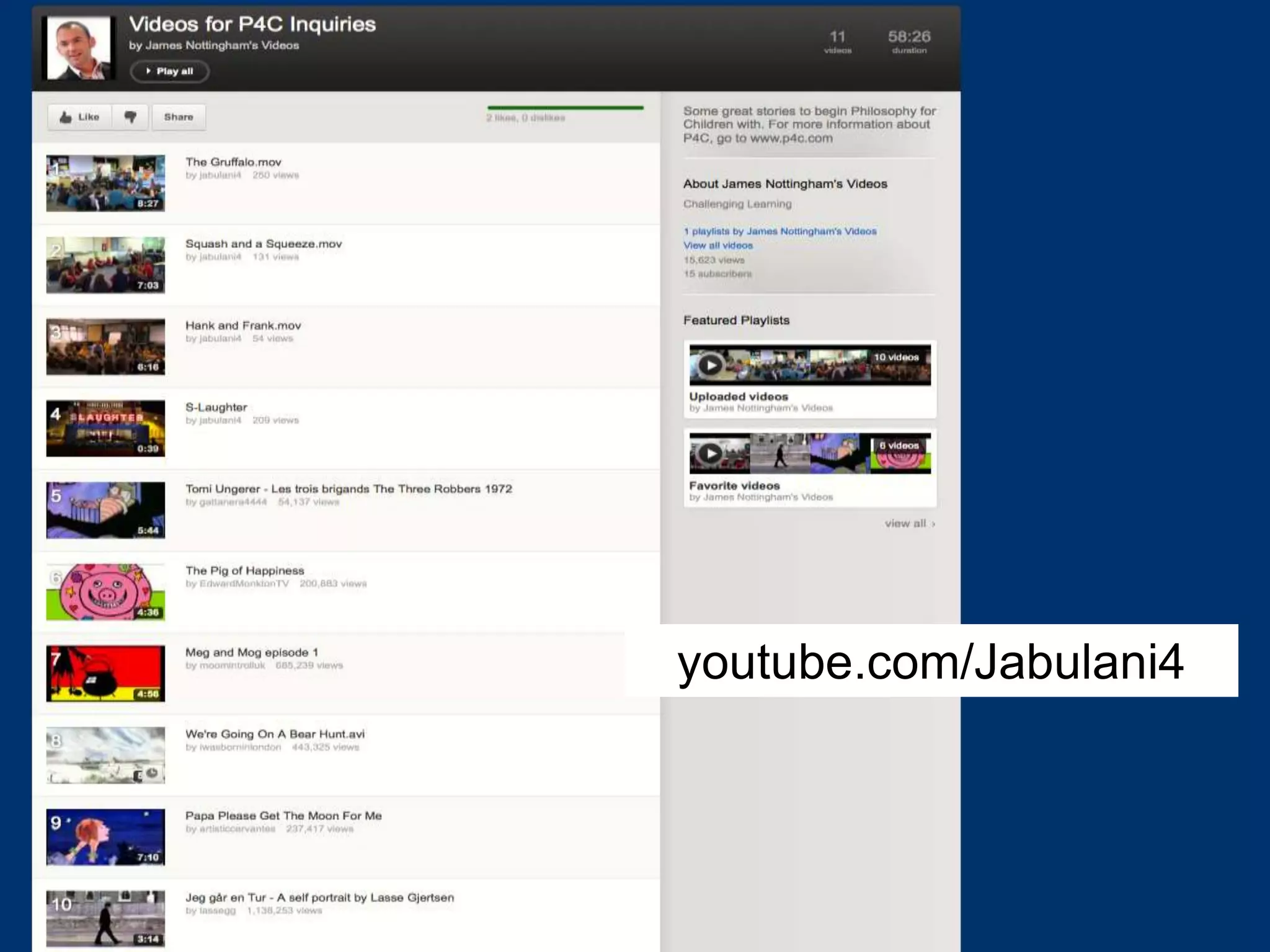
youtube.com/Jabulani4
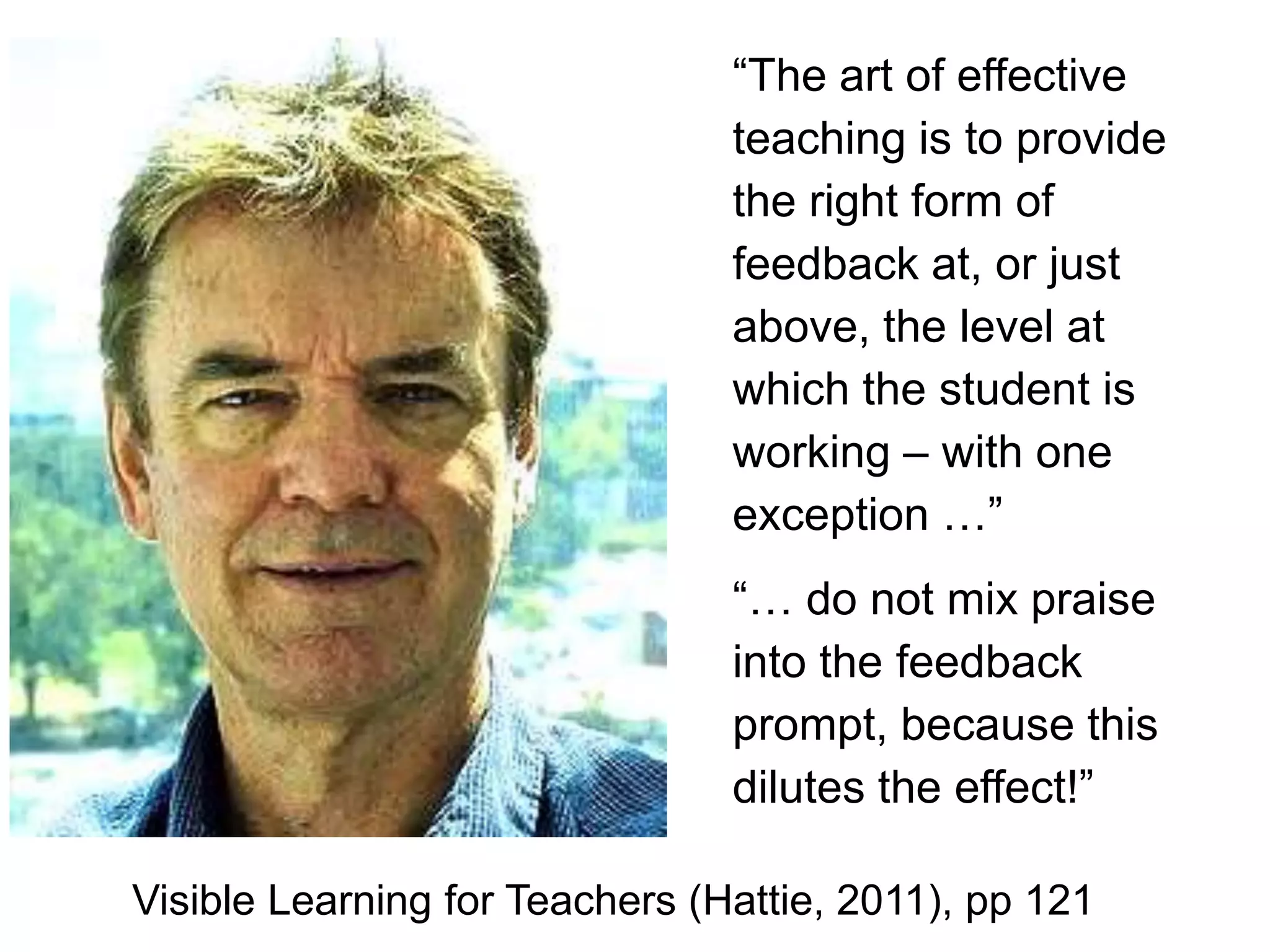
“The art of effective
                                teaching is to provide
                                the right form of
                                feedback at, or just
                                above, the level at
                                which the student is
                                working – with one
                                exception …”
                                “… do not mix praise
                                into the feedback
                                prompt, because this
                                dilutes the effect!”

Visible Learning for Teachers (Hattie, 2011), pp 121
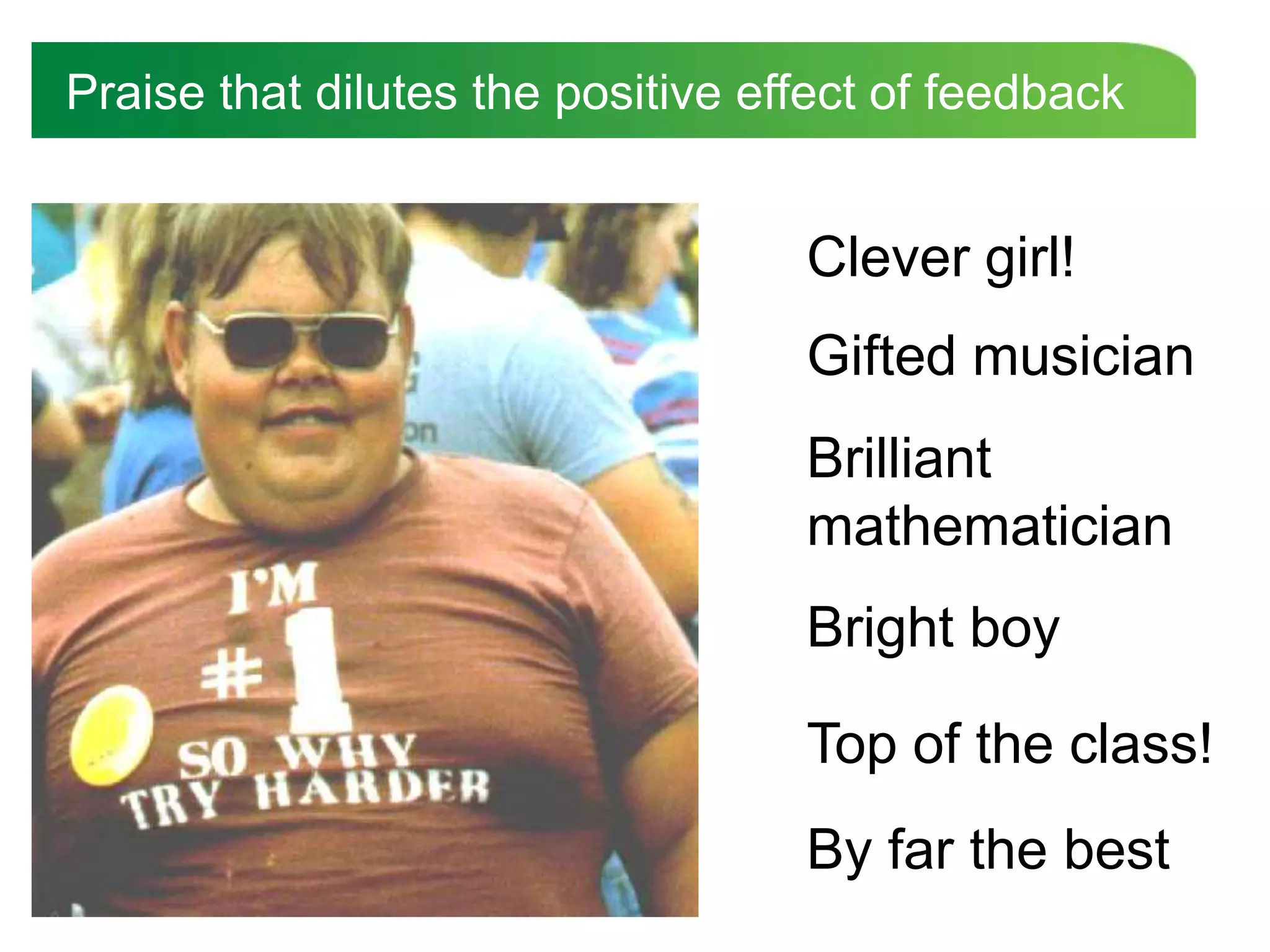
Praise that dilutes the positive effect of feedback


                                   Clever girl!
                                   Gifted musician
                                   Brilliant
                                   mathematician
                                   Bright boy

                                   Top of the class!
                                   By far the best
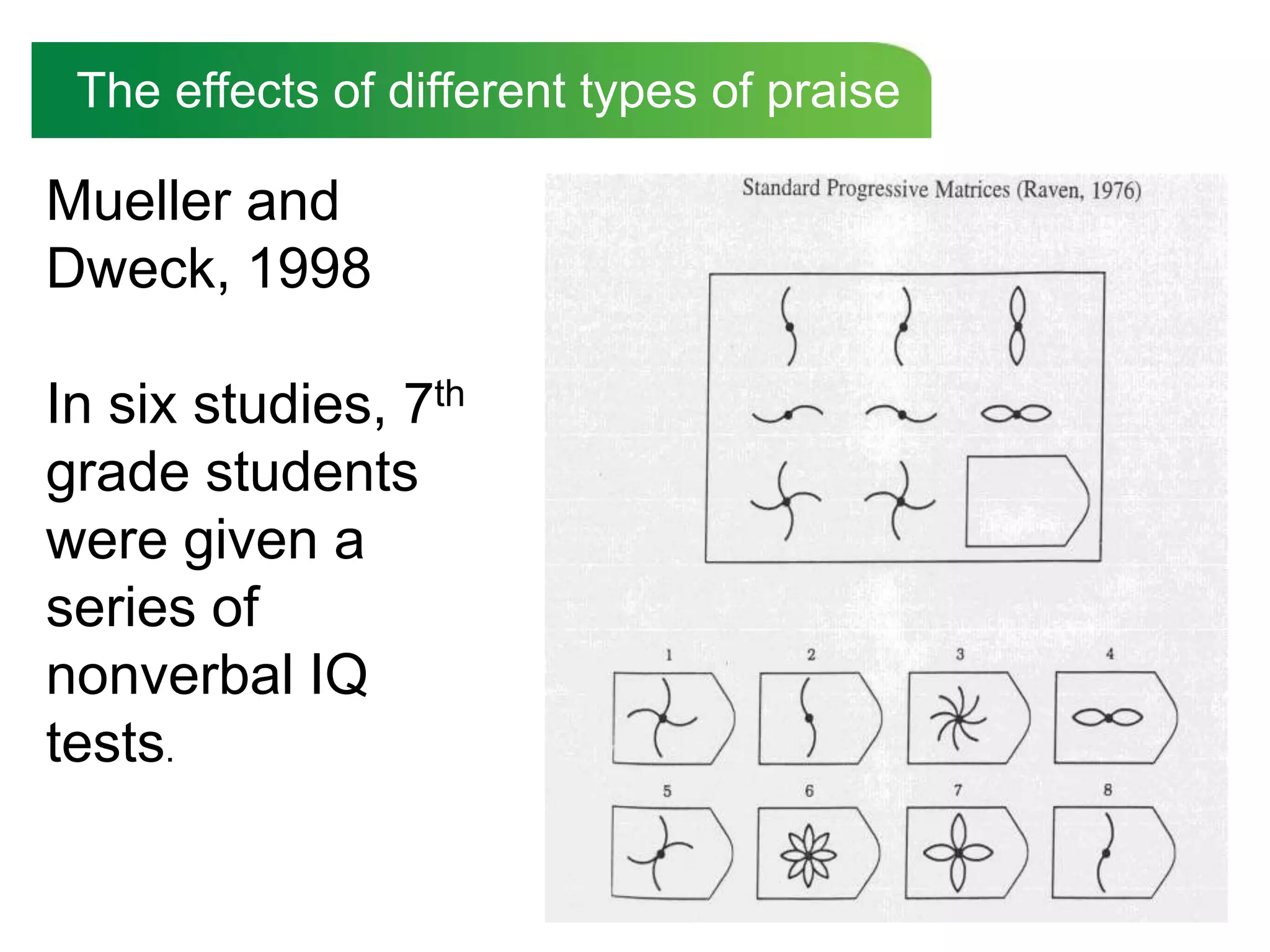
The effects of different types of praise

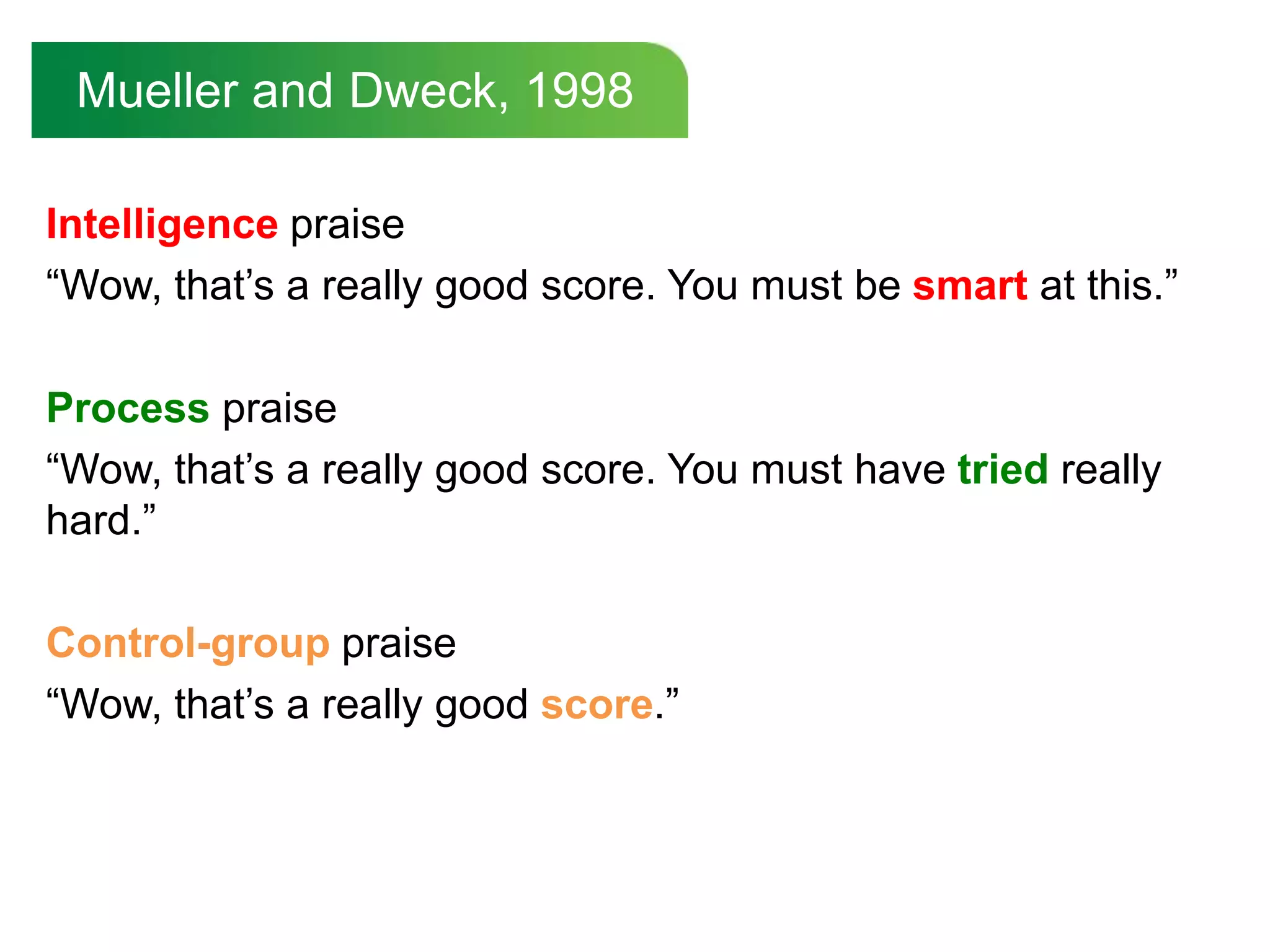
Mueller and
Dweck, 1998

In six studies, 7th
grade students
were given a
series of
nonverbal IQ
tests.
Mueller and Dweck, 1998

Intelligence praise
“Wow, that‟s a really good score. You must be smart at this.”

Process praise
“Wow, that‟s a really good score. You must have tried really
hard.”

Control-group praise
“Wow, that‟s a really good score.”
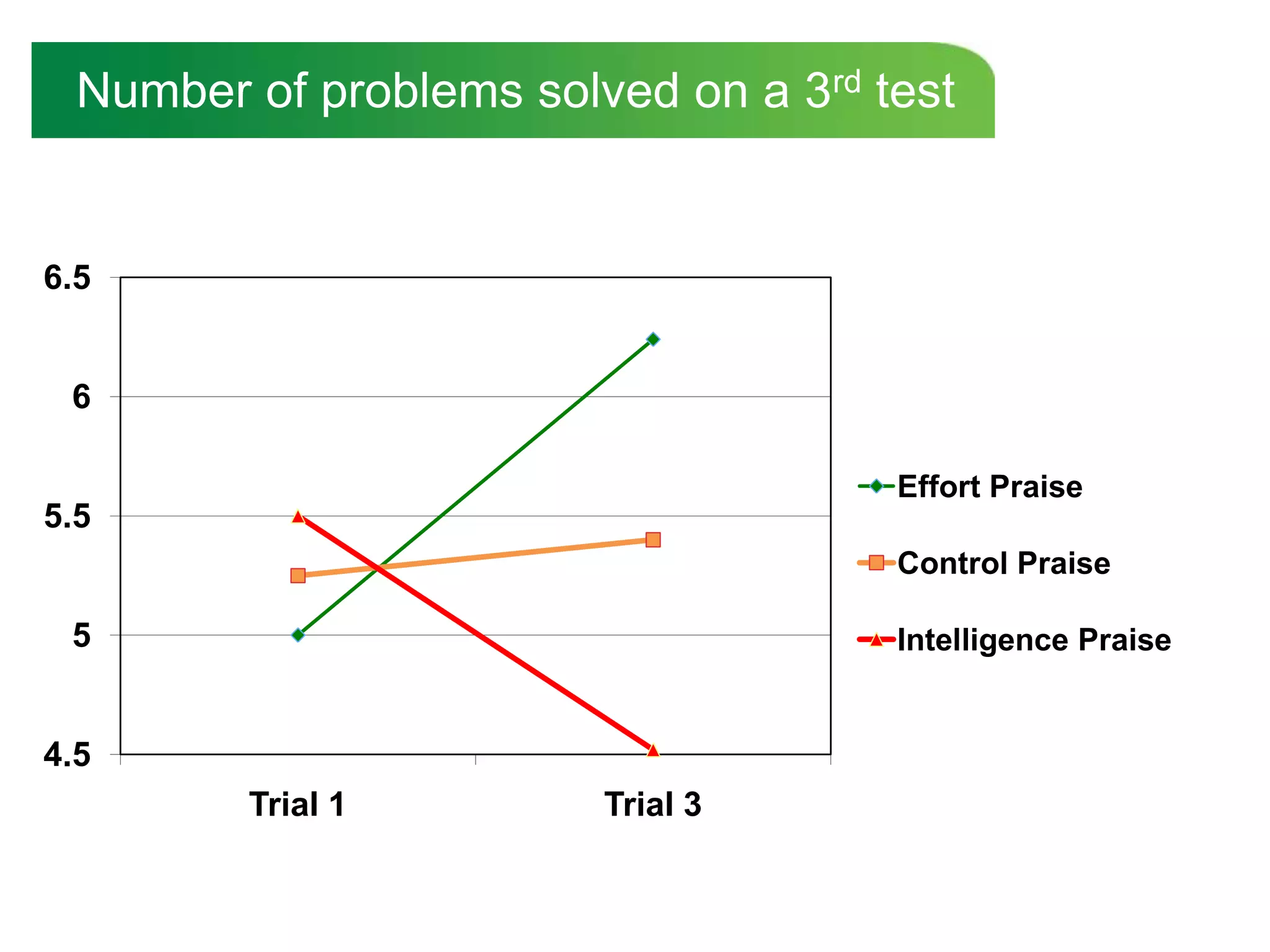
Number of problems solved on a 3rd test


6.5


 6

                                      Effort Praise
5.5
                                      Control Praise

 5                                    Intelligence Praise


4.5
         Trial 1         Trial 3
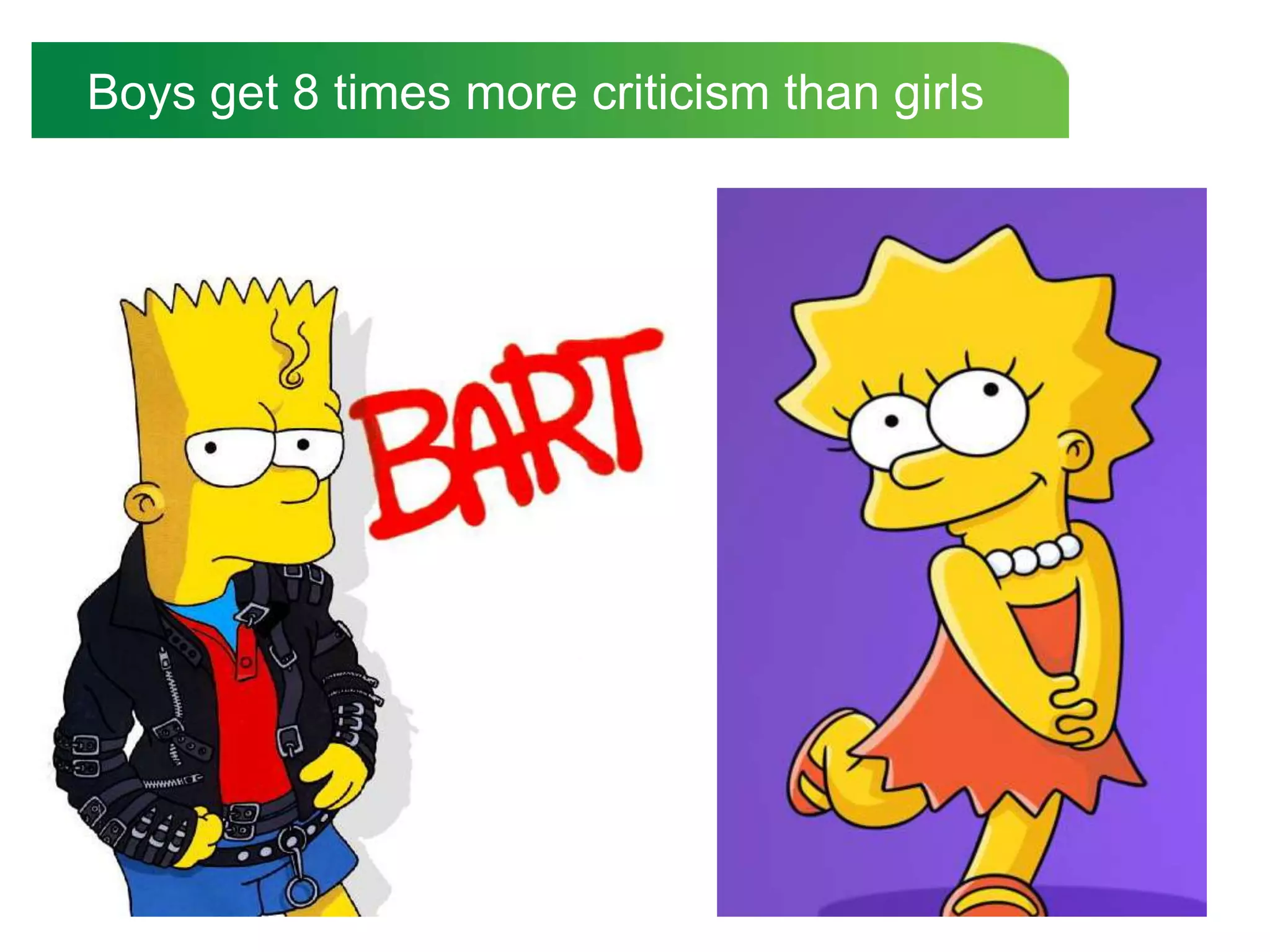
Boys get 8 times more criticism than girls
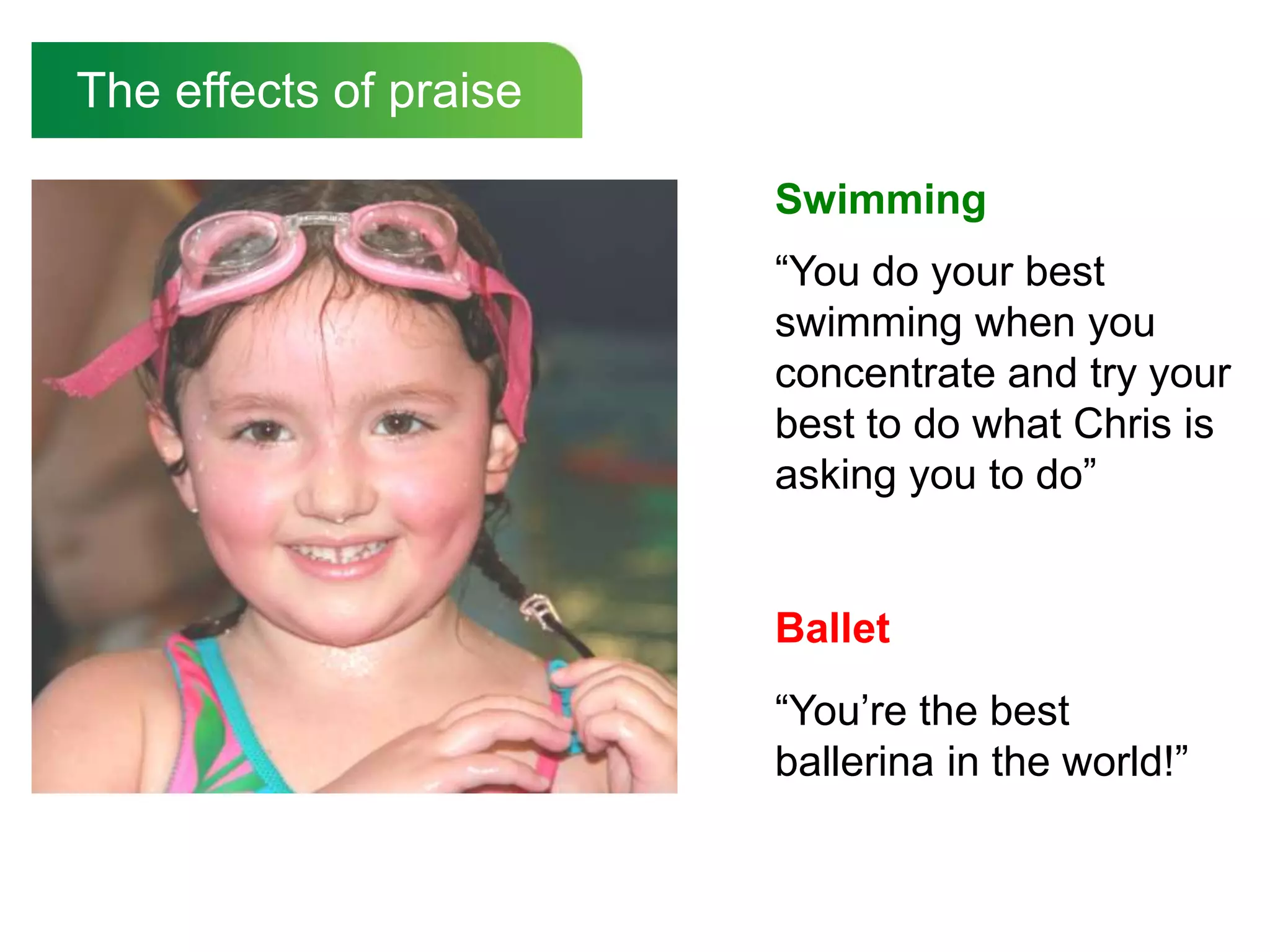
The effects of praise

                        Swimming
                        “You do your best
                        swimming when you
                        concentrate and try your
                        best to do what Chris is
                        asking you to do”


                        Ballet
                        “You‟re the best
                        ballerina in the world!”
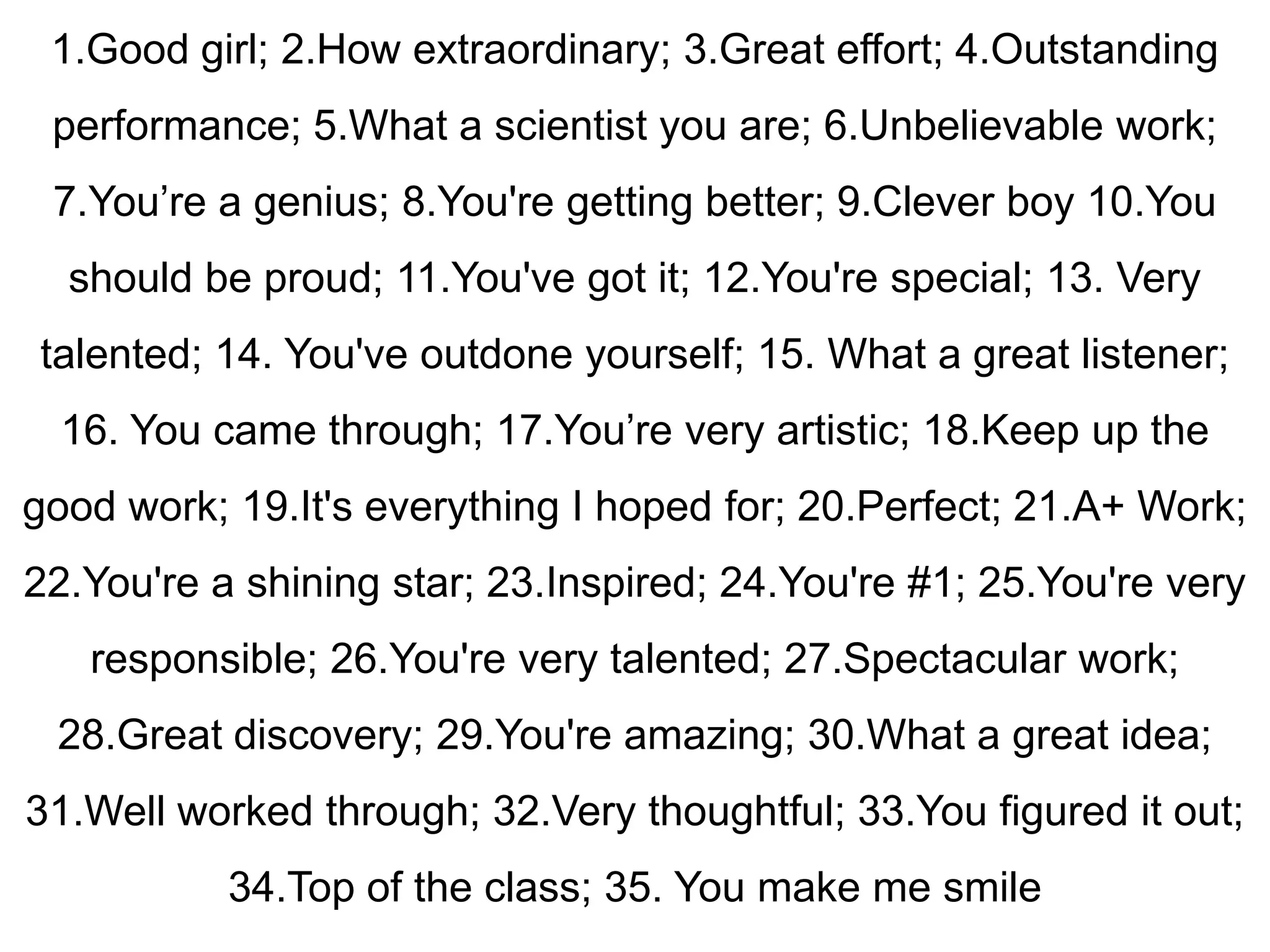
1.Good girl; 2.How extraordinary; 3.Great effort; 4.Outstanding
 performance; 5.What a scientist you are; 6.Unbelievable work;
 7.You‟re a genius; 8.You're getting better; 9.Clever boy 10.You
  should be proud; 11.You've got it; 12.You're special; 13. Very
talented; 14. You've outdone yourself; 15. What a great listener;
  16. You came through; 17.You‟re very artistic; 18.Keep up the
good work; 19.It's everything I hoped for; 20.Perfect; 21.A+ Work;
22.You're a shining star; 23.Inspired; 24.You're #1; 25.You're very
   responsible; 26.You're very talented; 27.Spectacular work;
 28.Great discovery; 29.You're amazing; 30.What a great idea;
31.Well worked through; 32.Very thoughtful; 33.You figured it out;
           34.Top of the class; 35. You make me smile
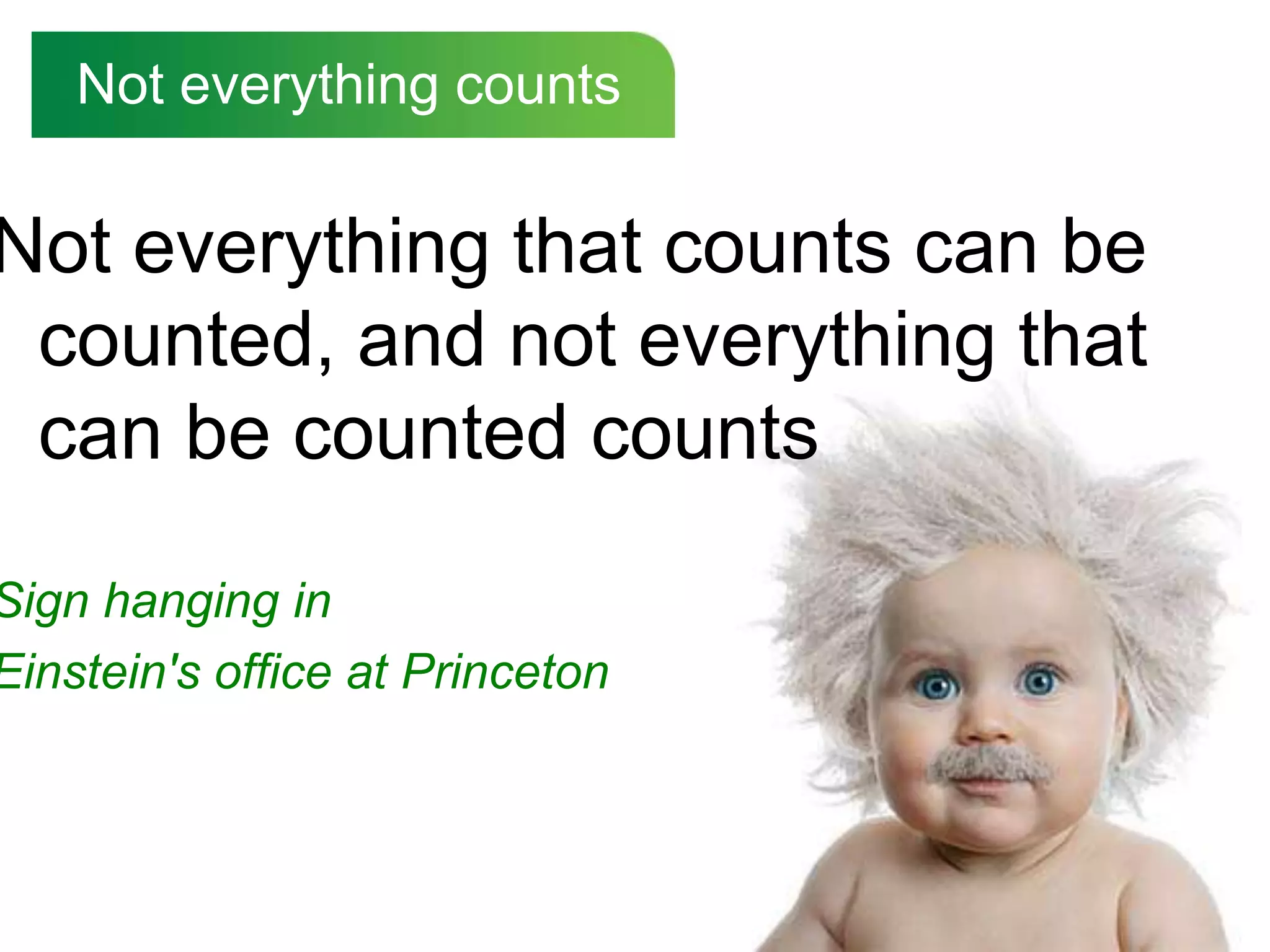
Not everything counts

Not everything that counts can be
 counted, and not everything that
 can be counted counts

Sign hanging in
Einstein's office at Princeton

Riverina Learning Strategy

  • 1.
    Assessment capable students,Riverina James Nottingham @JamesNottinghm www.challenginglearning.com
  • 2.
    How do weimprove achievement for all? Achievement is more likely to be increased when students …  Invoke learning rather than performance strategies  Accept rather than discount feedback  Benchmark to difficult rather than to easy goals  Compare themselves to subject criteria rather than to other students  Possess high rather than low efficacy to learning  Effect self-regulation and personal control John Hattie, 2009
  • 4.
    Number of wordsheard by children A child in a welfare-dependent family hears on average 616 words an hour 500 A child in a working-class home hears on average 1,251 words an hour 700 A child in a professional home hears on average 2,153 words an hour 1100 Number of words spoken by the time children are 3 Hart &Risley, 1995
  • 5.
    By the timethey start school in the UK … Some children start school knowing 6,000 words. Others, just 500 words. Rowntree Foundation http://news.bbc.co.uk/1/hi/ma gazine/8013859.stm
  • 7.
  • 8.
    Rank order shouldnot matter … Progress is the key to learning 92 90 90 85 86 85 73 78 84 64 70 78 43 41 40 32 35 34
  • 9.
    Learning how tolearn „What (students) should learn first is not the subjects ordinarily taught, however important they may be; they should be given lessons of will, of attention, of discipline; before exercises in grammar, they need to be exercised in mental orthopaedics; in a word they must learn how to learn.‟ Alfred Binet 1857 - 1911
  • 10.
    Alfred Binet, creatorof the first IQ test „Some recent philosophers have given their moral approval to the deplorable verdict that an individual‟s intelligence is a fixed quantity, one which cannot be augmented. We must protest and act against this brutal pessimism … it has no foundation whatsoever.‟ Alfred Binet 1857 - 1911
  • 11.
    Independent and Intuitive and Sharp and quick- intellectual Aquarius sympathetic Pisces witted Aries Like to be different Vague & careless Procrastinator Strongly Very versatile and Shrewd and determined Taurus adaptable Gemini cautious Cancer Self indulgent Inconsistent Indecisive & moody Broad-minded and Practical and Easygoing and expansive Leo diligent Virgo sociable Libra Bossy & intolerant Overcritical & harsh Prone to daydream Powerful and Intellectual and Very disciplined and passionate Scorpio philosophical Sagittarius focused Capricorn Obsessive Tactless & restless Fatalistic
  • 13.
    Every student shouldbe making progress of 0.4 effect size every year How do you know what progress your students are making?
  • 14.
    Where am Igoing? How am I doing? What are my next steps? The 3 most powerful questions for learning (& feedback)
  • 15.
    Learning intentions andsuccess criteria help identify where & how Learning Intentions o To find out what links the Vikings with North East England Success Criteria Co-constructed o Know when and where the Vikings came from o Identify names and places associated with the Vikings o Ask relevant questions
  • 16.
    Why did they Gate AD 700 - 1100 attack Lindisfarne? Bairns Lad Tarn Vikings Thriding Norse Rape & language pillage Did they believe in Longships God? Dragon Horned ships helmets
  • 17.
    Marzano – groupsof 3 work best Informal Formal Long-term
  • 18.
    Why did they Gate AD 700 - 1100 attack Lindisfarne? Bairns Captured Lad Yorvik in 866 Tarn Vikings Thriding Norse Rape & language pillage King Cnut Did they believe in ruled England Longships God? from 1016 Dragon Horned helmets Gods included ships Odin, Thor, Eric Bloodaxe Frigg & Loki Dead warriors went died in 954 to Valhalla
  • 21.
    Sharp pencil ✔ Title ✔ Date ✔ Capital Letters ✔ Full stops ✗ Describe the character ✔ Describe the place ✗ First, next, then, finally ✔ And, but, so, while, because ✗ Fun action words (bounded, sprang) ✔ Rhyming words (loud, proud, crowd) ✔
  • 22.
    Marking sheet forhistory essays (Frank Egan) Introduction Conclusion  4+ sentences  3+ sentences  Proposition stated  Summation  Outline of narrative  Proof of proposition  Context of topic  Specific reference to assess/evaluate as last sentence Body of essay Literacy  3+ paragraphs  Spelling accuracy  6+ facts per paragraph  Grammar structures  Inter-relationships “I can actually see how to  Argument is relevant improve, it’s obvious.”  Quote with source given
  • 24.
  • 27.
  • 28.
    “The art ofeffective teaching is to provide the right form of feedback at, or just above, the level at which the student is working – with one exception …” “… do not mix praise into the feedback prompt, because this dilutes the effect!” Visible Learning for Teachers (Hattie, 2011), pp 121
  • 29.
    Praise that dilutesthe positive effect of feedback Clever girl! Gifted musician Brilliant mathematician Bright boy Top of the class! By far the best
  • 30.
    The effects ofdifferent types of praise Mueller and Dweck, 1998 In six studies, 7th grade students were given a series of nonverbal IQ tests.
  • 31.
    Mueller and Dweck,1998 Intelligence praise “Wow, that‟s a really good score. You must be smart at this.” Process praise “Wow, that‟s a really good score. You must have tried really hard.” Control-group praise “Wow, that‟s a really good score.”
  • 32.
    Number of problemssolved on a 3rd test 6.5 6 Effort Praise 5.5 Control Praise 5 Intelligence Praise 4.5 Trial 1 Trial 3
  • 33.
    Boys get 8times more criticism than girls
  • 34.
    The effects ofpraise Swimming “You do your best swimming when you concentrate and try your best to do what Chris is asking you to do” Ballet “You‟re the best ballerina in the world!”
  • 35.
    1.Good girl; 2.Howextraordinary; 3.Great effort; 4.Outstanding performance; 5.What a scientist you are; 6.Unbelievable work; 7.You‟re a genius; 8.You're getting better; 9.Clever boy 10.You should be proud; 11.You've got it; 12.You're special; 13. Very talented; 14. You've outdone yourself; 15. What a great listener; 16. You came through; 17.You‟re very artistic; 18.Keep up the good work; 19.It's everything I hoped for; 20.Perfect; 21.A+ Work; 22.You're a shining star; 23.Inspired; 24.You're #1; 25.You're very responsible; 26.You're very talented; 27.Spectacular work; 28.Great discovery; 29.You're amazing; 30.What a great idea; 31.Well worked through; 32.Very thoughtful; 33.You figured it out; 34.Top of the class; 35. You make me smile
  • 36.
    Not everything counts Noteverything that counts can be counted, and not everything that can be counted counts Sign hanging in Einstein's office at Princeton

Editor's Notes

  • #29 The evidence was collected from existing meta-analyses – the actual research that is the basis of the meta-analyses included published material and quality assured research papers and student projects (eg unpublished PhDs theses). John Hattie is constantly updating the meta-analyses so you may find slight variations in the effects across publications. The material in this workshop will be kept up to date and the effect size tables in the workbook will be accurate.