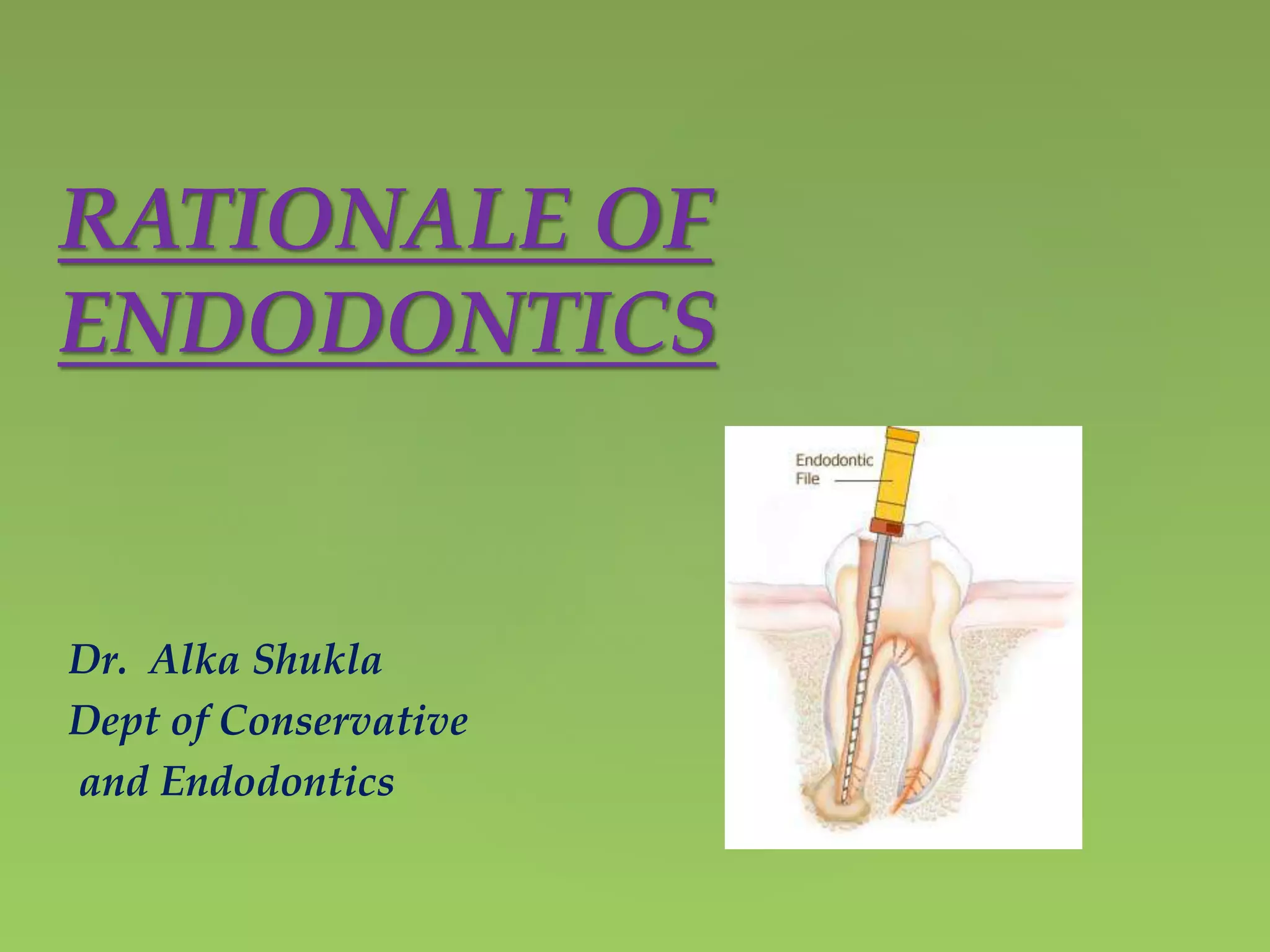
RATIONALE OF
ENDODONTICS
Dr. Alka Shukla
Dept of Conservative
and Endodontics
 Introduction
 Definition of endodontics
 Scope of endodontics
 Pathogenesis of endodontic diseases
 Routes of canal infection
 Anachoresis
 Focal infection theory
 Inflammation of dental pulp
Fish’s zone of reaction
Kronfeld’s mountain pass theory
 Persistent endodontic infections
 Conclusion
 References.
Contents:
INTRODUCTION:
 The word “Rationale” means fundamental reason or
logical basis.
 The word “Endodontics” is combination of two Greek
words: endo which means inside and odont which
means tooth.
 Rationale of endodontic therapy is based on the belief
that a natural tooth functions more efficiently and
comfortably than a bridge, partial denture or a metal
implant.
It is that branch of dentistry that is concerned
with the morphology, physiology and pathology of the
human dental pulp and periradicular tissues. Its study and
practise encompass the basic clinical sciences including
biology of the normal pulp; the etiology, diagnosis,
prevention and treatment of diseases and injuries of the
pulp; and associated periradicular conditions.
DEFINITION OF ENDODONTICS:
 Differential diagnosis and treatment of oral pain of
pulpal or periradicular origin.
 Vital pulp therapy, such as pulp capping and
pulpotomy.
 Non surgical treatment of root canal systems with or
without periradicular pathosis of pulpal origin and
the obturation of these root canal system.
SCOPE OF ENDODONTICS:
 Selective surgical removal of pathological tissues.
 Intentional replantation of avulsed teeth.
 Surgical removal of tooth structure, such as root
end resection and root end filling.
 Hemisection, bicuspidization and root resection
 Endodontic implants
 Bleaching of discoloured dentin and enamel
 Retreatment of teeth previously treated endodontically
 Treatment procedure related to coronal restoration by
means of post and core involving the root canal space.
 Diagnosis of extra-oral referred pain
 Management of traumatic injuries of the teeth.
Can also cover:
 Biopsy of pathological tissue
 Recognition of pathological conditions between the
maxillary posterior teeth and the maxillary sinus.
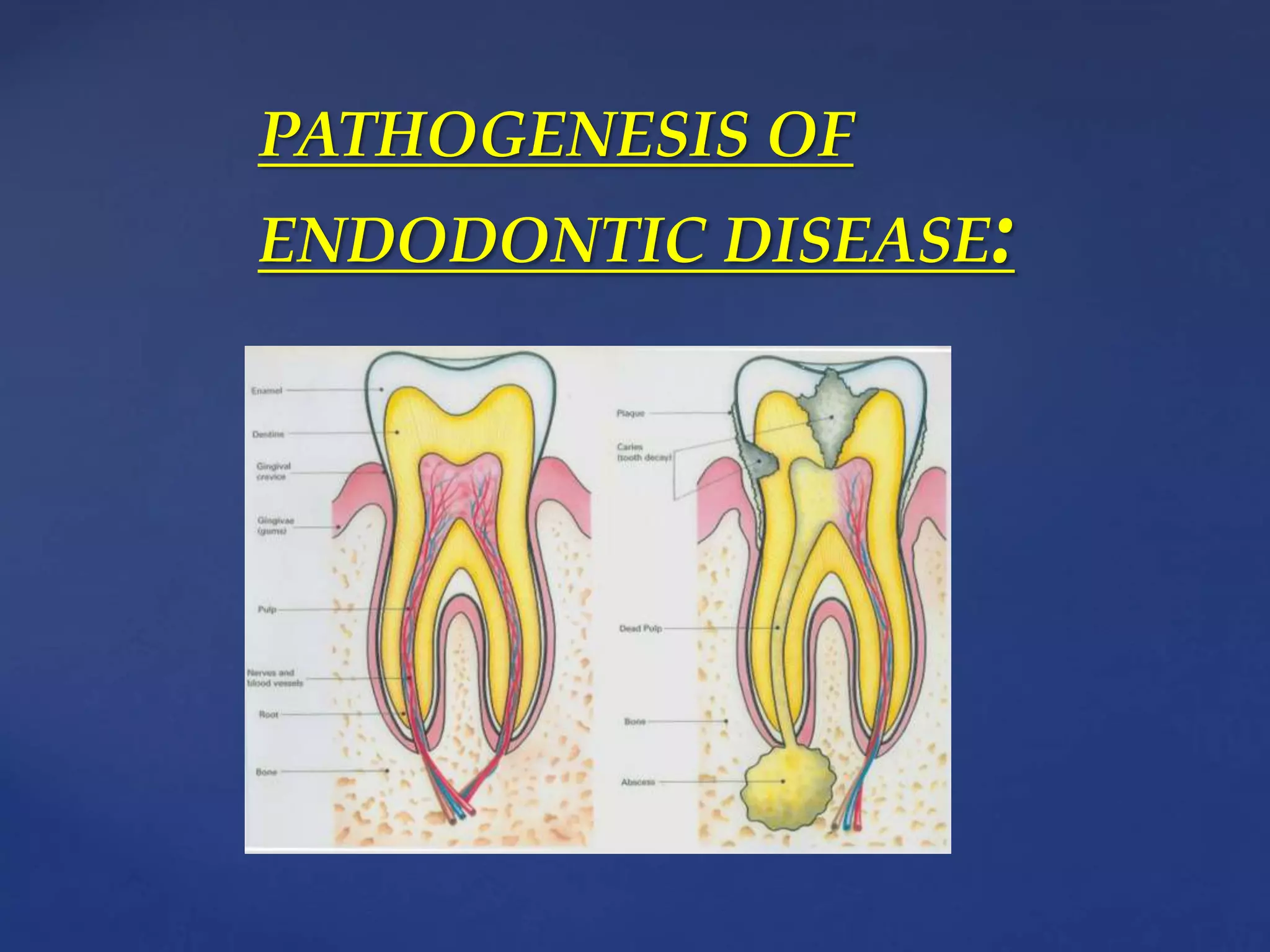
PATHOGENESIS OF
ENDODONTIC DISEASE:
Etiologies of endodontic diseases:
 Physical agents:
ex. heat generated during cavity
preparation
 Chemical agents:
ex. Dental cements with acidic pH
 Microbial agents: micro-organisms.
 In 1894, W D Miller identified bacteria in the
diseased pulp.
 Although chemical and physical factors can induce
periradicular inflammation, a large body of scientific
evidence indicates that endodontic infection is
essential for progression and perpetuation of
different forms of pulpal & periapical disease.
 Endodontic infections develop in root canals devoid of
host defences, either as a consequence of pulp necrosis
(because caries, trauma, periodontal disease, or
iatrogenic operative procedures) or pulp removal for
treatment.
 Bacteria are the major microorganisms implicated in
the pathogenesis of endodontic disease. In advanced
stages of the endodontic infections , bacterial
organization resembling biofilms can be adhered to
the canal walls.
 When bacteria encounter the host defence system,
inflammatory changes take place in the periradicular
tissues and give rise to the development of apical
periodontitis. Depending upon several bacterial and
host-related factors, endodontic infections can lead to
acute or chronic apical periodontitis.
Routes of root canal infections:
 Under normal conditions, the pulpodentin complex is
sterile and isolated from oral microbiota by overlying
enamel and cementum.
When the integrity of these natural layers is
breached, the pulpodentin complex is exposed to the oral
environment and then challenged by micro-organisms
present in caries lesions, in saliva bathing the exposed
area, or in dental plaque formed onto the exposed area.
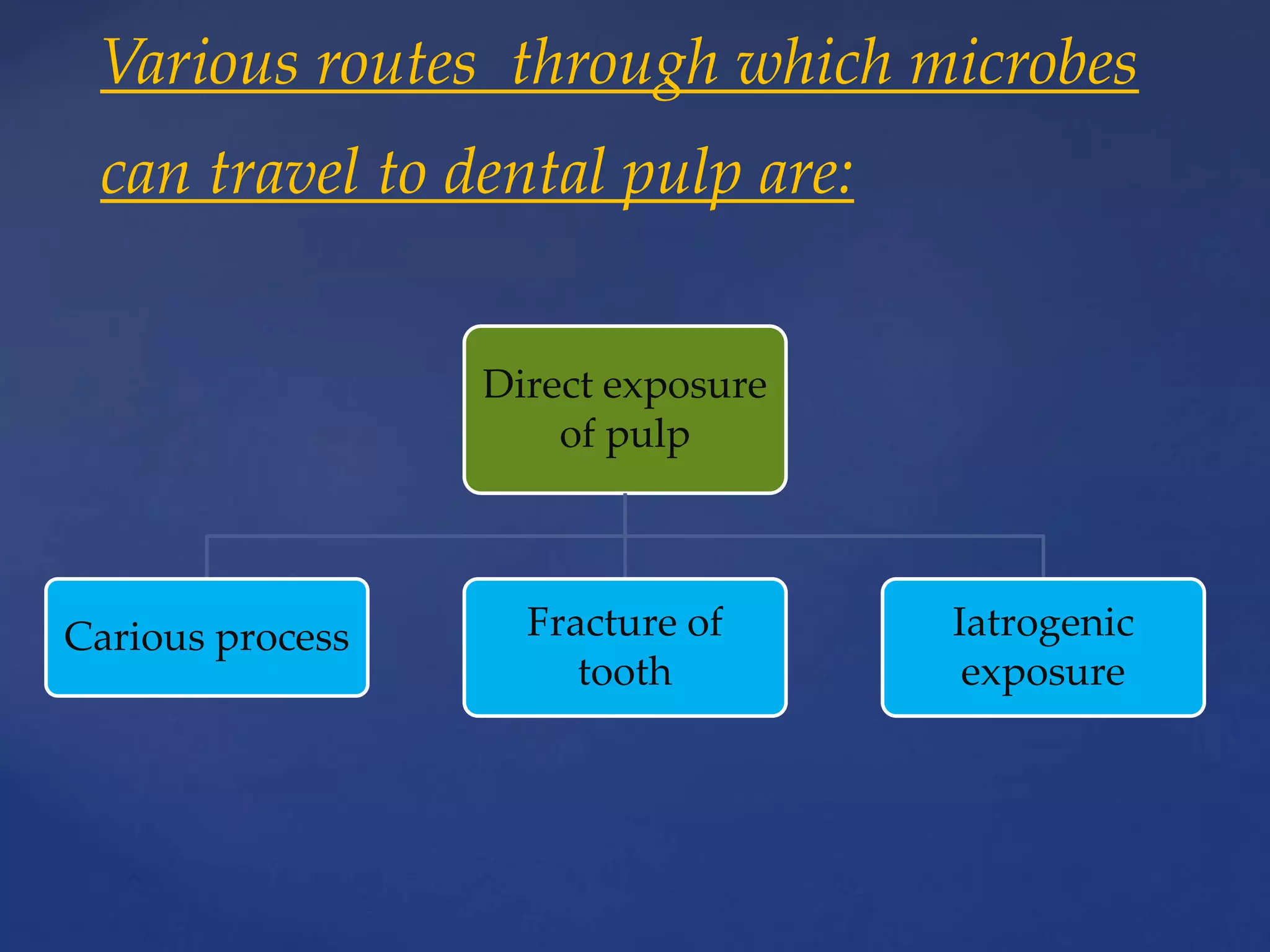
Various routes through which microbes
can travel to dental pulp are:
Direct exposure
of pulp
Carious process Fracture of
tooth
Iatrogenic
exposure
Other
Routes
Dentinal tubules
Accessory
canals
Anachoresis
Apical
foramen
 Microbes from subgingival biofilms associated with
periodontal disease have access to the pulp via dentinal
tubules at the cervical region of the tooth and lateral and
apical foramens.
 Most of the bacteria in the carious process are non-motile;
they invade dentin by repeated cell division which pushes
cells into tubules.
 Bacterial cells may also be forced into tubules by
hydrostatic pressure developed on dentin during
mastication.
 It is a Greek word which means refuge and also
convocation.
 It is a process by which microbes may be transported
in the blood or lymph to an area of inflammation
such as a tooth with pulpitis, where they may
establish an infection.
ANACHORESIS
 Schuller in 1880 was one of the first to study the
attraction of circulating bacteria to areas of tissue
injury.
 Later , Richert cited clinical cases in which bacteria
from extra oral site were localized in the pulps of
filled teeth.
 In 1941, Robinson & Boiling cited the movement of
systemic bacteria into inflammed pulps.
 Circumscript chronic periapical inflammation &
dental granuloma have been considered as foci for
various disease.
 Menkin observed that electronegative substances,
such as trypan blue, colloidal iron & microbes get
collected and become fixed in the inflammed tissues.
 The process of anachoresis has been especially
associated with bacteremias and infective
endocarditis.
 Once the dental pulp becomes necrotic the root canal
system becomes a “privileged sanctuary” for clusters
of bacteria, bacterial by-products and degradation
products of both the microbes and the pulpal tissues.
 The occurance of anachoresis explains clinical
situations in which there would be no possibility of
bacterial contamination of the pulp or periapical
region, yet establishment of inflammatory process
with significant post operative symptoms is seen.
 It is the mechanism through which traumatized teeth
with intact crowns become infected.
 It is also implied to certain cases of post operative
idiopathic pulpitis known as “anachorectic pulpitis”
 E C rosenow has also introduced the concepts of “elective
localization” where by bacteria would have affinity for
specific body organs.
FOCAL INFECTION THEORY:
 Focal infection consist of an infectious disorder caused by
micro organisms or their products that have disseminated
from a distant body site (focus of infection)
 Micro organisms from an infected oral site might
spontaineously or after dental procedure gain entry into
the blood circulation and cause disease in remote sites.
 Hippocrates reported that arthritis could be cured after
extraction of diseased tooth.
 To cause a focal disease, bacteria must travel from the
focus of infection to a distant body site. This occurs via
bacteraemia. It can occur in cases of acute apical abscesses
and during the treatment of infected root canal or
periradicular surgery.
 It has been shown that it is far more probable that
bacteraemia occurs if root canal procedures are performed
beyond the apical foramen than when maintained with in
root canal.
INFLAMMATION OF DENTAL
PULP:
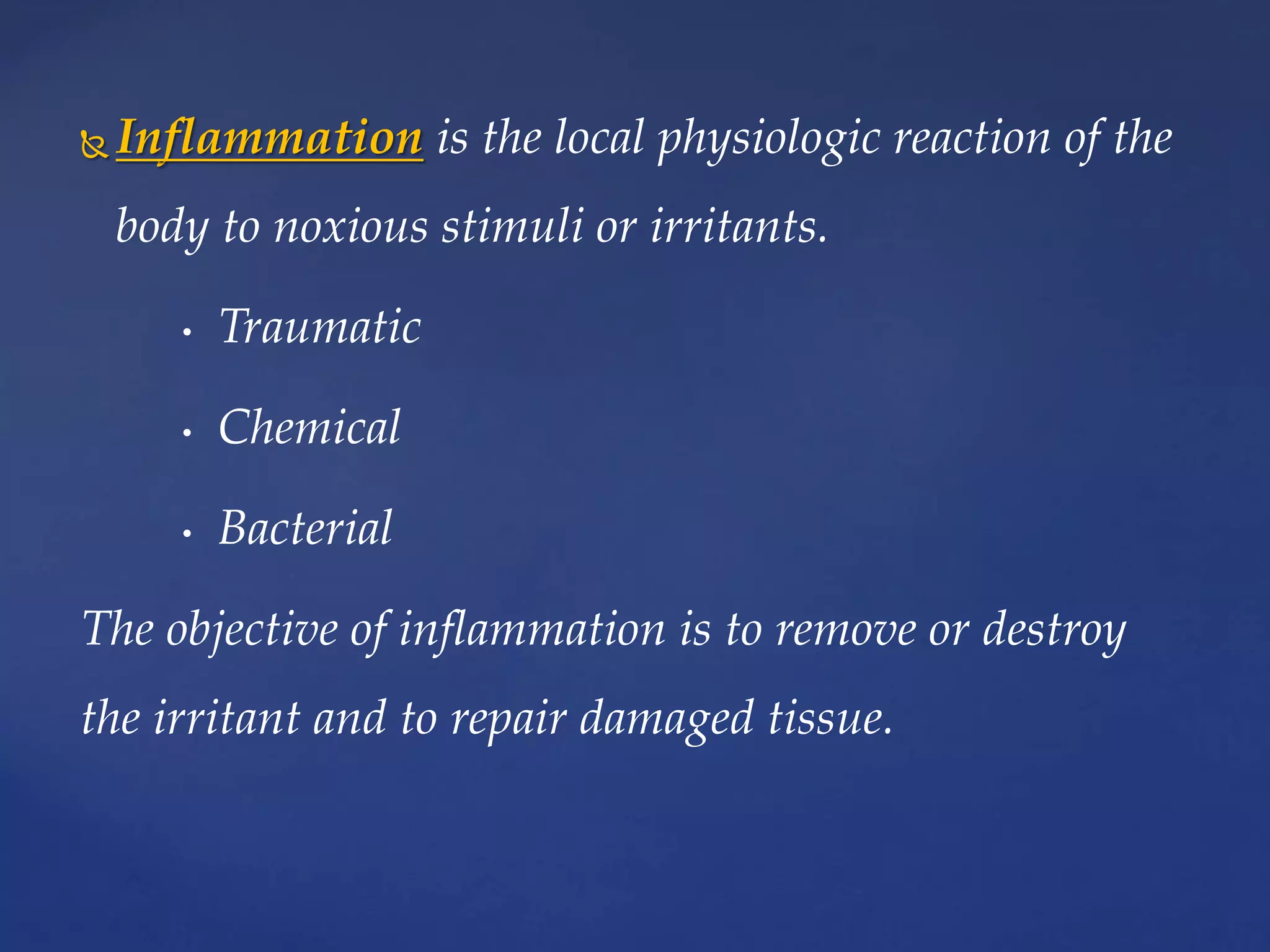
 Inflammation is the local physiologic reaction of the
body to noxious stimuli or irritants.
• Traumatic
• Chemical
• Bacterial
The objective of inflammation is to remove or destroy
the irritant and to repair damaged tissue.
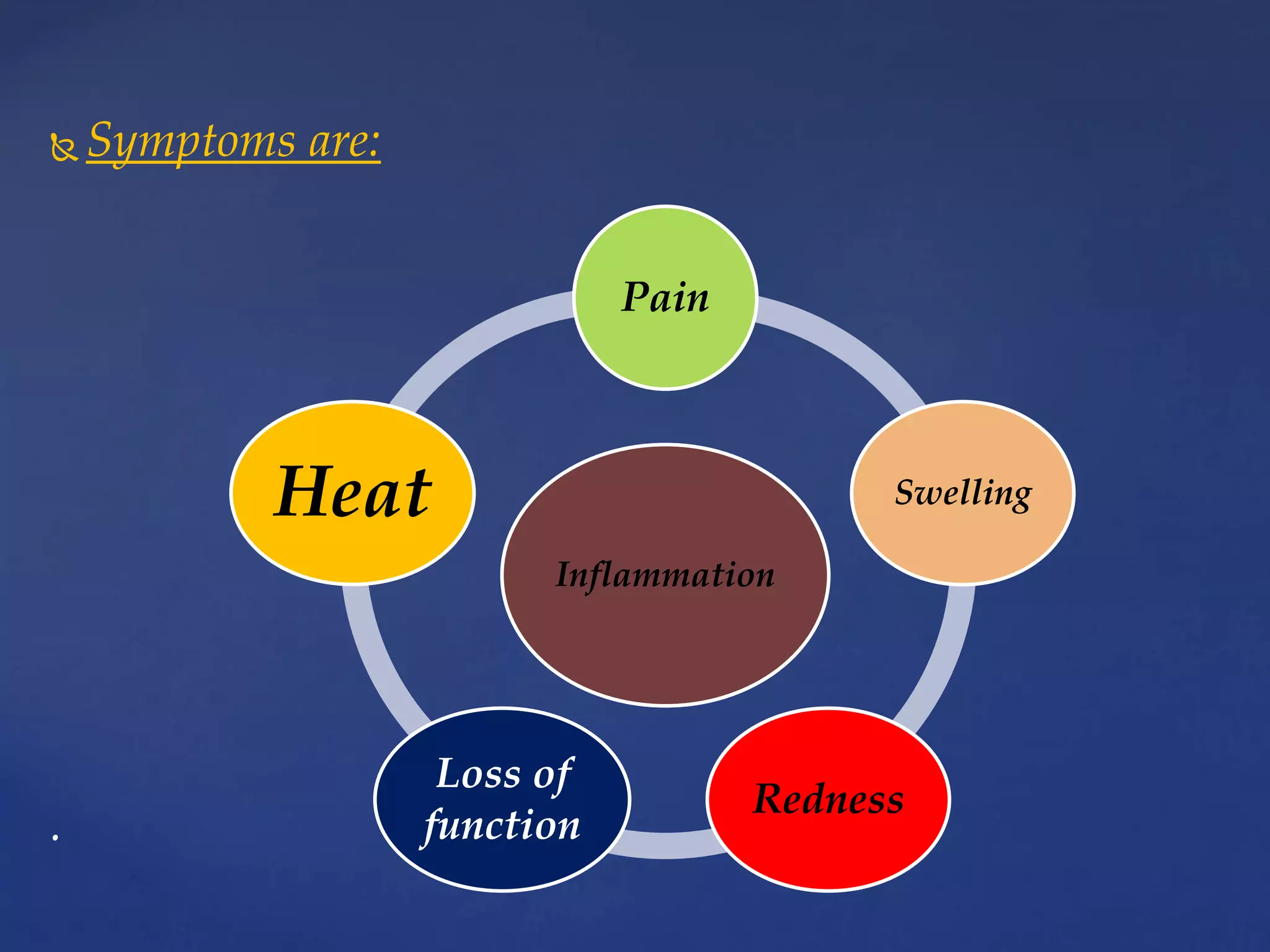
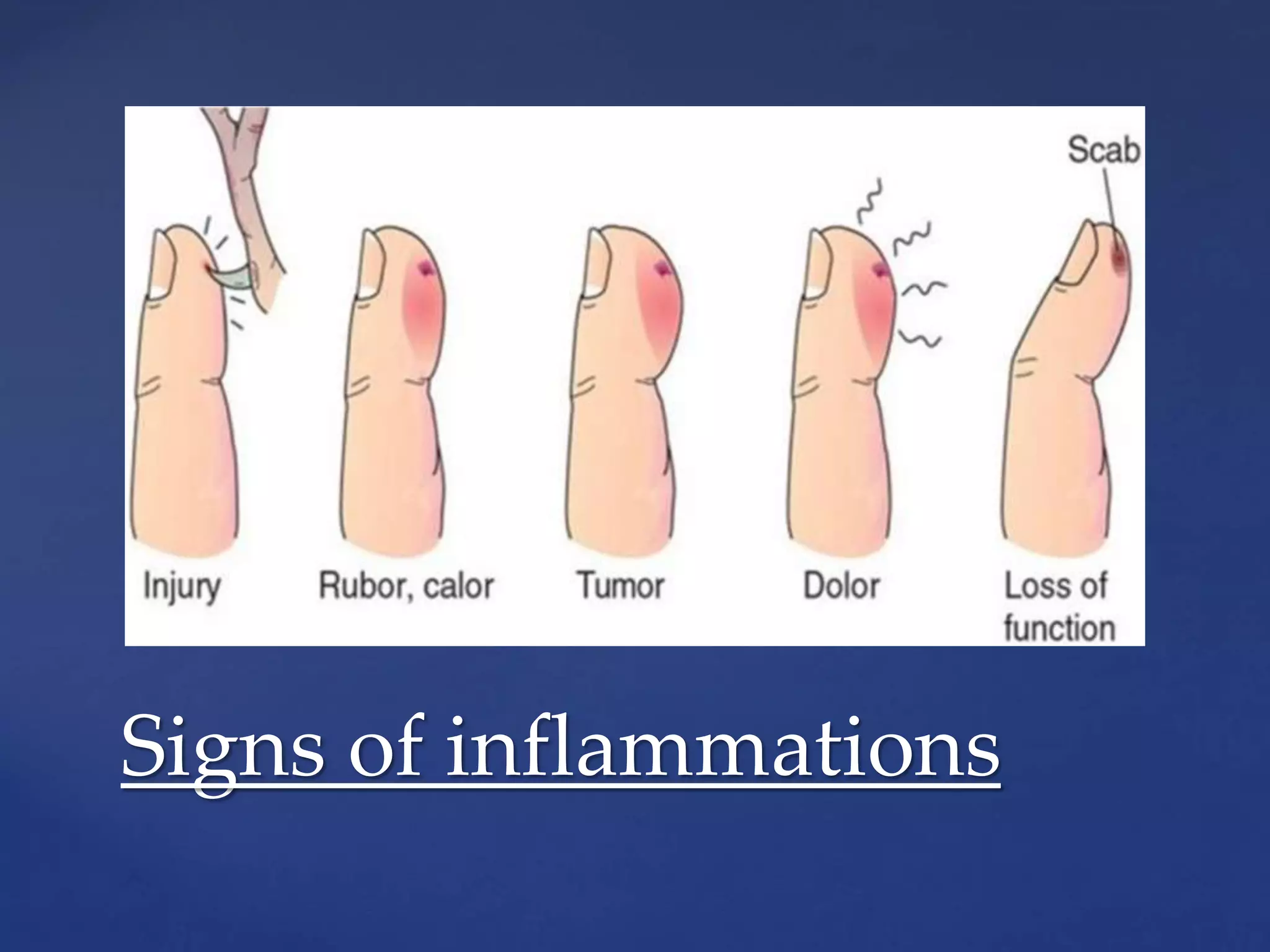
 Symptoms are:
.
Inflammation
Pain
Swelling
Redness
Loss of
function
Heat
Signs of inflammations
 The inflammatory response of connective tissue of dental
pulp is modified because of its surroundings
 Because the pulp is enclosed in hard tissues with limited
portals of entry, it is an organ of terminal and limited
circulation with no efficient colateral circulation and
with limited space to expand during the inflammatory
reaction.
In inflammed pulp only pain and disturbance of
function are recognized clinically.
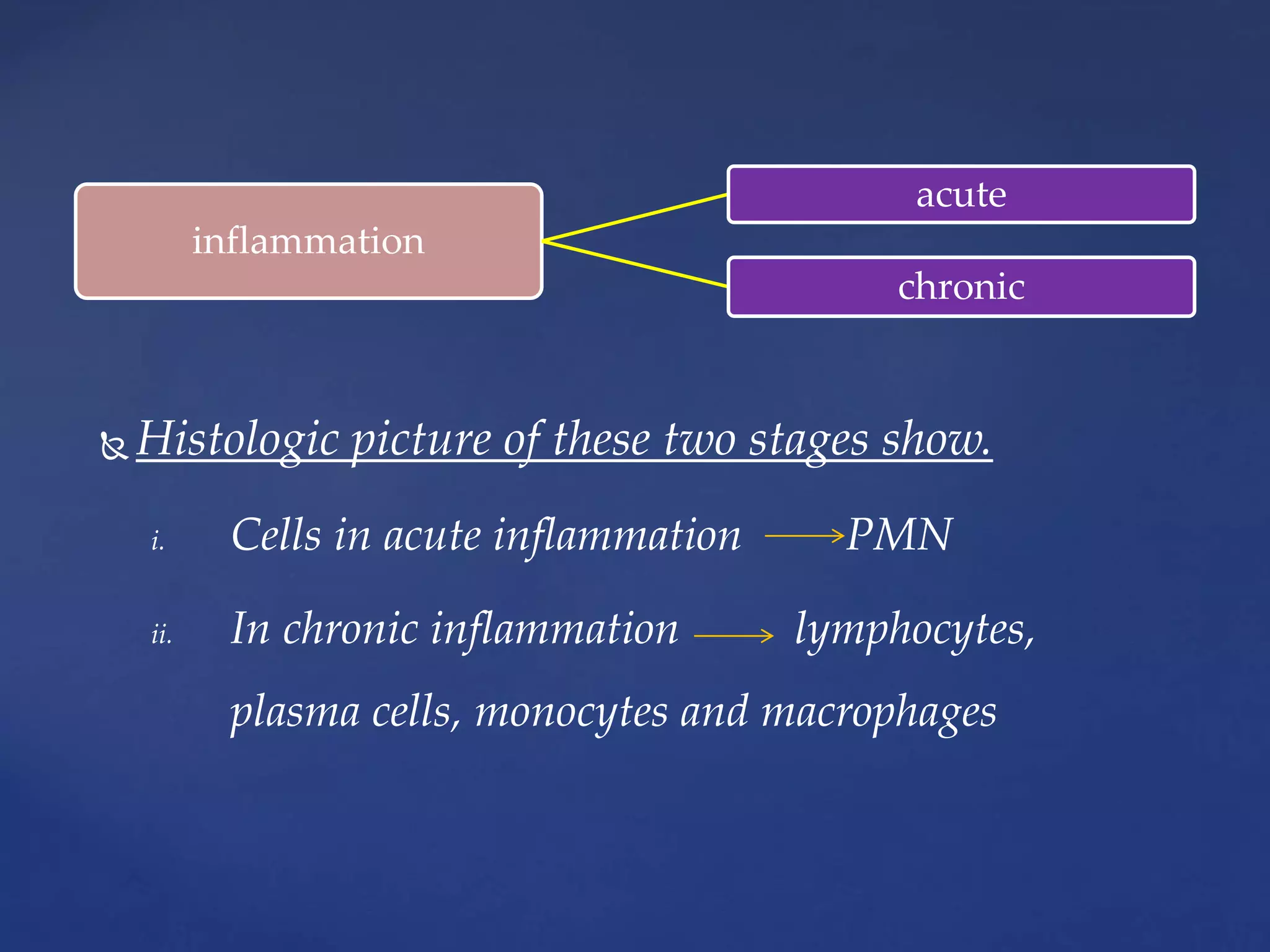
 Histologic picture of these two stages show.
i. Cells in acute inflammation PMN
ii. In chronic inflammation lymphocytes,
plasma cells, monocytes and macrophages
inflammation
acute
chronic
Vasular changes:
 2 fundamental vascular changes:
A. Vasodilatation
B. Increased capillary permeability, which in
turn leads to a series of interrelated
physiologic and morphologic changes
characteristic of the inflammatory response.
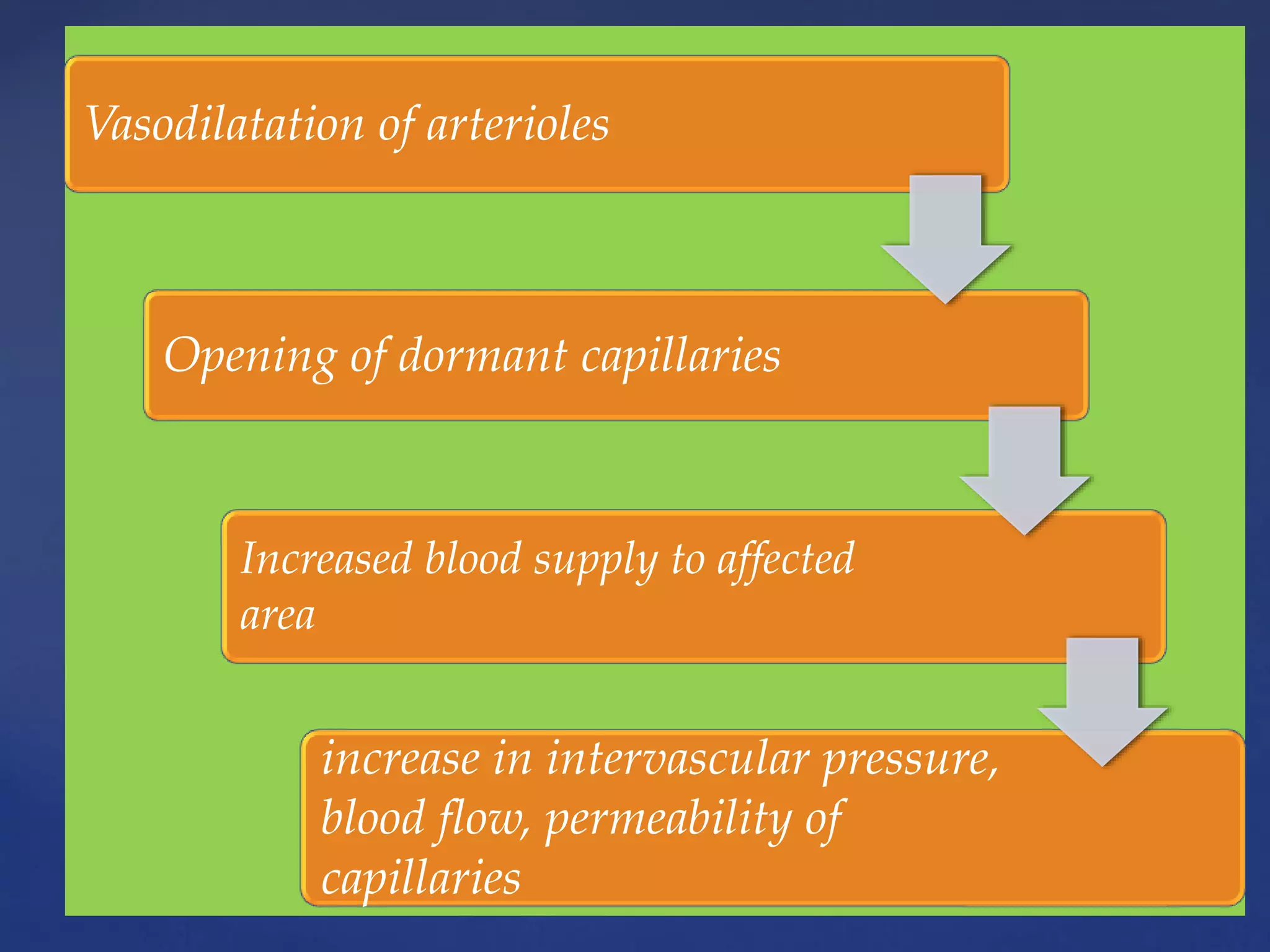
Vasodilatation of arterioles
Opening of dormant capillaries
Increased blood supply to affected
area
increase in intervascular pressure,
blood flow, permeability of
capillaries
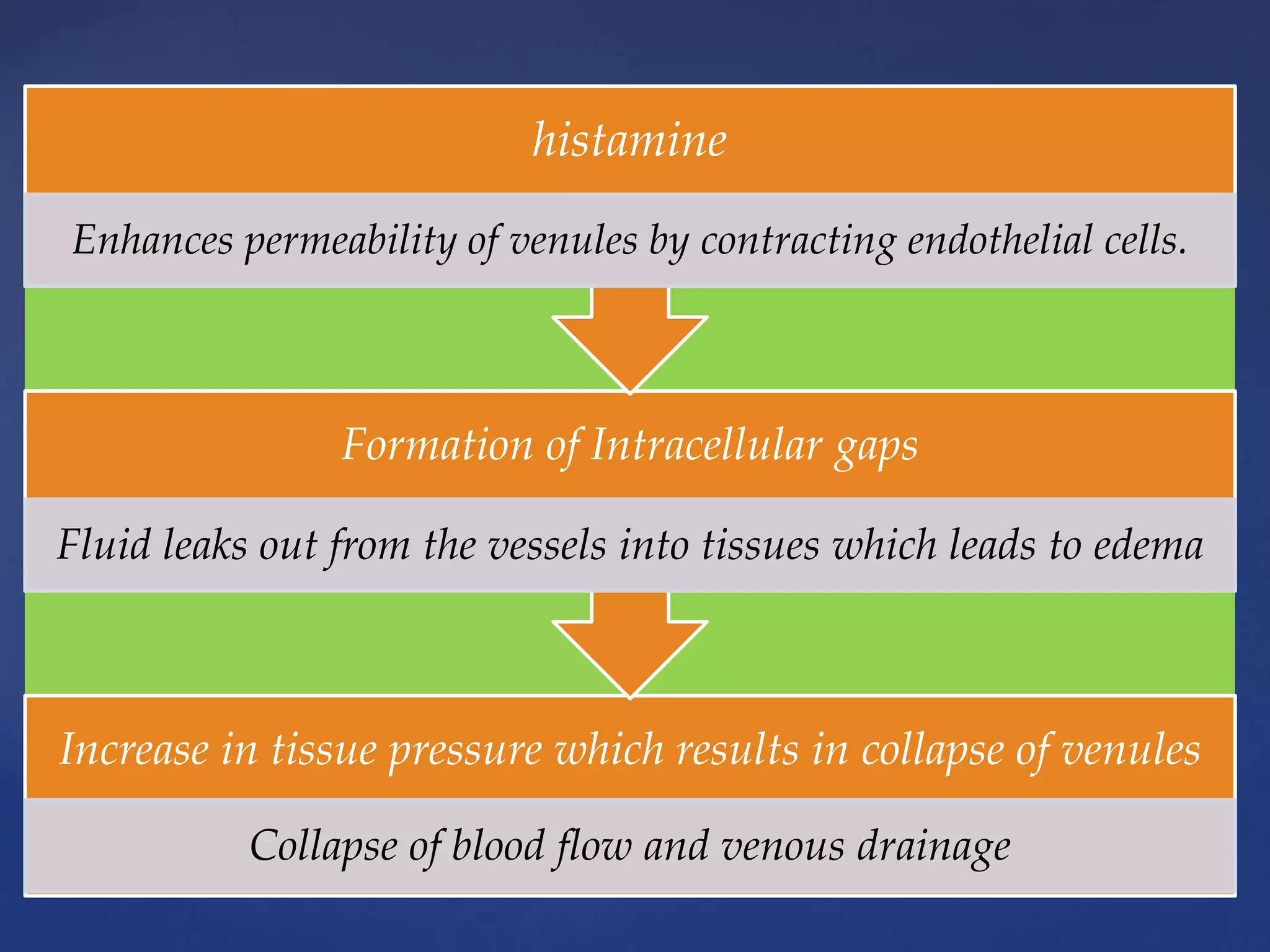
 Proteolytic enzymes released from injured cells,
bacterial toxins, and traumatic mechanical forces
may release HISTAMINE from mast cells
Increase in tissue pressure which results in collapse of venules
Collapse of blood flow and venous drainage
Formation of Intracellular gaps
Fluid leaks out from the vessels into tissues which leads to edema
histamine
Enhances permeability of venules by contracting endothelial cells.
Vicious cycle of pulpal inflammation.
 In 1939, Dr. W E Fish, recognised four zones of
reaction formed in response to bacteria.
 According to Fish, the microbes are confined by
polymorphonuclear neutrophil leukocytes to a
zone of infection.
FISH’S ZONES OF REACTION TO
INFECTION:
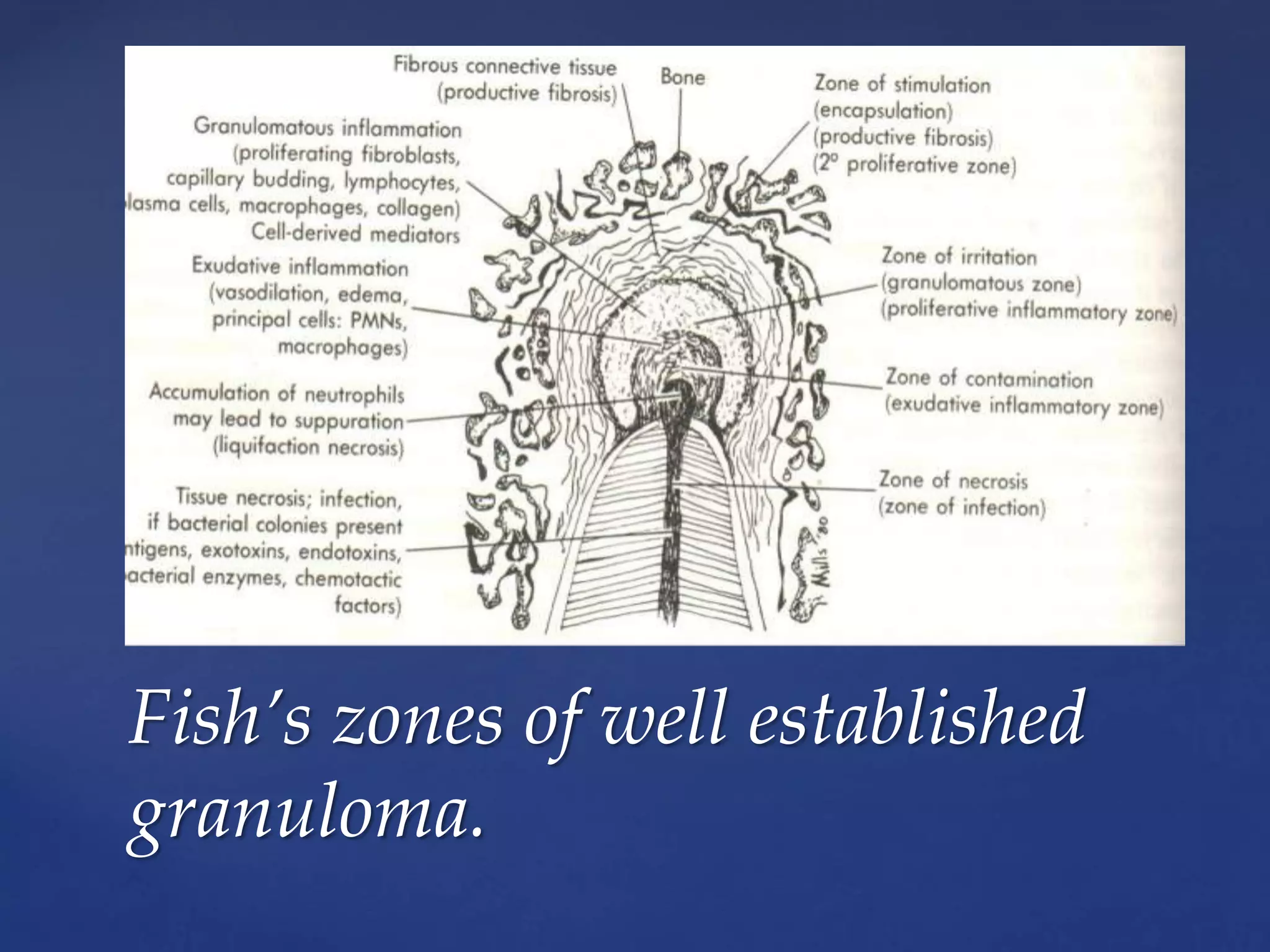
Fish’s zones of well established
granuloma.
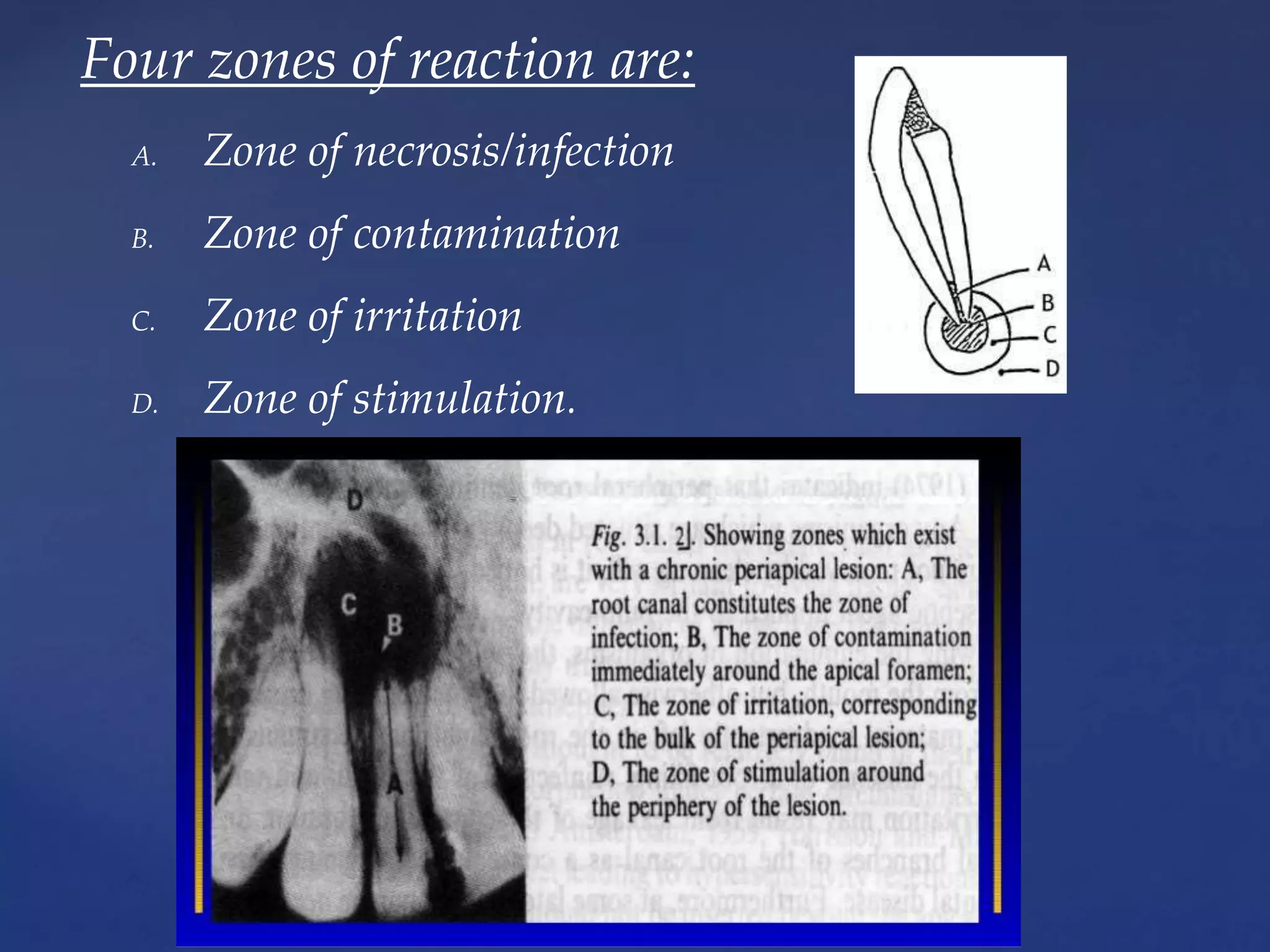
Four zones of reaction are:
A. Zone of necrosis/infection
B. Zone of contamination
C. Zone of irritation
D. Zone of stimulation.
ZONE OF NECROSIS
• Infection Is Present in the centre of the lesion
• Micro-organisms are found in this zone
• Characterised by polymorphonuclear leukocytes.
ZONE OF CONTAMINATION
• Characterized by round cell infiltration.
• Cellular destruction from the toxins discharged from
central zone is observed.
• Bone cells are dead & might go under autolysis
which results in empty appearance of lacunae.
ZONE OF IRRITATION:
• It is characterized by macrophages and osteoclasts.
• Small round cells, normal bone cells can be seen.
• Collagen framework is digested by phagocytic cells, i,e
the macrophages, while osteoclasts attack the bone
tissue.
ZONE OF STIMULATION:
• Characterized by fibroblasts and osteoblasts.
• At the periphery , toxin is mild enough to be a
stimulant
• Response to this stimulation, collagen fibres get laid
down by fibroblasts, which acts both as a wall of
defence around the zone of irritation and as a
scaffolding on which the osteoblasts built new bone.
 According to his concept, periapical lesion is not an
infection by itself but the reaction of body to infection in
the canal.
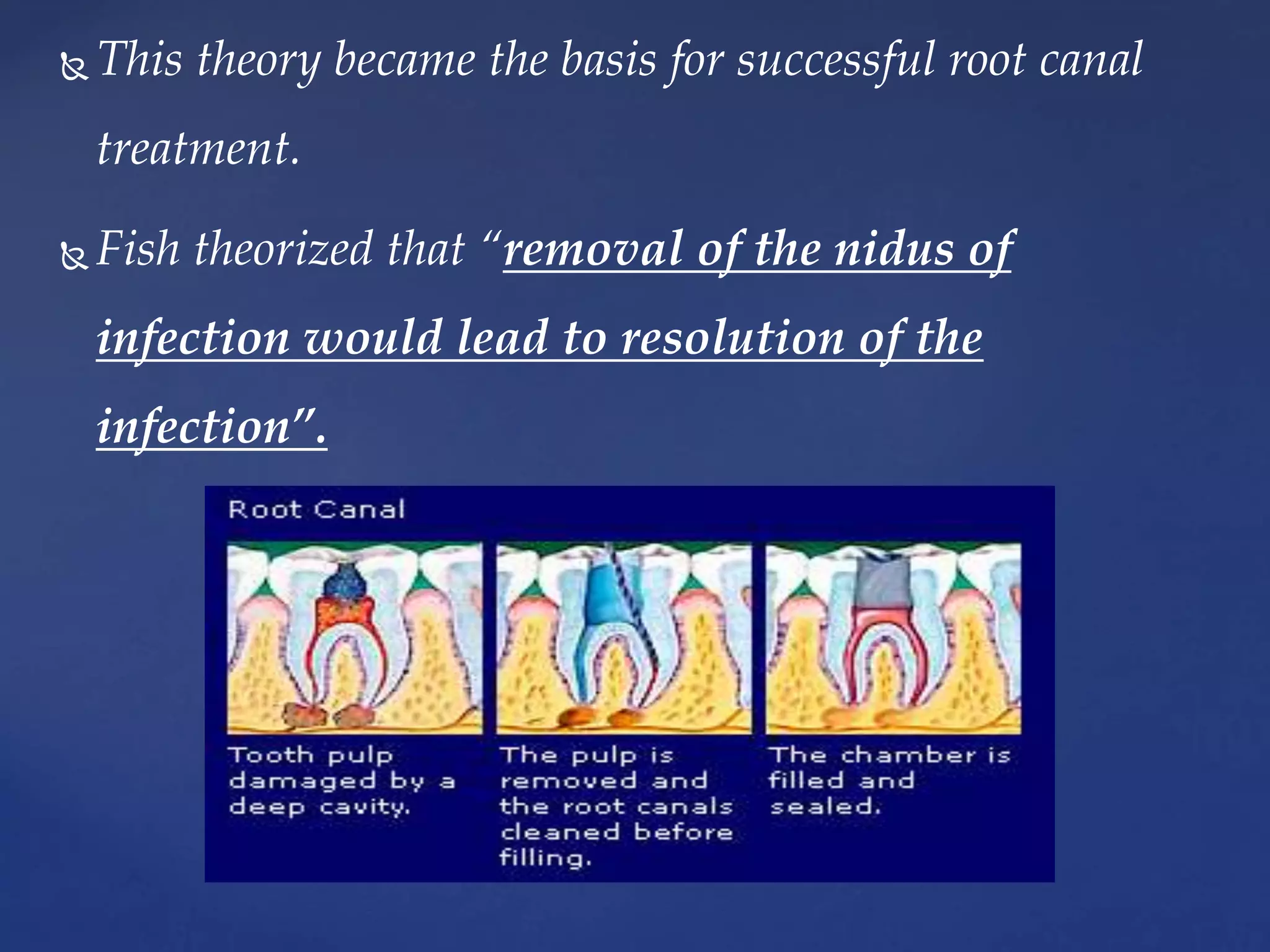
 This theory became the basis for successful root canal
treatment.
 Fish theorized that “removal of the nidus of
infection would lead to resolution of the
infection”.
 Kronfeld explained that the granuloma does not provide a
favourable environment for the survival of the bacteria.
 He explained tissue reaction under 3 zones
• Zone A
• Zone B
• Zone C
KRONFELD’S MOUNTAIN PASS
THEORY
 Zone A:
• He compared the bacteria in the infected root canal with
the invaders entrenched behind high and inaccessible
mountain pass.
 Zone B:
• The exudative and granulomatous tissue of the
granuloma represents a mobilized army defending the
plains[periapex] from the invaders [bacteria]
• When a few microbes enter the periapex, they are
destroyed by PMNs.
• But when the microbes are more in number or more
virulent, they over power the defensive mechanism &
results in lesions.
 Zone C:
• Only complete elimination of the invaders from their
mountainous entrenchment will eliminate the need of
a defence forces in the “plains”.
• Once this is accomplished, the defending army of
leukocytes withdraws, the local destruction created by
the battle is repaired [granulation tissue] and the
environment results to normal.
 This analogy explains the rationale for the disappearance
of granulation tissue after extraction of an infected tooth
or appropriate root canal therapy.
 The complete elimination of pathologic irritants from the
canal followed by the three dimensional fluid impervious
obturation will result in complete healing of periapical
area.
 It is caused by microbes that resist intracanal
antimicrobial procedures and survive in the treated
canals.
 Some bacteria are either resistant or inaccessible to
treatment procedures therefore diligent antimicrobial
treatment may fail to completely eliminate them.
PERSISTENT ENDODONTIC
INFECTIONS
 These persistent infections can be responsible for
several clinical problems like persistent exudation,
symptoms , interappointment flare-ups, failure of
endodontic treatment.
 Therefore to prevent these persistent infections care
should be taken to remove all the microbes from the
infected root canals.
 When the root canal has been treated, the reservoir of
bacteria or noxious products gets eliminated; when the root
canal is cleaned and obturated, the destroyed periapical
bone will undergo repair.
 The ultimate goal of endodontic treatment is either to
prevent the development of endodontic lesions or in cases
where it is present, to create adequate conditions for tissue
healing.
CONCLUSION
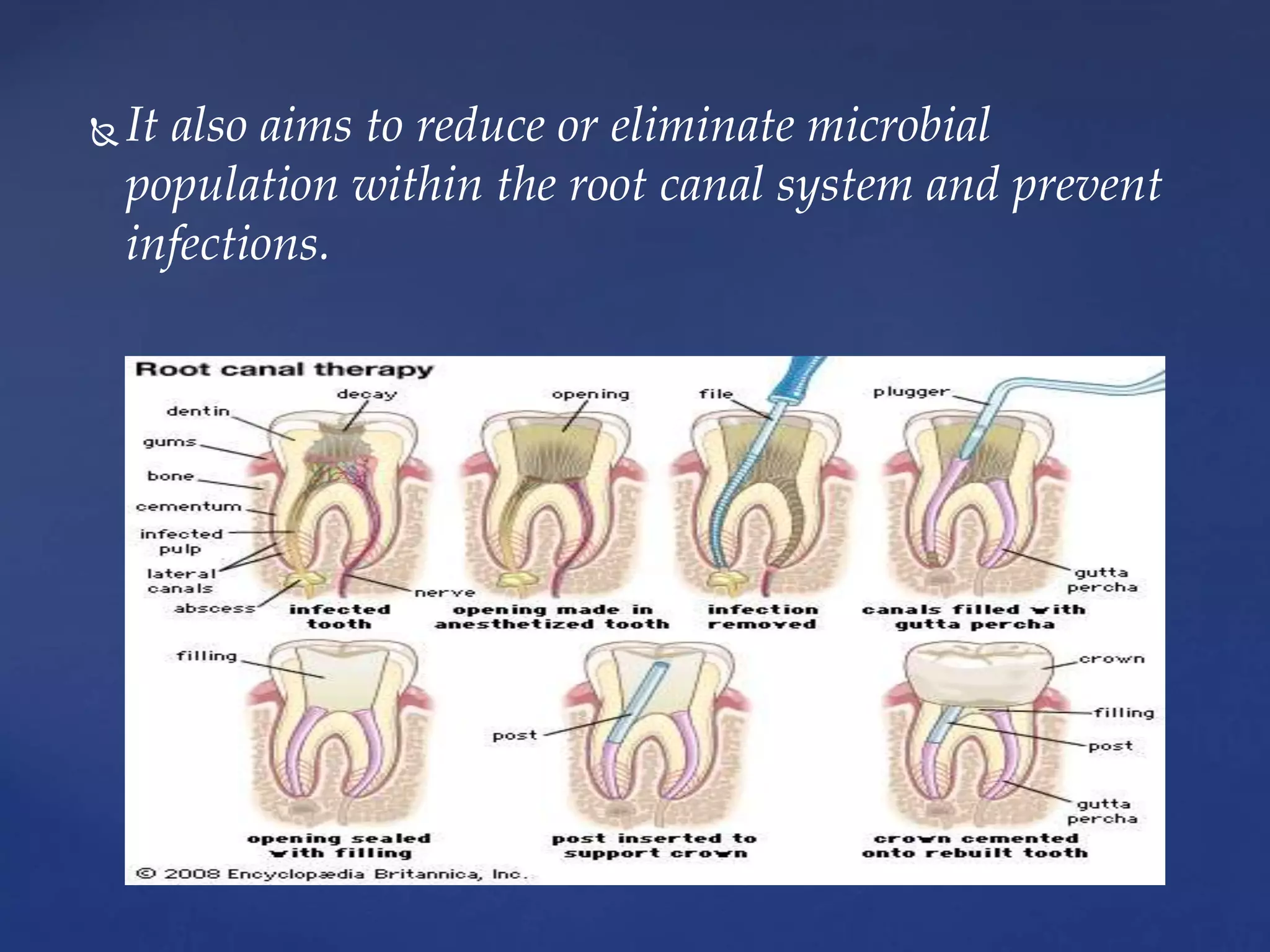
 It also aims to reduce or eliminate microbial
population within the root canal system and prevent
infections.
 Grossman’s Endodontic Practise- 12th edition
 Cohen’s Pathways of the Pulp- 10th edition
 Ingle’s Textbook- 6th edition
 Weine’s Endodontic Therapy- 5th edition
REFERENCES:
Rationale of endodontics

Rationale of endodontics

  • 1.
    RATIONALE OF ENDODONTICS Dr. AlkaShukla Dept of Conservative and Endodontics
  • 2.
     Introduction  Definitionof endodontics  Scope of endodontics  Pathogenesis of endodontic diseases  Routes of canal infection  Anachoresis  Focal infection theory  Inflammation of dental pulp Fish’s zone of reaction Kronfeld’s mountain pass theory  Persistent endodontic infections  Conclusion  References. Contents:
  • 3.
    INTRODUCTION:  The word“Rationale” means fundamental reason or logical basis.  The word “Endodontics” is combination of two Greek words: endo which means inside and odont which means tooth.  Rationale of endodontic therapy is based on the belief that a natural tooth functions more efficiently and comfortably than a bridge, partial denture or a metal implant.
  • 4.
    It is thatbranch of dentistry that is concerned with the morphology, physiology and pathology of the human dental pulp and periradicular tissues. Its study and practise encompass the basic clinical sciences including biology of the normal pulp; the etiology, diagnosis, prevention and treatment of diseases and injuries of the pulp; and associated periradicular conditions. DEFINITION OF ENDODONTICS:
  • 5.
     Differential diagnosisand treatment of oral pain of pulpal or periradicular origin.  Vital pulp therapy, such as pulp capping and pulpotomy.  Non surgical treatment of root canal systems with or without periradicular pathosis of pulpal origin and the obturation of these root canal system. SCOPE OF ENDODONTICS:
  • 6.
     Selective surgicalremoval of pathological tissues.  Intentional replantation of avulsed teeth.  Surgical removal of tooth structure, such as root end resection and root end filling.  Hemisection, bicuspidization and root resection
  • 7.
     Endodontic implants Bleaching of discoloured dentin and enamel  Retreatment of teeth previously treated endodontically  Treatment procedure related to coronal restoration by means of post and core involving the root canal space.
  • 8.
     Diagnosis ofextra-oral referred pain  Management of traumatic injuries of the teeth. Can also cover:  Biopsy of pathological tissue  Recognition of pathological conditions between the maxillary posterior teeth and the maxillary sinus.
  • 9.
  • 10.
    Etiologies of endodonticdiseases:  Physical agents: ex. heat generated during cavity preparation  Chemical agents: ex. Dental cements with acidic pH  Microbial agents: micro-organisms.  In 1894, W D Miller identified bacteria in the diseased pulp.
  • 11.
     Although chemicaland physical factors can induce periradicular inflammation, a large body of scientific evidence indicates that endodontic infection is essential for progression and perpetuation of different forms of pulpal & periapical disease.
  • 12.
     Endodontic infectionsdevelop in root canals devoid of host defences, either as a consequence of pulp necrosis (because caries, trauma, periodontal disease, or iatrogenic operative procedures) or pulp removal for treatment.
  • 13.
     Bacteria arethe major microorganisms implicated in the pathogenesis of endodontic disease. In advanced stages of the endodontic infections , bacterial organization resembling biofilms can be adhered to the canal walls.
  • 14.
     When bacteriaencounter the host defence system, inflammatory changes take place in the periradicular tissues and give rise to the development of apical periodontitis. Depending upon several bacterial and host-related factors, endodontic infections can lead to acute or chronic apical periodontitis.
  • 15.
    Routes of rootcanal infections:
  • 16.
     Under normalconditions, the pulpodentin complex is sterile and isolated from oral microbiota by overlying enamel and cementum. When the integrity of these natural layers is breached, the pulpodentin complex is exposed to the oral environment and then challenged by micro-organisms present in caries lesions, in saliva bathing the exposed area, or in dental plaque formed onto the exposed area.
  • 17.
    Various routes throughwhich microbes can travel to dental pulp are: Direct exposure of pulp Carious process Fracture of tooth Iatrogenic exposure
  • 18.
  • 19.
     Microbes fromsubgingival biofilms associated with periodontal disease have access to the pulp via dentinal tubules at the cervical region of the tooth and lateral and apical foramens.  Most of the bacteria in the carious process are non-motile; they invade dentin by repeated cell division which pushes cells into tubules.  Bacterial cells may also be forced into tubules by hydrostatic pressure developed on dentin during mastication.
  • 20.
     It isa Greek word which means refuge and also convocation.  It is a process by which microbes may be transported in the blood or lymph to an area of inflammation such as a tooth with pulpitis, where they may establish an infection. ANACHORESIS
  • 21.
     Schuller in1880 was one of the first to study the attraction of circulating bacteria to areas of tissue injury.  Later , Richert cited clinical cases in which bacteria from extra oral site were localized in the pulps of filled teeth.  In 1941, Robinson & Boiling cited the movement of systemic bacteria into inflammed pulps.
  • 22.
     Circumscript chronicperiapical inflammation & dental granuloma have been considered as foci for various disease.  Menkin observed that electronegative substances, such as trypan blue, colloidal iron & microbes get collected and become fixed in the inflammed tissues.  The process of anachoresis has been especially associated with bacteremias and infective endocarditis.
  • 23.
     Once thedental pulp becomes necrotic the root canal system becomes a “privileged sanctuary” for clusters of bacteria, bacterial by-products and degradation products of both the microbes and the pulpal tissues.  The occurance of anachoresis explains clinical situations in which there would be no possibility of bacterial contamination of the pulp or periapical region, yet establishment of inflammatory process with significant post operative symptoms is seen.
  • 24.
     It isthe mechanism through which traumatized teeth with intact crowns become infected.  It is also implied to certain cases of post operative idiopathic pulpitis known as “anachorectic pulpitis”  E C rosenow has also introduced the concepts of “elective localization” where by bacteria would have affinity for specific body organs.
  • 25.
    FOCAL INFECTION THEORY: Focal infection consist of an infectious disorder caused by micro organisms or their products that have disseminated from a distant body site (focus of infection)  Micro organisms from an infected oral site might spontaineously or after dental procedure gain entry into the blood circulation and cause disease in remote sites.  Hippocrates reported that arthritis could be cured after extraction of diseased tooth.
  • 26.
     To causea focal disease, bacteria must travel from the focus of infection to a distant body site. This occurs via bacteraemia. It can occur in cases of acute apical abscesses and during the treatment of infected root canal or periradicular surgery.  It has been shown that it is far more probable that bacteraemia occurs if root canal procedures are performed beyond the apical foramen than when maintained with in root canal.
  • 27.
  • 28.
     Inflammation isthe local physiologic reaction of the body to noxious stimuli or irritants. • Traumatic • Chemical • Bacterial The objective of inflammation is to remove or destroy the irritant and to repair damaged tissue.
  • 29.
  • 30.
  • 31.
     The inflammatoryresponse of connective tissue of dental pulp is modified because of its surroundings  Because the pulp is enclosed in hard tissues with limited portals of entry, it is an organ of terminal and limited circulation with no efficient colateral circulation and with limited space to expand during the inflammatory reaction. In inflammed pulp only pain and disturbance of function are recognized clinically.
  • 32.
     Histologic pictureof these two stages show. i. Cells in acute inflammation PMN ii. In chronic inflammation lymphocytes, plasma cells, monocytes and macrophages inflammation acute chronic
  • 33.
  • 34.
     2 fundamentalvascular changes: A. Vasodilatation B. Increased capillary permeability, which in turn leads to a series of interrelated physiologic and morphologic changes characteristic of the inflammatory response.
  • 35.
    Vasodilatation of arterioles Openingof dormant capillaries Increased blood supply to affected area increase in intervascular pressure, blood flow, permeability of capillaries
  • 36.
     Proteolytic enzymesreleased from injured cells, bacterial toxins, and traumatic mechanical forces may release HISTAMINE from mast cells
  • 37.
    Increase in tissuepressure which results in collapse of venules Collapse of blood flow and venous drainage Formation of Intracellular gaps Fluid leaks out from the vessels into tissues which leads to edema histamine Enhances permeability of venules by contracting endothelial cells.
  • 38.
    Vicious cycle ofpulpal inflammation.
  • 39.
     In 1939,Dr. W E Fish, recognised four zones of reaction formed in response to bacteria.  According to Fish, the microbes are confined by polymorphonuclear neutrophil leukocytes to a zone of infection. FISH’S ZONES OF REACTION TO INFECTION:
  • 40.
    Fish’s zones ofwell established granuloma.
  • 41.
    Four zones ofreaction are: A. Zone of necrosis/infection B. Zone of contamination C. Zone of irritation D. Zone of stimulation.
  • 42.
    ZONE OF NECROSIS •Infection Is Present in the centre of the lesion • Micro-organisms are found in this zone • Characterised by polymorphonuclear leukocytes. ZONE OF CONTAMINATION • Characterized by round cell infiltration. • Cellular destruction from the toxins discharged from central zone is observed. • Bone cells are dead & might go under autolysis which results in empty appearance of lacunae.
  • 43.
    ZONE OF IRRITATION: •It is characterized by macrophages and osteoclasts. • Small round cells, normal bone cells can be seen. • Collagen framework is digested by phagocytic cells, i,e the macrophages, while osteoclasts attack the bone tissue. ZONE OF STIMULATION: • Characterized by fibroblasts and osteoblasts. • At the periphery , toxin is mild enough to be a stimulant
  • 44.
    • Response tothis stimulation, collagen fibres get laid down by fibroblasts, which acts both as a wall of defence around the zone of irritation and as a scaffolding on which the osteoblasts built new bone.  According to his concept, periapical lesion is not an infection by itself but the reaction of body to infection in the canal.
  • 45.
     This theorybecame the basis for successful root canal treatment.  Fish theorized that “removal of the nidus of infection would lead to resolution of the infection”.
  • 46.
     Kronfeld explainedthat the granuloma does not provide a favourable environment for the survival of the bacteria.  He explained tissue reaction under 3 zones • Zone A • Zone B • Zone C KRONFELD’S MOUNTAIN PASS THEORY
  • 47.
     Zone A: •He compared the bacteria in the infected root canal with the invaders entrenched behind high and inaccessible mountain pass.  Zone B: • The exudative and granulomatous tissue of the granuloma represents a mobilized army defending the plains[periapex] from the invaders [bacteria] • When a few microbes enter the periapex, they are destroyed by PMNs.
  • 48.
    • But whenthe microbes are more in number or more virulent, they over power the defensive mechanism & results in lesions.
  • 49.
     Zone C: •Only complete elimination of the invaders from their mountainous entrenchment will eliminate the need of a defence forces in the “plains”. • Once this is accomplished, the defending army of leukocytes withdraws, the local destruction created by the battle is repaired [granulation tissue] and the environment results to normal.
  • 50.
     This analogyexplains the rationale for the disappearance of granulation tissue after extraction of an infected tooth or appropriate root canal therapy.  The complete elimination of pathologic irritants from the canal followed by the three dimensional fluid impervious obturation will result in complete healing of periapical area.
  • 51.
     It iscaused by microbes that resist intracanal antimicrobial procedures and survive in the treated canals.  Some bacteria are either resistant or inaccessible to treatment procedures therefore diligent antimicrobial treatment may fail to completely eliminate them. PERSISTENT ENDODONTIC INFECTIONS
  • 52.
     These persistentinfections can be responsible for several clinical problems like persistent exudation, symptoms , interappointment flare-ups, failure of endodontic treatment.  Therefore to prevent these persistent infections care should be taken to remove all the microbes from the infected root canals.
  • 53.
     When theroot canal has been treated, the reservoir of bacteria or noxious products gets eliminated; when the root canal is cleaned and obturated, the destroyed periapical bone will undergo repair.  The ultimate goal of endodontic treatment is either to prevent the development of endodontic lesions or in cases where it is present, to create adequate conditions for tissue healing. CONCLUSION
  • 54.
     It alsoaims to reduce or eliminate microbial population within the root canal system and prevent infections.
  • 55.
     Grossman’s EndodonticPractise- 12th edition  Cohen’s Pathways of the Pulp- 10th edition  Ingle’s Textbook- 6th edition  Weine’s Endodontic Therapy- 5th edition REFERENCES: