Putting Autonomous
Vehicles on the Right Path
Tim Spalding
16 August 2017
Introduction
• Autonomous Vehicles (AVs) will potentially have:
– High level of Coordination
– Empty Running Services
– Knowledge of all potential routes
– Congestion prediction capabilities
• The right route choice algorithm could maximize benefits
– User Equilibrium Assignment (Shortest Path)
– System Optimal Assignment
Impacts on Congestion
• AVs will impact congestion. But how?
– Increase congestion
• Induced trips from enabling young, old and/or disabled persons
• Potential empty running AVs to avoid paying for parking
– Decrease congestion
• Smaller headways
• No need for traffic lights
• Smarter route choice
Route Choice Algorithms
• User Equilibrium
– Shortest Path
– Reflected in navigation apps
– Minimizes user’s cost
• System Optimal
– Incorporates impact on other road users
– Hinders some users to benefit many
– Minimizes network cost
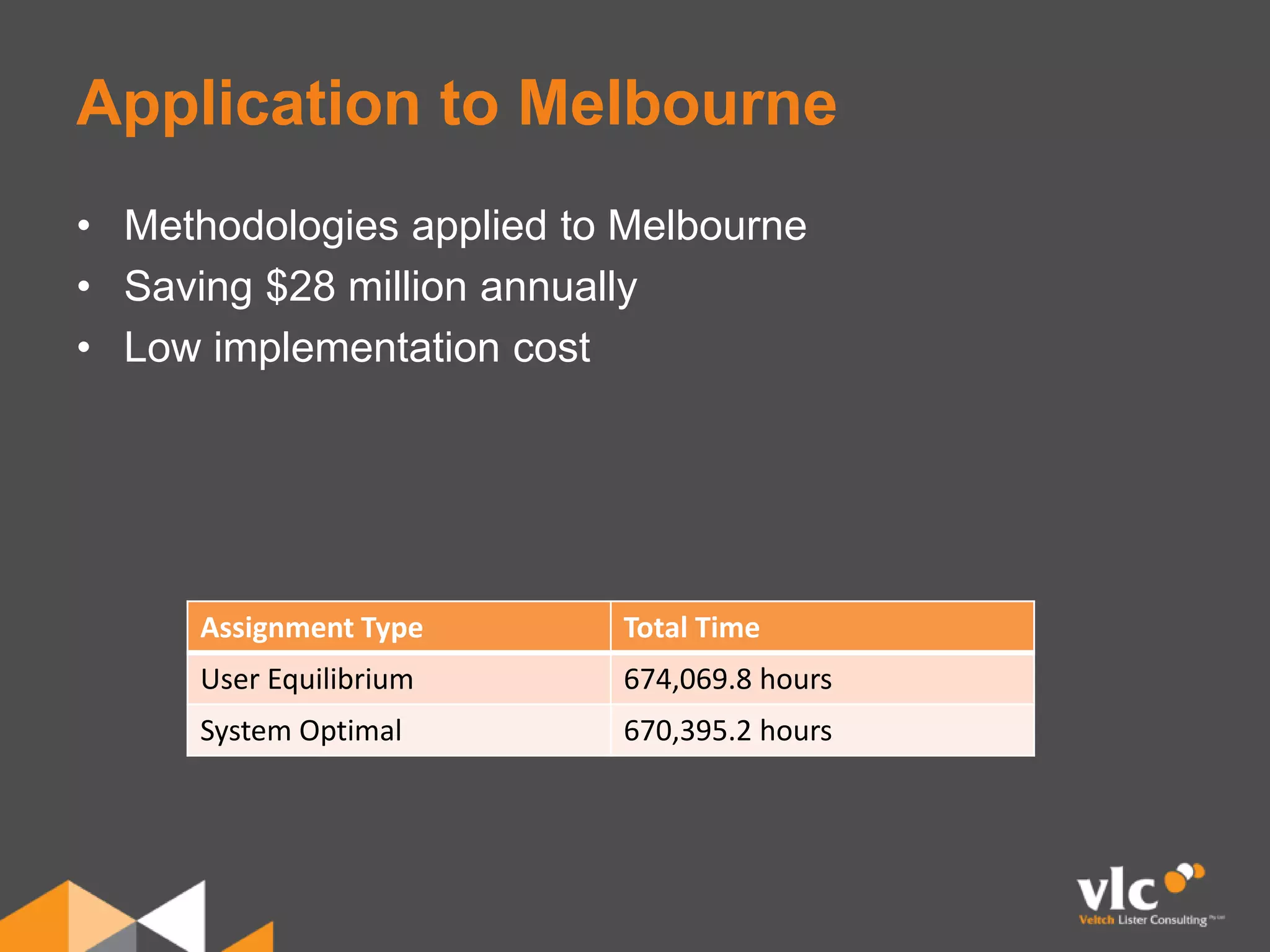
Application to Melbourne
• Methodologies applied to Melbourne
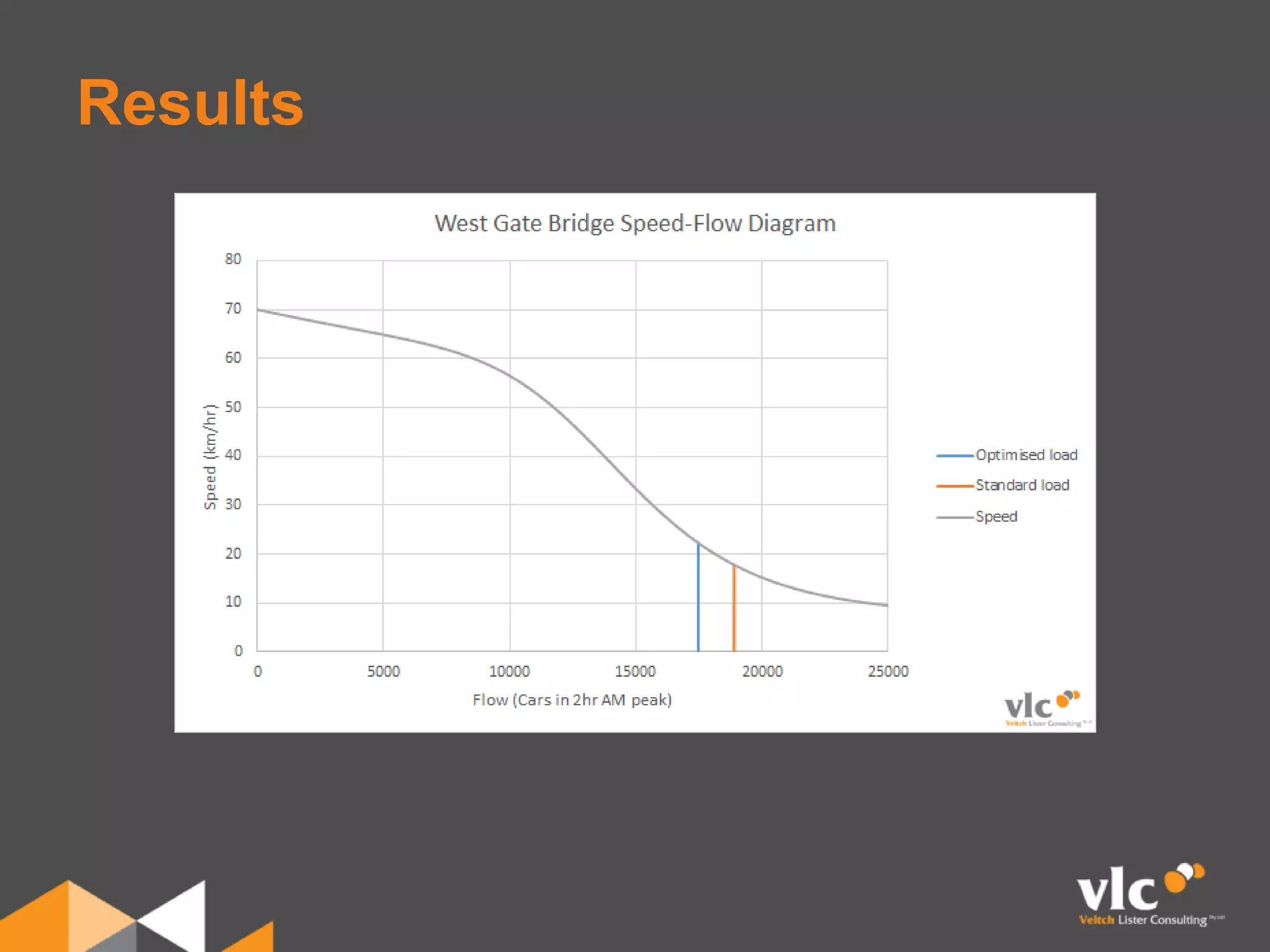
• Saving $28 million annually
• Low implementation cost
Assignment Type Total Time
User Equilibrium 674,069.8 hours
System Optimal 670,395.2 hours
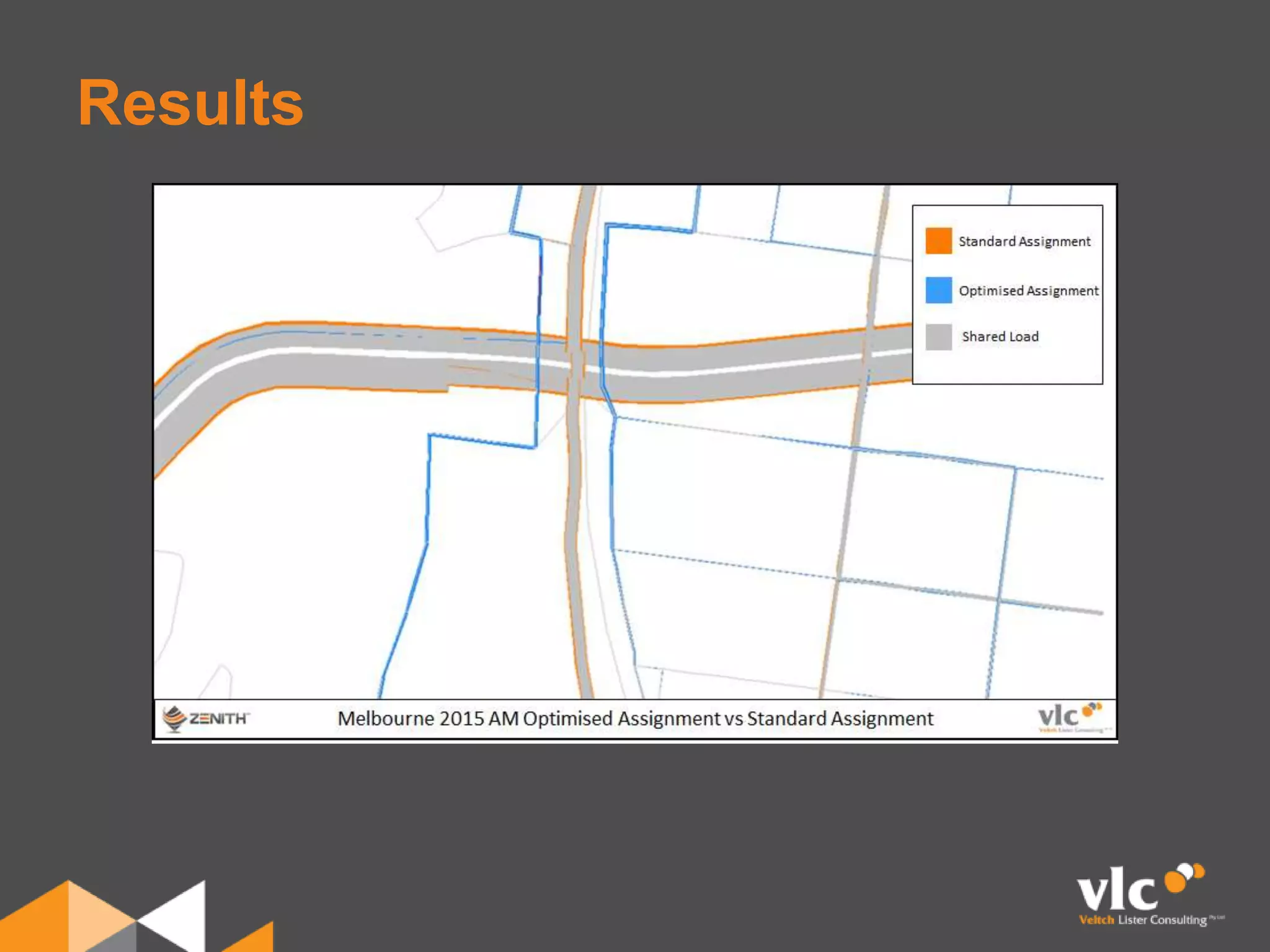
Results
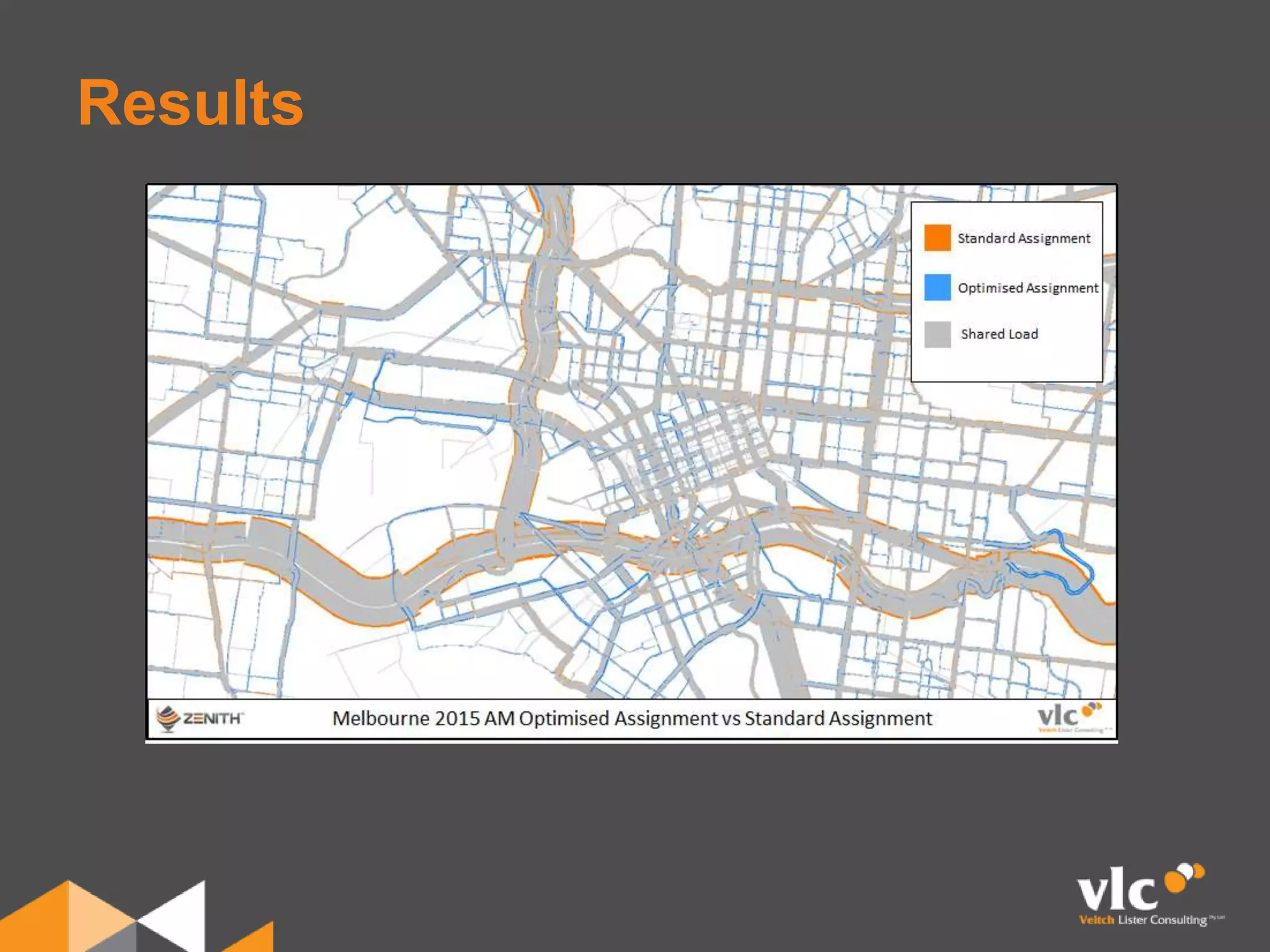
Results
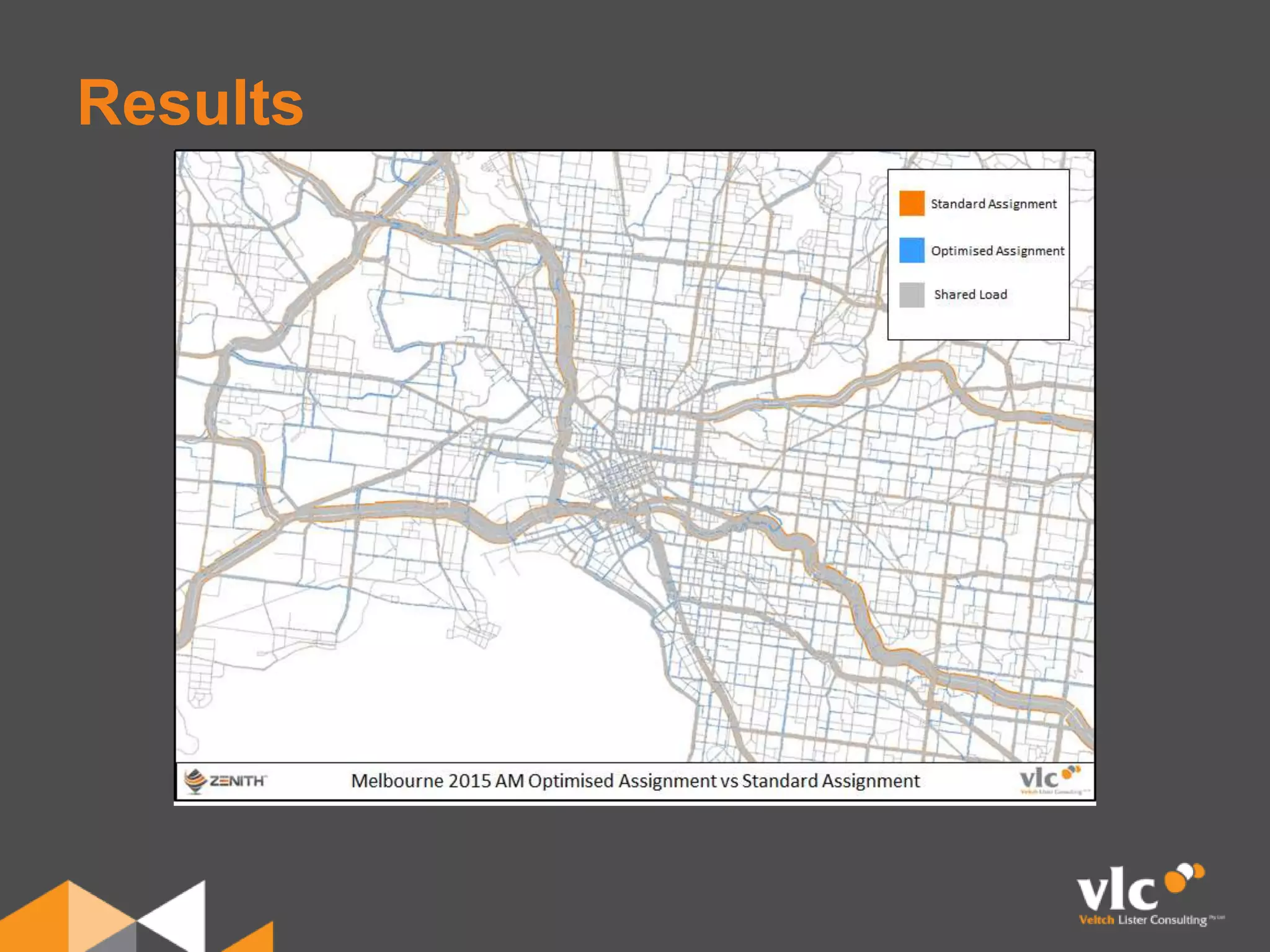
Results
Results
Limitations
• Cooperation of all vehicles required
• Unwanted increase in volumes on local roads
• 100% autonomous fleet assumed
• Strategic Model limitations
Conclusion
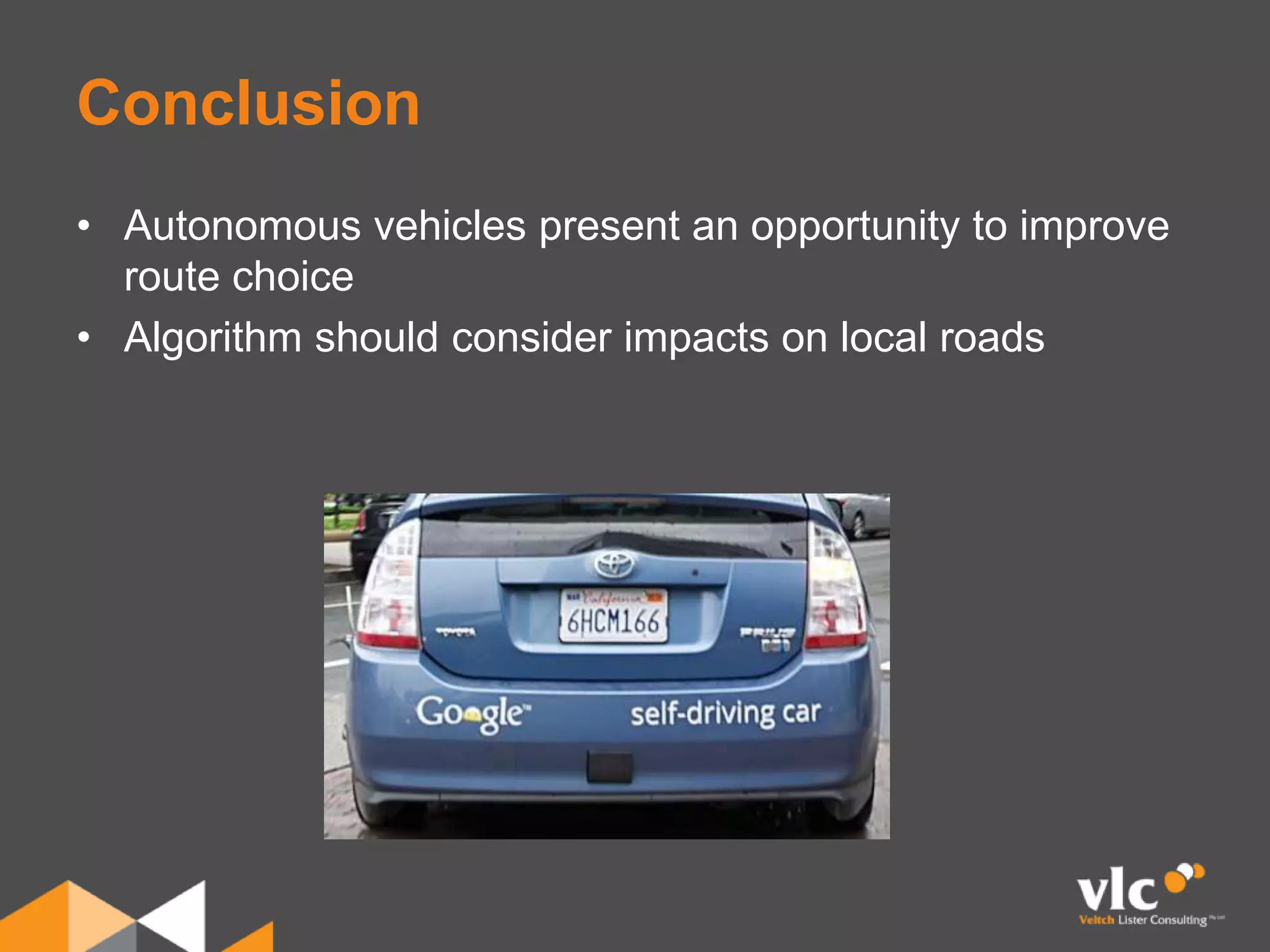
• Autonomous vehicles present an opportunity to improve
route choice
• Algorithm should consider impacts on local roads
Putting autonomous vehicles on the right path

Putting autonomous vehicles on the right path

  • 1.
    Putting Autonomous Vehicles onthe Right Path Tim Spalding 16 August 2017
  • 2.
    Introduction • Autonomous Vehicles(AVs) will potentially have: – High level of Coordination – Empty Running Services – Knowledge of all potential routes – Congestion prediction capabilities • The right route choice algorithm could maximize benefits – User Equilibrium Assignment (Shortest Path) – System Optimal Assignment
  • 3.
    Impacts on Congestion •AVs will impact congestion. But how? – Increase congestion • Induced trips from enabling young, old and/or disabled persons • Potential empty running AVs to avoid paying for parking – Decrease congestion • Smaller headways • No need for traffic lights • Smarter route choice
  • 4.
    Route Choice Algorithms •User Equilibrium – Shortest Path – Reflected in navigation apps – Minimizes user’s cost • System Optimal – Incorporates impact on other road users – Hinders some users to benefit many – Minimizes network cost
  • 5.
    Application to Melbourne •Methodologies applied to Melbourne • Saving $28 million annually • Low implementation cost Assignment Type Total Time User Equilibrium 674,069.8 hours System Optimal 670,395.2 hours
  • 6.
  • 7.
  • 8.
  • 9.
  • 10.
    Limitations • Cooperation ofall vehicles required • Unwanted increase in volumes on local roads • 100% autonomous fleet assumed • Strategic Model limitations
  • 11.
    Conclusion • Autonomous vehiclespresent an opportunity to improve route choice • Algorithm should consider impacts on local roads