Chaithanya et al. World Journal of Pharmaceutical Research
www.wjpr.net Vol 9, Issue 8, 2020. 1225
A REVIEW: PROGERIA, THE YOUNG WHO DIE OLD
Chaithanya K.J.*1
, Spurthi B.S.1
and Narayan Sah Sonar2
1
4th
Year Pharm D, Dept. of Pharmacy Practice, Mallige College of Pharmacy, Bangalore,
Karnataka, India.
1
3rd
Year Pharm D, Dept. of Pharmacy Practice, Mallige College of Pharmacy, Bangalore,
Karnataka, India.
2
2nd
Year M. Pharm, Dept. of Pharmacology, Mallige College of Pharmacy, Bangalore,
Karnataka, India.
ABSTRACT
The premature ageing disorder Hutchinson - Gilford Progeria
syndrome (HGPS) is one of the orphan (rarest) human diseases The
Classic type of Progeria is HGPS. In humans hundreds of mutations in
LMNA gene have been identified which causes several diseases
termed as laminopathies. Products of LMNA gene primarily lamin A
and C are key components of the nuclear lamina, a proteinaceous mesh
work of inner nuclear membrane. Classic HGPS is caused by a de novo
point mutation in exon 11(Residue 1824 C to T) of the LMNA gene
which results in the production of mutant lamin A protein termed as
'Progerin'. In particular, progerin accumulation elicits nuclear
morphological abnormalities. HGPS is characterized by the presence of aging associated
symptoms, including loss of subcutaneous fat, alopecia, cardiovascular Pathology and death
due to myocardial infarction and stroke in childhood. Laboratory findings are unremarkable,
with the exception of an increased urinary excretion of hyaluronic acid. Without progerin -
specific treatment death occurs at an average age of 14.6 years from accelerated
atherosclerosis. Supportive therapy like vitamin supplementation, Nutrini, pro-cal are
recommended. Treatment usually includes low dose aspirin, lonafarnib, zoledronic acid,
pravastatin, gene therapy and RNA therapy.
KEYWORDS: Progeria, Hutchinson -Gilford Progeria Syndrome (HGPS), Orphan disease,
gene LMNA, Laminopathies, gene therapy.
Article Received on
12 June 2020,
Revised on 02 July 2020,
Accepted on 23 July 2020,
DOI: 10.20959/wjpr20208-18313
*Corresponding Author
Mr. Chaithanya K.J.
4th
Year Pharm D, Dept. of
Pharmacy Practice, Mallige
College of Pharmacy,
Bangalore, Karnataka, India.
World Journal of Pharmaceutical Research
SJIF Impact Factor 8.084
Volume 9, Issue 8, 1225-1241. Review Article ISSN 2277– 7105
Chaithanya et al. World Journal of Pharmaceutical Research
www.wjpr.net Vol 9, Issue 8, 2020. 1226
1) INTRODUCTION
Progeria is also known as Hutchinson– Gilford Progeria Syndrome it is a rare, sporadic,
monogenic, autosomal dominant, fatal childhood disease that belongs to a group of ailment
called as laminopathies which affect nuclear lamins.[1,2,3]
Progeria was first portrayed in 1886
by Jonathan Hutchinson.[1]
It was additionally depicted autonomously in 1897 by Hastings
Gilford. The condition was later named Hutchinson-Gilford Progeria Syndrome (HGPS).[2]
The word progeria comes from the Greek words "pro" meaning "before", and "geras"
meaning "old age".[2]
In this disease the aging process of the body surge much more faster
than what it does in normal individuals. This process of aging gallops to about seven times
the conventional rate. Because of this accelerated aging, a child of ten years would have a
look of 70 years old.[4]
The term progeria applies strictly speaking to all diseases
characterized by premature aging symptoms, and is often used as such, and applied
specifically in reference to Hutchinson-Gilford Progeria Syndrome.[2]
It is a rare human
genetic disease linked with a subset of specific mutations within the LMNA gene, coding for
lamin A and lamin C proteins. The LMNA gene is located at position 1q22 and is not usually
inherited, although there is a uniquely inheritable form.[1,5]
LMNA encodes 4 sorts of laminar
proteins, through alternative cutting and splicing,lamin A and C are comparative up to
nucleotide position 574. Lamin A has parent prelamin A,next to post-translational processing,
and generating the mature protein.[3]
In addition to their structural roles they are implicated in
basic nuclear functions such as chromatin organisation, DNA replication, transcription, DNA
repair, and cell cycle progression.[6]
It causes aberrant mRNA splicing, which results in the
assembly of a truncated and partially processed pre-lamin A protein called “progerin”.[7]
Children with Progeria appear normal at birth while the symptoms manifests in first or
second year of life, these patients present stunted growth, muscular atrophy, and skin atrophy,
loss of subcutaneous fat, osteoporosis, arthritis, alopecia, cataracts, diabetes.[1,3]
Death
normally occurs due to complications like atherosclerosis, myocardial infarction, congestive
cardiac failure or coronary thrombosis.[1]
2) EPIDEMOLOGY
HGPS is a lethal, congenital, segemental, premature aging disorder.[7,8,9]
A disease is
considered to be rare(orphan) when it affects one person out of 2000 or less.They are about
5000 to 8000 rare disease most of them are genetic which are chronic disease and are often
fatal .Among these Hutchinson Gilford Progeria is one of the world's rarest disease.[10]
The
estimated prevalence of HGPS is 1 in 20 million people.[11]
The observed male to female ratio
Chaithanya et al. World Journal of Pharmaceutical Research
www.wjpr.net Vol 9, Issue 8, 2020. 1227
of incidence in HGPS is 1.2 :1 and there has been no report on ethnic-specific recurrence.[7]
In 2017 Progeria Research Foundation found that there are 144 cases in 45 countries, of
which 112 children have classic Hutchinson Gilford progeria, and 32 have some progeroid
laminopathy.[3]
In the past 15 years, children with Progeria turn up everywhere around the
world The disease is present in India too.[4]
Generally the disease does not pass from parents
to child as the victim dies before the age of reproduction. It is usually caused by a
replacement (sporadic) mutation during the first division of the cells within the child and
usually genetically dominant; therefore, parents who are healthy will normally not pass it on
to their children.[1]
Death occurs at an average age of 14.6 years.[11]
3) CLINICAL MANIFESTATION
No clinical features present at birth, but within one to two years they begin to display the
effect of accelerated aging means severe growth retardation is usually observed Within the
first year, patients have short stature growth, and weight is more affected than height(median
final height of 100-110cms, median final weight of 10 – 15 kg).[7,12]
Some of the typical physical characteristics of HGPS includes
 Alopecia (loss of hair and eyebrows)[7]
 Lower weight and loss of subcutaneous fat.[13]
 Cranium which appears to be large in comparison with the face.[13]
 Thin skin[3,14]
 Prominent scalp veins[2,7]
 Scleroderma is a transient feature[14]
 Micro-ganthia(small jaw)[12]
 Narrow face and beaked nose[1]
 Protruding ears with absent lobes[13]
 Excessive folding on forehead and cheeks[14]
 Hip dislocation[4]
 Body hair is completely absent[14]
 Pyriform thorax.[15]
Chaithanya et al. World Journal of Pharmaceutical Research
www.wjpr.net Vol 9, Issue 8, 2020. 1228
Figure 1: Prominent scalp veins.[16]
4) PHENOTYPES
 Osteolysis
There are reports of osteolysis involving the primary ribs.
All these bones are formed by membranous ossification including the center a part of the
distal phalanges.
Osteolysis of the distal phalanges usually starts between 1 and 2 years of age, but can be seen
early as the first months of life or later than 5 years.
The process starts in the index and little fingers, and gradually extends.[14]
 Clavicle
The osteolysis starts at the acromial ends of the clavicles, and is merely slowly progressive.At
the early stage it may cause just mild tapering of the distal clavicle.[14]
 Skin and hair
Skin changes at the time of birth could also be present. The significant deformity include
glossy and elastic skin. The skin may appear wrinkled with low cutaneous fat.[1]
The loss of subcutaneous fat produces Hypothermia.[3]
The patient is physically weak, when in touch with bright sunlight, hyper pigmentation of
skin may occur with irritation.
Complete loss of hair of all the body parts including scalp, eye lash and skin.[1]
Chaithanya et al. World Journal of Pharmaceutical Research
www.wjpr.net Vol 9, Issue 8, 2020. 1229
Figure 2: Child with Progeria presenting different phenotypes.[17]
5) ETIOLOGY
The only gene associated with HGPS is LMNA gene, in which point mutations are found in
90% of individuals.[13]
HGPS is related to a mutation in ZMPSTE24 that codes for a
metalloproteinase specifically involved in the post-translational proteolytic processing of
prelamin A to mature lamin A, which is responsible for scaffolding and organizing the
nuclear envelope surface.[15]
6) GENERAL MECHANISM OF LAMIN REGULATED EXPRESSION
HGPS belongs to a set of disorders called laminopathies which affect nuclear lamins and
build up a number of mutations within the gene LMNA, which are recognizised within the
major cases of HGPS. The gene LMNA encodes nuclear lamin A, with the predominant
vegetative cell isoforms lamin A and C arising by alternative RNA splicing, which underlies
and organizes the inner surface of the nuclear envelope. There are at least 11 distinct diseases
associated with >300 different mutations in LMNA.[15]
The most overt cellular defects in
HGPS are dramatic changes in nuclear morphology, a phenotype that is not surprising given
the prominent architectural role of lamin A in the nucleus. Whereas the lamin proteins in
healthy cells move dynamically between the nuclear lamina polymer at the nuclear periphery
and the nucleoplasm, they become immobilized in HGPS patient cells, leading to thickening
of the lamina.[18]
The lamins belong to the multiprotein-family of intermediate filaments, and
Chaithanya et al. World Journal of Pharmaceutical Research
www.wjpr.net Vol 9, Issue 8, 2020. 1230
consist of an N-terminal head domain, an alpha-helical (coiled-coil) rod domain important for
the dimerization, and a usually globular C-terminal tail domain. Lamins are located in the
nuclei at position 1q22 of multicellular eukaryocytes.[5,14]
There are two major types of lamins: the B-type lamins, indispensable for replication and
transcription and expressed in all cells (cells are not viable without Lamin B) and the A-type
lamins, expressed in all differentiated cells. LMNA encodes four A-type lamin isoforms:
Lamin A, AD10, C, and C2, generated by alternative mRNA splicing.[14]
They have many
functions: they provide nuclear envelope its mechanical strength which determine the nuclear
shape, nuclear pore complexes, and form the structure in which many other proteins anchor.
They can be regarded as the main determinants of the nuclear architecture. In addition, lamins
are essential for DNA replication and mRNA transcription and have functions in gene
regulation and many signal transduction pathways, both by themselves has direct interactions
with the DNA or a wide range of protein partners, chromatin organization and cell cycle
progression.[6,14,19,20]
Lamin A and Lamin C are the two abundant structural proteins of the nuclear lamina which
are the products of an equivalent gene, LMNA. Lamin A is twelve exon protein. Prelamin A,
the precursor of Lamin A, involves the splicing from middle of exon 10 to exon 11 then to
exon 12.[1]
Prelamin A has CAAX (where the C is a cysteine, the A residues are aliphatic
amino acids), and the X can be any amino acids.[7,12,15]
This terminal triggers farnesylation of
the carboxy terminal cysteine (the C of the CAAX tetrapeptide) by a cytosolic enzyme,
known as protein farnesyl transferase.[6,21]
The farnesylated Prelamin A attaches with the
Endoplasmic Reticulum.[1]
The farnesylation increases lipophilicity of lamin-A and increases its membrane
association.[12]
Following farnesylation, the ending three amino acids of Prelamin A are
separated by an Endoprotease.[1]
The enzymes accountable for liberation of these amino acids
are: a Zinc metalloproteinase ZMPSTE24[12]
and a prenyl protein endopeptidase RCE1.[1]
After the liberation of the terminal amino acids, farnesyl-cystein residue is methylated by an
enzyme Isoprenylcystein Carboxy Methyl Transferase (ICMT).[22]
In the final step of Prelamin A including farnesyl cysteine methyl ester are released off by
ZMPSTE24 and mature Lamin A is released from endoplasmic reticulum into cytosol. The
Chaithanya et al. World Journal of Pharmaceutical Research
www.wjpr.net Vol 9, Issue 8, 2020. 1231
emerging protein, now Lamin A is not any more membrane-bound, and carries out the
outcomes inside the nucleus.[1,12,22]
7) MUTATION IN LAMIN-A CAUSES PROGERIA
The genetic basis for HGPS was not found until it had been found to be autosomal-dominant
which are caused by a repeated, dominant, de novo heterozygous gene mutation in position
1824 of the LMNA gene, replacing cytosine with thymine. Progerin, of the prelamin A
protein whose further processing is abnormal.[2,7]
The mutation G608G of HGPS and
therefore the consequent abnormal splicing produce a prelamin A that also retains the CAAX
box, but is missing a neighbourhood for endoproteolytic cleavage.[7,15]
One mutation in the
gene LMNA that causes HGPS consists of the de novo substitution of exon 11 of LMNA
(c.1824C>T), which produces activation of a cryptic splice site.[3,23,24]
This mutation causes
aberrant splicing in exon 11 and the deletion of 50 residues close to the C terminus of lamin-
A, including the second ZMPSTE24 cleavage site.This deletion prevents complete processing
of prelamin-A, resulting in the accumulation of a farnesylated lamin A,known as
progerin.[3,15]
Progerin, unlike mature lamin-A, persist farnesylated, it gains lipophilicity with
the nuclear membrane, therefore causing an obtrusion within the integrity of the nuclear
lamina. Indeed, HGPS patient cells show variety of abnormalities in nuclear structure and
performance. Upon fluorescence microscopy labelling with antibodies directed against lamins
A/C, fibroblasts from individuals with HGPS were characterised by the presence of
dysmorphic nuclei with altered size and shape, presence of lobules, wrinkles, herniations of
the nuclear envelope, thickening of the nuclear lamina, loss of peripheral heterochromatin,
and clustering of nuclear pores.[3,7,15,22]
Small amount of progerin is extremely potent in terms
of causing disease phenotypes in humans and in causing misshaped nuclei in cultured
cells. Supporting the theory that progerin endeavour dominant negative impact HGPS.[7]
Chaithanya et al. World Journal of Pharmaceutical Research
www.wjpr.net Vol 9, Issue 8, 2020. 1232
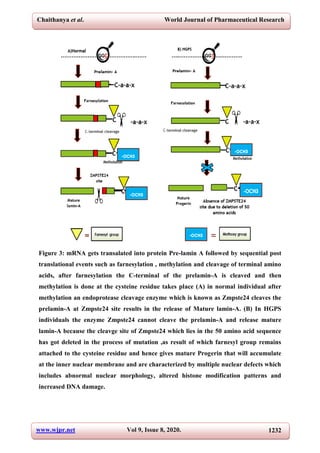
Figure 3: mRNA gets transalated into protein Pre-lamin A followed by sequential post
translational events such as farnesylation , methylation and cleavage of terminal amino
acids, after farnesylation the C-terminal of the prelamin-A is cleaved and then
methylation is done at the cysteine residue takes place (A) in normal individual after
methylation an endoprotease cleavage enzyme which is known as Zmpste24 cleaves the
prelamin-A at Zmpste24 site results in the release of Mature lamin-A. (B) In HGPS
individuals the enzyme Zmpste24 cannot cleave the prelamin-A and release mature
lamin-A because the cleavge site of Zmpste24 which lies in the 50 amino acid sequence
has got deleted in the process of mutation ,as result of which farnesyl group remains
attached to the cysteine residue and hence gives mature Progerin that will accumulate
at the inner nuclear membrane and are characterized by multiple nuclear defects which
includes abnormal nuclear morphology, altered histone modification patterns and
increased DNA damage.
Chaithanya et al. World Journal of Pharmaceutical Research
www.wjpr.net Vol 9, Issue 8, 2020. 1233
8) DIAGNOSIS
To diagnose progeria, doctors observed phenotypes like symptoms such as, skin changes and
a failure to gain weight, and as well as x-rays of patients and on the basis of the excretion of
the glycosaminoglycan and urinary hyaluronic acid testing and radiography.[12]
a) Urinary hyaluronic acid test
The most frequent sign of HGPS is elevated levels of hyaluronic acid excretion in the urine of
patients with HGPS, but are not diagnostic. After performing the urinary hyaluronic test on
HGPS patient it was found that hyaluronic acid level elevated in urine and decreased level of
primary antioxidant enzymes in the blood as well as certain fatty acid compound. Due to
decreased level of antioxidant enzymes in the blood, it may cause aging which believed to be
a buildup oxidant in the blood.[3,12,15]
Hyaluronic acid is a non-sulfated glycosaminoglycan
maintaining skeletal, muscular, cutaneous, and vascular integrity and texture. These
hyaluronic acid abnormalities may account for hardened collagen, calcification of the arterial
walls, and changes in the skin which look very much like scleroderma.[3]
b) Genetic screening
On a genetic level, the screening of correlated mutations is performed by sequencing of
LMNA gene. The diagnosis for HGPS is clinically performed with the subsequent screening
of gene mutation LMNA, which uncovers point mutations in the patients with HGPS, and the
test for uniparental disomy of chromosome 1 and deletions associated with HGPS.[3,15]
Discovery of mutant lamin A gene, nowadays helpful for detection of the elevated mutant
gene, that mutant gene identify from a blood sample and skin biopsy of the patient, this gives
definite diagnosis report.[12,16]
c) Prenatal testing
Investigation of DNA extraction obtained by aminocentesis from the fetal cell of HGPS
children applied for prebirth diagnosis, mostly performed on about 15-18 weeks gestation.[12]
d) Radiological diagnosis
Radiological finding of the common LMNA truncating mutation could also be helpful in the
diagnosis. The characteristic radiological abnormalities are to be found in the skull, thoracic
cage, long bones.
Chaithanya et al. World Journal of Pharmaceutical Research
www.wjpr.net Vol 9, Issue 8, 2020. 1234
The cranial bones tend to be hypoplastic, fontanels and sutures remain open longer than
expected.The progressive bone loss from the distal phalanges of the fingers and toes is one
hallmarks of the disease.[12,13]
e) Laboratory studies
There is low levels of blood cholesterol are limited to low high-density lipoprotein levels.[12]
Testing can help in the clinical findings of progeria and to evaluate for the potential for
increasing atherosclerosis during early childhood.
Testing might include a HDL blood test, which can reveal a low level of high-density
lipoprotein (HDL) cholesterol, the "good" cholesterol that helps keep arteries open.[2]
9) HGPS AND NORMAL AGING
The similarities between HGPS and normal aging extend to all levels, from shared molecular
features to similarities in symptoms.
Notably, progerin is produced in normally aged individuals as well as in HGPS patients. This
is because the classical HGPS mutation is a pre-mRNA splicing mutation.[18]
Cells from healthy aged individuals also express low levels of progerin, resulting in similar
phenotypes.
For instance, the levels of γH2AX, DNA DSBs and abnormal nuclei increase with an
individual’s age. Induced DSBs in the same cells can be repaired efficiently.[23]
Preliminary studies indicate that the level of chromatin-bound XPA is much higher in older
HGPS cells. Interestingly, chromatin-bound XPA also was higher in the cells from normal
older individuals than in cells from younger individuals.
Thus, HGPS or related laminopathies are an excellent model for the study of normal human
aging.[23]
Notably, the atherosclerotic plaques in HGPS are similar to those found in aging
individuals. Additionally, vascular stiffening in progeria is much like that seen over a lifetime
of aging reflected in each population by increased pulse wave velocity.
HGPS is a primary vasculopathy, characterized by early and pervasive accelerated vascular
stiffening followed by hypertension, vessel plaques, angina, cardiomegaly, metabolic
Chaithanya et al. World Journal of Pharmaceutical Research
www.wjpr.net Vol 9, Issue 8, 2020. 1235
syndrome, and congestive heart failure. Isolated from risk factors such as
hypercholesterolemia and increased C-reactive protein.[18]
10) TREATMENT
Presently, HGPS has no cure, and there has been no success in finding a specific treatment.
However, some options exist that attempt to increase the quality of life in patients.[3]
a) Farnesyl transferase Inhibtors – Lonafarnib
As progerin is permanently farnesylated, researchers initially turned to farnesyltransferase
inhibitors (FTIs) within the look for a pathogenic treatment.
The medication will also get involved in the farnesylation of lamin B1 and B2, perhaps
causing more deface to the nuclear lamina. Finally, there was a concern that prelamin-A
might be geranylgeranylated in the presence of FTI.[7]
The farnesyl group is synthesized through the cholesterol biosynthetic pathway, and
medicines like statins and bisphosphonates are known to scale back its production.
Lonafarnib will be taken orally, twice per day. Every patient will start Lonafarnib therapy at a
dose of 115mg/kg and was escalated to 150mg/kg. FTI treatment caused defects in
centrosome separation leading to donut-shaped nuclei.[4,7,20,22]
b) Statins and Bisphosphonates
Statins and aminobisphosphonates, both inhibit protein prenylation than FTIs and alter
cholesterol biosynthetic pathway.[7]
Pravastatin is traded as Pravachol or Selektine and it is included in the family of statins. As
well as zelodronate (also mentioned as Zometa and Reclast, which is a bisphosphonate), its
utility in Hutchinson-Gilford Progeria Syndrome (HGPS) is that the prevention of farnesyl
groups formation, which leads to cause of disease.[2]
Zoledronic acid is a bisphosphonate, used to reduce osteoporosis.[1,22]
c) Rapamycin
The effect of rapamycin is inhibition of mammalian target of rapamycin (mTOR) pathway by
rapamycin.[7]
Chaithanya et al. World Journal of Pharmaceutical Research
www.wjpr.net Vol 9, Issue 8, 2020. 1236
Rapamycin, caused removal of progerin from the nuclear membrane through autophagy.[2]
Rapamycin, also referred to as Sirolimus, may be a macrolide.
There are recent studies concerning rapamycin which conclude that it can minimize the
phenotypic effects of progeria fibroblasts.[2,4,7]
d) RNA therapy
Because the HGPS mutation results from the activation of an alternative pre-mRNA splice
site, HGPS may be a prime candidate for an RNA therapy approach via inhibition of this
site.[18]
They used antisense morpholino oligonucleotides specifically directed against the aberrant
exon 11 and exon 12 junction contained in mutated pre-mRNAs to focus the splicing defect
observed in HGPS, and consequently decrease the production of progerin.[7]
This strategy was effectively tested to a knockin HGPS mouse model resulting in improved
body weight, increased life expectancy and rectifying mutant phenotypes and an additional
approach is to get rid of progerin mRNA using siRNA based methods.[18]
e) Gene therapy
As the progerin protein acts in a dominant fashion and its effects cannot be compensated by
introduction of wild-type lamin A, gene therapy for HGPS focuses on targeted gene
correction.
For example, zinc-finger, TALEN, or CRISPR-based approaches, in which the LMNA is
repaired ex vivo and corrected cells are re-introduced into patients, is a possibility, albeit a
technically challenging one.[18,22]
As proof of principle for the possibility of this perspective,rectifying of the genetic defect in
HGPS patient derived iPS cells and their following differentiation has been accomplished.[18]
f) Stem cell treatment
In vitro, progerin affects the multipotency and differentiation of human mesenchymal stem
cells and HGPS patient-derived iPS cells exhibit differentiation defects.[18]
Chaithanya et al. World Journal of Pharmaceutical Research
www.wjpr.net Vol 9, Issue 8, 2020. 1237
Figure 4: Drugs that involve in inhibiting the production of farnesyl group, act on the
biosynthetic pathway of cholesterol (statins and bisphosphonates). Farnesyl tranferase
inhibitors(FTI’s) mainly inhibit the enzyme farnesyl transferase and prevent the
farnesylation reaction on Prelamin-A.
11) SUPPORTIVE THERAPY
Treatment is aimed at controlling the devastating effects caused by premature aging.
Prescribed formulas of antioxidants, vitamins, lipoic acid, and coenzyme-Q are used to
increase antioxidant levels. Low antioxidant levels are common in persons with progeria and
cause cellular destruction.[2]
1) Aspirin: Aspirin is now accepted as a crucial weapon in the prevention of heart condition.
Recent clinical trials have shown that aspirin reduces the danger of transient ischemic attacks
(TIA) strokes and heart attacks by inhibiting platelet aggregation.
Chaithanya et al. World Journal of Pharmaceutical Research
www.wjpr.net Vol 9, Issue 8, 2020. 1238
Dosage is fixed based on patient weight, and should be given 2-3mg/kg once daily or
alternate day. This is of benefit to people with narrowed coronary arteries which is common
place in children with Progeria.[1,4,12,25]
2) Hydrotherapy: Hydrotherapy results in relaxation, pain reduction and assists mobility. It
also can help prevent arthritis from getting worse.[1,4,25]
3) Vitamin E: Vitamin E is a fat-soluble vitamin that protects Vitamin A and essential
fattyacids from oxidation in the body cells and prevents breakdown of body tissues.[4]
Antioxidants such as Vitamin E act to ensure the cells against the harmful effects of
free radicals.[1,4]
Free radicals will damage the cells and eventually leading to cardiovascular
disease.[1,4,25]
4) Fluoride: All Progeria children have problems with their teeth, under development of the
facial bones and the lower jaw leads to delayed eruption of the teeth, they can be small,
irregularly formed or even missing and tooth decay is common. Fluoride can greatly help
dental health by strengthening the tooth enamel, making it more resistant to tooth decay.[1,4,25]
5) Nutrini: Patients have a very small appetite and don’t really enjoy eating. Nutrini provides
all the nutrients essential for well-being[1,4,25]
and it is a sole source of which contain source
 Sodium caseinate
 Maltodextrin
 Beta-carotene
 Vegetable oils (rapeseed oil,sunflower oil) Fish oil,
 Cyanocobalamin
 Phytomenadione
 D-biotin
 Calcium D-pantpthenate
 Ferrous lactate
 Sodium chloride
 Potassium chloride and calcium hydroxide.
(https://www.nutriciahcp.com/uploadedFiles/Main/Sub_sites/ONS_Site/ons/shop/Datacard_0
7022019_Nutrini(2).pdf
Chaithanya et al. World Journal of Pharmaceutical Research
www.wjpr.net Vol 9, Issue 8, 2020. 1239
6) Pro-Cal
Pro-Cal may be a new generation protein and calorie food which will be added to a good sort
of food and drink to complement the energy and protein content of the normal diet with the
minimum effect on taste, volume and texture.[1,4,25]
CONCLUSION
Since HGPS is a rare disease and affects only a small percentage of the population around the
world, the support and resources for the invention of newer sites of disease pathology and
treatment options are less. Progress in the HGPS field is increasing over the past decade
cardiovascular failure, myocardial infarction, stroke are the remarkable causes of death ,
notebly these dysfunctions in cardiovascular system are similar to those found in aging
persons, this aspects of it has gained a lot of attention to study the normal aging process.
Therapies like Gene therapy, RNA therapy and stem cell therapy are quiet promising in the
future times.
Source of funding: None.
Conflict of interest: None.
REFERENCES
1. Rakha P, Gupta A, Dhingra G, Nagpal M. Hutchinson-Gilford progeria syndrome: a
review. Der Pharmacia Sinica, 2011; 2(1): 110-7.
2. Neelam S, Krishna M, Semwal BC, Shravan P, Kuldeep S, Deepak S. Progeria: A
Review. Int J Pharm Sci Rev Res., 2012; 14(1): 4449.
3. Camacho-Cruz J, Dary Gutiérrez-Castañeda L, Pulido D, Echeverri C, Bernal B, Bautista
L, et al. Hutchinson-Gilford Progeria Syndrome. Int J Pediatric, 2019; 7(10): 10283-9.
4. Kumar P. An Overview: Projeria. Pharmacologyonline, 2011; 3: 176-84.
5. Piekarowicz K, Machowska M, Dzianisava V, Rzepecki R. Hutchinson-Gilford progeria
syndrome current status and prospects for gene therapy treatment. Cells, 2019; 8(2): 88.
6. Prokocimer M, Barkan R, Gruenbaum Y. Hutchinson–Gilford progeria syndrome through
the lens of transcription. Aging Cell., 2013; 12(4): 533-43.
7. Baek JH, McKenna T, Eriksson M. Hutchinson-gilford progeria syndrome. Genetic
Disorders, 2013; 1: 65-87.
Chaithanya et al. World Journal of Pharmaceutical Research
www.wjpr.net Vol 9, Issue 8, 2020. 1240
8. Gerhard-Herman M, Smoot LB, Wake N, Kieran MW, Kleinman ME, Miller DT, et al.
Mechanisms of premature vascular aging in children with Hutchinson-Gilford progeria
syndrome. Hypertension, 2012; 59(1): 92-7.
9. Rodriguez S, Coppedè F, Sagelius H, Eriksson M. Increased expression of the
Hutchinson–Gilford progeria syndrome truncated lamin A transcript during cell aging.
Eur J Hum Genet, 2009; 17(7): 928-37.
10. De Vrueh R, Baekelandt ER, De Haan JM. Background paper 6.19 rare diseases. World
Health Organization, Geneva, 2013 Mar 12.
11. Hamczyk MR, Villa‐Bellosta R, Quesada V, Gonzalo P, Vidak S, Nevado RM, et al.
Progerin accelerates atherosclerosis by inducing endoplasmic reticulum stress in vascular
smooth muscle cells. EMBO Mol Med., 2019; 11(4): 9736.
12. Devi S, Singh K. Risk factors, prevalence and diagnosis of hutchison gilford syndrome
with special reference to case reports. Int J Pharm Pharm Sci., 2003; 9: 1-5.
13. Faivre L, Cormier-Daire V. Progeria. Orphanet encyclopedia, 2005.
14. Hennekam RC. Hutchinson–Gilford progeria syndrome: review of the phenotype. Am Jo
Med Genet Part A., 2006; 140(23): 2603-24.
15. Coutinho HD, Falcão-Silva VS, Gonçalves GF, da Nóbrega RB. Molecular ageing in
progeroid syndromes: Hutchinson-Gilford progeria syndrome as a model. Immun Ageing,
2009; 6(1): 1-7.
16. Gordon LB, Brown WT, Collins FS. Hutchinson-Gilford progeria syndrome.
InGeneReviews®[Internet] 2019 . University of Washington, Seattle.
17. Devi AS, Thokchom S, Devi AM. Children Living with Progeria. Nurse Care Open
Acces J, 2017; 3(4): 77.
18. Gordon LB, Rothman FG, Lopez-Otin C, Misteli T. Progeria: a paradigm for translational
medicine. Cell, 2014; 156(3): 400-7.
19. Datta S, Snow CJ, Paschal BM. A pathway linking oxidative stress and the Ran GTPase
system in progeria. Molecular Bio Cell, 2014; 25(8): 1202-15.
20. Gordon LB, Kleinman ME, Massaro J, D’Agostino Sr RB, Shappell H, Gerhard-Herman
M, et al. Clinical trial of the protein farnesylation inhibitors lonafarnib, pravastatin, and
zoledronic acid in children with Hutchinson-Gilford progeria syndrome. Circulation,
2016; 134(2): 114-25.
21. Cao K, Capell BC, Erdos MR, Djabali K, Collins FS. A lamin A protein isoform
overexpressed in Hutchinson–Gilford progeria syndrome interferes with mitosis in
progeria and normal cells. Proc Natl Acad Sci., 2007; 104(12): 4949-54.
Chaithanya et al. World Journal of Pharmaceutical Research
www.wjpr.net Vol 9, Issue 8, 2020. 1241
22. Gonzalo S, Kreienkamp R, Askjaer P. Hutchinson-Gilford Progeria Syndrome: A
premature aging disease caused by LMNA gene mutations. Ageing Res Rev., 2017; 33:
18-29.
23. Musich PR, Zou Y. DNA-damage accumulation and replicative arrest in Hutchinson–
Gilford progeria syndrome. Biochem Soc Trans, 2011; 39(6): 1764-69.
24. Villa-Bellosta R. New treatments for progeria. Aging, Dec 31, 2019; 11(24): 11801.
25. Kumar BP, Chaturvedi DL, Prasad US, Rajasekhar A, Rama DR. Progeria or Hutchinson-
Gilford Progeria Syndrome (HGPS): A Review. World J Pharma Res., 2019; 8(13):
1226-41. DOI: 10.20959/wjpr201913-16309

Progeria

  • 1.
    Chaithanya et al.World Journal of Pharmaceutical Research www.wjpr.net Vol 9, Issue 8, 2020. 1225 A REVIEW: PROGERIA, THE YOUNG WHO DIE OLD Chaithanya K.J.*1 , Spurthi B.S.1 and Narayan Sah Sonar2 1 4th Year Pharm D, Dept. of Pharmacy Practice, Mallige College of Pharmacy, Bangalore, Karnataka, India. 1 3rd Year Pharm D, Dept. of Pharmacy Practice, Mallige College of Pharmacy, Bangalore, Karnataka, India. 2 2nd Year M. Pharm, Dept. of Pharmacology, Mallige College of Pharmacy, Bangalore, Karnataka, India. ABSTRACT The premature ageing disorder Hutchinson - Gilford Progeria syndrome (HGPS) is one of the orphan (rarest) human diseases The Classic type of Progeria is HGPS. In humans hundreds of mutations in LMNA gene have been identified which causes several diseases termed as laminopathies. Products of LMNA gene primarily lamin A and C are key components of the nuclear lamina, a proteinaceous mesh work of inner nuclear membrane. Classic HGPS is caused by a de novo point mutation in exon 11(Residue 1824 C to T) of the LMNA gene which results in the production of mutant lamin A protein termed as 'Progerin'. In particular, progerin accumulation elicits nuclear morphological abnormalities. HGPS is characterized by the presence of aging associated symptoms, including loss of subcutaneous fat, alopecia, cardiovascular Pathology and death due to myocardial infarction and stroke in childhood. Laboratory findings are unremarkable, with the exception of an increased urinary excretion of hyaluronic acid. Without progerin - specific treatment death occurs at an average age of 14.6 years from accelerated atherosclerosis. Supportive therapy like vitamin supplementation, Nutrini, pro-cal are recommended. Treatment usually includes low dose aspirin, lonafarnib, zoledronic acid, pravastatin, gene therapy and RNA therapy. KEYWORDS: Progeria, Hutchinson -Gilford Progeria Syndrome (HGPS), Orphan disease, gene LMNA, Laminopathies, gene therapy. Article Received on 12 June 2020, Revised on 02 July 2020, Accepted on 23 July 2020, DOI: 10.20959/wjpr20208-18313 *Corresponding Author Mr. Chaithanya K.J. 4th Year Pharm D, Dept. of Pharmacy Practice, Mallige College of Pharmacy, Bangalore, Karnataka, India. World Journal of Pharmaceutical Research SJIF Impact Factor 8.084 Volume 9, Issue 8, 1225-1241. Review Article ISSN 2277– 7105
  • 2.
    Chaithanya et al.World Journal of Pharmaceutical Research www.wjpr.net Vol 9, Issue 8, 2020. 1226 1) INTRODUCTION Progeria is also known as Hutchinson– Gilford Progeria Syndrome it is a rare, sporadic, monogenic, autosomal dominant, fatal childhood disease that belongs to a group of ailment called as laminopathies which affect nuclear lamins.[1,2,3] Progeria was first portrayed in 1886 by Jonathan Hutchinson.[1] It was additionally depicted autonomously in 1897 by Hastings Gilford. The condition was later named Hutchinson-Gilford Progeria Syndrome (HGPS).[2] The word progeria comes from the Greek words "pro" meaning "before", and "geras" meaning "old age".[2] In this disease the aging process of the body surge much more faster than what it does in normal individuals. This process of aging gallops to about seven times the conventional rate. Because of this accelerated aging, a child of ten years would have a look of 70 years old.[4] The term progeria applies strictly speaking to all diseases characterized by premature aging symptoms, and is often used as such, and applied specifically in reference to Hutchinson-Gilford Progeria Syndrome.[2] It is a rare human genetic disease linked with a subset of specific mutations within the LMNA gene, coding for lamin A and lamin C proteins. The LMNA gene is located at position 1q22 and is not usually inherited, although there is a uniquely inheritable form.[1,5] LMNA encodes 4 sorts of laminar proteins, through alternative cutting and splicing,lamin A and C are comparative up to nucleotide position 574. Lamin A has parent prelamin A,next to post-translational processing, and generating the mature protein.[3] In addition to their structural roles they are implicated in basic nuclear functions such as chromatin organisation, DNA replication, transcription, DNA repair, and cell cycle progression.[6] It causes aberrant mRNA splicing, which results in the assembly of a truncated and partially processed pre-lamin A protein called “progerin”.[7] Children with Progeria appear normal at birth while the symptoms manifests in first or second year of life, these patients present stunted growth, muscular atrophy, and skin atrophy, loss of subcutaneous fat, osteoporosis, arthritis, alopecia, cataracts, diabetes.[1,3] Death normally occurs due to complications like atherosclerosis, myocardial infarction, congestive cardiac failure or coronary thrombosis.[1] 2) EPIDEMOLOGY HGPS is a lethal, congenital, segemental, premature aging disorder.[7,8,9] A disease is considered to be rare(orphan) when it affects one person out of 2000 or less.They are about 5000 to 8000 rare disease most of them are genetic which are chronic disease and are often fatal .Among these Hutchinson Gilford Progeria is one of the world's rarest disease.[10] The estimated prevalence of HGPS is 1 in 20 million people.[11] The observed male to female ratio
  • 3.
    Chaithanya et al.World Journal of Pharmaceutical Research www.wjpr.net Vol 9, Issue 8, 2020. 1227 of incidence in HGPS is 1.2 :1 and there has been no report on ethnic-specific recurrence.[7] In 2017 Progeria Research Foundation found that there are 144 cases in 45 countries, of which 112 children have classic Hutchinson Gilford progeria, and 32 have some progeroid laminopathy.[3] In the past 15 years, children with Progeria turn up everywhere around the world The disease is present in India too.[4] Generally the disease does not pass from parents to child as the victim dies before the age of reproduction. It is usually caused by a replacement (sporadic) mutation during the first division of the cells within the child and usually genetically dominant; therefore, parents who are healthy will normally not pass it on to their children.[1] Death occurs at an average age of 14.6 years.[11] 3) CLINICAL MANIFESTATION No clinical features present at birth, but within one to two years they begin to display the effect of accelerated aging means severe growth retardation is usually observed Within the first year, patients have short stature growth, and weight is more affected than height(median final height of 100-110cms, median final weight of 10 – 15 kg).[7,12] Some of the typical physical characteristics of HGPS includes  Alopecia (loss of hair and eyebrows)[7]  Lower weight and loss of subcutaneous fat.[13]  Cranium which appears to be large in comparison with the face.[13]  Thin skin[3,14]  Prominent scalp veins[2,7]  Scleroderma is a transient feature[14]  Micro-ganthia(small jaw)[12]  Narrow face and beaked nose[1]  Protruding ears with absent lobes[13]  Excessive folding on forehead and cheeks[14]  Hip dislocation[4]  Body hair is completely absent[14]  Pyriform thorax.[15]
  • 4.
    Chaithanya et al.World Journal of Pharmaceutical Research www.wjpr.net Vol 9, Issue 8, 2020. 1228 Figure 1: Prominent scalp veins.[16] 4) PHENOTYPES  Osteolysis There are reports of osteolysis involving the primary ribs. All these bones are formed by membranous ossification including the center a part of the distal phalanges. Osteolysis of the distal phalanges usually starts between 1 and 2 years of age, but can be seen early as the first months of life or later than 5 years. The process starts in the index and little fingers, and gradually extends.[14]  Clavicle The osteolysis starts at the acromial ends of the clavicles, and is merely slowly progressive.At the early stage it may cause just mild tapering of the distal clavicle.[14]  Skin and hair Skin changes at the time of birth could also be present. The significant deformity include glossy and elastic skin. The skin may appear wrinkled with low cutaneous fat.[1] The loss of subcutaneous fat produces Hypothermia.[3] The patient is physically weak, when in touch with bright sunlight, hyper pigmentation of skin may occur with irritation. Complete loss of hair of all the body parts including scalp, eye lash and skin.[1]
  • 5.
    Chaithanya et al.World Journal of Pharmaceutical Research www.wjpr.net Vol 9, Issue 8, 2020. 1229 Figure 2: Child with Progeria presenting different phenotypes.[17] 5) ETIOLOGY The only gene associated with HGPS is LMNA gene, in which point mutations are found in 90% of individuals.[13] HGPS is related to a mutation in ZMPSTE24 that codes for a metalloproteinase specifically involved in the post-translational proteolytic processing of prelamin A to mature lamin A, which is responsible for scaffolding and organizing the nuclear envelope surface.[15] 6) GENERAL MECHANISM OF LAMIN REGULATED EXPRESSION HGPS belongs to a set of disorders called laminopathies which affect nuclear lamins and build up a number of mutations within the gene LMNA, which are recognizised within the major cases of HGPS. The gene LMNA encodes nuclear lamin A, with the predominant vegetative cell isoforms lamin A and C arising by alternative RNA splicing, which underlies and organizes the inner surface of the nuclear envelope. There are at least 11 distinct diseases associated with >300 different mutations in LMNA.[15] The most overt cellular defects in HGPS are dramatic changes in nuclear morphology, a phenotype that is not surprising given the prominent architectural role of lamin A in the nucleus. Whereas the lamin proteins in healthy cells move dynamically between the nuclear lamina polymer at the nuclear periphery and the nucleoplasm, they become immobilized in HGPS patient cells, leading to thickening of the lamina.[18] The lamins belong to the multiprotein-family of intermediate filaments, and
  • 6.
    Chaithanya et al.World Journal of Pharmaceutical Research www.wjpr.net Vol 9, Issue 8, 2020. 1230 consist of an N-terminal head domain, an alpha-helical (coiled-coil) rod domain important for the dimerization, and a usually globular C-terminal tail domain. Lamins are located in the nuclei at position 1q22 of multicellular eukaryocytes.[5,14] There are two major types of lamins: the B-type lamins, indispensable for replication and transcription and expressed in all cells (cells are not viable without Lamin B) and the A-type lamins, expressed in all differentiated cells. LMNA encodes four A-type lamin isoforms: Lamin A, AD10, C, and C2, generated by alternative mRNA splicing.[14] They have many functions: they provide nuclear envelope its mechanical strength which determine the nuclear shape, nuclear pore complexes, and form the structure in which many other proteins anchor. They can be regarded as the main determinants of the nuclear architecture. In addition, lamins are essential for DNA replication and mRNA transcription and have functions in gene regulation and many signal transduction pathways, both by themselves has direct interactions with the DNA or a wide range of protein partners, chromatin organization and cell cycle progression.[6,14,19,20] Lamin A and Lamin C are the two abundant structural proteins of the nuclear lamina which are the products of an equivalent gene, LMNA. Lamin A is twelve exon protein. Prelamin A, the precursor of Lamin A, involves the splicing from middle of exon 10 to exon 11 then to exon 12.[1] Prelamin A has CAAX (where the C is a cysteine, the A residues are aliphatic amino acids), and the X can be any amino acids.[7,12,15] This terminal triggers farnesylation of the carboxy terminal cysteine (the C of the CAAX tetrapeptide) by a cytosolic enzyme, known as protein farnesyl transferase.[6,21] The farnesylated Prelamin A attaches with the Endoplasmic Reticulum.[1] The farnesylation increases lipophilicity of lamin-A and increases its membrane association.[12] Following farnesylation, the ending three amino acids of Prelamin A are separated by an Endoprotease.[1] The enzymes accountable for liberation of these amino acids are: a Zinc metalloproteinase ZMPSTE24[12] and a prenyl protein endopeptidase RCE1.[1] After the liberation of the terminal amino acids, farnesyl-cystein residue is methylated by an enzyme Isoprenylcystein Carboxy Methyl Transferase (ICMT).[22] In the final step of Prelamin A including farnesyl cysteine methyl ester are released off by ZMPSTE24 and mature Lamin A is released from endoplasmic reticulum into cytosol. The
  • 7.
    Chaithanya et al.World Journal of Pharmaceutical Research www.wjpr.net Vol 9, Issue 8, 2020. 1231 emerging protein, now Lamin A is not any more membrane-bound, and carries out the outcomes inside the nucleus.[1,12,22] 7) MUTATION IN LAMIN-A CAUSES PROGERIA The genetic basis for HGPS was not found until it had been found to be autosomal-dominant which are caused by a repeated, dominant, de novo heterozygous gene mutation in position 1824 of the LMNA gene, replacing cytosine with thymine. Progerin, of the prelamin A protein whose further processing is abnormal.[2,7] The mutation G608G of HGPS and therefore the consequent abnormal splicing produce a prelamin A that also retains the CAAX box, but is missing a neighbourhood for endoproteolytic cleavage.[7,15] One mutation in the gene LMNA that causes HGPS consists of the de novo substitution of exon 11 of LMNA (c.1824C>T), which produces activation of a cryptic splice site.[3,23,24] This mutation causes aberrant splicing in exon 11 and the deletion of 50 residues close to the C terminus of lamin- A, including the second ZMPSTE24 cleavage site.This deletion prevents complete processing of prelamin-A, resulting in the accumulation of a farnesylated lamin A,known as progerin.[3,15] Progerin, unlike mature lamin-A, persist farnesylated, it gains lipophilicity with the nuclear membrane, therefore causing an obtrusion within the integrity of the nuclear lamina. Indeed, HGPS patient cells show variety of abnormalities in nuclear structure and performance. Upon fluorescence microscopy labelling with antibodies directed against lamins A/C, fibroblasts from individuals with HGPS were characterised by the presence of dysmorphic nuclei with altered size and shape, presence of lobules, wrinkles, herniations of the nuclear envelope, thickening of the nuclear lamina, loss of peripheral heterochromatin, and clustering of nuclear pores.[3,7,15,22] Small amount of progerin is extremely potent in terms of causing disease phenotypes in humans and in causing misshaped nuclei in cultured cells. Supporting the theory that progerin endeavour dominant negative impact HGPS.[7]
  • 8.
    Chaithanya et al.World Journal of Pharmaceutical Research www.wjpr.net Vol 9, Issue 8, 2020. 1232 Figure 3: mRNA gets transalated into protein Pre-lamin A followed by sequential post translational events such as farnesylation , methylation and cleavage of terminal amino acids, after farnesylation the C-terminal of the prelamin-A is cleaved and then methylation is done at the cysteine residue takes place (A) in normal individual after methylation an endoprotease cleavage enzyme which is known as Zmpste24 cleaves the prelamin-A at Zmpste24 site results in the release of Mature lamin-A. (B) In HGPS individuals the enzyme Zmpste24 cannot cleave the prelamin-A and release mature lamin-A because the cleavge site of Zmpste24 which lies in the 50 amino acid sequence has got deleted in the process of mutation ,as result of which farnesyl group remains attached to the cysteine residue and hence gives mature Progerin that will accumulate at the inner nuclear membrane and are characterized by multiple nuclear defects which includes abnormal nuclear morphology, altered histone modification patterns and increased DNA damage.
  • 9.
    Chaithanya et al.World Journal of Pharmaceutical Research www.wjpr.net Vol 9, Issue 8, 2020. 1233 8) DIAGNOSIS To diagnose progeria, doctors observed phenotypes like symptoms such as, skin changes and a failure to gain weight, and as well as x-rays of patients and on the basis of the excretion of the glycosaminoglycan and urinary hyaluronic acid testing and radiography.[12] a) Urinary hyaluronic acid test The most frequent sign of HGPS is elevated levels of hyaluronic acid excretion in the urine of patients with HGPS, but are not diagnostic. After performing the urinary hyaluronic test on HGPS patient it was found that hyaluronic acid level elevated in urine and decreased level of primary antioxidant enzymes in the blood as well as certain fatty acid compound. Due to decreased level of antioxidant enzymes in the blood, it may cause aging which believed to be a buildup oxidant in the blood.[3,12,15] Hyaluronic acid is a non-sulfated glycosaminoglycan maintaining skeletal, muscular, cutaneous, and vascular integrity and texture. These hyaluronic acid abnormalities may account for hardened collagen, calcification of the arterial walls, and changes in the skin which look very much like scleroderma.[3] b) Genetic screening On a genetic level, the screening of correlated mutations is performed by sequencing of LMNA gene. The diagnosis for HGPS is clinically performed with the subsequent screening of gene mutation LMNA, which uncovers point mutations in the patients with HGPS, and the test for uniparental disomy of chromosome 1 and deletions associated with HGPS.[3,15] Discovery of mutant lamin A gene, nowadays helpful for detection of the elevated mutant gene, that mutant gene identify from a blood sample and skin biopsy of the patient, this gives definite diagnosis report.[12,16] c) Prenatal testing Investigation of DNA extraction obtained by aminocentesis from the fetal cell of HGPS children applied for prebirth diagnosis, mostly performed on about 15-18 weeks gestation.[12] d) Radiological diagnosis Radiological finding of the common LMNA truncating mutation could also be helpful in the diagnosis. The characteristic radiological abnormalities are to be found in the skull, thoracic cage, long bones.
  • 10.
    Chaithanya et al.World Journal of Pharmaceutical Research www.wjpr.net Vol 9, Issue 8, 2020. 1234 The cranial bones tend to be hypoplastic, fontanels and sutures remain open longer than expected.The progressive bone loss from the distal phalanges of the fingers and toes is one hallmarks of the disease.[12,13] e) Laboratory studies There is low levels of blood cholesterol are limited to low high-density lipoprotein levels.[12] Testing can help in the clinical findings of progeria and to evaluate for the potential for increasing atherosclerosis during early childhood. Testing might include a HDL blood test, which can reveal a low level of high-density lipoprotein (HDL) cholesterol, the "good" cholesterol that helps keep arteries open.[2] 9) HGPS AND NORMAL AGING The similarities between HGPS and normal aging extend to all levels, from shared molecular features to similarities in symptoms. Notably, progerin is produced in normally aged individuals as well as in HGPS patients. This is because the classical HGPS mutation is a pre-mRNA splicing mutation.[18] Cells from healthy aged individuals also express low levels of progerin, resulting in similar phenotypes. For instance, the levels of γH2AX, DNA DSBs and abnormal nuclei increase with an individual’s age. Induced DSBs in the same cells can be repaired efficiently.[23] Preliminary studies indicate that the level of chromatin-bound XPA is much higher in older HGPS cells. Interestingly, chromatin-bound XPA also was higher in the cells from normal older individuals than in cells from younger individuals. Thus, HGPS or related laminopathies are an excellent model for the study of normal human aging.[23] Notably, the atherosclerotic plaques in HGPS are similar to those found in aging individuals. Additionally, vascular stiffening in progeria is much like that seen over a lifetime of aging reflected in each population by increased pulse wave velocity. HGPS is a primary vasculopathy, characterized by early and pervasive accelerated vascular stiffening followed by hypertension, vessel plaques, angina, cardiomegaly, metabolic
  • 11.
    Chaithanya et al.World Journal of Pharmaceutical Research www.wjpr.net Vol 9, Issue 8, 2020. 1235 syndrome, and congestive heart failure. Isolated from risk factors such as hypercholesterolemia and increased C-reactive protein.[18] 10) TREATMENT Presently, HGPS has no cure, and there has been no success in finding a specific treatment. However, some options exist that attempt to increase the quality of life in patients.[3] a) Farnesyl transferase Inhibtors – Lonafarnib As progerin is permanently farnesylated, researchers initially turned to farnesyltransferase inhibitors (FTIs) within the look for a pathogenic treatment. The medication will also get involved in the farnesylation of lamin B1 and B2, perhaps causing more deface to the nuclear lamina. Finally, there was a concern that prelamin-A might be geranylgeranylated in the presence of FTI.[7] The farnesyl group is synthesized through the cholesterol biosynthetic pathway, and medicines like statins and bisphosphonates are known to scale back its production. Lonafarnib will be taken orally, twice per day. Every patient will start Lonafarnib therapy at a dose of 115mg/kg and was escalated to 150mg/kg. FTI treatment caused defects in centrosome separation leading to donut-shaped nuclei.[4,7,20,22] b) Statins and Bisphosphonates Statins and aminobisphosphonates, both inhibit protein prenylation than FTIs and alter cholesterol biosynthetic pathway.[7] Pravastatin is traded as Pravachol or Selektine and it is included in the family of statins. As well as zelodronate (also mentioned as Zometa and Reclast, which is a bisphosphonate), its utility in Hutchinson-Gilford Progeria Syndrome (HGPS) is that the prevention of farnesyl groups formation, which leads to cause of disease.[2] Zoledronic acid is a bisphosphonate, used to reduce osteoporosis.[1,22] c) Rapamycin The effect of rapamycin is inhibition of mammalian target of rapamycin (mTOR) pathway by rapamycin.[7]
  • 12.
    Chaithanya et al.World Journal of Pharmaceutical Research www.wjpr.net Vol 9, Issue 8, 2020. 1236 Rapamycin, caused removal of progerin from the nuclear membrane through autophagy.[2] Rapamycin, also referred to as Sirolimus, may be a macrolide. There are recent studies concerning rapamycin which conclude that it can minimize the phenotypic effects of progeria fibroblasts.[2,4,7] d) RNA therapy Because the HGPS mutation results from the activation of an alternative pre-mRNA splice site, HGPS may be a prime candidate for an RNA therapy approach via inhibition of this site.[18] They used antisense morpholino oligonucleotides specifically directed against the aberrant exon 11 and exon 12 junction contained in mutated pre-mRNAs to focus the splicing defect observed in HGPS, and consequently decrease the production of progerin.[7] This strategy was effectively tested to a knockin HGPS mouse model resulting in improved body weight, increased life expectancy and rectifying mutant phenotypes and an additional approach is to get rid of progerin mRNA using siRNA based methods.[18] e) Gene therapy As the progerin protein acts in a dominant fashion and its effects cannot be compensated by introduction of wild-type lamin A, gene therapy for HGPS focuses on targeted gene correction. For example, zinc-finger, TALEN, or CRISPR-based approaches, in which the LMNA is repaired ex vivo and corrected cells are re-introduced into patients, is a possibility, albeit a technically challenging one.[18,22] As proof of principle for the possibility of this perspective,rectifying of the genetic defect in HGPS patient derived iPS cells and their following differentiation has been accomplished.[18] f) Stem cell treatment In vitro, progerin affects the multipotency and differentiation of human mesenchymal stem cells and HGPS patient-derived iPS cells exhibit differentiation defects.[18]
  • 13.
    Chaithanya et al.World Journal of Pharmaceutical Research www.wjpr.net Vol 9, Issue 8, 2020. 1237 Figure 4: Drugs that involve in inhibiting the production of farnesyl group, act on the biosynthetic pathway of cholesterol (statins and bisphosphonates). Farnesyl tranferase inhibitors(FTI’s) mainly inhibit the enzyme farnesyl transferase and prevent the farnesylation reaction on Prelamin-A. 11) SUPPORTIVE THERAPY Treatment is aimed at controlling the devastating effects caused by premature aging. Prescribed formulas of antioxidants, vitamins, lipoic acid, and coenzyme-Q are used to increase antioxidant levels. Low antioxidant levels are common in persons with progeria and cause cellular destruction.[2] 1) Aspirin: Aspirin is now accepted as a crucial weapon in the prevention of heart condition. Recent clinical trials have shown that aspirin reduces the danger of transient ischemic attacks (TIA) strokes and heart attacks by inhibiting platelet aggregation.
  • 14.
    Chaithanya et al.World Journal of Pharmaceutical Research www.wjpr.net Vol 9, Issue 8, 2020. 1238 Dosage is fixed based on patient weight, and should be given 2-3mg/kg once daily or alternate day. This is of benefit to people with narrowed coronary arteries which is common place in children with Progeria.[1,4,12,25] 2) Hydrotherapy: Hydrotherapy results in relaxation, pain reduction and assists mobility. It also can help prevent arthritis from getting worse.[1,4,25] 3) Vitamin E: Vitamin E is a fat-soluble vitamin that protects Vitamin A and essential fattyacids from oxidation in the body cells and prevents breakdown of body tissues.[4] Antioxidants such as Vitamin E act to ensure the cells against the harmful effects of free radicals.[1,4] Free radicals will damage the cells and eventually leading to cardiovascular disease.[1,4,25] 4) Fluoride: All Progeria children have problems with their teeth, under development of the facial bones and the lower jaw leads to delayed eruption of the teeth, they can be small, irregularly formed or even missing and tooth decay is common. Fluoride can greatly help dental health by strengthening the tooth enamel, making it more resistant to tooth decay.[1,4,25] 5) Nutrini: Patients have a very small appetite and don’t really enjoy eating. Nutrini provides all the nutrients essential for well-being[1,4,25] and it is a sole source of which contain source  Sodium caseinate  Maltodextrin  Beta-carotene  Vegetable oils (rapeseed oil,sunflower oil) Fish oil,  Cyanocobalamin  Phytomenadione  D-biotin  Calcium D-pantpthenate  Ferrous lactate  Sodium chloride  Potassium chloride and calcium hydroxide. (https://www.nutriciahcp.com/uploadedFiles/Main/Sub_sites/ONS_Site/ons/shop/Datacard_0 7022019_Nutrini(2).pdf
  • 15.
    Chaithanya et al.World Journal of Pharmaceutical Research www.wjpr.net Vol 9, Issue 8, 2020. 1239 6) Pro-Cal Pro-Cal may be a new generation protein and calorie food which will be added to a good sort of food and drink to complement the energy and protein content of the normal diet with the minimum effect on taste, volume and texture.[1,4,25] CONCLUSION Since HGPS is a rare disease and affects only a small percentage of the population around the world, the support and resources for the invention of newer sites of disease pathology and treatment options are less. Progress in the HGPS field is increasing over the past decade cardiovascular failure, myocardial infarction, stroke are the remarkable causes of death , notebly these dysfunctions in cardiovascular system are similar to those found in aging persons, this aspects of it has gained a lot of attention to study the normal aging process. Therapies like Gene therapy, RNA therapy and stem cell therapy are quiet promising in the future times. Source of funding: None. Conflict of interest: None. REFERENCES 1. Rakha P, Gupta A, Dhingra G, Nagpal M. Hutchinson-Gilford progeria syndrome: a review. Der Pharmacia Sinica, 2011; 2(1): 110-7. 2. Neelam S, Krishna M, Semwal BC, Shravan P, Kuldeep S, Deepak S. Progeria: A Review. Int J Pharm Sci Rev Res., 2012; 14(1): 4449. 3. Camacho-Cruz J, Dary Gutiérrez-Castañeda L, Pulido D, Echeverri C, Bernal B, Bautista L, et al. Hutchinson-Gilford Progeria Syndrome. Int J Pediatric, 2019; 7(10): 10283-9. 4. Kumar P. An Overview: Projeria. Pharmacologyonline, 2011; 3: 176-84. 5. Piekarowicz K, Machowska M, Dzianisava V, Rzepecki R. Hutchinson-Gilford progeria syndrome current status and prospects for gene therapy treatment. Cells, 2019; 8(2): 88. 6. Prokocimer M, Barkan R, Gruenbaum Y. Hutchinson–Gilford progeria syndrome through the lens of transcription. Aging Cell., 2013; 12(4): 533-43. 7. Baek JH, McKenna T, Eriksson M. Hutchinson-gilford progeria syndrome. Genetic Disorders, 2013; 1: 65-87.
  • 16.
    Chaithanya et al.World Journal of Pharmaceutical Research www.wjpr.net Vol 9, Issue 8, 2020. 1240 8. Gerhard-Herman M, Smoot LB, Wake N, Kieran MW, Kleinman ME, Miller DT, et al. Mechanisms of premature vascular aging in children with Hutchinson-Gilford progeria syndrome. Hypertension, 2012; 59(1): 92-7. 9. Rodriguez S, Coppedè F, Sagelius H, Eriksson M. Increased expression of the Hutchinson–Gilford progeria syndrome truncated lamin A transcript during cell aging. Eur J Hum Genet, 2009; 17(7): 928-37. 10. De Vrueh R, Baekelandt ER, De Haan JM. Background paper 6.19 rare diseases. World Health Organization, Geneva, 2013 Mar 12. 11. Hamczyk MR, Villa‐Bellosta R, Quesada V, Gonzalo P, Vidak S, Nevado RM, et al. Progerin accelerates atherosclerosis by inducing endoplasmic reticulum stress in vascular smooth muscle cells. EMBO Mol Med., 2019; 11(4): 9736. 12. Devi S, Singh K. Risk factors, prevalence and diagnosis of hutchison gilford syndrome with special reference to case reports. Int J Pharm Pharm Sci., 2003; 9: 1-5. 13. Faivre L, Cormier-Daire V. Progeria. Orphanet encyclopedia, 2005. 14. Hennekam RC. Hutchinson–Gilford progeria syndrome: review of the phenotype. Am Jo Med Genet Part A., 2006; 140(23): 2603-24. 15. Coutinho HD, Falcão-Silva VS, Gonçalves GF, da Nóbrega RB. Molecular ageing in progeroid syndromes: Hutchinson-Gilford progeria syndrome as a model. Immun Ageing, 2009; 6(1): 1-7. 16. Gordon LB, Brown WT, Collins FS. Hutchinson-Gilford progeria syndrome. InGeneReviews®[Internet] 2019 . University of Washington, Seattle. 17. Devi AS, Thokchom S, Devi AM. Children Living with Progeria. Nurse Care Open Acces J, 2017; 3(4): 77. 18. Gordon LB, Rothman FG, Lopez-Otin C, Misteli T. Progeria: a paradigm for translational medicine. Cell, 2014; 156(3): 400-7. 19. Datta S, Snow CJ, Paschal BM. A pathway linking oxidative stress and the Ran GTPase system in progeria. Molecular Bio Cell, 2014; 25(8): 1202-15. 20. Gordon LB, Kleinman ME, Massaro J, D’Agostino Sr RB, Shappell H, Gerhard-Herman M, et al. Clinical trial of the protein farnesylation inhibitors lonafarnib, pravastatin, and zoledronic acid in children with Hutchinson-Gilford progeria syndrome. Circulation, 2016; 134(2): 114-25. 21. Cao K, Capell BC, Erdos MR, Djabali K, Collins FS. A lamin A protein isoform overexpressed in Hutchinson–Gilford progeria syndrome interferes with mitosis in progeria and normal cells. Proc Natl Acad Sci., 2007; 104(12): 4949-54.
  • 17.
    Chaithanya et al.World Journal of Pharmaceutical Research www.wjpr.net Vol 9, Issue 8, 2020. 1241 22. Gonzalo S, Kreienkamp R, Askjaer P. Hutchinson-Gilford Progeria Syndrome: A premature aging disease caused by LMNA gene mutations. Ageing Res Rev., 2017; 33: 18-29. 23. Musich PR, Zou Y. DNA-damage accumulation and replicative arrest in Hutchinson– Gilford progeria syndrome. Biochem Soc Trans, 2011; 39(6): 1764-69. 24. Villa-Bellosta R. New treatments for progeria. Aging, Dec 31, 2019; 11(24): 11801. 25. Kumar BP, Chaturvedi DL, Prasad US, Rajasekhar A, Rama DR. Progeria or Hutchinson- Gilford Progeria Syndrome (HGPS): A Review. World J Pharma Res., 2019; 8(13): 1226-41. DOI: 10.20959/wjpr201913-16309