Procedure for steam distillation
 By: Dr. Robert D. Craig, Ph.D
Procedure for steam distillation
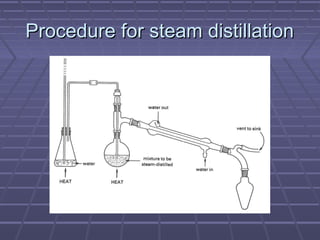
 In the assembly shown, steam is passed
 into a 250 mL round bottomed flask
 through a section of 6 mm glass tubing
 fitted into a still head with a piece of 5 mm
 rubber tubing
Procedure for steam distillation
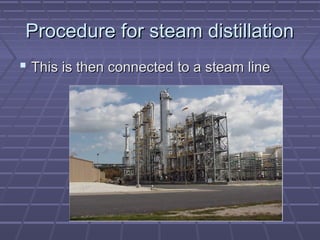
 This is then connected to a steam line
Procedure for steam distillation
 The trap serves two purposes:
 (1) it allows water, which is in the steam line
  to be removed before it reaches the round
  bottomed flask and
(2) adjustment of the clamp on the hose at
  the bottom of the trap allows precise
  control of the steam flow.
Procedure for steam distillation
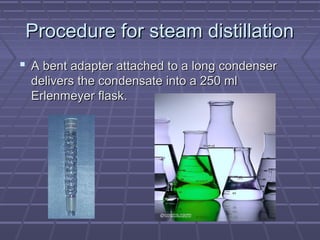
 A bent adapter attached to a long condenser
  delivers the condensate into a 250 ml
  Erlenmeyer flask.
Steam Distillation
Steam Distillation
 On page 113!
 Using a graduated cylinder, measure out
  10 mL of Lemongrass oil (not lemon oil)
  into a 250 mL boiling flask.
 Rinse the remaining conentents of the
  graduated cylinder into the flask with a
  small amount of t-butyl methyl ether
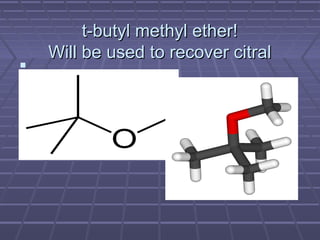
t-butyl methyl ether!
     Will be used to recover citral
.
Steam Distillation
 Add 100 mL of water, make the
 connections as in Figure 6.4, heat the
 flask with a low flame, and pass in the
 steam
Steam Distillation
 To start the steam distillation, heat the
  flask containing the mixture on the
  Thermowell to prevent water from
  condensing in the flask to the point wher
  water and product splash over into the
  receiver.
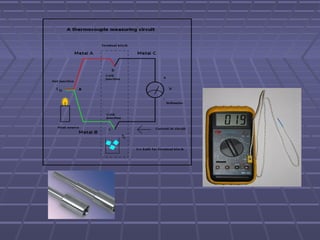
thermometers, thermocouples,
         and bulbs
 A thermowell allows the temperature
 sensor to be removed and replaced
 without compromising either the ambient
 region
Steam Distillation
 Turn on the steam valve, being sure that
 the screw clampl on the bottom of the trap
 is open.

 Slowly close the clamp and allow steam to
 pass into the flask.
Steam Distillation
 Try to adjust the rate of steam addition
 and the rate of heating so that the waster
 level in the flask remains constant.
Steam Distillation
 Unlike ordinary instillations, steam
  distillations are usually run as fast as
  possible, with proper care to avoid
  splashing of material into the receiver and
  the escape of uncondensed steam.
 Distill as rapidly as the cooling facilities
  allow and continue until droplets of oil no
  longer appear at the tip of the condenser.
Extraction
 Pour 50 mL of t-butyl methyl ether into a
 125 mL separatory funnel, cool the
 distillate and pour a part of it into the
 funnel
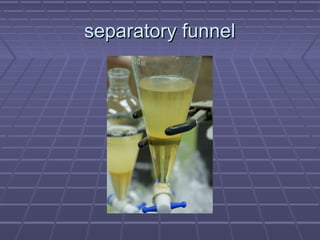
separatory funnel
Extraction
 Shake the funnel, and let the layers
 separate, discard the lower layer, add
 another portion of distillate and repeat
Extraction
 When the last portion of distillate has been
 added, rinse the flask with a small amount
 of t-butyl methyl ether to recover adhering
 citral
Extraction
 Use the techniques described in chapter 7
 for drying, filtering, and evaporating the t-
 butyl ether.
Extraction
 Take the tare of a 1-g tincture bottle,
transfer the citral to it with a pasture pipette,
and determine the weight and yield from the
lemongrass oil.
Extraction
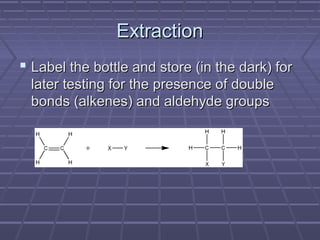
 Label the bottle and store (in the dark) for
  later testing for the presence of double
  bonds (alkenes) and aldehyde groups
Extraction
 Looks like that’s it!
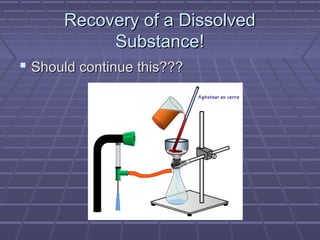
Recovery of a Dissolved
           Substance!
 Should continue this???
Hit the lab!!!
.
Procedure for steam distilation

Procedure for steam distilation

  • 1.
    Procedure for steamdistillation By: Dr. Robert D. Craig, Ph.D
  • 2.
    Procedure for steamdistillation  In the assembly shown, steam is passed into a 250 mL round bottomed flask through a section of 6 mm glass tubing fitted into a still head with a piece of 5 mm rubber tubing
  • 3.
    Procedure for steamdistillation
  • 4.
    Procedure for steamdistillation  This is then connected to a steam line
  • 5.
    Procedure for steamdistillation  The trap serves two purposes: (1) it allows water, which is in the steam line to be removed before it reaches the round bottomed flask and (2) adjustment of the clamp on the hose at the bottom of the trap allows precise control of the steam flow.
  • 6.
    Procedure for steamdistillation  A bent adapter attached to a long condenser delivers the condensate into a 250 ml Erlenmeyer flask.
  • 7.
  • 8.
    Steam Distillation  Onpage 113!  Using a graduated cylinder, measure out 10 mL of Lemongrass oil (not lemon oil) into a 250 mL boiling flask.  Rinse the remaining conentents of the graduated cylinder into the flask with a small amount of t-butyl methyl ether
  • 9.
    t-butyl methyl ether! Will be used to recover citral .
  • 10.
    Steam Distillation  Add100 mL of water, make the connections as in Figure 6.4, heat the flask with a low flame, and pass in the steam
  • 11.
    Steam Distillation  Tostart the steam distillation, heat the flask containing the mixture on the Thermowell to prevent water from condensing in the flask to the point wher water and product splash over into the receiver.
  • 12.
    thermometers, thermocouples, and bulbs  A thermowell allows the temperature sensor to be removed and replaced without compromising either the ambient region
  • 14.
    Steam Distillation  Turnon the steam valve, being sure that the screw clampl on the bottom of the trap is open.  Slowly close the clamp and allow steam to pass into the flask.
  • 15.
    Steam Distillation  Tryto adjust the rate of steam addition and the rate of heating so that the waster level in the flask remains constant.
  • 16.
    Steam Distillation  Unlikeordinary instillations, steam distillations are usually run as fast as possible, with proper care to avoid splashing of material into the receiver and the escape of uncondensed steam.  Distill as rapidly as the cooling facilities allow and continue until droplets of oil no longer appear at the tip of the condenser.
  • 17.
    Extraction  Pour 50mL of t-butyl methyl ether into a 125 mL separatory funnel, cool the distillate and pour a part of it into the funnel
  • 18.
  • 19.
    Extraction  Shake thefunnel, and let the layers separate, discard the lower layer, add another portion of distillate and repeat
  • 20.
    Extraction  When thelast portion of distillate has been added, rinse the flask with a small amount of t-butyl methyl ether to recover adhering citral
  • 21.
    Extraction  Use thetechniques described in chapter 7 for drying, filtering, and evaporating the t- butyl ether.
  • 22.
    Extraction  Take thetare of a 1-g tincture bottle, transfer the citral to it with a pasture pipette, and determine the weight and yield from the lemongrass oil.
  • 23.
    Extraction  Label thebottle and store (in the dark) for later testing for the presence of double bonds (alkenes) and aldehyde groups
  • 24.
  • 25.
    Recovery of aDissolved Substance!  Should continue this???
  • 26.