Print Media
Types and Terminologies
Introduction
• Print media is one of the oldest and basic forms of mass communication. It remains
one of the most popular forms of advertising due to its ability to reach a wide
audience
• It includes newspapers, weeklies, magazines, monthlies and other forms of printed
journals. A basic understanding of the print media is essential in the study of mass
communication.
History
The history of print media and written communication follows the advancement of
civilization. In early 19th century, the industrial revolution brought major innovations
in print media technology. Rotary steam presses soon came along and replaced hand-
operated machines, doing the same job in a small fraction of the time. The digital era
in typesetting started in early 1970s, with PostScript gradually emerging as the
standard for digital typesetting.
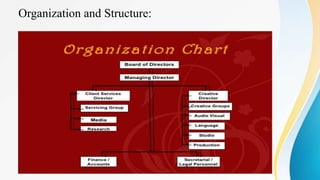
Organization and Structure:
Types of Print Media
• Print media is found in many different forms,
• Newspaper
• Magazine
• Newsletter
• Brochures
• Posters
• Books
• Memos
• Advertising
Newspaper
• Newspaper is one of the most important and effective print media of mass
communication.
• Newspaper collect, edit and print news report and articles.
• Its was first published in Germany and later spread its roots to the rest of the world.
Its valuable services to the community like,
• Information , Education , Entertainment , Persuasion , Culture Transmission , Record
Facility etc.
Newspaper Function and Its Types
Functions:
Information , Advertising , Opinion Building , Education, Entertainment
Types:
Daily
Weekly
Monthly
Local
National
International
Magazines
• Magazines and periodicals are generally published on a regular schedule , containing a
verity of reading material.
• Magazines also offer advertisers an opportunity to incorporate various new techniques
and ideas.
• Types:
• Academic
• Fashion
• sports
• Political
• News
Newsletters
• Newsletters are also an important part of print media. These target a specific group of
audience and give information on the product.
• A newsletter is a cost-effective marketing tool for building regular communication with
customers and prospects.
• Types:
• Company Newsletter
• Consumer Newsletter
• Organization Newsletter
• School Newsletter
Books
In the past books was not a mass medium but privilege of the elite class. There was two
reasons for that. Firstly, books were not printed but transcribed by hand. Secondly, the low
literacy level in the masses limited books exclusively to a small fraction of the society.
It was the 19th century which saw book as a mass medium.
Types :
Trade Books
Paper-back Books
Text Books
Professional Books
Posters
• Posters are forms of outdoor advertising. The message in the poster has to be brief and
eye catching as it targets a person on move.
• Posters are the graphic aids. Usually contain some messages.
• Types:
• Advertising Poster
• Informative Poster
• Subject Poster
• Affirmation Poster
• Propaganda Poster
Terminologies
1. HANDOUT:
Publication material issued by any individual or organization.
2. INVERTED PYRAMID:
It is the style of news writing, in which the most important news written I the beginning.
3. BANNER:
The main heading or headline right across the top of the paper.
4. LEAD:
The main story of a newspaper, the most important story is called lead.
5. LEADER:
The first editorial on editorial page is called leader.
6. MASS HEAD:
Such place where the name of newspaper and logo is written.
7. CROSS LINE:
A single line heading placed on the top of the story.
8. PRINT LINE:
The name of publisher and place where newspaper publishes it is in the bottom of the page.
9. CAPTION:
The brief description of a photograph written under the photo in newspaper.
10. SLANT:
To make a story based on particular view point.
11. SLUG:
A brief hint in one or two words about story written by writer for the attention of editor. It
contains two or three words.
12. CROSS LINE:
A single line heading placed on the top of the story.
13. BOX:
Any news item in a newspaper that is encircles. It may be the important story.
14. BREAK:
When a story is divided into two parts and the remaining news on next page. Story must be
continued on next page.
15. CLASSIFIED:
Advertisement appears on the specific page, usually small advertisements in small boxes.

Print media

  • 1.
    Print Media Types andTerminologies
  • 2.
    Introduction • Print mediais one of the oldest and basic forms of mass communication. It remains one of the most popular forms of advertising due to its ability to reach a wide audience • It includes newspapers, weeklies, magazines, monthlies and other forms of printed journals. A basic understanding of the print media is essential in the study of mass communication.
  • 3.
    History The history ofprint media and written communication follows the advancement of civilization. In early 19th century, the industrial revolution brought major innovations in print media technology. Rotary steam presses soon came along and replaced hand- operated machines, doing the same job in a small fraction of the time. The digital era in typesetting started in early 1970s, with PostScript gradually emerging as the standard for digital typesetting.
  • 4.
  • 5.
    Types of PrintMedia • Print media is found in many different forms, • Newspaper • Magazine • Newsletter • Brochures • Posters • Books • Memos • Advertising
  • 6.
    Newspaper • Newspaper isone of the most important and effective print media of mass communication. • Newspaper collect, edit and print news report and articles. • Its was first published in Germany and later spread its roots to the rest of the world. Its valuable services to the community like, • Information , Education , Entertainment , Persuasion , Culture Transmission , Record Facility etc.
  • 7.
    Newspaper Function andIts Types Functions: Information , Advertising , Opinion Building , Education, Entertainment Types: Daily Weekly Monthly Local National International
  • 8.
    Magazines • Magazines andperiodicals are generally published on a regular schedule , containing a verity of reading material. • Magazines also offer advertisers an opportunity to incorporate various new techniques and ideas. • Types: • Academic • Fashion • sports • Political • News
  • 9.
    Newsletters • Newsletters arealso an important part of print media. These target a specific group of audience and give information on the product. • A newsletter is a cost-effective marketing tool for building regular communication with customers and prospects. • Types: • Company Newsletter • Consumer Newsletter • Organization Newsletter • School Newsletter
  • 10.
    Books In the pastbooks was not a mass medium but privilege of the elite class. There was two reasons for that. Firstly, books were not printed but transcribed by hand. Secondly, the low literacy level in the masses limited books exclusively to a small fraction of the society. It was the 19th century which saw book as a mass medium. Types : Trade Books Paper-back Books Text Books Professional Books
  • 11.
    Posters • Posters areforms of outdoor advertising. The message in the poster has to be brief and eye catching as it targets a person on move. • Posters are the graphic aids. Usually contain some messages. • Types: • Advertising Poster • Informative Poster • Subject Poster • Affirmation Poster • Propaganda Poster
  • 12.
    Terminologies 1. HANDOUT: Publication materialissued by any individual or organization. 2. INVERTED PYRAMID: It is the style of news writing, in which the most important news written I the beginning. 3. BANNER: The main heading or headline right across the top of the paper.
  • 13.
    4. LEAD: The mainstory of a newspaper, the most important story is called lead. 5. LEADER: The first editorial on editorial page is called leader. 6. MASS HEAD: Such place where the name of newspaper and logo is written. 7. CROSS LINE: A single line heading placed on the top of the story.
  • 14.
    8. PRINT LINE: Thename of publisher and place where newspaper publishes it is in the bottom of the page. 9. CAPTION: The brief description of a photograph written under the photo in newspaper. 10. SLANT: To make a story based on particular view point. 11. SLUG: A brief hint in one or two words about story written by writer for the attention of editor. It contains two or three words.
  • 15.
    12. CROSS LINE: Asingle line heading placed on the top of the story. 13. BOX: Any news item in a newspaper that is encircles. It may be the important story. 14. BREAK: When a story is divided into two parts and the remaining news on next page. Story must be continued on next page. 15. CLASSIFIED: Advertisement appears on the specific page, usually small advertisements in small boxes.