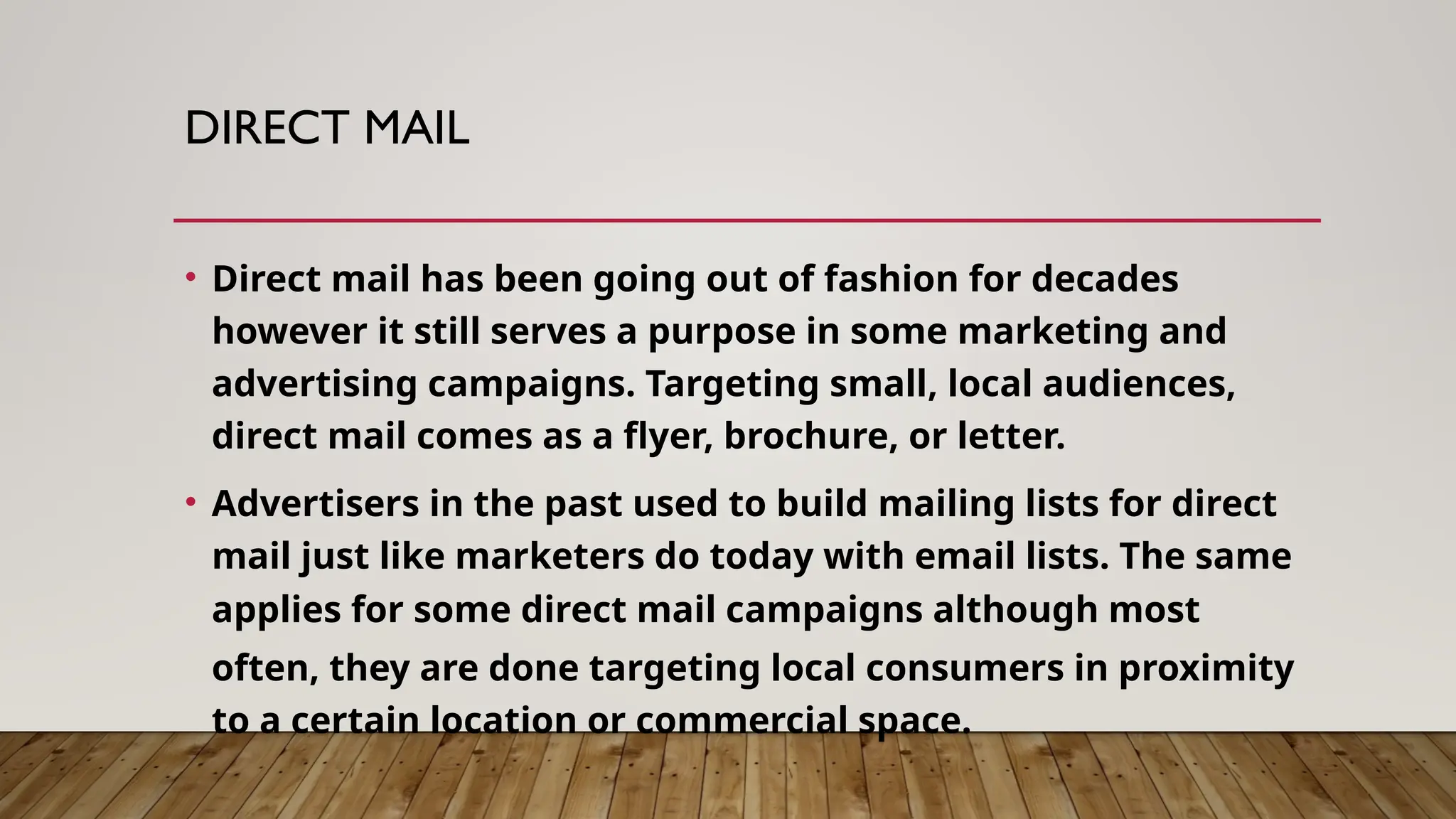
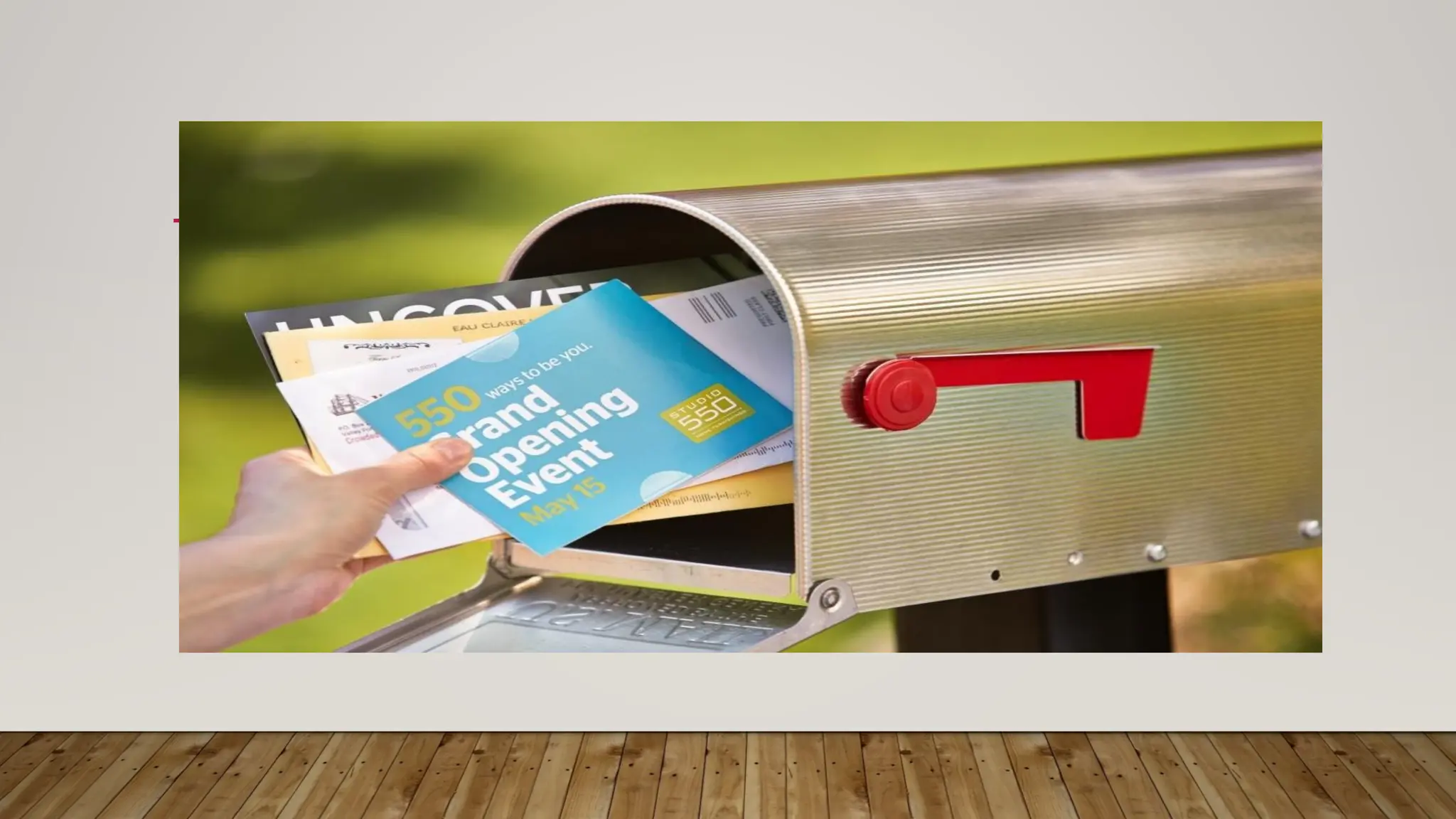
TYPES OF MEDIA
•PRINT
•BROADCAST
•NEW MEDIA
INTRODUCTION
•In this lesson, we will learn the types of media: print,
broadcast, new media so that we can define media
convergence through current examples. One reason we
need to know the types of media is so that we can
understand how a particular individual is portrayed in
public using different type of media.
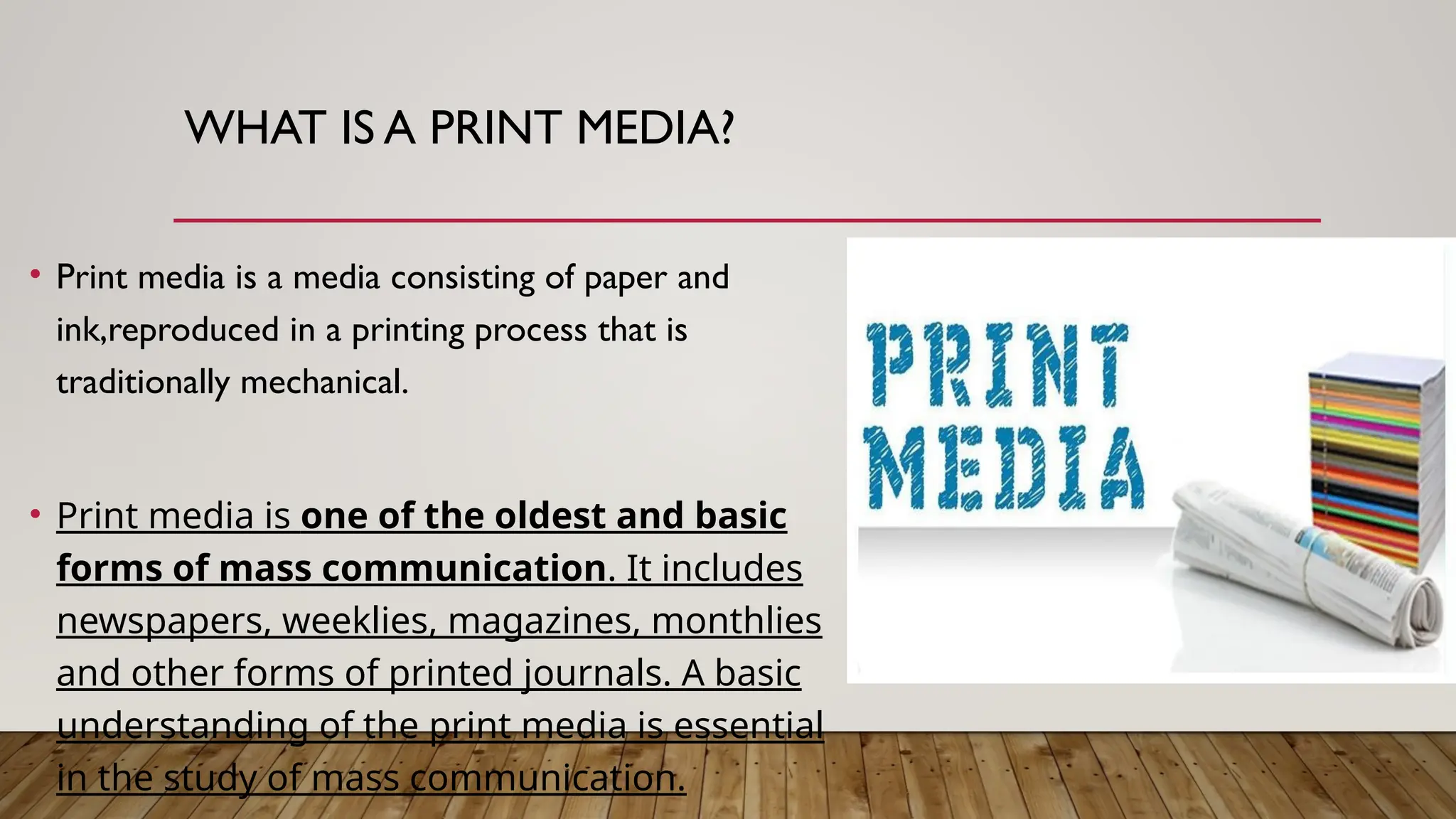
WHAT IS A PRINT MEDIA?
• Print media is a media consisting of paper and
ink,reproduced in a printing process that is
traditionally mechanical.
• Print media is one of the oldest and basic
forms of mass communication. It includes
newspapers, weeklies, magazines, monthlies
and other forms of printed journals. A basic
understanding of the print media is essential
in the study of mass communication.
HISTORY OF PRINT MEDIA
• Printing was invented around 1450 by Johannes Gutenberg.
History tells us that before the print media was invented there were
other techniques used to print text and images. Woodblock printing
was used widely throughout East Asia. It was originated in China as a
method of printing on textiles and on paper.
• The history of printing starts as early as 3500 BCE, when the proto-
Elamite and Sumerian civilizations used cylinder seals to certify
documents written in clay. Other early forms include block seals,
hammered coinage, pottery imprints, and cloth printing.
WHERE DID PRINT MEDIA STARTED?
• Created in China, the printing
press revolutionized society there
before being further developed in
Europe in the 15th Century by
Johannes Gutenberg and his
invention of the Gutenberg press
on Oct 10, 2019.
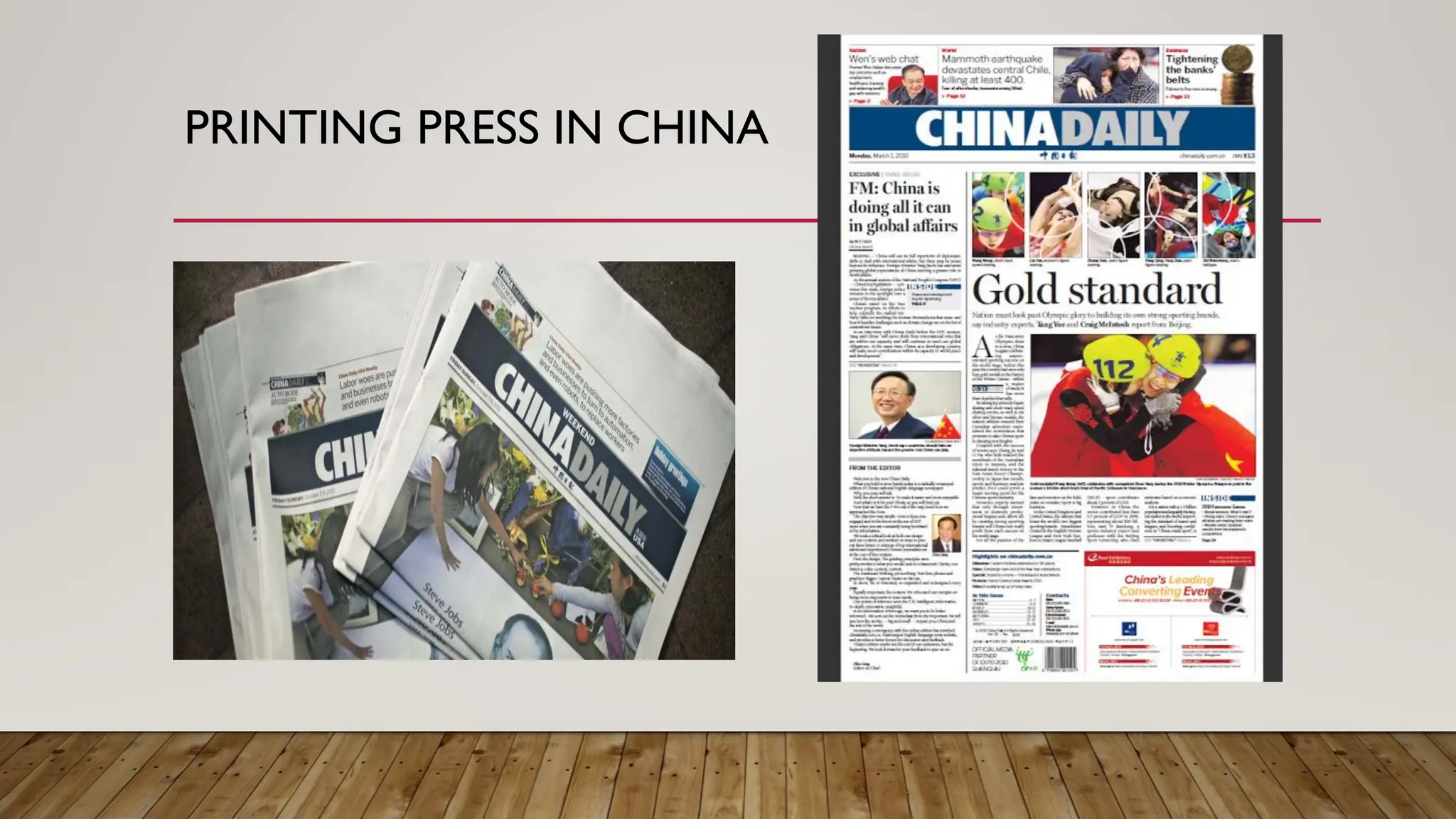
PRINTING PRESS IN CHINA
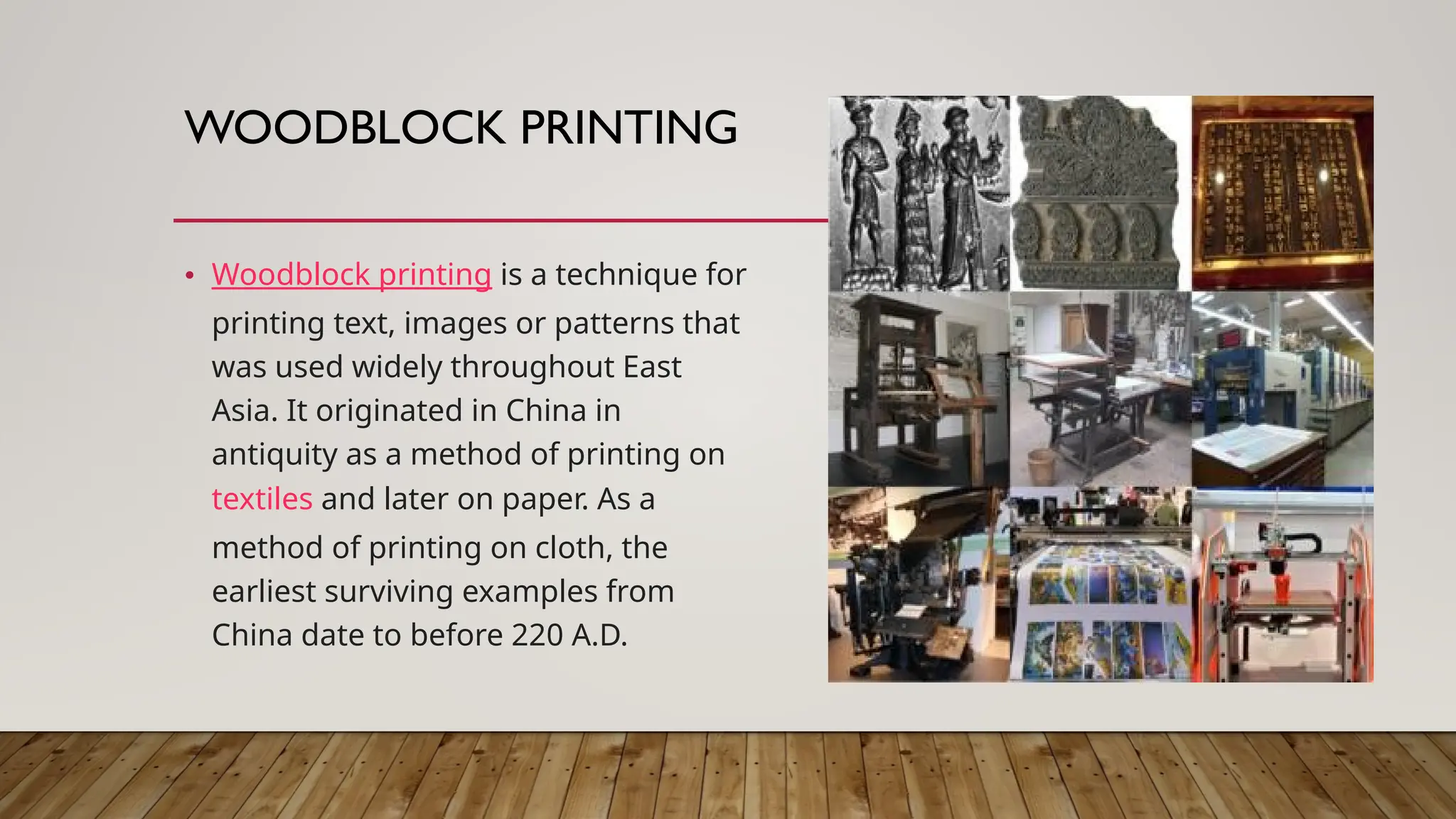
WOODBLOCK PRINTING
• Woodblock printing is a technique for
printing text, images or patterns that
was used widely throughout East
Asia. It originated in China in
antiquity as a method of printing on
textiles and later on paper. As a
method of printing on cloth, the
earliest surviving examples from
China date to before 220 A.D.
DIFFERENT TYPES OF PRINT MEDIA
• NEWSPAPERS
When deciding upon a newspaper in which to advertise, there are
three physical criteria to consider: distribution, size, and audience.
Newspapers are either daily or weekly, come in a standard or tabloid size,
and reach a large percentage of the reading public. Because of the broad
demographic reach of most newspapers it is difficult to target a specific
audience; however, newspapers are effective in increasing awareness of a
business' products and services in a specific geographical area.
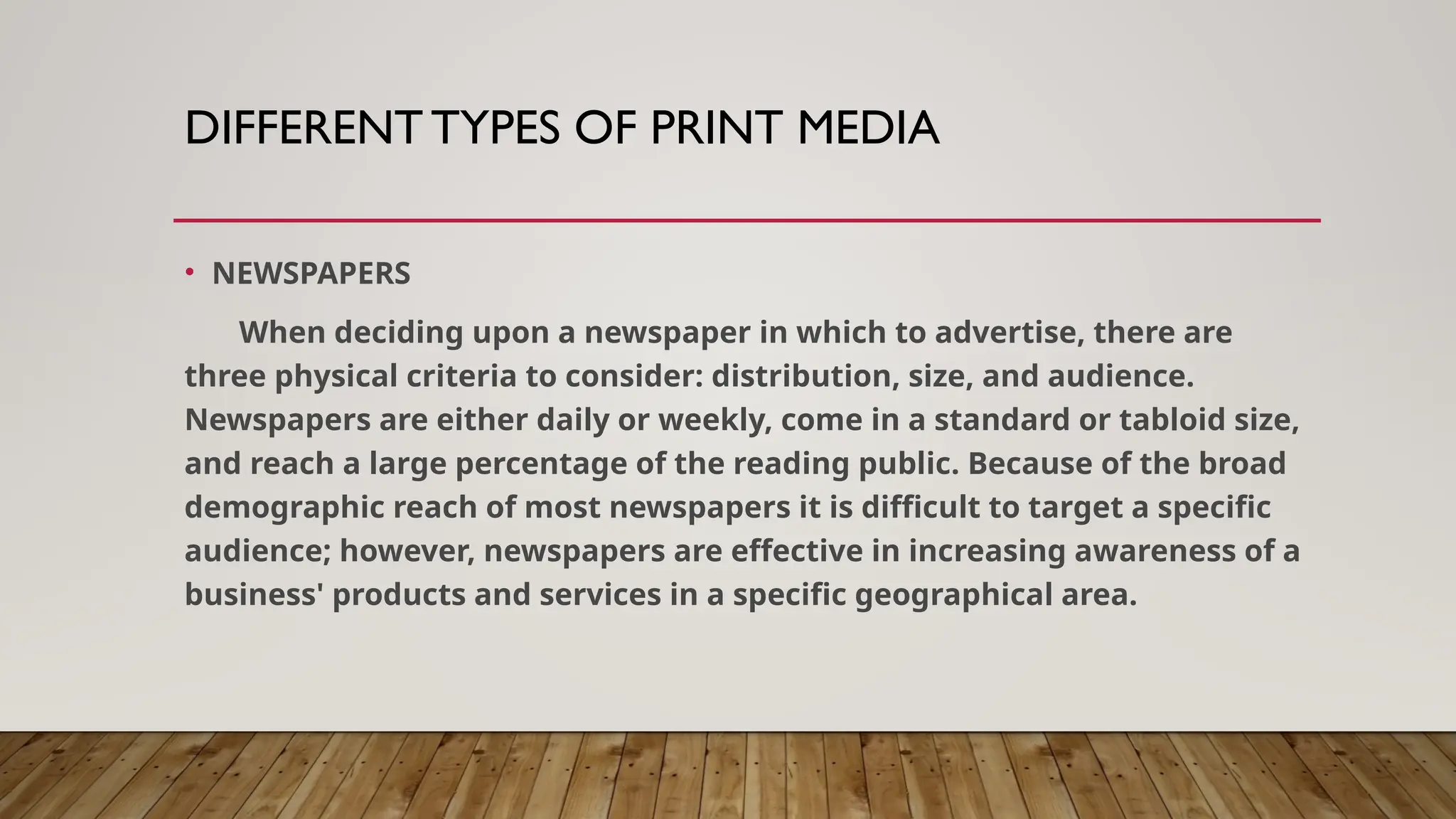
• Newspaper is one of the most
important and effective print
media of mass communication. It
was first published in Germany
and later spread its roots to the
rest of the world. Its valuable
services to the community like
information, education,
entertainment, persuasion,
cultural transmission, record
facility etc., have made it an
inevitable medium for the
contemporary world.
MAGAZINES
• A magazine is published periodically in a bound format, has a
double paper cover and usually better quality paper is used.
Magazines can be classified in terms of the regular intervals of
their publication and appeal- wise. The first category includes
Weekly, fortnightly, Monthly, Bimonthly, Quarterly, Annually
and Biennially etc., while the latter category include Mass
Magazines, class magazines and specialized magazines etc.
BOOKS
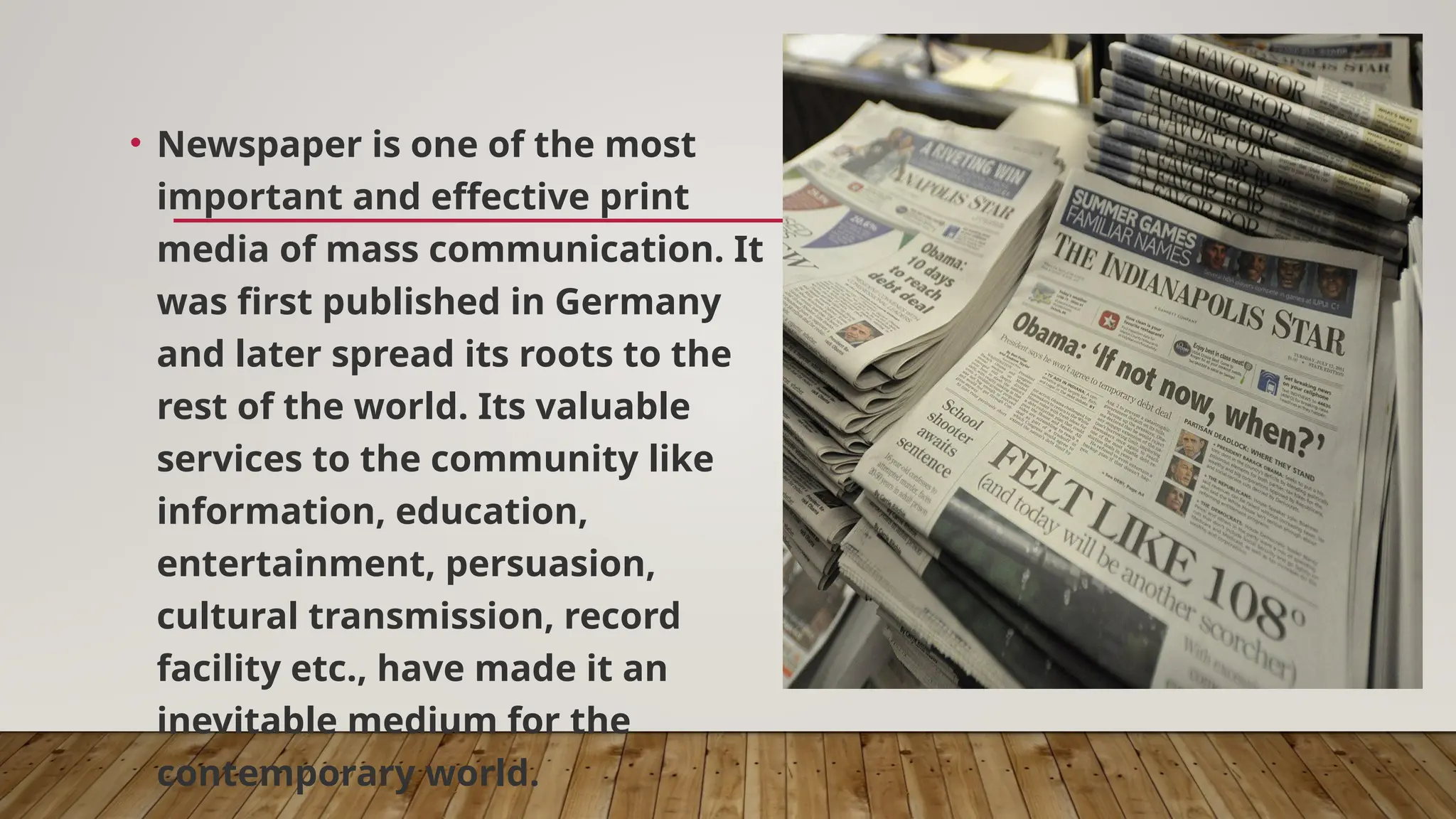
• In the contemporary world, book is one of the most effective mass media. It
is the best source of education. However, it should not be talent merely as an
educational tool., It is the best and cheapest means of storing and
transmitting to others the records, knowledge, literature speculations and
entertainment characteristics of the human society. It represents the
conscience of time and people gone by, and it speaks to each reader
individually. Computer can also be used for storage and retrieval of
information. However it has yet to go a long way to replace book for storing
and retrieval purposes.
• Books provide permanent record. Some books printed
several years ago are still in existence. Books, from their
beginning, have demonstrated their capacity to bind
traditional societies together and to give rise to new and
sometimes revolutionary thought patterns.
BROCHURES
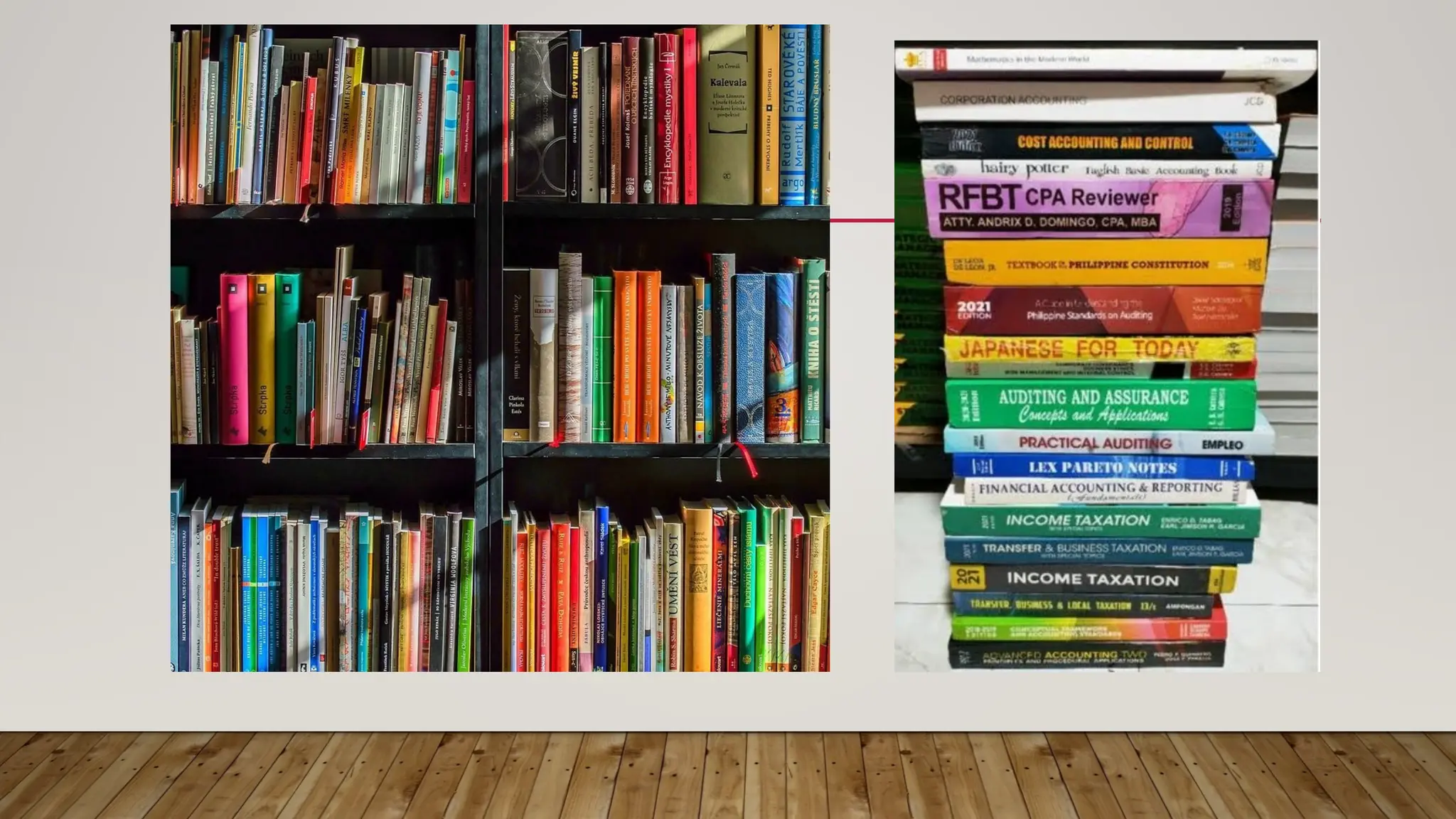
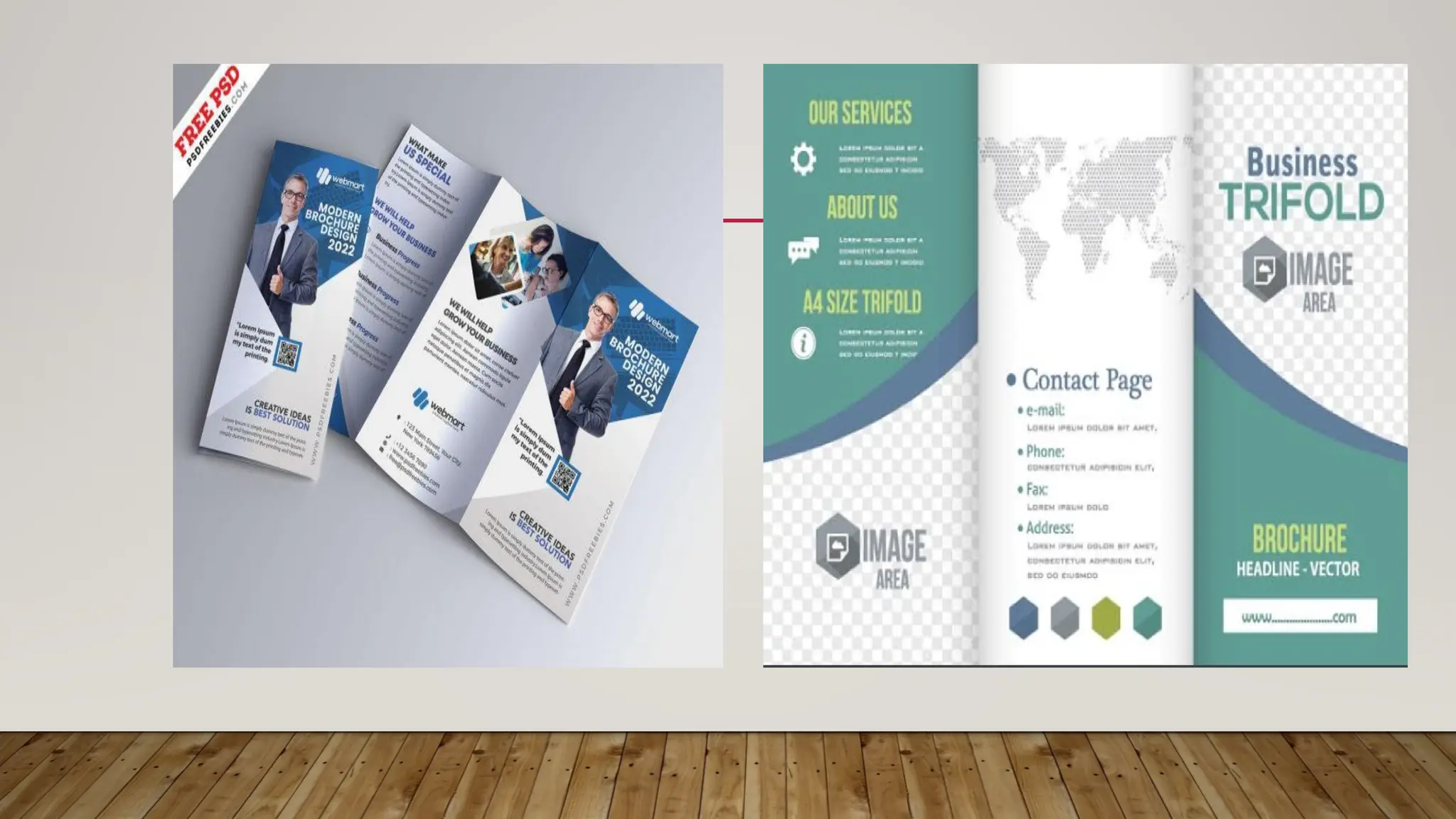
• Brochures – a type of booklet that includes
everything about one company – its products,
services, terms and conditions, contact details,
address, etc. They are either distributed with the
newspapers or hand over to people.
POSTERS
• Posters continue to be an excellent type of print
media to reach consumers particularly in urban
areas. Posters can be put in retail malls, city
squares, airports, transportation hubs, major
intersections in the city, and more.
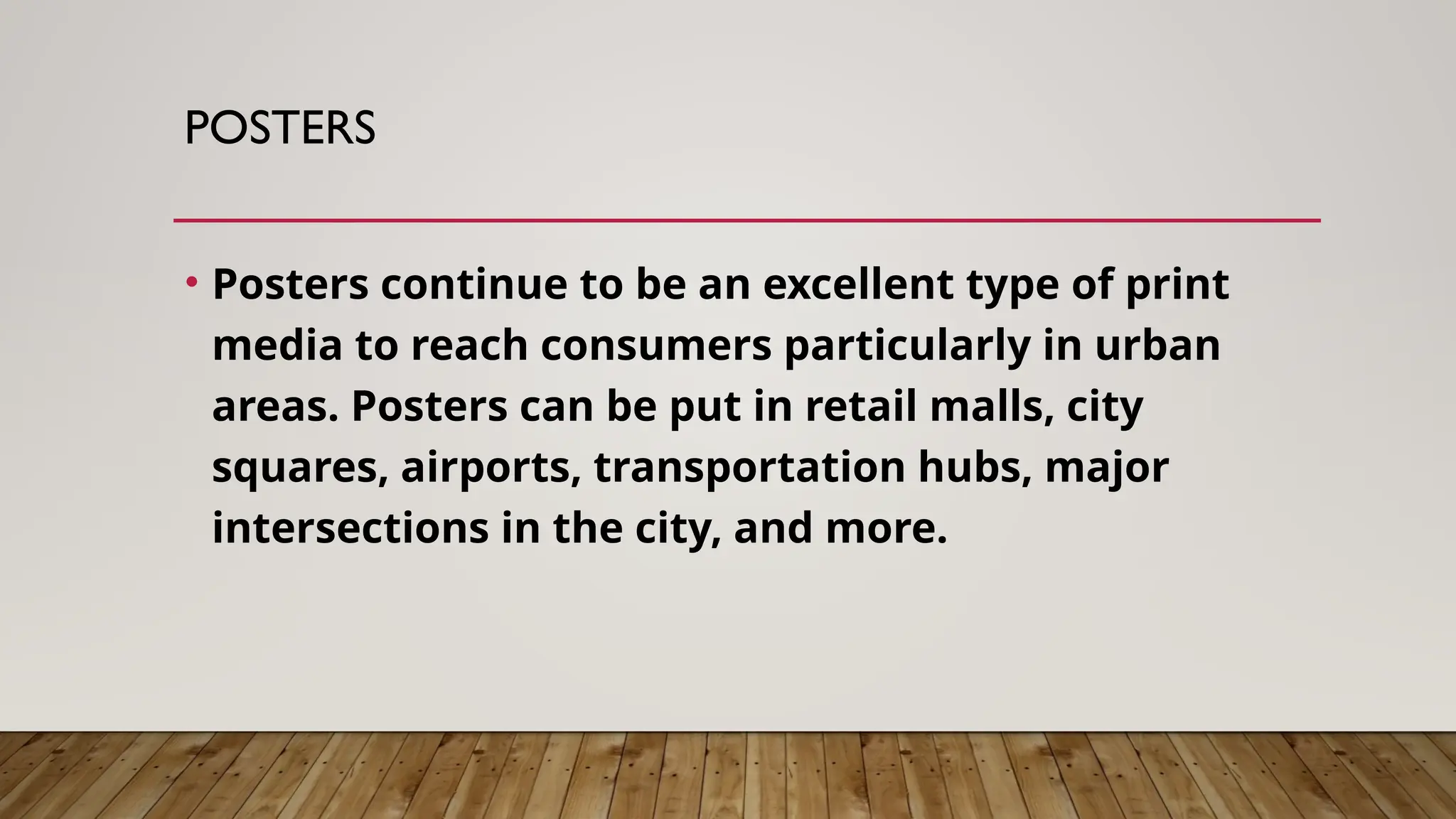
DIRECT MAIL
• Direct mail has been going out of fashion for decades
however it still serves a purpose in some marketing and
advertising campaigns. Targeting small, local audiences,
direct mail comes as a flyer, brochure, or letter.
• Advertisers in the past used to build mailing lists for direct
mail just like marketers do today with email lists. The same
applies for some direct mail campaigns although most
often, they are done targeting local consumers in proximity
to a certain location or commercial space.
FLYERS
• Is used mostly by small
companies due to the low cost of
advertising. They contain the
basic information about a
company, their name, logo,
service or product, and contact
information, and they are
distributed in public areas.
BILLBOARDS
• Billboards are a form of print advertising which is
impossible to ignore. Appealing and rightly-placed
billboards can help you create brand awareness on a
huge scale. Moreover, you can target a general as
well as a specific audience. Different studies have
shown that billboards are still one of the most
viewed types of advertising.
POSTCARDS
• Postcards are rectangular cards printed on heavy
cardstock. They usually are laminated with a picture
or attractive design on one side and information,
including the customer’s address, on the other.
They're larger than a business card, include more
information than a business but are small enough to
mail. You can also hand them out to prospective
customers or display them for people to pick up at
events or in stores. You could also print a coupon on
the postcard that customers can redeem for
discounts or special offers.
COMIC BOOKS
• A comic book, also called comicbook, comic
magazine or (in the United Kingdom and
Ireland) simply comic, is a publication that
consists of comics art in the form of sequential
juxtaposed panels that represent individual
scenes. Panels are often accompanied by
descriptive prose and written narrative,
usually, dialogue contained in word balloons
emblematic of the comics art form.
LET’S GAIN KNOWLEDGE FROMTHE LESSON!
Kindly answer the following questions:
1. It is a media that consists of paper and ink.
2. One of the most important and effective print media of mass
communication.
3. Are rectangular cards printed on heavy cardstock.
4. Who invented printing?
5. Where did print media started?
LETS REFLECT!
• Directions: In your own words,describe how print media is essential in our daily lives?

TYPES-OF-MEDIA in MEDIA INFORMATION LITERACY.pptx

  • 1.
  • 2.
    INTRODUCTION •In this lesson,we will learn the types of media: print, broadcast, new media so that we can define media convergence through current examples. One reason we need to know the types of media is so that we can understand how a particular individual is portrayed in public using different type of media.
  • 3.
    WHAT IS APRINT MEDIA? • Print media is a media consisting of paper and ink,reproduced in a printing process that is traditionally mechanical. • Print media is one of the oldest and basic forms of mass communication. It includes newspapers, weeklies, magazines, monthlies and other forms of printed journals. A basic understanding of the print media is essential in the study of mass communication.
  • 4.
    HISTORY OF PRINTMEDIA • Printing was invented around 1450 by Johannes Gutenberg. History tells us that before the print media was invented there were other techniques used to print text and images. Woodblock printing was used widely throughout East Asia. It was originated in China as a method of printing on textiles and on paper. • The history of printing starts as early as 3500 BCE, when the proto- Elamite and Sumerian civilizations used cylinder seals to certify documents written in clay. Other early forms include block seals, hammered coinage, pottery imprints, and cloth printing.
  • 5.
    WHERE DID PRINTMEDIA STARTED? • Created in China, the printing press revolutionized society there before being further developed in Europe in the 15th Century by Johannes Gutenberg and his invention of the Gutenberg press on Oct 10, 2019.
  • 6.
  • 7.
    WOODBLOCK PRINTING • Woodblockprinting is a technique for printing text, images or patterns that was used widely throughout East Asia. It originated in China in antiquity as a method of printing on textiles and later on paper. As a method of printing on cloth, the earliest surviving examples from China date to before 220 A.D.
  • 8.
    DIFFERENT TYPES OFPRINT MEDIA • NEWSPAPERS When deciding upon a newspaper in which to advertise, there are three physical criteria to consider: distribution, size, and audience. Newspapers are either daily or weekly, come in a standard or tabloid size, and reach a large percentage of the reading public. Because of the broad demographic reach of most newspapers it is difficult to target a specific audience; however, newspapers are effective in increasing awareness of a business' products and services in a specific geographical area.
  • 9.
    • Newspaper isone of the most important and effective print media of mass communication. It was first published in Germany and later spread its roots to the rest of the world. Its valuable services to the community like information, education, entertainment, persuasion, cultural transmission, record facility etc., have made it an inevitable medium for the contemporary world.
  • 10.
    MAGAZINES • A magazineis published periodically in a bound format, has a double paper cover and usually better quality paper is used. Magazines can be classified in terms of the regular intervals of their publication and appeal- wise. The first category includes Weekly, fortnightly, Monthly, Bimonthly, Quarterly, Annually and Biennially etc., while the latter category include Mass Magazines, class magazines and specialized magazines etc.
  • 12.
    BOOKS • In thecontemporary world, book is one of the most effective mass media. It is the best source of education. However, it should not be talent merely as an educational tool., It is the best and cheapest means of storing and transmitting to others the records, knowledge, literature speculations and entertainment characteristics of the human society. It represents the conscience of time and people gone by, and it speaks to each reader individually. Computer can also be used for storage and retrieval of information. However it has yet to go a long way to replace book for storing and retrieval purposes.
  • 14.
    • Books providepermanent record. Some books printed several years ago are still in existence. Books, from their beginning, have demonstrated their capacity to bind traditional societies together and to give rise to new and sometimes revolutionary thought patterns.
  • 15.
    BROCHURES • Brochures –a type of booklet that includes everything about one company – its products, services, terms and conditions, contact details, address, etc. They are either distributed with the newspapers or hand over to people.
  • 17.
    POSTERS • Posters continueto be an excellent type of print media to reach consumers particularly in urban areas. Posters can be put in retail malls, city squares, airports, transportation hubs, major intersections in the city, and more.
  • 19.
    DIRECT MAIL • Directmail has been going out of fashion for decades however it still serves a purpose in some marketing and advertising campaigns. Targeting small, local audiences, direct mail comes as a flyer, brochure, or letter. • Advertisers in the past used to build mailing lists for direct mail just like marketers do today with email lists. The same applies for some direct mail campaigns although most often, they are done targeting local consumers in proximity to a certain location or commercial space.
  • 21.
    FLYERS • Is usedmostly by small companies due to the low cost of advertising. They contain the basic information about a company, their name, logo, service or product, and contact information, and they are distributed in public areas.
  • 22.
    BILLBOARDS • Billboards area form of print advertising which is impossible to ignore. Appealing and rightly-placed billboards can help you create brand awareness on a huge scale. Moreover, you can target a general as well as a specific audience. Different studies have shown that billboards are still one of the most viewed types of advertising.
  • 23.
    POSTCARDS • Postcards arerectangular cards printed on heavy cardstock. They usually are laminated with a picture or attractive design on one side and information, including the customer’s address, on the other. They're larger than a business card, include more information than a business but are small enough to mail. You can also hand them out to prospective customers or display them for people to pick up at events or in stores. You could also print a coupon on the postcard that customers can redeem for discounts or special offers.
  • 24.
    COMIC BOOKS • Acomic book, also called comicbook, comic magazine or (in the United Kingdom and Ireland) simply comic, is a publication that consists of comics art in the form of sequential juxtaposed panels that represent individual scenes. Panels are often accompanied by descriptive prose and written narrative, usually, dialogue contained in word balloons emblematic of the comics art form.
  • 25.
    LET’S GAIN KNOWLEDGEFROMTHE LESSON! Kindly answer the following questions: 1. It is a media that consists of paper and ink. 2. One of the most important and effective print media of mass communication. 3. Are rectangular cards printed on heavy cardstock. 4. Who invented printing? 5. Where did print media started?
  • 26.
    LETS REFLECT! • Directions:In your own words,describe how print media is essential in our daily lives?