Presented by Noor ul huda
Department MLT
Evoulution and theory.
Darwan’s observations.
Modern understandings.
Natural selection of evoulution
Evidences
Geographical distributions.
Summary
Change over time
It’s a gradual change in a species over time
A well supported testable
explanation of phenomena that
have occurred in the natural world
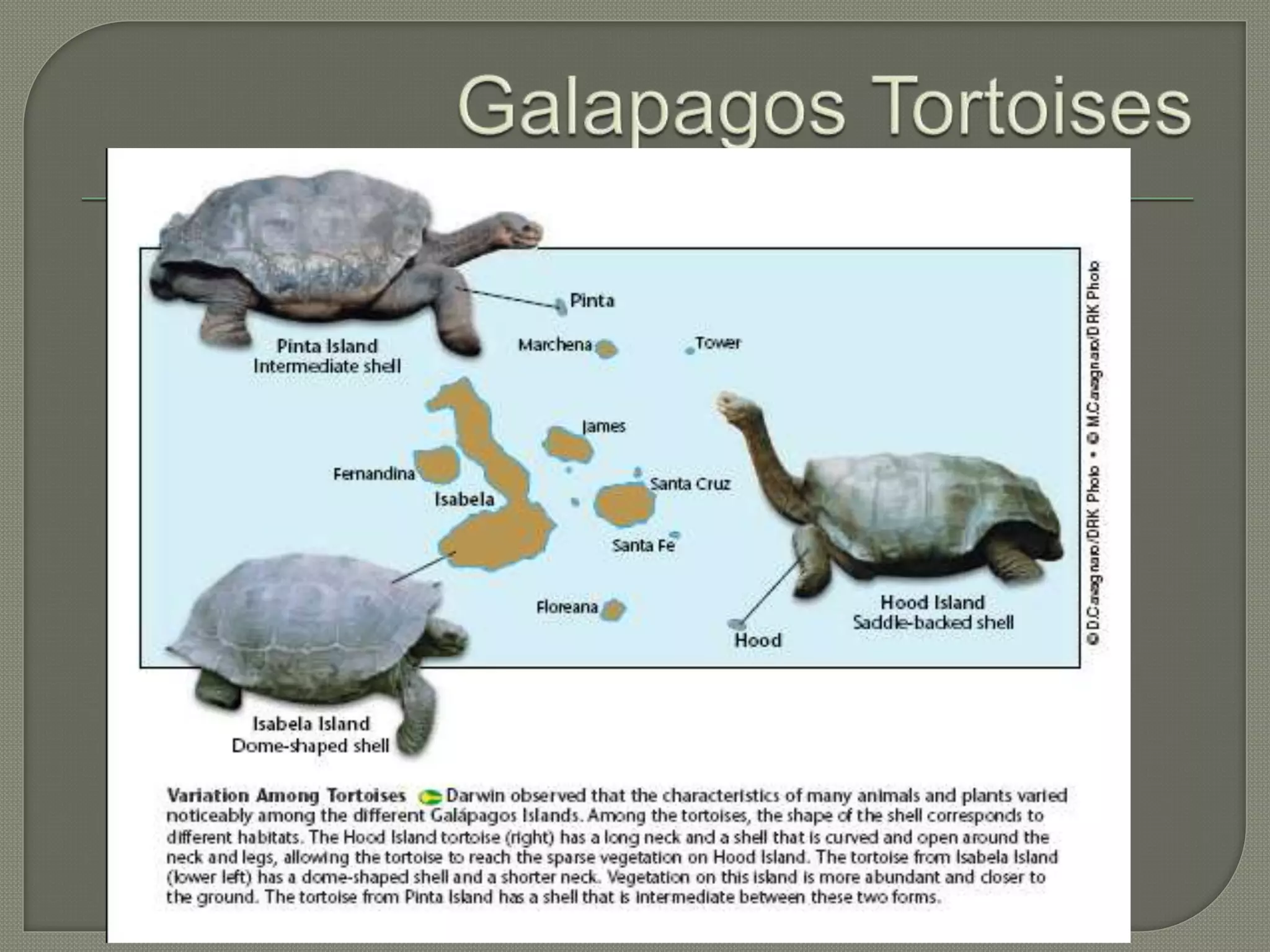
Darwin saw far more diversity during his
travels than he saw in his native country
 The physical and behavioral changes that make
natural selection possible happen at the level of
DNA and genes. Such changes are called
mutations. "Mutations are basically the raw
material on which evolution acts," Pobiner said.
 Mutations can be caused by random errors in DNA
replication or repair, or by chemical or radiation
damage. Most times, mutations are either harmful
or neutral, but in rare instances, a mutation might
prove beneficial to the organism. If so, it will
become more prevalent in the next generation and
spread throughout the population.
 Darwin didn't know anything about genetics,
Pobiner said. "He observed the pattern of
evolution, but he didn’t really know about the
mechanism." That came later, with the
discovery of how genes encode different
biological or behavioral traits, and how genes
are passed down from parents to offspring.
The incorporation of genetics and Darwin's
theory is known as "modern evolutionary
synthesis."
Darwin proposed that each living
species has descended, with
changes from other species over
time
He called this Descent with
Modification
Darwin was convinced that a
process like artificial selection
occurs in nature
High birth rates and a shortage for
resources would force organisms
into a competition for resources
By comparing fossils from older
rock layers with fossils from
younger layers, scientists could
document the fact that life on
Earth has changed over time
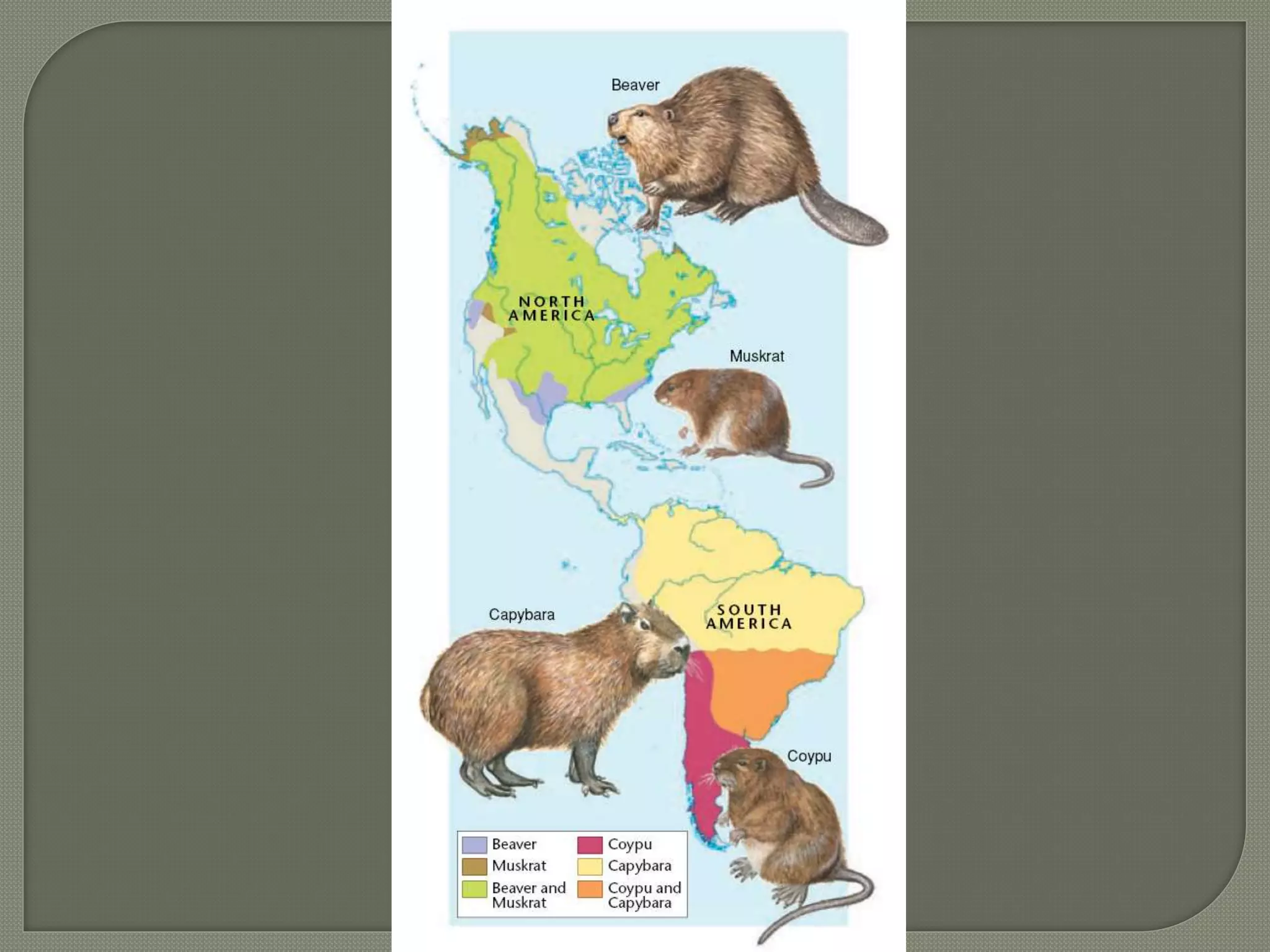
Many species share similar
characteristics because
they inhabit similar
environments
1. Individual organisms in nature differ from one
another. Some of this variation is inherited
2. Organisms in nature produce more offspring
than can survive, and many of those that
survive do not reproduce.
3. Because more organisms are produced than
can survive, members of each species must
compete for resources.
4. Because each organism is unique, each has
different advantages and disadvantages in the
struggle for existence.
5. Individuals best suited to their environment survive and
reproduce most successfully. The characteristics that
make them best suited to their environment are passed
on to offspring. Individuals whose characteristics are not
as well suited to their environment die or leave fewer
offspring.
6. Species change over time. Over long periods, natural
selection causes changes in the characteristics of a
species, such as in size and form. New species arise,
and other species disappear.
7. Species alive today have descended with modification
from species that lived in the past.
8. All organisms on Earth are united into a single tree of life
by common descent.
Presentation2

Presentation2

  • 1.
    Presented by Noorul huda Department MLT
  • 2.
    Evoulution and theory. Darwan’sobservations. Modern understandings. Natural selection of evoulution Evidences Geographical distributions. Summary
  • 5.
    Change over time It’sa gradual change in a species over time
  • 6.
    A well supportedtestable explanation of phenomena that have occurred in the natural world
  • 8.
    Darwin saw farmore diversity during his travels than he saw in his native country
  • 9.
     The physicaland behavioral changes that make natural selection possible happen at the level of DNA and genes. Such changes are called mutations. "Mutations are basically the raw material on which evolution acts," Pobiner said.  Mutations can be caused by random errors in DNA replication or repair, or by chemical or radiation damage. Most times, mutations are either harmful or neutral, but in rare instances, a mutation might prove beneficial to the organism. If so, it will become more prevalent in the next generation and spread throughout the population.
  • 10.
     Darwin didn'tknow anything about genetics, Pobiner said. "He observed the pattern of evolution, but he didn’t really know about the mechanism." That came later, with the discovery of how genes encode different biological or behavioral traits, and how genes are passed down from parents to offspring. The incorporation of genetics and Darwin's theory is known as "modern evolutionary synthesis."
  • 11.
    Darwin proposed thateach living species has descended, with changes from other species over time He called this Descent with Modification
  • 12.
    Darwin was convincedthat a process like artificial selection occurs in nature High birth rates and a shortage for resources would force organisms into a competition for resources
  • 13.
    By comparing fossilsfrom older rock layers with fossils from younger layers, scientists could document the fact that life on Earth has changed over time
  • 15.
    Many species sharesimilar characteristics because they inhabit similar environments
  • 17.
    1. Individual organismsin nature differ from one another. Some of this variation is inherited 2. Organisms in nature produce more offspring than can survive, and many of those that survive do not reproduce. 3. Because more organisms are produced than can survive, members of each species must compete for resources. 4. Because each organism is unique, each has different advantages and disadvantages in the struggle for existence.
  • 18.
    5. Individuals bestsuited to their environment survive and reproduce most successfully. The characteristics that make them best suited to their environment are passed on to offspring. Individuals whose characteristics are not as well suited to their environment die or leave fewer offspring. 6. Species change over time. Over long periods, natural selection causes changes in the characteristics of a species, such as in size and form. New species arise, and other species disappear. 7. Species alive today have descended with modification from species that lived in the past. 8. All organisms on Earth are united into a single tree of life by common descent.