
PRECONCEPTION NUTRITION
DR. SHARIFAH WAJIHAH WAFA BTE SST WAFA
School of Nutrition and Dietetics
Faculty of Health Sciences
sharifahwajihah@unisza.edu.my
KNOWLEDGE FOR THE BENEFIT OF HUMANITY
Course outline
 background information on reproductive
physiology
 nutrition and the development and maintenance
of the biological capacity to
 Reproduce nutritional effects of contraceptives
 preconceptional nutritional status and the course
and outcome of pregnancy
 role of nutrition in specific conditions that affect
preconceptional health or very early pregnancy
outcomes.
Introduction
 Fertility refers to the actual production of
children
 Fecundity addresses the biological capacity
to bear children.
 a number of factors related to body
composition and dietary intake affect fertility
 i.e high levels of alcohol intake, poor nutritional
or health status.
 Infertility -lack of conception after 1 year of
unprotected intercourse.
 Subfertility -reduced level of fertility
characterized by unusually long time to
conception (over 12 months) or repeated
early pregnancy losses.
Reproductive Physiology
 The reproductive systems begin developing
in the first months after conception and
continue to grow in size and complexity of
function through puberty.
 Females are born with a complement of
immature ova (~7millions)
 Males with sperm- producing capabilities.
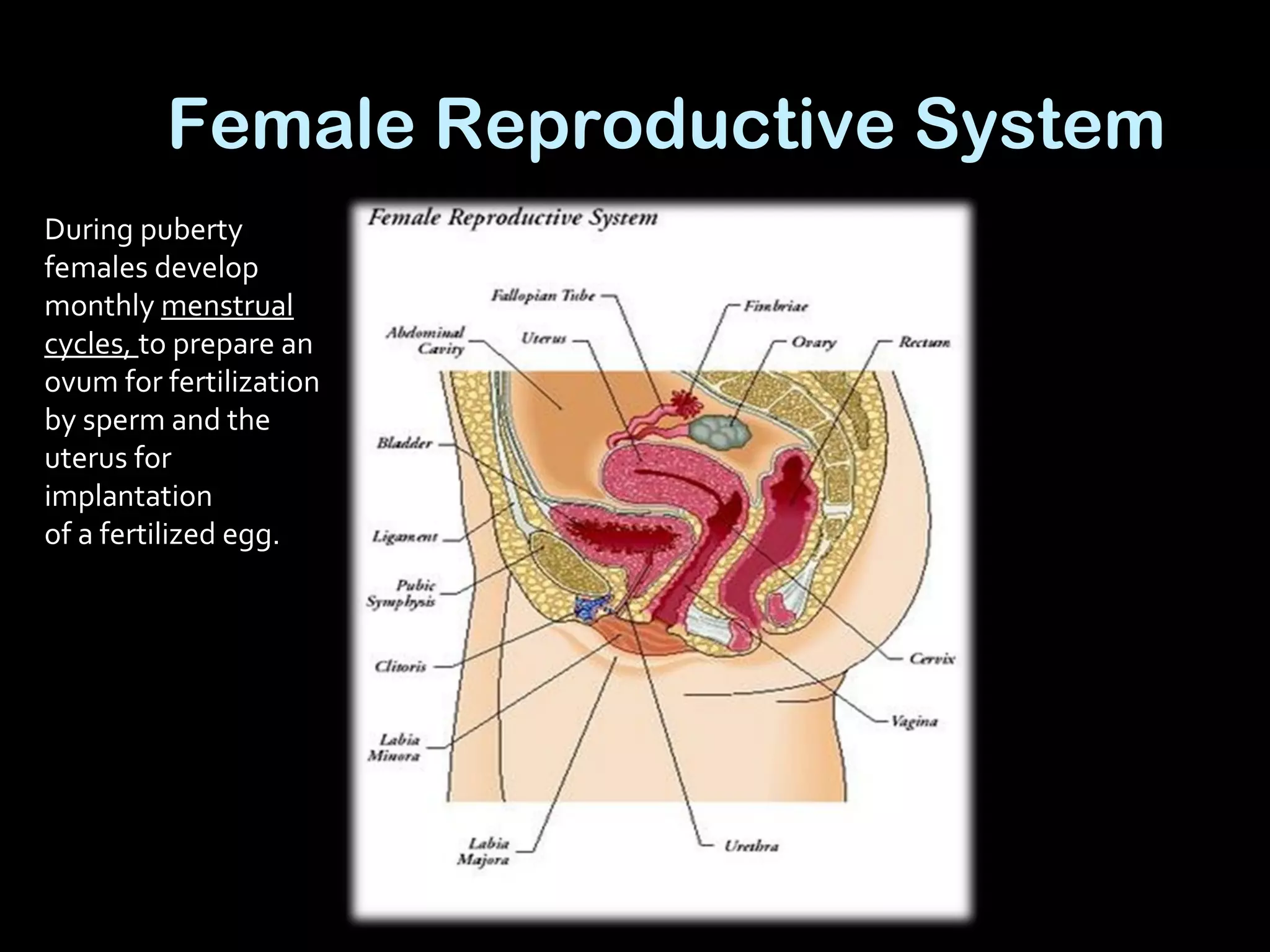
Female Reproductive System
During puberty
females develop
monthly menstrual
cycles, to prepare an
ovum for fertilization
by sperm and the
uterus for
implantation
of a fertilized egg.
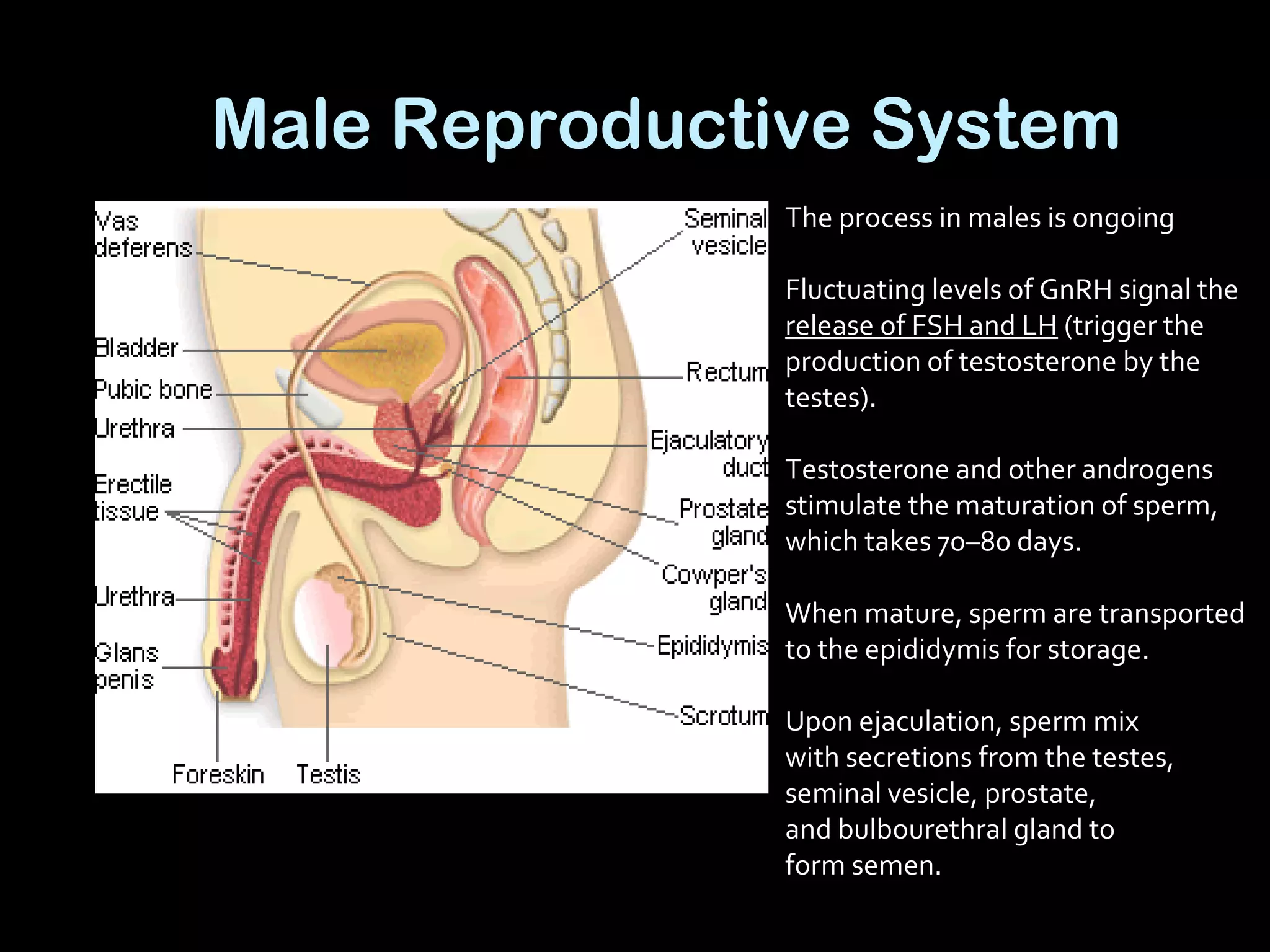
Male Reproductive System
The process in males is ongoing
Fluctuating levels of GnRH signal the
release of FSH and LH (trigger the
production of testosterone by the
testes).
Testosterone and other androgens
stimulate the maturation of sperm,
which takes 70–80 days.
When mature, sperm are transported
to the epididymis for storage.
Upon ejaculation, sperm mix
with secretions from the testes,
seminal vesicle, prostate,
and bulbourethral gland to
form semen.
Disruptions in Fertility
 adverse nutritional exposures,
 contraceptive use,
 severe stress,
 infection,
 tubal damage and other structural problems
 chromosomal abnormalities
Nutrition-Related
Disruptions in Fertility
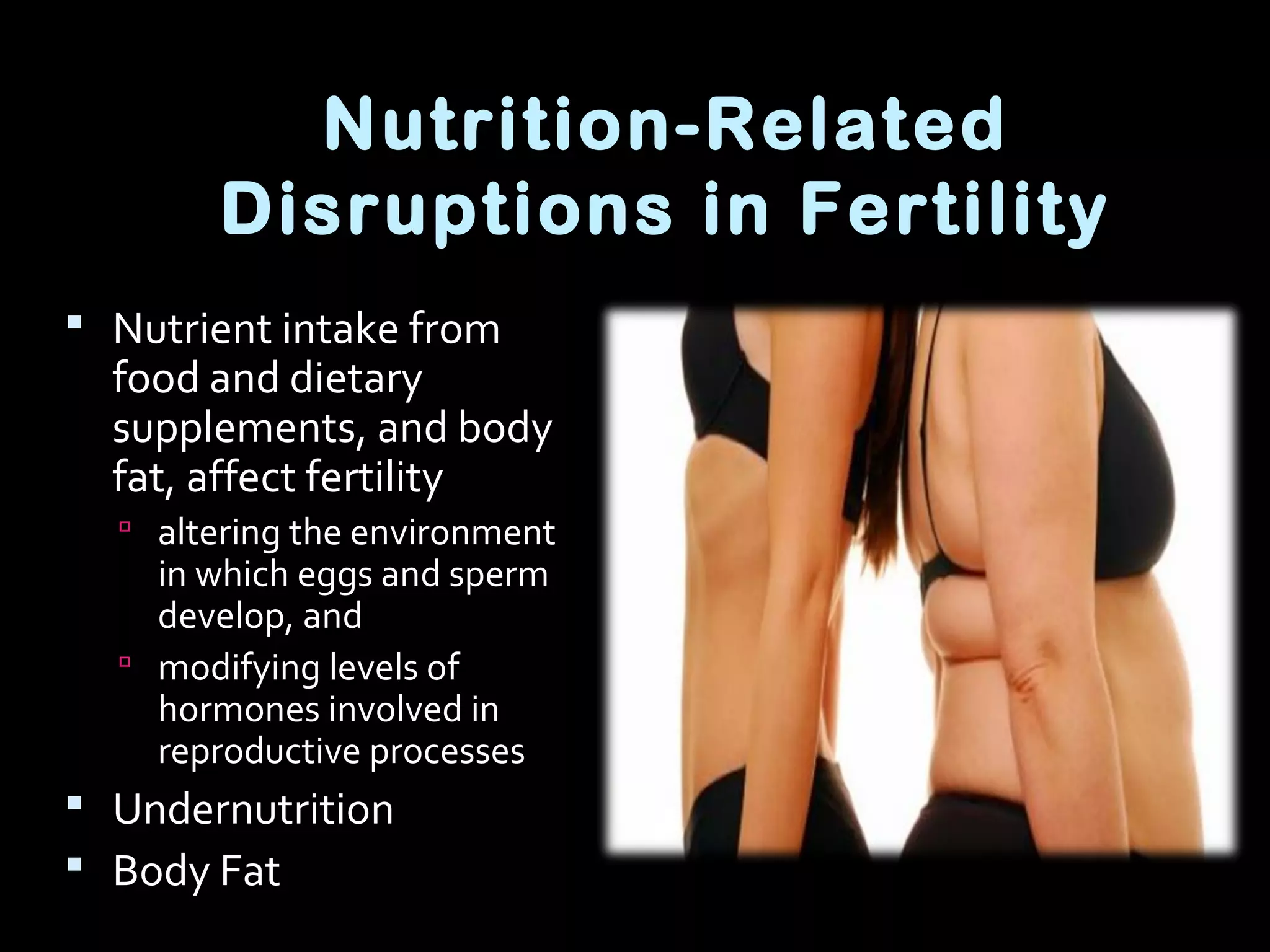
 Nutrient intake from
food and dietary
supplements, and body
fat, affect fertility
 altering the environment
in which eggs and sperm
develop, and
 modifying levels of
hormones involved in
reproductive processes
 Undernutrition
 Body Fat
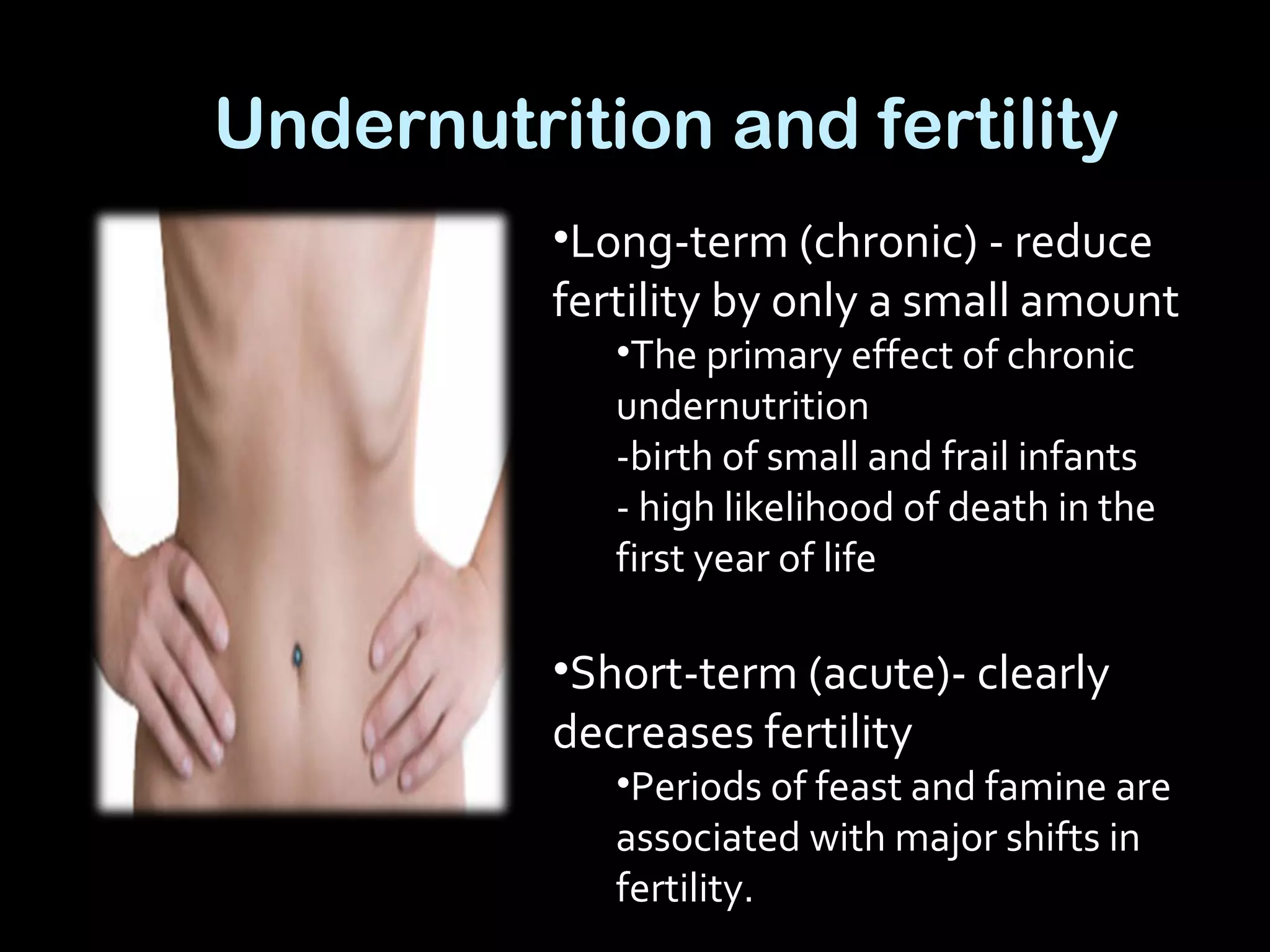
Undernutrition and fertility
•Long-term (chronic) - reduce
fertility by only a small amount
•The primary effect of chronic
undernutrition
-birth of small and frail infants
- high likelihood of death in the
first year of life
•Short-term (acute)- clearly
decreases fertility
•Periods of feast and famine are
associated with major shifts in
fertility.
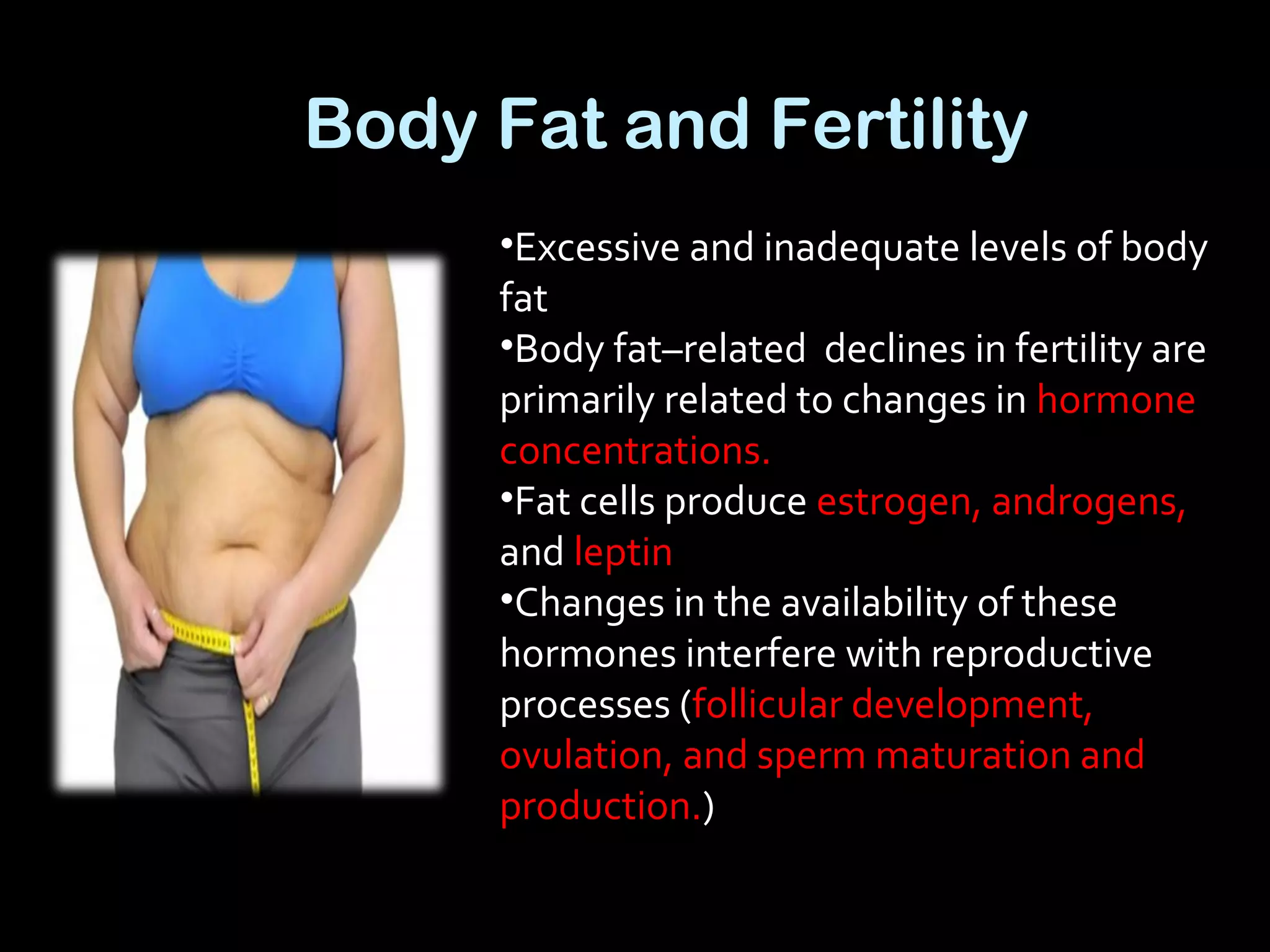
Body Fat and Fertility
•Excessive and inadequate levels of body
fat
•Body fat–related declines in fertility are
primarily related to changes in hormone
concentrations.
•Fat cells produce estrogen, androgens,
and leptin
•Changes in the availability of these
hormones interfere with reproductive
processes (follicular development,
ovulation, and sperm maturation and
production.)
Excessive Body Fat and
Infertility
 Obese women tend to have high levels of estrogen,
androgens, and leptin
 Favor the development of menstrual-cycle irregularity,
ovulatory failure and anovulatory cycles, and amenorrhea.
 Obesity in men is associated with lower levels of
testosterone and increased estrogen and leptin levels.
 Changes caused - reduced sperm production in 16% of
obese men and higher-than-average rates of erectile
dysfunction
 Increased levels of oxidative stress and exposure of eggs
and sperm to oxidative damage are also related to
infertility.
Inadequate Body Fat and
Fertility
 Low levels of body fat during adolescence is
related to delays in the age of onset of
menstruation and to reduced fertility later in
life.
 Impaired fertility in underweight women
form delayed time to conception and
amenorrhea.
 Low sperms production is associated with
underweight men and low levels of body fat
Weight Loss and Fertility
 In normal-weight women, weight loss that
exceeds approximately 10–15% of usual weight
decreases :
 estrogen, LH, and FSH concentrations.
 Consequences :
 Weight-related amenorrhea, anovulatory cycles,
and short or absent luteal phases.
 “hypothalamic amenorrhea”
 Hormone levels tend to return to normal when
weight is restored to within 95% of previous
weight
Exercise and Infertility
 young female athletes may experience
delayed age at puberty (by 2 to 4 years) and
lack menstrual cycles.
 Delays and interruptions in normal menstrual
cycles appear to result from hormonal and
metabolic changes primarily related to
caloric deficits rather than intense exercise.
Oxidative Stress, Antioxidant Nutrient
Status, and Fertility
 intake of antioxidants such as vitamin E,
vitamin C, beta-carotene, and selenium and
antioxidant-rich pigments in vegetables
and fruits plays an important role in fertility
 to protect cells of the reproductive
system, including eggs and sperm, from
damage due to oxidative stress.
 Oxidative stress occurs when the production of
free radicals exceeds the body’s own
antioxidant defenses.
 Reactive oxygen molecules (free radicals)attack
PUFA in sperm membranes decreases
sperm motility and reduces the ability of
sperm to fuse with an egg.
 Once the membrane surrounding sperm is
damaged, reactive oxygen molecules can enter
the sperm cell and damage DNA.
 In women, oxidative stress can harm egg and
follicular development and can interfere with
corpus luteum function and implantation of
the egg in the uterine wall.
Effects of Antioxidant Intake
on Fertility
 higher average intakes of antioxidants are
associated with:
 improvements in levels of oxidative stress in infertile
women
 improved sperm maturation, motility, concentration,
and reduced DNA and chromosome damage in men.
 Supplemental intakes of vitamin E and selenium
improve sperm quality in infertile men.
 Regular intake of vitamin C, vitamin E, and beta-
carotene supplements have been related to
increased sperm number and motility
Zinc Status and Fertility
in Men
 Zinc plays important roles:-
 in the reduction of oxidative stress,
 in sperm maturation, and
 in testosterone synthesis,
 Lower zinc status in men related to:-
 poorer sperm quality,
 sperm concentrations, and
 to abnormal sperm shapes.
 Zinc supplementation alone, or combined with
vitamin E and vitamin C supplementation,
improve sperm quality.
Plant Foods and Fertility
 Vegans (who are thin, normal weight, or
overweight) are more likely to have irregular
menstrual cycles
 Diets providing <20% of calories from fat appear
to lengthen menstrual cycles among women in
general
 Regular intake of soy foods (tofu, soymilk,
tempeh, and textured soy protein) appears to be
related to reduced sperm count in men and to a
one–day increase in menstrual cycle length in
women.
 Effects of high plant and soy food diets in
fertility may be related to the Influence of
certain phytochemicals in plant foods on
levels of estradiol, progesterone, and
luteinizing hormone.
Plant Foods and Fertility
Multivitamin Supplement,
Folate
Intake, and Fertility Multivitamin intake by preconceptional is
associated with a lower risk of ovulatory
infertility.
 Intake of folic acid from the supplements decline
in ovulatory infertility.
 Folate status may also affect men fertility
-Higher levels of dietary intakes of folate from
food and supplements in healthy men is related
to the presence of fewer chromosomally
abnormal sperm.
Preconception Iron Status,
Fertility, and Pregnancy
Outcomes
 Infertility due to a lack of ovulation is related
to iron intake.
 Iron deficiency prior to pregnancy increase
the risk that iron-deficiency anemia will occur
during pregnancy and that infants will be
born with low stores of iron.
 Iron deficiency before pregnancy is also
increased rates of preterm delivery
Cont..
 It is easier and more efficient to build up iron
stores before pregnancy than during
pregnancy.
 take modest doses of iron supplements (18
mg a day) and by the regular consumption
of vitamin C–rich fruits and vegetables along
with plant sources of iron, iron-fortified
cereals, and lean meats.
Caffeine and Fertility
Should women concerned
about infertility consume
coffee and other foods
with caffeine?
 chance of conception within a 10-month interval of
unprotected intercourse was half as likely among
women who consumed over 4 cups of coffee per
day (500 mg caffeine) vs the conception rate of
women who consumed little coffee.
 Intake of over 300 mg of caffeine daily from coffee,
sodas, and tea decreased the chance of conceiving
by 27% per cycle compared to negligible caffeine
intake
 may be due to one or more of the hundreds of
other biologically active substances in coffee
Alcohol and Fertility
 Decrease estrogen and testosterone levels
and by disrupting menstrual cycles and
testicular functions.
 Alcoholic-beverage consumption of >10
drinks per week was related to a 66%
reduction in the probability of conception
during the 6-month period.
 Consumption of >7 drinks a week has been
associated with a doubling of risk for
infertility in women over the age of 30 only.
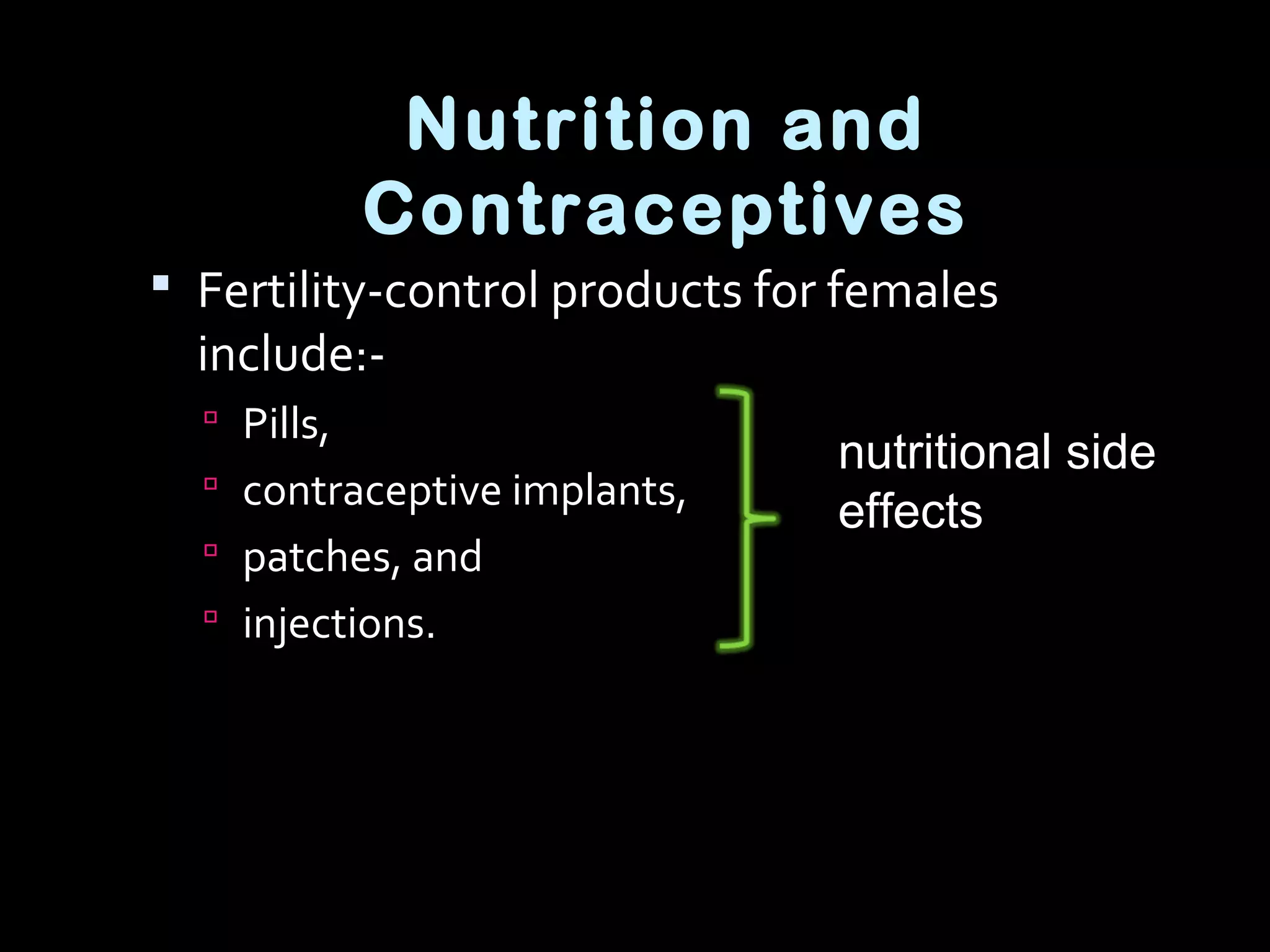
Nutrition and
Contraceptives
 Fertility-control products for females
include:-
 Pills,
 contraceptive implants,
 patches, and
 injections.
nutritional side
effects
Nutrition-related side effects
of contraceptives
 Oral Contraceptives
 Increased blood levels of HDL cholesterol (the
“good” cholesterol)
 Increased blood levels of triglycerides and LDL
cholesterol
 Increased risk of venous thromboembolism (blood
clots), cervical cancer, and cardiovascular disease
 Decreased blood levels of vitamins B12 and B6
 Increased blood levels of copper
Cont..
 Contraceptive Injections (Depo-Provera)
 Weight gain (averages 12 pounds (5.5 kg)
during one to three years)
 Increased blood levels of LDL cholesterol and
insulin
 Decreased blood levels of HDL cholesterol
 Decreased bone density
 Contraceptive Implants (Norplant)
 Weight gain (Average weight 9 pounds (4.1 kg)
gain after 1 year after implant)
 Contraceptive Patches (placed on the skin for
3 weeks and then taken off for a week.)
 increase blood levels of cholesterol and
triglycerides
 increase the risk of blood-clot formation
 increases in HDL-cholesterol levels
Cont..
Very Early Pregnancy
Nutrition Exposures
 Weight Status
 Being underweight increases the risk of
maternal complications during pregnancy
and the delivery of small and early newborns.
 Obesity increases the risk of clinical
complications during pregnancy and delivery
of newborns with neural tube defects or
excessive body fat.
Cont..
 Nutrient Status
 Insufficient folate intake increases the risk of
embryonic development of neural tube defects.
 Excessive vitamin A intake (retinol, retinoic acid)
increases the risk the fetus will develop facial and
heart abnormalities.
 High maternal blood levels of lead increase the risk
of mental retardation in the offspring.
 Iodine deficiency early in pregnancy increases the
risk that children will experience impaired mental
and physical development.
 Iron deficiency increases the risk of early delivery
and development of iron deficiency
Cont..
 Alcohol
 Regular intake of alcohol increases the risk of fetal
alcohol syndrome and fetal alcohol effects, both
of which include impaired mental and physical
development.
 Diabetes
 Poorly controlled blood glucose levels early in
pregnancy increase the risk of fetal
malformations, excessive infant size at birth,
and the development of diabetes in the
offspring later in life.
Folate Status Prior to
Conception and NTDs
 Folate status prior to conception is an
important concern bcoz inadequate folate
very early in pregnancy can cause neural tube
defects (NTDs).
 develop within 21 days after conception—or
before many women even know they are
pregnant, and well before prenatal care
begins.
 Women can get enough folate by
consuming:-
 a good basic diet and a fully fortified breakfast
cereal
 or a regular breakfast cereal (Cheerios, Corn
Flakes, Raisin Bran, etc.) and
 6 to 8 servings of refined grain products each day.
 Folic acid supplements (400 mcg per day) can also
provide folic acid.
Recommended Dietary Intakes
for Preconceptional Women
1. Consume 400 mcg of folate from fortified
grain products, vegetables,fruits, or
supplements;
2. take no more than 5000 IU of vitamin A
(retinol or retinoic acid) from supplements
daily; and
3. limit or omit alcohol-containing beverages.
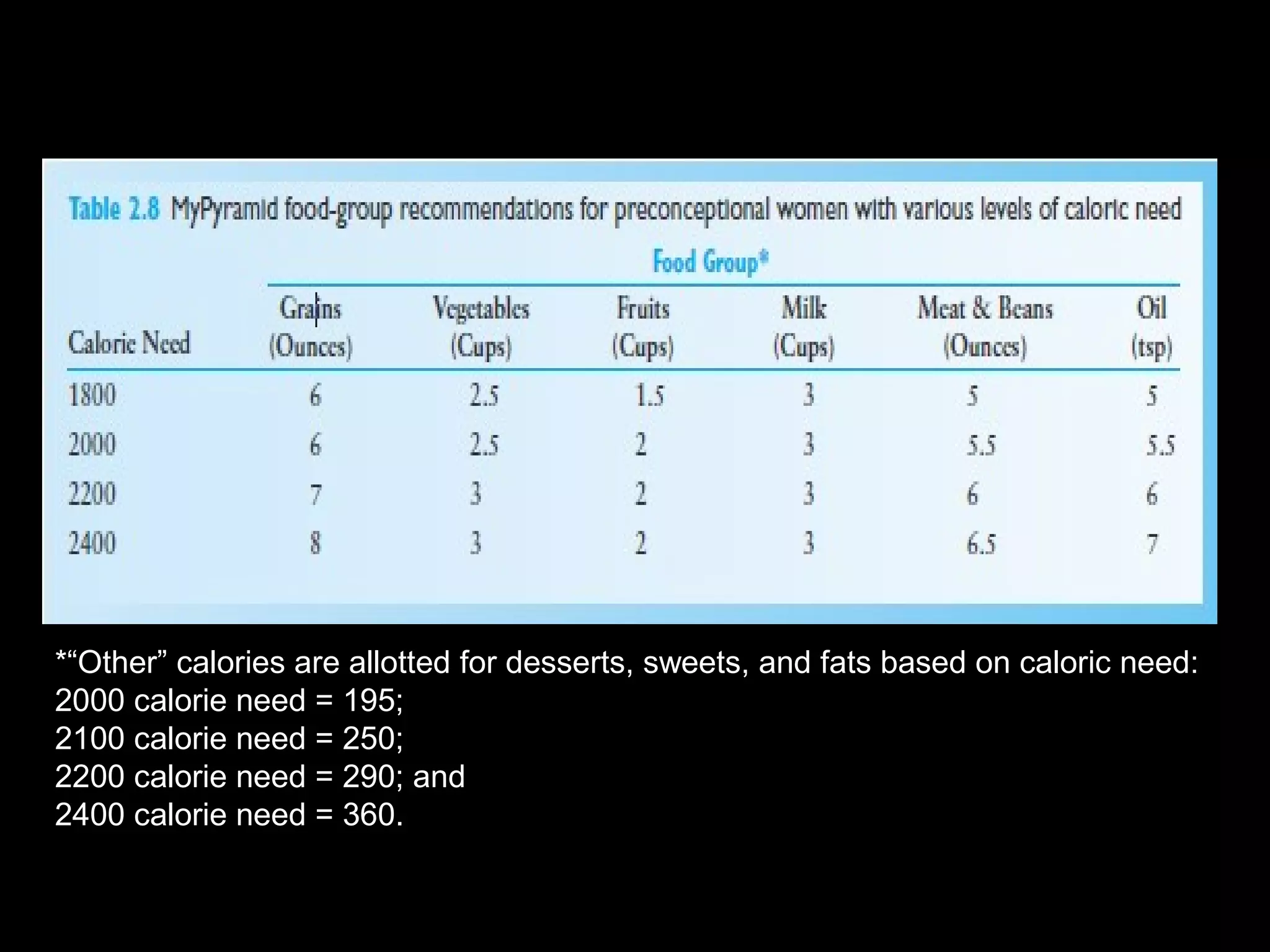
*“Other” calories are allotted for desserts, sweets, and fats based on caloric need:
2000 calorie need = 195;
2100 calorie need = 250;
2200 calorie need = 290; and
2400 calorie need = 360.
Conditions and
Interventions
Key Nutrition Concepts
 Nutrition and other lifestyle changes are a
core component of the treatment of a variety
of common health problems of women and
men prior to conception.
 Nutritional and health status before and
during the first 2 months after conception
influences embryonic development and the
risk of complications during pregnancy.
Premenstrual Syndrome
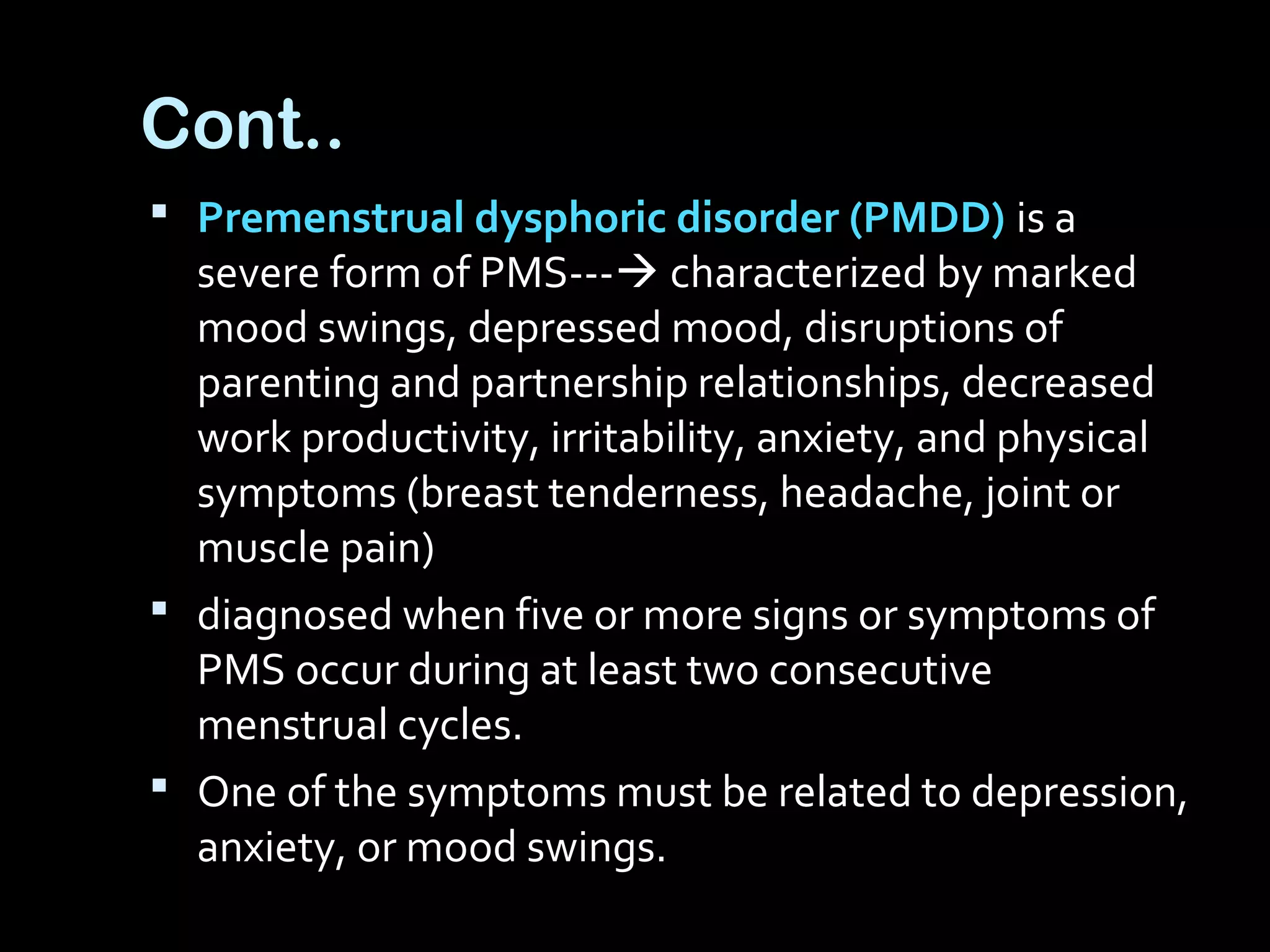
 Common signs and symptoms of PMS
Physical sign Psychological
Symptoms
Fatigue Craving for sweet or
salty foods
Abdominal bloating Depression
Swelling of the hands or feet Irritability
Headache Mood swings
Tender breasts Anxiety
Nausea Social withdrawal
Cont..
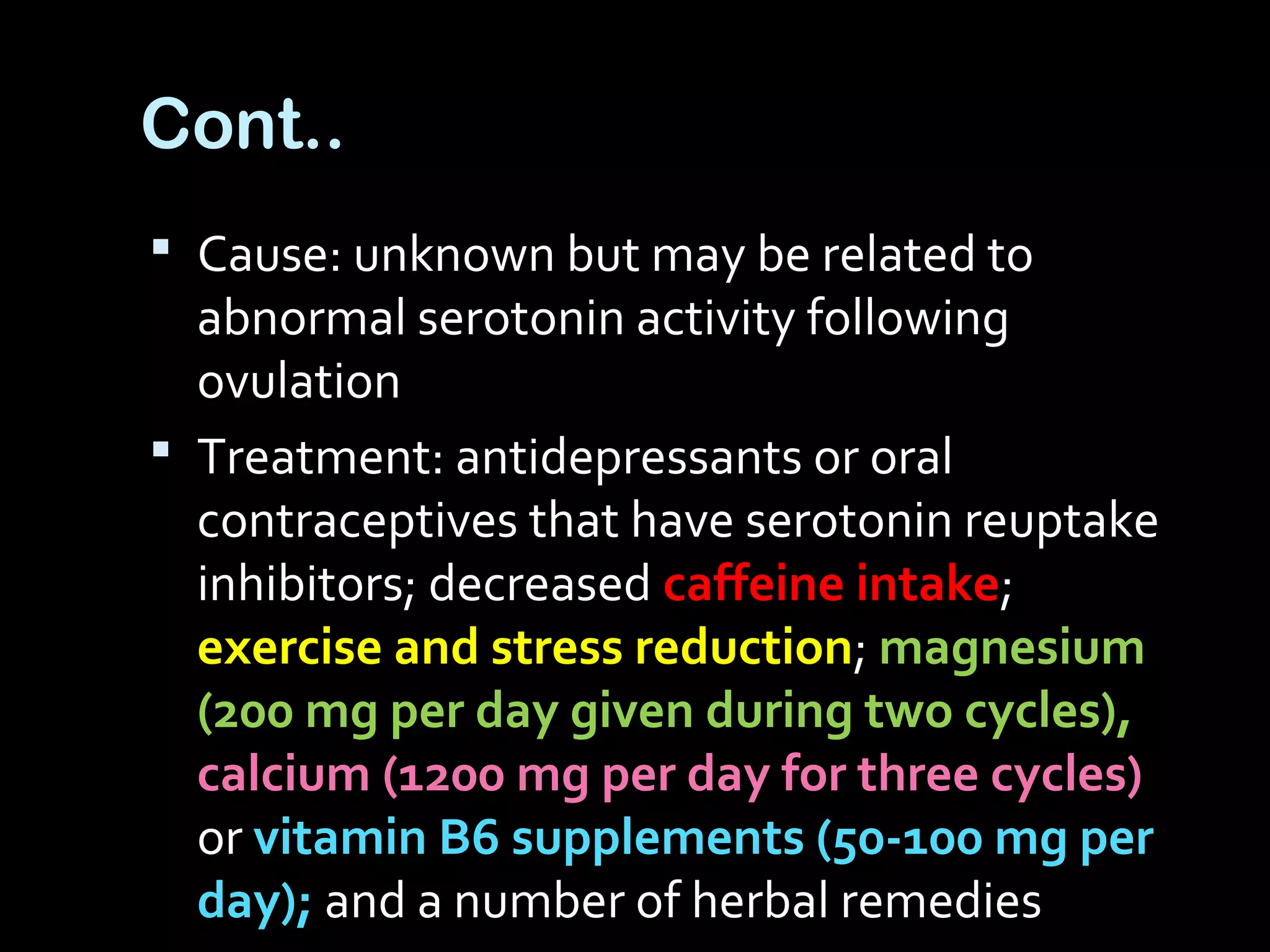
 PMS is characterized by life-disrupting
physiological and psychological changes that
begin in the luteal phase of the menstrual
cycle and end with menses (menstrual
bleeding).
 It occurs in about 40% of menstruating
women.
Cont..
 Premenstrual dysphoric disorder (PMDD) is a
severe form of PMS--- characterized by marked
mood swings, depressed mood, disruptions of
parenting and partnership relationships, decreased
work productivity, irritability, anxiety, and physical
symptoms (breast tenderness, headache, joint or
muscle pain)
 diagnosed when five or more signs or symptoms of
PMS occur during at least two consecutive
menstrual cycles.
 One of the symptoms must be related to depression,
anxiety, or mood swings.
 Cause: unknown but may be related to
abnormal serotonin activity following
ovulation
 Treatment: antidepressants or oral
contraceptives that have serotonin reuptake
inhibitors; decreased caffeine intake;
exercise and stress reduction; magnesium
(200 mg per day given during two cycles),
calcium (1200 mg per day for three cycles)
or vitamin B6 supplements (50-100 mg per
day); and a number of herbal remedies
Cont..
Obesity and Fertility
 Men who are obese are at risk of infertility
due to low levels of testosterone and sex
hormone binding globulin (SHBG), and low
sperm count
 Obesity in women increases the risk of
infertility due to highly irregular or
anovulatory menstrual cycles.
Biological bases of
infertility in obese men
 Low testosterone and sex hormone binding
globulin levels
 Elevated leptin, follicle stimulating hormone
(FSH), and estrogen levels
 Decreased sperm count, sperm motility;
increased malformed sperm
 Oxidative stress, inflammation
 High estrogen, free-testosterone, and leptin
levels
 Reduced levels of sex hormone binding
globulin
 Insulin resistance
 Insulin bind to specific receptors on the ovary and
stimulate testosterone production. Androgens
such as testosteron suppress follicular growth,
leading to ovulatory dysfunction
 Oxidative stress, inflammation
Biological bases of
infertility in obese women
Cont…
 Obese women have higher rates of :
 metabolic syndrome,
 polycystic ovary syndrome, (PCOS)
 gestational diabetes and hypertension,
 fetal overgrowth,
 cesarean delivery,
 and stillbirth
 Weight reduction through diet and exercise is
considered the first therapeutic option for
infertility in obese people
Hypothalamic
Amenorrhea
 Also called functional amenorrhea and
weight-related amenorrhea.
 Cessation of menstruation related to changes
in hypothalamic signals that maintain the
secretion of hormones required for ovulation.
 Changes in hypothalamic signals appear to be
triggered by an energy deficit.
 May also be leptin-deficient due to low levels
of body fat.
Cont..
 The onset of hypothalamic amenorrhea is
related to being underweight, weight loss,
or weight loss accompanied by intense
exercise.
 It is often preceded by menstrual
irregularities lasting months to years
 Nutritional Management :
 Weight gains of 3 to 5 kg sufficient to restore
fertility and improve the outcome of
pregnancy.
The Female Athlete
Triad and Fertility
 Why triad?
 it consists of three major conditions:
 amenorrhea,
 disordered eating, and
 osteoporosis
Cont..
 Amenorrhea associated with the female athlete
triad appears to be triggered when energy
intake is about 30% less than energy
requirement.
 Leads to a loss of normal secretion of
luteinizing hormone, a subsequent lack of
estrogen production, and other hormonal
changes.
 Metabolic changes triggered by hormonal
shifts result in decreased bone density and an
increased susceptibility to stress fractures in
affected athlete
Nutritional Management of the
Female Athlete Triad
 focuses on
 Correction of the negative energy balance and
associated eating disorders, and
 on restoration of bone mass accretion.
 Vitamin D, calcium, and other supplements to
balanced and adequate diet to facilitate bone
development
Eating Disorders and
Fertility
 anorexia nervosa: Amenorrhea due to
irregular release of GnRH and very low levels
of estrogen.
 bulimia nervosa: little bleeding during
menses (oligomenorrhea)or amenorrhea
related to low FSH and LH levels, menstrual
disturbances, and infertility
Nutritional Management of Women
with Anorexia Nervosa or Bulimia
Nervosa
 Normalization of body weight, and for
bulimia nervosa, normalization of eating
behaviors.
 Recommended treatment for anorexia
nervosa involves long-term, multidisciplinary
services.
Diabetes Mellitus Prior to
Pregnancy
 Women with DM increases the risk of
maternal and fetal complications, and fail to
get blood glucose under excellent control
prior to conception.
 High blood glucose levels during the first 2
months of pregnancy are teratogenic;
associated with a two- to threefold increase
in congenital abnormalities in newborns.
 Exposure to high blood glucose during the
first 2 months in utero is related to:
 Malformations of the pelvis,
 Malformations of central nervous system,
 Malformations of heart in newborns, and
 Higher rates of miscarriage
Nutritional Management of
Type 1 Diabetes
1. Controlled in carbohydrate content (CHO raise
blood glucose levels and increase insulin need
to a greater extent than do protein or fats.)
2. Replace simple sugars with reasonable
amounts of artificial sweeteners.
3. Foods low in glycemic index and high in fiber
(especially soluble fiber such as oatmeal)
4. brightly colored fruits and vegetables, lowf at
meat and dairy products, fish, dried beans, and
nuts and seeds.
Nutritional Management of
Type 2 Diabetes
 American Diabetes Association’s guidelines
recommend:
 Weight loss of 7% of body weight or more
 Percent of total calories from the energy
nutrients:
 15–20% protein, ,30% fat, and approximately 50%
carbohydrates
 Percent of total calories from saturated fat: <7%
 Percent of total calories from trans fat: as low as
possible
Cont..
 Restriction of cholesterol intake to 200 mg per
day or less
 14 g fiber per 1000 calories of food intake
 Whole grains should comprise half of all grain
intake
 Low glycemic-index foods that are rich in fiber
and other important nutrients should be
encouraged56
Polycystic Ovary
Syndrome
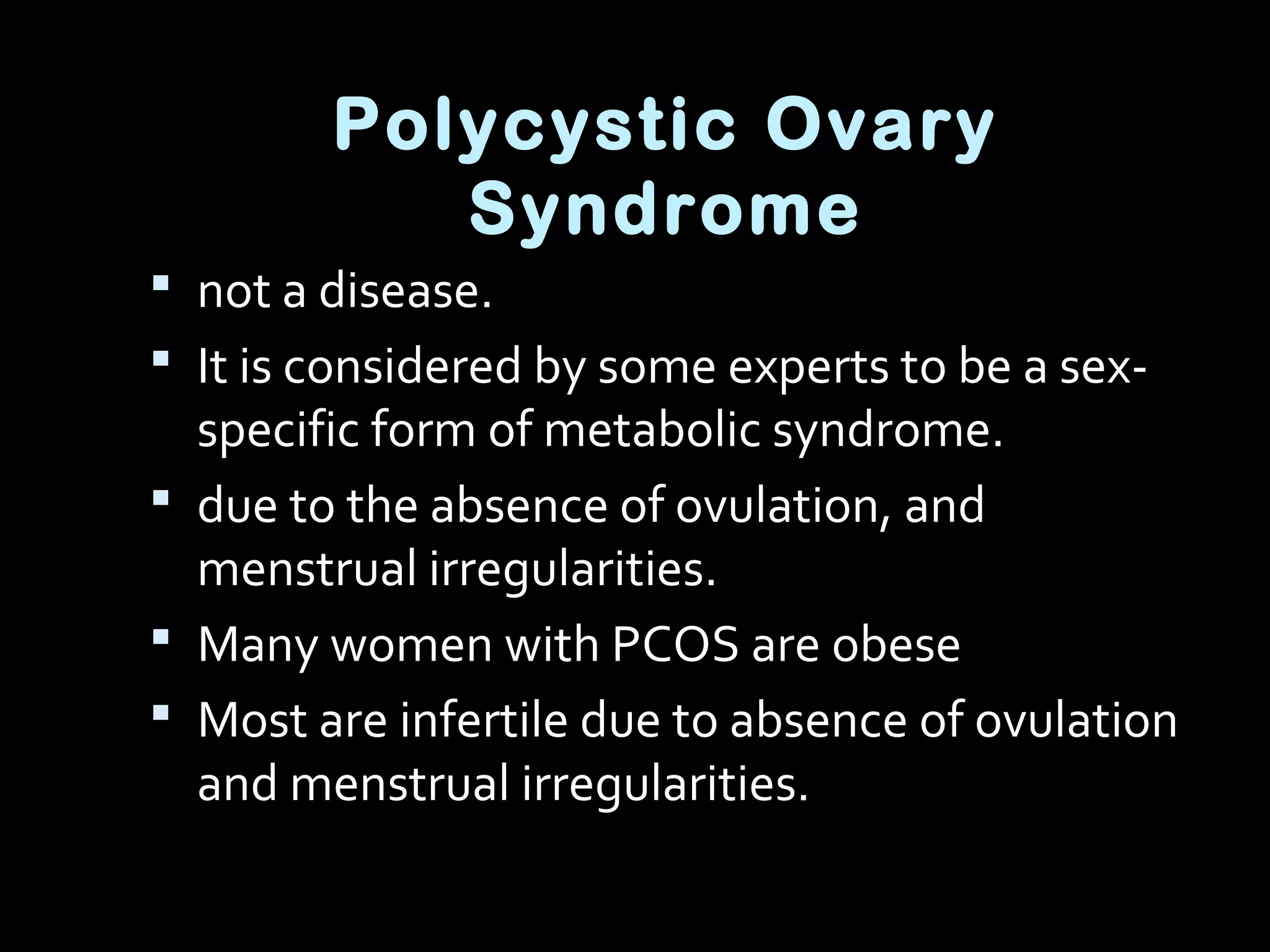
 not a disease.
 It is considered by some experts to be a sex-
specific form of metabolic syndrome.
 due to the absence of ovulation, and
menstrual irregularities.
 Many women with PCOS are obese
 Most are infertile due to absence of ovulation
and menstrual irregularities.
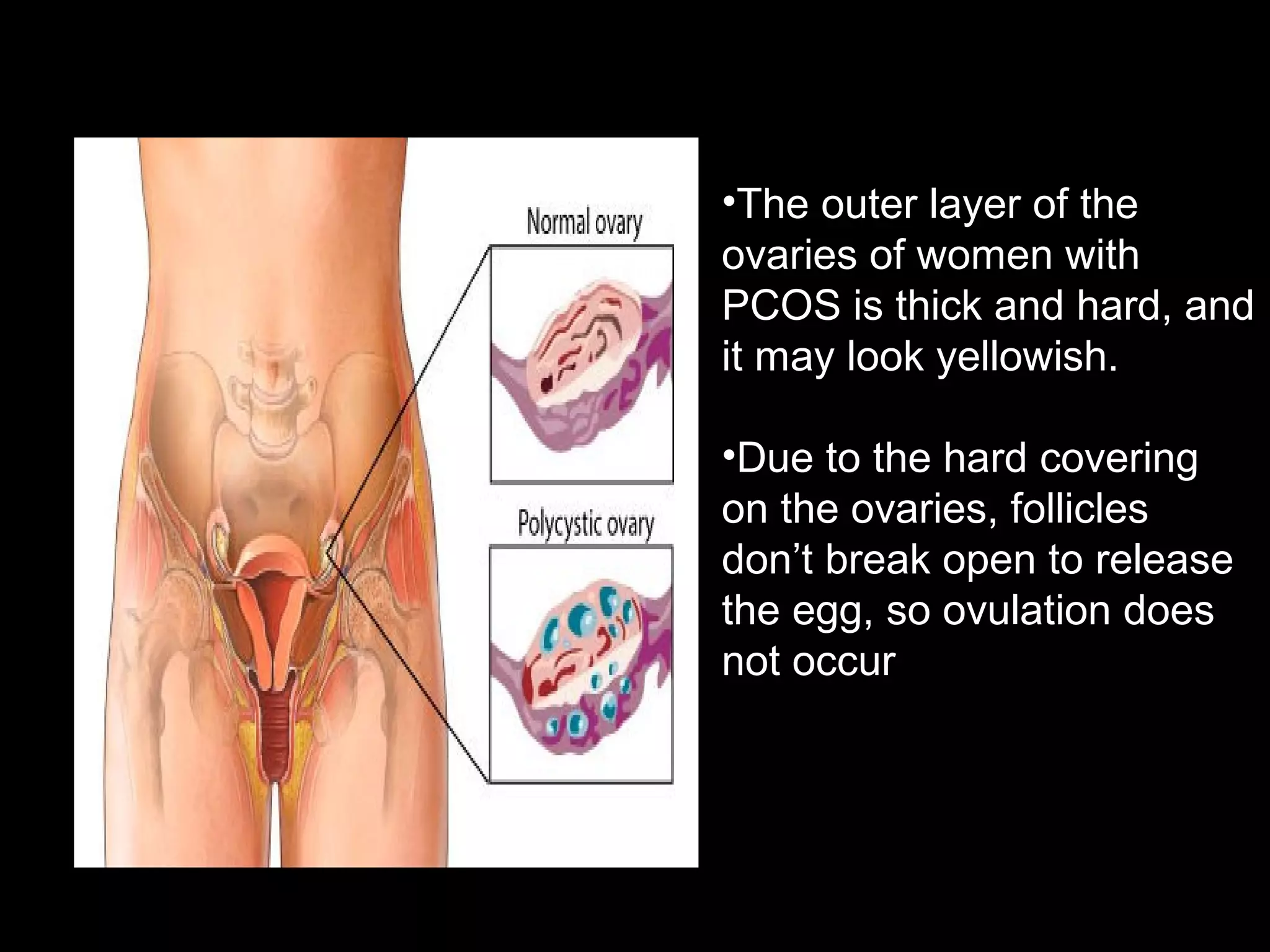
•The outer layer of the
ovaries of women with
PCOS is thick and hard, and
it may look yellowish.
•Due to the hard covering
on the ovaries, follicles
don’t break open to release
the egg, so ovulation does
not occur
Causes of PCOS
1. androgen secreting tumors in the
ovaries or adrenal gland,
2. other disorders, and
3. certain medications.
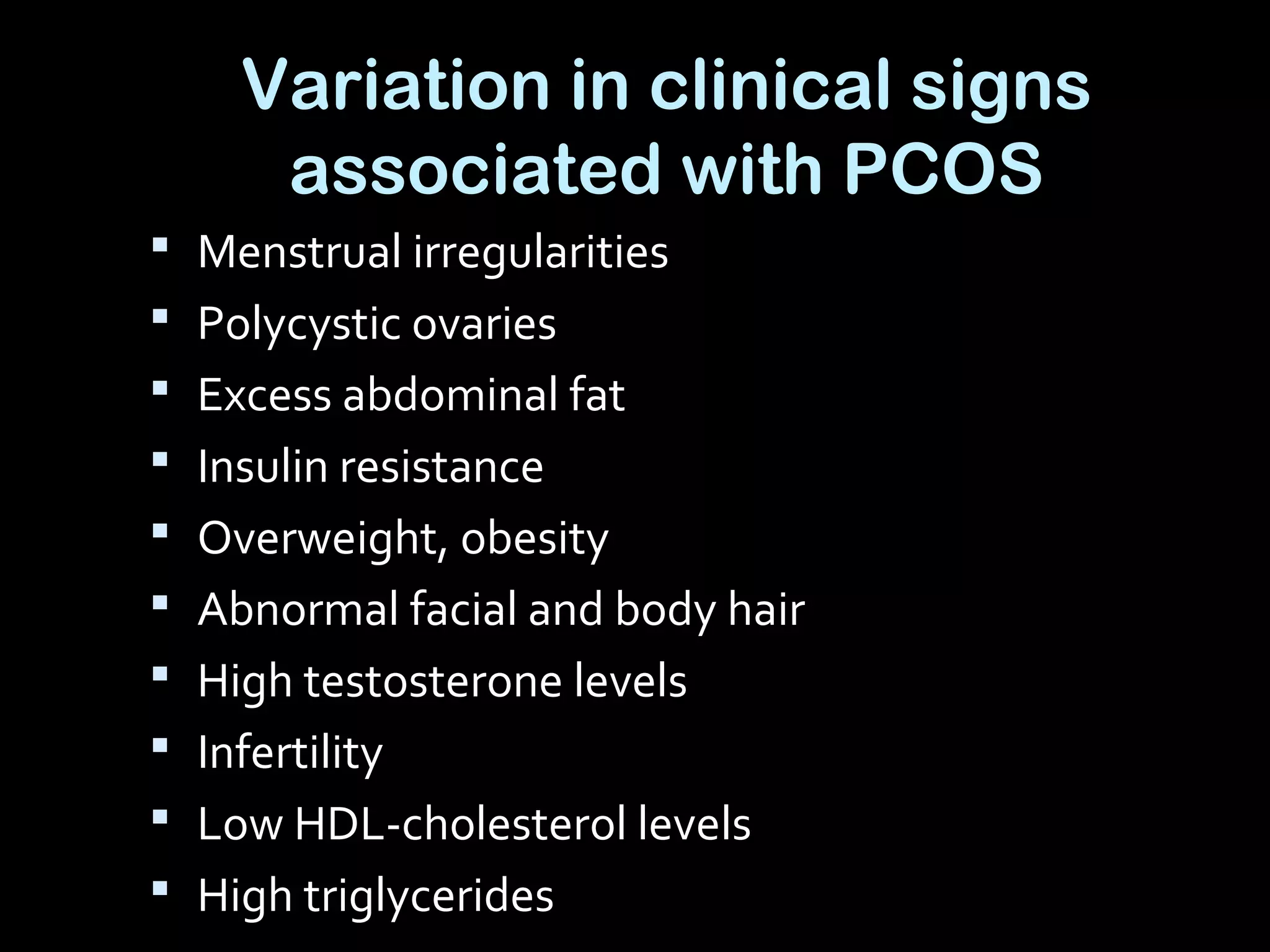
Variation in clinical signs
associated with PCOS
 Menstrual irregularities
 Polycystic ovaries
 Excess abdominal fat
 Insulin resistance
 Overweight, obesity
 Abnormal facial and body hair
 High testosterone levels
 Infertility
 Low HDL-cholesterol levels
 High triglycerides
Cont..
 Women with PCOS are at increased risk of
spontaneous abortions, gestational and type
2 diabetes, hypertension, and cardiovascular
disease
Nutritional Management of
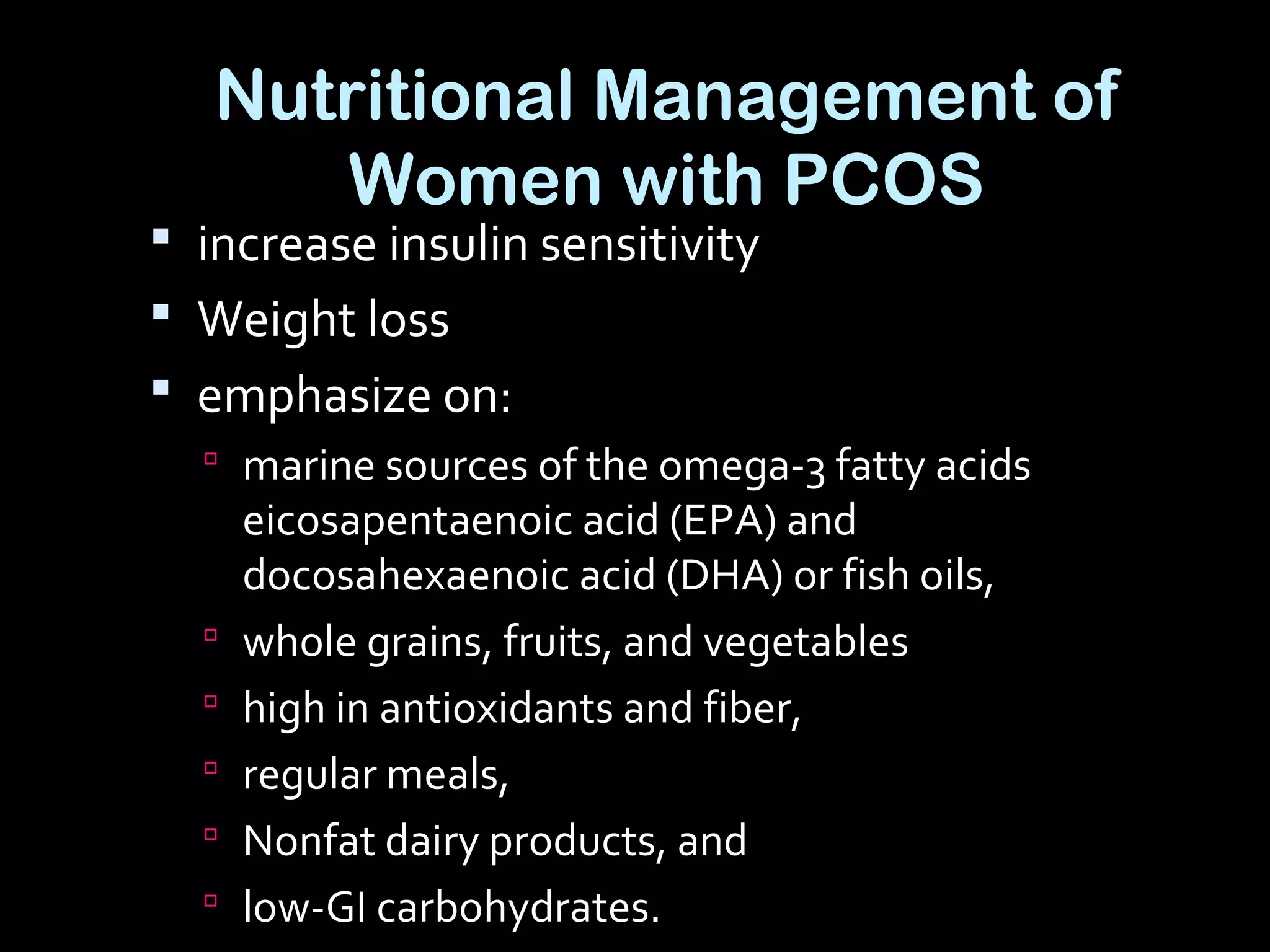
Women with PCOS
 increase insulin sensitivity
 Weight loss
 emphasize on:
 marine sources of the omega-3 fatty acids
eicosapentaenoic acid (EPA) and
docosahexaenoic acid (DHA) or fish oils,
 whole grains, fruits, and vegetables
 high in antioxidants and fiber,
 regular meals,
 Nonfat dairy products, and
 low-GI carbohydrates.
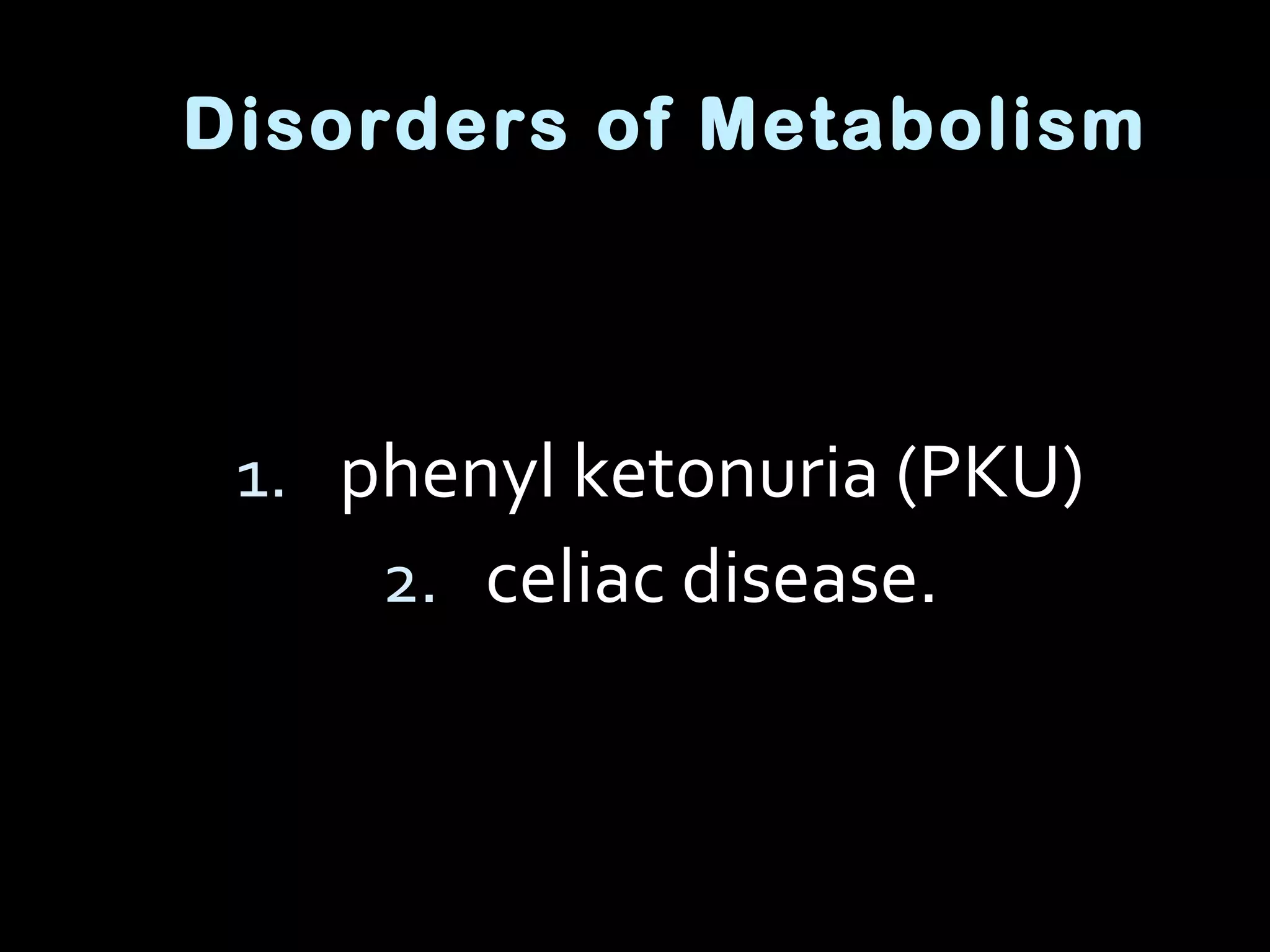
Disorders of Metabolism
1. phenyl ketonuria (PKU)
2. celiac disease.
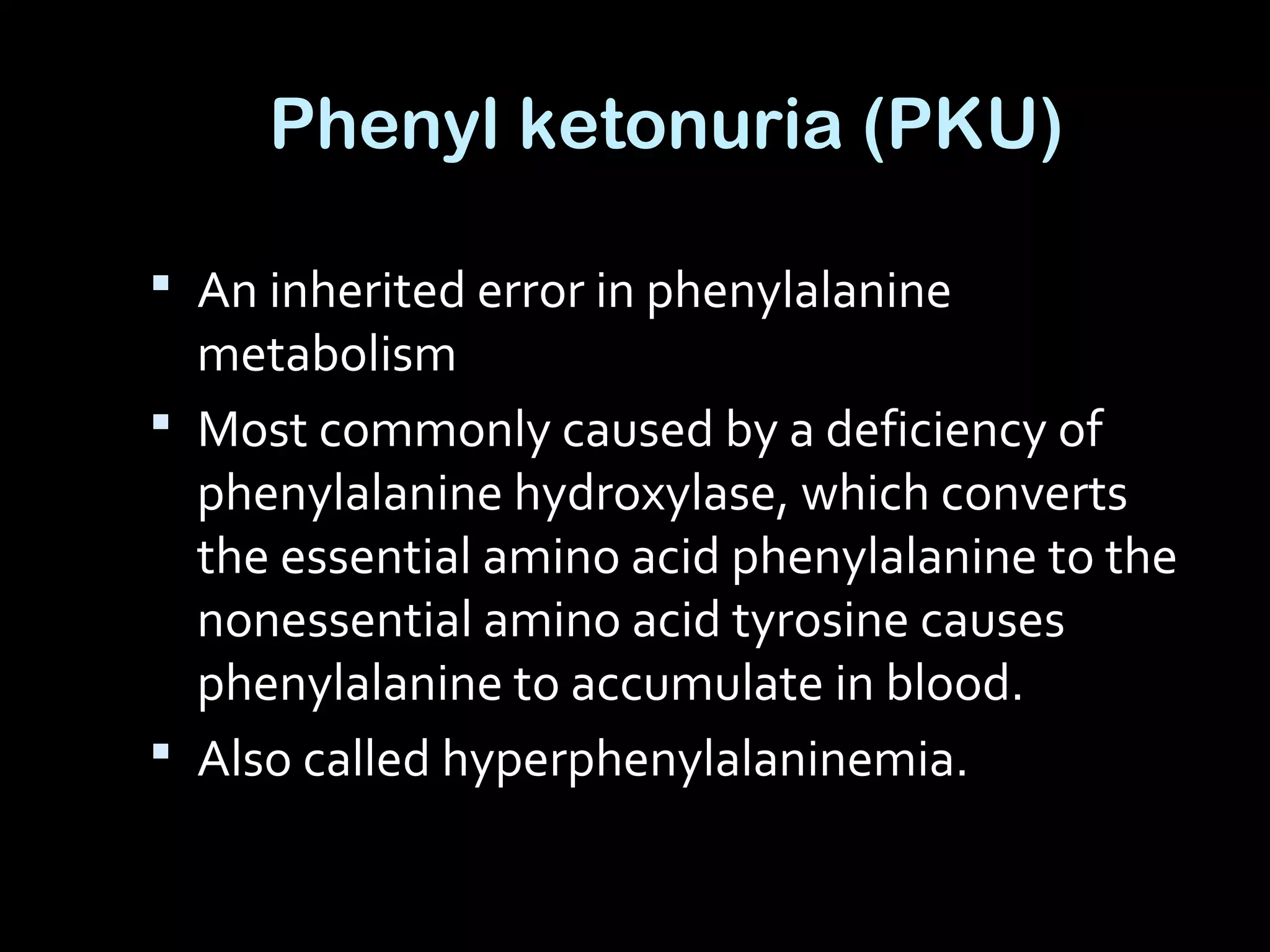
Phenyl ketonuria (PKU)
 An inherited error in phenylalanine
metabolism
 Most commonly caused by a deficiency of
phenylalanine hydroxylase, which converts
the essential amino acid phenylalanine to the
nonessential amino acid tyrosine causes
phenylalanine to accumulate in blood.
 Also called hyperphenylalaninemia.
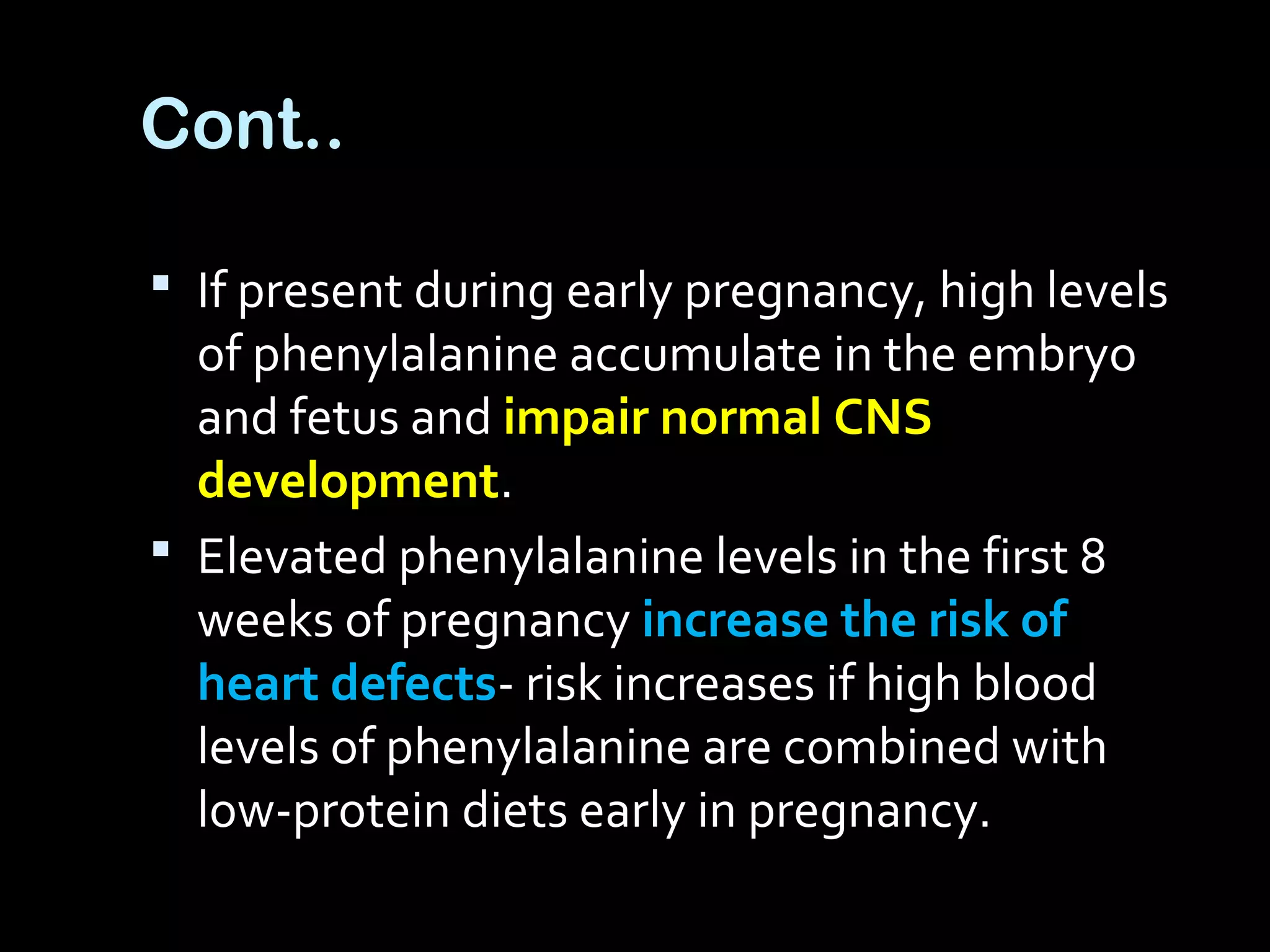
Cont..
 If present during early pregnancy, high levels
of phenylalanine accumulate in the embryo
and fetus and impair normal CNS
development.
 Elevated phenylalanine levels in the first 8
weeks of pregnancy increase the risk of
heart defects- risk increases if high blood
levels of phenylalanine are combined with
low-protein diets early in pregnancy.
Cont..
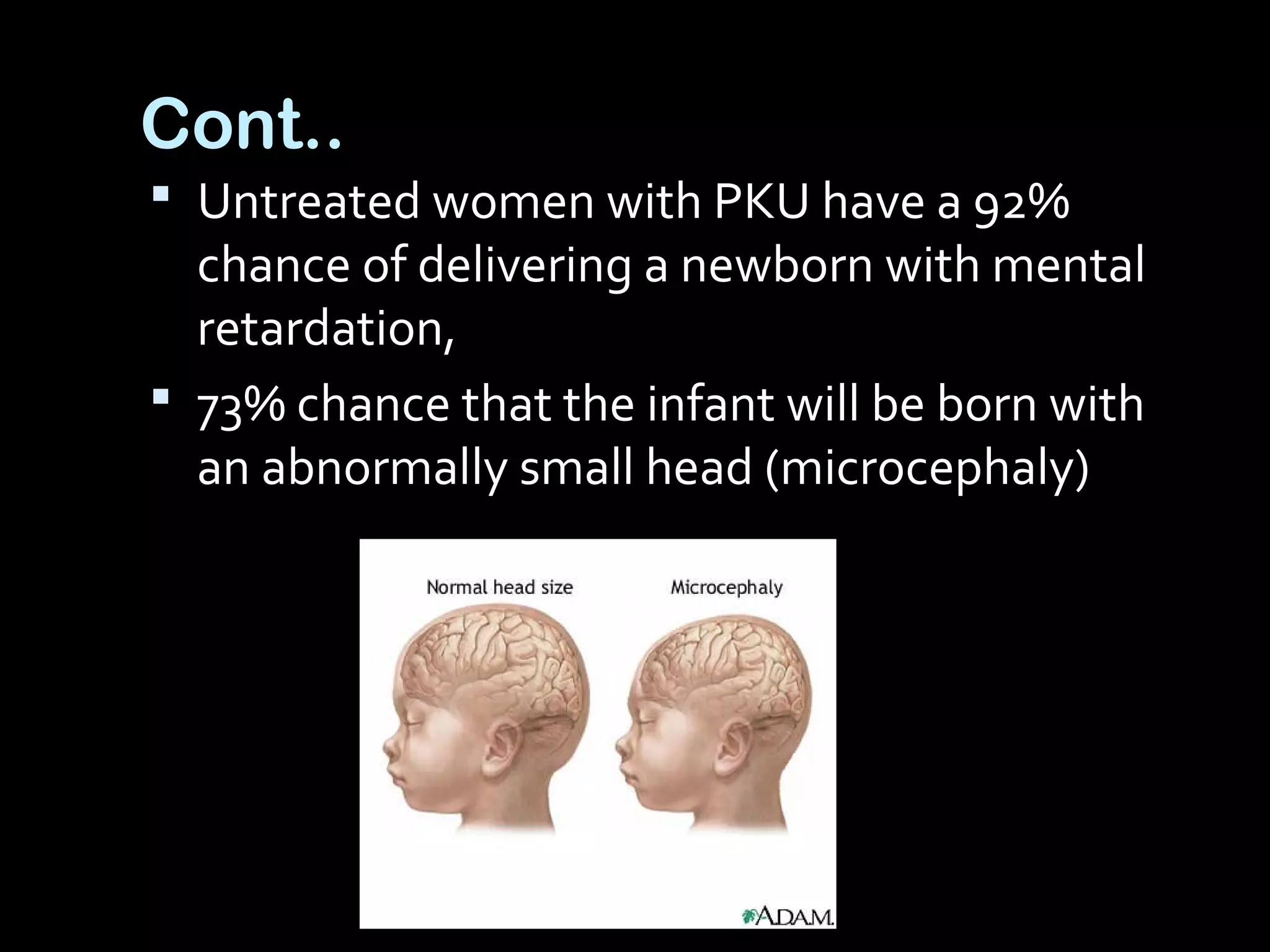
 Untreated women with PKU have a 92%
chance of delivering a newborn with mental
retardation,
 73% chance that the infant will be born with
an abnormally small head (microcephaly)
Cont..
 Infants born to women with high blood levels
of phenylalanine during pregnancy are at
elevated risk of:
 seizures,
 hyperactivity, and
 abnormal behavioral patterns later in life
 infants born with PKU started on low-
phenylalanine formula as soon after birth as
possible
Nutritional Management of
PKU
 low-phenylalanine diet
 Successful PKU diets maintain blood
concentrations of phenylalanine in the range of
120–360 μmol/L (2–6 mg/dL).
 Exclude high phenylalanine protein foods
such as meat, fish, eggs, and wheat
 Include vegetables, fruits, fats, sugars and
high carbohydrate foods, and phenylalanine-
free breads, flour, and pasta
Celiac Disease
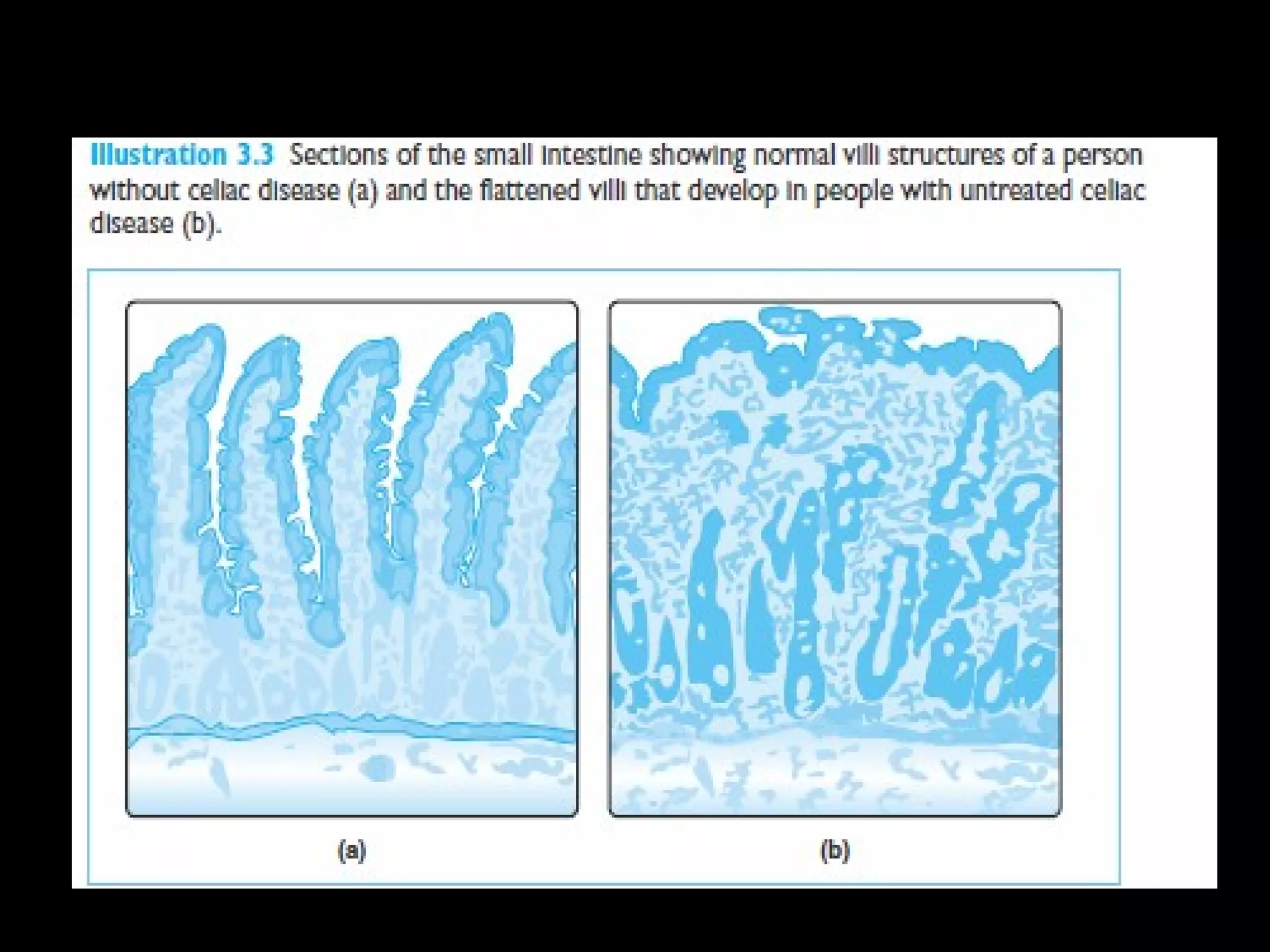
 Celiac disease is an autoimmune
disease that occurs in people with
a genetic susceptibility to the
protein gliadin found in the gluten
component of wheat, rye, and
barley
Celiac Disease
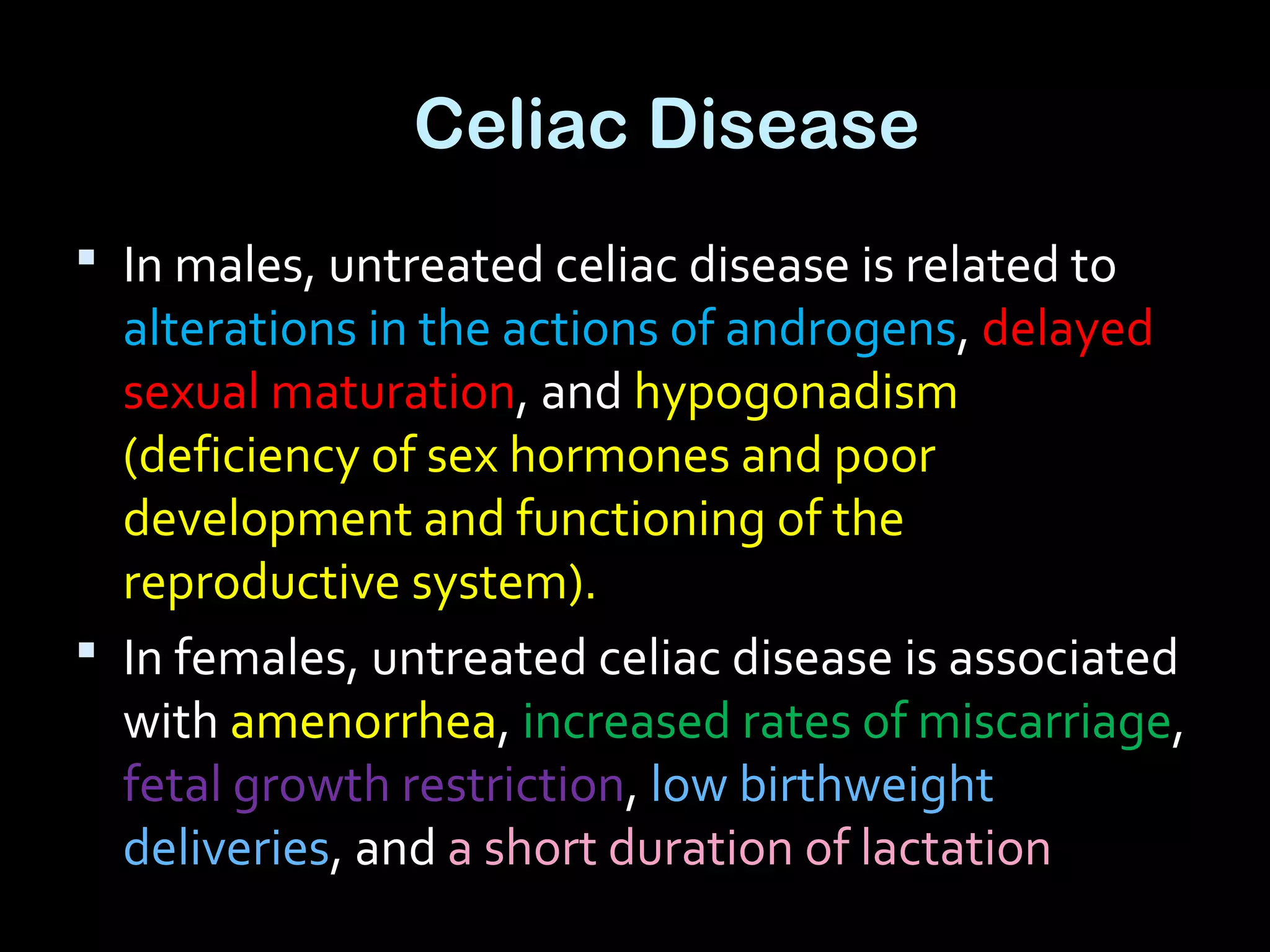
 In males, untreated celiac disease is related to
alterations in the actions of androgens, delayed
sexual maturation, and hypogonadism
(deficiency of sex hormones and poor
development and functioning of the
reproductive system).
 In females, untreated celiac disease is associated
with amenorrhea, increased rates of miscarriage,
fetal growth restriction, low birthweight
deliveries, and a short duration of lactation
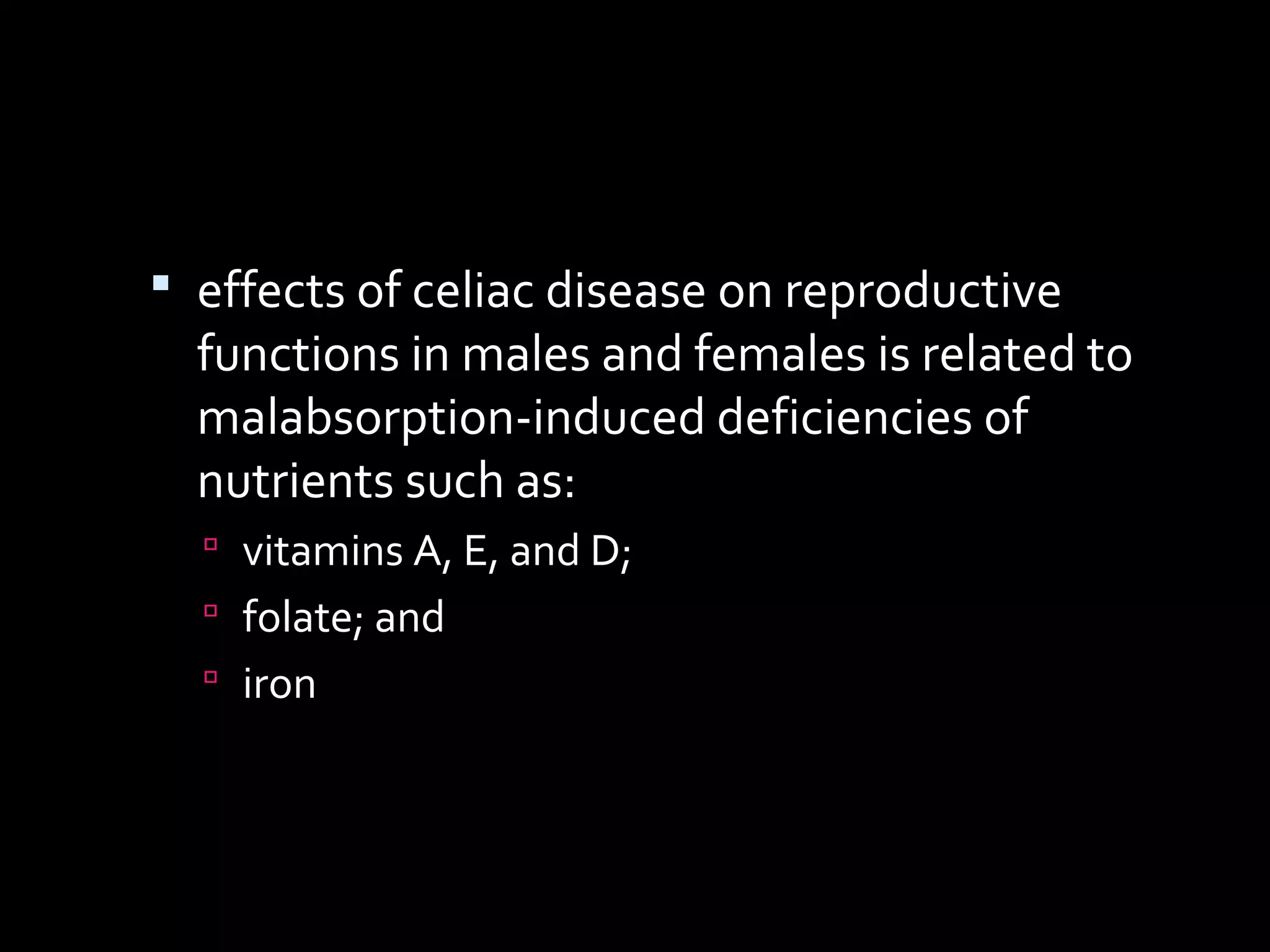
 effects of celiac disease on reproductive
functions in males and females is related to
malabsorption-induced deficiencies of
nutrients such as:
 vitamins A, E, and D;
 folate; and
 iron
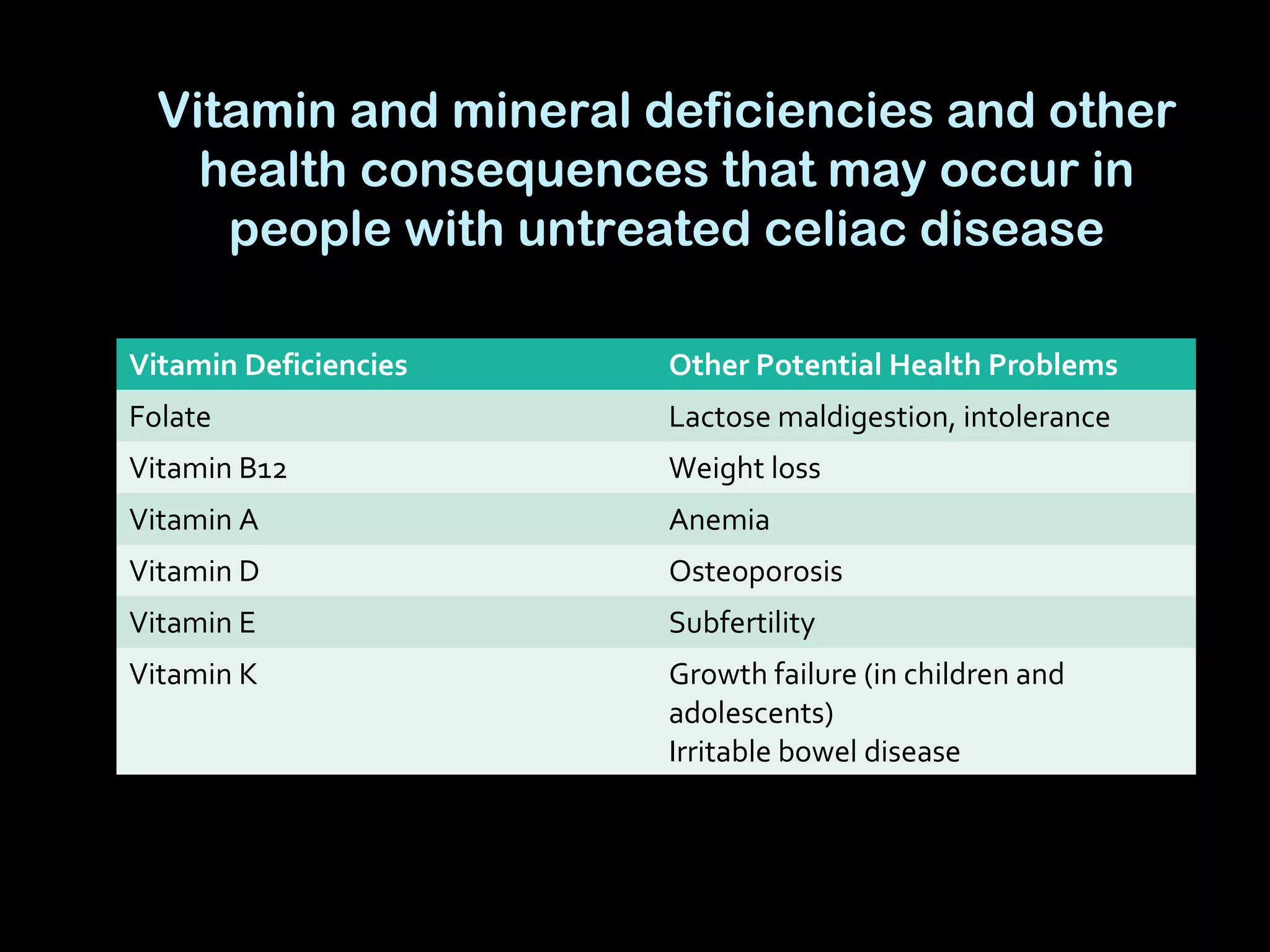
Vitamin and mineral deficiencies and other
health consequences that may occur in
people with untreated celiac disease
Vitamin Deficiencies Other Potential Health Problems
Folate Lactose maldigestion, intolerance
Vitamin B12 Weight loss
Vitamin A Anemia
Vitamin D Osteoporosis
Vitamin E Subfertility
Vitamin K Growth failure (in children and
adolescents)
Irritable bowel disease
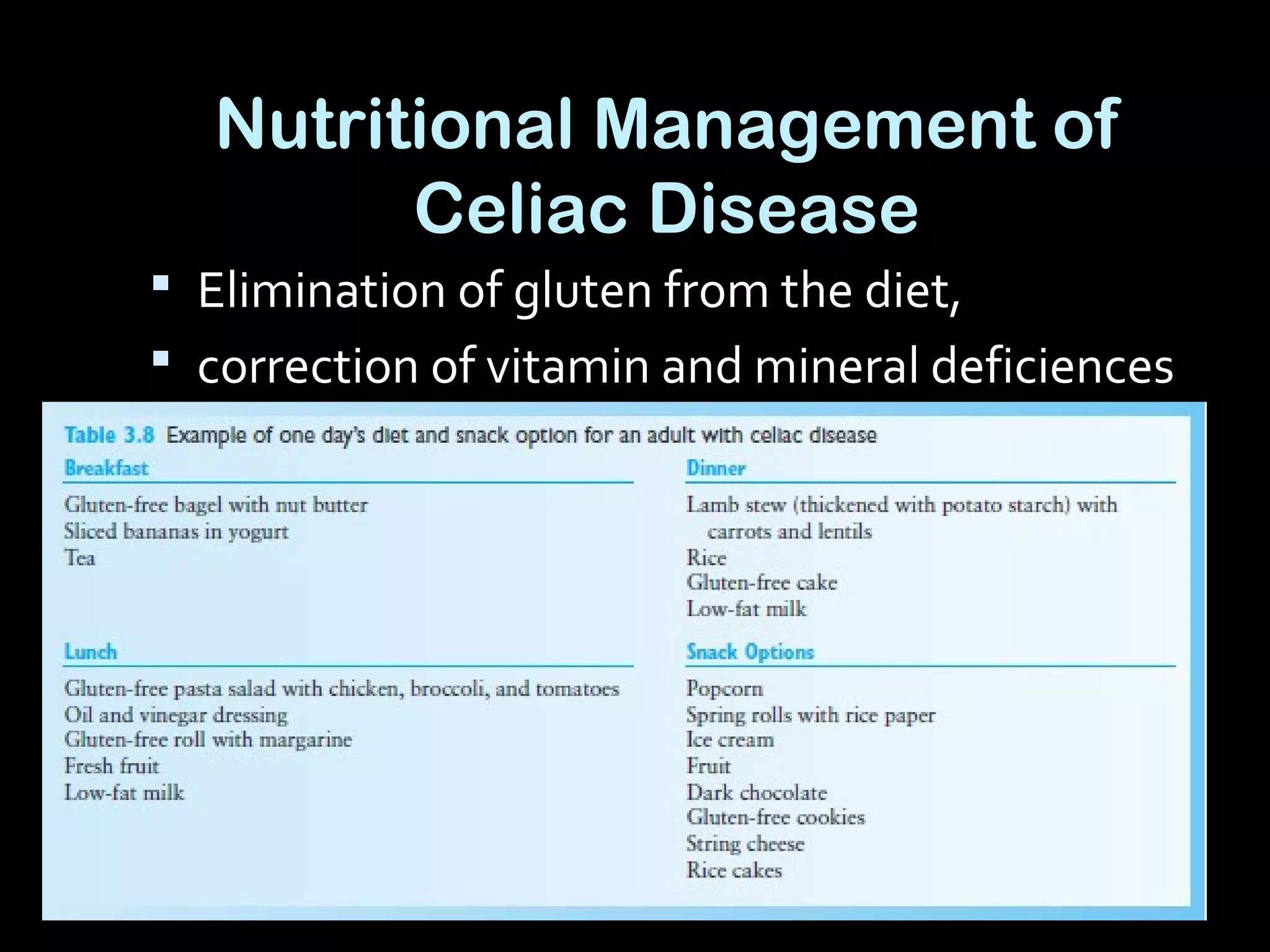
Nutritional Management of
Celiac Disease
 Elimination of gluten from the diet,
 correction of vitamin and mineral deficiences
 Preconceptional nutritional status influences
maternal health and the course and outcome
of pregnancy
 Acute undernutrition in previously well-
nourished women is associated with a
dramatic decline in their biological capacity
to conceive.
 Adequate folate status prior to pregnancy
substantially reduces the risk of neural-tube
defects in newborns.
Conclusion
 Symptoms of PMS can be modified in some
females by specific changes in dietary intake
and supplement use.
 Obesity is related to a number of hormonal
and metabolic changes that compromise
fertility and health status in men and women.
 Chronic inflammation is an important
component of disorders such as infertility,
metabolic syndrome, and polycystic ovary
syndrome.
 Low iron stores prior to pregnancy increase
the risk of iron deficiency during pregnancy,
preterm delivery, and low iron stores in the
infant. Iron stores can be more effectively
accumulated prior to rather than during
pregnancy.
 Antioxidant nutrients and the omega-3 fatty
acids EPA and DHA may play key roles in
reducing adverse effects of chronic
inflammation.
 Energy deficits in individuals with
hypothalamic amenorrhea, eating disorders,
and the female athlete triad are related to
hormonal changes that reduce fertility.
THANK YOU
KNOWLEDGE FOR THE BENEFIT OF HUMANITY

Preconception nutrition

  • 1.
    PRECONCEPTION NUTRITION DR. SHARIFAHWAJIHAH WAFA BTE SST WAFA School of Nutrition and Dietetics Faculty of Health Sciences sharifahwajihah@unisza.edu.my KNOWLEDGE FOR THE BENEFIT OF HUMANITY
  • 2.
    Course outline  backgroundinformation on reproductive physiology  nutrition and the development and maintenance of the biological capacity to  Reproduce nutritional effects of contraceptives  preconceptional nutritional status and the course and outcome of pregnancy  role of nutrition in specific conditions that affect preconceptional health or very early pregnancy outcomes.
  • 3.
    Introduction  Fertility refersto the actual production of children  Fecundity addresses the biological capacity to bear children.  a number of factors related to body composition and dietary intake affect fertility  i.e high levels of alcohol intake, poor nutritional or health status.
  • 4.
     Infertility -lackof conception after 1 year of unprotected intercourse.  Subfertility -reduced level of fertility characterized by unusually long time to conception (over 12 months) or repeated early pregnancy losses.
  • 5.
    Reproductive Physiology  Thereproductive systems begin developing in the first months after conception and continue to grow in size and complexity of function through puberty.  Females are born with a complement of immature ova (~7millions)  Males with sperm- producing capabilities.
  • 6.
    Female Reproductive System Duringpuberty females develop monthly menstrual cycles, to prepare an ovum for fertilization by sperm and the uterus for implantation of a fertilized egg.
  • 7.
    Male Reproductive System Theprocess in males is ongoing Fluctuating levels of GnRH signal the release of FSH and LH (trigger the production of testosterone by the testes). Testosterone and other androgens stimulate the maturation of sperm, which takes 70–80 days. When mature, sperm are transported to the epididymis for storage. Upon ejaculation, sperm mix with secretions from the testes, seminal vesicle, prostate, and bulbourethral gland to form semen.
  • 8.
    Disruptions in Fertility adverse nutritional exposures,  contraceptive use,  severe stress,  infection,  tubal damage and other structural problems  chromosomal abnormalities
  • 9.
    Nutrition-Related Disruptions in Fertility Nutrient intake from food and dietary supplements, and body fat, affect fertility  altering the environment in which eggs and sperm develop, and  modifying levels of hormones involved in reproductive processes  Undernutrition  Body Fat
  • 10.
    Undernutrition and fertility •Long-term(chronic) - reduce fertility by only a small amount •The primary effect of chronic undernutrition -birth of small and frail infants - high likelihood of death in the first year of life •Short-term (acute)- clearly decreases fertility •Periods of feast and famine are associated with major shifts in fertility.
  • 11.
    Body Fat andFertility •Excessive and inadequate levels of body fat •Body fat–related declines in fertility are primarily related to changes in hormone concentrations. •Fat cells produce estrogen, androgens, and leptin •Changes in the availability of these hormones interfere with reproductive processes (follicular development, ovulation, and sperm maturation and production.)
  • 12.
    Excessive Body Fatand Infertility  Obese women tend to have high levels of estrogen, androgens, and leptin  Favor the development of menstrual-cycle irregularity, ovulatory failure and anovulatory cycles, and amenorrhea.  Obesity in men is associated with lower levels of testosterone and increased estrogen and leptin levels.  Changes caused - reduced sperm production in 16% of obese men and higher-than-average rates of erectile dysfunction  Increased levels of oxidative stress and exposure of eggs and sperm to oxidative damage are also related to infertility.
  • 13.
    Inadequate Body Fatand Fertility  Low levels of body fat during adolescence is related to delays in the age of onset of menstruation and to reduced fertility later in life.  Impaired fertility in underweight women form delayed time to conception and amenorrhea.  Low sperms production is associated with underweight men and low levels of body fat
  • 14.
    Weight Loss andFertility  In normal-weight women, weight loss that exceeds approximately 10–15% of usual weight decreases :  estrogen, LH, and FSH concentrations.  Consequences :  Weight-related amenorrhea, anovulatory cycles, and short or absent luteal phases.  “hypothalamic amenorrhea”  Hormone levels tend to return to normal when weight is restored to within 95% of previous weight
  • 15.
    Exercise and Infertility young female athletes may experience delayed age at puberty (by 2 to 4 years) and lack menstrual cycles.  Delays and interruptions in normal menstrual cycles appear to result from hormonal and metabolic changes primarily related to caloric deficits rather than intense exercise.
  • 16.
    Oxidative Stress, AntioxidantNutrient Status, and Fertility  intake of antioxidants such as vitamin E, vitamin C, beta-carotene, and selenium and antioxidant-rich pigments in vegetables and fruits plays an important role in fertility  to protect cells of the reproductive system, including eggs and sperm, from damage due to oxidative stress.
  • 17.
     Oxidative stressoccurs when the production of free radicals exceeds the body’s own antioxidant defenses.  Reactive oxygen molecules (free radicals)attack PUFA in sperm membranes decreases sperm motility and reduces the ability of sperm to fuse with an egg.  Once the membrane surrounding sperm is damaged, reactive oxygen molecules can enter the sperm cell and damage DNA.  In women, oxidative stress can harm egg and follicular development and can interfere with corpus luteum function and implantation of the egg in the uterine wall.
  • 18.
    Effects of AntioxidantIntake on Fertility  higher average intakes of antioxidants are associated with:  improvements in levels of oxidative stress in infertile women  improved sperm maturation, motility, concentration, and reduced DNA and chromosome damage in men.  Supplemental intakes of vitamin E and selenium improve sperm quality in infertile men.  Regular intake of vitamin C, vitamin E, and beta- carotene supplements have been related to increased sperm number and motility
  • 19.
    Zinc Status andFertility in Men  Zinc plays important roles:-  in the reduction of oxidative stress,  in sperm maturation, and  in testosterone synthesis,  Lower zinc status in men related to:-  poorer sperm quality,  sperm concentrations, and  to abnormal sperm shapes.  Zinc supplementation alone, or combined with vitamin E and vitamin C supplementation, improve sperm quality.
  • 20.
    Plant Foods andFertility  Vegans (who are thin, normal weight, or overweight) are more likely to have irregular menstrual cycles  Diets providing <20% of calories from fat appear to lengthen menstrual cycles among women in general  Regular intake of soy foods (tofu, soymilk, tempeh, and textured soy protein) appears to be related to reduced sperm count in men and to a one–day increase in menstrual cycle length in women.
  • 21.
     Effects ofhigh plant and soy food diets in fertility may be related to the Influence of certain phytochemicals in plant foods on levels of estradiol, progesterone, and luteinizing hormone. Plant Foods and Fertility
  • 22.
    Multivitamin Supplement, Folate Intake, andFertility Multivitamin intake by preconceptional is associated with a lower risk of ovulatory infertility.  Intake of folic acid from the supplements decline in ovulatory infertility.  Folate status may also affect men fertility -Higher levels of dietary intakes of folate from food and supplements in healthy men is related to the presence of fewer chromosomally abnormal sperm.
  • 23.
    Preconception Iron Status, Fertility,and Pregnancy Outcomes  Infertility due to a lack of ovulation is related to iron intake.  Iron deficiency prior to pregnancy increase the risk that iron-deficiency anemia will occur during pregnancy and that infants will be born with low stores of iron.  Iron deficiency before pregnancy is also increased rates of preterm delivery
  • 24.
    Cont..  It iseasier and more efficient to build up iron stores before pregnancy than during pregnancy.  take modest doses of iron supplements (18 mg a day) and by the regular consumption of vitamin C–rich fruits and vegetables along with plant sources of iron, iron-fortified cereals, and lean meats.
  • 25.
    Caffeine and Fertility Shouldwomen concerned about infertility consume coffee and other foods with caffeine?
  • 26.
     chance ofconception within a 10-month interval of unprotected intercourse was half as likely among women who consumed over 4 cups of coffee per day (500 mg caffeine) vs the conception rate of women who consumed little coffee.  Intake of over 300 mg of caffeine daily from coffee, sodas, and tea decreased the chance of conceiving by 27% per cycle compared to negligible caffeine intake  may be due to one or more of the hundreds of other biologically active substances in coffee
  • 27.
    Alcohol and Fertility Decrease estrogen and testosterone levels and by disrupting menstrual cycles and testicular functions.  Alcoholic-beverage consumption of >10 drinks per week was related to a 66% reduction in the probability of conception during the 6-month period.  Consumption of >7 drinks a week has been associated with a doubling of risk for infertility in women over the age of 30 only.
  • 28.
    Nutrition and Contraceptives  Fertility-controlproducts for females include:-  Pills,  contraceptive implants,  patches, and  injections. nutritional side effects
  • 29.
    Nutrition-related side effects ofcontraceptives  Oral Contraceptives  Increased blood levels of HDL cholesterol (the “good” cholesterol)  Increased blood levels of triglycerides and LDL cholesterol  Increased risk of venous thromboembolism (blood clots), cervical cancer, and cardiovascular disease  Decreased blood levels of vitamins B12 and B6  Increased blood levels of copper
  • 30.
    Cont..  Contraceptive Injections(Depo-Provera)  Weight gain (averages 12 pounds (5.5 kg) during one to three years)  Increased blood levels of LDL cholesterol and insulin  Decreased blood levels of HDL cholesterol  Decreased bone density  Contraceptive Implants (Norplant)  Weight gain (Average weight 9 pounds (4.1 kg) gain after 1 year after implant)
  • 31.
     Contraceptive Patches(placed on the skin for 3 weeks and then taken off for a week.)  increase blood levels of cholesterol and triglycerides  increase the risk of blood-clot formation  increases in HDL-cholesterol levels Cont..
  • 32.
    Very Early Pregnancy NutritionExposures  Weight Status  Being underweight increases the risk of maternal complications during pregnancy and the delivery of small and early newborns.  Obesity increases the risk of clinical complications during pregnancy and delivery of newborns with neural tube defects or excessive body fat.
  • 33.
    Cont..  Nutrient Status Insufficient folate intake increases the risk of embryonic development of neural tube defects.  Excessive vitamin A intake (retinol, retinoic acid) increases the risk the fetus will develop facial and heart abnormalities.  High maternal blood levels of lead increase the risk of mental retardation in the offspring.  Iodine deficiency early in pregnancy increases the risk that children will experience impaired mental and physical development.  Iron deficiency increases the risk of early delivery and development of iron deficiency
  • 34.
    Cont..  Alcohol  Regularintake of alcohol increases the risk of fetal alcohol syndrome and fetal alcohol effects, both of which include impaired mental and physical development.  Diabetes  Poorly controlled blood glucose levels early in pregnancy increase the risk of fetal malformations, excessive infant size at birth, and the development of diabetes in the offspring later in life.
  • 35.
    Folate Status Priorto Conception and NTDs  Folate status prior to conception is an important concern bcoz inadequate folate very early in pregnancy can cause neural tube defects (NTDs).  develop within 21 days after conception—or before many women even know they are pregnant, and well before prenatal care begins.
  • 36.
     Women canget enough folate by consuming:-  a good basic diet and a fully fortified breakfast cereal  or a regular breakfast cereal (Cheerios, Corn Flakes, Raisin Bran, etc.) and  6 to 8 servings of refined grain products each day.  Folic acid supplements (400 mcg per day) can also provide folic acid.
  • 37.
    Recommended Dietary Intakes forPreconceptional Women 1. Consume 400 mcg of folate from fortified grain products, vegetables,fruits, or supplements; 2. take no more than 5000 IU of vitamin A (retinol or retinoic acid) from supplements daily; and 3. limit or omit alcohol-containing beverages.
  • 38.
    *“Other” calories areallotted for desserts, sweets, and fats based on caloric need: 2000 calorie need = 195; 2100 calorie need = 250; 2200 calorie need = 290; and 2400 calorie need = 360.
  • 39.
  • 40.
    Key Nutrition Concepts Nutrition and other lifestyle changes are a core component of the treatment of a variety of common health problems of women and men prior to conception.  Nutritional and health status before and during the first 2 months after conception influences embryonic development and the risk of complications during pregnancy.
  • 41.
    Premenstrual Syndrome  Commonsigns and symptoms of PMS Physical sign Psychological Symptoms Fatigue Craving for sweet or salty foods Abdominal bloating Depression Swelling of the hands or feet Irritability Headache Mood swings Tender breasts Anxiety Nausea Social withdrawal
  • 42.
    Cont..  PMS ischaracterized by life-disrupting physiological and psychological changes that begin in the luteal phase of the menstrual cycle and end with menses (menstrual bleeding).  It occurs in about 40% of menstruating women.
  • 43.
    Cont..  Premenstrual dysphoricdisorder (PMDD) is a severe form of PMS--- characterized by marked mood swings, depressed mood, disruptions of parenting and partnership relationships, decreased work productivity, irritability, anxiety, and physical symptoms (breast tenderness, headache, joint or muscle pain)  diagnosed when five or more signs or symptoms of PMS occur during at least two consecutive menstrual cycles.  One of the symptoms must be related to depression, anxiety, or mood swings.
  • 44.
     Cause: unknownbut may be related to abnormal serotonin activity following ovulation  Treatment: antidepressants or oral contraceptives that have serotonin reuptake inhibitors; decreased caffeine intake; exercise and stress reduction; magnesium (200 mg per day given during two cycles), calcium (1200 mg per day for three cycles) or vitamin B6 supplements (50-100 mg per day); and a number of herbal remedies Cont..
  • 45.
    Obesity and Fertility Men who are obese are at risk of infertility due to low levels of testosterone and sex hormone binding globulin (SHBG), and low sperm count  Obesity in women increases the risk of infertility due to highly irregular or anovulatory menstrual cycles.
  • 46.
    Biological bases of infertilityin obese men  Low testosterone and sex hormone binding globulin levels  Elevated leptin, follicle stimulating hormone (FSH), and estrogen levels  Decreased sperm count, sperm motility; increased malformed sperm  Oxidative stress, inflammation
  • 47.
     High estrogen,free-testosterone, and leptin levels  Reduced levels of sex hormone binding globulin  Insulin resistance  Insulin bind to specific receptors on the ovary and stimulate testosterone production. Androgens such as testosteron suppress follicular growth, leading to ovulatory dysfunction  Oxidative stress, inflammation Biological bases of infertility in obese women
  • 48.
    Cont…  Obese womenhave higher rates of :  metabolic syndrome,  polycystic ovary syndrome, (PCOS)  gestational diabetes and hypertension,  fetal overgrowth,  cesarean delivery,  and stillbirth  Weight reduction through diet and exercise is considered the first therapeutic option for infertility in obese people
  • 49.
    Hypothalamic Amenorrhea  Also calledfunctional amenorrhea and weight-related amenorrhea.  Cessation of menstruation related to changes in hypothalamic signals that maintain the secretion of hormones required for ovulation.  Changes in hypothalamic signals appear to be triggered by an energy deficit.  May also be leptin-deficient due to low levels of body fat.
  • 50.
    Cont..  The onsetof hypothalamic amenorrhea is related to being underweight, weight loss, or weight loss accompanied by intense exercise.  It is often preceded by menstrual irregularities lasting months to years  Nutritional Management :  Weight gains of 3 to 5 kg sufficient to restore fertility and improve the outcome of pregnancy.
  • 51.
    The Female Athlete Triadand Fertility  Why triad?  it consists of three major conditions:  amenorrhea,  disordered eating, and  osteoporosis
  • 52.
    Cont..  Amenorrhea associatedwith the female athlete triad appears to be triggered when energy intake is about 30% less than energy requirement.  Leads to a loss of normal secretion of luteinizing hormone, a subsequent lack of estrogen production, and other hormonal changes.  Metabolic changes triggered by hormonal shifts result in decreased bone density and an increased susceptibility to stress fractures in affected athlete
  • 53.
    Nutritional Management ofthe Female Athlete Triad  focuses on  Correction of the negative energy balance and associated eating disorders, and  on restoration of bone mass accretion.  Vitamin D, calcium, and other supplements to balanced and adequate diet to facilitate bone development
  • 54.
    Eating Disorders and Fertility anorexia nervosa: Amenorrhea due to irregular release of GnRH and very low levels of estrogen.  bulimia nervosa: little bleeding during menses (oligomenorrhea)or amenorrhea related to low FSH and LH levels, menstrual disturbances, and infertility
  • 55.
    Nutritional Management ofWomen with Anorexia Nervosa or Bulimia Nervosa  Normalization of body weight, and for bulimia nervosa, normalization of eating behaviors.  Recommended treatment for anorexia nervosa involves long-term, multidisciplinary services.
  • 56.
    Diabetes Mellitus Priorto Pregnancy  Women with DM increases the risk of maternal and fetal complications, and fail to get blood glucose under excellent control prior to conception.  High blood glucose levels during the first 2 months of pregnancy are teratogenic; associated with a two- to threefold increase in congenital abnormalities in newborns.
  • 57.
     Exposure tohigh blood glucose during the first 2 months in utero is related to:  Malformations of the pelvis,  Malformations of central nervous system,  Malformations of heart in newborns, and  Higher rates of miscarriage
  • 58.
    Nutritional Management of Type1 Diabetes 1. Controlled in carbohydrate content (CHO raise blood glucose levels and increase insulin need to a greater extent than do protein or fats.) 2. Replace simple sugars with reasonable amounts of artificial sweeteners. 3. Foods low in glycemic index and high in fiber (especially soluble fiber such as oatmeal) 4. brightly colored fruits and vegetables, lowf at meat and dairy products, fish, dried beans, and nuts and seeds.
  • 59.
    Nutritional Management of Type2 Diabetes  American Diabetes Association’s guidelines recommend:  Weight loss of 7% of body weight or more  Percent of total calories from the energy nutrients:  15–20% protein, ,30% fat, and approximately 50% carbohydrates  Percent of total calories from saturated fat: <7%  Percent of total calories from trans fat: as low as possible
  • 60.
    Cont..  Restriction ofcholesterol intake to 200 mg per day or less  14 g fiber per 1000 calories of food intake  Whole grains should comprise half of all grain intake  Low glycemic-index foods that are rich in fiber and other important nutrients should be encouraged56
  • 61.
    Polycystic Ovary Syndrome  nota disease.  It is considered by some experts to be a sex- specific form of metabolic syndrome.  due to the absence of ovulation, and menstrual irregularities.  Many women with PCOS are obese  Most are infertile due to absence of ovulation and menstrual irregularities.
  • 62.
    •The outer layerof the ovaries of women with PCOS is thick and hard, and it may look yellowish. •Due to the hard covering on the ovaries, follicles don’t break open to release the egg, so ovulation does not occur
  • 63.
    Causes of PCOS 1.androgen secreting tumors in the ovaries or adrenal gland, 2. other disorders, and 3. certain medications.
  • 64.
    Variation in clinicalsigns associated with PCOS  Menstrual irregularities  Polycystic ovaries  Excess abdominal fat  Insulin resistance  Overweight, obesity  Abnormal facial and body hair  High testosterone levels  Infertility  Low HDL-cholesterol levels  High triglycerides
  • 65.
    Cont..  Women withPCOS are at increased risk of spontaneous abortions, gestational and type 2 diabetes, hypertension, and cardiovascular disease
  • 66.
    Nutritional Management of Womenwith PCOS  increase insulin sensitivity  Weight loss  emphasize on:  marine sources of the omega-3 fatty acids eicosapentaenoic acid (EPA) and docosahexaenoic acid (DHA) or fish oils,  whole grains, fruits, and vegetables  high in antioxidants and fiber,  regular meals,  Nonfat dairy products, and  low-GI carbohydrates.
  • 67.
    Disorders of Metabolism 1.phenyl ketonuria (PKU) 2. celiac disease.
  • 68.
    Phenyl ketonuria (PKU) An inherited error in phenylalanine metabolism  Most commonly caused by a deficiency of phenylalanine hydroxylase, which converts the essential amino acid phenylalanine to the nonessential amino acid tyrosine causes phenylalanine to accumulate in blood.  Also called hyperphenylalaninemia.
  • 69.
    Cont..  If presentduring early pregnancy, high levels of phenylalanine accumulate in the embryo and fetus and impair normal CNS development.  Elevated phenylalanine levels in the first 8 weeks of pregnancy increase the risk of heart defects- risk increases if high blood levels of phenylalanine are combined with low-protein diets early in pregnancy.
  • 70.
    Cont..  Untreated womenwith PKU have a 92% chance of delivering a newborn with mental retardation,  73% chance that the infant will be born with an abnormally small head (microcephaly)
  • 71.
    Cont..  Infants bornto women with high blood levels of phenylalanine during pregnancy are at elevated risk of:  seizures,  hyperactivity, and  abnormal behavioral patterns later in life  infants born with PKU started on low- phenylalanine formula as soon after birth as possible
  • 72.
    Nutritional Management of PKU low-phenylalanine diet  Successful PKU diets maintain blood concentrations of phenylalanine in the range of 120–360 μmol/L (2–6 mg/dL).  Exclude high phenylalanine protein foods such as meat, fish, eggs, and wheat  Include vegetables, fruits, fats, sugars and high carbohydrate foods, and phenylalanine- free breads, flour, and pasta
  • 73.
    Celiac Disease  Celiacdisease is an autoimmune disease that occurs in people with a genetic susceptibility to the protein gliadin found in the gluten component of wheat, rye, and barley
  • 75.
    Celiac Disease  Inmales, untreated celiac disease is related to alterations in the actions of androgens, delayed sexual maturation, and hypogonadism (deficiency of sex hormones and poor development and functioning of the reproductive system).  In females, untreated celiac disease is associated with amenorrhea, increased rates of miscarriage, fetal growth restriction, low birthweight deliveries, and a short duration of lactation
  • 76.
     effects ofceliac disease on reproductive functions in males and females is related to malabsorption-induced deficiencies of nutrients such as:  vitamins A, E, and D;  folate; and  iron
  • 77.
    Vitamin and mineraldeficiencies and other health consequences that may occur in people with untreated celiac disease Vitamin Deficiencies Other Potential Health Problems Folate Lactose maldigestion, intolerance Vitamin B12 Weight loss Vitamin A Anemia Vitamin D Osteoporosis Vitamin E Subfertility Vitamin K Growth failure (in children and adolescents) Irritable bowel disease
  • 78.
    Nutritional Management of CeliacDisease  Elimination of gluten from the diet,  correction of vitamin and mineral deficiences
  • 79.
     Preconceptional nutritionalstatus influences maternal health and the course and outcome of pregnancy  Acute undernutrition in previously well- nourished women is associated with a dramatic decline in their biological capacity to conceive.  Adequate folate status prior to pregnancy substantially reduces the risk of neural-tube defects in newborns. Conclusion
  • 80.
     Symptoms ofPMS can be modified in some females by specific changes in dietary intake and supplement use.  Obesity is related to a number of hormonal and metabolic changes that compromise fertility and health status in men and women.  Chronic inflammation is an important component of disorders such as infertility, metabolic syndrome, and polycystic ovary syndrome.
  • 81.
     Low ironstores prior to pregnancy increase the risk of iron deficiency during pregnancy, preterm delivery, and low iron stores in the infant. Iron stores can be more effectively accumulated prior to rather than during pregnancy.
  • 82.
     Antioxidant nutrientsand the omega-3 fatty acids EPA and DHA may play key roles in reducing adverse effects of chronic inflammation.  Energy deficits in individuals with hypothalamic amenorrhea, eating disorders, and the female athlete triad are related to hormonal changes that reduce fertility.
  • 83.
    THANK YOU KNOWLEDGE FORTHE BENEFIT OF HUMANITY

Editor's Notes

  • #4 One means the physiological state of being able to have offspring, the other means the state of actually producing offspring
  • #5 Women who have multiple miscarriage, ovulate infrequently or men who have low sperms count or density, malformed sperm or immobile sperm  subfertile
  • #6 but only about one-half million per ovary remain by the onset of puberty. Females are born with a lifetime supply of ova  num of chromoses damage by oxidation, radioactive exposure and aging increasing by time. Men, sperm number and viability are decrease after the age of 35 yrs but sperms are still produce. Puberty is the process of physical changes through which a child&amp;apos;s body matures into an adult body capable of sexual reproduction to enable fertilization.
  • #8 GnRH- gonadotropin-releasing hormone FSH – Follicle-stimulating hormone LH – Luteinizing hormone
  • #9 All this may affects the hormones that regulates the ovulation, sperms production, or tubular passageways where ova and sperms travel for conception.
  • #10 Nutrient intake and body fat before conception affects the mother’s health during pregnncy and growth and dev of the fetus.
  • #13 Amenorrhea – absence of menstrual cycle Anovulatory cycles- menstrual cycles which ovulation does not occur.
  • #15 the luteal phase is one stage of the menstrual cycle. It occurs after ovulation (when the ovaries release an egg) and before your period starts. During this phase, the lining of your uterus normally becomes thicker to prepare for a possible pregnancy. If you have a luteal phase defect, the lining of your uterus does not grow properly each month. This can make it difficult to become or remain pregnant
  • #16 Intense level of physical activity may adversely effects the fertility in female.
  • #18 destructive reactive oxygen molecules
  • #24 Iron status prior to pregnancy is related to fertility and pregnancy outcomes. women who regularly used iron supplements and consumed plant sources of iron were 60% less likely to develop ovulatory infertility than women who did not.
  • #28 It is recommended to women to restrict their alcohol intake while attempting pregnancy to avoid possibilty to alcohol-related harm effect to developing infants.
  • #30 increase blood levels of triglycerides by 30% and total cholesterol levels by 6% on average. HDL cholesterol—the “good” blood cholesterol fraction—is increased slightly by these contraceptives Women taking oral contraceptives have a two fold risk of thromboembolism (blood-clot formation) and are at increased risk of cervical cancer and cardiovascular disease. Long-term use of oral contraceptives (10 years) is associated with the benefit of a decrease in the risk of ovarian cancer. It is generally also recommended that women stop using oral contraceptive pills about 3 months prior to attempting pregnancy
  • #31 Depo- Provera, is the primary type of injectable contraception used in females. Injections that suppress ovulation are given every 3 months. Weight gain is a leading reason for discontinuation (27%); irregular periods (24%), fatigue (23%), headache (25%), and abdominal pain (18%) are also commonly reported reasons for discontinuation. Long-term use of this contraceptive is related to decreased bone density and blood levels of HDL cholesterol and increased level of LDL cholesterol and insulin prevents conception for up to 7 years.
  • #32 releases a type of estrogen and progesterone. Pregnancy should be separated from use of the patch by at least 6 weeks.
  • #33 Weight status, nutrient status, alcohol and diabetes are major nutritional exposures that adversely affect the growth and development of the embryo and fetus. It is important to be aware that any of these conditions, if present preconceptionally, may impair embryonic and fetal growth and development.
  • #40 addresses specific nutrition-related conditions of women before conception and during the periconceptional period, and the interventions that address them. periconceptional period, Defined as the month before and the month after conception Conditions presented here have important implications for health and well-being, and for reproductive outcomes. We begin with a discussion of premenstrual syndrome and progress to obesity, hypothalamic amenorrhea, the female athlete triad, eating disorders, diabetes, polycystic ovary syndrome, inborn errors of metabolism, and celiac disease.
  • #45 Magnesium = help to decrease swelling, breast tenderness, abdominal bloating symptoms Calcium = reduce irritability, headaches, cramps, anxiety, depression B6 = reduce premenstrual depressive symptoms
  • #48 Obesity is also related to chronic inflammation that can damage developing eggs and maturing sperm. Chronic inflammation appears to be sustained, in part, by poorer vitamin D status commonly identified in people with high levels of body fat.
  • #49 Metabolic Syndrome Definition: Metabolic syndrome is not a specific disease but rather a cluster of abnormal metabolic and other health indicators. It is diagnosed when three of the following five conditions exist: 1. Waist circumference .40&amp;quot; in men, .35&amp;quot; in women (These are an indicator of the presence of insulin resistance. Other population-based definitions of elevated waist circumference may also be used.) 2. Blood triglycerides ≥150 mg/dL 3. HDL-cholesterol , &amp;lt; 40 mg/dL in men and ,&amp;lt;50 mg/dL in women 4. Blood pressure of ≥130/85 mm Hg 5. Fasting blood glucose ≥110 mg/dL25
  • #52 Very high level of intense activity combined with negative caloric balance caused a women at high risk to develop ‘female athlete triad’
  • #55 Both condition related to menstrual irregularities and infertility. Osteoporosis and short stature
  • #59 Characterized by high blood glucose level resulting from destruction of the insulin-producing cells.
  • #60 Characterized by high blood glucose levels due to the body’s inability to use the insulin normally or producing enough insulin.
  • #65 High insulin  stimulates ovaries to produce androgens (testosterone). Excess androgens disrupt dev of follicles and leads to excess hair growth on the face and other parts of the body. Also raise TG and lower HDL levels.
  • #68 Effect embryonic dev and fertility