
AN EVALUATION OF ANTIMICROBIAL ACTIVITY
OF BACTERIOCIN PRODUCING LACTOBACILLUS
AGAINST HUMAN PATHOGENS
Presented by the fulfillment of
Bsc. Biotechnology degree under
M.G.University
Conducted at UniBiosys
research lab.
Submitted by,
Mubeena.K.S
Roll no: 12155184
M.E.S.College
INTRODUCTION
• Bacteriocin producing strains of lactic acid bacteria showing
antimicrobial properties have been utilised for controlling food
spoilage, food-borne pathogens, improve food fermentation
processes etc.
• Lactic acid bacteria (LAB) is a group of industrial microorganism
involved in the processing of various fermented food which include
vegetables and sausages, dietary adjuncts, probiotics and even
cosmetic ingredients.
• This study was focused on isolation and characterization of
bacteriocin-producing Lactobacillus from curd samples and its
inhibitory nature against common human pathogens.
•Bacteriocins are proteinaceous antibacterial compounds and exhibit
bactericidal activity against species closely related to the producer
strain and many bacteriocins are active against food-borne
pathogens.
• The bacterial strains includes are E coli, Bacillus cereus, Clostridium
botulinum, Staphylococcus aureus and Listeria monocytogenes.
•Lactic acid bacteria (LAB) which are predominantly present in
the fermented foods are well known for producing bacteriocins.
•The inhibitory activity towards spoilage microorganisms is the result
of the metabolic product secreted by these LAB which acts as
antimicrobial compounds.
•Bacteriocins are extracellularly produced primary compounds of
bacterial ribosomal synthesis which have a relatively narrow
spectrum of bactericidal activity .
•Nisin, is the bacteriocin produced by Lactococcus lactis, is
most widely used as food preservative.
•Isolated Bacteriocin producing species of lactobacilli may be
used as protective cultures to improve the microbial safety of
food.
Aim and objectives
•This work aims to evaluate the bacteriocin activity of Lactobacilli
strains isolated from domestically prepared curd.
• The lactic acid bacteria is screen for their ability to produce
bacteriocin which exhibit antagonistic activity against indicator
strains.
• Lactobacillus were isolated using MRS media from different curd
samples ,were screened for bacteriocin production.
•The Lactobacillus strains were able to produce bacteriocin whose
antibacterial activity was analyzed by agar well diffusion assay test
against pathogenic organisms like e.coli and Staphylococcus aureus.
MATERIALS AND METHODS
 Isolation of lactic acid bacteria
• Biochemical tests
• Microscopical observation
 Effect of antimicrobial activity
 Identification of LAB
Isolation of lactic acid bacteria
• Lactobacillus strains were isolated from domestically prepared
curd samples.
• sample was serial diluted and Diluted samples were plated
onto De Man Rogosa Sharpe (MRS) medium for Lactobacillus
isolation and incubated at 37°C for 48 hours under anaerobic
condition.
• Isolated colonies with typical characteristics of LAB were
picked from each plate and sub cultured into MRS broth and
nutrient agar slant.
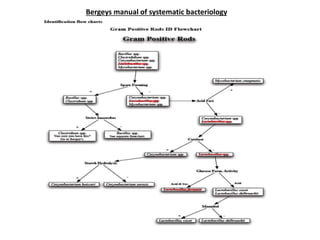
Identification of Lactic acid bacteria (LAB)-Lactobacillus
•Further identification of the Lactobacilli was performed according to
their morphological, cultural, physiological and biochemical
characteristics as described by Bergey’s Manual of Systematic
Bacteriology
•The morphology of cultures were identified using Gram’s staining and
spore forming test.
.
Biochemical tests
•Cultures of Lactobacillus sp. were further characterised for Spore
forming test, Catalase test,Methyl Red test, Voges Prauskeur
test,Citrate test, Starch hydrolysis and Glucose fermentation test.
•The results of the biochemical tests were used to confirm
Lactobacillus sp. and differentiate the biovariants based on their
response to glucose fermentation analyses.
Screening for bacteriocin production
•The cultures of the indicator strains (Staphylococcus aureus and E.
coli) were prepared by spreading 0.1ml of the inoculum onto MHA
plates.
•4 wells of diameter 8 mm were made in each of the plates using
sterilized well cutter.
•The sample was subjected to 100% ammonium sulphate precipitation.
Agar well diffusion assay
•The two wells were filled with different concentrations of sample, one
well with 30µl antibiotic (chloramphenicol) and other kept as control.
•Inhibition zones around the wells were measured and recorded in
millimeter.
RESULTS
Isolation of lactic acid bacteria
• The colonies were isolated from curd sample using MRS agar
medium.
• The colonies were identified as creamy white, transparent, mucoid
and smooth round in shape.
Fig:1 Growth of Lactobacillus in MRS media
Identification of morphology
Gram’s staining
Violet coloured Gram positive rod bacteria was observed
under microscope.
Fig:2 Microscopical observation of
Lactobacillus
Biochemical reactions
Table:1 Biochemical properties of Lactobacillus
TEST RESULT
Spore forming test Negative
Catalase test Negative
Methyl Red Positive
Voges Prauskeur test Negative
Citrate Negative
Starch hydrolysis Positive
Glucose fermentation test Positive (acid and gas)
Tentative identification Lactobacillus sp
Bergeys manual of systematic bacteriology
Screening for bacteriocin production
Agar well diffusion assay
• The Lactobacillus strains was found to show an antibacterial
activity in the well diffusion assay.
• The antibacterial substance produced by Lactobacillus
inhibited pathogen such as Staphylococcus aureus and E. coli.
• Clear zone was observed around the wells.
• The inhibition zone obtained in E.coli plate is between 5-8mm
and inhibition zone obtained in Staphylococcus plate is
between 4-9mm.
Fig:3 Plate showing inhibition towards
E.coli
Fig:4 Plate showing inhibition towards
Staphylococcus aereus
C1-antibiotic(chloramphenicol) , C2-control , 1-100 µl and 2-150 µl
Thank
you…

Ppt3

  • 1.
    AN EVALUATION OFANTIMICROBIAL ACTIVITY OF BACTERIOCIN PRODUCING LACTOBACILLUS AGAINST HUMAN PATHOGENS Presented by the fulfillment of Bsc. Biotechnology degree under M.G.University Conducted at UniBiosys research lab. Submitted by, Mubeena.K.S Roll no: 12155184 M.E.S.College
  • 2.
    INTRODUCTION • Bacteriocin producingstrains of lactic acid bacteria showing antimicrobial properties have been utilised for controlling food spoilage, food-borne pathogens, improve food fermentation processes etc. • Lactic acid bacteria (LAB) is a group of industrial microorganism involved in the processing of various fermented food which include vegetables and sausages, dietary adjuncts, probiotics and even cosmetic ingredients. • This study was focused on isolation and characterization of bacteriocin-producing Lactobacillus from curd samples and its inhibitory nature against common human pathogens.
  • 3.
    •Bacteriocins are proteinaceousantibacterial compounds and exhibit bactericidal activity against species closely related to the producer strain and many bacteriocins are active against food-borne pathogens. • The bacterial strains includes are E coli, Bacillus cereus, Clostridium botulinum, Staphylococcus aureus and Listeria monocytogenes. •Lactic acid bacteria (LAB) which are predominantly present in the fermented foods are well known for producing bacteriocins. •The inhibitory activity towards spoilage microorganisms is the result of the metabolic product secreted by these LAB which acts as antimicrobial compounds.
  • 4.
    •Bacteriocins are extracellularlyproduced primary compounds of bacterial ribosomal synthesis which have a relatively narrow spectrum of bactericidal activity . •Nisin, is the bacteriocin produced by Lactococcus lactis, is most widely used as food preservative. •Isolated Bacteriocin producing species of lactobacilli may be used as protective cultures to improve the microbial safety of food.
  • 5.
    Aim and objectives •Thiswork aims to evaluate the bacteriocin activity of Lactobacilli strains isolated from domestically prepared curd. • The lactic acid bacteria is screen for their ability to produce bacteriocin which exhibit antagonistic activity against indicator strains. • Lactobacillus were isolated using MRS media from different curd samples ,were screened for bacteriocin production. •The Lactobacillus strains were able to produce bacteriocin whose antibacterial activity was analyzed by agar well diffusion assay test against pathogenic organisms like e.coli and Staphylococcus aureus.
  • 6.
    MATERIALS AND METHODS Isolation of lactic acid bacteria • Biochemical tests • Microscopical observation  Effect of antimicrobial activity  Identification of LAB
  • 7.
    Isolation of lacticacid bacteria • Lactobacillus strains were isolated from domestically prepared curd samples. • sample was serial diluted and Diluted samples were plated onto De Man Rogosa Sharpe (MRS) medium for Lactobacillus isolation and incubated at 37°C for 48 hours under anaerobic condition. • Isolated colonies with typical characteristics of LAB were picked from each plate and sub cultured into MRS broth and nutrient agar slant.
  • 8.
    Identification of Lacticacid bacteria (LAB)-Lactobacillus •Further identification of the Lactobacilli was performed according to their morphological, cultural, physiological and biochemical characteristics as described by Bergey’s Manual of Systematic Bacteriology •The morphology of cultures were identified using Gram’s staining and spore forming test. . Biochemical tests •Cultures of Lactobacillus sp. were further characterised for Spore forming test, Catalase test,Methyl Red test, Voges Prauskeur test,Citrate test, Starch hydrolysis and Glucose fermentation test. •The results of the biochemical tests were used to confirm Lactobacillus sp. and differentiate the biovariants based on their response to glucose fermentation analyses.
  • 9.
    Screening for bacteriocinproduction •The cultures of the indicator strains (Staphylococcus aureus and E. coli) were prepared by spreading 0.1ml of the inoculum onto MHA plates. •4 wells of diameter 8 mm were made in each of the plates using sterilized well cutter. •The sample was subjected to 100% ammonium sulphate precipitation. Agar well diffusion assay •The two wells were filled with different concentrations of sample, one well with 30µl antibiotic (chloramphenicol) and other kept as control. •Inhibition zones around the wells were measured and recorded in millimeter.
  • 10.
    RESULTS Isolation of lacticacid bacteria • The colonies were isolated from curd sample using MRS agar medium. • The colonies were identified as creamy white, transparent, mucoid and smooth round in shape.
  • 11.
    Fig:1 Growth ofLactobacillus in MRS media
  • 12.
    Identification of morphology Gram’sstaining Violet coloured Gram positive rod bacteria was observed under microscope. Fig:2 Microscopical observation of Lactobacillus
  • 13.
    Biochemical reactions Table:1 Biochemicalproperties of Lactobacillus TEST RESULT Spore forming test Negative Catalase test Negative Methyl Red Positive Voges Prauskeur test Negative Citrate Negative Starch hydrolysis Positive Glucose fermentation test Positive (acid and gas) Tentative identification Lactobacillus sp
  • 14.
    Bergeys manual ofsystematic bacteriology
  • 15.
    Screening for bacteriocinproduction Agar well diffusion assay • The Lactobacillus strains was found to show an antibacterial activity in the well diffusion assay. • The antibacterial substance produced by Lactobacillus inhibited pathogen such as Staphylococcus aureus and E. coli. • Clear zone was observed around the wells. • The inhibition zone obtained in E.coli plate is between 5-8mm and inhibition zone obtained in Staphylococcus plate is between 4-9mm.
  • 16.
    Fig:3 Plate showinginhibition towards E.coli Fig:4 Plate showing inhibition towards Staphylococcus aereus C1-antibiotic(chloramphenicol) , C2-control , 1-100 µl and 2-150 µl
  • 17.

Editor's Notes