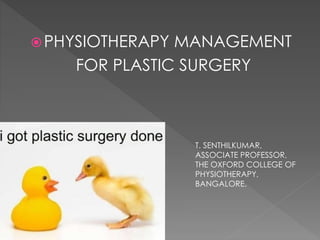
PHYSIOTHERAPY MANAGEMENT 
FOR PLASTIC SURGERY 
T. SENTHILKUMAR, 
ASSOCIATE PROFESSOR, 
THE OXFORD COLLEGE OF 
PHYSIOTHERAPY, 
BANGALORE.
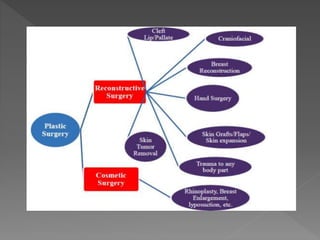
 The word ‘plastic’ comes from the Greek 
word ‘plastikos’ meaning to mould or to 
sculpt: therefore, plastic surgery refers to 
procedures which involve moulding or 
sculpting tissues to achieve 
reconstruction or cosmetic effect (Irish 
Association of Plastic surgeons 2012)
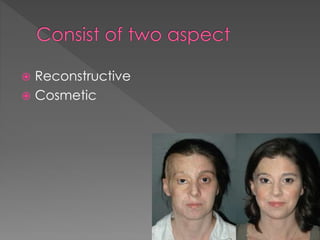
 Reconstructive 
 Cosmetic
 Standard physiotherapy protocols are 
available for many of the most common 
reconstructive and orthopaedic surgeries, 
such as ACL repair, breast reconstruction 
and carpal tunnel release. However, the 
availability of specific protocols for less 
common surgeries is limited. Thus, the 
rehabilitation programme is based on the 
clinical experience and judgement of the 
physiotherapist, and consultation with the 
surgeon.
 Performed on abnormal structures of the 
body to improve function or 
approximate normal appearance. 
Abnormalities may stem from
 burns; 
 traumatic injuries, such as facial bone 
fractures and breaks; 
 congenital abnormalities, such as cleft 
palates or cleft lips; 
 developmental abnormalities; 
 infection and disease; 
 cancer or tumors
 breast reconstruction after 
a mastectomy for the treatment of 
cancer, 
 cleft lip and palate surgery, 
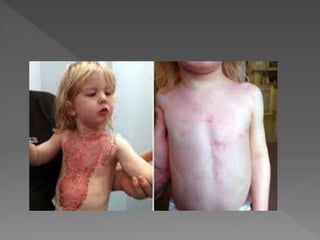
 contracture surgery for burn survivors 
 creating a new outer ear when one is 
congenitally absent.
 Performed on normal structures of the 
body to improve appearance. 
(American Society of Plastic Surgeons, 
2012) 
 Cosmetic surgery is an optional procedure 
that is performed on normal parts of the body 
with the only purpose of improving a 
person’s appearance and/or removing signs 
of aging.(wikipedia)
 Abdominoplasty ("tummy tuck"): reshaping and firming of 
the abdomen 
 Blepharoplasty ("eyelid surgery"): reshaping of the eyelids or the 
application of permanent eyeliner, including Asian blepharoplasty 
 Mammoplasty: Breast augmentations ("breast implant" ) 
 Labiaplasty: surgical reduction and reshaping of the labia 
 Lip enhancement: surgical improvement of lips' fullness through 
enlargement 
 Rhinoplasty ("nose job"): reshaping of the nose 
 Otoplasty ("ear surgery"/"ear pinning"): reshaping of the ear 
 Cheek augmentation ("cheek implant"): implants to the cheek 
 Orthognathic Surgery: manipulation of the facial bones through 
controlled fracturing 
 Fillers injections: collagen, fat, and other tissue filler injections, such 
as hyaluronic acid 
 Brachioplasty ("Arm lift"): reducing excess skin and fat between the 
underarm and the elbow[23] 
 Laser Skin Rejuvenation or Resurfacing: The lessening of depth in 
pores of the face 
 Liposuction ("suction lipectomy"): removal of fat deposits by 
traditional suction technique or ultrasonic energy to aid fat removal 
 Keloid removal - The keloid forms when the body fails to stop 
producing new tissue during healing.
 Pre-op requirements: 
 Prior to surgery the PT should carry out an assessment 
of and treatment where indicated: 
 - Range of Motion (ROM) 
 - Muscle strength 
 - Mobility status 
 - General functional ability 
 - Respiratory assessment 
 - Pre-op exercise programme 
 - Sensory component (for nerve involvement) 
 - Education: regarding the post-op rehabilitation 
process, answering patient questions and concerns
 What structures are being repaired? 
 - Contractile v. Non-contractile tissues 
 - Healing times for various tissues 
 - The level of damage to be repaired 
should be noted pre-op as this will 
potentially alter the surgical and 
rehabilitation protocols
 Does the repair need to be immobilised? 
 - Duration of daily immobilisation 
 - Mode of immobilisation: cast or 
removable splint 
 - Weight bearing status 
 - Position of immobilisation to unload the 
repaired structure v. Sustained stretch of the 
repaired structure 
 - Elevation to minimise swelling 
 - Positioning a to encourage full ROM
 When and how should mobilisation be 
introduced? 
 - Strengthening: specific to the impaired 
structures and general to the limb/body 
 - ROM: passive and active 
 - Flexibility: of the soft tissues and scar 
 - Proprioception: to minimise risk of re-injury 
and return to higher level activity/sport 
 - Circulatory exercises (anti-DVT exercises) 
 - Mobility and balance 
 - Postural exercises
 Exercise prescription is continuous 
throughout the period of rehabilitation 
and must be regularly prescribed and 
revised: 
 - Immobilisation/mobilisation 
 - Non-weight-bearing/weight-bearing 
 - Discharge from inpatient care and 
home exercise programme (HEP) 
 - Prior to return to activity and higher 
level functions
 Exercise prescription is continuous 
throughout the period of rehabilitation 
and must be regularly prescribed and 
revised: 
 - Immobilisation/mobilisation 
 - Non-weight-bearing/weight-bearing 
 - Discharge from inpatient care and 
home exercise programme (HEP) 
 - Prior to return to activity and higher 
level functions
 What stage of rehabilitation is this 
patient at? 
 This refers to the progression of the rehabilitation process. 
Clinically, the stage of the rehabilitation process, at which 
we treat the patient, may be dependent on our clinical 
setting. In the acute setting we will see patients’ pre and 
post op, whereas in the primary care setting the patients 
will present at any stage from 2-6 weeks post operatively. 
The stages of rehabilitation are largely dependent on the 
healing process and the structure being repaired. 
Rehabilitation begins with the pre-op assessment and 
prescription of advice and exercise, and follows through to 
the patients return to normal activity, including higher level 
of functions (including sport participation). What the 
clinician needs to be aware of: 
 - The healing process of the repaired structure 
 - The requirements of the repair pre-discharge from 
hospital and outpatient physiotherapy 
 - The goals of the rehabilitation process 
 - Safety precautions
 What does the patient need to be educated about? 
 Patient education is essential throughout the entire 
rehabilitation process to optimise patient outcomes. 
Education encompasses: 
 - Safety precautions to consider, e.g. ROM and 
weight bearing, return to previous function 
 - What the rehabilitation process involves 
 - Pain relief 
 - The clinical reasoning behind each component of 
the rehabilitation programme 
 - Wound care and hygiene 
 - Advice regarding return to normal activities, such as 
work and driving 
 - Return to sport 
 - Possible complications following repair, and what, if 
anything, needs to be monitored 
 - What the patient can do to aid rehabilitation, e.g. 
massage to scars, exposure of the scar area to 
different textures for altered sensation
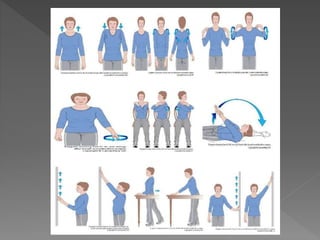
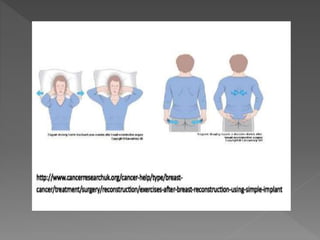
 The aim of exercising after breast 
reconstruction surgery is to help you get 
back to your normal activities and a full 
range of movement. It takes time to get 
over surgery and you are likely to feel 
tired at first. The exercises will help to 
keep you moving and stop your shoulder 
or scar getting too stiff or tight.
 Maintain a good posture 
 Exercises 
 Returning to normal activities
1) U Cosmetic Inc 
1324 Princess Street, Kingston, ON K7M 3E2 
Website 
2) Kingston Laser and Cosmetic Clinic 
863 Norwest Road, Kingston, ON K7P 2N2 
Website 
3) Shine Rejuvination 
166 Brock Street, Kingston, ON K7L 5G2
PHYSIOTHERAPY MANAGEMENT FOR PLASTIC SURGERY

PHYSIOTHERAPY MANAGEMENT FOR PLASTIC SURGERY

  • 1.
    PHYSIOTHERAPY MANAGEMENT FORPLASTIC SURGERY T. SENTHILKUMAR, ASSOCIATE PROFESSOR, THE OXFORD COLLEGE OF PHYSIOTHERAPY, BANGALORE.
  • 3.
     The word‘plastic’ comes from the Greek word ‘plastikos’ meaning to mould or to sculpt: therefore, plastic surgery refers to procedures which involve moulding or sculpting tissues to achieve reconstruction or cosmetic effect (Irish Association of Plastic surgeons 2012)
  • 4.
  • 6.
     Standard physiotherapyprotocols are available for many of the most common reconstructive and orthopaedic surgeries, such as ACL repair, breast reconstruction and carpal tunnel release. However, the availability of specific protocols for less common surgeries is limited. Thus, the rehabilitation programme is based on the clinical experience and judgement of the physiotherapist, and consultation with the surgeon.
  • 7.
     Performed onabnormal structures of the body to improve function or approximate normal appearance. Abnormalities may stem from
  • 8.
     burns; traumatic injuries, such as facial bone fractures and breaks;  congenital abnormalities, such as cleft palates or cleft lips;  developmental abnormalities;  infection and disease;  cancer or tumors
  • 9.
     breast reconstructionafter a mastectomy for the treatment of cancer,  cleft lip and palate surgery,  contracture surgery for burn survivors  creating a new outer ear when one is congenitally absent.
  • 10.
     Performed onnormal structures of the body to improve appearance. (American Society of Plastic Surgeons, 2012)  Cosmetic surgery is an optional procedure that is performed on normal parts of the body with the only purpose of improving a person’s appearance and/or removing signs of aging.(wikipedia)
  • 11.
     Abdominoplasty ("tummytuck"): reshaping and firming of the abdomen  Blepharoplasty ("eyelid surgery"): reshaping of the eyelids or the application of permanent eyeliner, including Asian blepharoplasty  Mammoplasty: Breast augmentations ("breast implant" )  Labiaplasty: surgical reduction and reshaping of the labia  Lip enhancement: surgical improvement of lips' fullness through enlargement  Rhinoplasty ("nose job"): reshaping of the nose  Otoplasty ("ear surgery"/"ear pinning"): reshaping of the ear  Cheek augmentation ("cheek implant"): implants to the cheek  Orthognathic Surgery: manipulation of the facial bones through controlled fracturing  Fillers injections: collagen, fat, and other tissue filler injections, such as hyaluronic acid  Brachioplasty ("Arm lift"): reducing excess skin and fat between the underarm and the elbow[23]  Laser Skin Rejuvenation or Resurfacing: The lessening of depth in pores of the face  Liposuction ("suction lipectomy"): removal of fat deposits by traditional suction technique or ultrasonic energy to aid fat removal  Keloid removal - The keloid forms when the body fails to stop producing new tissue during healing.
  • 12.
     Pre-op requirements:  Prior to surgery the PT should carry out an assessment of and treatment where indicated:  - Range of Motion (ROM)  - Muscle strength  - Mobility status  - General functional ability  - Respiratory assessment  - Pre-op exercise programme  - Sensory component (for nerve involvement)  - Education: regarding the post-op rehabilitation process, answering patient questions and concerns
  • 13.
     What structuresare being repaired?  - Contractile v. Non-contractile tissues  - Healing times for various tissues  - The level of damage to be repaired should be noted pre-op as this will potentially alter the surgical and rehabilitation protocols
  • 14.
     Does therepair need to be immobilised?  - Duration of daily immobilisation  - Mode of immobilisation: cast or removable splint  - Weight bearing status  - Position of immobilisation to unload the repaired structure v. Sustained stretch of the repaired structure  - Elevation to minimise swelling  - Positioning a to encourage full ROM
  • 15.
     When andhow should mobilisation be introduced?  - Strengthening: specific to the impaired structures and general to the limb/body  - ROM: passive and active  - Flexibility: of the soft tissues and scar  - Proprioception: to minimise risk of re-injury and return to higher level activity/sport  - Circulatory exercises (anti-DVT exercises)  - Mobility and balance  - Postural exercises
  • 16.
     Exercise prescriptionis continuous throughout the period of rehabilitation and must be regularly prescribed and revised:  - Immobilisation/mobilisation  - Non-weight-bearing/weight-bearing  - Discharge from inpatient care and home exercise programme (HEP)  - Prior to return to activity and higher level functions
  • 17.
     Exercise prescriptionis continuous throughout the period of rehabilitation and must be regularly prescribed and revised:  - Immobilisation/mobilisation  - Non-weight-bearing/weight-bearing  - Discharge from inpatient care and home exercise programme (HEP)  - Prior to return to activity and higher level functions
  • 18.
     What stageof rehabilitation is this patient at?  This refers to the progression of the rehabilitation process. Clinically, the stage of the rehabilitation process, at which we treat the patient, may be dependent on our clinical setting. In the acute setting we will see patients’ pre and post op, whereas in the primary care setting the patients will present at any stage from 2-6 weeks post operatively. The stages of rehabilitation are largely dependent on the healing process and the structure being repaired. Rehabilitation begins with the pre-op assessment and prescription of advice and exercise, and follows through to the patients return to normal activity, including higher level of functions (including sport participation). What the clinician needs to be aware of:  - The healing process of the repaired structure  - The requirements of the repair pre-discharge from hospital and outpatient physiotherapy  - The goals of the rehabilitation process  - Safety precautions
  • 19.
     What doesthe patient need to be educated about?  Patient education is essential throughout the entire rehabilitation process to optimise patient outcomes. Education encompasses:  - Safety precautions to consider, e.g. ROM and weight bearing, return to previous function  - What the rehabilitation process involves  - Pain relief  - The clinical reasoning behind each component of the rehabilitation programme  - Wound care and hygiene  - Advice regarding return to normal activities, such as work and driving  - Return to sport  - Possible complications following repair, and what, if anything, needs to be monitored  - What the patient can do to aid rehabilitation, e.g. massage to scars, exposure of the scar area to different textures for altered sensation
  • 21.
     The aimof exercising after breast reconstruction surgery is to help you get back to your normal activities and a full range of movement. It takes time to get over surgery and you are likely to feel tired at first. The exercises will help to keep you moving and stop your shoulder or scar getting too stiff or tight.
  • 22.
     Maintain agood posture  Exercises  Returning to normal activities
  • 25.
    1) U CosmeticInc 1324 Princess Street, Kingston, ON K7M 3E2 Website 2) Kingston Laser and Cosmetic Clinic 863 Norwest Road, Kingston, ON K7P 2N2 Website 3) Shine Rejuvination 166 Brock Street, Kingston, ON K7L 5G2