



Pedagogical Approaches in
Singapore Mathematics
3rd December 2013
Programme
09:30 – 10:15

1

An Introduction To The Math
Curriculum In Singapore.

2

Singapore Math

3

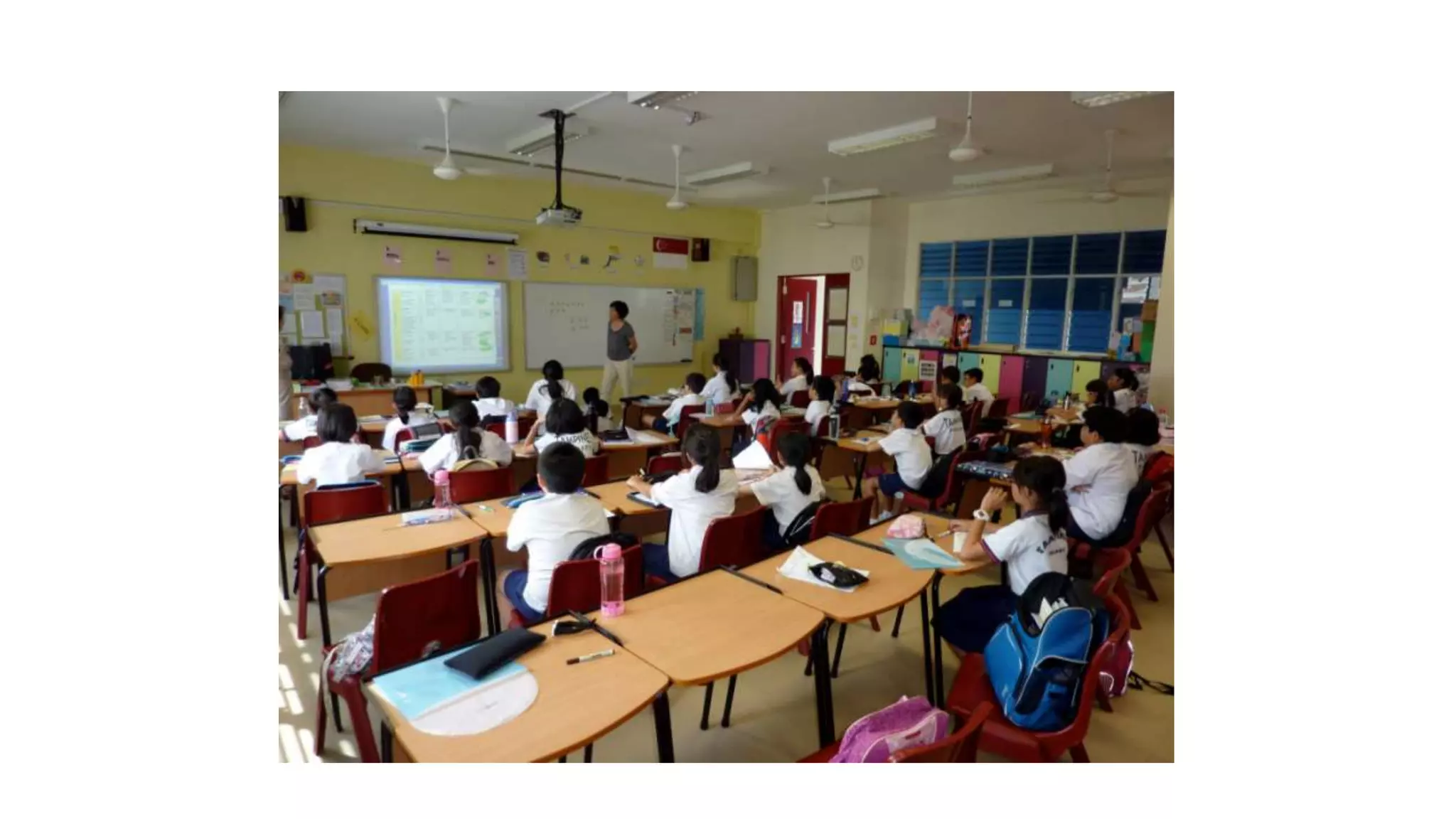
Learning Styles

4

CPA Approach

10:15 – 10:30

5

Refreshments

10:30 – 11:30

6

Visualisation
Bar Model Drawing
Patterns
An Introduction To The Math
Curriculum In Singapore.
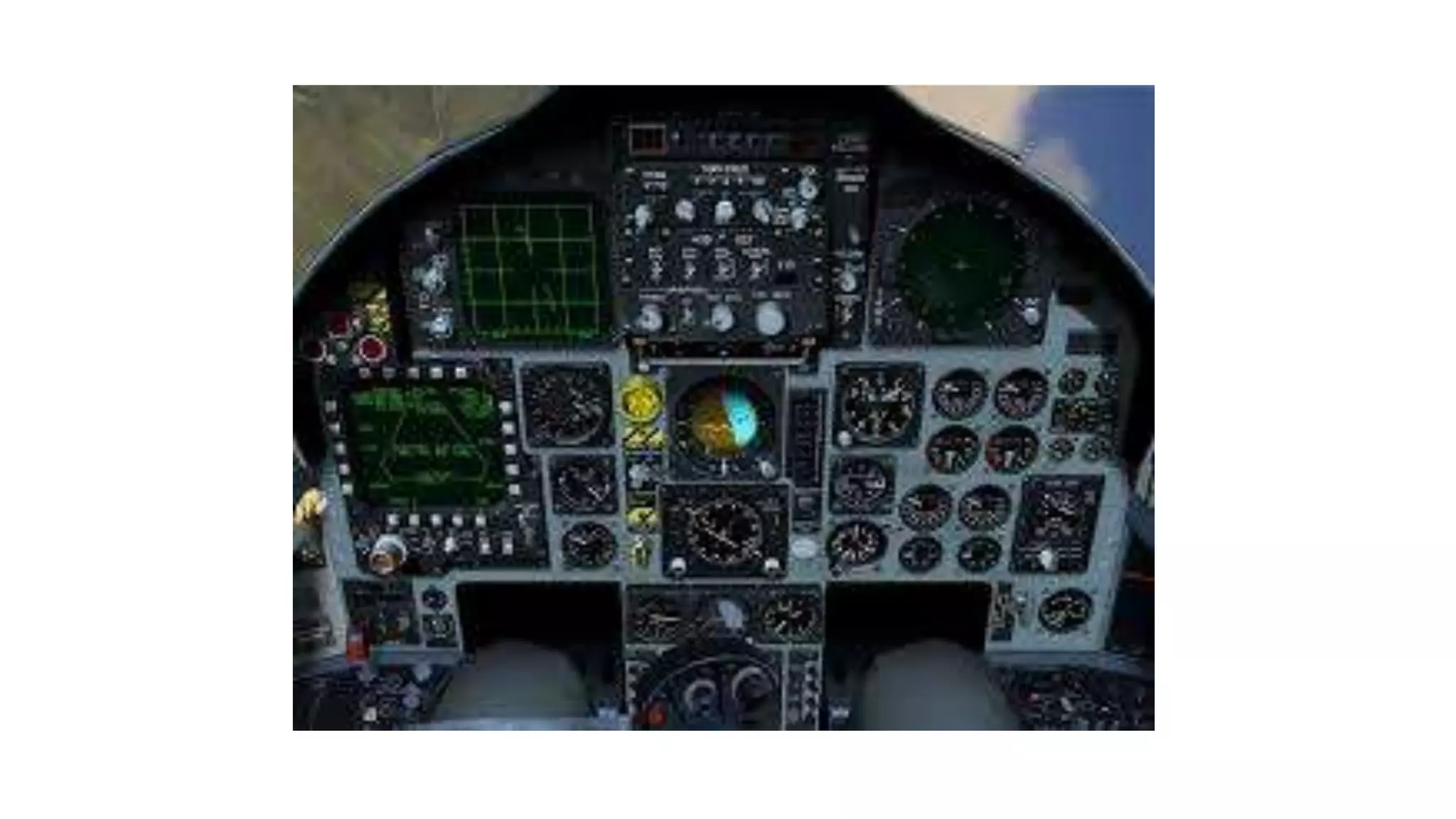
Let’s start with a story….
How is this related
to Math?
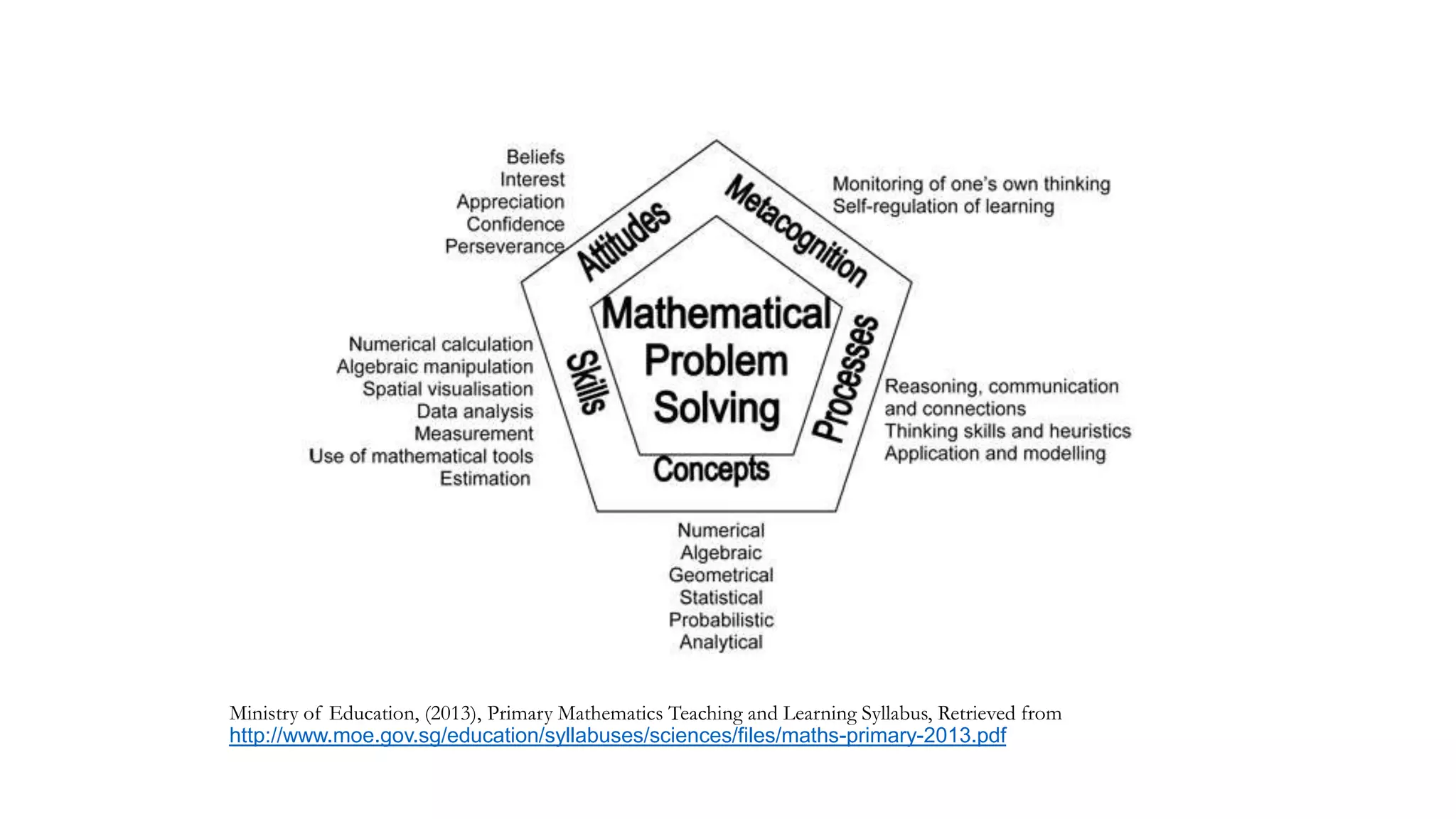
The Mathematical Problem Solving
Framework
Ministry of Education, (2013), Primary Mathematics Teaching and Learning Syllabus, Retrieved from
http://www.moe.gov.sg/education/syllabuses/sciences/files/maths-primary-2013.pdf
Emphasis on Problem Solving
Problem solving must ‘be the focus of school mathematics’.
An Agenda for Action, USA, (1980)
Problem solving is ‘at the heart of mathematics.’
Cockcroft Report, UK, (1982)
‘The learning of mathematics also
provides an excellent vehicle to train
the mind, and to develop the capacity
to think logically, abstractly, critically
and creatively.’
Ministry of Education, (2013), Primary Mathematics Teaching and Learning Syllabus, Retrieved
from http://www.moe.gov.sg/education/syllabuses/sciences/files/maths-primary-2013.pdf
• In 1960, the general passing rate for the national examinations was 45%.

• In 2013, the general passing rate for the national examinations was
97.5%.
How did we fare?
TIMSS 2011
‘In TIMSS 2011 students from Singapore were ranked in
the first two positions for both the subjects and grades.’
National Institute of Education, Singapore, An Overview of TIMSS 2011, Retrieved from
http://www.nie.edu.sg/files/cics/An%20overview%20of%20TIMSS%202011.pdf
Singapore Math
What is Singapore Maths?
It is the way we teach math to give every child the opportunity to
succeed.
•Learners who are struggling will learn enough to move on to the next
level.
•Learners who are average will be able to move on to a higher level.
•Learners who are advanced will be challenged.
How Did We Do It?
• Professional development of teachers.
• Consistent pedagogies that facilitate learning.
• Emphasis on problem solving
• High stakes national examinations that include problem
solving.
The Goal of the Singapore Math
Curriculum
‘The overarching goal of the mathematics curriculum is
to ensure that all students will achieve a level of mastery
of mathematics that will serve them well in life, and for
those who have the interest and ability, to pursue
mathematics at the highest possible level.’
Ministry of Education, (2013), Primary Mathematics Teaching and Learning
Syllabus, Retrieved from
http://www.moe.gov.sg/education/syllabuses/sciences/files/maths-primary2013.pdf
Syllabus Design
• The Spiral Curriculum.
• Modelled after Jerome Brunner’s Constructivist Theory.
• Learners construct new ideas or concepts based on their current or past
knowledge.
• Curriculum organized in a spiral manner so that students continually
build upon what they have already learned.
Learning Styles.
Learning Styles
• Tactile Learners

• Visual Learners
• Verbal/ Auditory Learners
Tactile Learners
• Also referred to as the Bodily-Kinesthetic learning style.
• Students in this category tend to
•
•
•
•

Be the ones who cannot sit still in class.
Be physically active and very involved in sports.
Be the ones who get bored in a lecture.
Would rather take an engine apart then try to put it back together without reading
the manual.
Visual Learners
• Also referred to as the Spatial learning style.
• Students in this category tend to
• Doodle away in class on their notepad while the teacher is talking. Occasionally,
they will be ‘dreaming’.
• Have very good spatial sense which in turn gives them a very good sense of
direction.
• Be very good with their art work.
• Be very attracted to colors, images and pictures.
Auditory Learners
• Also known as the Aural learning style or referred to as the Verbal
Learner.
• Students in this category tend to
• Be the teacher’s pet because he is always attentive in class, reads all the notes and
does all the homework.
• Be very good with music and anything rhythmic.
• Like reading and writing.
How are we going to be able to engage students with
different learning styles in a math lesson, in the same
classroom?
How are we going to do ALL that moving, drawing and
talking in a math lesson?
The answer lies in the pedagogy.
CPA Approach
Common Pedagogical Approach
• CPA approach
• Built upon Jerome Brunner’s Theory of Representation.
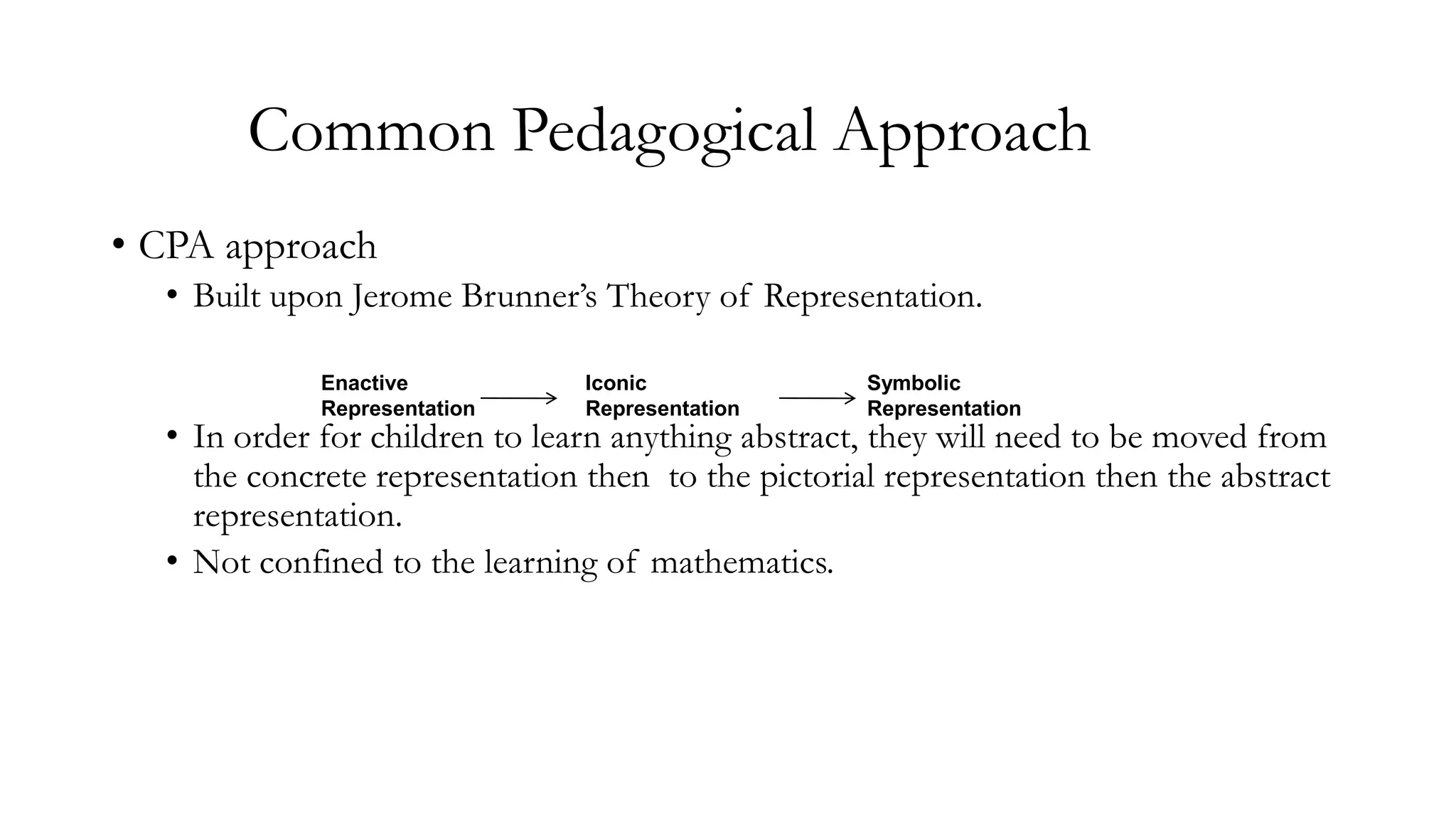
Enactive
Representation

Iconic
Representation

Symbolic
Representation

• In order for children to learn anything abstract, they will need to be moved from
the concrete representation then to the pictorial representation then the abstract
representation.
• Not confined to the learning of mathematics.
The CPA Approach
• A tool for understanding of concepts before procedural
fluency.
• A tool to lead up to visualisation.
• A tool to lead to the identification of patterns.
• Eventually, leads to the solving of complex word
problems.
CPA Approach
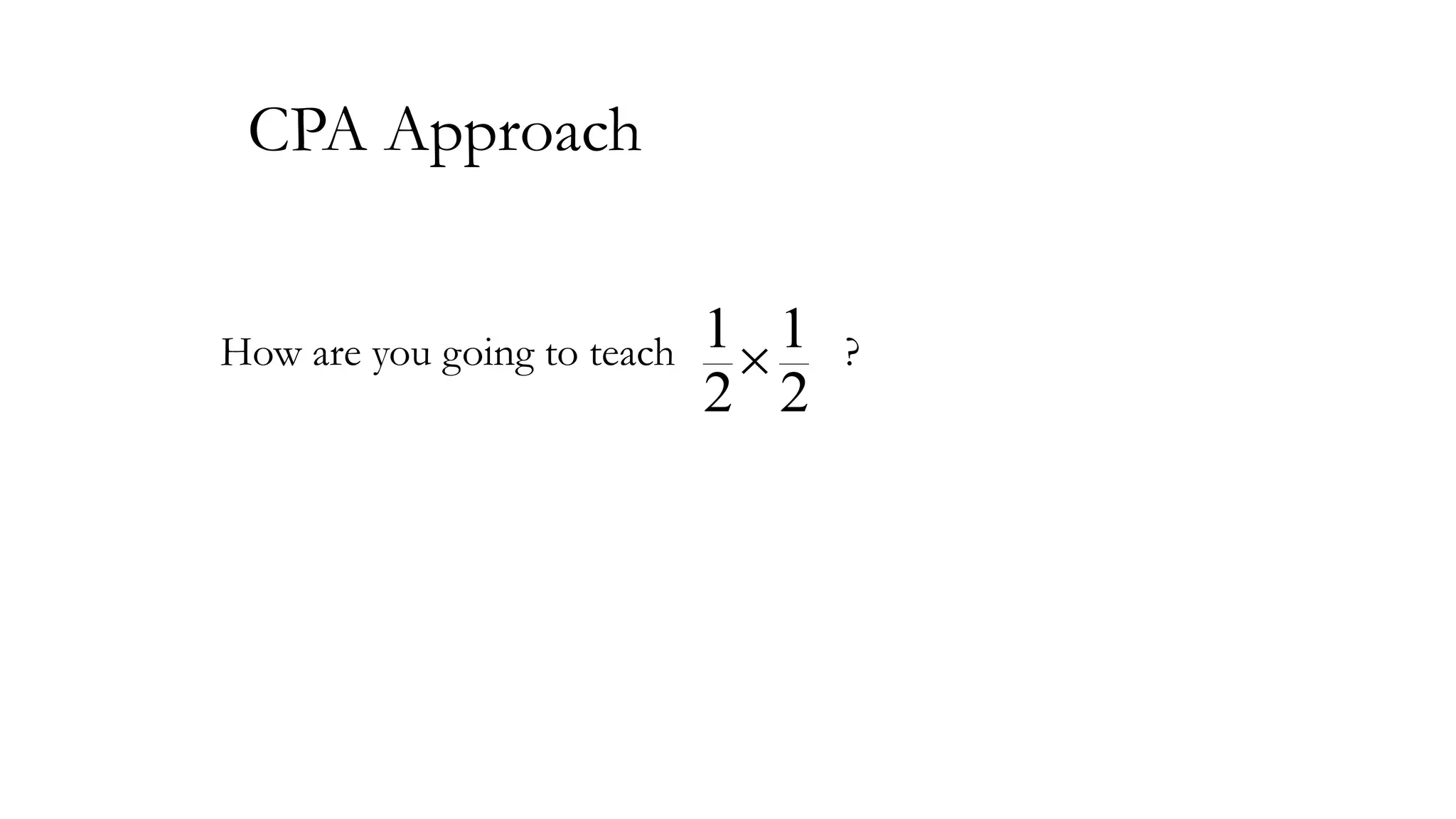
How are you going to teach

1 1
2 2

?
CPA Approach
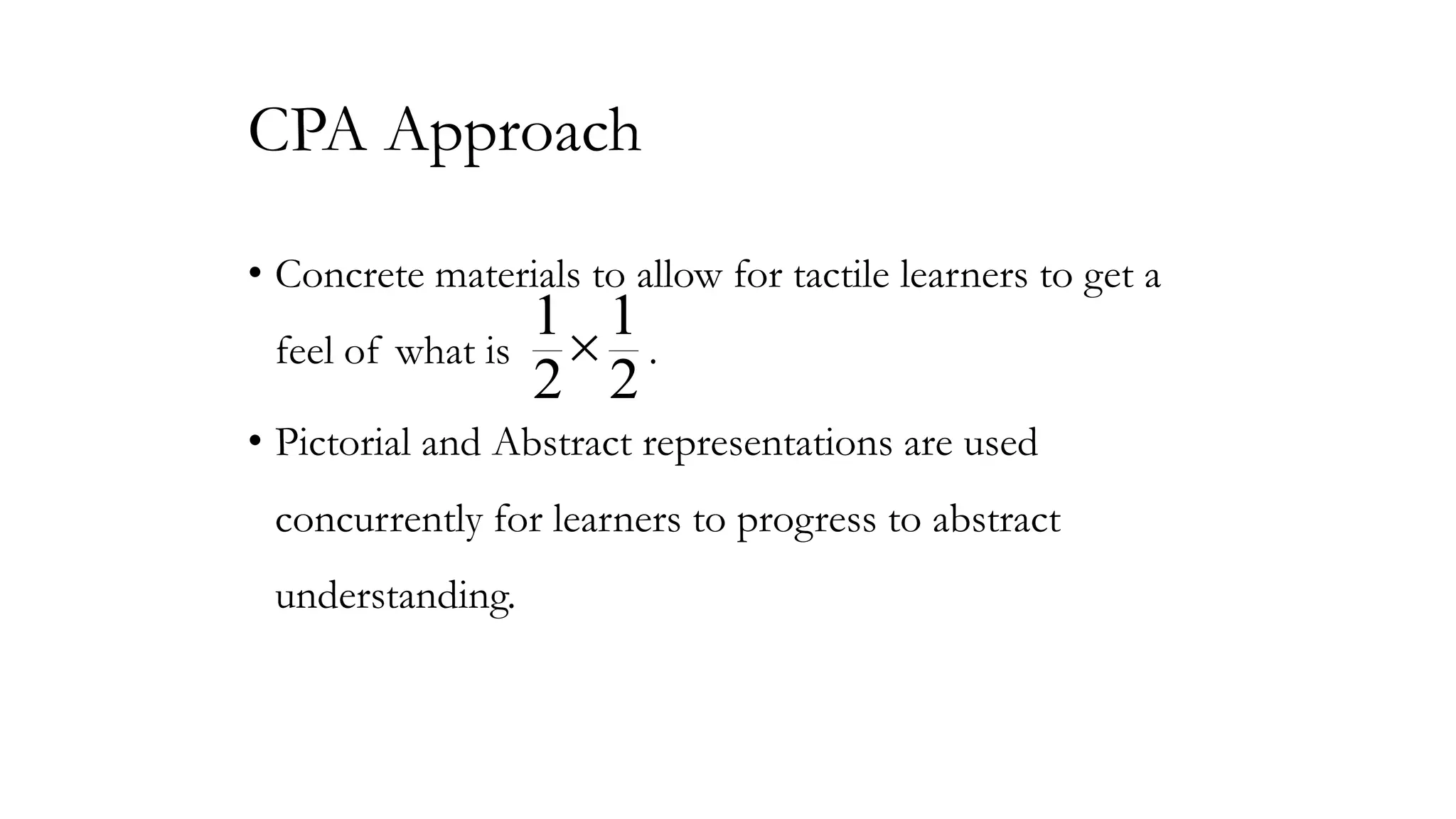
• Concrete materials to allow for tactile learners to get a
feel of what is

1 1
.
2 2

• Pictorial and Abstract representations are used
concurrently for learners to progress to abstract
understanding.

Pedagogical approaches in singapore mathematics slideshare

  • 1.
    Pedagogical Approaches in SingaporeMathematics 3rd December 2013
  • 2.
    Programme 09:30 – 10:15 1 AnIntroduction To The Math Curriculum In Singapore. 2 Singapore Math 3 Learning Styles 4 CPA Approach 10:15 – 10:30 5 Refreshments 10:30 – 11:30 6 Visualisation Bar Model Drawing Patterns
  • 3.
    An Introduction ToThe Math Curriculum In Singapore.
  • 4.
    Let’s start witha story….
  • 9.
    How is thisrelated to Math?
  • 10.
    The Mathematical ProblemSolving Framework
  • 11.
    Ministry of Education,(2013), Primary Mathematics Teaching and Learning Syllabus, Retrieved from http://www.moe.gov.sg/education/syllabuses/sciences/files/maths-primary-2013.pdf
  • 12.
    Emphasis on ProblemSolving Problem solving must ‘be the focus of school mathematics’. An Agenda for Action, USA, (1980) Problem solving is ‘at the heart of mathematics.’ Cockcroft Report, UK, (1982)
  • 13.
    ‘The learning ofmathematics also provides an excellent vehicle to train the mind, and to develop the capacity to think logically, abstractly, critically and creatively.’ Ministry of Education, (2013), Primary Mathematics Teaching and Learning Syllabus, Retrieved from http://www.moe.gov.sg/education/syllabuses/sciences/files/maths-primary-2013.pdf
  • 14.
    • In 1960,the general passing rate for the national examinations was 45%. • In 2013, the general passing rate for the national examinations was 97.5%.
  • 15.
    How did wefare? TIMSS 2011 ‘In TIMSS 2011 students from Singapore were ranked in the first two positions for both the subjects and grades.’ National Institute of Education, Singapore, An Overview of TIMSS 2011, Retrieved from http://www.nie.edu.sg/files/cics/An%20overview%20of%20TIMSS%202011.pdf
  • 16.
  • 17.
    What is SingaporeMaths? It is the way we teach math to give every child the opportunity to succeed. •Learners who are struggling will learn enough to move on to the next level. •Learners who are average will be able to move on to a higher level. •Learners who are advanced will be challenged.
  • 18.
    How Did WeDo It? • Professional development of teachers. • Consistent pedagogies that facilitate learning. • Emphasis on problem solving • High stakes national examinations that include problem solving.
  • 19.
    The Goal ofthe Singapore Math Curriculum ‘The overarching goal of the mathematics curriculum is to ensure that all students will achieve a level of mastery of mathematics that will serve them well in life, and for those who have the interest and ability, to pursue mathematics at the highest possible level.’ Ministry of Education, (2013), Primary Mathematics Teaching and Learning Syllabus, Retrieved from http://www.moe.gov.sg/education/syllabuses/sciences/files/maths-primary2013.pdf
  • 20.
    Syllabus Design • TheSpiral Curriculum. • Modelled after Jerome Brunner’s Constructivist Theory. • Learners construct new ideas or concepts based on their current or past knowledge. • Curriculum organized in a spiral manner so that students continually build upon what they have already learned.
  • 21.
  • 23.
    Learning Styles • TactileLearners • Visual Learners • Verbal/ Auditory Learners
  • 24.
    Tactile Learners • Alsoreferred to as the Bodily-Kinesthetic learning style. • Students in this category tend to • • • • Be the ones who cannot sit still in class. Be physically active and very involved in sports. Be the ones who get bored in a lecture. Would rather take an engine apart then try to put it back together without reading the manual.
  • 25.
    Visual Learners • Alsoreferred to as the Spatial learning style. • Students in this category tend to • Doodle away in class on their notepad while the teacher is talking. Occasionally, they will be ‘dreaming’. • Have very good spatial sense which in turn gives them a very good sense of direction. • Be very good with their art work. • Be very attracted to colors, images and pictures.
  • 26.
    Auditory Learners • Alsoknown as the Aural learning style or referred to as the Verbal Learner. • Students in this category tend to • Be the teacher’s pet because he is always attentive in class, reads all the notes and does all the homework. • Be very good with music and anything rhythmic. • Like reading and writing.
  • 27.
    How are wegoing to be able to engage students with different learning styles in a math lesson, in the same classroom? How are we going to do ALL that moving, drawing and talking in a math lesson? The answer lies in the pedagogy.
  • 28.
  • 29.
    Common Pedagogical Approach •CPA approach • Built upon Jerome Brunner’s Theory of Representation. Enactive Representation Iconic Representation Symbolic Representation • In order for children to learn anything abstract, they will need to be moved from the concrete representation then to the pictorial representation then the abstract representation. • Not confined to the learning of mathematics.
  • 30.
    The CPA Approach •A tool for understanding of concepts before procedural fluency. • A tool to lead up to visualisation. • A tool to lead to the identification of patterns. • Eventually, leads to the solving of complex word problems.
  • 31.
    CPA Approach How areyou going to teach 1 1 2 2 ?
  • 32.
    CPA Approach • Concretematerials to allow for tactile learners to get a feel of what is 1 1 . 2 2 • Pictorial and Abstract representations are used concurrently for learners to progress to abstract understanding.

Editor's Notes

  • #33 Paper folding activity.