Downloaded 184 times
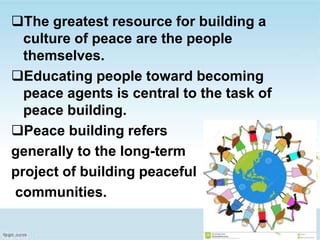
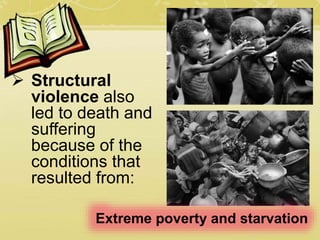
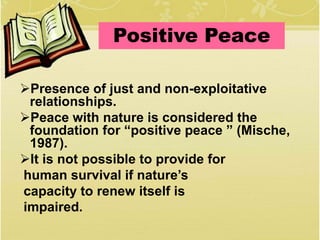
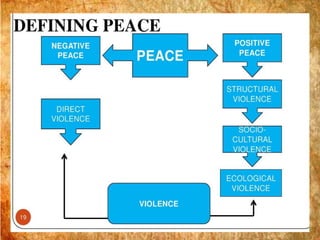
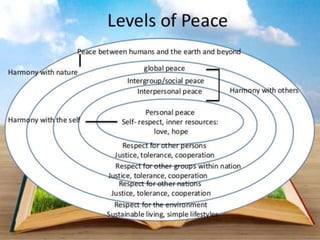

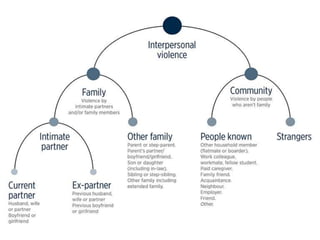
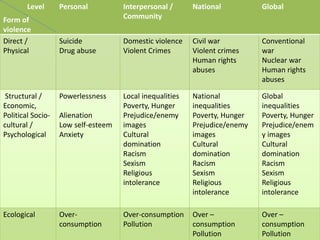
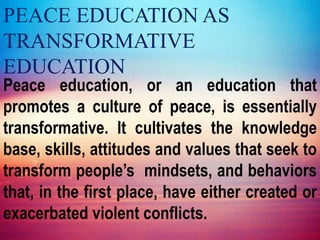
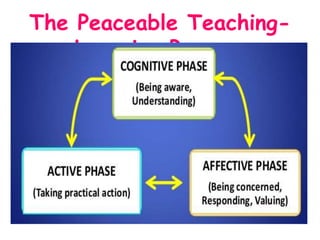

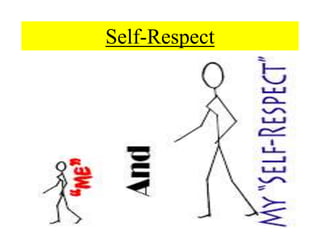
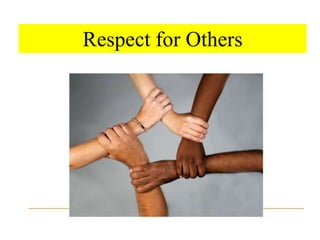
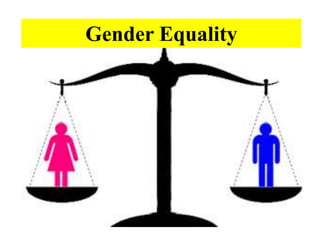
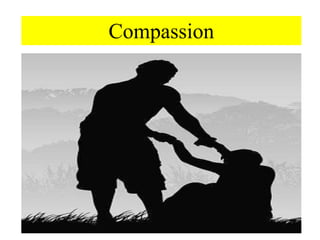
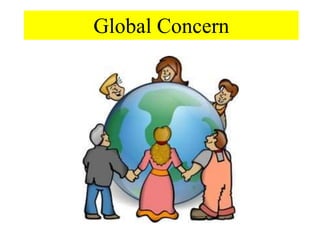

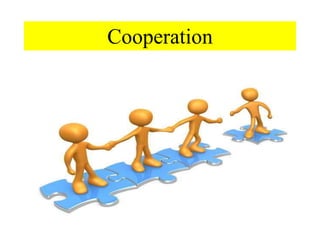
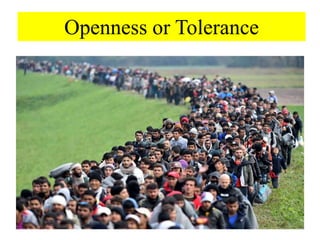


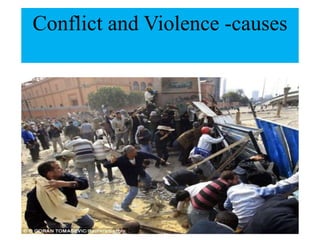
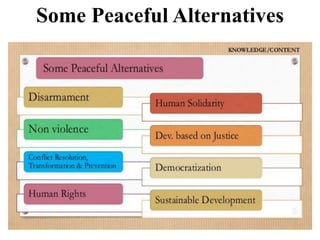



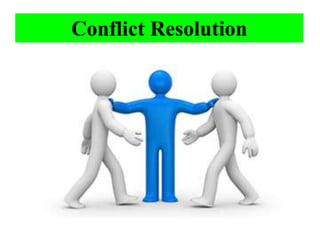
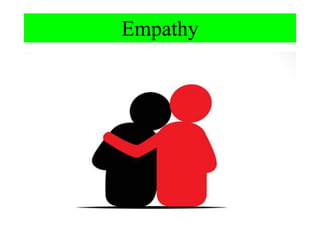

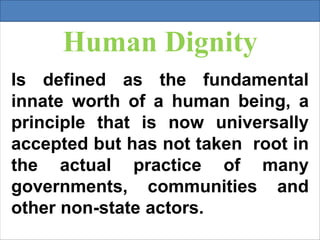
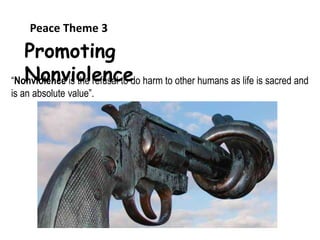



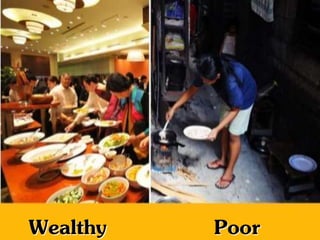












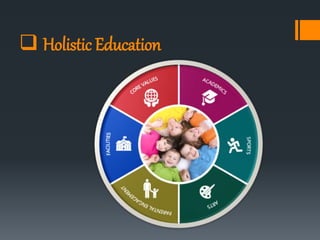
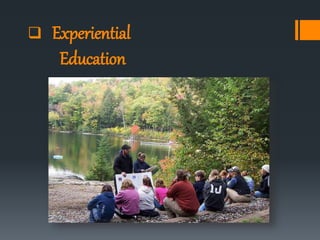
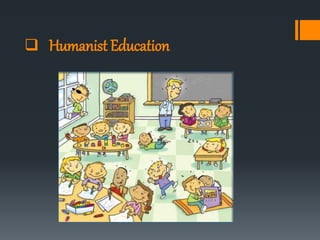

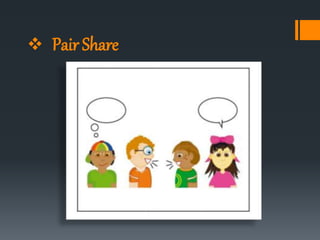

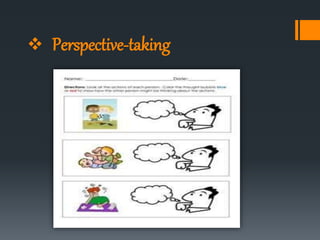
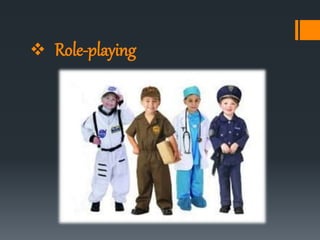

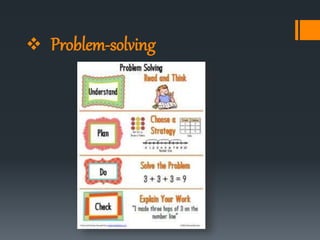


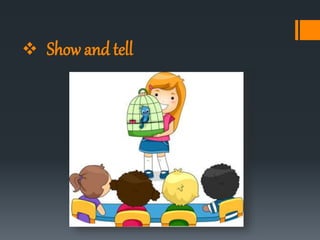

This document discusses peace education as a transformative response to societal challenges. It defines peace broadly as the absence of violence and presence of justice and dignity. Peace education aims to develop knowledge, skills, and attitudes to transform conflicts nonviolently. It addresses themes like upholding human dignity, challenging prejudice, promoting nonviolence, resolving conflicts, and sharing resources equitably. Peace educators use participatory and experiential methods like discussion, role-playing, and problem-solving to cultivate qualities like respect, tolerance, and social responsibility. The goal is to educate people as agents of positive peace in building just communities.


