Downloaded 60 times

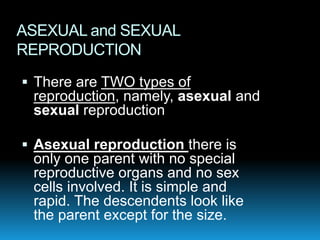
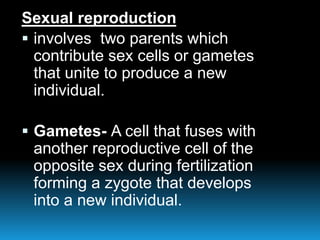
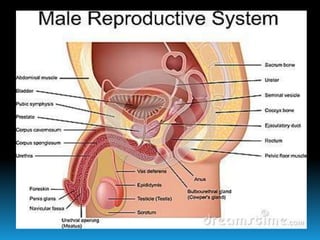
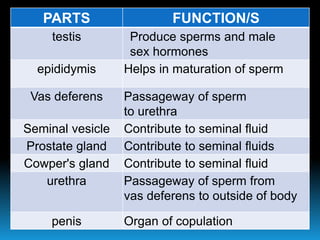

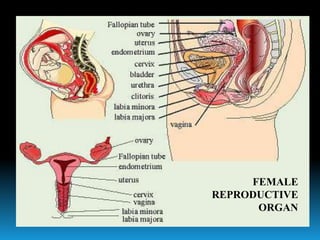
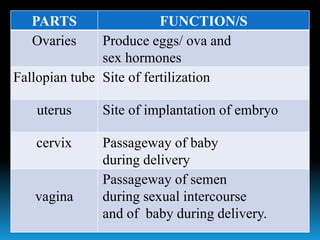
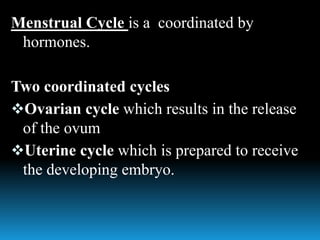
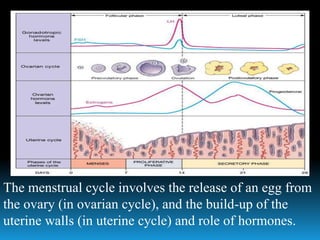
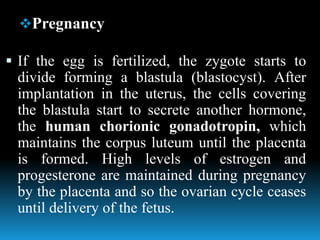
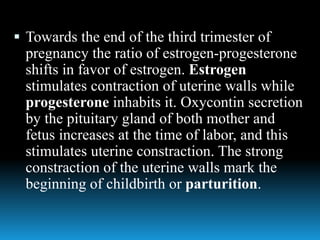
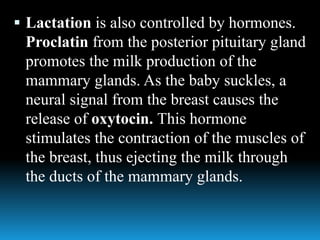
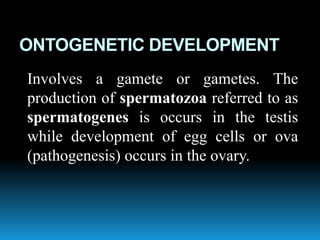
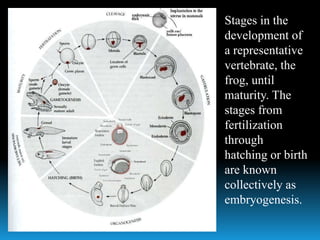
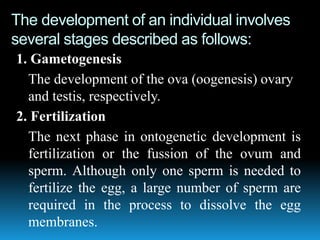
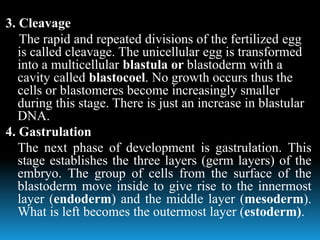
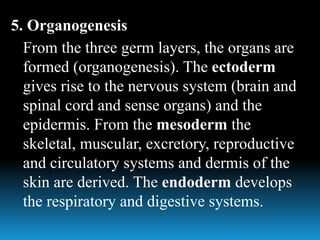
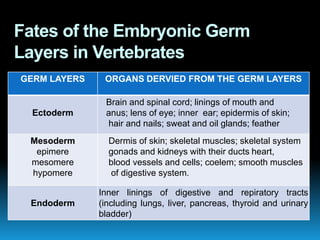
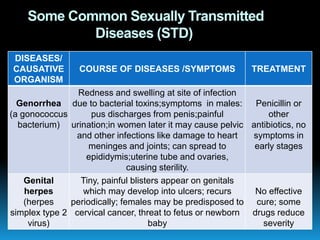
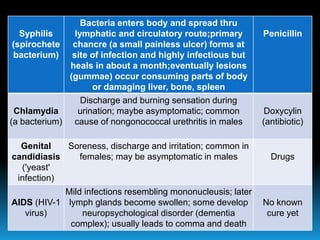


Organismal reproduction and development can occur through asexual or sexual reproduction. Asexual reproduction involves one parent and results in offspring identical to the parent, while sexual reproduction involves two parents contributing gametes that fuse. In animals, common forms of asexual reproduction include fission, budding, and fragmentation. Sexual reproduction results in offspring with a mix of characteristics from both parents. Vertebrates like humans have specialized reproductive systems including gonads that produce gametes, ducts that transport gametes, and organs that support development and birth. Fertilization of an egg leads to cell division and formation of germ layers, followed by organogenesis and development into a mature organism.


![Polymer [ बहुलक ] Chemistry Notes PDF - Irfanullah Mehar - JJ Sir Chemistry.pdf](https://cdn.slidesharecdn.com/ss_thumbnails/polymerchemistrynotespdf-irfanullahmehar-jjsirchemistry-260210172118-3f9b37f7-thumbnail.jpg?width=640&height=640&fit=bounds)

