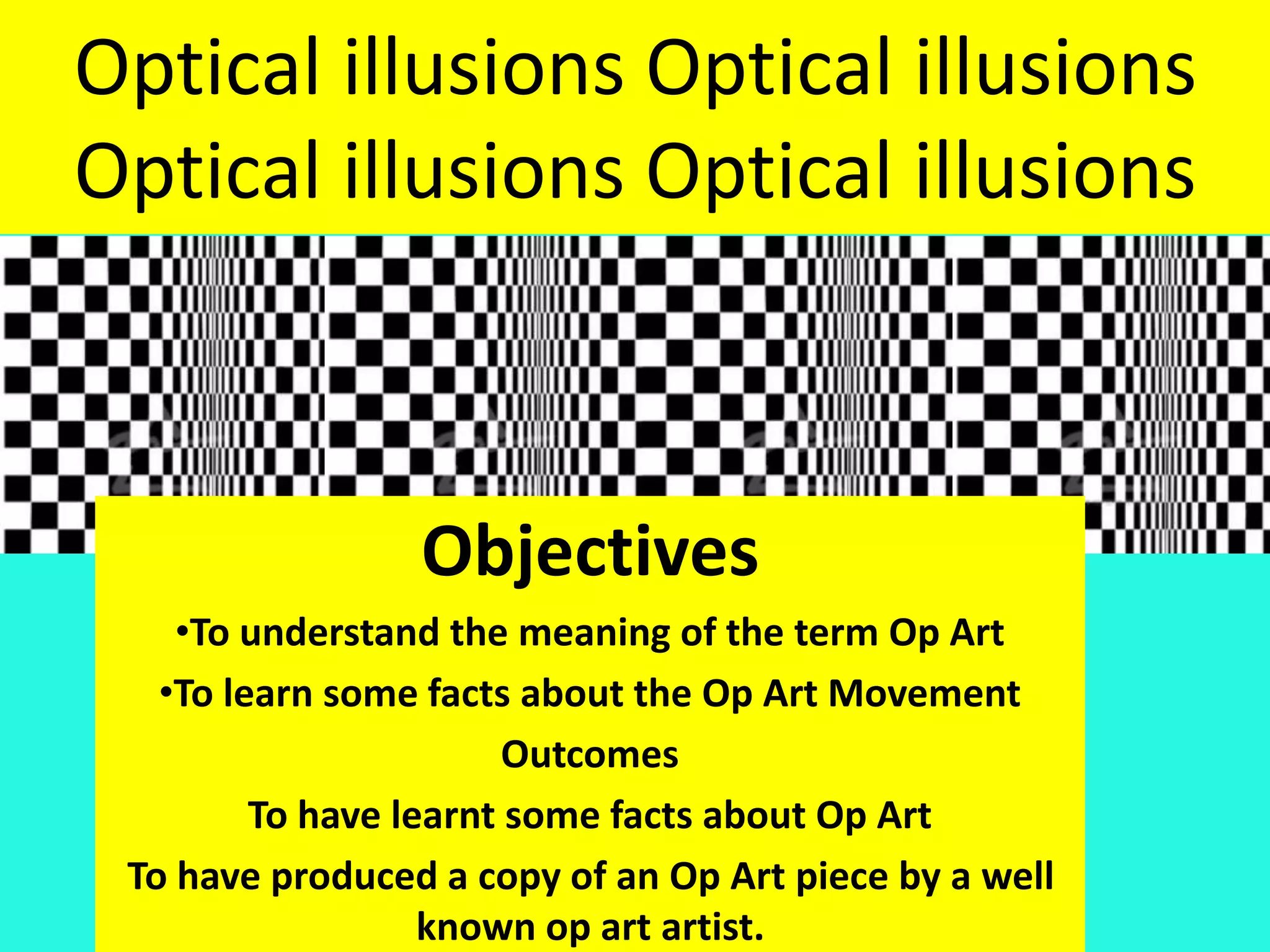
Optical illusions Optical illusions
Objectives
•To understand the meaning of the term Op Art
•To learn some facts about the Op Art Movement
Outcomes
To have learnt some facts about Op Art
To have produced a copy of an Op Art piece by a well
known op art artist.
What is op art?
Does anybody know what op art is, or has heard
of this term? In pairs discuss what you think it
might be about.
What is op art?
Does anybody know what op art is, or has heard
of this term? In pairs discuss what you think it
might be about.
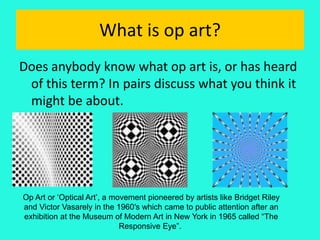
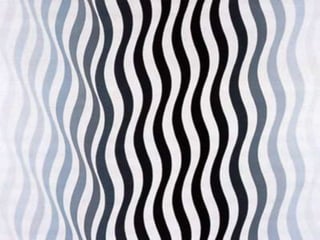
Op Art or ‘Optical Art’, a movement pioneered by artists like Bridget Riley
and Victor Vasarely in the 1960′s which came to public attention after an
exhibition at the Museum of Modern Art in New York in 1965 called “The
Responsive Eye”.
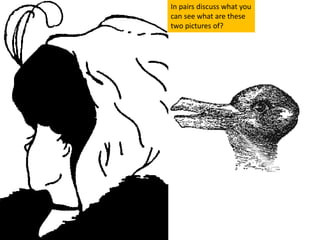
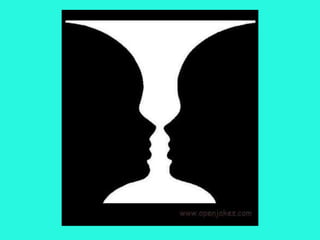
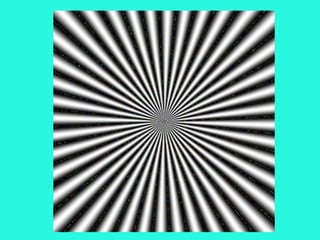
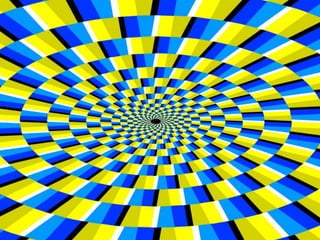
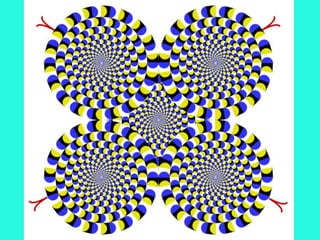
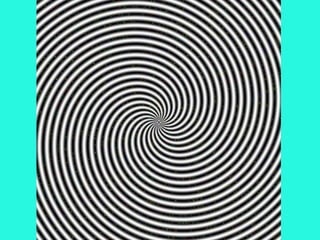
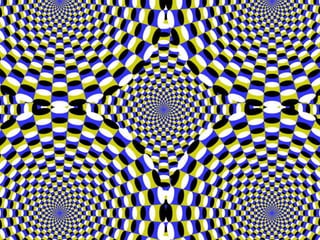
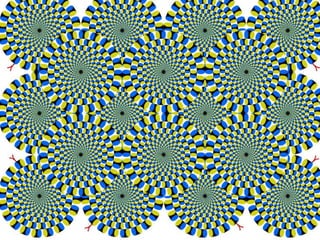
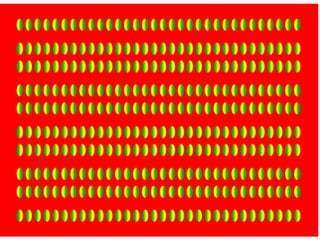
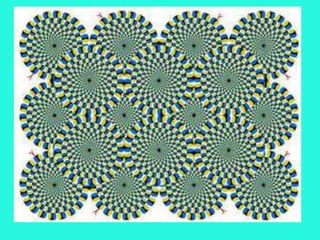
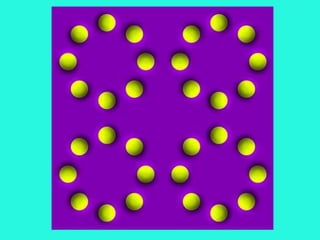
In pairs discuss what you
can see what are these
two pictures of?
Op art facts
• Op painters and sculptors used geometric designs in
order to create feelings of movement or vibration
• The movement had its origins in the work of Victor
Vasarely, who created tessellations and work with
shocking perspectives.
• A major Op Art exhibit in 1965, titled “The Responsive
Eye,” caught the public interest.
• Despite Op Art’s popularity, it never became a full-
fledged mass movement of modern art like Pop Art.
• Op Art’s primary goal was to fool the eye.
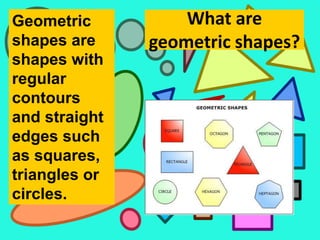
Geometric
shapes are
shapes with
regular
contours
and straight
edges such
as squares,
triangles or
circles.
What are
geometric shapes?
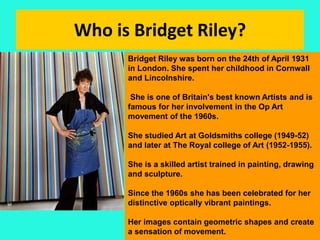
Who is Bridget Riley?
Bridget Riley was born on the 24th of April 1931
in London. She spent her childhood in Cornwall
and Lincolnshire.
She is one of Britain's best known Artists and is
famous for her involvement in the Op Art
movement of the 1960s.
She studied Art at Goldsmiths college (1949-52)
and later at The Royal college of Art (1952-1955).
She is a skilled artist trained in painting, drawing
and sculpture.
Since the 1960s she has been celebrated for her
distinctive optically vibrant paintings.
Her images contain geometric shapes and create
a sensation of movement.
What have you learnt today?
Op Art Facts what have you learnt today?
What is the name of the Op artist we have looked at today?
What is the name of the art work you have been working from today?
When was op Art most popular?
Who was the first Op Art artist?
What are the key features of an op art piece?
What do you think about this style of work?
Feedback from the
questions about what you
have learnt today?
Make sure you stick these
sheets into your sketch
books
Please be prepared to
share your answers with
the class.
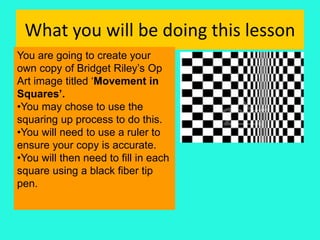
What you will be doing this lesson
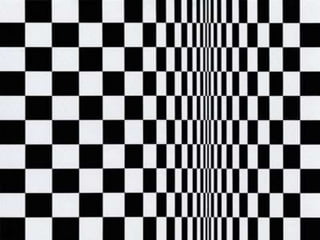
You are going to create your
own copy of Bridget Riley’s Op
Art image titled ‘Movement in
Squares’.
•You may chose to use the
squaring up process to do this.
•You will need to use a ruler to
ensure your copy is accurate.
•You will then need to fill in each
square using a black fiber tip
pen.
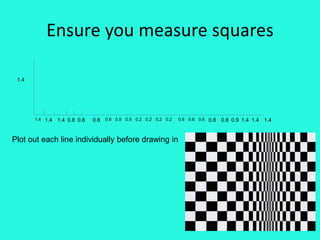
Ensure you measure squares
1.4 1.4 1.4 0.8 0.8 0.8 0.6 0.5 0.5 0.20.20.2 0.2 0.60.6 0.6 0.80.8 0.9 1.41.41.4
1.4
Plot out each line individually before drawing in
Plenary
In groups of 4 discuss your work
Who has produced the most successful piece ?
Why?
Each table to feedback to class on which individual they
have chosen and why.
(pupils work chosen to be awarded 2 merits)
Homework
CREATE AN ARTIST PAGE BASED ON THE WORK OF BRIDGET
RILEY:
• FINISH THE COPY OF THE IMAGE
PLEASE TAKE YOUR TIME ON THIS WORK AND ENSURE THAT
YOUR WORK IS WELL PRESENTED.

Optical illusions bridget riley1

  • 1.
    Optical illusions Opticalillusions Optical illusions Optical illusions Objectives •To understand the meaning of the term Op Art •To learn some facts about the Op Art Movement Outcomes To have learnt some facts about Op Art To have produced a copy of an Op Art piece by a well known op art artist.
  • 2.
    What is opart? Does anybody know what op art is, or has heard of this term? In pairs discuss what you think it might be about.
  • 3.
    What is opart? Does anybody know what op art is, or has heard of this term? In pairs discuss what you think it might be about. Op Art or ‘Optical Art’, a movement pioneered by artists like Bridget Riley and Victor Vasarely in the 1960′s which came to public attention after an exhibition at the Museum of Modern Art in New York in 1965 called “The Responsive Eye”.
  • 4.
    In pairs discusswhat you can see what are these two pictures of?
  • 18.
    Op art facts •Op painters and sculptors used geometric designs in order to create feelings of movement or vibration • The movement had its origins in the work of Victor Vasarely, who created tessellations and work with shocking perspectives. • A major Op Art exhibit in 1965, titled “The Responsive Eye,” caught the public interest. • Despite Op Art’s popularity, it never became a full- fledged mass movement of modern art like Pop Art. • Op Art’s primary goal was to fool the eye.
  • 19.
    Geometric shapes are shapes with regular contours andstraight edges such as squares, triangles or circles. What are geometric shapes?
  • 20.
    Who is BridgetRiley? Bridget Riley was born on the 24th of April 1931 in London. She spent her childhood in Cornwall and Lincolnshire. She is one of Britain's best known Artists and is famous for her involvement in the Op Art movement of the 1960s. She studied Art at Goldsmiths college (1949-52) and later at The Royal college of Art (1952-1955). She is a skilled artist trained in painting, drawing and sculpture. Since the 1960s she has been celebrated for her distinctive optically vibrant paintings. Her images contain geometric shapes and create a sensation of movement.
  • 21.
    What have youlearnt today? Op Art Facts what have you learnt today? What is the name of the Op artist we have looked at today? What is the name of the art work you have been working from today? When was op Art most popular? Who was the first Op Art artist? What are the key features of an op art piece? What do you think about this style of work? Feedback from the questions about what you have learnt today? Make sure you stick these sheets into your sketch books Please be prepared to share your answers with the class.
  • 22.
    What you willbe doing this lesson You are going to create your own copy of Bridget Riley’s Op Art image titled ‘Movement in Squares’. •You may chose to use the squaring up process to do this. •You will need to use a ruler to ensure your copy is accurate. •You will then need to fill in each square using a black fiber tip pen.
  • 23.
    Ensure you measuresquares 1.4 1.4 1.4 0.8 0.8 0.8 0.6 0.5 0.5 0.20.20.2 0.2 0.60.6 0.6 0.80.8 0.9 1.41.41.4 1.4 Plot out each line individually before drawing in
  • 25.
    Plenary In groups of4 discuss your work Who has produced the most successful piece ? Why? Each table to feedback to class on which individual they have chosen and why. (pupils work chosen to be awarded 2 merits)
  • 26.
    Homework CREATE AN ARTISTPAGE BASED ON THE WORK OF BRIDGET RILEY: • FINISH THE COPY OF THE IMAGE PLEASE TAKE YOUR TIME ON THIS WORK AND ENSURE THAT YOUR WORK IS WELL PRESENTED.