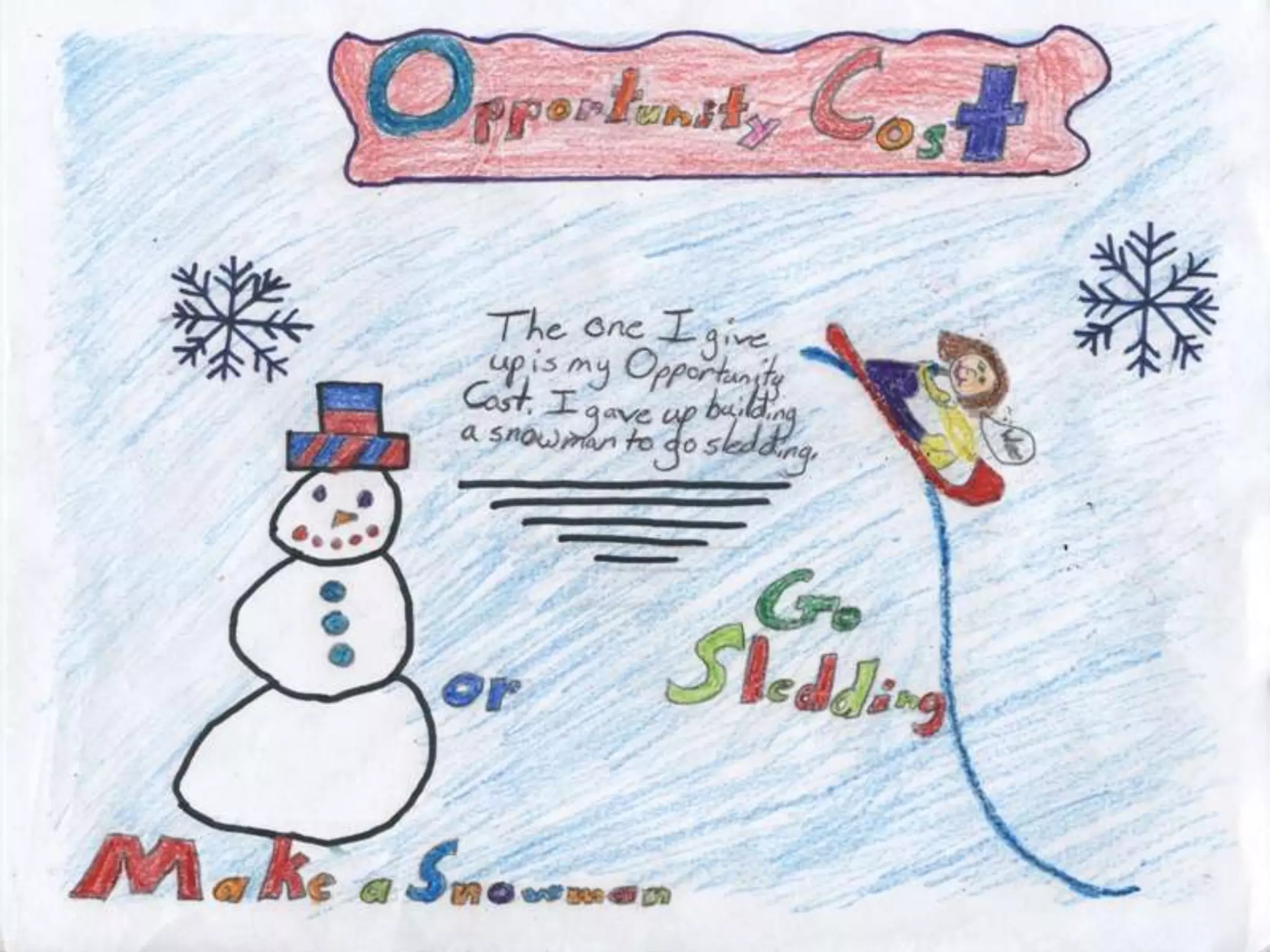
1. Opportunity cost refers to the cost of a decision in terms of the best alternative given up. It is the forgone benefit of the next best alternative when a choice is made.
2. When making choices, whether as consumers, workers, producers, or the government, one must consider opportunity costs and select the option that provides the highest benefit given limited resources.
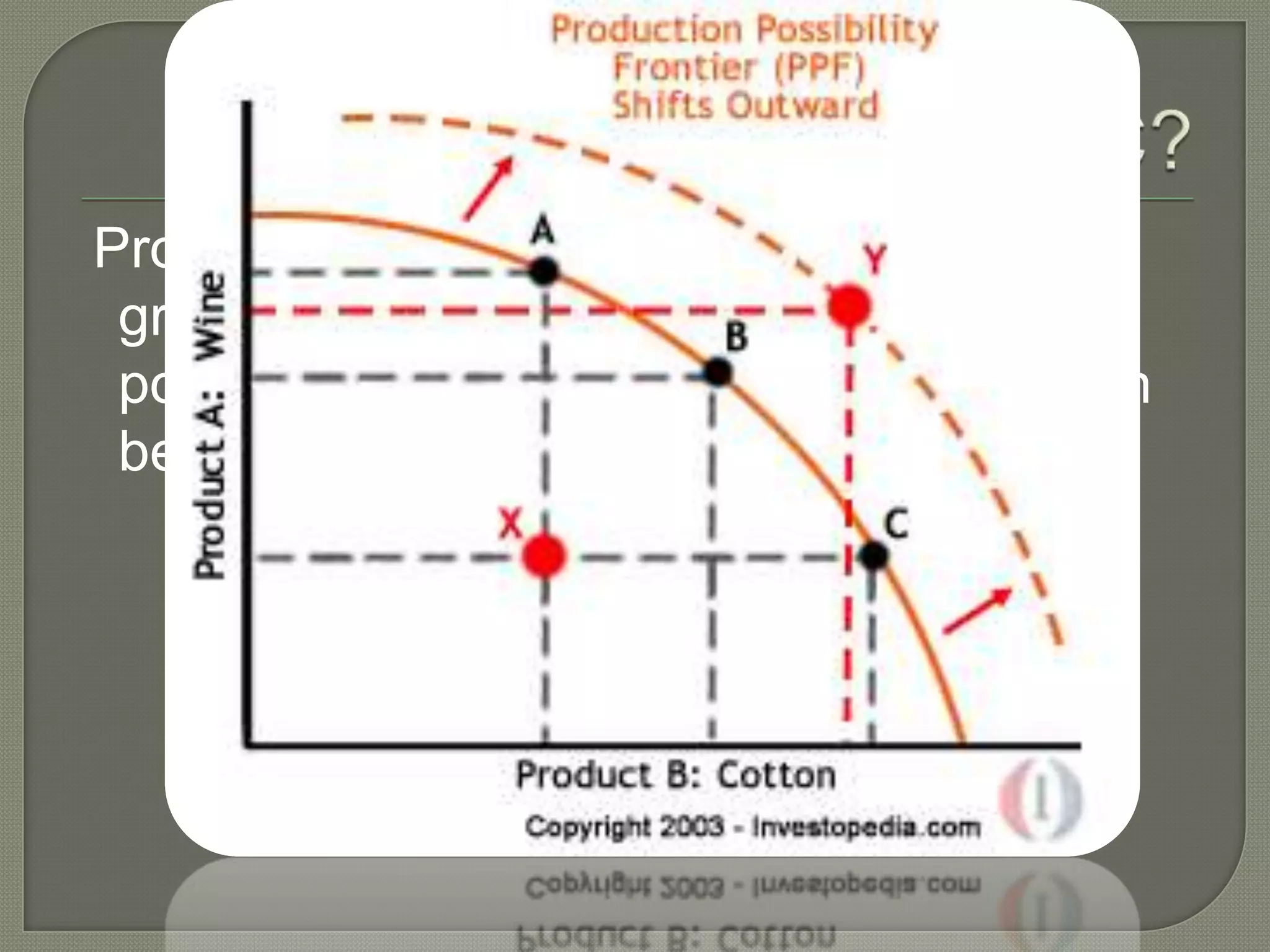
3. A production possibility curve (PPC) illustrates the maximum quantities of two goods an economy can produce with given resources and technology, and shows the opportunity cost of producing one good in terms of forgone production of the other.
Understanding Opportunity Cost We make choices every day. We have to, as we have limited resrouces but so many wants. We therefore have to decide which wants we will satisfy and those we will not. All choices involve giving something up is called Opportunity Cost.
3.
What is OpportunityCost?Opportunity Cost is the cost of a decision in terms of the best alternative given up to achieve it. It is the best alternative forgone.
5.
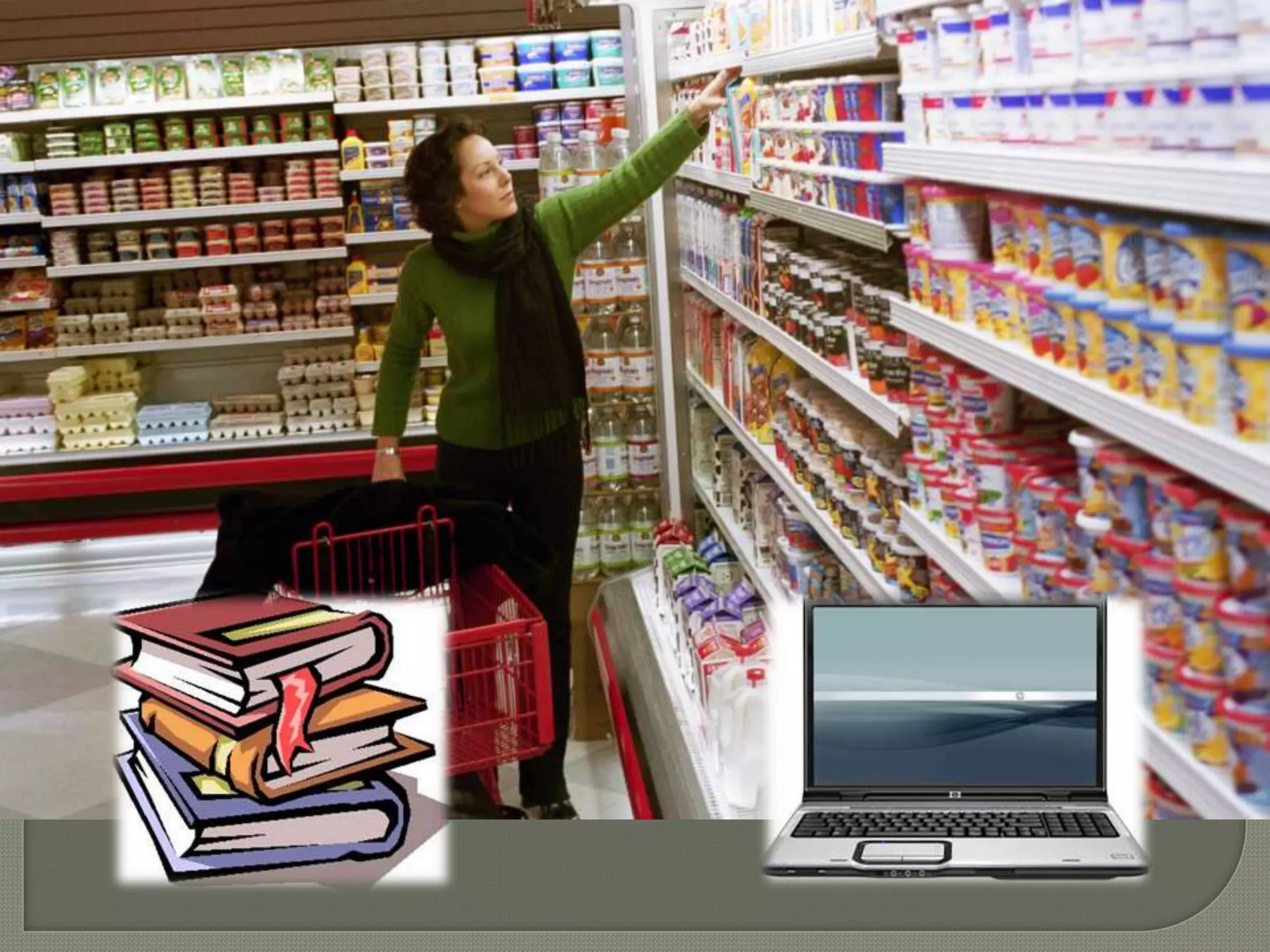
Opportunity Cost and...ConsumersworkersConsumers are buyers and users of goods and services. We all are consumers. The vast majority of us cannot buy everything we like. We can sellect the one with wides and the most accurate informative coverage. Undertaking one job involves an opportunity cost. People employed as teachers might also be able to work as civil servants. They need to carefully consider their preference for the jobs available.
6.
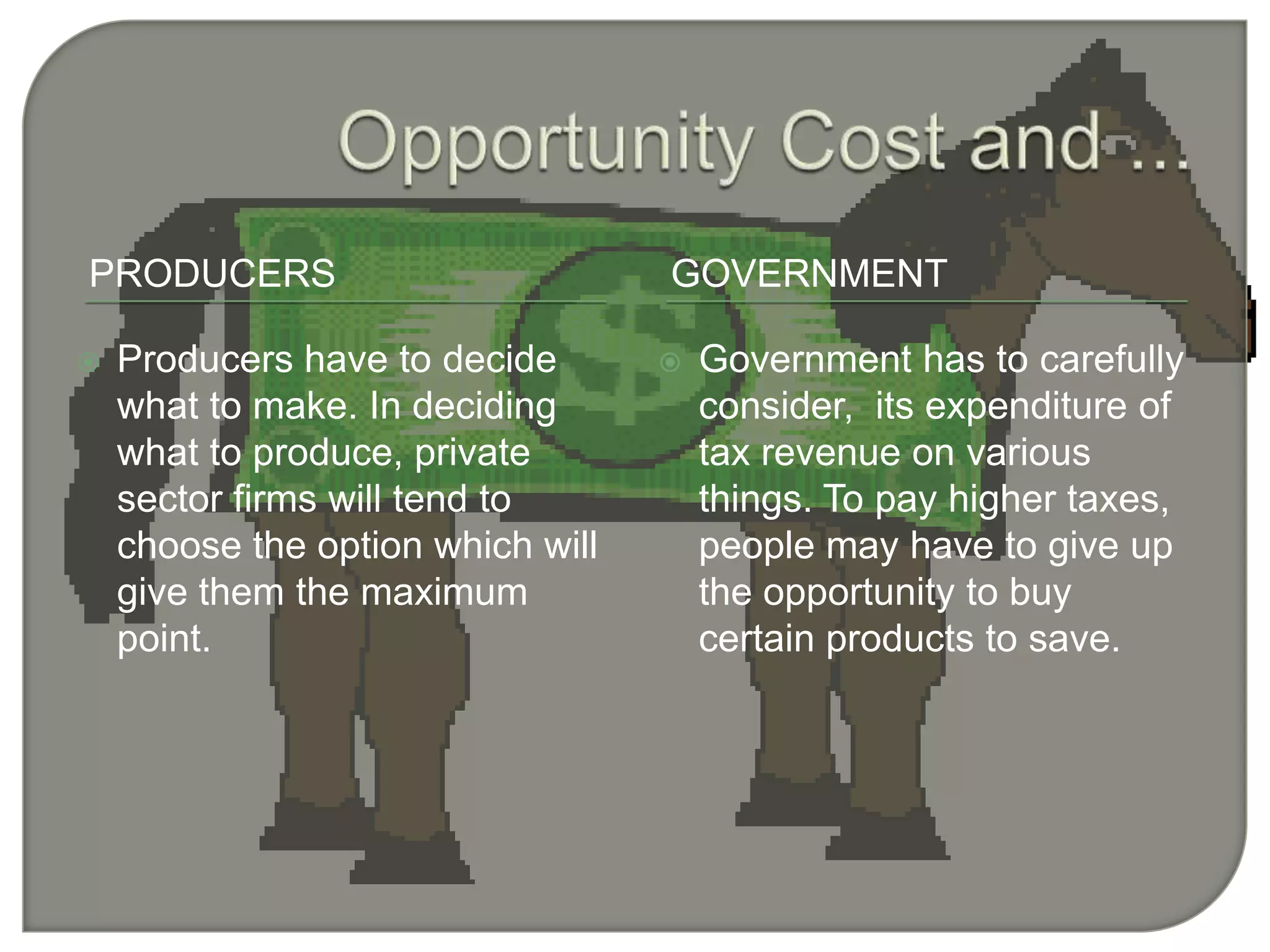
Opportunity Cost and...ProducersgovernmentProducers have to decide what to make. In deciding what to produce, private sector firms will tend to choose the option which will give them the maximum point.Government has to carefully consider, its expenditure of tax revenue on various things. To pay higher taxes, people may have to give up the opportunity to buy certain products to save.
7.
Economic Goods This mean that it takes resources to produce them and hence, their production involves an opportunity cost. They are limited in supply. Almost every good and service is economic good.
8.
Free Goods Free goods are much rarer. Economists define free good as one, which takes no resources to make it and thus does not involve an opportunity cost. Example of free goods are water and sunshine.
9.
Production Possibility Curves A Production Possibility Curves (PPC) is also called an opportunity cost curve, a production possibility boundary (PPB) and a production possibility frontier (PPF). A PPC shows the maximum output of two products and combinations of these products that can be produced with existing resources and technology.
10.
What is PPC?Production Possibility Curve (PPC) is a graph/table that shows the maximum possible combinations of outputs that can be produced from given inputs.