
OLD AGE
A report presented to the ED 102 class by Ms Catherine
Linobo
Average Rating:
93.15%
KNOW|UNDERSTAND|RESPOND
HOW DO WE TREAT OLD/AGED PEOPLE?
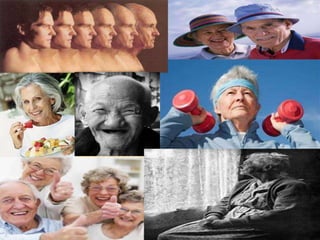
 Closing period in the life span.
 Early old age – 60 to 70 years
 Advanced old age – 70 to the end of life
 Senility
 More or less complete physical breakdown or
mental disorganization.
 Eccentric, careless, absent-minded, socially
withdrawn
 Wrinkles and liver spots on the skin due to loss of
subcutaneous fat.
 Change of hair color to gray or white
 Hair loss
 Reduced circulatory system function and blood flow
 Reduced lung capacity
 Reduced immune system function
 Changes in the vocal cords that produce the typical "old
person" voice
 Hearing loss.
 Diminished eyesight.
 Reduced mental and cognitive ability.
 Depressed mood.
 Greater susceptibility to bone and joint diseases such
as osteoarthritis and osteoporosis.
 Memory loss is common due to the decrease in
speed of information being encoded, stored, and
received. It may take more time to learn new
information.
 Alzheimer's disease, the most common form of
dementia, is found in old age. It is a general term for
memory loss and other intellectual abilities serious
enough to interfere with daily life. Alzheimer's disease
accounts for 50 to 80 percent of dementia cases.
OTHER ADJUSTMENTS IN OLD AGE
 Individual differences in the effects of aging
 People age differently because they have
different hereditary endowments, different
socioeconomic and educational backgrounds
and different patterns of living.
 Minority-group status
 Desire for Rejuvenation
 Loss of Spouse/Growing old alone
 Retirement, a common transition faced by
the elderly, may have both positive and
negative consequences
OTHER ADJUSTMENTS IN OLD AGE
 a mutual withdrawal between elders and
society that takes place in anticipation of
death.
 Older people become free from work and family
responsibilities allowing them to enjoy the rest of
their lives peacefully.
 They begin to interact less often and activity
levels are decreased.
THE DISENGAGEMENT THEORY (Berk,
2007)
SUCCESSFUL AGING
 Better living conditions and better health
care.
 Self-motivation
 New leisure
3 COMPONENTS OF SUCCESSFUL AGING:
 Low probability of disease or disability;
 High cognitive and physical function
capacity;
 Active engagement with life.
AGE DOESN’T DEFINE A PERSON.

Old age report catherine linobo

  • 1.
    OLD AGE A reportpresented to the ED 102 class by Ms Catherine Linobo Average Rating: 93.15%
  • 3.
  • 4.
    HOW DO WETREAT OLD/AGED PEOPLE?
  • 5.
     Closing periodin the life span.  Early old age – 60 to 70 years  Advanced old age – 70 to the end of life  Senility  More or less complete physical breakdown or mental disorganization.  Eccentric, careless, absent-minded, socially withdrawn
  • 6.
     Wrinkles andliver spots on the skin due to loss of subcutaneous fat.  Change of hair color to gray or white  Hair loss  Reduced circulatory system function and blood flow  Reduced lung capacity  Reduced immune system function  Changes in the vocal cords that produce the typical "old person" voice  Hearing loss.  Diminished eyesight.  Reduced mental and cognitive ability.
  • 7.
     Depressed mood. Greater susceptibility to bone and joint diseases such as osteoarthritis and osteoporosis.  Memory loss is common due to the decrease in speed of information being encoded, stored, and received. It may take more time to learn new information.  Alzheimer's disease, the most common form of dementia, is found in old age. It is a general term for memory loss and other intellectual abilities serious enough to interfere with daily life. Alzheimer's disease accounts for 50 to 80 percent of dementia cases.
  • 8.
    OTHER ADJUSTMENTS INOLD AGE  Individual differences in the effects of aging  People age differently because they have different hereditary endowments, different socioeconomic and educational backgrounds and different patterns of living.  Minority-group status
  • 9.
     Desire forRejuvenation  Loss of Spouse/Growing old alone  Retirement, a common transition faced by the elderly, may have both positive and negative consequences OTHER ADJUSTMENTS IN OLD AGE
  • 10.
     a mutualwithdrawal between elders and society that takes place in anticipation of death.  Older people become free from work and family responsibilities allowing them to enjoy the rest of their lives peacefully.  They begin to interact less often and activity levels are decreased. THE DISENGAGEMENT THEORY (Berk, 2007)
  • 11.
    SUCCESSFUL AGING  Betterliving conditions and better health care.  Self-motivation  New leisure
  • 12.
    3 COMPONENTS OFSUCCESSFUL AGING:  Low probability of disease or disability;  High cognitive and physical function capacity;  Active engagement with life.
  • 14.

Editor's Notes

  • #5 Share the story of the family living with an old father and grandfather while they were eating. Singapore experience.