OIL POLLUTION
Md. Sabbir Hossain(ASH1718020M)
Department of Oceanography
Noakhali science and technology university
DEFINATION OF OIL
A hydrocarbon liquid substance that is greasy to the
touch and is formed by natural resources or the
breakdown of fats.
Oil comes in many forms as diverse as crude oil and
vegetable oil, which serve very different purposes.
 Products consisting of oil are insoluble when added
to water, but will dissolve in organic substances such
as those acquired from living organisms.
WHAT IS OIL POLLUTION
An oil spill is the release of
a liquid petroleum hydrocarbon into the environment,
especially the marine ecosystem, due to human activity,
and is a form of pollution.
The term is usually given to marine oil spills, where oil is
released into the ocean or coastal waters, but spills may
also occur on land.
 Oil spills may be due to releases of crude
oil from tankers, offshore platforms, drilling
rigs and wells,
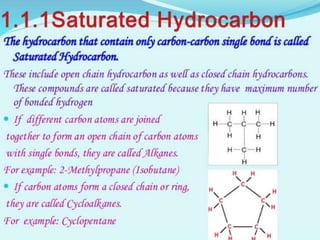
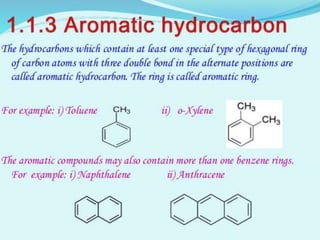
SOURCE OF HYDROCARBON
Crude Oil
Natural gas
 Coal
 Crude oil and natural gas were formed from the
remains of marine plants and animals. Coal was
produced from dead wood
FATE OF AN OIL SPILL
Oil in the spill mixes with sea water and forms an emulsion
at the surface. This emulsion is called “chocolate mousse”.
 Small amount of the mousse is dissolved in sea water.
 Oil droplets begin to weather off by the volatilization and
the photoxidation of lighter volatile substances.
 Oil droplets thicken and become denser and tarry with
time and sink to the sea bed.
 Often, the tar accumulate debris forming tar balls, which
may eventually be cast ashore.
 The oil is slowly broken down naturally by aerobic bacteria
where the rate is dependent on the supply of oxygen and
nutrients, i.e. nitrates and phosphates.
ENVIRONMENTAL EFFECTS OF OIL
SPILLS ON MARINE ECOSYSTEM
An oil effect on coastal vegetation is also important. Algae and
other local plants have been reported to be eradicated.
Animals that come in touch with high concentrations of oil die
of oil poisoning.
Worms, microorganisms and young sea creatures are more
sensitive.
Humans and other animals living near the sea are also
threatened.
THE HARMFUL EFFECTS OF OIL SPILLS
ON MANGROVE FORESTS:
1. Pneumatophores are covered by oil, preventing the
plants from "breathing“
2. Oil will directly smooth and soften some parts of the
roots, causing them to suffocate
3. Reduction of light penetration and photosynthesis
4. Solar radiation absorbed by black oil sheens will
increase the natural temperate of water
EFFECTS OF OIL SPILLS ON PRAWN
HATCHERIES
1. Delaying cells divisions
2. Unnatural spawning of parents
3. Mating inhabitation reactions
4. Reduction of feeding activities in parents
5. Obstruction of breathing organs
6. Irritation and disruption in respiratory systems
7. Reduction of prawn quality and their yield in farms and
natural habitats
8. Reduction of microfauna on the sea floor as the food of
macrofauna such as prawns
METHODS FOR OIL SPILL CLEANUP AT
SEA
METHODS FOR OIL SPILL CLEANUP AT
SEA
• 1. Using Oil Booms
• Oil booms are a very popular method of controlling oil spills.
There are various kinds of oil booms that have been designed
for various areas where the oil spillage might occur, leading to
a quite thorough oil spill cleanup.
2. Using Sorbents
• Sorbents mean sponges that are placed on the surface of the
spillage affected area. These sorbents suck and absorb the oil
from the surface of the water leading to an oil spill cleanup.
METHODS FOR OIL SPILL CLEANUP AT
SEA
3. Skimming
• As the name suggests, skimming involves the removal of the
oil spillage with the help of tools and equipments from the
surface of the water. The most important aspect to be noted
that only lighter oils can be separated and removed from the
water in this method of cleaning up oil spills. This is because
the density of oil will tend to be lighter than the density of
water.
4. Using Hot water and huge force
• In this method, huge force of the hot water is used to push the
oil spilt back into the water. Then with the help of the
skimming tools and equipments, the oil spill cleanup operation
takes place.
METHODS FOR OIL SPILL CLEANUP AT
SEA
• 5. Burning In-situ
• In simple terms, this means burning of the oil on the site
where the spillage has occurred. The burning has to be
done quite promptly before the oil spill can spread to a
larger area.
6. Using dispensers
• This method involves using fertilizers to disperse the oil
spillage in the water. The fertilizers help to hasten the
growth of micro-organisms which help to diffuse the
components of the oil spilt in the water.

Oil pollution

  • 1.
    OIL POLLUTION Md. SabbirHossain(ASH1718020M) Department of Oceanography Noakhali science and technology university
  • 2.
    DEFINATION OF OIL Ahydrocarbon liquid substance that is greasy to the touch and is formed by natural resources or the breakdown of fats. Oil comes in many forms as diverse as crude oil and vegetable oil, which serve very different purposes.  Products consisting of oil are insoluble when added to water, but will dissolve in organic substances such as those acquired from living organisms.
  • 3.
    WHAT IS OILPOLLUTION An oil spill is the release of a liquid petroleum hydrocarbon into the environment, especially the marine ecosystem, due to human activity, and is a form of pollution. The term is usually given to marine oil spills, where oil is released into the ocean or coastal waters, but spills may also occur on land.  Oil spills may be due to releases of crude oil from tankers, offshore platforms, drilling rigs and wells,
  • 8.
    SOURCE OF HYDROCARBON CrudeOil Natural gas  Coal  Crude oil and natural gas were formed from the remains of marine plants and animals. Coal was produced from dead wood
  • 9.
    FATE OF ANOIL SPILL Oil in the spill mixes with sea water and forms an emulsion at the surface. This emulsion is called “chocolate mousse”.  Small amount of the mousse is dissolved in sea water.  Oil droplets begin to weather off by the volatilization and the photoxidation of lighter volatile substances.  Oil droplets thicken and become denser and tarry with time and sink to the sea bed.  Often, the tar accumulate debris forming tar balls, which may eventually be cast ashore.  The oil is slowly broken down naturally by aerobic bacteria where the rate is dependent on the supply of oxygen and nutrients, i.e. nitrates and phosphates.
  • 10.
    ENVIRONMENTAL EFFECTS OFOIL SPILLS ON MARINE ECOSYSTEM An oil effect on coastal vegetation is also important. Algae and other local plants have been reported to be eradicated. Animals that come in touch with high concentrations of oil die of oil poisoning. Worms, microorganisms and young sea creatures are more sensitive. Humans and other animals living near the sea are also threatened.
  • 11.
    THE HARMFUL EFFECTSOF OIL SPILLS ON MANGROVE FORESTS: 1. Pneumatophores are covered by oil, preventing the plants from "breathing“ 2. Oil will directly smooth and soften some parts of the roots, causing them to suffocate 3. Reduction of light penetration and photosynthesis 4. Solar radiation absorbed by black oil sheens will increase the natural temperate of water
  • 12.
    EFFECTS OF OILSPILLS ON PRAWN HATCHERIES 1. Delaying cells divisions 2. Unnatural spawning of parents 3. Mating inhabitation reactions 4. Reduction of feeding activities in parents 5. Obstruction of breathing organs 6. Irritation and disruption in respiratory systems 7. Reduction of prawn quality and their yield in farms and natural habitats 8. Reduction of microfauna on the sea floor as the food of macrofauna such as prawns
  • 13.
    METHODS FOR OILSPILL CLEANUP AT SEA
  • 14.
    METHODS FOR OILSPILL CLEANUP AT SEA • 1. Using Oil Booms • Oil booms are a very popular method of controlling oil spills. There are various kinds of oil booms that have been designed for various areas where the oil spillage might occur, leading to a quite thorough oil spill cleanup. 2. Using Sorbents • Sorbents mean sponges that are placed on the surface of the spillage affected area. These sorbents suck and absorb the oil from the surface of the water leading to an oil spill cleanup.
  • 15.
    METHODS FOR OILSPILL CLEANUP AT SEA 3. Skimming • As the name suggests, skimming involves the removal of the oil spillage with the help of tools and equipments from the surface of the water. The most important aspect to be noted that only lighter oils can be separated and removed from the water in this method of cleaning up oil spills. This is because the density of oil will tend to be lighter than the density of water. 4. Using Hot water and huge force • In this method, huge force of the hot water is used to push the oil spilt back into the water. Then with the help of the skimming tools and equipments, the oil spill cleanup operation takes place.
  • 16.
    METHODS FOR OILSPILL CLEANUP AT SEA • 5. Burning In-situ • In simple terms, this means burning of the oil on the site where the spillage has occurred. The burning has to be done quite promptly before the oil spill can spread to a larger area. 6. Using dispensers • This method involves using fertilizers to disperse the oil spillage in the water. The fertilizers help to hasten the growth of micro-organisms which help to diffuse the components of the oil spilt in the water.