Creating Open Educational Resources: a workshop  Tina Wilson, Rose Webb ,  Giselle Ferreira &  Teresa Connolly OpenLearn Team UK Open University
Introduction Background Things to consider OER resources/prompt cards Key elements of Open Educational Resources (OERs) Experience gained from the development of OERs Exploring the benefits and limitations of producing OERs with peers
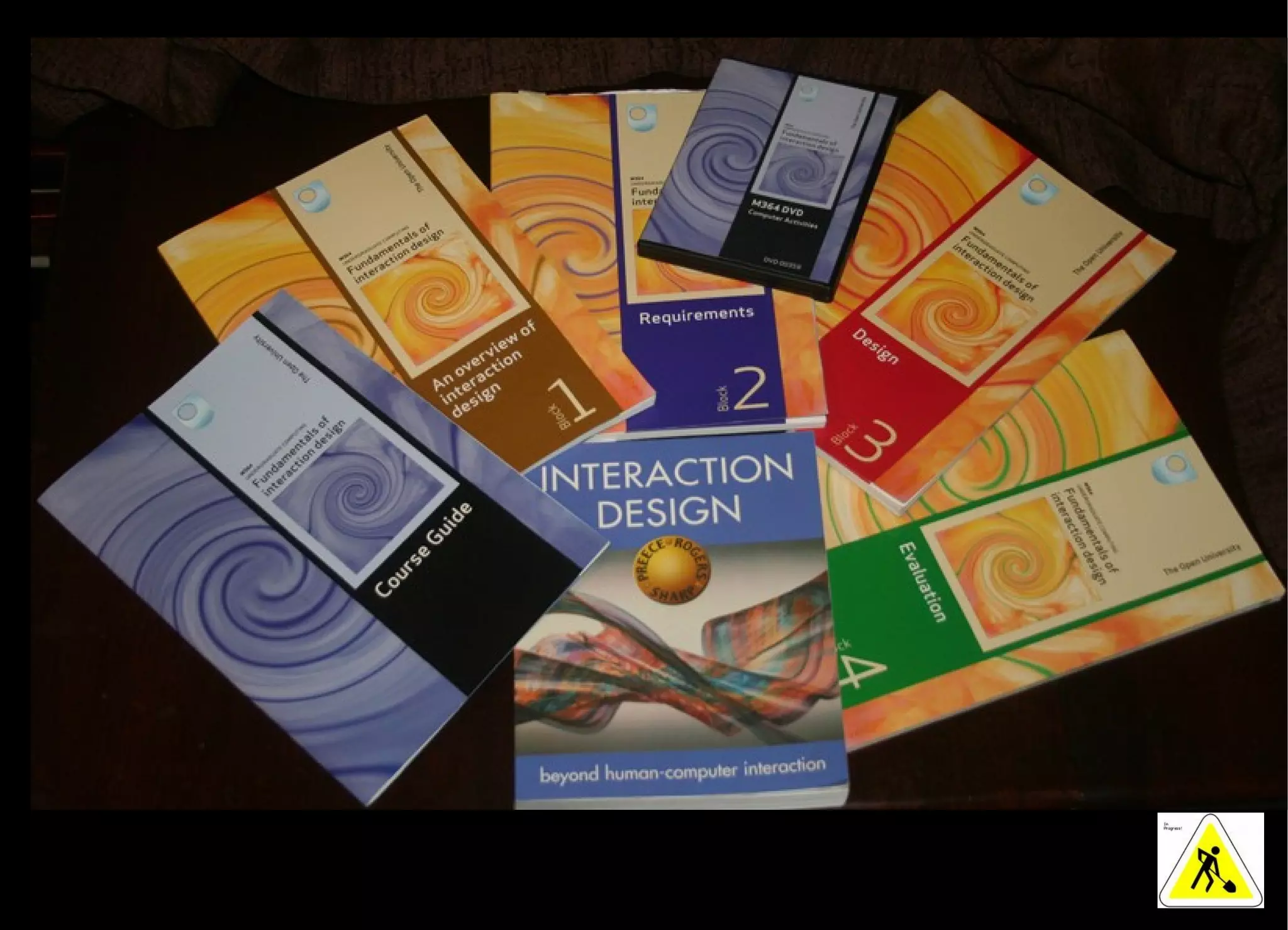
Traditional  Open  University distance learning courses combine a variety of multimedia resources including: Background Audio video Software Poems BSI standards Internet resources  Glossary Index  CDROM Assessment Set book Blocks Course guide etc Course website VLE/FC – email and conferences
Background Courses/modules at a traditional campus based university might combine a variety of resources: Tutorial exercises Formative assessment Online tests WebCt Online conferences and email Lectures Module guide Set book Lectures from set book
Things to consider   … Ownership of the material (author, institution or both (contracts of employment) ) How much  3 rd   party material is included in original material -     might  background music cost a lot to clear? -     h ave organisations / individuals in audio or video sequences  agreed that the material they feature in could be used? Related issues will be discussed in this afternoon’s session: ‘ Re-purposing for an open education repository: quantity, quality and processes ’  Connolly, Ferreira, Webb & Wilson
Things to consider   … Remember  also : w orldwide audience c ultural issues s plitting audio and video files into sizeable chunks.   Related issues will be discussed in this afternoon’s session: ‘ Re-purposing for an open education repository:  quantity, quality and processes ’  Connolly, Ferreira, Webb & Wilson
OER resources/prompt cards (e)Text Images Audio Visual resources Software resources Discussion opportunities: Wikis, Blogs, eConferencing Key personnel Wildcards
Some key elements of OERs Wildcards Collaborative working practices Software Open source Freeware, shareware, educational Development time for: Planning Evaluation Feedback loop Cohesive learning experience  Discussion prospects Appropriate description of finished product Third party resources Deliverable over the web Assessment opportunities Justification/rationale for OER Desirable Essential
 
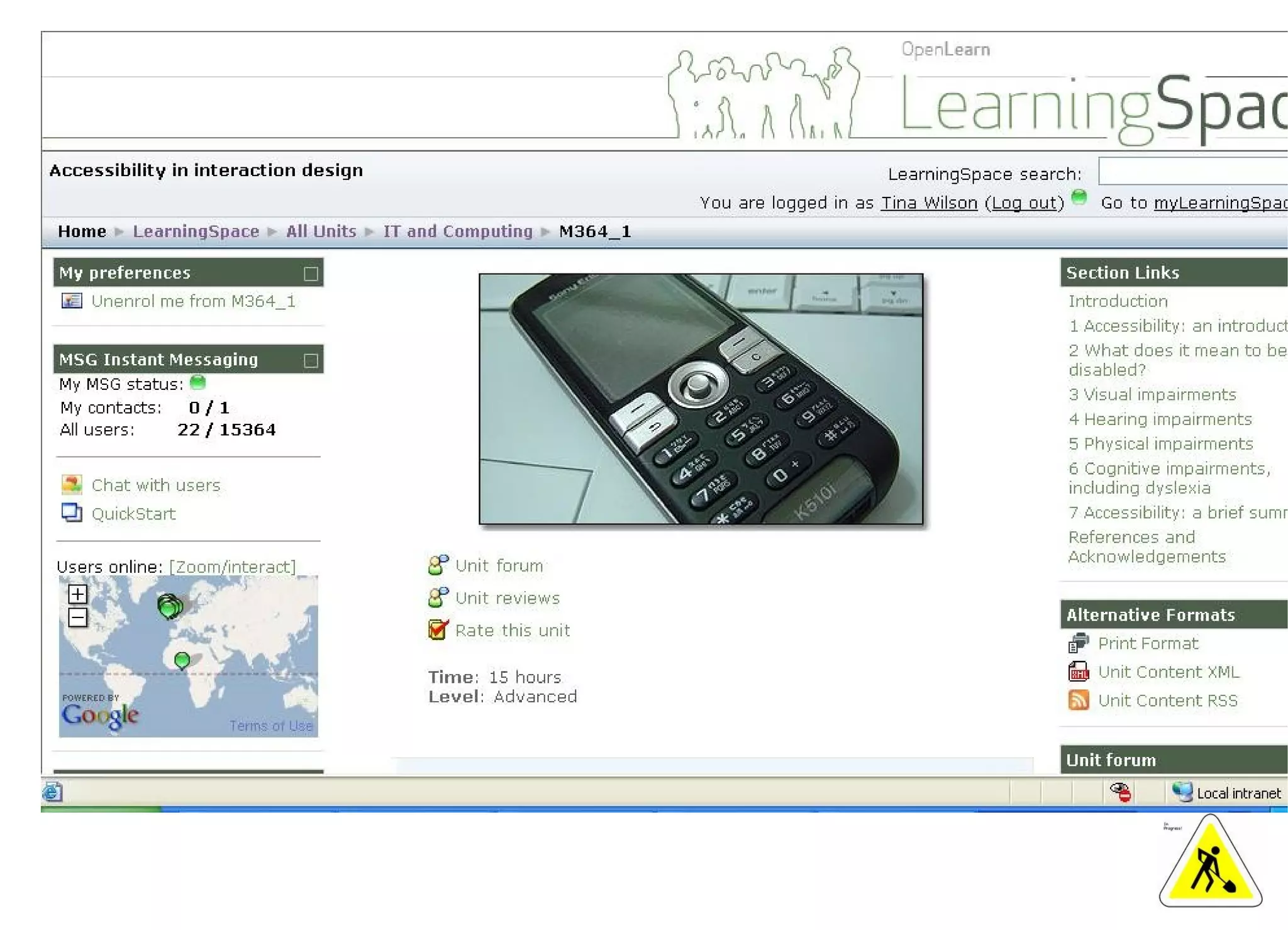
Experience from  OL  OERs  M364_1 Accessibility in interaction design Key element:  Deliverable over the Web Excerpts from course M364  Fundamentals of interaction design Consists of a section from a unit and interactive activities on  DVD Key element: Cohesive learning experience Making web links in the text live Activities in the text linking to web sites rather than being held separately on CD_ROM
 
Creating Open Educational Resources – the work element Now over to you …  Group work  Using A219 Exploring the Classical World Group work sheet Prompt cards Key elements sheets Worksheet  Share group solution
Creating Open Educational Resources – the work element 1. Using the prompt cards identify what types of resource are included in sections 2 and 3 of the course material. Prompt cards: ● Images ● Software resources ● (e)Texts ● Audio/visual resources ● Key personnel ● Wild card Appoint a scribe and use the worksheet to help you prepare to share your group solution for question 1
Creating Open Educational Resources – the work element 2. Using the key elements cards, identify the (essential and desirable) key elements in the course materials, sections 1, 2, & 3. Use your findings from Q1 to guide you. Use green and yellow markers to identify essential and desirable key elements. Appoint a scribe and use the worksheet to help you prepare to share your group solution for question 2

OER

  • 1.
    Creating Open EducationalResources: a workshop Tina Wilson, Rose Webb , Giselle Ferreira & Teresa Connolly OpenLearn Team UK Open University
  • 2.
    Introduction Background Thingsto consider OER resources/prompt cards Key elements of Open Educational Resources (OERs) Experience gained from the development of OERs Exploring the benefits and limitations of producing OERs with peers
  • 3.
    Traditional Open University distance learning courses combine a variety of multimedia resources including: Background Audio video Software Poems BSI standards Internet resources Glossary Index CDROM Assessment Set book Blocks Course guide etc Course website VLE/FC – email and conferences
  • 4.
    Background Courses/modules ata traditional campus based university might combine a variety of resources: Tutorial exercises Formative assessment Online tests WebCt Online conferences and email Lectures Module guide Set book Lectures from set book
  • 5.
    Things to consider … Ownership of the material (author, institution or both (contracts of employment) ) How much 3 rd party material is included in original material -     might background music cost a lot to clear? -     h ave organisations / individuals in audio or video sequences agreed that the material they feature in could be used? Related issues will be discussed in this afternoon’s session: ‘ Re-purposing for an open education repository: quantity, quality and processes ’ Connolly, Ferreira, Webb & Wilson
  • 6.
    Things to consider … Remember also : w orldwide audience c ultural issues s plitting audio and video files into sizeable chunks. Related issues will be discussed in this afternoon’s session: ‘ Re-purposing for an open education repository: quantity, quality and processes ’ Connolly, Ferreira, Webb & Wilson
  • 7.
    OER resources/prompt cards(e)Text Images Audio Visual resources Software resources Discussion opportunities: Wikis, Blogs, eConferencing Key personnel Wildcards
  • 8.
    Some key elementsof OERs Wildcards Collaborative working practices Software Open source Freeware, shareware, educational Development time for: Planning Evaluation Feedback loop Cohesive learning experience Discussion prospects Appropriate description of finished product Third party resources Deliverable over the web Assessment opportunities Justification/rationale for OER Desirable Essential
  • 9.
  • 10.
    Experience from OL OERs M364_1 Accessibility in interaction design Key element: Deliverable over the Web Excerpts from course M364 Fundamentals of interaction design Consists of a section from a unit and interactive activities on DVD Key element: Cohesive learning experience Making web links in the text live Activities in the text linking to web sites rather than being held separately on CD_ROM
  • 11.
  • 12.
    Creating Open EducationalResources – the work element Now over to you … Group work Using A219 Exploring the Classical World Group work sheet Prompt cards Key elements sheets Worksheet Share group solution
  • 13.
    Creating Open EducationalResources – the work element 1. Using the prompt cards identify what types of resource are included in sections 2 and 3 of the course material. Prompt cards: ● Images ● Software resources ● (e)Texts ● Audio/visual resources ● Key personnel ● Wild card Appoint a scribe and use the worksheet to help you prepare to share your group solution for question 1
  • 14.
    Creating Open EducationalResources – the work element 2. Using the key elements cards, identify the (essential and desirable) key elements in the course materials, sections 1, 2, & 3. Use your findings from Q1 to guide you. Use green and yellow markers to identify essential and desirable key elements. Appoint a scribe and use the worksheet to help you prepare to share your group solution for question 2