2nd Incubator Residential 
Scenarios Workshop 
Paris, September 30, 2014
http://goo.gl/TA3CnO
Aims of this workshop 
Explore a challenging domain in depth: 
● Understand the underlying forces 
● Identify the main actors 
● Characterise their existing practices 
● Consider viable innovations to better 
address the concerns of various 
stakeholders.
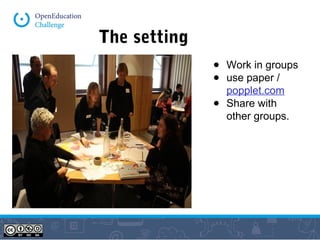
The setting 
● Work in groups 
● use paper / 
popplet.com 
● Share with 
other groups.
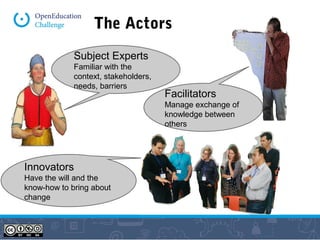
The Actors 
Subject Experts 
Familiar with the 
context, stakeholders, 
needs, barriers 
Innovators 
Have the will and the 
know-how to bring about 
change 
Facilitators 
Manage exchange of 
knowledge between 
others
Agenda 
● Identifying the actors 
Naming & characterising the main roles / participants / stakeholders. 
● Mapping the forces 
Describing actors’ intentions, factors that influence them, links between them. 
● Describing current practices 
how do the actors currently operate to achieve their goals? 
● Spotting the gaps 
where are the tensions between forces? What intentions are not fulfilled? 
● Exploring alternatives 
how could existing practices be improved?
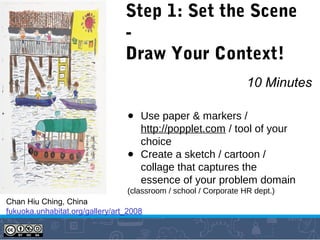
Step 1: Set the Scene 
- 
Draw Your Context! 
● Use paper & markers / 
http://popplet.com / tool of your 
choice 
● Create a sketch / cartoon / 
collage that captures the 
essence of your problem domain 
(classroom / school / Corporate HR dept.) 
Chan Hiu Ching, China 
fukuoka.unhabitat.org/gallery/art_2008 
10 Minutes
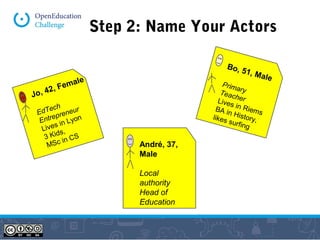
Step 2: Name Your Actors 
Jo, 42, Female 
EdTech 
Entrepreneur 
Lives in Lyon 
3 Kids, 
MSc in CS 
Bo, 51, Male 
Primary 
Teacher 
Lives in Riems 
BA in History, 
likes surfing 
André, 37, 
Male 
Local 
authority 
Head of 
Education
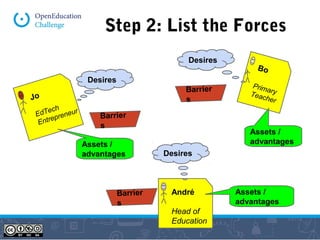
Step 2: List the Forces 
Jo 
EdTech 
Entrepreneur 
Bo 
Primary 
Teacher 
André 
Head of 
Education 
Desires 
Assets / 
advantages 
Desires 
Desires 
Assets / 
advantages 
Assets / 
advantages 
Barrier 
s 
Barrier 
s 
Barrier 
s
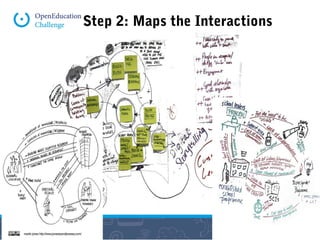
Step 2: Maps the Interactions
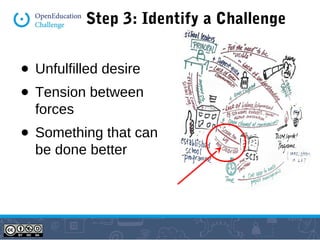
Step 3: Identify a Challenge 
● Unfulfilled desire 
● Tension between 
forces 
● Something that can 
be done better
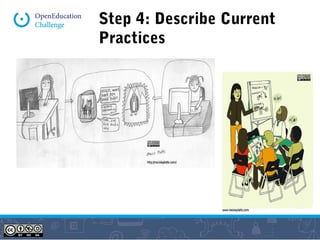
Step 4: Describe Current 
Practices
And now.. 
● Propose new practices, based on your 
product / concepts. 
● Discuss, Review & Critique these 
practices: 
o what are the risks & opportunities? 
o what are the costs? 
o what are the side effects?
Step 1: Storyboard 
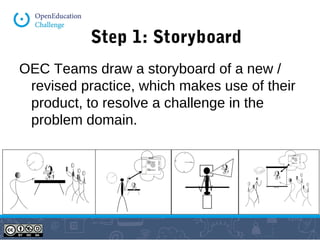
OEC Teams draw a storyboard of a new / 
revised practice, which makes use of their 
product, to resolve a challenge in the 
problem domain.
Step 2: Critique 
● Subject experts review the storyboards, 
note their potentials and challenges, 
suggest modifications.
Discussion 
• What have we learned? 
• What surprised us? 
• What are the big questions that we take 
with us?
OEC Paris Residential: scenarios workshop

OEC Paris Residential: scenarios workshop

  • 1.
    2nd Incubator Residential Scenarios Workshop Paris, September 30, 2014
  • 2.
  • 3.
    Aims of thisworkshop Explore a challenging domain in depth: ● Understand the underlying forces ● Identify the main actors ● Characterise their existing practices ● Consider viable innovations to better address the concerns of various stakeholders.
  • 4.
    The setting ●Work in groups ● use paper / popplet.com ● Share with other groups.
  • 5.
    The Actors SubjectExperts Familiar with the context, stakeholders, needs, barriers Innovators Have the will and the know-how to bring about change Facilitators Manage exchange of knowledge between others
  • 6.
    Agenda ● Identifyingthe actors Naming & characterising the main roles / participants / stakeholders. ● Mapping the forces Describing actors’ intentions, factors that influence them, links between them. ● Describing current practices how do the actors currently operate to achieve their goals? ● Spotting the gaps where are the tensions between forces? What intentions are not fulfilled? ● Exploring alternatives how could existing practices be improved?
  • 7.
    Step 1: Setthe Scene - Draw Your Context! ● Use paper & markers / http://popplet.com / tool of your choice ● Create a sketch / cartoon / collage that captures the essence of your problem domain (classroom / school / Corporate HR dept.) Chan Hiu Ching, China fukuoka.unhabitat.org/gallery/art_2008 10 Minutes
  • 8.
    Step 2: NameYour Actors Jo, 42, Female EdTech Entrepreneur Lives in Lyon 3 Kids, MSc in CS Bo, 51, Male Primary Teacher Lives in Riems BA in History, likes surfing André, 37, Male Local authority Head of Education
  • 9.
    Step 2: Listthe Forces Jo EdTech Entrepreneur Bo Primary Teacher André Head of Education Desires Assets / advantages Desires Desires Assets / advantages Assets / advantages Barrier s Barrier s Barrier s
  • 10.
    Step 2: Mapsthe Interactions
  • 11.
    Step 3: Identifya Challenge ● Unfulfilled desire ● Tension between forces ● Something that can be done better
  • 12.
    Step 4: DescribeCurrent Practices
  • 13.
    And now.. ●Propose new practices, based on your product / concepts. ● Discuss, Review & Critique these practices: o what are the risks & opportunities? o what are the costs? o what are the side effects?
  • 14.
    Step 1: Storyboard OEC Teams draw a storyboard of a new / revised practice, which makes use of their product, to resolve a challenge in the problem domain.
  • 15.
    Step 2: Critique ● Subject experts review the storyboards, note their potentials and challenges, suggest modifications.
  • 16.
    Discussion • Whathave we learned? • What surprised us? • What are the big questions that we take with us?