NUTRITIONAL DERMATOSES
Presentor : Dr. Sanjay Singh
FOOD
• Food is any substance which an individual takes, digests and assimilates to derive
nutritive requirement for maintaining growth and physical well being.
NUTRITION
• Dynamic process concerned with ingestion, digestion, absorption and assimilation of
food for nourishing the body.
NUTRIENTS
Nutrients are the constituents of food necessary to sustain
the normal function of the body.
1. Macronutrients
CHO, protein, fat, Ca, Na, K, Mg, Cl & PO4.
2. Micronutrients
Vitamins, trace elements.
NUTRIENTS
Nutrients are the constituents of food necessary to
sustain the normal function of the body.
1. Macronutrients
CHO, protein, fat, Ca, Na, K, Mg, Cl & PO4.
2. Micronutrients
Vitamins, trace elements.
ESSENTIAL NUTRIENTS
 Either cannot be synthesized in body or cannot be synthesized in
adequate amount to meet the needs of the body.
1. Certain amino acids.
2. Certain fatty acids.
3. Vitamins.
4. Minerals.
Malnutrition
A pathological state resulting from :
Relative or absolute deficiency
Excess of one or more nutrient
Biomed Environ Sci 2001 ; 14(4):283-91
Forms of Malnutrition
1. Undernutrition : Marasmus
2. Overnutrition : Obesity, Hypervitaminoses
3. Specific Deficiency : Kwashiorkor, Hypovitaminoses, Mineral Deficiencies
4. Imbalance : Electrolyte Imbalance
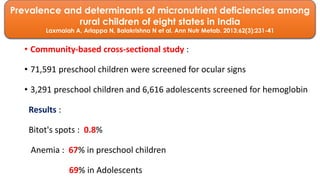
• Community-based cross-sectional study :
• 71,591 preschool children were screened for ocular signs
• 3,291 preschool children and 6,616 adolescents screened for hemoglobin
Results :
Bitot's spots : 0.8%
Anemia : 67% in preschool children
69% in Adolescents
Prevalence and determinants of micronutrient deficiencies among
rural children of eight states in India
Laxmaiah A, Arlappa N, Balakrishna N et al. Ann Nutr Metab. 2013;62(3):231-41
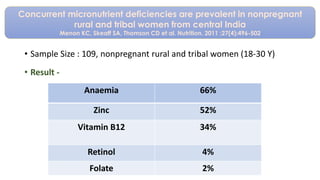
• Sample Size : 109, nonpregnant rural and tribal women (18-30 Y)
• Result -
Concurrent micronutrient deficiencies are prevalent in nonpregnant
rural and tribal women from central India
Menon KC, Skeaff SA, Thomson CD et al. Nutrition. 2011 ;27(4):496-502
Anaemia 66%
Zinc 52%
Vitamin B12 34%
Retinol 4%
Folate 2%
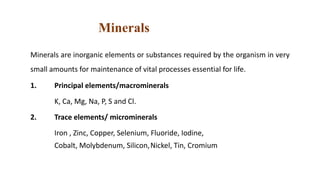
Minerals
Minerals are inorganic elements or substances required by the organism in very
small amounts for maintenance of vital processes essential for life.
1. Principal elements/macrominerals
K, Ca, Mg, Na, P, S and Cl.
2. Trace elements/ microminerals
Iron , Zinc, Copper, Selenium, Fluoride, Iodine,
Cobalt, Molybdenum, Silicon,Nickel, Tin, Cromium
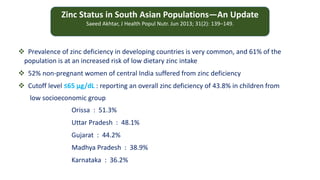
Zinc Status in South Asian Populations—An Update
Saeed Akhtar, J Health Popul Nutr. Jun 2013; 31(2): 139–149.
 Prevalence of zinc deficiency in developing countries is very common, and 61% of the
population is at an increased risk of low dietary zinc intake
 52% non-pregnant women of central India suffered from zinc deficiency
 Cutoff level ≤65 μg/dL : reporting an overall zinc deficiency of 43.8% in children from
low socioeconomic group
Orissa : 51.3%
Uttar Pradesh : 48.1%
Gujarat : 44.2%
Madhya Pradesh : 38.9%
Karnataka : 36.2%
 Cross sectional : 260 adolescent (schoolchildren, 114 males) in the age group of
11-18 years
 Serum zinc was estimated using Inductively coupled plasma mass spectrometer.
 49.4% children (50.8% males, 48.2% females) were found to have a deficient zinc
nutriture
Zinc deficiency amongst adolescents in Delhi
Kapil U, Toteja GS, Rao S et al. Indian Pediatr. 2011;48(12):981-2
Zinc
 Essential component of many metalloenzymes involved in a variety of
metabolic pathways and cellular functions
 Adequate zinc levels are also important for wound healing and for T-cell,
neutrophil, and natural killer cell function
 Meat & fish are best dietery sources
 Human breast milk contains very high levels of zinc during the first 1 to 2
months of lactation
 Also contains a zinc-binding ligand that increases the bioavailability
 Total body zinc is stored primarily in the bones, skin, muscles and prostate,
there is no free exchange of stored zinc
Deficiency :
1. Hereditary type
2. Non-hereditary type
 Low grade, marginal, nonhereditary zinc deficiency is far more common
I. Early weaning
II. Excessive calcium intake
III. Phytate in diet
IV. Cutaneous burn, Exfoliative dermatitis
V. Nephrotic syndrome
Acrodermatitis Enteropathica
 Classically presents during infancy on weaning from breast milk to
formula or cereal, which have lower zinc bioavailability than breast milk
 Defect in intestinal zinc transporter, the human ZIP4 protein
 Genetic locus for acrodermatitis entropathica on chromosome 8q24.3
Clinical findings
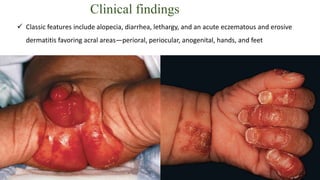
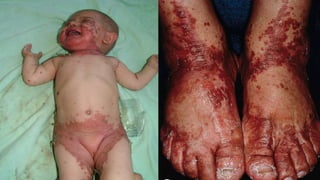
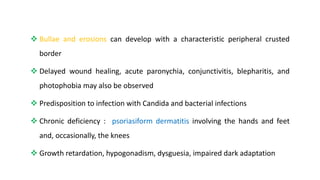
 Classic features include alopecia, diarrhea, lethargy, and an acute eczematous and erosive
dermatitis favoring acral areas—perioral, periocular, anogenital, hands, and feet
 Bullae and erosions can develop with a characteristic peripheral crusted
border
 Delayed wound healing, acute paronychia, conjunctivitis, blepharitis, and
photophobia may also be observed
 Predisposition to infection with Candida and bacterial infections
 Chronic deficiency : psoriasiform dermatitis involving the hands and feet
and, occasionally, the knees
 Growth retardation, hypogonadism, dysguesia, impaired dark adaptation
Management
 Low plasma zinc level is the gold standard for diagnosis
 If plasma zinc level is equivocal and the diagnosis is uncertain, skin biopsy may
be helpful
Biopsy : Psoriasiform hyperplasia with confluent parakeratosis, spongiosis and
pallor of the upper epidermis, focal dyskeratosis, and variable epidermal atrophy
Treatment :
0.5 to 1.0 mg/kg of elemental zinc given as one to two daily doses
Patients with AE require lifelong treatment
Iron
 Used in several biologic pathways, including heme synthesis, oxidation-
reduction reactions, collagen synthesis, and as a co-factor for various enzymes
 Animal sources, dried fruits, green leafy vegetables, jaggery are best sources
 Iron deficiency remains an international problem that crosses socioeconomic
and ethnic divide
 Groups at high risk include infants, menstruating females, and individuals with
chronic GI bleeds
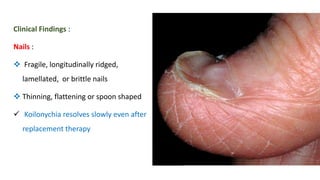
Clinical Findings :
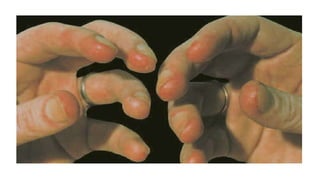
Nails :
 Fragile, longitudinally ridged,
lamellated, or brittle nails
 Thinning, flattening or spoon shaped
 Koilonychia resolves slowly even after
replacement therapy
Hairs :
 Lusterless, brittle, dry, and focally narrow or split hair shafts, likely caused by
impaired keratin production
 Heterochromia of black scalp hair with alternating segments of dark brown,
white, and silver bands
 Role of iron deficiency in hair loss : A controversy
J Am Acad Dermatol 2006 ;54(5):824-44
 Mucous membrane manifestations include aphthous stomatitis, angular
stomatitis, glossodynia, and absent or atrophied tongue papillae.
 Generalized pruritus of variable severity has been reported in some
individuals with iron deficiency
 Treatment involves appropriate iron supplementation.
Hemochromatosis
 Hyperpigmentation (brownish bronze or slate gray) and ichthyosis-like changes of
the skin are seen.
 Cutaneous hyperpigmentation is seen in more than 90% of patients with idiopathic
hemochromatosis
 Hyperpigmentation is one of the earliest signs of the disease, tends to be most
pronounced on sun-exposed skin.
 1/3 shows external genital hyperpigmentation and 1/5 shows flexural folds, scars,
and nipple areolae hyperpigmentation
 Associated findings are cirrhosis of the liver, diabetes mellitus, and
cardiomyopathy
 Chelation therapy and phlebotomy mainstay of treatment.
Vitamins
 Vitamins are biologically active organic compounds, which are indispensable for the
normal functions of the body.
 No direct function as an energy source or as structural tissue components.
 Act as coenzymes in various enzyme systems.
Fat Soluble Vitamins
Vitamin A, D, E, K
Water Soluble Vitamins
Vitamin B & C
Vitamin A
 Active forms: retinol, retinaldehyde & retinoic acid
 Retinal, the aldehyde form, functions in vision
 Retinoic acid, the physiologically most important vitamin A metabolite,
regulates many genes involved in biologic activities of cells
Functions :
1. Retinal is in photosensitive pigment in both rods (rhodopsin) & cones (iodopsin)
2. Needed for lysosomal membrane stability
3. Involved in keratinization, cornification, bone development & cell growth &
reproduction
Dietary sources :
 Pre-formed vitamin A : animal derived (liver, fish, eggs, milk, butter)
 Carotenoids (e.g., beta-carotene) : yellow and leafy green vegetables
(carrots, squash and spinach)
Deficiency :
 Poor absorption as in low-fat diet, malabsorption syndromes, etc.
 Low protein intake resulting in deficient carriers
 Increased excretion as in cancer & UTI
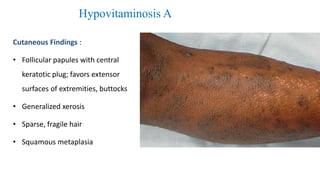
Hypovitaminosis A
Cutaneous Findings :
• Follicular papules with central
keratotic plug; favors extensor
surfaces of extremities, buttocks
• Generalized xerosis
• Sparse, fragile hair
• Squamous metaplasia
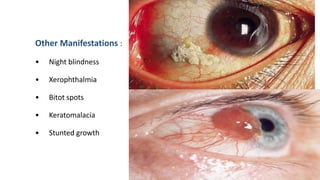
Other Manifestations :
• Night blindness
• Xerophthalmia
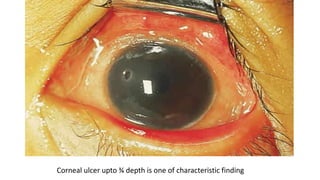
• Bitot spots
• Keratomalacia
• Stunted growth
Corneal ulcer upto ¾ depth is one of characteristic finding
Treatment
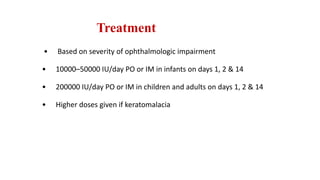
• Based on severity of ophthalmologic impairment
• 10000–50000 IU/day PO or IM in infants on days 1, 2 & 14
• 200000 IU/day PO or IM in children and adults on days 1, 2 & 14
• Higher doses given if keratomalacia
Hypervitaminosis A
 Toxicity typically results when intake exceeds 20 times the RDA in a child or 100
times the RDA in an adult.
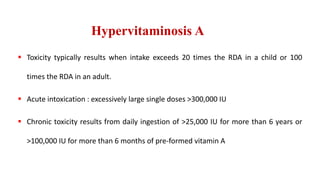
 Acute intoxication : excessively large single doses >300,000 IU
 Chronic toxicity results from daily ingestion of >25,000 IU for more than 6 years or
>100,000 IU for more than 6 months of pre-formed vitamin A
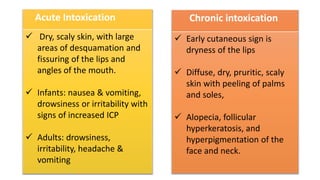
Acute Intoxication
 Dry, scaly skin, with large
areas of desquamation and
fissuring of the lips and
angles of the mouth.
 Infants: nausea & vomiting,
drowsiness or irritability with
signs of increased ICP
 Adults: drowsiness,
irritability, headache &
vomiting
Chronic intoxication
 Early cutaneous sign is
dryness of the lips
 Diffuse, dry, pruritic, scaly
skin with peeling of palms
and soles,
 Alopecia, follicular
hyperkeratosis, and
hyperpigmentation of the
face and neck.
Treatment
 Discontinuation of excess intake
 All symptoms reverse to normal except liver cirrhosis and
pseudotumor cerebri
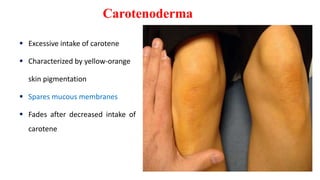
Carotenoderma
 Excessive intake of carotene
 Characterized by yellow-orange
skin pigmentation
 Spares mucous membranes
 Fades after decreased intake of
carotene
Vitamin K
 Naturally occurring vitamin K abundant in pork, liver, soybeans & green
leafy vegetables
 Synthesize by intestinal microorganisms
 Required for normal clotting of blood
 Vitamin K-dependent clotting factors:
● Prothrombin (Factor II)
● Proconvertin (Factor VII)
● Plasma thromboplastin component or PTC (Factor IX)
● Stuart-Prower factor (Factor X
Clinical Findings
 Hemorrhagic manifestations are the hallmark, leads to ecchymoses and
purpura
 Bleeding in the newborn from the cord or circumcision site
 GIT bleeding, hematuria & intracranial hemorrhage
 Anemia & shock may ensue from severe blood loss
Treatment
 Acute treatment of vitamin K deficiency with hemorrhage is with fresh frozen
plasma to replace deficient coagulation factors.
 Parenteral or intramuscular 5 to 10 mg vitamin K per day
Thiamine
 Cofactor to enzymes in energy metabolism
 Obtained from whole grains, enriched bread products, dried peas and
beans, potatoes, and fish
 Polished rice eliminates the thiamine containing husk
 Deficiency show up in quickly growing tissues such as epithelium and cells
using lots of energy like nerve cells and cardiac muscles
Beriberi
 Wet beriberi : generalized edema, acute cardiac symptoms and prompt
response to thiamine administration
 Dry beriberi : peripheral neuritis with neurological disorders
 Glossitis and glossodynia
 Treated with 50-100mg IV or IM thiamine for 7-14 days
Riboflavin
 FMN and FAD involved in oxidation-reduction reactions in cellular respiration
and oxidative phosphorylation
 Source : Dairy products, meat, nuts, eggs, whole grain and enriched bread
products, fatty fish, and green leafy vegetables
 Visible light phototherapy causes photodecomposition of riboflavin
 Chlorpromazine and other tricyclic drugs inhibit transport of riboflavin in the
gastrointestinal tract
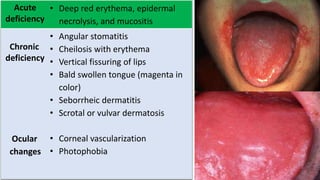
Acute
deficiency
• Deep red erythema, epidermal
necrolysis, and mucositis
Chronic
deficiency
Ocular
changes
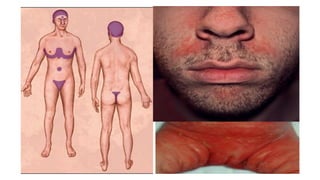
• Angular stomatitis
• Cheilosis with erythema
• Vertical fissuring of lips
• Bald swollen tongue (magenta in
color)
• Seborrheic dermatitis
• Scrotal or vulvar dermatosis
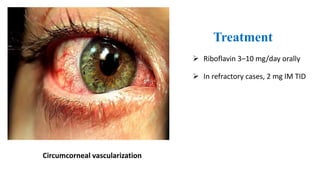
• Corneal vascularization
• Photophobia
Circumcorneal vascularization
Treatment
 Riboflavin 3–10 mg/day orally
 In refractory cases, 2 mg IM TID
Niacin
• Vital oxidation–reduction reactions
• Biosynthesis of epidermal lipids, e.g. ceramides
Deficiency :
 Maize and Jowar rich diet
 Carcinoid syndrome
 Hartnup disease
 Isoniazid
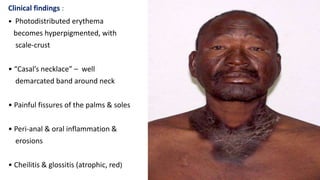
Clinical findings :
• Photodistributed erythema
becomes hyperpigmented, with
scale-crust
• “Casal’s necklace” – well
demarcated band around neck
• Painful fissures of the palms & soles
• Peri-anal & oral inflammation &
erosions
• Cheilitis & glossitis (atrophic, red)
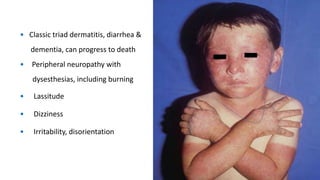
• Classic triad dermatitis, diarrhea &
dementia, can progress to death
• Peripheral neuropathy with
dysesthesias, including burning
• Lassitude
• Dizziness
• Irritability, disorientation
Treatment
• Mild cases – nicotinic acid 50 mg TID orally
• If symptomatic, nicotinic acid 25 mg TID IV
Pyridoxine
• Cofactor for multiple enzymes involved in amino acid metabolism and
conversion of linoleic acid to arachidonic acid
• Ceramide synthesis
• Gluconeogenesis & heme biosynthesis
Deficiency :
• Other vitamin or trace element deficiencies (metabolism of B6 is dependent
on riboflavin, niacin & zinc)
• Medications : isoniazid, anticonvulsants, penicillamine, hydralazine, oral
contraceptives, corticosteroids
• Periorificial seborrheic dermatitis-like lesions
• Angular cheilitis, stomatitis
• Glossitis – atrophic with ulceration
• Conjunctivitis
• Intertrigo
• Neurologic symptoms including peripheral neuropathy, somnolence, confusion
& seizures
Treatment :
• Pyridoxine 50–100 mg/day PO to prevent neuropathy
• 100 mg/day IV in those with seizures
Biotin
• Essential cofactor for several carboxylases involved in cellular metabolism
• Plays role in gluconeogenesis
• Animal sources like liver, meat and eggs are best sources
• Synthesized in gut by bacterial flora
Deficiency :
 Excessive raw egg white consumption
 Chronic anticonvulsant therapy
 Inborn error of metabolism
Cutaneous findings :
• Alopecia
• Seborrheic dermatitis
• Nummular eczema
• Blepharitis, conjunctivitis
• Erythroderma in neonatal form
• Juvenile form may resemble
acrodermatitis enteropathica
Systemic findings :
• Depression, lassitude
• Anorexia, nausea & vomiting
• Paresthesias
• Hypotonia, muscle pain
• Developmental delay, hearing loss
• Seizures, ataxia
 Genetic forms can be fatal (Holocorboxylase and Biotinidase deficiency)
Treatment :
• Infants & children – 5–20 mg/day PO or IM
• Adults : 10 – 40 mg/day PO or IM
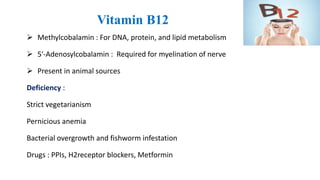
Vitamin B12
 Methylcobalamin : For DNA, protein, and lipid metabolism
 5′-Adenosylcobalamin : Required for myelination of nerve
 Present in animal sources
Deficiency :
Strict vegetarianism
Pernicious anemia
Bacterial overgrowth and fishworm infestation
Drugs : PPIs, H2receptor blockers, Metformin
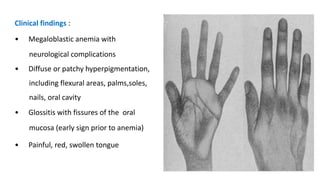
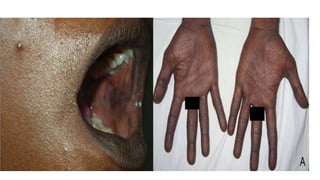
Clinical findings :
• Megaloblastic anemia with
neurological complications
• Diffuse or patchy hyperpigmentation,
including flexural areas, palms,soles,
nails, oral cavity
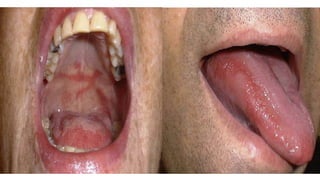
• Glossitis with fissures of the oral
mucosa (early sign prior to anemia)
• Painful, red, swollen tongue
 Pernicious anemia : decrease in gastric intrinsic factor, associated with
vitiligo, alopecia areata
Treatment
 Oral supplementation is not recommended due to poor absorption
 30 μg administered via the IM or SC route for 5 to 10 days, followed by 100
to 200 μg per month is recommended
Vitamin C
• Collagen formation
• Cofactor for several enzymes, e.g. lysyl hydroxylase
• Antioxidant
• Iron absorption
• Folate metabolism (folic acid to active form folinic acid)
Dietery Source : Fresh fruits & vegetables
 Deficient intake for as few as 3 months can lead to scurvy
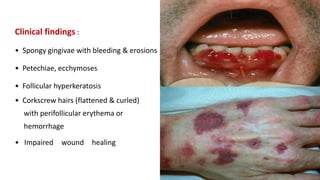
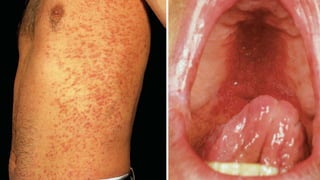
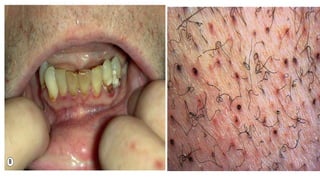
Clinical findings :
• Spongy gingivae with bleeding & erosions
• Petechiae, ecchymoses
• Follicular hyperkeratosis
• Corkscrew hairs (flattened & curled)
with perifollicular erythema or
hemorrhage
• Impaired wound healing
Clinical Findings :
• Subperiosteal hemorrhage with “pseudoparalysis”, especially in children
• Arthralgias, joint swelling, edema
• Weakness, malaise, depression
• Vasomotor instability
• GI tract, cerebral & femoral sheath hemorrhages
Management :
• Positive Rumpel–Leede capillary fragility test
• Adults: 800 mg/day orally
• Children: 150 mg/day orally
Essential Fatty Acids
 They are also called as poly unsaturated fatty acids (PUFA).
 Three EFAs - Linoleic acid
- Linolenic acid
- Arachidonic acid
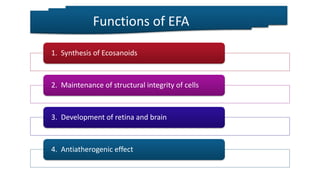
Functions of EFA
1. Synthesis of Ecosanoids
2. Maintenance of structural integrity of cells
3. Development of retina and brain
4. Antiatherogenic effect
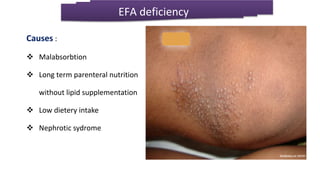
Causes :
 Malabsorbtion
 Long term parenteral nutrition
without lipid supplementation
 Low dietery intake
 Nephrotic sydrome
EFA deficiency
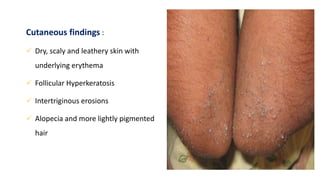
Cutaneous findings :
 Dry, scaly and leathery skin with
underlying erythema
 Follicular Hyperkeratosis
 Intertriginous erosions
 Alopecia and more lightly pigmented
hair
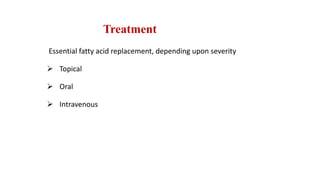
Treatment
Essential fatty acid replacement, depending upon severity
 Topical
 Oral
 Intravenous
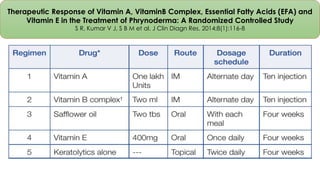
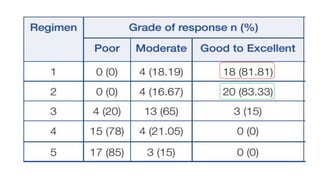
Therapeutic Response of Vitamin A, VitaminB Complex, Essential Fatty Acids (EFA) and
Vitamin E in the Treatment of Phrynoderma: A Randomized Controlled Study
S R, Kumar V J, S B M et al. J Clin Diagn Res. 2014;8(1):116-8
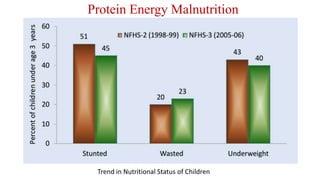
Protein Energy Malnutrition
Trend in Nutritional Status of Children
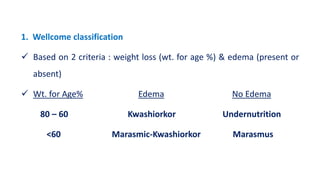
1. Wellcome classification
 Based on 2 criteria : weight loss (wt. for age %) & edema (present or
absent)
 Wt. for Age% Edema No Edema
80 – 60 Kwashiorkor Undernutrition
<60 Marasmic-Kwashiorkor Marasmus
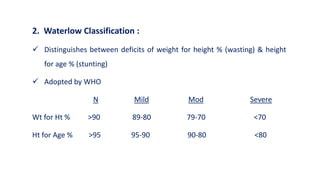
2. Waterlow Classification :
 Distinguishes between deficits of weight for height % (wasting) & height
for age % (stunting)
 Adopted by WHO
N Mild Mod Severe
Wt for Ht % >90 89-80 79-70 <70
Ht for Age % >95 95-90 90-80 <80
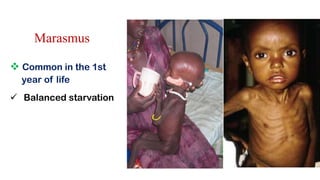
Marasmus
 Common in the 1st
year of life
 Balanced starvation
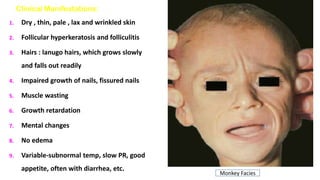
Clinical Manifestations:
1. Dry , thin, pale , lax and wrinkled skin
2. Follicular hyperkeratosis and folliculitis
3. Hairs : lanugo hairs, which grows slowly
and falls out readily
4. Impaired growth of nails, fissured nails
5. Muscle wasting
6. Growth retardation
7. Mental changes
8. No edema
9. Variable-subnormal temp, slow PR, good
appetite, often with diarrhea, etc.
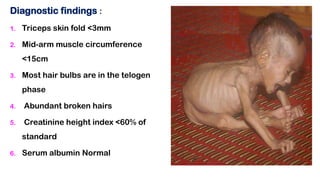
Monkey Facies
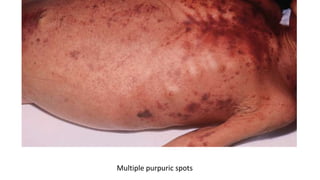
Multiple purpuric spots
Diagnostic findings :
1. Triceps skin fold <3mm
2. Mid-arm muscle circumference
<15cm
3. Most hair bulbs are in the telogen
phase
4. Abundant broken hairs
5. Creatinine height index <60% of
standard
6. Serum albumin Normal
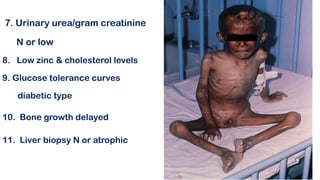
7. Urinary urea/gram creatinine
N or low
8. Low zinc & cholesterol levels
9. Glucose tolerance curves
diabetic type
10. Bone growth delayed
11. Liver biopsy N or atrophic
Treatment
 Treat cautiously, slowly replacing proteins and calories, allowing
readaptation of metabolic and intestinal functions
 Supplementation with linoleic acid and zinc
 Monitor for hypophosphatemia and cardiorespiratory failure
(associated with overly aggressive nutritional replacement)
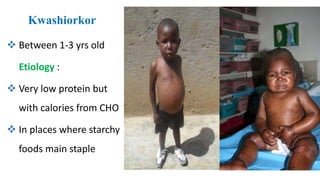
Kwashiorkor
 Between 1-3 yrs old
Etiology :
 Very low protein but
with calories from CHO
 In places where starchy
foods main staple
Clinical Findings :
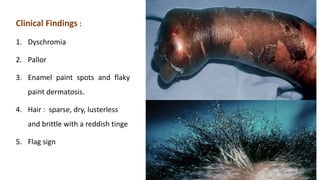
1. Dyschromia
2. Pallor
3. Enamel paint spots and flaky
paint dermatosis.
4. Hair : sparse, dry, lusterless
and brittle with a reddish tinge
5. Flag sign
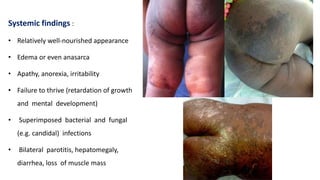
Systemic findings :
• Relatively well-nourished appearance
• Edema or even anasarca
• Apathy, anorexia, irritability
• Failure to thrive (retardation of growth
and mental development)
• Superimposed bacterial and fungal
(e.g. candidal) infections
• Bilateral parotitis, hepatomegaly,
diarrhea, loss of muscle mass
Diagnostic Findings
• Hypoalbuminemia (<2.5 g/dl)
• Total iron-binding capacity <200 ɱg/dl
• Peripheral lymphocyte count <1500/ɱl
• Decreased number of anagen hair follicles and increased number of telogen
follicles
• Structural abnormalities in anagen follicles – severe atrophy, shaft constriction,
depletion of pigment
Treatment
• Aggressive nutritional support is indicated to rapidly restore metabolic balance;
correction of any electrolyte disturbances or hypoglycemia
• Institute diet with adequate protein and caloric
• Identify and attempt to treat underlying cause(s), including bacterial and parasitic
disease
Nutritional disorders of Skin

Nutritional disorders of Skin

  • 1.
  • 2.
    FOOD • Food isany substance which an individual takes, digests and assimilates to derive nutritive requirement for maintaining growth and physical well being. NUTRITION • Dynamic process concerned with ingestion, digestion, absorption and assimilation of food for nourishing the body.
  • 3.
    NUTRIENTS Nutrients are theconstituents of food necessary to sustain the normal function of the body. 1. Macronutrients CHO, protein, fat, Ca, Na, K, Mg, Cl & PO4. 2. Micronutrients Vitamins, trace elements.
  • 4.
    NUTRIENTS Nutrients are theconstituents of food necessary to sustain the normal function of the body. 1. Macronutrients CHO, protein, fat, Ca, Na, K, Mg, Cl & PO4. 2. Micronutrients Vitamins, trace elements.
  • 5.
    ESSENTIAL NUTRIENTS  Eithercannot be synthesized in body or cannot be synthesized in adequate amount to meet the needs of the body. 1. Certain amino acids. 2. Certain fatty acids. 3. Vitamins. 4. Minerals.
  • 6.
    Malnutrition A pathological stateresulting from : Relative or absolute deficiency Excess of one or more nutrient Biomed Environ Sci 2001 ; 14(4):283-91
  • 7.
    Forms of Malnutrition 1.Undernutrition : Marasmus 2. Overnutrition : Obesity, Hypervitaminoses 3. Specific Deficiency : Kwashiorkor, Hypovitaminoses, Mineral Deficiencies 4. Imbalance : Electrolyte Imbalance
  • 8.
    • Community-based cross-sectionalstudy : • 71,591 preschool children were screened for ocular signs • 3,291 preschool children and 6,616 adolescents screened for hemoglobin Results : Bitot's spots : 0.8% Anemia : 67% in preschool children 69% in Adolescents Prevalence and determinants of micronutrient deficiencies among rural children of eight states in India Laxmaiah A, Arlappa N, Balakrishna N et al. Ann Nutr Metab. 2013;62(3):231-41
  • 9.
    • Sample Size: 109, nonpregnant rural and tribal women (18-30 Y) • Result - Concurrent micronutrient deficiencies are prevalent in nonpregnant rural and tribal women from central India Menon KC, Skeaff SA, Thomson CD et al. Nutrition. 2011 ;27(4):496-502 Anaemia 66% Zinc 52% Vitamin B12 34% Retinol 4% Folate 2%
  • 10.
    Minerals Minerals are inorganicelements or substances required by the organism in very small amounts for maintenance of vital processes essential for life. 1. Principal elements/macrominerals K, Ca, Mg, Na, P, S and Cl. 2. Trace elements/ microminerals Iron , Zinc, Copper, Selenium, Fluoride, Iodine, Cobalt, Molybdenum, Silicon,Nickel, Tin, Cromium
  • 11.
    Zinc Status inSouth Asian Populations—An Update Saeed Akhtar, J Health Popul Nutr. Jun 2013; 31(2): 139–149.  Prevalence of zinc deficiency in developing countries is very common, and 61% of the population is at an increased risk of low dietary zinc intake  52% non-pregnant women of central India suffered from zinc deficiency  Cutoff level ≤65 μg/dL : reporting an overall zinc deficiency of 43.8% in children from low socioeconomic group Orissa : 51.3% Uttar Pradesh : 48.1% Gujarat : 44.2% Madhya Pradesh : 38.9% Karnataka : 36.2%
  • 12.
     Cross sectional: 260 adolescent (schoolchildren, 114 males) in the age group of 11-18 years  Serum zinc was estimated using Inductively coupled plasma mass spectrometer.  49.4% children (50.8% males, 48.2% females) were found to have a deficient zinc nutriture Zinc deficiency amongst adolescents in Delhi Kapil U, Toteja GS, Rao S et al. Indian Pediatr. 2011;48(12):981-2
  • 13.
    Zinc  Essential componentof many metalloenzymes involved in a variety of metabolic pathways and cellular functions  Adequate zinc levels are also important for wound healing and for T-cell, neutrophil, and natural killer cell function  Meat & fish are best dietery sources  Human breast milk contains very high levels of zinc during the first 1 to 2 months of lactation  Also contains a zinc-binding ligand that increases the bioavailability
  • 14.
     Total bodyzinc is stored primarily in the bones, skin, muscles and prostate, there is no free exchange of stored zinc Deficiency : 1. Hereditary type 2. Non-hereditary type  Low grade, marginal, nonhereditary zinc deficiency is far more common I. Early weaning II. Excessive calcium intake III. Phytate in diet IV. Cutaneous burn, Exfoliative dermatitis V. Nephrotic syndrome
  • 15.
    Acrodermatitis Enteropathica  Classicallypresents during infancy on weaning from breast milk to formula or cereal, which have lower zinc bioavailability than breast milk  Defect in intestinal zinc transporter, the human ZIP4 protein  Genetic locus for acrodermatitis entropathica on chromosome 8q24.3
  • 16.
    Clinical findings  Classicfeatures include alopecia, diarrhea, lethargy, and an acute eczematous and erosive dermatitis favoring acral areas—perioral, periocular, anogenital, hands, and feet
  • 18.
     Bullae anderosions can develop with a characteristic peripheral crusted border  Delayed wound healing, acute paronychia, conjunctivitis, blepharitis, and photophobia may also be observed  Predisposition to infection with Candida and bacterial infections  Chronic deficiency : psoriasiform dermatitis involving the hands and feet and, occasionally, the knees  Growth retardation, hypogonadism, dysguesia, impaired dark adaptation
  • 20.
    Management  Low plasmazinc level is the gold standard for diagnosis  If plasma zinc level is equivocal and the diagnosis is uncertain, skin biopsy may be helpful Biopsy : Psoriasiform hyperplasia with confluent parakeratosis, spongiosis and pallor of the upper epidermis, focal dyskeratosis, and variable epidermal atrophy Treatment : 0.5 to 1.0 mg/kg of elemental zinc given as one to two daily doses Patients with AE require lifelong treatment
  • 21.
    Iron  Used inseveral biologic pathways, including heme synthesis, oxidation- reduction reactions, collagen synthesis, and as a co-factor for various enzymes  Animal sources, dried fruits, green leafy vegetables, jaggery are best sources  Iron deficiency remains an international problem that crosses socioeconomic and ethnic divide  Groups at high risk include infants, menstruating females, and individuals with chronic GI bleeds
  • 22.
    Clinical Findings : Nails:  Fragile, longitudinally ridged, lamellated, or brittle nails  Thinning, flattening or spoon shaped  Koilonychia resolves slowly even after replacement therapy
  • 23.
    Hairs :  Lusterless,brittle, dry, and focally narrow or split hair shafts, likely caused by impaired keratin production  Heterochromia of black scalp hair with alternating segments of dark brown, white, and silver bands  Role of iron deficiency in hair loss : A controversy J Am Acad Dermatol 2006 ;54(5):824-44
  • 24.
     Mucous membranemanifestations include aphthous stomatitis, angular stomatitis, glossodynia, and absent or atrophied tongue papillae.  Generalized pruritus of variable severity has been reported in some individuals with iron deficiency  Treatment involves appropriate iron supplementation.
  • 25.
    Hemochromatosis  Hyperpigmentation (brownishbronze or slate gray) and ichthyosis-like changes of the skin are seen.  Cutaneous hyperpigmentation is seen in more than 90% of patients with idiopathic hemochromatosis  Hyperpigmentation is one of the earliest signs of the disease, tends to be most pronounced on sun-exposed skin.  1/3 shows external genital hyperpigmentation and 1/5 shows flexural folds, scars, and nipple areolae hyperpigmentation
  • 26.
     Associated findingsare cirrhosis of the liver, diabetes mellitus, and cardiomyopathy  Chelation therapy and phlebotomy mainstay of treatment.
  • 27.
    Vitamins  Vitamins arebiologically active organic compounds, which are indispensable for the normal functions of the body.  No direct function as an energy source or as structural tissue components.  Act as coenzymes in various enzyme systems. Fat Soluble Vitamins Vitamin A, D, E, K Water Soluble Vitamins Vitamin B & C
  • 28.
    Vitamin A  Activeforms: retinol, retinaldehyde & retinoic acid  Retinal, the aldehyde form, functions in vision  Retinoic acid, the physiologically most important vitamin A metabolite, regulates many genes involved in biologic activities of cells Functions : 1. Retinal is in photosensitive pigment in both rods (rhodopsin) & cones (iodopsin) 2. Needed for lysosomal membrane stability 3. Involved in keratinization, cornification, bone development & cell growth & reproduction
  • 29.
    Dietary sources : Pre-formed vitamin A : animal derived (liver, fish, eggs, milk, butter)  Carotenoids (e.g., beta-carotene) : yellow and leafy green vegetables (carrots, squash and spinach) Deficiency :  Poor absorption as in low-fat diet, malabsorption syndromes, etc.  Low protein intake resulting in deficient carriers  Increased excretion as in cancer & UTI
  • 30.
    Hypovitaminosis A Cutaneous Findings: • Follicular papules with central keratotic plug; favors extensor surfaces of extremities, buttocks • Generalized xerosis • Sparse, fragile hair • Squamous metaplasia
  • 31.
    Other Manifestations : •Night blindness • Xerophthalmia • Bitot spots • Keratomalacia • Stunted growth
  • 32.
    Corneal ulcer upto¾ depth is one of characteristic finding
  • 33.
    Treatment • Based onseverity of ophthalmologic impairment • 10000–50000 IU/day PO or IM in infants on days 1, 2 & 14 • 200000 IU/day PO or IM in children and adults on days 1, 2 & 14 • Higher doses given if keratomalacia
  • 34.
    Hypervitaminosis A  Toxicitytypically results when intake exceeds 20 times the RDA in a child or 100 times the RDA in an adult.  Acute intoxication : excessively large single doses >300,000 IU  Chronic toxicity results from daily ingestion of >25,000 IU for more than 6 years or >100,000 IU for more than 6 months of pre-formed vitamin A
  • 35.
    Acute Intoxication  Dry,scaly skin, with large areas of desquamation and fissuring of the lips and angles of the mouth.  Infants: nausea & vomiting, drowsiness or irritability with signs of increased ICP  Adults: drowsiness, irritability, headache & vomiting Chronic intoxication  Early cutaneous sign is dryness of the lips  Diffuse, dry, pruritic, scaly skin with peeling of palms and soles,  Alopecia, follicular hyperkeratosis, and hyperpigmentation of the face and neck.
  • 36.
    Treatment  Discontinuation ofexcess intake  All symptoms reverse to normal except liver cirrhosis and pseudotumor cerebri
  • 37.
    Carotenoderma  Excessive intakeof carotene  Characterized by yellow-orange skin pigmentation  Spares mucous membranes  Fades after decreased intake of carotene
  • 38.
    Vitamin K  Naturallyoccurring vitamin K abundant in pork, liver, soybeans & green leafy vegetables  Synthesize by intestinal microorganisms  Required for normal clotting of blood  Vitamin K-dependent clotting factors: ● Prothrombin (Factor II) ● Proconvertin (Factor VII) ● Plasma thromboplastin component or PTC (Factor IX) ● Stuart-Prower factor (Factor X
  • 39.
    Clinical Findings  Hemorrhagicmanifestations are the hallmark, leads to ecchymoses and purpura  Bleeding in the newborn from the cord or circumcision site  GIT bleeding, hematuria & intracranial hemorrhage  Anemia & shock may ensue from severe blood loss Treatment  Acute treatment of vitamin K deficiency with hemorrhage is with fresh frozen plasma to replace deficient coagulation factors.  Parenteral or intramuscular 5 to 10 mg vitamin K per day
  • 40.
    Thiamine  Cofactor toenzymes in energy metabolism  Obtained from whole grains, enriched bread products, dried peas and beans, potatoes, and fish  Polished rice eliminates the thiamine containing husk  Deficiency show up in quickly growing tissues such as epithelium and cells using lots of energy like nerve cells and cardiac muscles
  • 41.
    Beriberi  Wet beriberi: generalized edema, acute cardiac symptoms and prompt response to thiamine administration  Dry beriberi : peripheral neuritis with neurological disorders  Glossitis and glossodynia  Treated with 50-100mg IV or IM thiamine for 7-14 days
  • 42.
    Riboflavin  FMN andFAD involved in oxidation-reduction reactions in cellular respiration and oxidative phosphorylation  Source : Dairy products, meat, nuts, eggs, whole grain and enriched bread products, fatty fish, and green leafy vegetables  Visible light phototherapy causes photodecomposition of riboflavin  Chlorpromazine and other tricyclic drugs inhibit transport of riboflavin in the gastrointestinal tract
  • 43.
    Acute deficiency • Deep rederythema, epidermal necrolysis, and mucositis Chronic deficiency Ocular changes • Angular stomatitis • Cheilosis with erythema • Vertical fissuring of lips • Bald swollen tongue (magenta in color) • Seborrheic dermatitis • Scrotal or vulvar dermatosis • Corneal vascularization • Photophobia
  • 45.
    Circumcorneal vascularization Treatment  Riboflavin3–10 mg/day orally  In refractory cases, 2 mg IM TID
  • 46.
    Niacin • Vital oxidation–reductionreactions • Biosynthesis of epidermal lipids, e.g. ceramides Deficiency :  Maize and Jowar rich diet  Carcinoid syndrome  Hartnup disease  Isoniazid
  • 47.
    Clinical findings : •Photodistributed erythema becomes hyperpigmented, with scale-crust • “Casal’s necklace” – well demarcated band around neck • Painful fissures of the palms & soles • Peri-anal & oral inflammation & erosions • Cheilitis & glossitis (atrophic, red)
  • 48.
    • Classic triaddermatitis, diarrhea & dementia, can progress to death • Peripheral neuropathy with dysesthesias, including burning • Lassitude • Dizziness • Irritability, disorientation
  • 49.
    Treatment • Mild cases– nicotinic acid 50 mg TID orally • If symptomatic, nicotinic acid 25 mg TID IV
  • 50.
    Pyridoxine • Cofactor formultiple enzymes involved in amino acid metabolism and conversion of linoleic acid to arachidonic acid • Ceramide synthesis • Gluconeogenesis & heme biosynthesis Deficiency : • Other vitamin or trace element deficiencies (metabolism of B6 is dependent on riboflavin, niacin & zinc) • Medications : isoniazid, anticonvulsants, penicillamine, hydralazine, oral contraceptives, corticosteroids
  • 51.
    • Periorificial seborrheicdermatitis-like lesions • Angular cheilitis, stomatitis • Glossitis – atrophic with ulceration • Conjunctivitis • Intertrigo • Neurologic symptoms including peripheral neuropathy, somnolence, confusion & seizures Treatment : • Pyridoxine 50–100 mg/day PO to prevent neuropathy • 100 mg/day IV in those with seizures
  • 52.
    Biotin • Essential cofactorfor several carboxylases involved in cellular metabolism • Plays role in gluconeogenesis • Animal sources like liver, meat and eggs are best sources • Synthesized in gut by bacterial flora Deficiency :  Excessive raw egg white consumption  Chronic anticonvulsant therapy  Inborn error of metabolism
  • 53.
    Cutaneous findings : •Alopecia • Seborrheic dermatitis • Nummular eczema • Blepharitis, conjunctivitis • Erythroderma in neonatal form • Juvenile form may resemble acrodermatitis enteropathica Systemic findings : • Depression, lassitude • Anorexia, nausea & vomiting • Paresthesias • Hypotonia, muscle pain • Developmental delay, hearing loss • Seizures, ataxia
  • 54.
     Genetic formscan be fatal (Holocorboxylase and Biotinidase deficiency) Treatment : • Infants & children – 5–20 mg/day PO or IM • Adults : 10 – 40 mg/day PO or IM
  • 55.
    Vitamin B12  Methylcobalamin: For DNA, protein, and lipid metabolism  5′-Adenosylcobalamin : Required for myelination of nerve  Present in animal sources Deficiency : Strict vegetarianism Pernicious anemia Bacterial overgrowth and fishworm infestation Drugs : PPIs, H2receptor blockers, Metformin
  • 56.
    Clinical findings : •Megaloblastic anemia with neurological complications • Diffuse or patchy hyperpigmentation, including flexural areas, palms,soles, nails, oral cavity • Glossitis with fissures of the oral mucosa (early sign prior to anemia) • Painful, red, swollen tongue
  • 59.
     Pernicious anemia: decrease in gastric intrinsic factor, associated with vitiligo, alopecia areata Treatment  Oral supplementation is not recommended due to poor absorption  30 μg administered via the IM or SC route for 5 to 10 days, followed by 100 to 200 μg per month is recommended
  • 60.
    Vitamin C • Collagenformation • Cofactor for several enzymes, e.g. lysyl hydroxylase • Antioxidant • Iron absorption • Folate metabolism (folic acid to active form folinic acid) Dietery Source : Fresh fruits & vegetables  Deficient intake for as few as 3 months can lead to scurvy
  • 61.
    Clinical findings : •Spongy gingivae with bleeding & erosions • Petechiae, ecchymoses • Follicular hyperkeratosis • Corkscrew hairs (flattened & curled) with perifollicular erythema or hemorrhage • Impaired wound healing
  • 64.
    Clinical Findings : •Subperiosteal hemorrhage with “pseudoparalysis”, especially in children • Arthralgias, joint swelling, edema • Weakness, malaise, depression • Vasomotor instability • GI tract, cerebral & femoral sheath hemorrhages Management : • Positive Rumpel–Leede capillary fragility test • Adults: 800 mg/day orally • Children: 150 mg/day orally
  • 65.
    Essential Fatty Acids They are also called as poly unsaturated fatty acids (PUFA).  Three EFAs - Linoleic acid - Linolenic acid - Arachidonic acid
  • 66.
    Functions of EFA 1.Synthesis of Ecosanoids 2. Maintenance of structural integrity of cells 3. Development of retina and brain 4. Antiatherogenic effect
  • 67.
    Causes :  Malabsorbtion Long term parenteral nutrition without lipid supplementation  Low dietery intake  Nephrotic sydrome EFA deficiency
  • 68.
    Cutaneous findings : Dry, scaly and leathery skin with underlying erythema  Follicular Hyperkeratosis  Intertriginous erosions  Alopecia and more lightly pigmented hair
  • 69.
    Treatment Essential fatty acidreplacement, depending upon severity  Topical  Oral  Intravenous
  • 70.
    Therapeutic Response ofVitamin A, VitaminB Complex, Essential Fatty Acids (EFA) and Vitamin E in the Treatment of Phrynoderma: A Randomized Controlled Study S R, Kumar V J, S B M et al. J Clin Diagn Res. 2014;8(1):116-8
  • 72.
    Protein Energy Malnutrition Trendin Nutritional Status of Children
  • 73.
    1. Wellcome classification Based on 2 criteria : weight loss (wt. for age %) & edema (present or absent)  Wt. for Age% Edema No Edema 80 – 60 Kwashiorkor Undernutrition <60 Marasmic-Kwashiorkor Marasmus
  • 74.
    2. Waterlow Classification:  Distinguishes between deficits of weight for height % (wasting) & height for age % (stunting)  Adopted by WHO N Mild Mod Severe Wt for Ht % >90 89-80 79-70 <70 Ht for Age % >95 95-90 90-80 <80
  • 75.
    Marasmus  Common inthe 1st year of life  Balanced starvation
  • 76.
    Clinical Manifestations: 1. Dry, thin, pale , lax and wrinkled skin 2. Follicular hyperkeratosis and folliculitis 3. Hairs : lanugo hairs, which grows slowly and falls out readily 4. Impaired growth of nails, fissured nails 5. Muscle wasting 6. Growth retardation 7. Mental changes 8. No edema 9. Variable-subnormal temp, slow PR, good appetite, often with diarrhea, etc. Monkey Facies
  • 77.
  • 78.
    Diagnostic findings : 1.Triceps skin fold <3mm 2. Mid-arm muscle circumference <15cm 3. Most hair bulbs are in the telogen phase 4. Abundant broken hairs 5. Creatinine height index <60% of standard 6. Serum albumin Normal
  • 79.
    7. Urinary urea/gramcreatinine N or low 8. Low zinc & cholesterol levels 9. Glucose tolerance curves diabetic type 10. Bone growth delayed 11. Liver biopsy N or atrophic
  • 80.
    Treatment  Treat cautiously,slowly replacing proteins and calories, allowing readaptation of metabolic and intestinal functions  Supplementation with linoleic acid and zinc  Monitor for hypophosphatemia and cardiorespiratory failure (associated with overly aggressive nutritional replacement)
  • 81.
    Kwashiorkor  Between 1-3yrs old Etiology :  Very low protein but with calories from CHO  In places where starchy foods main staple
  • 82.
    Clinical Findings : 1.Dyschromia 2. Pallor 3. Enamel paint spots and flaky paint dermatosis. 4. Hair : sparse, dry, lusterless and brittle with a reddish tinge 5. Flag sign
  • 83.
    Systemic findings : •Relatively well-nourished appearance • Edema or even anasarca • Apathy, anorexia, irritability • Failure to thrive (retardation of growth and mental development) • Superimposed bacterial and fungal (e.g. candidal) infections • Bilateral parotitis, hepatomegaly, diarrhea, loss of muscle mass
  • 84.
    Diagnostic Findings • Hypoalbuminemia(<2.5 g/dl) • Total iron-binding capacity <200 ɱg/dl • Peripheral lymphocyte count <1500/ɱl • Decreased number of anagen hair follicles and increased number of telogen follicles • Structural abnormalities in anagen follicles – severe atrophy, shaft constriction, depletion of pigment
  • 85.
    Treatment • Aggressive nutritionalsupport is indicated to rapidly restore metabolic balance; correction of any electrolyte disturbances or hypoglycemia • Institute diet with adequate protein and caloric • Identify and attempt to treat underlying cause(s), including bacterial and parasitic disease