

Role of
NUTRITION IN WOUND
HEALING
DR.Y.Prabhakara Rao
M.S.,M.Ch
 Nutrition is process by which a living organism
assimilates food & use it for growth, metabolism &
replacement of tissues.
 Adequate amounts of nutrients are needed for
synthesis of nucleic acids i.e. RNA & DNA
 Even brief period of malnutrition will have negative
effect on wound healing
 So nutrition plays an essential role in wound healing &
the goal of surgeon is to recognize when nutrition
support is necessary
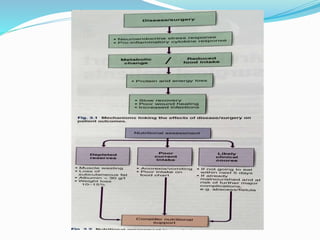
 Surgery , trauma, sepsis causes protein catabolic state
 Increased energy expenditure above the basal needs is
about
 10 % for elective surgery
 10-30% for trauma
 50-80% for sepsis
 100-200% for burns
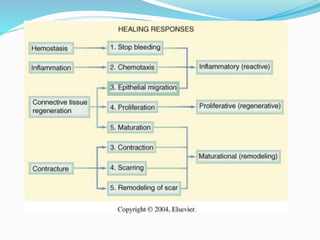
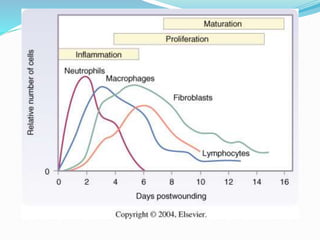
Stages of Wound Healing
 Nutrition plays a vital role throughout all
stages of wound healing
 Inflammatory Phase 2-5 days
 Proliferative Phase 2 days – 3 weeks
 Remodelling or Maturation Phase 3
weeks – 2years
Wound Healing
 A complex integrated sequence of cellular, physiologic,
and biochemical events initiated by the stimulus of
injury to tissue.
 The same events, in the same order, occur in every
healing process regardless of the tissue type or the
inciting injury.
Healing process
 The activation of basic cellular processes of
inflammation, cell proliferation, and growth as well as
regulation of these processes until repair is complete.
 All repair occurs with an overlapping series of
orchestrated events to limit the damage and restore
the function and integrity of the structure.
TISSUE RESPONSES TO INJURY
 Vascular events – transient vasoconstriction, active
vasodilatation, permeability change.
 Cellular events – platelets, neutophils, macrophages,
lymphocytes, fibroblasts, endothelial cells.
 Chemical mediators – vasoactive agents, chemotactic
factors, cytokines
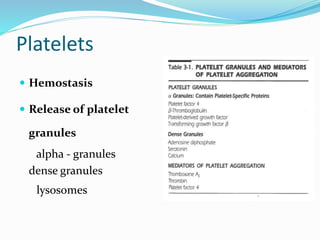
Platelets
 Hemostasis
 Release of platelet
granules
alpha - granules
dense granules
lysosomes
Neutrophils
 Protection against infection
 Intracellular products release
free radicals
cyclooxygenase products
lipooxygenase products
protease, antiprotease
band2 protein
Macrophages
 phagocytosis
 initiation of fibroplasia
 release cellular products
neutral protease, complement factors,
reactive oxygen metabolites,
growth factors, fibronectin,
interleukin 1, enzyme inhibitors
Cytokines in wound healing
 TGF-β
 PDGF
 FGF
 EGF
 IGF-1
 Etc. KGF, CTGF, TNF, interleukins
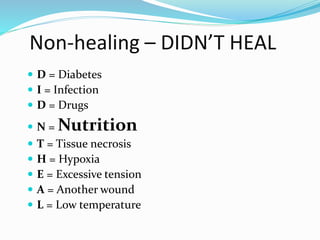
 D = Diabetes
 I = Infection
 D = Drugs
 N = Nutrition
 T = Tissue necrosis
 H = Hypoxia
 E = Excessive tension
 A = Another wound
 L = Low temperature
Non-healing – DIDN’T HEAL
Nutrition in wound healing
 Delayed or impaired wound healing may occur if
nutritional status is inadequate
 A nutritionally complete diet provides the optimum
environment for recovery and healing
 wounds heal faster
 strengthens immune system
 prevents development of further wounds
e.g. Pressure wounds
Malnutrition results in:
 Increased susceptibility to infection
 Poor wound healing (including
anastomotic breakdown/leakage, poor
graft adherence etc)
 Increased frequency of decubitus ulcers
 Bacterial overgrowth in the bowel
 Abnormal nutrient losses in the stool
Pre-op Nutritional Assessment
 Pre-op nutritional assessment is a key element of the
surgical history in non-emergent surgery; however, there
is no one single, simple and reliable technique for
assessing nutritional status
 On history, ask about chronic medical or comorbid
conditions (DM, IBD, CV disease,etc), recent
hospitalizations or current hospitalization, past surgery
(esp GI surgery) that may contribute to malnourishment
 Vitamin or mineral use
 Wt loss or gain, diet history
Physical Exam
 Head and Neck: hair loss, bitemporal wasting,
conjunctival pallor, xerosis, glossitis, bleeding/sore
gums, angular cheliosis, stomatitis, poor dentition,
thyromegaly
 Extremities: edema, muscle wasting, loss of sq fat
 Neurologic: evidence of peripheral neuropathy,
reflexes, tetany, decreased mental status
 Skin: ecchymosis, petechie, pallor, pressure ulcers,
wound problems/infection
Anthropometric measurements
 It is the science of assessing body size, weight &
proportions.
 BMI: body mass index (weight(kg)/height(m)
squared)
 BMI<18.5 implies nutritional impairment and a
BMI<15 is associated with significant mortality
 Unplanned weight loss of >10% over a six month
period is a good prognostic indicator of a poor clinical
outcome
 Others: triceps skinfold thickness and mid-arm
muscle circumference
 Dual X-ray absoptiometry ( DEXA) is used to assess
various body compartments – fat, muscle mass.
Laboratory investigations
 Protein status—affected by previous intake, muscle
mass, duration of current illness, blood loss, wound
healing, infection, GI absorption
 Serum albumin—3.5 to 5.5 g/dL, half life 18-20d; low levels
are markers of a negative catabolic state and a predictor of
poor outcome;
 Serum transferrin: 250-300 mg/dl half-life 8-9d; reflects
protein status over last 2-4wks; also reflects iron status
(therefore low value reflects decreased protein status only in
the setting of normal iron)
 Serum prealbumin (transthyretin) - 18 - 45 mg/dL
 Other tests: retinol-binding protein, BUN/creatinine,
Fe/vitamin levels (if indicated), Ca, Mg, PO4, Mg, TSH
Malnourishment
Weight loss (%):
Mild (80-90), moderate (70-80),
severe (<70)
Recent weight loss:
>5% over 1 month or >10% over 6
months signifies mod-severe
malnutrition
Nutritional indices
1. Creatinine height index (CHI)
2. Prognostic nutrition index (PNI)
3. Nutrition risk index (NRI)
4. Malnutritional universal screening tool (MUST)
• Weight status
• Unintentional weight loss
• Acute disease effect
Nutrition Requirements
Pre operative Post operative
 Calories: 25-35
kcals/kg
 Protein: 0.8-1 gm/kg
 Fluids: 30 mls/kg
 Calories:
 Increase to 30-40
kcals/kg
 Protein:
 Increase to 1-1.8
grams/kg
 Fluids:
 Individualized
KEY NUTRIENTS IN
WOUND HEALING
Macro‐nutrients
 Main sources of energy are:
 Carbohydrates
 Fat
 Protein
 Adequate energy intake is required to prevent
muscle loss, protein deficiency and
unintentional weight loss
 Energy requirements are higher for patients with
wounds (up to 45% higher)
Carbohydrate
 Constitute 55-60% of the diet
 Source of cellular energy 3.4 Kcal/gm
 Glucose – Glycogen
 Brain , RBC & WBC – depend only on glucose
 Caution in diabetics, insulin > 250 mg/dl
 Dietary sources: wholegrain breads & cereals,
fruits, starchy vegetables, rice, pasta & dairy
foods
Fat
 Constitute 20-25% of the diet
 Safe & concentrated source of energy – 9 Kcal/gm
 Key role in structure and function of cell
membranes
 Omega 3’s – inflammation reduction
 Transports fat soluble vitamins.
 Insulation
 Padding over bony prominence
 Dietary sources: meat, nuts & seeds, dairy
products, avocados, plant oils, oily fish.
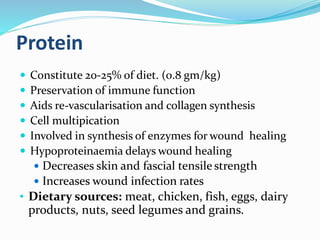
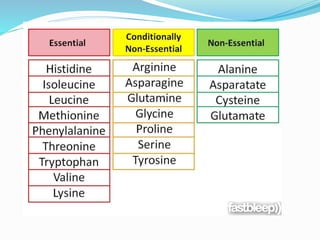
Protein
 Constitute 20-25% of diet. (0.8 gm/kg)
 Preservation of immune function
 Aids re‐vascularisation and collagen synthesis
 Cell multipication
 Involved in synthesis of enzymes for wound healing
 Hypoproteinaemia delays wound healing
 Decreases skin and fascial tensile strength
 Increases wound infection rates
• Dietary sources: meat, chicken, fish, eggs, dairy
products, nuts, seed legumes and grains.
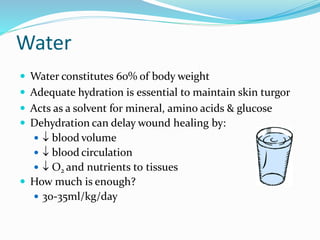
Water
 Water constitutes 60% of body weight
 Adequate hydration is essential to maintain skin turgor
 Acts as a solvent for mineral, amino acids & glucose
 Dehydration can delay wound healing by:
  blood volume
  blood circulation
  O2 and nutrients to tissues
 How much is enough?
 30‐35ml/kg/day
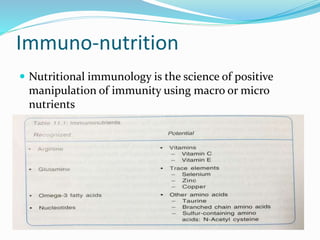
Immuno-nutrition
 Nutritional immunology is the science of positive
manipulation of immunity using macro or micro
nutrients
Immuno‐nutrients
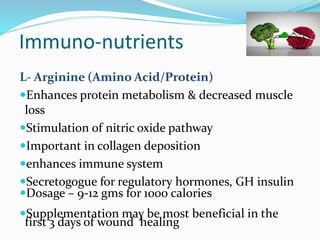
L- Arginine (Amino Acid/Protein)
Enhances protein metabolism & decreased muscle
loss
Stimulation of nitric oxide pathway
Important in collagen deposition
enhances immune system
Secretogogue for regulatory hormones, GH insulin
Dosage – 9-12 gms for 1000 calories
Supplementation may be most beneficial in the
first 3 days of wound healing
Immuno‐nutrients
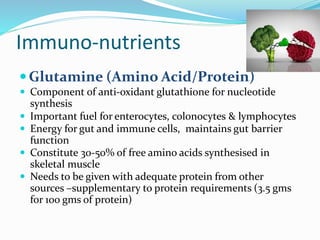
Glutamine (Amino Acid/Protein)
 Component of anti-oxidant glutathione for nucleotide
synthesis
 Important fuel for enterocytes, colonocytes & lymphocytes
 Energy for gut and immune cells, maintains gut barrier
function
 Constitute 30-50% of free amino acids synthesised in
skeletal muscle
 Needs to be given with adequate protein from other
sources –supplementary to protein requirements (3.5 gms
for 100 gms of protein)
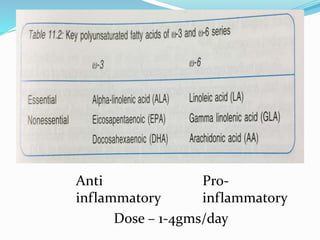
Anti
inflammatory
Pro-
inflammatory
Dose – 1-4gms/day
Nucleotides
 It is essential for RNA & DNA synthesis, cell
division, enzyme nutrition.
 Proliferation & functioning of phagocytes &
T cells
 Aids in liver regeneration
 Prevent gut mucosal atrophy
 Dose 1-2 gms/day
Vitamin
 Increases inflammatory response & stimulates collagen
synthesis
 Restore wound healing in diabetics & on steroids
 Improves colonic anastamotic healing
 Deficiency delays wound healing,  risk of infection
 Zn deficiency can impair absorption & metabolism of
Vitamin A
 Dietary sources: dairy products, eggs, fish,
oranges, dark green vegetables and red fruit and vegetables
 Daily requirement – 700-3000 IU/day
Vitamin C
 Essential for collagen synthesis and fibroblast formation,
angiogenesis
 Increased immunity due to anti-oxidant properties
 Increases iron absorption
 Deficiency results in capillary fragility
 Deficiencies can cause breakdown of already healed
wounds
 Should only be supplemented in patients with deficiency
 Dietary sources: citrus fruits, berries, capsicum,
tomato, green leafy vegetables
 Daily requirement – 60-200mg/day
Vitamin E
 Anti-oxidant
 Protects poly unsaturated fatty acids from oxidation by
free radicals
 Decreases scar formation – doubtful
 Inhibits collagen synthesis
 Dosage – 400 mg/day
Others
 In addition Vitamin B is given to enhance nervous &
immune function & to accelerate healing
 Vitamin K
 Vitamin D
 Calcium
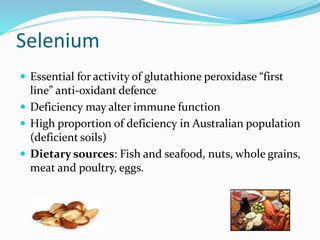
Selenium
 Essential for activity of glutathione peroxidase “first
line” anti‐oxidant defence
 Deficiency may alter immune function
 High proportion of deficiency in Australian population
(deficient soils)
 Dietary sources: Fish and seafood, nuts, whole grains,
meat and poultry, eggs.
Zinc
 Role in protein & collagen synthesis
 Component of 200 enzymes including DNA polymerase (in
cell proliferation)
 Deficiency =  wound strength
 Over supplementation will interfere with Cu & Fe
absorption
Adequate protein = Adequate
Zinc
 Dietary sources: eggs, seafood, red meat, poultry, milk
products and nuts
 Dosage – 15 mg/day
Copper
 Cofactor for several enzymes
 Role in maturation of collagen
 Impaired wound healing seen in deficiency
 Dietary sources: shellfish, whole grains, nuts, seeds,
dark green leafy veg, dried fruit.
Iron
Is a component of Hb – oxygen carrier
Promotes collagen production &
strengthening
Increased absorption with vitamin C
Dosage – 8 mg/day
What is nutrition support?
 An alternate means of providing nutrients to people
who cannot eat any or enough food
 When is it needed?
 Illness resulting in inability to take in adequate nutrients by
mouth
 Illness or surgery that results in malfunctioning
gastrointestinal tract
 Two types:
 Enteral nutrition
 Parenteral nutrition
Indications
Patient who can’t eat
Patient who won’t eat
Patient who shouldn’t eat
Patient who can’t eat enough
“If the gut works, use it.”
Indications
 Those who do not eat: anorexia nervosa,
 Those who can not eat: esophageal stenosis,
prolonged ileus,
 Those who are not allowed to eat: gastrointestinal
fistula, inflammatory bowel disease, radiation
enteritis, GI chemo toxicity, pancreatitis,
tracheoesophageal fistula, massive intestinal atresia.
Indications
 Those who are not eating enough: short bowel
syndrome, burns, sepsis
 Those who cant manage what they eat: hepatic
failure
 Others: renal failure, major surgeries.
General Conditions Suggesting
Initiation of Nutrition Support
 Poor nutritional status (oral intake <50% of energy
needs)
 Significant weight loss (>10%)
 Anticipated duration of artificial nutrition longer than 7
days
 More than 7 days inanition
 Serum albumin <3 g/dL in the absence of an
inflammatory state
 Adaptive phase of short bowel syndrome
 Following severe trauma or burns
Contraindications to Enteral Nutrition
Support
 Malnourished patient expected to eat within 5-7 days
 Severe acute pancreatitis
 High output enteric fistula distal to feeding tube
 Inability to gain access
 Intractable vomiting or diarrhea
 Aggressive therapy not warranted
 Expected need less than 5-7 days if malnourished or
7-9 days if normally nourished
Enteral Access Devices
 Nasogastric
 Nasoenteric
 Gastrostomy
 PEG (percutaneous endoscopic gastrostomy)
 Surgical or open gastrostomy
 Jejunostomy
 PEJ (percutaneous endoscopic jejunostomy)
 Surgical or open jejunostomy
 Transgastric Jejunostomy
 PEG-J (percutaneous endoscopic trans gastric-jejunostomy)
 Surgical or open trans gastric-jejunostomy
Gastric vs. Small Bowel Access
 “If the stomach empties, use it.”
 Indications to consider small bowel access:
 Gastroparesis / gastric ileus
 Recent abdominal surgery
 Sepsis
 Significant gastroesophageal reflux
 Pancreatitis
 Aspiration
 Ileus
 Proximal enteric fistula or obstruction
Feeding Tube Selection
 Can the patient be fed into the stomach, or is small bowel
access required?
 How long will the patient need tube feedings?
Short-Term vs. Long-Term Tube Feeding Access
 No standard of care for cut-off time between short-term
and long-term access
 However, if patient is expected to require nutrition support
longer than 6-8 weeks, long-term access should be
considered
Choosing Appropriate Formulas
 Categories of enteral formulas:
 Polymeric
 Whole protein nitrogen source, for use in patients with normal or
near normal GI function
 Monomeric or elemental
 Predigested nutrients; most have a low fat content or high % of
MCT oil (medium-chain triglycerides); for use in patients with
severely impaired GI function
 Disease specific
 Formulas are available for respiratory disease, diabetes, renal
failure, hepatic failure, and immune compromise
*well-designed clinical trials may or may not be available
Enteral Nutrition Prescription Guidelines
 Gastric feeding
 Continuous feeding:
 Start at rate 30 mL/hour
 Advance in increments of 20 mL q 8 hours to goal
 Check gastric residuals q 4 hours
 Bolus feeding:
 Start with 100-120 mL bolus
 Increase by 60 mL q bolus to goal volume
 Typical bolus frequency every 3-8 hours
 Small bowel feeding
 Continuous feeding only; do not bolus due to risk of dumping
syndrome
 Start at rate 20 mL/hour
 Advance in increments of 20 mL q 8 hours to goal
 Do not check gastric residuals
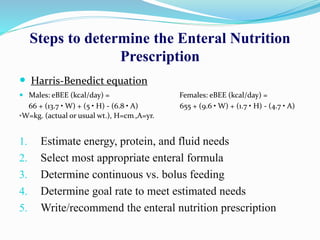
Steps to determine the Enteral Nutrition
Prescription
 Harris-Benedict equation
 Males: eBEE (kcal/day) = Females: eBEE (kcal/day) =
66 + (13.7 • W) + (5 • H) - (6.8 • A) 655 + (9.6 • W) + (1.7 • H) - (4.7 • A)
*W=kg. (actual or usual wt.), H=cm.,A=yr.
1. Estimate energy, protein, and fluid needs
2. Select most appropriate enteral formula
3. Determine continuous vs. bolus feeding
4. Determine goal rate to meet estimated needs
5. Write/recommend the enteral nutrition prescription
Enteral Nutrition Prescription
 Tube feeding via PEG with full strength
 Initiate at 30 mL/hour, advance by 20 mL q 8 hours to
goal
 Goal rate = 55 mL/hour continuous infusion
 Above goal will provide 1584 kcal, 73g protein, 1069 mL free
H2O
 Give additional free H2O 175 mL QID to meet
hydration needs and keep tube patent
 Check gastric residuals q 4 hours; hold feeds for
residual > 200 mL
 Keep HOB > 30° at all times
Complications of Enteral Nutrition
1. Mechanical – aspiration, sinusitis, airway
obstruction, nasal necrosis, displacement, occlusion
of the tube, rarely perforation
2. Functional – nausea, vomiting, abdominal
distension, constipation, diarrhea, bacterial
overgrowth
3. Metabolic – hyperglycemia, hyperosmotic non-
ketotic coma
What is parenteral nutrition?
 Parenteral Nutrition
 also called "total parenteral nutrition," "TPN," or
"hyperalimentation."
 It is a special liquid mixture given into the blood via a
catheter in a vein.
 The mixture contains all the protein, carbohydrates, fat,
vitamins, minerals, and other nutrients needed.
Indications for Parenteral Nutrition Support
 Malnourished patient expected to be unable to eat > 5-7
days AND enteral nutrition is contraindicated
 Patient failed enteral nutrition trial with appropriate tube
placement (post-pyloric)
 Enteral nutrition is contraindicated or severe GI
dysfunction is present
 Paralytic ileus, mesenteric ischemia, small bowel
obstruction, enteric fistula distal to enteral access sites
The gut should always be the preferred
route for nutrient administration.
If you are going to start TPN, there
needs to be a reason why you cant use
EN.
PPN vs. TPN
 TPN (total parenteral nutrition)
 High glucose concentration (15%-25% final dextrose
concentration)
 Provides a hyperosmolar formulation (1300-1800 mOsm/L)
 Must be delivered into a large-diameter vein through central
line.
 PPN (peripheral parenteral nutrition)
 Similar nutrient components as TPN, but lower concentration
(5%-10% final dextrose concentration)
 Osmolarity < 900 mOsm/L (maximum tolerated by a
peripheral vein)
 May be delivered into a peripheral vein
 Because of lower concentration, large fluid volumes are
needed to provide a comparable calorie and protein dose as
TPN
Parenteral Access Devices
 Peripheral venous access
 Catheter placed percutaneously into a peripheral vessel
 Central venous access (catheter tip in SVC)
 Percutaneous jugular, femoral, or subclavian catheter
 Implanted ports (surgically placed)
 PICC (peripherally inserted central catheter)
Writing TPN prescriptions
1. Determine total volume of formulation based on individual
patient fluid needs
2. Determine amino acid (protein) content
Adequate to meet patient’s estimated needs
3. Determine dextrose (carbohydrate) content
~70-80% of non-protein calories
4. Determine lipid (fat) content
~20-30% non-protein calories
5. Determine electrolyte needs
6. Determine acid/base status
7. Check to make sure desired formulation will fit in the total
volume indicated
Parenteral Nutrition Monitoring
Check daily electrolytes and adjust
TPN/PPN electrolyte additives
accordingly
Check glucose 6th hourly
Check triglyceride level within 24
hours of starting TPN/PPN
Check LFT’s weekly
Check pre-albumin weekly
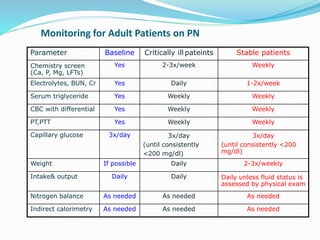
Monitoring for Adult Patients on PN
Parameter Baseline Critically ill pateints Stable patients
Chemistry screen
(Ca, P, Mg, LFTs)
Yes 2-3x/week Weekly
Electrolytes, BUN, Cr Yes Daily 1-2x/week
Serum triglyceride Yes Weekly Weekly
CBC with differential Yes Weekly Weekly
PT,PTT Yes Weekly Weekly
Capillary glucose 3x/day 3x/day
(until consistently
<200 mg/dl)
3x/day
(until consistently <200
mg/dl)
Weight If possible Daily 2-3x/weekly
Intake& output Daily Daily Daily unless fluid status is
assessed by physical exam
Nitrogen balance As needed As needed As needed
Indirect calorimetry As needed As needed As needed
Indicators of monitoring
 Growth
 Metabolic
 Clinical observations
Monitoring
 Growth
 Weight
 Height/Length
 Head circumference
 Metabolic
 E’lytes, BUN, Cr, Ca, PO4, Mg, acid-base
 Albumin, pre-albumin
 CBC, glucose, triglycerides, LFTs, PT/PTT
 Urine markers; specific gravity, glucose,
ketones, UUN
Clinical observations
 Vital signs
 Intake and output
 Catheter site/dressing
 Administration system
 Growth and development
Other:
 Volume infusate (daily)
 Oral intake (daily) if applicable
 Urinary output (daily)
 Activity, temperature, respiration (daily)
 WBC and differential (as needed)
 Cultures (as needed)
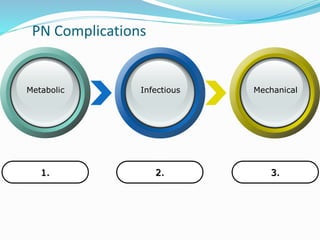
PN Complications
1. 2. 3.
Metabolic Infectious Mechanical
Metabolic complications
Substrate intolerance
Fluids & Electrolytes imbalance
Acid-Base abnormalities
 Others
Substrate intolerance
1) Hyperglycemia/hypoglycemia
2) Refeeding syndrome
3) Hyperlipidemia
4) E.F.A.D
5) Azotemia
6) Hyperammonemia
7) Hepatobiliary complications
Fluids & Electrolytes imbalance
 Fluid overload
 Fluid deficit or Dehydration
 Hyponatremia/ Hypernatremia
 Hypokalemia/ Hyperkalemia
 Hypophosphatemia/ Hyperphosphatemia
 Hypocalcemia/ Hypercalcemia
 Hypomagnesemia/ Hypermagnesemia
Acid-Base abnormalities
Metabolic acidosis
Metabolic alkalosis
Others
Vitamin deficiencies
Trace elements
Mechanical/technical complications
 Catheter occlusion, tear or break.
• Pneumothorax, hydrothorax,
 Subcutaneous emphysema,
 Arterial/venous injury, A-V fistula
 Air embolism, thromboembolism
 Brachial plexus injury
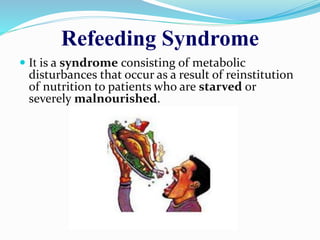
Refeeding Syndrome
 It is a syndrome consisting of metabolic
disturbances that occur as a result of reinstitution
of nutrition to patients who are starved or
severely malnourished.
 Any individual who has had negligible nutrient
intake for more than 20 consecutive days is at risk
 Metabolism shifts from catabolism to anabolism.
 Insulin is released on carbohydrate intake triggers
cellular uptake of K, , PO4, Mg
 Physiologic and metabolic sequelae may include:
 EKG changes, hypotension, arrhythmia, cardiac arrest
 Weakness, paralysis
 Respiratory depression
 Ketoacidosis / metabolic acidosis
Prevention and Therapy
 Correct electrolyte abnormalities before
starting nutrition support
 Continue to monitor serum electrolytes after
nutrition support begins and replete
aggressively
 Initiate nutrition support at low
rate/concentration (~ 50% of estimated
needs) and advance to goal slowly in patients
who are at high risk
How much feed should we give?
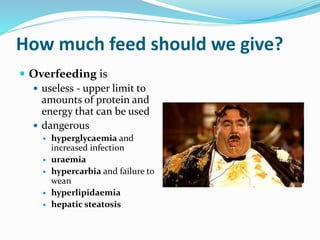
 Overfeeding is
 useless - upper limit to
amounts of protein and
energy that can be used
 dangerous
 hyperglycaemia and
increased infection
 uraemia
 hypercarbia and failure to
wean
 hyperlipidaemia
 hepatic steatosis
HOME PARENTERAL NUTRITION
 Patients who are unable to eat and absorb adequate nutrients
for maintenance over the long term may be candidates for
home parenteral nutrition e.g. extensive Crohn's disease,
mesenteric infarction, or severe abdominal trauma.
 Patients must be able to master the techniques associated
with this support system, be motivated, and have adequate
social support at home.
HOME PARENTERAL NUTRITION
 A patient who is judged to be a candidate for home
parenteral nutrition requires an indwelling Silastic catheter
designed for long-term permanent use.
 The nutrient solutions are prepared weekly and delivered to
the patient's home.
 The patient sets up the infusion system and attaches the
catheter to the delivery tubing in the evening for infusion
over the next 12-16 h. The intravenous nutrition is terminated
by the patient the next morning.
Special populations
 Diabetic: poor glycaemic control/ hyperglycaemia, delays
wound healing
 Non-diabetic – sliding scale
 Critically ill – intravenous insulin
 TPN – ½ of previous day’s insulin added to next TPN
Obese: malnutrition is often masked, weight loss is not
beneficial as muscle stores.
 Poor vascular supply to skin, ↑ risk secondary infection
↑ subcutaneous fat
Burns - enteral feeding may be started 6-12
hours.
 Gastric ileus – Nasojejunal feeding
 In addition to normal requirement 40 Kcal
per % of TBSA
 Cancer – enteral nutrition supplemented
with immune enhancing agents
 Megesterol acetate stimulates appetite &
food intake
 Renal failure – concentrated enteral or parenteral
nutrition containing just the essential amino acids,
dextrose & limited amount of Na, K, Mg, P
 Hepatic failure - concentrated enteral or parenteral
nutrition containing reduced carbohydrate content,
a combination of essential fatty acids & lipids, more
of branched chain aminoacids & limited amount of
Na & K
 Disease of the Gastrointestinal Tract
 Eg, inflammatory bowel disease, fistula, pancreatitis.
Aggressive fluid replacement is often needed.
 Patients with proximal enterocutaneous fistulas should
receive TPN.
 Patients with low fistulas should receive TPN initially, but
after infection is brought under control they can often be
switched to an enteral formula or even a low-residue diet.
 Short Bowel Syndrome : Short bowel syndrome typically
occurs when less than 200 cm of anatomic small bowel
remain, frequent small meals, avoiding hyperosmolar
foods, restricting fat intake, and limiting consumption of
foods high in oxalate (precipitates nephrolithiasis).
 AIDS : high-protein, high—calorie, low—fat, lactose-
free oral diet.
 Major Trauma: Appropriate immunonutrition should
be started in the ICU.
Nutritional Pharmacology
 May be useful if given in supranormal amounts, for
example, the beneficial changes in lipid metabolism
induced by omega 3 fatty acids.
 Substances that may be metabolized with improved
efficiency under conditions of stress.
 Eg.,Glutamine, Arginine, Ketone bodies, Branched
chain aminoacids, Essential aminoacids, Purines and
pyrimidines.
FUTURE DIRECTIONS IN ARTIFICIAL
NUTRITION
 Inhibition of the Stress Response:
 inflammatory mediators catabolic hormones
 omega-3 fatty acids,
 neutralising antibodies to TNF
 Glucocorticoid receptor antagonist RU-486.
 Gut-Derived Hormones : glucagon-like peptide GLP
 stimulating gut hypertrophy, DNA
 Growth Hormone and Insulin-like Growth Factors: (IGF)
 inhibit muscle proteolysis
 stimulate protein synthesis
 Anabolic Steroids:
 reduce muscle loss by improving protein synthetic
efficiency and
 reducing muscle protein degradation rates.
 Catecholamines :
 anabolic effect on muscle principally by reducing
calcium— dependent proteolysis and by increasing
protein synthesis.
 Inhibition of Proteolysis
 treatment of muscle wasting is direct inhibition of
intracellular proteolysis.
Nutrition presentation

Nutrition presentation

  • 1.
    Role of NUTRITION INWOUND HEALING DR.Y.Prabhakara Rao M.S.,M.Ch
  • 2.
     Nutrition isprocess by which a living organism assimilates food & use it for growth, metabolism & replacement of tissues.  Adequate amounts of nutrients are needed for synthesis of nucleic acids i.e. RNA & DNA  Even brief period of malnutrition will have negative effect on wound healing  So nutrition plays an essential role in wound healing & the goal of surgeon is to recognize when nutrition support is necessary
  • 3.
     Surgery ,trauma, sepsis causes protein catabolic state  Increased energy expenditure above the basal needs is about  10 % for elective surgery  10-30% for trauma  50-80% for sepsis  100-200% for burns
  • 4.
    Stages of WoundHealing  Nutrition plays a vital role throughout all stages of wound healing  Inflammatory Phase 2-5 days  Proliferative Phase 2 days – 3 weeks  Remodelling or Maturation Phase 3 weeks – 2years
  • 7.
    Wound Healing  Acomplex integrated sequence of cellular, physiologic, and biochemical events initiated by the stimulus of injury to tissue.  The same events, in the same order, occur in every healing process regardless of the tissue type or the inciting injury.
  • 8.
    Healing process  Theactivation of basic cellular processes of inflammation, cell proliferation, and growth as well as regulation of these processes until repair is complete.  All repair occurs with an overlapping series of orchestrated events to limit the damage and restore the function and integrity of the structure.
  • 9.
    TISSUE RESPONSES TOINJURY  Vascular events – transient vasoconstriction, active vasodilatation, permeability change.  Cellular events – platelets, neutophils, macrophages, lymphocytes, fibroblasts, endothelial cells.  Chemical mediators – vasoactive agents, chemotactic factors, cytokines
  • 10.
    Platelets  Hemostasis  Releaseof platelet granules alpha - granules dense granules lysosomes
  • 11.
    Neutrophils  Protection againstinfection  Intracellular products release free radicals cyclooxygenase products lipooxygenase products protease, antiprotease band2 protein
  • 12.
    Macrophages  phagocytosis  initiationof fibroplasia  release cellular products neutral protease, complement factors, reactive oxygen metabolites, growth factors, fibronectin, interleukin 1, enzyme inhibitors
  • 13.
    Cytokines in woundhealing  TGF-β  PDGF  FGF  EGF  IGF-1  Etc. KGF, CTGF, TNF, interleukins
  • 15.
     D =Diabetes  I = Infection  D = Drugs  N = Nutrition  T = Tissue necrosis  H = Hypoxia  E = Excessive tension  A = Another wound  L = Low temperature Non-healing – DIDN’T HEAL
  • 16.
    Nutrition in woundhealing  Delayed or impaired wound healing may occur if nutritional status is inadequate  A nutritionally complete diet provides the optimum environment for recovery and healing  wounds heal faster  strengthens immune system  prevents development of further wounds e.g. Pressure wounds
  • 17.
    Malnutrition results in: Increased susceptibility to infection  Poor wound healing (including anastomotic breakdown/leakage, poor graft adherence etc)  Increased frequency of decubitus ulcers  Bacterial overgrowth in the bowel  Abnormal nutrient losses in the stool
  • 18.
    Pre-op Nutritional Assessment Pre-op nutritional assessment is a key element of the surgical history in non-emergent surgery; however, there is no one single, simple and reliable technique for assessing nutritional status  On history, ask about chronic medical or comorbid conditions (DM, IBD, CV disease,etc), recent hospitalizations or current hospitalization, past surgery (esp GI surgery) that may contribute to malnourishment  Vitamin or mineral use  Wt loss or gain, diet history
  • 19.
    Physical Exam  Headand Neck: hair loss, bitemporal wasting, conjunctival pallor, xerosis, glossitis, bleeding/sore gums, angular cheliosis, stomatitis, poor dentition, thyromegaly  Extremities: edema, muscle wasting, loss of sq fat  Neurologic: evidence of peripheral neuropathy, reflexes, tetany, decreased mental status  Skin: ecchymosis, petechie, pallor, pressure ulcers, wound problems/infection
  • 20.
    Anthropometric measurements  Itis the science of assessing body size, weight & proportions.  BMI: body mass index (weight(kg)/height(m) squared)  BMI<18.5 implies nutritional impairment and a BMI<15 is associated with significant mortality  Unplanned weight loss of >10% over a six month period is a good prognostic indicator of a poor clinical outcome  Others: triceps skinfold thickness and mid-arm muscle circumference  Dual X-ray absoptiometry ( DEXA) is used to assess various body compartments – fat, muscle mass.
  • 21.
    Laboratory investigations  Proteinstatus—affected by previous intake, muscle mass, duration of current illness, blood loss, wound healing, infection, GI absorption  Serum albumin—3.5 to 5.5 g/dL, half life 18-20d; low levels are markers of a negative catabolic state and a predictor of poor outcome;  Serum transferrin: 250-300 mg/dl half-life 8-9d; reflects protein status over last 2-4wks; also reflects iron status (therefore low value reflects decreased protein status only in the setting of normal iron)  Serum prealbumin (transthyretin) - 18 - 45 mg/dL  Other tests: retinol-binding protein, BUN/creatinine, Fe/vitamin levels (if indicated), Ca, Mg, PO4, Mg, TSH
  • 22.
    Malnourishment Weight loss (%): Mild(80-90), moderate (70-80), severe (<70) Recent weight loss: >5% over 1 month or >10% over 6 months signifies mod-severe malnutrition
  • 23.
    Nutritional indices 1. Creatinineheight index (CHI) 2. Prognostic nutrition index (PNI) 3. Nutrition risk index (NRI) 4. Malnutritional universal screening tool (MUST) • Weight status • Unintentional weight loss • Acute disease effect
  • 24.
    Nutrition Requirements Pre operativePost operative  Calories: 25-35 kcals/kg  Protein: 0.8-1 gm/kg  Fluids: 30 mls/kg  Calories:  Increase to 30-40 kcals/kg  Protein:  Increase to 1-1.8 grams/kg  Fluids:  Individualized
  • 25.
  • 26.
    Macro‐nutrients  Main sourcesof energy are:  Carbohydrates  Fat  Protein  Adequate energy intake is required to prevent muscle loss, protein deficiency and unintentional weight loss  Energy requirements are higher for patients with wounds (up to 45% higher)
  • 27.
    Carbohydrate  Constitute 55-60%of the diet  Source of cellular energy 3.4 Kcal/gm  Glucose – Glycogen  Brain , RBC & WBC – depend only on glucose  Caution in diabetics, insulin > 250 mg/dl  Dietary sources: wholegrain breads & cereals, fruits, starchy vegetables, rice, pasta & dairy foods
  • 28.
    Fat  Constitute 20-25%of the diet  Safe & concentrated source of energy – 9 Kcal/gm  Key role in structure and function of cell membranes  Omega 3’s – inflammation reduction  Transports fat soluble vitamins.  Insulation  Padding over bony prominence  Dietary sources: meat, nuts & seeds, dairy products, avocados, plant oils, oily fish.
  • 29.
    Protein  Constitute 20-25%of diet. (0.8 gm/kg)  Preservation of immune function  Aids re‐vascularisation and collagen synthesis  Cell multipication  Involved in synthesis of enzymes for wound healing  Hypoproteinaemia delays wound healing  Decreases skin and fascial tensile strength  Increases wound infection rates • Dietary sources: meat, chicken, fish, eggs, dairy products, nuts, seed legumes and grains.
  • 31.
    Water  Water constitutes60% of body weight  Adequate hydration is essential to maintain skin turgor  Acts as a solvent for mineral, amino acids & glucose  Dehydration can delay wound healing by:   blood volume   blood circulation   O2 and nutrients to tissues  How much is enough?  30‐35ml/kg/day
  • 32.
    Immuno-nutrition  Nutritional immunologyis the science of positive manipulation of immunity using macro or micro nutrients
  • 33.
    Immuno‐nutrients L- Arginine (AminoAcid/Protein) Enhances protein metabolism & decreased muscle loss Stimulation of nitric oxide pathway Important in collagen deposition enhances immune system Secretogogue for regulatory hormones, GH insulin Dosage – 9-12 gms for 1000 calories Supplementation may be most beneficial in the first 3 days of wound healing
  • 34.
    Immuno‐nutrients Glutamine (Amino Acid/Protein) Component of anti-oxidant glutathione for nucleotide synthesis  Important fuel for enterocytes, colonocytes & lymphocytes  Energy for gut and immune cells, maintains gut barrier function  Constitute 30-50% of free amino acids synthesised in skeletal muscle  Needs to be given with adequate protein from other sources –supplementary to protein requirements (3.5 gms for 100 gms of protein)
  • 35.
  • 36.
    Nucleotides  It isessential for RNA & DNA synthesis, cell division, enzyme nutrition.  Proliferation & functioning of phagocytes & T cells  Aids in liver regeneration  Prevent gut mucosal atrophy  Dose 1-2 gms/day
  • 37.
    Vitamin  Increases inflammatoryresponse & stimulates collagen synthesis  Restore wound healing in diabetics & on steroids  Improves colonic anastamotic healing  Deficiency delays wound healing,  risk of infection  Zn deficiency can impair absorption & metabolism of Vitamin A  Dietary sources: dairy products, eggs, fish, oranges, dark green vegetables and red fruit and vegetables  Daily requirement – 700-3000 IU/day
  • 38.
    Vitamin C  Essentialfor collagen synthesis and fibroblast formation, angiogenesis  Increased immunity due to anti-oxidant properties  Increases iron absorption  Deficiency results in capillary fragility  Deficiencies can cause breakdown of already healed wounds  Should only be supplemented in patients with deficiency  Dietary sources: citrus fruits, berries, capsicum, tomato, green leafy vegetables  Daily requirement – 60-200mg/day
  • 39.
    Vitamin E  Anti-oxidant Protects poly unsaturated fatty acids from oxidation by free radicals  Decreases scar formation – doubtful  Inhibits collagen synthesis  Dosage – 400 mg/day
  • 40.
    Others  In additionVitamin B is given to enhance nervous & immune function & to accelerate healing  Vitamin K  Vitamin D  Calcium
  • 41.
    Selenium  Essential foractivity of glutathione peroxidase “first line” anti‐oxidant defence  Deficiency may alter immune function  High proportion of deficiency in Australian population (deficient soils)  Dietary sources: Fish and seafood, nuts, whole grains, meat and poultry, eggs.
  • 42.
    Zinc  Role inprotein & collagen synthesis  Component of 200 enzymes including DNA polymerase (in cell proliferation)  Deficiency =  wound strength  Over supplementation will interfere with Cu & Fe absorption Adequate protein = Adequate Zinc  Dietary sources: eggs, seafood, red meat, poultry, milk products and nuts  Dosage – 15 mg/day
  • 43.
    Copper  Cofactor forseveral enzymes  Role in maturation of collagen  Impaired wound healing seen in deficiency  Dietary sources: shellfish, whole grains, nuts, seeds, dark green leafy veg, dried fruit.
  • 44.
    Iron Is a componentof Hb – oxygen carrier Promotes collagen production & strengthening Increased absorption with vitamin C Dosage – 8 mg/day
  • 45.
    What is nutritionsupport?  An alternate means of providing nutrients to people who cannot eat any or enough food  When is it needed?  Illness resulting in inability to take in adequate nutrients by mouth  Illness or surgery that results in malfunctioning gastrointestinal tract  Two types:  Enteral nutrition  Parenteral nutrition
  • 46.
    Indications Patient who can’teat Patient who won’t eat Patient who shouldn’t eat Patient who can’t eat enough “If the gut works, use it.”
  • 47.
    Indications  Those whodo not eat: anorexia nervosa,  Those who can not eat: esophageal stenosis, prolonged ileus,  Those who are not allowed to eat: gastrointestinal fistula, inflammatory bowel disease, radiation enteritis, GI chemo toxicity, pancreatitis, tracheoesophageal fistula, massive intestinal atresia.
  • 48.
    Indications  Those whoare not eating enough: short bowel syndrome, burns, sepsis  Those who cant manage what they eat: hepatic failure  Others: renal failure, major surgeries.
  • 49.
    General Conditions Suggesting Initiationof Nutrition Support  Poor nutritional status (oral intake <50% of energy needs)  Significant weight loss (>10%)  Anticipated duration of artificial nutrition longer than 7 days  More than 7 days inanition  Serum albumin <3 g/dL in the absence of an inflammatory state  Adaptive phase of short bowel syndrome  Following severe trauma or burns
  • 50.
    Contraindications to EnteralNutrition Support  Malnourished patient expected to eat within 5-7 days  Severe acute pancreatitis  High output enteric fistula distal to feeding tube  Inability to gain access  Intractable vomiting or diarrhea  Aggressive therapy not warranted  Expected need less than 5-7 days if malnourished or 7-9 days if normally nourished
  • 51.
    Enteral Access Devices Nasogastric  Nasoenteric  Gastrostomy  PEG (percutaneous endoscopic gastrostomy)  Surgical or open gastrostomy  Jejunostomy  PEJ (percutaneous endoscopic jejunostomy)  Surgical or open jejunostomy  Transgastric Jejunostomy  PEG-J (percutaneous endoscopic trans gastric-jejunostomy)  Surgical or open trans gastric-jejunostomy
  • 52.
    Gastric vs. SmallBowel Access  “If the stomach empties, use it.”  Indications to consider small bowel access:  Gastroparesis / gastric ileus  Recent abdominal surgery  Sepsis  Significant gastroesophageal reflux  Pancreatitis  Aspiration  Ileus  Proximal enteric fistula or obstruction
  • 53.
    Feeding Tube Selection Can the patient be fed into the stomach, or is small bowel access required?  How long will the patient need tube feedings? Short-Term vs. Long-Term Tube Feeding Access  No standard of care for cut-off time between short-term and long-term access  However, if patient is expected to require nutrition support longer than 6-8 weeks, long-term access should be considered
  • 54.
    Choosing Appropriate Formulas Categories of enteral formulas:  Polymeric  Whole protein nitrogen source, for use in patients with normal or near normal GI function  Monomeric or elemental  Predigested nutrients; most have a low fat content or high % of MCT oil (medium-chain triglycerides); for use in patients with severely impaired GI function  Disease specific  Formulas are available for respiratory disease, diabetes, renal failure, hepatic failure, and immune compromise *well-designed clinical trials may or may not be available
  • 55.
    Enteral Nutrition PrescriptionGuidelines  Gastric feeding  Continuous feeding:  Start at rate 30 mL/hour  Advance in increments of 20 mL q 8 hours to goal  Check gastric residuals q 4 hours  Bolus feeding:  Start with 100-120 mL bolus  Increase by 60 mL q bolus to goal volume  Typical bolus frequency every 3-8 hours  Small bowel feeding  Continuous feeding only; do not bolus due to risk of dumping syndrome  Start at rate 20 mL/hour  Advance in increments of 20 mL q 8 hours to goal  Do not check gastric residuals
  • 56.
    Steps to determinethe Enteral Nutrition Prescription  Harris-Benedict equation  Males: eBEE (kcal/day) = Females: eBEE (kcal/day) = 66 + (13.7 • W) + (5 • H) - (6.8 • A) 655 + (9.6 • W) + (1.7 • H) - (4.7 • A) *W=kg. (actual or usual wt.), H=cm.,A=yr. 1. Estimate energy, protein, and fluid needs 2. Select most appropriate enteral formula 3. Determine continuous vs. bolus feeding 4. Determine goal rate to meet estimated needs 5. Write/recommend the enteral nutrition prescription
  • 57.
    Enteral Nutrition Prescription Tube feeding via PEG with full strength  Initiate at 30 mL/hour, advance by 20 mL q 8 hours to goal  Goal rate = 55 mL/hour continuous infusion  Above goal will provide 1584 kcal, 73g protein, 1069 mL free H2O  Give additional free H2O 175 mL QID to meet hydration needs and keep tube patent  Check gastric residuals q 4 hours; hold feeds for residual > 200 mL  Keep HOB > 30° at all times
  • 58.
    Complications of EnteralNutrition 1. Mechanical – aspiration, sinusitis, airway obstruction, nasal necrosis, displacement, occlusion of the tube, rarely perforation 2. Functional – nausea, vomiting, abdominal distension, constipation, diarrhea, bacterial overgrowth 3. Metabolic – hyperglycemia, hyperosmotic non- ketotic coma
  • 59.
    What is parenteralnutrition?  Parenteral Nutrition  also called "total parenteral nutrition," "TPN," or "hyperalimentation."  It is a special liquid mixture given into the blood via a catheter in a vein.  The mixture contains all the protein, carbohydrates, fat, vitamins, minerals, and other nutrients needed.
  • 60.
    Indications for ParenteralNutrition Support  Malnourished patient expected to be unable to eat > 5-7 days AND enteral nutrition is contraindicated  Patient failed enteral nutrition trial with appropriate tube placement (post-pyloric)  Enteral nutrition is contraindicated or severe GI dysfunction is present  Paralytic ileus, mesenteric ischemia, small bowel obstruction, enteric fistula distal to enteral access sites
  • 61.
    The gut shouldalways be the preferred route for nutrient administration. If you are going to start TPN, there needs to be a reason why you cant use EN.
  • 62.
    PPN vs. TPN TPN (total parenteral nutrition)  High glucose concentration (15%-25% final dextrose concentration)  Provides a hyperosmolar formulation (1300-1800 mOsm/L)  Must be delivered into a large-diameter vein through central line.  PPN (peripheral parenteral nutrition)  Similar nutrient components as TPN, but lower concentration (5%-10% final dextrose concentration)  Osmolarity < 900 mOsm/L (maximum tolerated by a peripheral vein)  May be delivered into a peripheral vein  Because of lower concentration, large fluid volumes are needed to provide a comparable calorie and protein dose as TPN
  • 63.
    Parenteral Access Devices Peripheral venous access  Catheter placed percutaneously into a peripheral vessel  Central venous access (catheter tip in SVC)  Percutaneous jugular, femoral, or subclavian catheter  Implanted ports (surgically placed)  PICC (peripherally inserted central catheter)
  • 64.
    Writing TPN prescriptions 1.Determine total volume of formulation based on individual patient fluid needs 2. Determine amino acid (protein) content Adequate to meet patient’s estimated needs 3. Determine dextrose (carbohydrate) content ~70-80% of non-protein calories 4. Determine lipid (fat) content ~20-30% non-protein calories 5. Determine electrolyte needs 6. Determine acid/base status 7. Check to make sure desired formulation will fit in the total volume indicated
  • 65.
    Parenteral Nutrition Monitoring Checkdaily electrolytes and adjust TPN/PPN electrolyte additives accordingly Check glucose 6th hourly Check triglyceride level within 24 hours of starting TPN/PPN Check LFT’s weekly Check pre-albumin weekly
  • 66.
    Monitoring for AdultPatients on PN Parameter Baseline Critically ill pateints Stable patients Chemistry screen (Ca, P, Mg, LFTs) Yes 2-3x/week Weekly Electrolytes, BUN, Cr Yes Daily 1-2x/week Serum triglyceride Yes Weekly Weekly CBC with differential Yes Weekly Weekly PT,PTT Yes Weekly Weekly Capillary glucose 3x/day 3x/day (until consistently <200 mg/dl) 3x/day (until consistently <200 mg/dl) Weight If possible Daily 2-3x/weekly Intake& output Daily Daily Daily unless fluid status is assessed by physical exam Nitrogen balance As needed As needed As needed Indirect calorimetry As needed As needed As needed
  • 67.
    Indicators of monitoring Growth  Metabolic  Clinical observations
  • 68.
    Monitoring  Growth  Weight Height/Length  Head circumference  Metabolic  E’lytes, BUN, Cr, Ca, PO4, Mg, acid-base  Albumin, pre-albumin  CBC, glucose, triglycerides, LFTs, PT/PTT  Urine markers; specific gravity, glucose, ketones, UUN
  • 69.
    Clinical observations  Vitalsigns  Intake and output  Catheter site/dressing  Administration system  Growth and development
  • 70.
    Other:  Volume infusate(daily)  Oral intake (daily) if applicable  Urinary output (daily)  Activity, temperature, respiration (daily)  WBC and differential (as needed)  Cultures (as needed)
  • 71.
    PN Complications 1. 2.3. Metabolic Infectious Mechanical
  • 72.
    Metabolic complications Substrate intolerance Fluids& Electrolytes imbalance Acid-Base abnormalities  Others
  • 73.
    Substrate intolerance 1) Hyperglycemia/hypoglycemia 2)Refeeding syndrome 3) Hyperlipidemia 4) E.F.A.D 5) Azotemia 6) Hyperammonemia 7) Hepatobiliary complications
  • 74.
    Fluids & Electrolytesimbalance  Fluid overload  Fluid deficit or Dehydration  Hyponatremia/ Hypernatremia  Hypokalemia/ Hyperkalemia  Hypophosphatemia/ Hyperphosphatemia  Hypocalcemia/ Hypercalcemia  Hypomagnesemia/ Hypermagnesemia
  • 75.
    Acid-Base abnormalities Metabolic acidosis Metabolicalkalosis Others Vitamin deficiencies Trace elements
  • 76.
    Mechanical/technical complications  Catheterocclusion, tear or break. • Pneumothorax, hydrothorax,  Subcutaneous emphysema,  Arterial/venous injury, A-V fistula  Air embolism, thromboembolism  Brachial plexus injury
  • 77.
    Refeeding Syndrome  Itis a syndrome consisting of metabolic disturbances that occur as a result of reinstitution of nutrition to patients who are starved or severely malnourished.
  • 78.
     Any individualwho has had negligible nutrient intake for more than 20 consecutive days is at risk  Metabolism shifts from catabolism to anabolism.  Insulin is released on carbohydrate intake triggers cellular uptake of K, , PO4, Mg  Physiologic and metabolic sequelae may include:  EKG changes, hypotension, arrhythmia, cardiac arrest  Weakness, paralysis  Respiratory depression  Ketoacidosis / metabolic acidosis
  • 79.
    Prevention and Therapy Correct electrolyte abnormalities before starting nutrition support  Continue to monitor serum electrolytes after nutrition support begins and replete aggressively  Initiate nutrition support at low rate/concentration (~ 50% of estimated needs) and advance to goal slowly in patients who are at high risk
  • 80.
    How much feedshould we give?  Overfeeding is  useless - upper limit to amounts of protein and energy that can be used  dangerous  hyperglycaemia and increased infection  uraemia  hypercarbia and failure to wean  hyperlipidaemia  hepatic steatosis
  • 81.
    HOME PARENTERAL NUTRITION Patients who are unable to eat and absorb adequate nutrients for maintenance over the long term may be candidates for home parenteral nutrition e.g. extensive Crohn's disease, mesenteric infarction, or severe abdominal trauma.  Patients must be able to master the techniques associated with this support system, be motivated, and have adequate social support at home.
  • 82.
    HOME PARENTERAL NUTRITION A patient who is judged to be a candidate for home parenteral nutrition requires an indwelling Silastic catheter designed for long-term permanent use.  The nutrient solutions are prepared weekly and delivered to the patient's home.  The patient sets up the infusion system and attaches the catheter to the delivery tubing in the evening for infusion over the next 12-16 h. The intravenous nutrition is terminated by the patient the next morning.
  • 83.
    Special populations  Diabetic:poor glycaemic control/ hyperglycaemia, delays wound healing  Non-diabetic – sliding scale  Critically ill – intravenous insulin  TPN – ½ of previous day’s insulin added to next TPN Obese: malnutrition is often masked, weight loss is not beneficial as muscle stores.  Poor vascular supply to skin, ↑ risk secondary infection ↑ subcutaneous fat
  • 84.
    Burns - enteralfeeding may be started 6-12 hours.  Gastric ileus – Nasojejunal feeding  In addition to normal requirement 40 Kcal per % of TBSA  Cancer – enteral nutrition supplemented with immune enhancing agents  Megesterol acetate stimulates appetite & food intake
  • 85.
     Renal failure– concentrated enteral or parenteral nutrition containing just the essential amino acids, dextrose & limited amount of Na, K, Mg, P  Hepatic failure - concentrated enteral or parenteral nutrition containing reduced carbohydrate content, a combination of essential fatty acids & lipids, more of branched chain aminoacids & limited amount of Na & K
  • 86.
     Disease ofthe Gastrointestinal Tract  Eg, inflammatory bowel disease, fistula, pancreatitis. Aggressive fluid replacement is often needed.  Patients with proximal enterocutaneous fistulas should receive TPN.  Patients with low fistulas should receive TPN initially, but after infection is brought under control they can often be switched to an enteral formula or even a low-residue diet.  Short Bowel Syndrome : Short bowel syndrome typically occurs when less than 200 cm of anatomic small bowel remain, frequent small meals, avoiding hyperosmolar foods, restricting fat intake, and limiting consumption of foods high in oxalate (precipitates nephrolithiasis).
  • 87.
     AIDS :high-protein, high—calorie, low—fat, lactose- free oral diet.  Major Trauma: Appropriate immunonutrition should be started in the ICU.
  • 88.
    Nutritional Pharmacology  Maybe useful if given in supranormal amounts, for example, the beneficial changes in lipid metabolism induced by omega 3 fatty acids.  Substances that may be metabolized with improved efficiency under conditions of stress.  Eg.,Glutamine, Arginine, Ketone bodies, Branched chain aminoacids, Essential aminoacids, Purines and pyrimidines.
  • 89.
    FUTURE DIRECTIONS INARTIFICIAL NUTRITION  Inhibition of the Stress Response:  inflammatory mediators catabolic hormones  omega-3 fatty acids,  neutralising antibodies to TNF  Glucocorticoid receptor antagonist RU-486.  Gut-Derived Hormones : glucagon-like peptide GLP  stimulating gut hypertrophy, DNA  Growth Hormone and Insulin-like Growth Factors: (IGF)  inhibit muscle proteolysis  stimulate protein synthesis
  • 90.
     Anabolic Steroids: reduce muscle loss by improving protein synthetic efficiency and  reducing muscle protein degradation rates.  Catecholamines :  anabolic effect on muscle principally by reducing calcium— dependent proteolysis and by increasing protein synthesis.  Inhibition of Proteolysis  treatment of muscle wasting is direct inhibition of intracellular proteolysis.