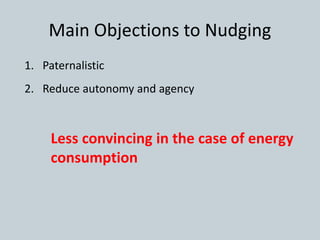
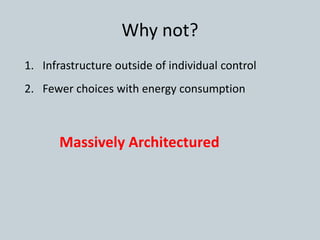
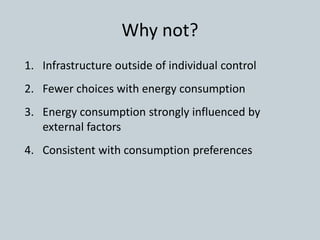
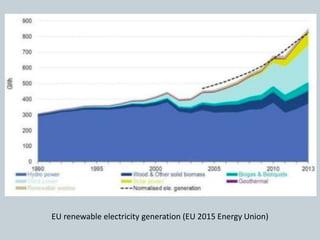
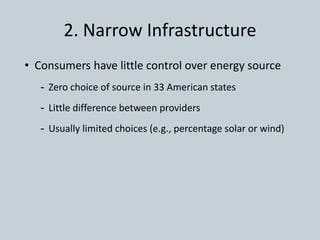
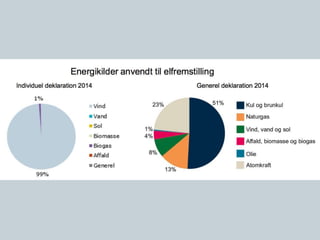
This document discusses the ethics of nudging for sustainable energy consumption. It addresses common objections that nudging is paternalistic and reduces autonomy, but argues this is less valid for energy consumption due to infrastructure factors outside individual control. Nudging could increase autonomy by helping consumers align choices with preferences like renewable energy. The document outlines how infrastructure, limited choices, social norms, and consumer preferences support nudging for sustainable energy goals like shifting to wind and solar. Nudging uses defaults that influence choices in ways judged to make people better off.