New faculty roundtable:
Nurturing learning amidst pandemics
3 October 2020

Association of Theological Schools

Mary E. Hess, PhD
I’ve been moved and energized by your work thus far in this
roundtable, and want to offer just a few ideas to resource
you further — although I’m already clear that you are great
resources for each other and for the theological academy!
Originally this was billed for “online learning” — but since
most of us are in “emergency remote instruction mode” I
decided to pivot more to that focus.
I’ve organized what I’m going to do with you around
three moments: (1) convening a learning event, (2)
shaping processes, and (3) additional resources.
Along the way I’ll invite us to do “meta-reflection” on
what we’re doing together.
(1) convening rituals in a class…
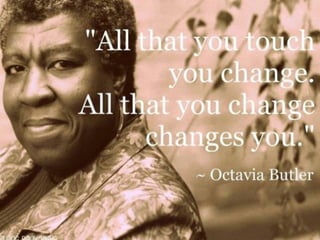
• visuals ahead of beginning
• honoring place
• prayer / breath
I come to you from lands that are Anishinaabe and
Dakota, and I reverence the care they have given
these lands for more than 15,000 years. I also
grieve over the taking of that land through
colonization and forced use, and seek to restore
and reconcile with these communities.
Breathe in the breath of God
Breathe out your cares and
concerns
Breathe in the love of God
Breathe out your doubts and
despairs
Breathe in the life of God
Breathe out your fears and
frustrations
We sit quietly before the One who
gives life and love to all creation,
We sit in awe of the One who
formed us in our mother’s wombs
We sit at peace surrounded by the
One who fills every fibre of our being
Breathe in the breath of God
Breathe out your tensions and
turmoil
Breathe in the love of God
Breathe out your haste and hurry
Breathe in the life of God
Breathe out your work and worry
We sit quietly before the One who
gives life and love to all creation,
We sit in awe of the One who
formed us in our mother’s wombs
We sit at peace surrounded by the
One who fills every fibre of our being
breakout (a): what are your favorite
“convening” practices in your courses?
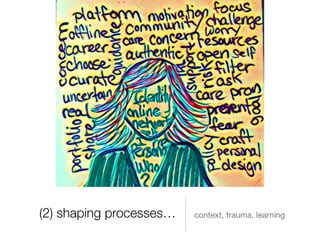
(2) shaping processes… context, trauma, learning
we are living in a time of context collapse
a primary task for us as teachers is to re-contextualize
— a challenge that is not helped by the realities we
are living within at the moment, as well as the long
term shifts that have been taking place since the
advent of digital media
one simple example: will you ask your students to
have their zoom windows (or team windows, or
hangout windows) unmuted? will you ban or will you
invite virtual backgrounds? there are numerous justice
implications here
three conceptual frames that help
• authority, authenticity, agency
• implications of trauma for teaching/learning
• leadership mindtraps and ways out
the three most dynamic and compelling shifts that are
happening in the middle of digital media have to do
with how we experience authority, how we
encounter authenticity, and how we engage
agency
Hess
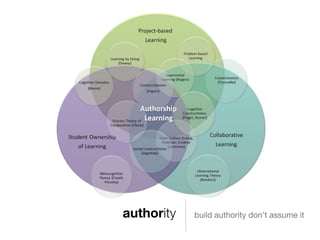
authority build authority don’t assume it
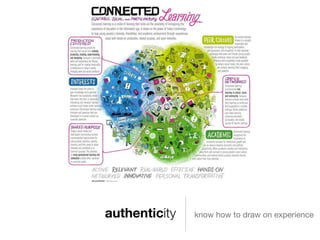
authenticity know how to draw on experience
agency find your spaces
breakout (b):
tell about a moment when you found yourself brought
up short when a student saw something quite
differently from how you did due to context — how did
this impact your authority in the learning process? what
did it feel like? how did you emerge from it?
now: consider authority, authenticity, and agency
swirled into the chaos of ongoing trauma
(pandemics of COVID-19, racial injustice, climate
catastrophe)
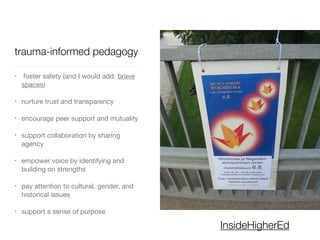
trauma-informed pedagogy
• foster safety (and I would add: brave
spaces)

• nurture trust and transparency

• encourage peer support and mutuality

• support collaboration by sharing
agency

• empower voice by identifying and
building on strengths

• pay attention to cultural, gender, and
historical issues

• support a sense of purpose
InsideHigherEd
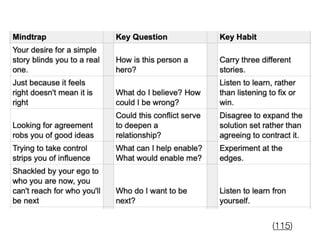
I find it helps to think in terms of what Jennifer
Garvey Berger calls “leadership mind traps”
remember:
the default choice is often competition, isolation, and autonomy
we can choose instead collaboration, community, and
accountability
(115)
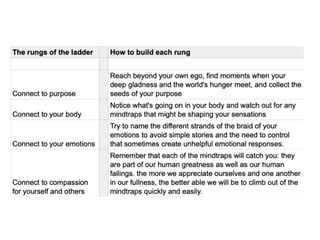
“building the rungs of the ladder” (1)
• Connect with your purpose
• Practice: Each day see if you can find at least one
moment where your deep gladness and the world’s
hunger meet, and jot down what that might look like
(121)
• Spiritual practice: the examen, building course content
that energizes you, finding time every day to connect with
your core passion
“building the rungs of the ladder” (2)
• Connecting to your body
• Practice: It is amazing the power of simply noticing and
naming bodily reactions and connecting them to
mindtraps. Sometimes it works for people to just stop and
ask themselves: What is my body feeling right now? Is it
reacting to any of the traps? (123)
• Spiritual practice: embodied prayer (yoga, gesture prayer,
etc.). Build movement into your learning events Note
especially what it means to do this in the midst of
racialized trauma.
“building the rungs of the ladder” (3)
• Connecting to your emotions
• Practice: As you notice a strong emotion, imagine that it is
braided together by many different colors of emotions.
See if you can begin to unpick the braid, laying out the
colors alongside one another. Anger over negative
feedback might unbraid into shame, indignation,
gratitude, and the seeds of connection and change. (127)
• Spiritual practice: discernment, working with a spiritual
director, building a collective reflection group, having
multiple networks of mentoring and collaboration
“building the rungs of the ladder” (4)
• Connecting with compassion for ourselves and others
• Compassion for others helps us connect to them without
judgement and with open, curious kindness. Compassion
for ourselves does the same thing – it connects us to
ourselves with open, curious kindness. This creates the
conditions for us to learn from the mistakes we inevitably
make rather than feel shame about them (which is so
unhelpful when we are trying to learn). (128)
• Spiritual practice: prayer, CIQs, contextual awareness,
breathing / grounding practices, reflection groups
pause: take a look at what is being posted in the
padlet, then move into breakout (c) and reflect on
what I’ve shared thus far
(3) resourcing more generally from the education
literature, with specific theological context ideas
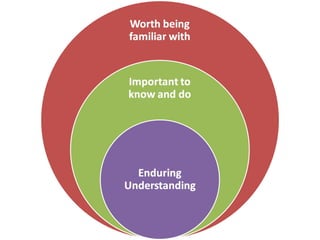
instead of “covering a field” we are increasingly
speaking about “uncovering” or “discovering”
that means that how we think about what we’re
doing in supporting learning is changing
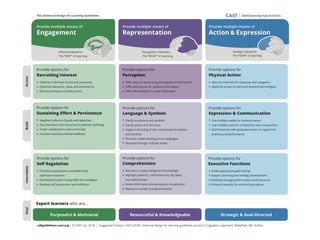
what does this look like in theological education,
and in various online environments?
ignite, curate, practice!
ignite (engagement) examples
• exploring James Cone’s ideas from The Cross and The Lynching Tree
through the anniversary of Strange Fruit
• glimpsing historical trauma through a piece made by a youth collective in
Idaho
• Reclaiming Jesus (church elders speaking in a time of crisis)
• No Good Reason (Natalie Merchant records a song written by a teen
experiencing homelessness)
• How Can I Keep From Singing (virtual choir inviting song amidst pandemic)
• What kind of an Asian are you? (using humor to explore micro aggressions)
curate (representation) examples
• Enter the Bible (a basic biblical site by Luther Seminary)
• the Pluralism Project (Harvard)
• a visualization of Robert Kegan’s orders of consciousness (Steve
Thomason)
• the Law School Dean’s Antiracism Clearinghouse
• a Racial Justice Bibliography (weblog, in particular)
• lectionary resources (slides at Vanderbilt, an African American lectionary,
WorkingPreacher, TextWeek, narrative lectionary, etc.)
• look for #scholarstrike, #blmsyllabus, etc.
practice (action and expression) examples
• wisdom in the age of information (Maria Popova in story)
• a retelling of the story of the woman at the well
• the Washburn Blackbox Acting program (young people
writing their own plays)
• the President sang Amazing Grace (Joan Baez sings a
song by Zoe Mulford)
• Bomba Estéreo - Soy Yo (music video of a young girl’s joy
and resilience)
I wish I’d known that …
• teaching during a pandemic means bringing far more pastoral care to my
colleagues, as well as to my students, than I have ever needed to do in the past
• I need to check in with students early and often
• it’s worth keeping flipgrid videos for each student, so that I can easily remember
who they are and what their context is
• it’s better to curate well, than to reinvent the wheel
• small assignments with regular feedback build good learning relationships —
and such relationships are essential
• not every student enjoys improvisation or flexibility — structure can offer
comfort
I wish I’d known that (cont.)…
• computer graded open book untimed quizzes are a great way to aid
reading comprehension (and accountability)
• putting explicit time to engage a course into your calendar, and then
sticking to it, actually eases stress and helps to document what’s
necessary
• creating ways for students to grade each other’s work has multiple benefits
• finding ways to get feedback along the way helps everyone (eg. CIQ from
Brookfield)
• rubrics are crucial (and a great way to save time)
• uncovering and discovering are more fun than “covering” something!
finally, research suggests that seven digital
literacies are particularly important in theological
education — and we can work on these in
whatever spaces we are teaching within
Digital literacy toolkit competencies
• navigating hybrid and digital cultures
• convening hybrid and digital community
• maintaining a posture of experimentation
• cultivating a spiritually wise digital habitus
• presenting authentically and pastorally online
• connecting media theory and theological reflection
• creating and curating faith-based media artifacts
toolkit
Q & A
citations:
Octavia Butler quote (https://www.facebook.com/
photo.php?
fbid=10107198550653720&set=a.10107181579663
720.1073741839.13954176&type=3&theater)
authorship learning (http://www.hybridpedagogy.com/
journal/constructionism-reborn/)
connected learning (http://www.teachthought.com/
learning/connected-learning-the-power-of-social-
learning-models/)
enduring understandings (http://chronicle.com/blogs/
profhacker/files/2011/08/enduringunderstanding.png)
citations, continued:
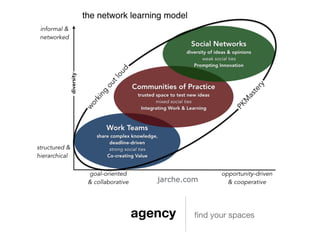
networked learning model (http://jarche.com/
2016/08/a-network-perspective/#more-16661)
networked self (https://
techknowtools.files.wordpress.com/2017/10/
networked_self_thoughts.png)
universal design for learning principles (https://
education.ky.gov/educational/diff/Documents/
New%20Guidelines.pdf)
for more info:
mhess@religioused.org
meh.religioused.org

New Faculty Roundtable: Nurturing Learning Amidst Pandemics

  • 1.
    New faculty roundtable: Nurturinglearning amidst pandemics 3 October 2020 Association of Theological Schools Mary E. Hess, PhD
  • 2.
    I’ve been movedand energized by your work thus far in this roundtable, and want to offer just a few ideas to resource you further — although I’m already clear that you are great resources for each other and for the theological academy! Originally this was billed for “online learning” — but since most of us are in “emergency remote instruction mode” I decided to pivot more to that focus.
  • 3.
    I’ve organized whatI’m going to do with you around three moments: (1) convening a learning event, (2) shaping processes, and (3) additional resources. Along the way I’ll invite us to do “meta-reflection” on what we’re doing together.
  • 4.
    (1) convening ritualsin a class… • visuals ahead of beginning • honoring place • prayer / breath
  • 6.
    I come toyou from lands that are Anishinaabe and Dakota, and I reverence the care they have given these lands for more than 15,000 years. I also grieve over the taking of that land through colonization and forced use, and seek to restore and reconcile with these communities.
  • 7.
    Breathe in thebreath of God Breathe out your cares and concerns Breathe in the love of God Breathe out your doubts and despairs Breathe in the life of God Breathe out your fears and frustrations We sit quietly before the One who gives life and love to all creation, We sit in awe of the One who formed us in our mother’s wombs We sit at peace surrounded by the One who fills every fibre of our being Breathe in the breath of God Breathe out your tensions and turmoil Breathe in the love of God Breathe out your haste and hurry Breathe in the life of God Breathe out your work and worry We sit quietly before the One who gives life and love to all creation, We sit in awe of the One who formed us in our mother’s wombs We sit at peace surrounded by the One who fills every fibre of our being
  • 8.
    breakout (a): whatare your favorite “convening” practices in your courses?
  • 9.
    (2) shaping processes…context, trauma, learning
  • 10.
    we are livingin a time of context collapse
  • 11.
    a primary taskfor us as teachers is to re-contextualize — a challenge that is not helped by the realities we are living within at the moment, as well as the long term shifts that have been taking place since the advent of digital media
  • 12.
    one simple example:will you ask your students to have their zoom windows (or team windows, or hangout windows) unmuted? will you ban or will you invite virtual backgrounds? there are numerous justice implications here
  • 13.
    three conceptual framesthat help • authority, authenticity, agency • implications of trauma for teaching/learning • leadership mindtraps and ways out
  • 14.
    the three mostdynamic and compelling shifts that are happening in the middle of digital media have to do with how we experience authority, how we encounter authenticity, and how we engage agency Hess
  • 15.
    authority build authoritydon’t assume it
  • 16.
    authenticity know howto draw on experience
  • 17.
  • 18.
    breakout (b): tell abouta moment when you found yourself brought up short when a student saw something quite differently from how you did due to context — how did this impact your authority in the learning process? what did it feel like? how did you emerge from it?
  • 19.
    now: consider authority,authenticity, and agency swirled into the chaos of ongoing trauma (pandemics of COVID-19, racial injustice, climate catastrophe)
  • 20.
    trauma-informed pedagogy • fostersafety (and I would add: brave spaces) • nurture trust and transparency • encourage peer support and mutuality • support collaboration by sharing agency • empower voice by identifying and building on strengths • pay attention to cultural, gender, and historical issues • support a sense of purpose InsideHigherEd
  • 21.
    I find ithelps to think in terms of what Jennifer Garvey Berger calls “leadership mind traps”
  • 22.
    remember: the default choiceis often competition, isolation, and autonomy we can choose instead collaboration, community, and accountability
  • 23.
  • 25.
    “building the rungsof the ladder” (1) • Connect with your purpose • Practice: Each day see if you can find at least one moment where your deep gladness and the world’s hunger meet, and jot down what that might look like (121) • Spiritual practice: the examen, building course content that energizes you, finding time every day to connect with your core passion
  • 26.
    “building the rungsof the ladder” (2) • Connecting to your body • Practice: It is amazing the power of simply noticing and naming bodily reactions and connecting them to mindtraps. Sometimes it works for people to just stop and ask themselves: What is my body feeling right now? Is it reacting to any of the traps? (123) • Spiritual practice: embodied prayer (yoga, gesture prayer, etc.). Build movement into your learning events Note especially what it means to do this in the midst of racialized trauma.
  • 27.
    “building the rungsof the ladder” (3) • Connecting to your emotions • Practice: As you notice a strong emotion, imagine that it is braided together by many different colors of emotions. See if you can begin to unpick the braid, laying out the colors alongside one another. Anger over negative feedback might unbraid into shame, indignation, gratitude, and the seeds of connection and change. (127) • Spiritual practice: discernment, working with a spiritual director, building a collective reflection group, having multiple networks of mentoring and collaboration
  • 28.
    “building the rungsof the ladder” (4) • Connecting with compassion for ourselves and others • Compassion for others helps us connect to them without judgement and with open, curious kindness. Compassion for ourselves does the same thing – it connects us to ourselves with open, curious kindness. This creates the conditions for us to learn from the mistakes we inevitably make rather than feel shame about them (which is so unhelpful when we are trying to learn). (128) • Spiritual practice: prayer, CIQs, contextual awareness, breathing / grounding practices, reflection groups
  • 29.
    pause: take alook at what is being posted in the padlet, then move into breakout (c) and reflect on what I’ve shared thus far
  • 30.
    (3) resourcing moregenerally from the education literature, with specific theological context ideas
  • 31.
    instead of “coveringa field” we are increasingly speaking about “uncovering” or “discovering”
  • 33.
    that means thathow we think about what we’re doing in supporting learning is changing
  • 35.
    what does thislook like in theological education, and in various online environments?
  • 36.
  • 37.
    ignite (engagement) examples •exploring James Cone’s ideas from The Cross and The Lynching Tree through the anniversary of Strange Fruit • glimpsing historical trauma through a piece made by a youth collective in Idaho • Reclaiming Jesus (church elders speaking in a time of crisis) • No Good Reason (Natalie Merchant records a song written by a teen experiencing homelessness) • How Can I Keep From Singing (virtual choir inviting song amidst pandemic) • What kind of an Asian are you? (using humor to explore micro aggressions)
  • 38.
    curate (representation) examples •Enter the Bible (a basic biblical site by Luther Seminary) • the Pluralism Project (Harvard) • a visualization of Robert Kegan’s orders of consciousness (Steve Thomason) • the Law School Dean’s Antiracism Clearinghouse • a Racial Justice Bibliography (weblog, in particular) • lectionary resources (slides at Vanderbilt, an African American lectionary, WorkingPreacher, TextWeek, narrative lectionary, etc.) • look for #scholarstrike, #blmsyllabus, etc.
  • 39.
    practice (action andexpression) examples • wisdom in the age of information (Maria Popova in story) • a retelling of the story of the woman at the well • the Washburn Blackbox Acting program (young people writing their own plays) • the President sang Amazing Grace (Joan Baez sings a song by Zoe Mulford) • Bomba Estéreo - Soy Yo (music video of a young girl’s joy and resilience)
  • 40.
    I wish I’dknown that … • teaching during a pandemic means bringing far more pastoral care to my colleagues, as well as to my students, than I have ever needed to do in the past • I need to check in with students early and often • it’s worth keeping flipgrid videos for each student, so that I can easily remember who they are and what their context is • it’s better to curate well, than to reinvent the wheel • small assignments with regular feedback build good learning relationships — and such relationships are essential • not every student enjoys improvisation or flexibility — structure can offer comfort
  • 41.
    I wish I’dknown that (cont.)… • computer graded open book untimed quizzes are a great way to aid reading comprehension (and accountability) • putting explicit time to engage a course into your calendar, and then sticking to it, actually eases stress and helps to document what’s necessary • creating ways for students to grade each other’s work has multiple benefits • finding ways to get feedback along the way helps everyone (eg. CIQ from Brookfield) • rubrics are crucial (and a great way to save time) • uncovering and discovering are more fun than “covering” something!
  • 42.
    finally, research suggeststhat seven digital literacies are particularly important in theological education — and we can work on these in whatever spaces we are teaching within
  • 43.
    Digital literacy toolkitcompetencies • navigating hybrid and digital cultures • convening hybrid and digital community • maintaining a posture of experimentation • cultivating a spiritually wise digital habitus • presenting authentically and pastorally online • connecting media theory and theological reflection • creating and curating faith-based media artifacts toolkit
  • 44.
  • 45.
    citations: Octavia Butler quote(https://www.facebook.com/ photo.php? fbid=10107198550653720&set=a.10107181579663 720.1073741839.13954176&type=3&theater) authorship learning (http://www.hybridpedagogy.com/ journal/constructionism-reborn/) connected learning (http://www.teachthought.com/ learning/connected-learning-the-power-of-social- learning-models/) enduring understandings (http://chronicle.com/blogs/ profhacker/files/2011/08/enduringunderstanding.png)
  • 46.
    citations, continued: networked learningmodel (http://jarche.com/ 2016/08/a-network-perspective/#more-16661) networked self (https:// techknowtools.files.wordpress.com/2017/10/ networked_self_thoughts.png) universal design for learning principles (https:// education.ky.gov/educational/diff/Documents/ New%20Guidelines.pdf)
  • 47.