What are Neural Stem Cells?
Neural stem cells are undifferentiated, self-renewing and multipotent cells. They have the
ability to differentiate into neuronal neurons, oligodendrocytes, and astrocytes. They are
found in abundance throughout the central nervous system (CNS).
Neural stem cell transplantation can help repair and replenish damaged oligodendrocytes, as
well as other brain tissue.
Why are Oligodendrocytes important?
Oligodendrocytes produce brain tissue (myelin) and have the ability to self-renew.
They play an integral role in neuronal communication (relaying of messages) through a
process known as myelination.
If oligodendrocytes sustain any kind of injury or damage, it can lead to a potentially life-
threatening situation. Demyelination, a result of this damage, can cause motor and cognitive
impairment.
Types of Neural Stem Cells
There are two types of neural stem cells found in the CNS. They are:
Neural Tube Epithelial Cells
Neural Precursor Cells
Neural Tube Epithelial Cells (NTECs)
The neural tube gives rise to the brain and spinal cord.
NTECs line the neural tube during embryonic development. They play a vital role in the
healthy functioning of the nervous system. They exist only in the embryonic stage, and
generate/make way for two types of neurons:
Radial glial neurons: These can simultaneously produce glial cells and/or neuronal precursor
cells. The primary function of these neurons is to complete the basic nervous tissue in the
nucleus and cortex of the brain, a part of childhood development.
Neuroblasts: These are the main neural stem cells in the adult body. They can divide and
produce neural precursor cells, glial cells, and neurons.
Neural Precursor Cells (NPCs)
These are typically a mixed population of neural stem cells and progenitor cells.
They are undifferentiated cells.
NPCs are found in both embryonic and adult brains, and can differentiate into neurons,
astrocytes, and oligodendrocytes. They help in the process of neurogenesis (formation and
repair of neural tissues).
NPCs are important for brain development, and cognitive function.
They can be used for therapeutic applications, such as treating neurological conditions and
injuries.
Functions of Neural Stem Cells
The following are the functions of neural stem cells:
● They support the growth and development of the entire nervous system
● They repair or replace damaged nerve tissue and neurons during illness
This is why neural stem cell transplantation may be prescribed to treat certain neurological
conditions, particularly those affecting the CNS.
Treating Stroke with Neural Stem Cells
Neural stem cells may be used to treat patients suffering post-stroke complications. There are
two approaches that can support a patient They are:
Endogenous Approach
Exogenous Approach
Endogenous Approach
Adult NSCs that are present in the patient’s own body are stimulated to activate and
differentiate within the damaged areas of the brain.
Neurotrophic factors, small molecules, and other therapeutic interventions are harnessed to
create a microenvironment conducive to neural stem cell activation and neurogenesis.
Exogenous Approach
NSCs may be extracted from various sources, such as embryonic stem cells, induced
pluripotent stem cells, or adult neural stem cells. The cultured NSCs are transplanted into the
regions of the brain affected by stroke. They have the capability to differentiate into neurons
and support cells, replacing damaged or lost tissue. This approach aims to enhance neural
repair, modulate inflammation, and promote functional recovery after a stroke.
Treating Parkinson’s with Neural Stem Cells
It involves replenishing damaged or lost dopamine-producing neurons in the brain.
When transplanted into the affected brain regions, NSCs differentiate into dopamine-
producing neurons, restoring the neurotransmitter balance.
This can considerably reduce tremor, which is a classic sign of Parkinson’s; and slow down
the progression of the disease.
Regenerative Rehabilitation at Plexus
At Plexus Bangalore and Hyderabad, we offer customized regenerative rehabilitation
programs for stroke, Parkinson’s, and other neurological and neurodegenerative disorders.
Our programs involve a combination of stem cell therapy, occupational therapy, physical
therapy, speech and language therapy, cognitive rehabilitation therapy, and so on.
To know more, reach out to us today.
WhatsApp +91 89048 42087
Call +91 78159 64668 (Hyderabad) | +91 82299 99888 (Bangalore)

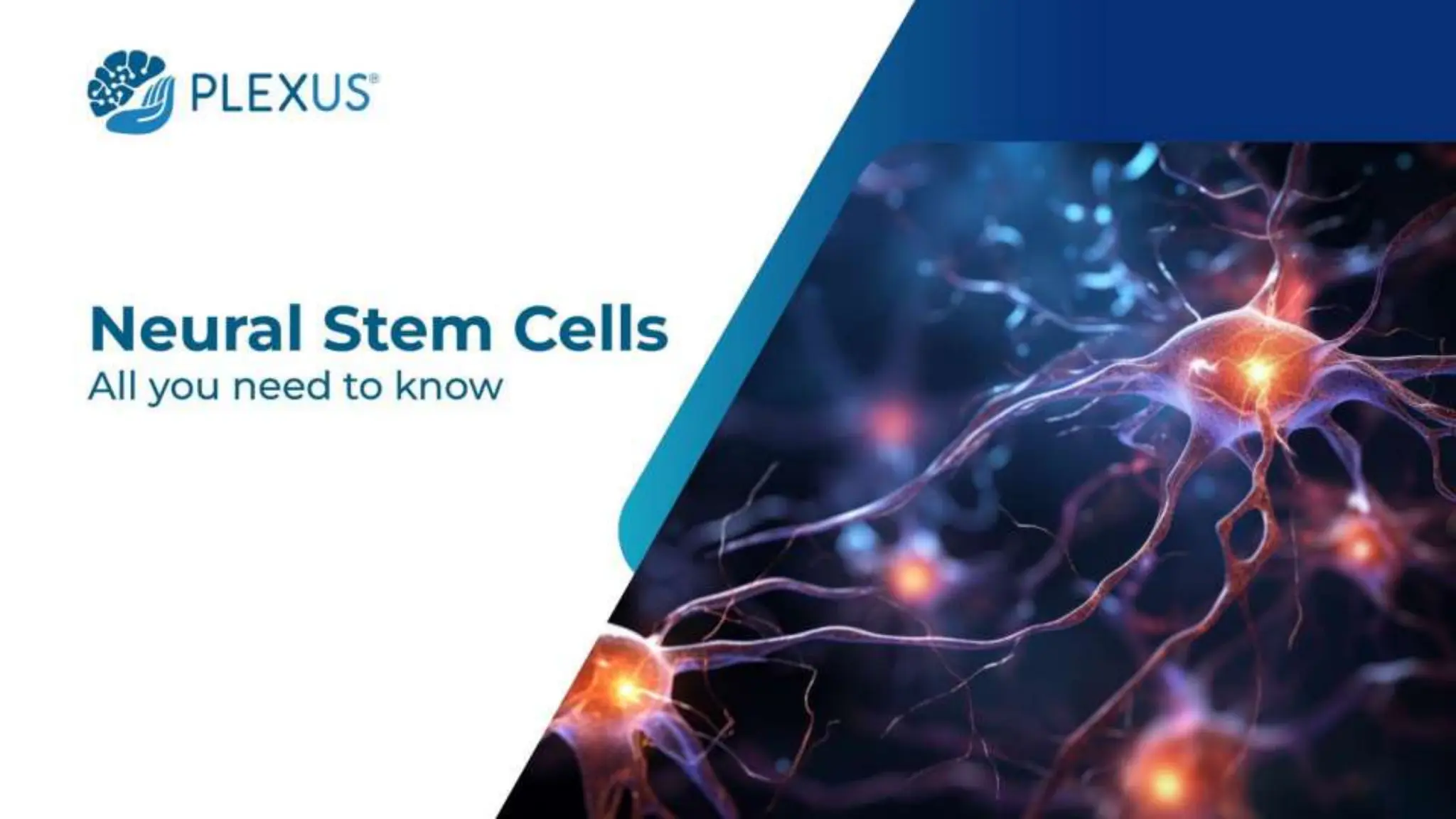
Neural Stem Cells : All You Need to Know

  • 2.
    What are NeuralStem Cells? Neural stem cells are undifferentiated, self-renewing and multipotent cells. They have the ability to differentiate into neuronal neurons, oligodendrocytes, and astrocytes. They are found in abundance throughout the central nervous system (CNS). Neural stem cell transplantation can help repair and replenish damaged oligodendrocytes, as well as other brain tissue.
  • 3.
    Why are Oligodendrocytesimportant? Oligodendrocytes produce brain tissue (myelin) and have the ability to self-renew. They play an integral role in neuronal communication (relaying of messages) through a process known as myelination. If oligodendrocytes sustain any kind of injury or damage, it can lead to a potentially life- threatening situation. Demyelination, a result of this damage, can cause motor and cognitive impairment.
  • 4.
    Types of NeuralStem Cells There are two types of neural stem cells found in the CNS. They are: Neural Tube Epithelial Cells Neural Precursor Cells
  • 5.
    Neural Tube EpithelialCells (NTECs) The neural tube gives rise to the brain and spinal cord. NTECs line the neural tube during embryonic development. They play a vital role in the healthy functioning of the nervous system. They exist only in the embryonic stage, and generate/make way for two types of neurons: Radial glial neurons: These can simultaneously produce glial cells and/or neuronal precursor cells. The primary function of these neurons is to complete the basic nervous tissue in the nucleus and cortex of the brain, a part of childhood development. Neuroblasts: These are the main neural stem cells in the adult body. They can divide and produce neural precursor cells, glial cells, and neurons.
  • 6.
    Neural Precursor Cells(NPCs) These are typically a mixed population of neural stem cells and progenitor cells. They are undifferentiated cells. NPCs are found in both embryonic and adult brains, and can differentiate into neurons, astrocytes, and oligodendrocytes. They help in the process of neurogenesis (formation and repair of neural tissues). NPCs are important for brain development, and cognitive function. They can be used for therapeutic applications, such as treating neurological conditions and injuries.
  • 7.
    Functions of NeuralStem Cells The following are the functions of neural stem cells: ● They support the growth and development of the entire nervous system ● They repair or replace damaged nerve tissue and neurons during illness This is why neural stem cell transplantation may be prescribed to treat certain neurological conditions, particularly those affecting the CNS.
  • 8.
    Treating Stroke withNeural Stem Cells Neural stem cells may be used to treat patients suffering post-stroke complications. There are two approaches that can support a patient They are: Endogenous Approach Exogenous Approach
  • 9.
    Endogenous Approach Adult NSCsthat are present in the patient’s own body are stimulated to activate and differentiate within the damaged areas of the brain. Neurotrophic factors, small molecules, and other therapeutic interventions are harnessed to create a microenvironment conducive to neural stem cell activation and neurogenesis.
  • 10.
    Exogenous Approach NSCs maybe extracted from various sources, such as embryonic stem cells, induced pluripotent stem cells, or adult neural stem cells. The cultured NSCs are transplanted into the regions of the brain affected by stroke. They have the capability to differentiate into neurons and support cells, replacing damaged or lost tissue. This approach aims to enhance neural repair, modulate inflammation, and promote functional recovery after a stroke.
  • 11.
    Treating Parkinson’s withNeural Stem Cells It involves replenishing damaged or lost dopamine-producing neurons in the brain. When transplanted into the affected brain regions, NSCs differentiate into dopamine- producing neurons, restoring the neurotransmitter balance. This can considerably reduce tremor, which is a classic sign of Parkinson’s; and slow down the progression of the disease.
  • 12.
    Regenerative Rehabilitation atPlexus At Plexus Bangalore and Hyderabad, we offer customized regenerative rehabilitation programs for stroke, Parkinson’s, and other neurological and neurodegenerative disorders. Our programs involve a combination of stem cell therapy, occupational therapy, physical therapy, speech and language therapy, cognitive rehabilitation therapy, and so on. To know more, reach out to us today. WhatsApp +91 89048 42087 Call +91 78159 64668 (Hyderabad) | +91 82299 99888 (Bangalore)