



















Principles of Social Media Success:
             One Women’s Story
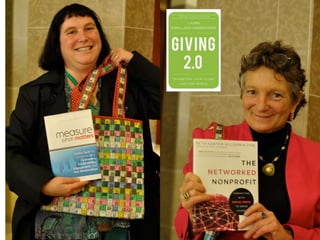
Beth Kanter, Co-Author, Networked Nonprofit
What I am going to talk about today …..

• My story

• Content curation as part of your content
  strategy

• Measuring social media to get better
  results
E-mediat project
Who Are You?


                     • Organization
                     • Role


Stand up, Sit Down
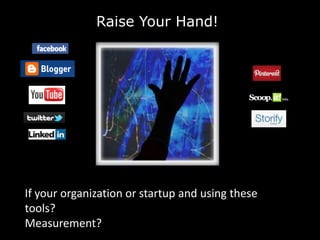
Raise Your Hand!


If your organization or startup and using these
tools?
Measurement?
Share Pair


What is something you know already about makes
social media, content, or measurement
successful?

What’s your burning question?


                    Photo by Franie
My Story ….
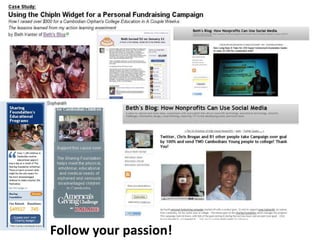
Follow your passion!
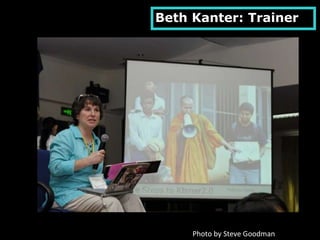
Beth Kanter: Trainer


     Photo by Steve Goodman
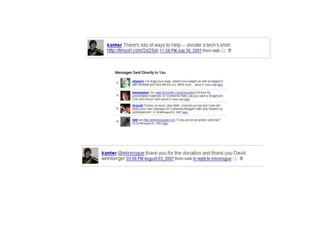
2003-2005
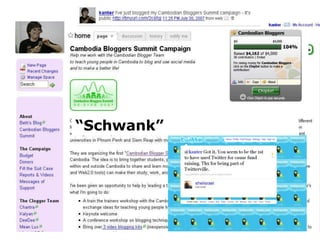
“Schwank”
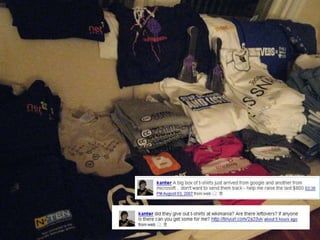
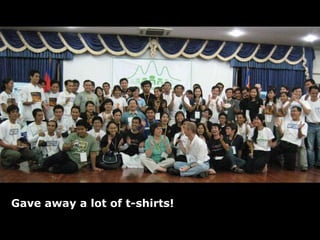
Gave away a lot of t-shirts!
“The key to success is tell the story of one person
and the impact”
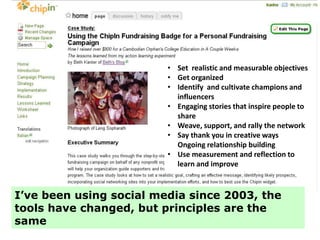
• Set realistic and measurable objectives
                         • Get organized
                         • Identify and cultivate champions and
                           influencers
                         • Engaging stories that inspire people to
                           share
                         • Weave, support, and rally the network
                         • Say thank you in creative ways
                           Ongoing relationship building
                         • Use measurement and reflection to
                           learn and improve


I’ve been using social media since 2003, the
tools have changed, but principles are the
same
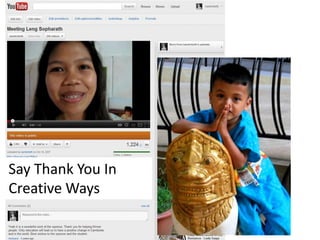
Say Thank You In
Creative Ways
Light Touches
Not Just Asks
Relationships
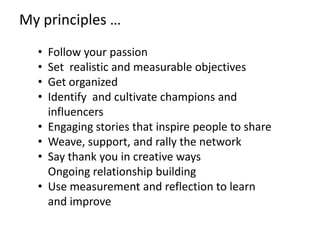
My principles …
  •   Follow your passion
  •   Set realistic and measurable objectives
  •   Get organized
  •   Identify and cultivate champions and
      influencers
  •   Engaging stories that inspire people to share
  •   Weave, support, and rally the network
  •   Say thank you in creative ways
      Ongoing relationship building
  •   Use measurement and reflection to learn
      and improve
What inspires you about the work you do
or your organization’s mission?

How do you tell your story to inspire
others?
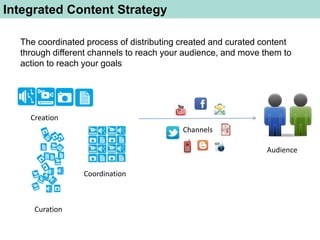
Integrated Content Strategy

  The coordinated process of distributing created and curated content
  through different channels to reach your audience, and move them to
  action to reach your goals


    Creation
                                          Channels

                                                              Audience

                 Coordination


     Curation
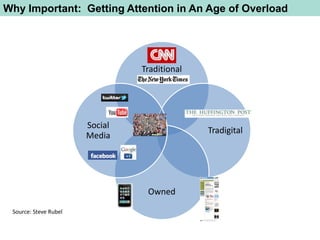
Why Important: Getting Attention in An Age of Overload


                                Traditional


                       Social
                                              Tradigital
                       Media


                                 Owned

 Source: Steve Rubel
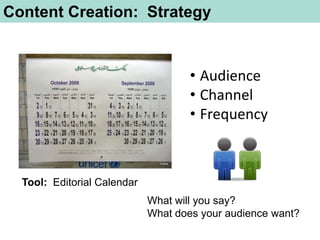
Content Creation: Strategy


                                     • Audience
                                     • Channel
                                     • Frequency


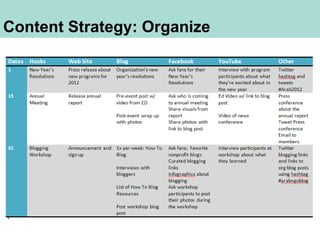
  Tool: Editorial Calendar
                             What will you say?
                             What does your audience want?
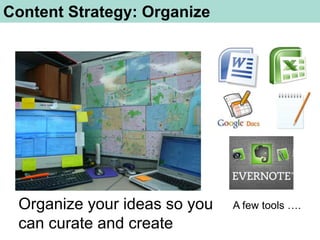
Content Strategy: Organize


 Organize your ideas so you   A few tools ….
 can curate and create
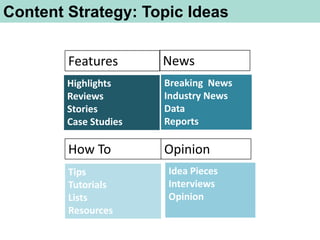
Content Strategy: Topic Ideas


        Features       News
        Highlights     Breaking News
        Reviews        Industry News
        Stories        Data
        Case Studies   Reports

        How To         Opinion
        Tips           Idea Pieces
        Tutorials      Interviews
        Lists          Opinion
        Resources
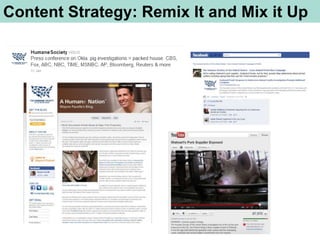
Content Strategy: Remix It and Mix it Up
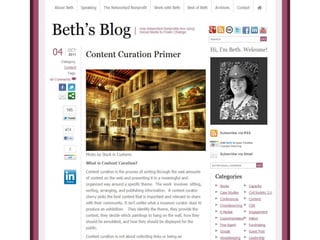
Content curation is the organizing,
filtering and “making sense of”
information on the web and sharing
the very best content with your
audience.
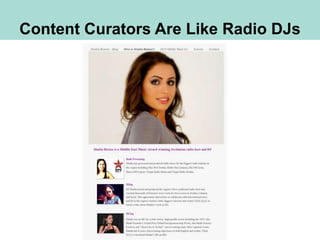
Content Curators Are Like Radio DJs
Why is Content Curation Important?
There is too much information on the
               Internet!


Information is measured in exabytes, a unit of in formation
    or a computer storage equal to one quintillion bytes
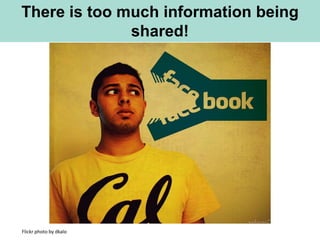
There is too much information being
              shared!


Flickr photo by dkalo
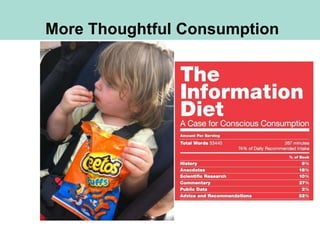
More Thoughtful Consumption
Your Brand Will Be Seen As Thought
              Leader


Photo by spdl_n1
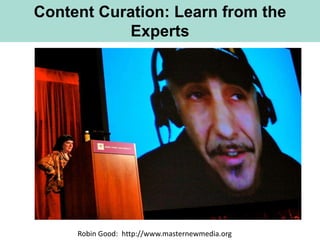
Content Curation: Learn from the
            Experts


     Robin Good: http://www.masternewmedia.org
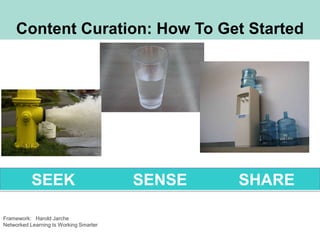
Content Curation: How To Get Started


           SEEK                         SENSE   SHARE

Framework: Harold Jarche
Networked Learning Is Working Smarter
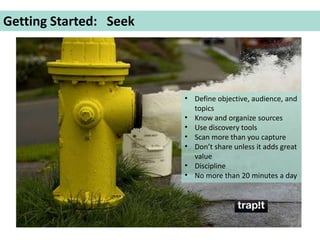
Seek
Getting Started: Seek


                               • Define objective, audience, and
                                 topics
                               • Know and organize sources
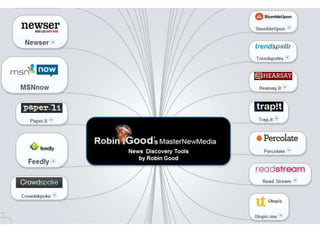
                               • Use discovery tools
                               • Scan more than you capture
                               • Don’t share unless it adds great
                                 value
                               • Discipline
                               • No more than 20 minutes a day
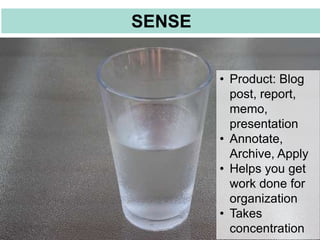
SENSE
 Sense


         • Product: Blog
           post, report,
           memo,
           presentation
         • Annotate,
           Archive, Apply
         • Helps you get
           work done for
           organization
         • Takes
           concentration
Share
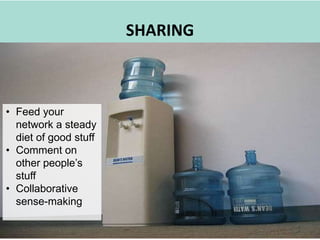
                       SHARING


• Feed your
  network a steady
  diet of good stuff
• Comment on
  other people’s
  stuff
• Collaborative
  sense-making
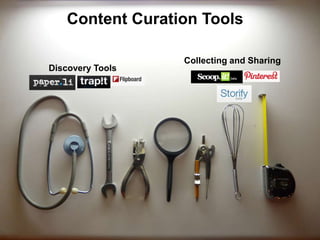
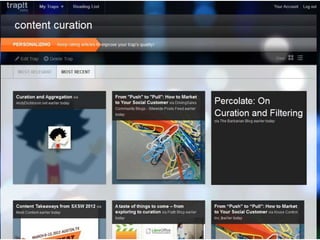
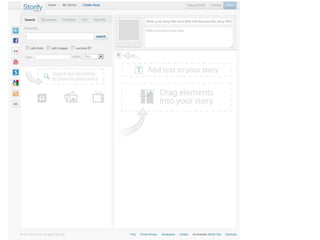
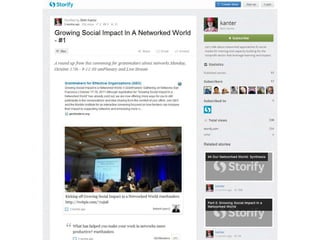
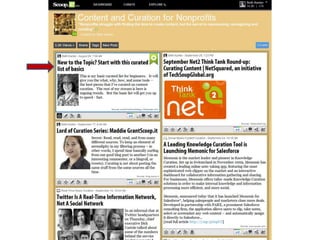
Content Curation Tools

                  Collecting and Sharing
Discovery Tools
How does your organization apply the 3
Cs of content: creation, coordination,
and curation?

What makes you successful?
Social Media Measurement
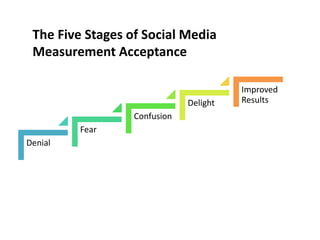
The Five Stages of Social Media
 Measurement Acceptance

                                        Improved
                              Delight   Results
                  Confusion
         Fear
Denial
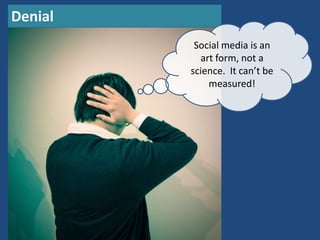
Denial
          Social media is an
           art form, not a
         science. It can’t be
             measured!
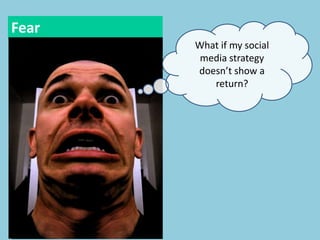
Fear
       What if my social
        media strategy
       doesn’t show a
          return?
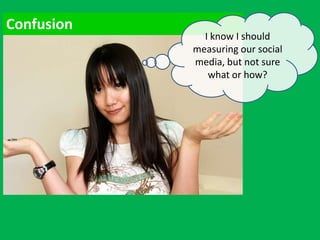
Confusion
              I know I should
            measuring our social
            media, but not sure
               what or how?
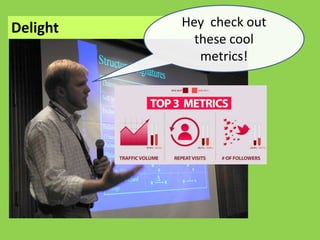
Delight   Hey check out
            these cool
             metrics!
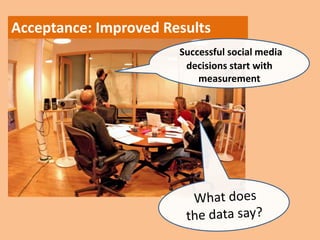
Acceptance: Improved Results
                       Successful social media
                        decisions start with
                           measurement
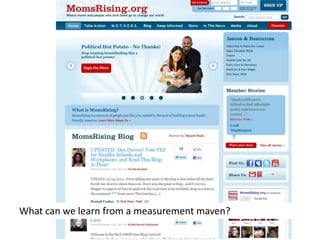
What can we learn from a measurement maven?
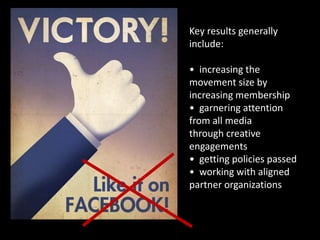
Key results generally
include:

• increasing the
movement size by
increasing membership
• garnering attention
from all media
through creative
engagements
• getting policies passed
• working with aligned
partner organizations
• increasing capacity
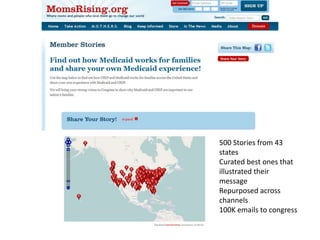
Momsrising wanted to demonstrate to Congress that there was a grassroots
constituency that supported Medicaid and dispel a misperception that while
Medicare has a strong constituency, Medicaid did not.
500 Stories from 43
states
Curated best ones that
illustrated their
message
Repurposed across
channels
100K emails to congress
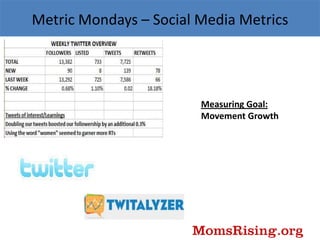
Metric Mondays – Social Media Metrics


                        Measuring Goal:
                        Movement Growth
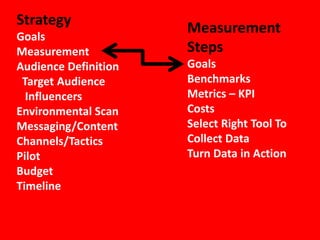
Strategy
Goals
                      Measurement
Measurement           Steps
Audience Definition   Goals
 Target Audience      Benchmarks
  Influencers         Metrics – KPI
Environmental Scan    Costs
Messaging/Content     Select Right Tool To
Channels/Tactics      Collect Data
Pilot                 Turn Data in Action
Budget
Timeline
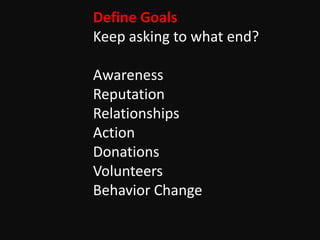
Define Goals
Keep asking to what end?

Awareness
Reputation
Relationships
Action
Donations
Volunteers
Behavior Change
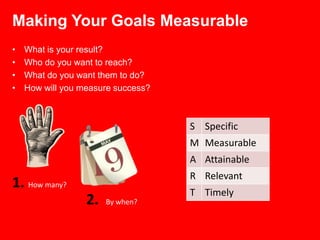
Making Your Goals Measurable
•   What is your result?
•   Who do you want to reach?
•   What do you want them to do?
•   How will you measure success?


                                    S Specific
                                    M Measurable
                                    A Attainable
                                    R Relevant
1. How many?
                                    T Timely
                  2.   By when?
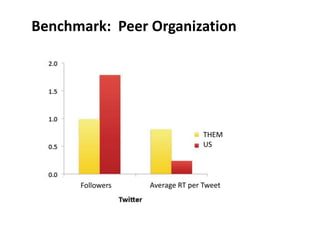
Benchmark: Peer Organization


                                 THEM
                                 US


      Followers   Average RT per Tweet
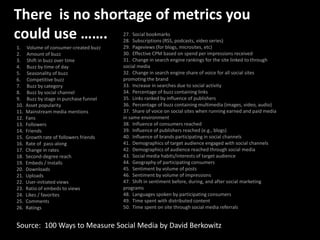
There is no shortage of metrics you
could use …….                            27. Social bookmarks
                                         28. Subscriptions (RSS, podcasts, video series)
1.    Volume of consumer-created buzz    29. Pageviews (for blogs, microsites, etc)
2.    Amount of buzz                     30. Effective CPM based on spend per impressions received
3.    Shift in buzz over time            31. Change in search engine rankings for the site linked to through
4.    Buzz by time of day                social media
5.    Seasonality of buzz                32. Change in search engine share of voice for all social sites
6.    Competitive buzz                   promoting the brand
7.    Buzz by category                   33. Increase in searches due to social activity
8.    Buzz by social channel             34. Percentage of buzz containing links
9.    Buzz by stage in purchase funnel   35. Links ranked by influence of publishers
10.   Asset popularity                   36. Percentage of buzz containing multimedia (images, video, audio)
11.   Mainstream media mentions          37. Share of voice on social sites when running earned and paid media
12.   Fans                               in same environment
13.   Followers                          38. Influence of consumers reached
14.   Friends                            39. Influence of publishers reached (e.g., blogs)
15.   Growth rate of followers friends   40. Influence of brands participating in social channels
16.   Rate of pass-along                 41. Demographics of target audience engaged with social channels
17.   Change in rates                    42. Demographics of audience reached through social media
18.   Second-degree reach                43. Social media habits/interests of target audience
19.   Embeds / Installs                  44. Geography of participating consumers
20.   Downloads                          45. Sentiment by volume of posts
21.   Uploads                            46. Sentiment by volume of impressions
22.   User-initiated views               47. Shift in sentiment before, during, and after social marketing
23.   Ratio of embeds to views           programs
24.   Likes / favorites                  48. Languages spoken by participating consumers
25.   Comments                           49. Time spent with distributed content
26.   Ratings                            50. Time spent on site through social media referrals


Source: 100 Ways to Measure Social Media by David Berkowitz
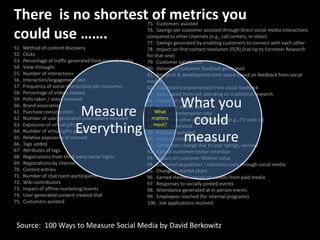
There is no shortest of metrics you                       75. Customers assisted

could use …….                                             76. Savings per customer assisted through direct social media interactions
                                                          compared to other channels (e.g., call centers, in-store)
                                                          77. Savings generated by enabling customers to connect with each other
51.   Method of content discovery                         78. Impact on first contact resolution (FCR) (hat tip to Forrester Research
52.   Clicks                                              for that one)
53.   Percentage of traffic generated from earned media   79. Customer satisfaction
54.   View-throughs                                       80. Volume of customer feedback generated
55.   Number of interactions                              81. Research & development time saved based on feedback from social
56.   Interaction/engagement rate                         media
57.   Frequency of social interactions per consumer       82. Suggestions implemented from social feedback
58.   Percentage of videos viewed                         83. Costs saved from not spending on traditional research
59.
60.
      Polls taken / votes received
      Brand association                                                  What you
                                                          84. Impact on online sales

61.   Purchase consideration  Measure                     85. Impact on offline sales
                                                          86.What
                                                               Discount redemption rate
62.   Number of user-generated submissions received       87. Impact
                                                                          could
                                                            matters on other offline behavior (e.g., TV tune-in)
63.
64.                          Everything
      Exposures of virtual gifts
      Number of virtual gifts given
                                                          88.most? generated
                                                               Leads

65.
66.
      Relative popularity of content
      Tags added
                                                                         measure
                                                          89. Products sampled
                                                          90. Visits to store locator pages
                                                          91. Conversion change due to user ratings, reviews
67.   Attributes of tags                                  92. Rate of customer/visitor retention
68.   Registrations from third-party social logins        93. Impact on customer lifetime value
69.   Registrations by channel (                          94. Customer acquisition / retention costs through social media
70.   Contest entries                                     95. Change in market share
71.   Number of chat room participants                    96. Earned media's impact on results from paid media
72.   Wiki contributors                                   97. Responses to socially posted events
73.   Impact of offline marketing/events                  98. Attendance generated at in-person events
74.   User-generated content created that                 99. Employees reached (for internal programs)
75.   Customers assisted                                  100. Job applications received


 Source: 100 Ways to Measure Social Media by David Berkowitz
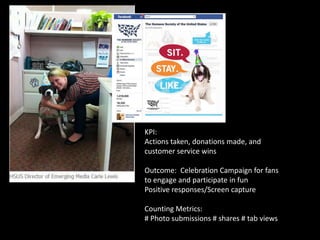
KPI:
Actions taken, donations made, and
customer service wins

Outcome: Celebration Campaign for fans
to engage and participate in fun
Positive responses/Screen capture

Counting Metrics:
# Photo submissions # shares # tab views
Cost
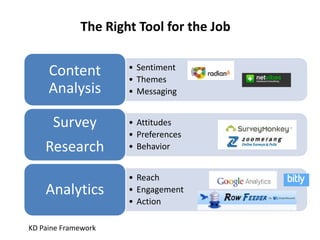
The right tool for the job
The Right Tool for the Job

                     • Sentiment
     Content         • Themes
     Analysis        • Messaging


      Survey         • Attitudes
                     • Preferences
    Research         • Behavior


                     • Reach
    Analytics        • Engagement
                     • Action

KD Paine Framework
Data to measure progress on
your objectives will come from
a variety sources and
measurement tools.
Turn Data into Action
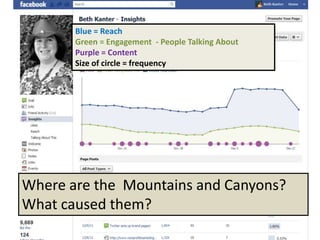
Blue = Reach
       Green = Engagement - People Talking About
       Purple = Content
       Size of circle = frequency


Where are the Mountains and Canyons?
What caused them?
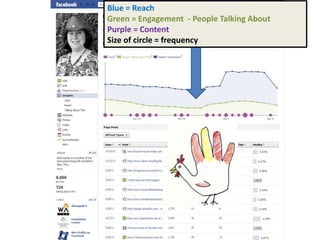
Blue = Reach
Green = Engagement - People Talking About
Purple = Content
Size of circle = frequency
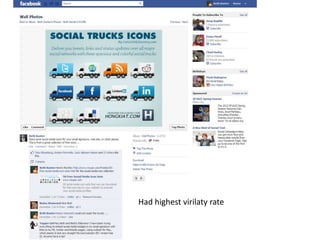
Had highest virilaty rate
Learning:
Post fun geeky visual stuff that is useful on Fridays
Tagged an influencer, who shared it with her
networks. Timely topic, was current in the
news.
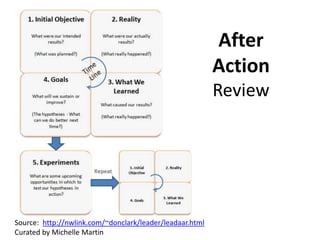
After
                                                          Action
                                                          Review


Source: http://nwlink.com/~donclark/leader/leadaar.html
Curated by Michelle Martin
Basic Steps

Goals
Benchmarks
Metrics – KPI
Costs
Select Right Tool and Collect Data
Turn Data in Action
Thank you


Beth’s Blog: http://www.bethkanter.org
Twitter: @kanter
Facebook: http://www.facebook.com/beth.kanter.blog
http://bit.ly/social-fundraising

N2Vlabs Talks

  • 1.
    Principles of SocialMedia Success: One Women’s Story Beth Kanter, Co-Author, Networked Nonprofit
  • 2.
    What I amgoing to talk about today ….. • My story • Content curation as part of your content strategy • Measuring social media to get better results
  • 4.
  • 6.
    Who Are You? • Organization • Role Stand up, Sit Down
  • 7.
    Raise Your Hand! Ifyour organization or startup and using these tools? Measurement?
  • 8.
    Share Pair What issomething you know already about makes social media, content, or measurement successful? What’s your burning question? Photo by Franie
  • 9.
  • 10.
  • 11.
    Beth Kanter: Trainer Photo by Steve Goodman
  • 13.
  • 16.
  • 19.
    Gave away alot of t-shirts!
  • 20.
    “The key tosuccess is tell the story of one person and the impact”
  • 24.
    • Set realisticand measurable objectives • Get organized • Identify and cultivate champions and influencers • Engaging stories that inspire people to share • Weave, support, and rally the network • Say thank you in creative ways Ongoing relationship building • Use measurement and reflection to learn and improve I’ve been using social media since 2003, the tools have changed, but principles are the same
  • 27.
    Say Thank YouIn Creative Ways
  • 28.
    Light Touches Not JustAsks Relationships
  • 29.
    My principles … • Follow your passion • Set realistic and measurable objectives • Get organized • Identify and cultivate champions and influencers • Engaging stories that inspire people to share • Weave, support, and rally the network • Say thank you in creative ways Ongoing relationship building • Use measurement and reflection to learn and improve
  • 30.
    What inspires youabout the work you do or your organization’s mission? How do you tell your story to inspire others?
  • 31.
    Integrated Content Strategy The coordinated process of distributing created and curated content through different channels to reach your audience, and move them to action to reach your goals Creation Channels Audience Coordination Curation
  • 32.
    Why Important: GettingAttention in An Age of Overload Traditional Social Tradigital Media Owned Source: Steve Rubel
  • 33.
    Content Creation: Strategy • Audience • Channel • Frequency Tool: Editorial Calendar What will you say? What does your audience want?
  • 34.
  • 35.
    Content Strategy: Organize Organize your ideas so you A few tools …. can curate and create
  • 36.
    Content Strategy: TopicIdeas Features News Highlights Breaking News Reviews Industry News Stories Data Case Studies Reports How To Opinion Tips Idea Pieces Tutorials Interviews Lists Opinion Resources
  • 37.
    Content Strategy: RemixIt and Mix it Up
  • 38.
    Content curation isthe organizing, filtering and “making sense of” information on the web and sharing the very best content with your audience.
  • 39.
    Content Curators AreLike Radio DJs
  • 40.
    Why is ContentCuration Important?
  • 41.
    There is toomuch information on the Internet! Information is measured in exabytes, a unit of in formation or a computer storage equal to one quintillion bytes
  • 42.
    There is toomuch information being shared! Flickr photo by dkalo
  • 43.
  • 44.
    Your Brand WillBe Seen As Thought Leader Photo by spdl_n1
  • 45.
    Content Curation: Learnfrom the Experts Robin Good: http://www.masternewmedia.org
  • 46.
    Content Curation: HowTo Get Started SEEK SENSE SHARE Framework: Harold Jarche Networked Learning Is Working Smarter
  • 47.
    Seek Getting Started: Seek • Define objective, audience, and topics • Know and organize sources • Use discovery tools • Scan more than you capture • Don’t share unless it adds great value • Discipline • No more than 20 minutes a day
  • 48.
    SENSE Sense • Product: Blog post, report, memo, presentation • Annotate, Archive, Apply • Helps you get work done for organization • Takes concentration
  • 50.
    Share SHARING • Feed your network a steady diet of good stuff • Comment on other people’s stuff • Collaborative sense-making
  • 52.
    Content Curation Tools Collecting and Sharing Discovery Tools
  • 62.
    How does yourorganization apply the 3 Cs of content: creation, coordination, and curation? What makes you successful?
  • 63.
  • 64.
    The Five Stagesof Social Media Measurement Acceptance Improved Delight Results Confusion Fear Denial
  • 65.
    Denial Social media is an art form, not a science. It can’t be measured!
  • 66.
    Fear What if my social media strategy doesn’t show a return?
  • 67.
    Confusion I know I should measuring our social media, but not sure what or how?
  • 68.
    Delight Hey check out these cool metrics!
  • 69.
    Acceptance: Improved Results Successful social media decisions start with measurement
  • 70.
    What can welearn from a measurement maven?
  • 71.
    Key results generally include: •increasing the movement size by increasing membership • garnering attention from all media through creative engagements • getting policies passed • working with aligned partner organizations • increasing capacity
  • 72.
    Momsrising wanted todemonstrate to Congress that there was a grassroots constituency that supported Medicaid and dispel a misperception that while Medicare has a strong constituency, Medicaid did not.
  • 73.
    500 Stories from43 states Curated best ones that illustrated their message Repurposed across channels 100K emails to congress
  • 79.
    Metric Mondays –Social Media Metrics Measuring Goal: Movement Growth
  • 80.
    Strategy Goals Measurement Measurement Steps Audience Definition Goals Target Audience Benchmarks Influencers Metrics – KPI Environmental Scan Costs Messaging/Content Select Right Tool To Channels/Tactics Collect Data Pilot Turn Data in Action Budget Timeline
  • 81.
    Define Goals Keep askingto what end? Awareness Reputation Relationships Action Donations Volunteers Behavior Change
  • 82.
    Making Your GoalsMeasurable • What is your result? • Who do you want to reach? • What do you want them to do? • How will you measure success? S Specific M Measurable A Attainable R Relevant 1. How many? T Timely 2. By when?
  • 83.
    Benchmark: Peer Organization THEM US Followers Average RT per Tweet
  • 84.
    There is noshortage of metrics you could use ……. 27. Social bookmarks 28. Subscriptions (RSS, podcasts, video series) 1. Volume of consumer-created buzz 29. Pageviews (for blogs, microsites, etc) 2. Amount of buzz 30. Effective CPM based on spend per impressions received 3. Shift in buzz over time 31. Change in search engine rankings for the site linked to through 4. Buzz by time of day social media 5. Seasonality of buzz 32. Change in search engine share of voice for all social sites 6. Competitive buzz promoting the brand 7. Buzz by category 33. Increase in searches due to social activity 8. Buzz by social channel 34. Percentage of buzz containing links 9. Buzz by stage in purchase funnel 35. Links ranked by influence of publishers 10. Asset popularity 36. Percentage of buzz containing multimedia (images, video, audio) 11. Mainstream media mentions 37. Share of voice on social sites when running earned and paid media 12. Fans in same environment 13. Followers 38. Influence of consumers reached 14. Friends 39. Influence of publishers reached (e.g., blogs) 15. Growth rate of followers friends 40. Influence of brands participating in social channels 16. Rate of pass-along 41. Demographics of target audience engaged with social channels 17. Change in rates 42. Demographics of audience reached through social media 18. Second-degree reach 43. Social media habits/interests of target audience 19. Embeds / Installs 44. Geography of participating consumers 20. Downloads 45. Sentiment by volume of posts 21. Uploads 46. Sentiment by volume of impressions 22. User-initiated views 47. Shift in sentiment before, during, and after social marketing 23. Ratio of embeds to views programs 24. Likes / favorites 48. Languages spoken by participating consumers 25. Comments 49. Time spent with distributed content 26. Ratings 50. Time spent on site through social media referrals Source: 100 Ways to Measure Social Media by David Berkowitz
  • 85.
    There is noshortest of metrics you 75. Customers assisted could use ……. 76. Savings per customer assisted through direct social media interactions compared to other channels (e.g., call centers, in-store) 77. Savings generated by enabling customers to connect with each other 51. Method of content discovery 78. Impact on first contact resolution (FCR) (hat tip to Forrester Research 52. Clicks for that one) 53. Percentage of traffic generated from earned media 79. Customer satisfaction 54. View-throughs 80. Volume of customer feedback generated 55. Number of interactions 81. Research & development time saved based on feedback from social 56. Interaction/engagement rate media 57. Frequency of social interactions per consumer 82. Suggestions implemented from social feedback 58. Percentage of videos viewed 83. Costs saved from not spending on traditional research 59. 60. Polls taken / votes received Brand association What you 84. Impact on online sales 61. Purchase consideration Measure 85. Impact on offline sales 86.What Discount redemption rate 62. Number of user-generated submissions received 87. Impact could matters on other offline behavior (e.g., TV tune-in) 63. 64. Everything Exposures of virtual gifts Number of virtual gifts given 88.most? generated Leads 65. 66. Relative popularity of content Tags added measure 89. Products sampled 90. Visits to store locator pages 91. Conversion change due to user ratings, reviews 67. Attributes of tags 92. Rate of customer/visitor retention 68. Registrations from third-party social logins 93. Impact on customer lifetime value 69. Registrations by channel ( 94. Customer acquisition / retention costs through social media 70. Contest entries 95. Change in market share 71. Number of chat room participants 96. Earned media's impact on results from paid media 72. Wiki contributors 97. Responses to socially posted events 73. Impact of offline marketing/events 98. Attendance generated at in-person events 74. User-generated content created that 99. Employees reached (for internal programs) 75. Customers assisted 100. Job applications received Source: 100 Ways to Measure Social Media by David Berkowitz
  • 86.
    KPI: Actions taken, donationsmade, and customer service wins Outcome: Celebration Campaign for fans to engage and participate in fun Positive responses/Screen capture Counting Metrics: # Photo submissions # shares # tab views
  • 87.
  • 88.
    The right toolfor the job
  • 89.
    The Right Toolfor the Job • Sentiment Content • Themes Analysis • Messaging Survey • Attitudes • Preferences Research • Behavior • Reach Analytics • Engagement • Action KD Paine Framework
  • 90.
    Data to measureprogress on your objectives will come from a variety sources and measurement tools.
  • 91.
  • 93.
    Blue = Reach Green = Engagement - People Talking About Purple = Content Size of circle = frequency Where are the Mountains and Canyons? What caused them?
  • 94.
    Blue = Reach Green= Engagement - People Talking About Purple = Content Size of circle = frequency
  • 96.
  • 97.
    Learning: Post fun geekyvisual stuff that is useful on Fridays
  • 98.
    Tagged an influencer,who shared it with her networks. Timely topic, was current in the news.
  • 99.
    After Action Review Source: http://nwlink.com/~donclark/leader/leadaar.html Curated by Michelle Martin
  • 100.
    Basic Steps Goals Benchmarks Metrics –KPI Costs Select Right Tool and Collect Data Turn Data in Action
  • 101.
    Thank you Beth’s Blog:http://www.bethkanter.org Twitter: @kanter Facebook: http://www.facebook.com/beth.kanter.blog http://bit.ly/social-fundraising

Editor's Notes

  • #4 I was lucky to have a front row seat at the beginning of a field in the US – nonprofits and technology – back in 1992I was hired to be a trainer for an online network of ngos – to help them get on the Internet - I didn’t know what a modem was or UNIX, but I learned from some fantastic geeks and would turn around and teach NGOs .. I taught thousands how to use email, how to create web pages …I was an early adopter of blogging – and started Beth’s Blog in 2003 as a notebook to write about nonprofits and social media – I started it for myself – but now I have 25,000 subscribers and 50K monthly visitors.
  • #8 http://www.flickr.com/photos/urbanislands/3978081022/
  • #9 http://www.flickr.com/photos/franie/471300085/
  • #28 http://www.youtube.com/watch?v=PVkiXZX-Za0&feature=plcp&context=C32c787aUDOEgsToPDskITqF_R-ABmcrJ83YnruDvL
  • #33 They know that to get results they cannot solely rely on social media tools.  They use results as a guide for designing and implementing rapid responses as part of their multi-channel citizen engagement campaigns. They know how to gain attention in an age of media clutter and overload …. The importance of having an “integrated strategy” The media landscape today consists of four domains Traditional media …. (such as CNN, NY Times)Tradigital media … (includes mostly blogs with a lot of authority like the Huffington Post)Owned Media …. (this is your organization’s web site)Social Media … which includes social networks like Facebook, Twitter – increasingly being accessed on mobile devices What’s interesting is that the consumer does not make the distinction – they may get their news from reading a friend’s newsfeed or hear it on NPR or follow NPR on Facebook or get email alerts, etc.Momsrising has done a great job of this … they engage people and encourage them to share their stories – and they in turn share those stories through all four domains.
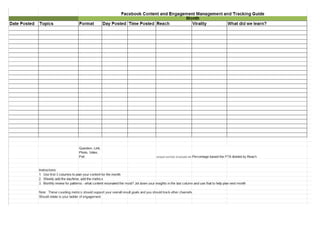
  • #34 You need to plan out your content, ideally on a monthly basis.Many NGOs use an editorial calendar that is a simple spreadsheet that lists:-Date-Channel-Frequency-Content IdeaThe can be curated or created, but it has to be what your audience will respond to meet your objectives.Photo Source: http://www.flickr.com/photos/peejeebee/4042966090/sizes/o/in/photostream/
  • #35 This a simple example of what an editorial calendar may look at. You can use a spreadsheet, word document, or keep it online so several people can help.The secret behind an editorial calendar is the way in which it allows a publisher to create content that’s in tune with readers' expectations—what’s happening in their own lives and, therefore, what they’re in the right frame of mind to hear.You need to plan out your content, ideally on a monthly basis.Many NGOs use an editorial calendar that is a simple spreadsheet that lists:-Date-Channel-Frequency-Content IdeaThe can be curated or created, but it has to be what your audience will respond to meet your objectives.Spreadsheet you can modify – it is based on US holidayshttps://docs.google.com/spreadsheet/ccc?key=0AjOK16EGb79NdHYtcFhqODhUT1A0UTl0bUZDaWM2eWc&hl=en_US#gid=0
  • #36 http://www.flickr.com/photos/drydens/2349707107/sizes/l/in/photostream/You have to organize your ideas in a way that makes it easy to curate or create content
  • #37 It is important think about your content in terms of what you can plan ahead and what you need to be ready for when there is breaking news ..Breaking news – have to publish with short lead time – but you don’t have to be first. Quality comes first. There is a technique called “news-jacking”Newsjacking is piggy-backing on timely news or Meerman points out “the second paragraph of a news story.”    It is done by creating original content that takes advantage of timely events that are getting mainstream media attention and providing your organization’s view or take on the topic and sharing it with your audience, including journalists. Timely – Holidays, programs, events, and regular features “Facebook Fridays” – These should be in your editorial calendarAnytime – This is content related to your organization’s mission, can be about your organization or your topic area – but linked to a specific event. You can create this during slow times or have it on hand so it is efficient to share your content.Campaigns – This is content to support a specific organizational campaign.
  • #38 You can mix it up. You don’t have create new content for every channel!
  • #40 A DJ does not create the music, but they select it. The know the musicians, they know the music, and they pick out the best and present in a context. The content curator is a DJ, an artist, and gives context. ShadiaBseiso is an award winning DJ from Jordan: http://www.shadiabseiso.com/SHADIA_BSEISO/Who_is_Shadia_Bseiso.html
  • #43 There are 800 million users on Facebook who share 90 pieces of content per month.Do the math – that’s a lot of information and contributing to our information overload.
  • #44 And that has lead to another problem – the way we consume information – mindless, mind numbing information. We need to go on an information diet – we need to become more mindful, conscious consumers of information; and that is what the content curator does.
  • #45 http://www.flickr.com/photos/spdl_n1/2955852182/sizes/o/in/photostream/Because there is so much information on the Internet, if your NGO is able to help your audience navigate to the best quality content and information on the Internet and social media, your organization will be seen as a thought leader. It could help your organization have a marketing advantage.
  • #46 “When you want to learn about new skill or technology, you can learn a lot by observing the experts who do it and their practice. Even interviewing them, commenting on their blog, etc.”Robin Good, the man in the photo, is the person who invented “Content Curation.” Robin’s Blog: http://www.masternewmedia.org/I’ve been following his content curation for many years, commenting on his site, and I asked him to do a Skype call as a part of presentation. He is a very advanced in his skills and knowledge. So, as I’ve been learning how to do this, I’ve translated some of his ideas for NGOs and beginners which can be accessed at http://bit.ly/content-curation-ngo
  • #47 http://www.jarche.com/2010/10/network-learning-working-smarter/Seek: Is finding the information that is relevant to your social media objective and that your audience finds valuable.Sense: This is the process of creating a product based what you find. If we used the metaphor of a DJ, this is the play list. This could be as simple as an annotated link or a blog post.Share: This is the process of having a conversation with your audience about the content
  • #48 http://www.jarche.com/2010/10/network-learning-working-smarter/Define objective, audience, and topicsOrganize sources (on Twitter and Facebook)Use discovery tools (like Trap!i – additional tools here: http://www.mindmeister.com/134760952/news-content-discovery-tools-2012-by-robin-goodScan more than you captureDon’t share unless it adds great valueDiscipline
  • #49 http://www.jarche.com/2010/10/network-learning-working-smarter/Product – writing, report, presentation, memo, Annotate, Archive , ApplyMust add value to your workMake sense of the information by creating a product or applying what you’ve learned.
  • #50 I don’t curate information unless I need it to prepare for a presentation, create a workshop curriculum, write a blog post, or something that I’m doing for work.There’s a lot of information out there I could look at, but if it doesn’t help me get my work done – I don’t look at all of it.http://www.bethkanter.org/content-curation-101/
  • #51 http://www.jarche.com/2010/10/network-learning-working-smarter/Product – writing, report, presentation, memo, Annotate, Archive , ApplyMust add value to your workMake sense of the information by creating a product or applying what you’ve learned.
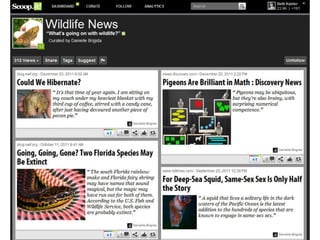
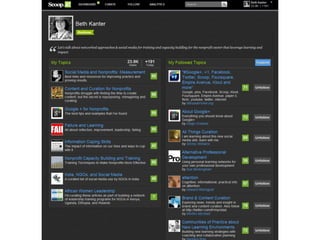
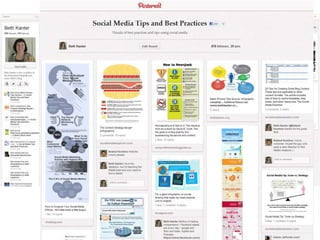
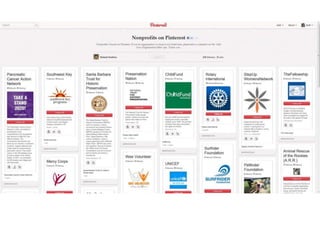
  • #53 These are a few tools that you can use for curation.News Discovery Tools: In addition to organizing your sources on Facebook and Twitter, there are “discovery tools” that will help you find and scan your sources to curate. These include: paper.li, trap.it, flipboard (needs ipad)If you’re beginning, start with curating content on Twitter and Facebook. Collecting and Sharing Tools:There are many tools designed to create a page for your collection and share with your network. These include:Scoop.itPinterestStorifyWe are not going to spend a lot of time looking at all these tools in depth. I am going to do a quick demo of Pinterest
  • #64 She had many words of wisdom … and that’s why we ended up writing this book together.
  • #65 Not everyone or every nonprofit organization starts out loving measurement. I know I didn’t … and there are five stages that we go through before we reach the best practice of using measurement data to improve our results.
  • #68 http://www.flickr.com/photos/firecloak/6774418629/sizes/l/in/photostream/
  • #69 http://www.flickr.com/photos/hockeyshooter/4132732687/
  • #70 http://www.flickr.com/photos/theimagegroup/369893824/
  • #71 I’ve had the pleasure of working closely with Momsrising in one of the peer groups that I’m facilitating here at the Packard Foundation – they are grantee in the CFC.I’ve learned a lot about effective integrated social media strategies and tactics from them, but makes them very successful is that they are measurement mavens …Momsrising mission is to effect policy change to make our country more family friendly …They were early adopters of social media and have built a robust network …..
  • #72 They establish overall key results and metrics to measure – and it isn’t just about counting likes on Facebook. They have these overarching goals, metrics from different channels or KPIs
  • #73 Let’s look at an example around a specific campaign.Back over the summer, Momsrising wanted to demonstrate to Congress that there was a grassroots constituency that supported Medicaid and dispel a misperception that while medicare has a strong constuetncy, medicaid did not …So, they used their overall results to shape their strategy …
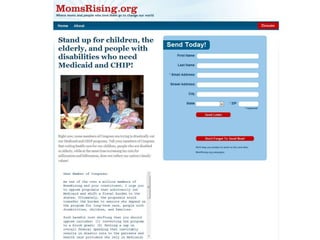
  • #74 Momsrising knows from years of message testing and research, that to change minds about an issue, wonky stats fall flat.   But stories resonate.   They identified a rapid response goal of getting the stories dozens of moms who benefited from Medicaid and who could put out a strong defense for the program in the media. Using a story collection landing page on their site, they urged their members to share their stories.   They collected over 500 stories from 43 states about how Medicaid was helping families.   They curated the best ones that illustrated their message and re-purposed these stories in to all their action alerts across channels.  This generated over 100,000 letters to Congress about the debt ceiling and the importance of Medcaid.
  • #75 http://www.bethkanter.org/momsrising-key-results/Here’s what the story collection form looked like.Being measurement maven, they have done a lot of testing about what makes the perfect landing page to get people to add their story – photos? Placement of the form, etc.
  • #76 All their messaging is aligned -- through every channel – they know through measurement that tweeting messages directly to a legislator gets more attention …
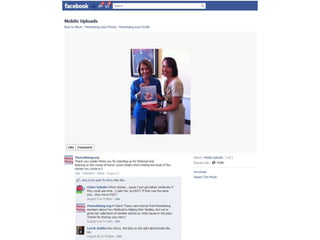
  • #77 One of their key results is creative on the ground actions – here they’ve bundled up those stories into a package and shared with a legislator – and of course, got the photo to post on FB.Everything they do is aligned around outcomes
  • #78 They also make sure that they’re getting their message out through mainstream news media – and they know which outlets product for them through measurement
  • #79 What makes momsrising a measurement maven is the their process using the data to make decisions and getting member feedback.Momsrising holds a weekly staff meeting nicknamed “Metrics Monday.”   Each program and campaign staff person reviews their reports in preparation for a group conversation about what actions to reinforce, how refine messages, and other improvements.    Says Kristin, “Our dashboards have multiple views – a high level view and the ability to drill down into specific campaigns – this informs our discussion.”
  • #81 I want to make a distinction between measurement and strategy .. There are overlaps … The strategy is all the stuff you do to get results – including measurement ….
  • #82 Defining measurable results at the front end is your first step – and it is important to do. IT is important to have this conversation as a team. Don’t settle for answers like “We want to get 1000 fans on Facebook” – get at the real and important results.Questions to ask:What does success look like?What does failure look like?Keep drilling down and asking to what end until you get a crisp set of statements that describe results.
  • #84 http://visual.ly/twitter
  • #85 Key Performance IndicatorsMetricshttp://www.mediapost.com/publications/?fa=Articles.showArticle&art_aid=117581
  • #86 Key Performance Indicators: Key performance indicators are the most important metrics to understand how successful your are ..This is the conversation to have with your team …..Metricshttp://www.mediapost.com/publications/?fa=Articles.showArticle&art_aid=117581
  • #87 Carie’s example“We look at three things: actions taken, donations made, and customer service wins. That’s also how our department has been able to obtain more resources to handle the volume we have.” Recent campaign they tracked: http://www.bethkanter.org/million-fans/Counting Metrics: They’ve codified it for every departmentFor this campaign,  they wanted to create a celebration so that fans could engage and participate in the fun.   They wanted to create a personalized experience that makes the fans feel like they are a part of something really great that’s why they created a video and an opportunity for their fans to share their photos of their pets and why they love them.Some counting metrics they captured were:   # likes, # photo submissions, # mobile submissions, # tab views, # video views, # sharesCodified
  • #88 http://www.flickr.com/photos/tjblackwell/5659432136/sizes/m/in/photostream/Cost to implement your social media pilot – including measurement time!
  • #89 http://www.flickr.com/photos/kaptainkobold/80911944/sizes/o/in/photostream/Your measurement tools are the techniques you will use to collect data – the key performance indicators – These are covered in a later session. Remember – any tool is useless unless it covers the sort of data that help you evaluate progress towards to your goalsContent analysis of social or traditional media- Primary audience via online, mail, or phone surveys- AnalyticsAffordable ….
  • #90 Categorize your specific social media measurement activities and relate to your objectivesSentiment (Messaging, positioning, themes)Attitudes (perceptions, behavior change, preferences, awareness)Do (Reach, Engagement, Action, Donate, Purchase)http://www.flickr.com/photos/leeontheroad/89666692/sizes/z/in/photostream/
  • #92 Have the data ready when you are making decisionsData is like homemade bread. When it’s still in the over, not quite ready, the anticipation is huge. You can’t wait to see it. When you take it out of the oven, it’s perfect. You can use it for anything. You serve it with dinner, then have it for breakfast, and make sandwiches with it for lunch. After a while, it gets old and stale and you stick in in the freezer. A few months later you take it out and make bread pudding with it. When data is fresh, you can mine it for all kinds of data and insights, but the older it gets the less useful it is. Eventually, it makes for a good benchmark, but isn’t really that useful anymore. So make sure that your data is ready and at hand when you have to make decisions. http://www.flickr.com/photos/umpqua/388856350/sizes/l/in/photostream/
  • #93 Start with your editorial calendar spreadsheet
  • #101 These are the basic steps that you will follow for your measurement pilot ….