Download to read offline

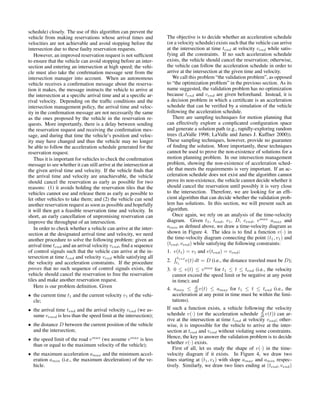
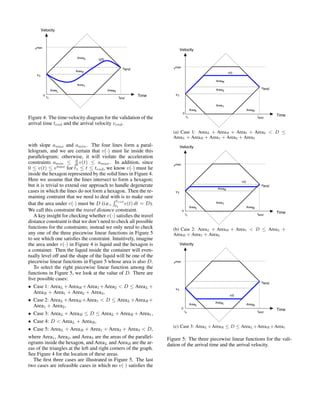
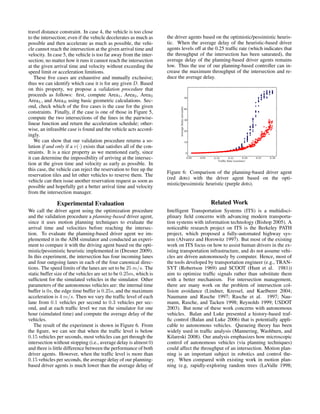


This document discusses motion planning algorithms for autonomous vehicles at intersections. It first introduces Autonomous Intersection Management (AIM), which uses vehicle-to-infrastructure communication and reservations to efficiently control intersection traffic without traffic signals. The document then discusses how the precision of vehicles' motion controllers relates to intersection efficiency. It proposes a planning-based motion controller that can reduce vehicle stopping and optimize arrival times/velocities to increase intersection throughput according to Little's law of queueing theory.


