Guide 
AVRDC pub # 03-545 
Suggested Cultural Practices 
for Moringa 
by M.C. Palada and L.C. Chang1 
Climate and soil requirements 
Moringa tolerates a wide range of environmental 
conditions. It grows best between 25 to 35oC, but 
will tolerate up to 48oC in the shade and can survive 
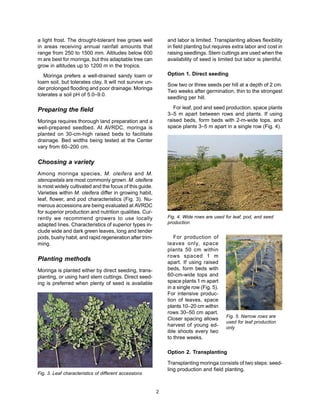
Fig.1. Moringa is one of world's most useful plants Fig. 2. Moringa flowers, pods, and foliage 
1 
International 
Cooperators’ 
AVRDC 
Introduction 
Moringa (Moringa spp.) is one of the world’s most 
useful plants. This fast-growing tree is grown 
throughout the tropics for human food, livestock 
forage, medicine, dye, and water purification (Figs. 
1, 2). It is known by several names in different coun-tries, 
but is popularly called the “drumstick tree” 
for its pods that are used by drummers and the 
“horseradish tree” for the flavor of its roots. 
Moringa is one of the world’s most nutritious 
crops. Ounce for ounce, the leaves of moringa have 
more beta-carotene than carrots, more protein than 
peas, more vitamin C than oranges, more calcium 
than milk, more potassium than bananas, and more 
iron than spinach. Native to South Asia, this tree is 
March 2003 
becoming a vital source of nutrition in this region, 
where most of the world’s poor people live. The 
multiple uses of moringa have attracted the atten-tion 
of researchers, development workers, and 
farmers. 
The following suggested cultural practices were 
developed at AVRDC in the Taiwan lowlands. Grow-ers 
may need to modify the practices to suit local 
soil, weather, pest, and disease conditions. 
1Visiting scientist from the Univerityof the Virgin Islands and AVRDC olericulturalist, respectively. Edited by T. Kalb. 
Asian Vegetable Research and Development Center; P.O. Box 42, Shanhua; Taiwan 741; ROC 
tel: (886-6) 583-7801 fax: (886-6) 583-0009 email: avrdcbox@netra.avrdc.org.tw www: http://www.avrdc.org
2 
Choosing a variety 
Among moringa species, M. oleifera and M. 
stenopetala are most commonly grown. M. oleifera 
is most widely cultivated and the focus of this guide. 
Varieties within M. oleifera differ in growing habit, 
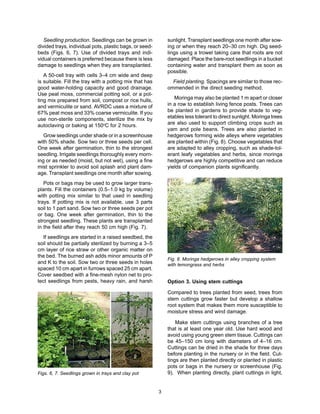
leaf, flower, and pod characteristics (Fig. 3). Nu-merous 
accessions are being evaluated at AVRDC 
for superior production and nutrition qualities. Cur-rently 
we recommend growers to use locally 
adapted lines. Characteristics of superior types in-clude 
wide and dark green leaves, long and tender 
pods, bushy habit, and rapid regeneration after trim-ming. 
Planting methods 
Moringa is planted either by direct seeding, trans-planting, 
or using hard stem cuttings. Direct seed-ing 
is preferred when plenty of seed is available 
Fig. 3. Leaf characteristics of different accessions 
Fig. 5. Narrow rows are 
used for leaf production 
only 
a light frost. The drought-tolerant tree grows well 
in areas receiving annual rainfall amounts that 
range from 250 to 1500 mm. Altitudes below 600 
m are best for moringa, but this adaptable tree can 
grow in altitudes up to 1200 m in the tropics. 
Moringa prefers a well-drained sandy loam or 
loam soil, but tolerates clay. It will not survive un-der 
prolonged flooding and poor drainage. Moringa 
tolerates a soil pH of 5.0–9.0. 
Preparing the field 
Moringa requires thorough land preparation and a 
well-prepared seedbed. At AVRDC, moringa is 
planted on 30-cm-high raised beds to facilitate 
drainage. Bed widths being tested at the Center 
vary from 60–200 cm. 
and labor is limited. Transplanting allows flexibility 
in field planting but requires extra labor and cost in 
raising seedlings. Stem cuttings are used when the 
availability of seed is limited but labor is plentiful. 
Option 1. Direct seeding 
Sow two or three seeds per hill at a depth of 2 cm. 
Two weeks after germination, thin to the strongest 
seedling per hill. 
For leaf, pod and seed production, space plants 
3–5 m apart between rows and plants. If using 
raised beds, form beds with 2-m-wide tops, and 
space plants 3–5 m apart in a single row (Fig. 4). 
Fig. 4. Wide rows are used for leaf, pod, and seed 
production 
For production of 
leaves only, space 
plants 50 cm within 
rows spaced 1 m 
apart. If using raised 
beds, form beds with 
60-cm-wide tops and 
space plants 1 m apart 
in a single row (Fig. 5). 
For intensive produc-tion 
of leaves, space 
plants 10–20 cm within 
rows 30–50 cm apart. 
Closer spacing allows 
harvest of young ed-ible 
shoots every two 
to three weeks. 
Option 2. Transplanting 
Transplanting moringa consists of two steps: seed-ling 
production and field planting.
3 
Option 3. Using stem cuttings 
Compared to trees planted from seed, trees from 
stem cuttings grow faster but develop a shallow 
root system that makes them more susceptible to 
moisture stress and wind damage. 
Make stem cuttings using branches of a tree 
that is at least one year old. Use hard wood and 
avoid using young green stem tissue. Cuttings can 
be 45–150 cm long with diameters of 4–16 cm. 
Cuttings can be dried in the shade for three days 
before planting in the nursery or in the field. Cut-tings 
are then planted directly or planted in plastic 
pots or bags in the nursery or screenhouse (Fig. 
9). When planting directly, plant cuttings in light, 
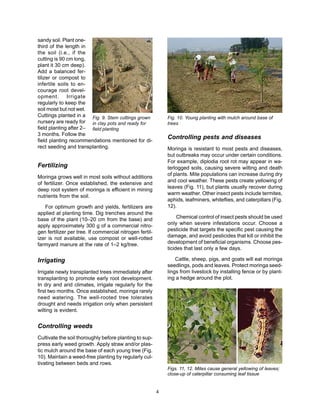
Seedling production. Seedlings can be grown in 
divided trays, individual pots, plastic bags, or seed-beds 
(Figs. 6, 7). Use of divided trays and indi-vidual 
containers is preferred because there is less 
damage to seedlings when they are transplanted. 
A 50-cell tray with cells 3–4 cm wide and deep 
is suitable. Fill the tray with a potting mix that has 
good water-holding capacity and good drainage. 
Use peat moss, commercial potting soil, or a pot-ting 
mix prepared from soil, compost or rice hulls, 
and vermiculite or sand. AVRDC uses a mixture of 
67% peat moss and 33% coarse vermiculite. If you 
use non-sterile components, sterilize the mix by 
autoclaving or baking at 150oC for 2 hours. 
Grow seedlings under shade or in a screenhouse 
with 50% shade. Sow two or three seeds per cell. 
One week after germination, thin to the strongest 
seedling. Irrigate seedlings thoroughly every morn-ing 
or as needed (moist, but not wet), using a fine 
mist sprinkler to avoid soil splash and plant dam-age. 
Transplant seedlings one month after sowing. 
Pots or bags may be used to grow larger trans-plants. 
Fill the containers (0.5–1.0 kg by volume) 
with potting mix similar to that used in seedling 
trays. If potting mix is not available, use 3 parts 
soil to 1 part sand. Sow two or three seeds per pot 
or bag. One week after germination, thin to the 
strongest seedling. These plants are transplanted 
in the field after they reach 50 cm high (Fig. 7). 
If seedlings are started in a raised seedbed, the 
soil should be partially sterilized by burning a 3–5 
cm layer of rice straw or other organic matter on 
the bed. The burned ash adds minor amounts of P 
and K to the soil. Sow two or three seeds in holes 
spaced 10 cm apart in furrows spaced 25 cm apart. 
Cover seedbed with a fine-mesh nylon net to pro-tect 
seedlings from pests, heavy rain, and harsh 
Figs. 6, 7. Seedlings grown in trays and clay pot 
sunlight. Transplant seedlings one month after sow-ing 
or when they reach 20–30 cm high. Dig seed-lings 
using a trowel taking care that roots are not 
damaged. Place the bare-root seedlings in a bucket 
containing water and transplant them as soon as 
possible. 
Field planting. Spacings are similar to those rec-ommended 
in the direct seeding method. 
Moringa may also be planted 1 m apart or closer 
in a row to establish living fence posts. Trees can 
be planted in gardens to provide shade to veg-etables 
less tolerant to direct sunlight. Moringa trees 
are also used to support climbing crops such as 
yam and pole beans. Trees are also planted in 
hedgerows forming wide alleys where vegetables 
are planted within (Fig. 8). Choose vegetables that 
are adapted to alley cropping, such as shade-tol-erant 
leafy vegetables and herbs, since moringa 
hedgerows are highly competitive and can reduce 
yields of companion plants significantly. 
Fig. 8. Moringa hedgerows in alley cropping system 
with lemongrass and herbs
4 
Fertilizing 
Moringa grows well in most soils without additions 
of fertilizer. Once established, the extensive and 
deep root system of moringa is efficient in mining 
nutrients from the soil. 
For optimum growth and yields, fertilizers are 
applied at planting time. Dig trenches around the 
base of the plant (10–20 cm from the base) and 
apply approximately 300 g of a commercial nitro-gen 
fertilizer per tree. If commercial nitrogen fertil-izer 
is not available, use compost or well-rotted 
farmyard manure at the rate of 1–2 kg/tree. 
Irrigating 
Irrigate newly transplanted trees immediately after 
transplanting to promote early root development. 
In dry and arid climates, irrigate regularly for the 
first two months. Once established, moringa rarely 
need watering. The well-rooted tree tolerates 
drought and needs irrigation only when persistent 
wilting is evident. 
Controlling weeds 
Cultivate the soil thoroughly before planting to sup-press 
early weed growth. Apply straw and/or plas-tic 
mulch around the base of each young tree (Fig. 
10). Maintain a weed-free planting by regularly cul-tivating 
between beds and rows. 
Controlling pests and diseases 
Moringa is resistant to most pests and diseases, 
but outbreaks may occur under certain conditions. 
For example, diplodia root rot may appear in wa-terlogged 
soils, causing severe wilting and death 
of plants. Mite populations can increase during dry 
and cool weather. These pests create yellowing of 
leaves (Fig. 11), but plants usually recover during 
warm weather. Other insect pests include termites, 
aphids, leafminers, whiteflies, and caterpillars (Fig. 
12). 
Chemical control of insect pests should be used 
only when severe infestations occur. Choose a 
pesticide that targets the specific pest causing the 
damage, and avoid pesticides that kill or inhibit the 
development of beneficial organisms. Choose pes-ticides 
that last only a few days. 
Cattle, sheep, pigs, and goats will eat moringa 
seedlings, pods and leaves. Protect moringa seed-lings 
from livestock by installing fence or by plant-ing 
a hedge around the plot. 
Fig. 9. Stem cuttings grown 
in clay pots and ready for 
field planting 
sandy soil. Plant one-third 
of the length in 
the soil (i.e., if the 
cutting is 90 cm long, 
plant it 30 cm deep). 
Add a balanced fer-tilizer 
or compost to 
infertile soils to en-courage 
root devel-opment. 
Irrigate 
regularly to keep the 
soil moist but not wet. 
Cuttings planted in a 
nursery are ready for 
field planting after 2– 
3 months. Follow the 
field planting recommendations mentioned for di-rect 
seeding and transplanting. 
Fig. 10. Young planting with mulch around base of 
trees 
Figs. 11, 12. Mites cause general yellowing of leaves; 
close-up of caterpillar consuming leaf tissue
5 
Harvesting 
Leaves can be harvested after plants grow 1.5– 
2.0 m, which usually takes at least one year. Har-vest 
leaves by snapping leaf stems from branches. 
Harvesting young shoot tips will promote develop-ment 
of side branches where cuts along the main 
branches are made. Allow plants to develop new 
shoots and branches before subsequent harvests. 
If plants are grown at closer spacing and higher 
density, cut plants about 10–20 cm above ground. 
Older leaves will need to be stripped from their 
tough and wiry stems. These leaves are more suited 
Collecting and storing ripe seeds 
Mature pods contain ripe seeds that are used for 
planting the next crop or for extracting oil. When 
producing seed for oil extraction, allow the pods to 
dry and turn brown on the tree. Harvest pods be-fore 
they split open and fall to the ground. Store 
seeds in well-ventilated sacks in a cool, dry, and 
shaded area. Seeds remain viable for planting for 
two years. a 
Pruning 
Moringa should be trimmed to promote branch-ing, 
increase yields, and facilitate harvesting. If 
left to grow without cutting the main trunk, the 
fast-growing tree will grow straight and tall pro-ducing 
leaves and pods only on the primary stem. 
To encourage the development of many branches 
and pods within easy reach from the ground, prune 
the apical growing shoot when the tree is 1.0–2.0 
m high. Use a sharp cutting knife, machete, or 
pruning saw to make smooth cuts. New shoots 
will emerge from just below where the cut is made 
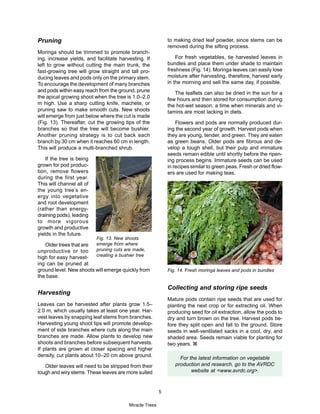
(Fig. 13). Thereafter, cut the growing tips of the 
branches so that the tree will become bushier. 
Another pruning strategy is to cut back each 
branch by 30 cm when it reaches 60 cm in length. 
This will produce a multi-branched shrub. 
If the tree is being 
grown for pod produc-tion, 
remove flowers 
during the first year. 
This will channel all of 
the young tree’s en-ergy 
into vegetative 
and root development 
(rather than energy-draining 
pods), leading 
to more vigorous 
growth and productive 
yields in the future. 
Older trees that are 
unproductive or too 
high for easy harvest-ing 
can be pruned at 
ground level. New shoots will emerge quickly from 
the base. 
Fig. 14. Fresh moringa leaves and pods in bundles 
Fig. 13. New shoots 
emerge from where 
pruning cuts are made, 
creating a bushier tree 
to making dried leaf powder, since stems can be 
removed during the sifting process. 
For fresh vegetables, tie harvested leaves in 
bundles and place them under shade to maintain 
freshness (Fig. 14). Moringa leaves can easily lose 
moisture after harvesting, therefore, harvest early 
in the morning and sell the same day, if possible. 
The leaflets can also be dried in the sun for a 
few hours and then stored for consumption during 
the hot-wet season, a time when minerals and vi-tamins 
are most lacking in diets. 
Flowers and pods are normally produced dur-ing 
the second year of growth. Harvest pods when 
they are young, tender, and green. They are eaten 
as green beans. Older pods are fibrous and de-velop 
a tough shell, but their pulp and immature 
seeds remain edible until shortly before the ripen-ing 
process begins. Immature seeds can be used 
in recipes similar to green peas. Fresh or dried flow-ers 
are used for making teas. 
For the latest information on vegetable 
production and research, go to the AVRDC 
website at <www.avrdc.org>. 
M iracle Trees

Moringa suggested ways_of_cultivation

  • 1.
    Guide AVRDC pub# 03-545 Suggested Cultural Practices for Moringa by M.C. Palada and L.C. Chang1 Climate and soil requirements Moringa tolerates a wide range of environmental conditions. It grows best between 25 to 35oC, but will tolerate up to 48oC in the shade and can survive Fig.1. Moringa is one of world's most useful plants Fig. 2. Moringa flowers, pods, and foliage 1 International Cooperators’ AVRDC Introduction Moringa (Moringa spp.) is one of the world’s most useful plants. This fast-growing tree is grown throughout the tropics for human food, livestock forage, medicine, dye, and water purification (Figs. 1, 2). It is known by several names in different coun-tries, but is popularly called the “drumstick tree” for its pods that are used by drummers and the “horseradish tree” for the flavor of its roots. Moringa is one of the world’s most nutritious crops. Ounce for ounce, the leaves of moringa have more beta-carotene than carrots, more protein than peas, more vitamin C than oranges, more calcium than milk, more potassium than bananas, and more iron than spinach. Native to South Asia, this tree is March 2003 becoming a vital source of nutrition in this region, where most of the world’s poor people live. The multiple uses of moringa have attracted the atten-tion of researchers, development workers, and farmers. The following suggested cultural practices were developed at AVRDC in the Taiwan lowlands. Grow-ers may need to modify the practices to suit local soil, weather, pest, and disease conditions. 1Visiting scientist from the Univerityof the Virgin Islands and AVRDC olericulturalist, respectively. Edited by T. Kalb. Asian Vegetable Research and Development Center; P.O. Box 42, Shanhua; Taiwan 741; ROC tel: (886-6) 583-7801 fax: (886-6) 583-0009 email: avrdcbox@netra.avrdc.org.tw www: http://www.avrdc.org
  • 2.
    2 Choosing avariety Among moringa species, M. oleifera and M. stenopetala are most commonly grown. M. oleifera is most widely cultivated and the focus of this guide. Varieties within M. oleifera differ in growing habit, leaf, flower, and pod characteristics (Fig. 3). Nu-merous accessions are being evaluated at AVRDC for superior production and nutrition qualities. Cur-rently we recommend growers to use locally adapted lines. Characteristics of superior types in-clude wide and dark green leaves, long and tender pods, bushy habit, and rapid regeneration after trim-ming. Planting methods Moringa is planted either by direct seeding, trans-planting, or using hard stem cuttings. Direct seed-ing is preferred when plenty of seed is available Fig. 3. Leaf characteristics of different accessions Fig. 5. Narrow rows are used for leaf production only a light frost. The drought-tolerant tree grows well in areas receiving annual rainfall amounts that range from 250 to 1500 mm. Altitudes below 600 m are best for moringa, but this adaptable tree can grow in altitudes up to 1200 m in the tropics. Moringa prefers a well-drained sandy loam or loam soil, but tolerates clay. It will not survive un-der prolonged flooding and poor drainage. Moringa tolerates a soil pH of 5.0–9.0. Preparing the field Moringa requires thorough land preparation and a well-prepared seedbed. At AVRDC, moringa is planted on 30-cm-high raised beds to facilitate drainage. Bed widths being tested at the Center vary from 60–200 cm. and labor is limited. Transplanting allows flexibility in field planting but requires extra labor and cost in raising seedlings. Stem cuttings are used when the availability of seed is limited but labor is plentiful. Option 1. Direct seeding Sow two or three seeds per hill at a depth of 2 cm. Two weeks after germination, thin to the strongest seedling per hill. For leaf, pod and seed production, space plants 3–5 m apart between rows and plants. If using raised beds, form beds with 2-m-wide tops, and space plants 3–5 m apart in a single row (Fig. 4). Fig. 4. Wide rows are used for leaf, pod, and seed production For production of leaves only, space plants 50 cm within rows spaced 1 m apart. If using raised beds, form beds with 60-cm-wide tops and space plants 1 m apart in a single row (Fig. 5). For intensive produc-tion of leaves, space plants 10–20 cm within rows 30–50 cm apart. Closer spacing allows harvest of young ed-ible shoots every two to three weeks. Option 2. Transplanting Transplanting moringa consists of two steps: seed-ling production and field planting.
  • 3.
    3 Option 3.Using stem cuttings Compared to trees planted from seed, trees from stem cuttings grow faster but develop a shallow root system that makes them more susceptible to moisture stress and wind damage. Make stem cuttings using branches of a tree that is at least one year old. Use hard wood and avoid using young green stem tissue. Cuttings can be 45–150 cm long with diameters of 4–16 cm. Cuttings can be dried in the shade for three days before planting in the nursery or in the field. Cut-tings are then planted directly or planted in plastic pots or bags in the nursery or screenhouse (Fig. 9). When planting directly, plant cuttings in light, Seedling production. Seedlings can be grown in divided trays, individual pots, plastic bags, or seed-beds (Figs. 6, 7). Use of divided trays and indi-vidual containers is preferred because there is less damage to seedlings when they are transplanted. A 50-cell tray with cells 3–4 cm wide and deep is suitable. Fill the tray with a potting mix that has good water-holding capacity and good drainage. Use peat moss, commercial potting soil, or a pot-ting mix prepared from soil, compost or rice hulls, and vermiculite or sand. AVRDC uses a mixture of 67% peat moss and 33% coarse vermiculite. If you use non-sterile components, sterilize the mix by autoclaving or baking at 150oC for 2 hours. Grow seedlings under shade or in a screenhouse with 50% shade. Sow two or three seeds per cell. One week after germination, thin to the strongest seedling. Irrigate seedlings thoroughly every morn-ing or as needed (moist, but not wet), using a fine mist sprinkler to avoid soil splash and plant dam-age. Transplant seedlings one month after sowing. Pots or bags may be used to grow larger trans-plants. Fill the containers (0.5–1.0 kg by volume) with potting mix similar to that used in seedling trays. If potting mix is not available, use 3 parts soil to 1 part sand. Sow two or three seeds per pot or bag. One week after germination, thin to the strongest seedling. These plants are transplanted in the field after they reach 50 cm high (Fig. 7). If seedlings are started in a raised seedbed, the soil should be partially sterilized by burning a 3–5 cm layer of rice straw or other organic matter on the bed. The burned ash adds minor amounts of P and K to the soil. Sow two or three seeds in holes spaced 10 cm apart in furrows spaced 25 cm apart. Cover seedbed with a fine-mesh nylon net to pro-tect seedlings from pests, heavy rain, and harsh Figs. 6, 7. Seedlings grown in trays and clay pot sunlight. Transplant seedlings one month after sow-ing or when they reach 20–30 cm high. Dig seed-lings using a trowel taking care that roots are not damaged. Place the bare-root seedlings in a bucket containing water and transplant them as soon as possible. Field planting. Spacings are similar to those rec-ommended in the direct seeding method. Moringa may also be planted 1 m apart or closer in a row to establish living fence posts. Trees can be planted in gardens to provide shade to veg-etables less tolerant to direct sunlight. Moringa trees are also used to support climbing crops such as yam and pole beans. Trees are also planted in hedgerows forming wide alleys where vegetables are planted within (Fig. 8). Choose vegetables that are adapted to alley cropping, such as shade-tol-erant leafy vegetables and herbs, since moringa hedgerows are highly competitive and can reduce yields of companion plants significantly. Fig. 8. Moringa hedgerows in alley cropping system with lemongrass and herbs
  • 4.
    4 Fertilizing Moringagrows well in most soils without additions of fertilizer. Once established, the extensive and deep root system of moringa is efficient in mining nutrients from the soil. For optimum growth and yields, fertilizers are applied at planting time. Dig trenches around the base of the plant (10–20 cm from the base) and apply approximately 300 g of a commercial nitro-gen fertilizer per tree. If commercial nitrogen fertil-izer is not available, use compost or well-rotted farmyard manure at the rate of 1–2 kg/tree. Irrigating Irrigate newly transplanted trees immediately after transplanting to promote early root development. In dry and arid climates, irrigate regularly for the first two months. Once established, moringa rarely need watering. The well-rooted tree tolerates drought and needs irrigation only when persistent wilting is evident. Controlling weeds Cultivate the soil thoroughly before planting to sup-press early weed growth. Apply straw and/or plas-tic mulch around the base of each young tree (Fig. 10). Maintain a weed-free planting by regularly cul-tivating between beds and rows. Controlling pests and diseases Moringa is resistant to most pests and diseases, but outbreaks may occur under certain conditions. For example, diplodia root rot may appear in wa-terlogged soils, causing severe wilting and death of plants. Mite populations can increase during dry and cool weather. These pests create yellowing of leaves (Fig. 11), but plants usually recover during warm weather. Other insect pests include termites, aphids, leafminers, whiteflies, and caterpillars (Fig. 12). Chemical control of insect pests should be used only when severe infestations occur. Choose a pesticide that targets the specific pest causing the damage, and avoid pesticides that kill or inhibit the development of beneficial organisms. Choose pes-ticides that last only a few days. Cattle, sheep, pigs, and goats will eat moringa seedlings, pods and leaves. Protect moringa seed-lings from livestock by installing fence or by plant-ing a hedge around the plot. Fig. 9. Stem cuttings grown in clay pots and ready for field planting sandy soil. Plant one-third of the length in the soil (i.e., if the cutting is 90 cm long, plant it 30 cm deep). Add a balanced fer-tilizer or compost to infertile soils to en-courage root devel-opment. Irrigate regularly to keep the soil moist but not wet. Cuttings planted in a nursery are ready for field planting after 2– 3 months. Follow the field planting recommendations mentioned for di-rect seeding and transplanting. Fig. 10. Young planting with mulch around base of trees Figs. 11, 12. Mites cause general yellowing of leaves; close-up of caterpillar consuming leaf tissue
  • 5.
    5 Harvesting Leavescan be harvested after plants grow 1.5– 2.0 m, which usually takes at least one year. Har-vest leaves by snapping leaf stems from branches. Harvesting young shoot tips will promote develop-ment of side branches where cuts along the main branches are made. Allow plants to develop new shoots and branches before subsequent harvests. If plants are grown at closer spacing and higher density, cut plants about 10–20 cm above ground. Older leaves will need to be stripped from their tough and wiry stems. These leaves are more suited Collecting and storing ripe seeds Mature pods contain ripe seeds that are used for planting the next crop or for extracting oil. When producing seed for oil extraction, allow the pods to dry and turn brown on the tree. Harvest pods be-fore they split open and fall to the ground. Store seeds in well-ventilated sacks in a cool, dry, and shaded area. Seeds remain viable for planting for two years. a Pruning Moringa should be trimmed to promote branch-ing, increase yields, and facilitate harvesting. If left to grow without cutting the main trunk, the fast-growing tree will grow straight and tall pro-ducing leaves and pods only on the primary stem. To encourage the development of many branches and pods within easy reach from the ground, prune the apical growing shoot when the tree is 1.0–2.0 m high. Use a sharp cutting knife, machete, or pruning saw to make smooth cuts. New shoots will emerge from just below where the cut is made (Fig. 13). Thereafter, cut the growing tips of the branches so that the tree will become bushier. Another pruning strategy is to cut back each branch by 30 cm when it reaches 60 cm in length. This will produce a multi-branched shrub. If the tree is being grown for pod produc-tion, remove flowers during the first year. This will channel all of the young tree’s en-ergy into vegetative and root development (rather than energy-draining pods), leading to more vigorous growth and productive yields in the future. Older trees that are unproductive or too high for easy harvest-ing can be pruned at ground level. New shoots will emerge quickly from the base. Fig. 14. Fresh moringa leaves and pods in bundles Fig. 13. New shoots emerge from where pruning cuts are made, creating a bushier tree to making dried leaf powder, since stems can be removed during the sifting process. For fresh vegetables, tie harvested leaves in bundles and place them under shade to maintain freshness (Fig. 14). Moringa leaves can easily lose moisture after harvesting, therefore, harvest early in the morning and sell the same day, if possible. The leaflets can also be dried in the sun for a few hours and then stored for consumption during the hot-wet season, a time when minerals and vi-tamins are most lacking in diets. Flowers and pods are normally produced dur-ing the second year of growth. Harvest pods when they are young, tender, and green. They are eaten as green beans. Older pods are fibrous and de-velop a tough shell, but their pulp and immature seeds remain edible until shortly before the ripen-ing process begins. Immature seeds can be used in recipes similar to green peas. Fresh or dried flow-ers are used for making teas. For the latest information on vegetable production and research, go to the AVRDC website at <www.avrdc.org>. M iracle Trees