MKT0033/02
Integrated
Marketing
Communications
Week 1: Intros
Prof. EthanChazin
1
•Introduce Yourselves!
•About Me
•Review Our Syllabus
•Charge Boldly Ahead!
Agenda
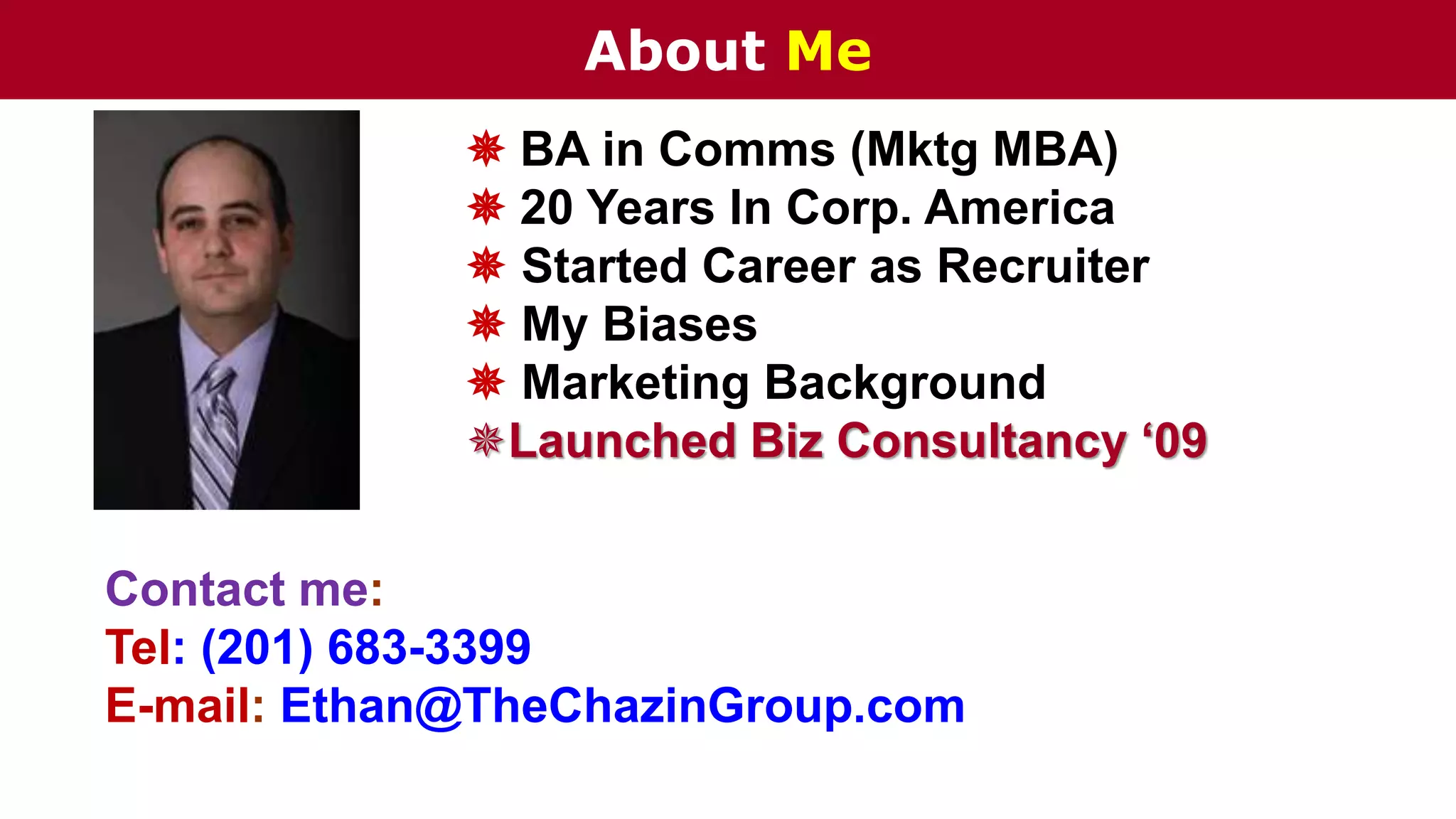
About Me
 BA in Comms (Mktg MBA)
 20 Years In Corp. America
 Started Career as Recruiter
 My Biases
 Marketing Background
Launched Biz Consultancy ‘09
Contact me:
Tel: (201) 683-3399
E-mail: Ethan@TheChazinGroup.com
What I Do
 Executive Coaching
 Employee Training and Professional and
Development
 Career Coaching
 Leadership Training
 Business Owner Coaching
 Human Capital Development
Cool Stuff
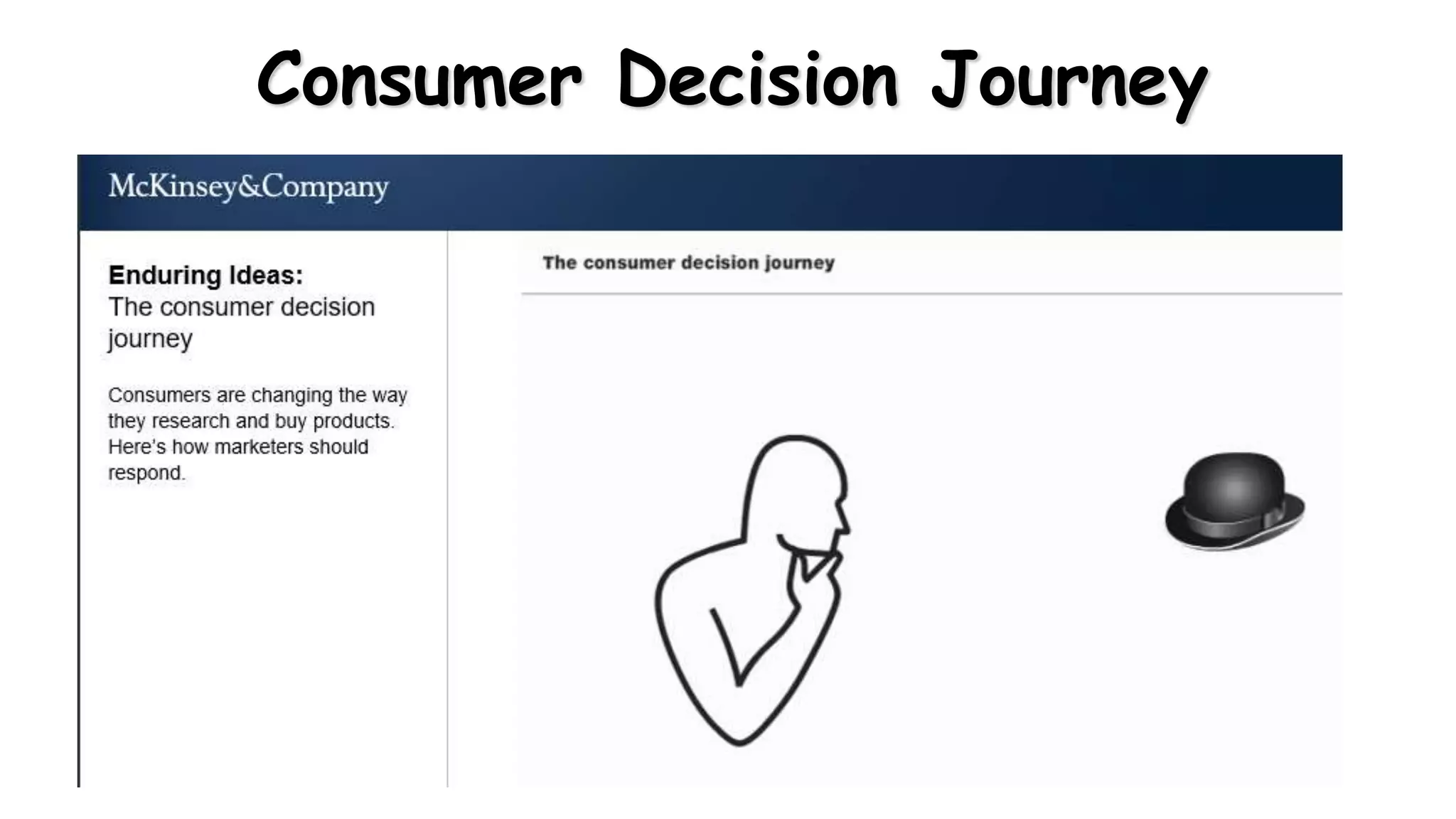
Consumer Decision Journey
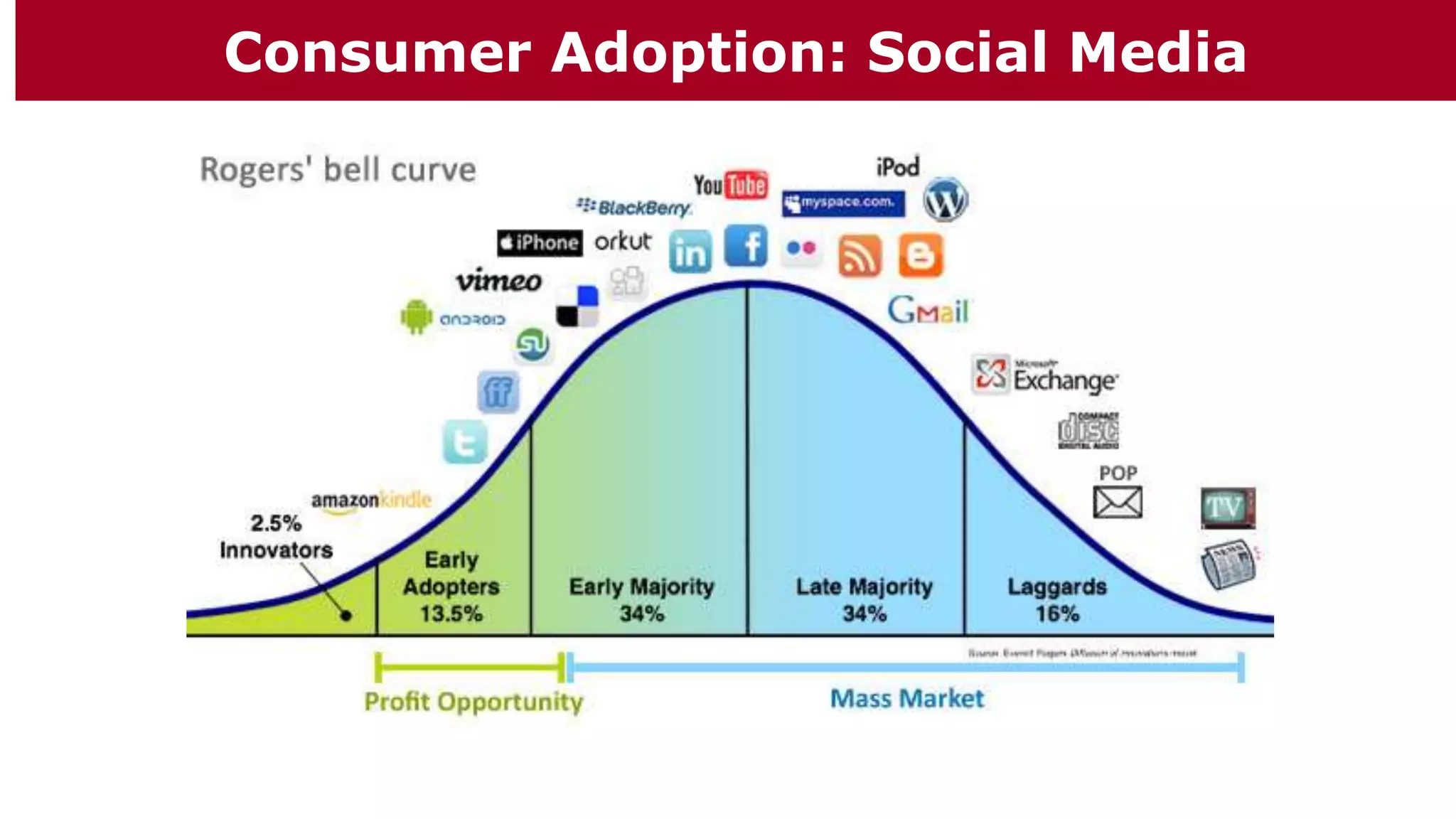
Consumer Adoption: Social Media
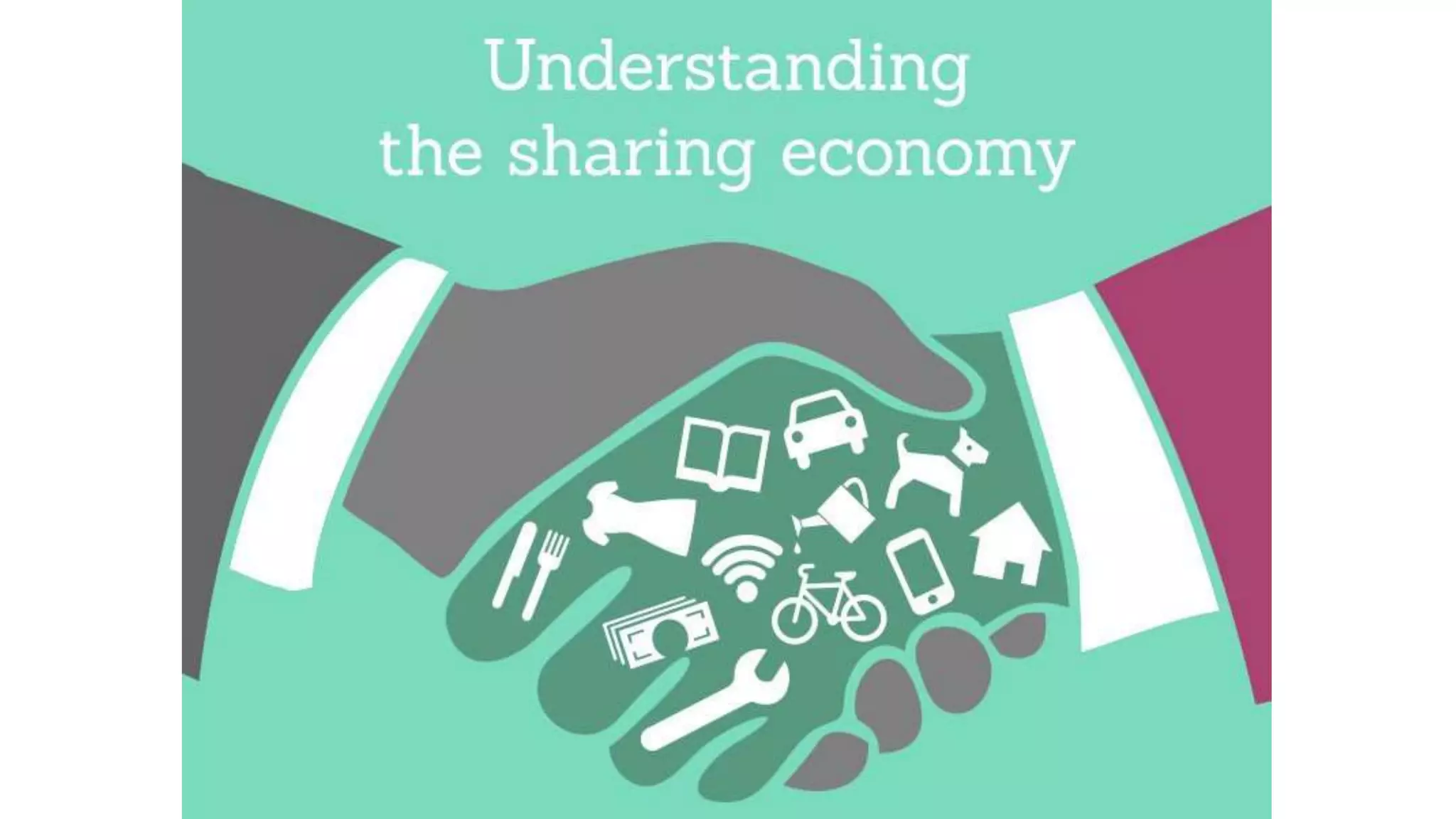
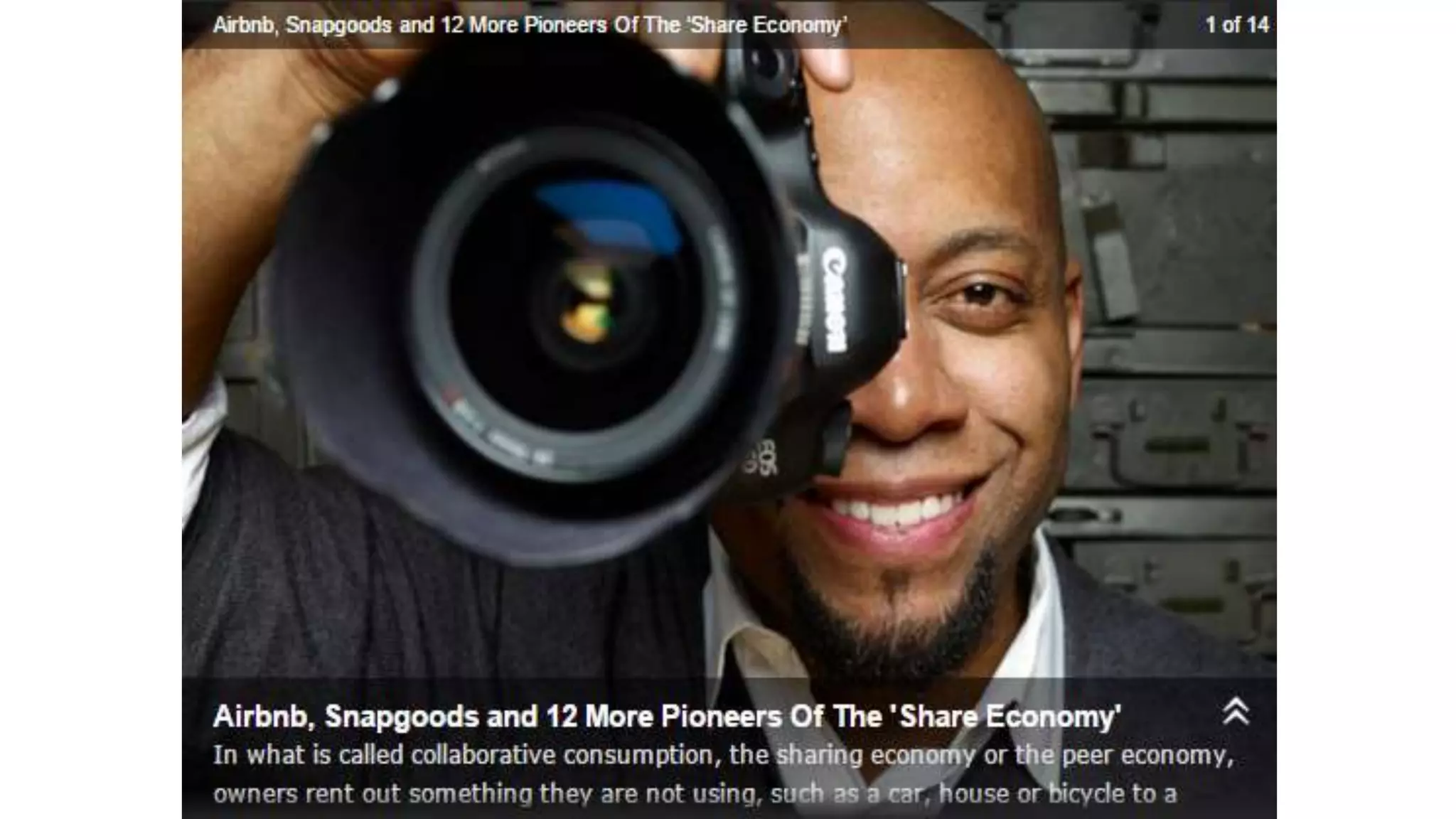
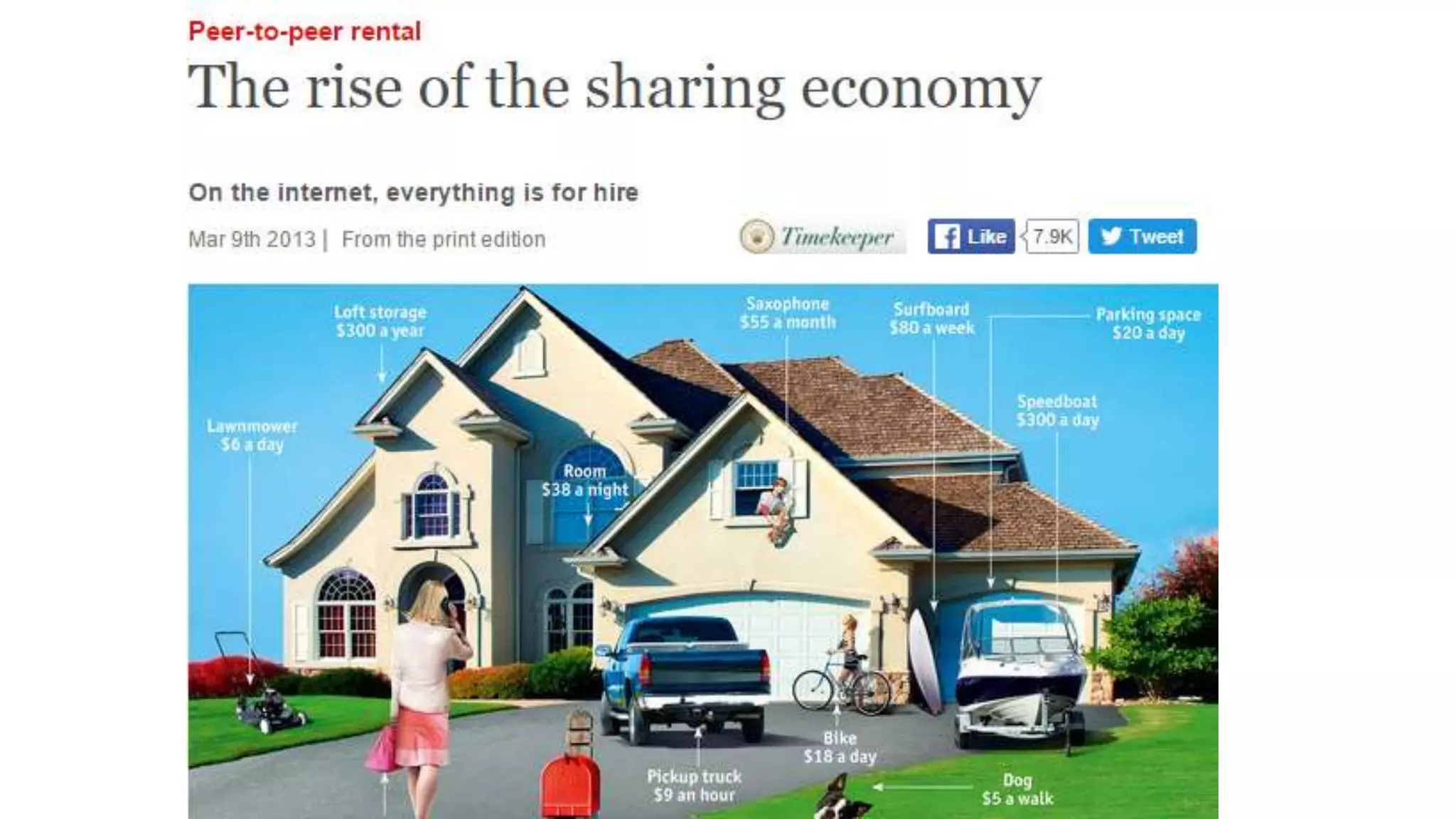
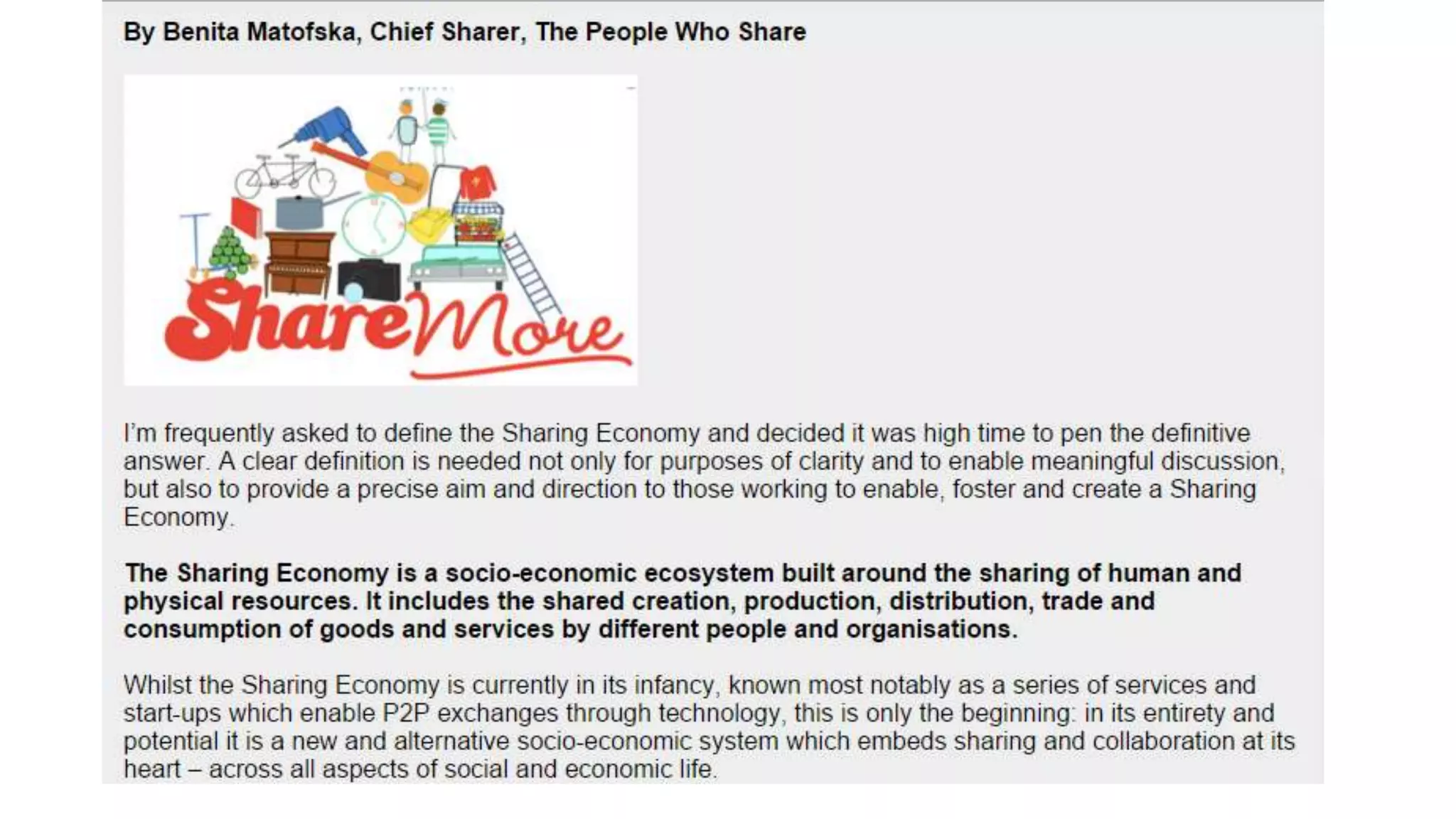
The Sharing Economy
The US Switching
Economy
5 US Segments:
What Makes Us
Americans
‘TICK?’
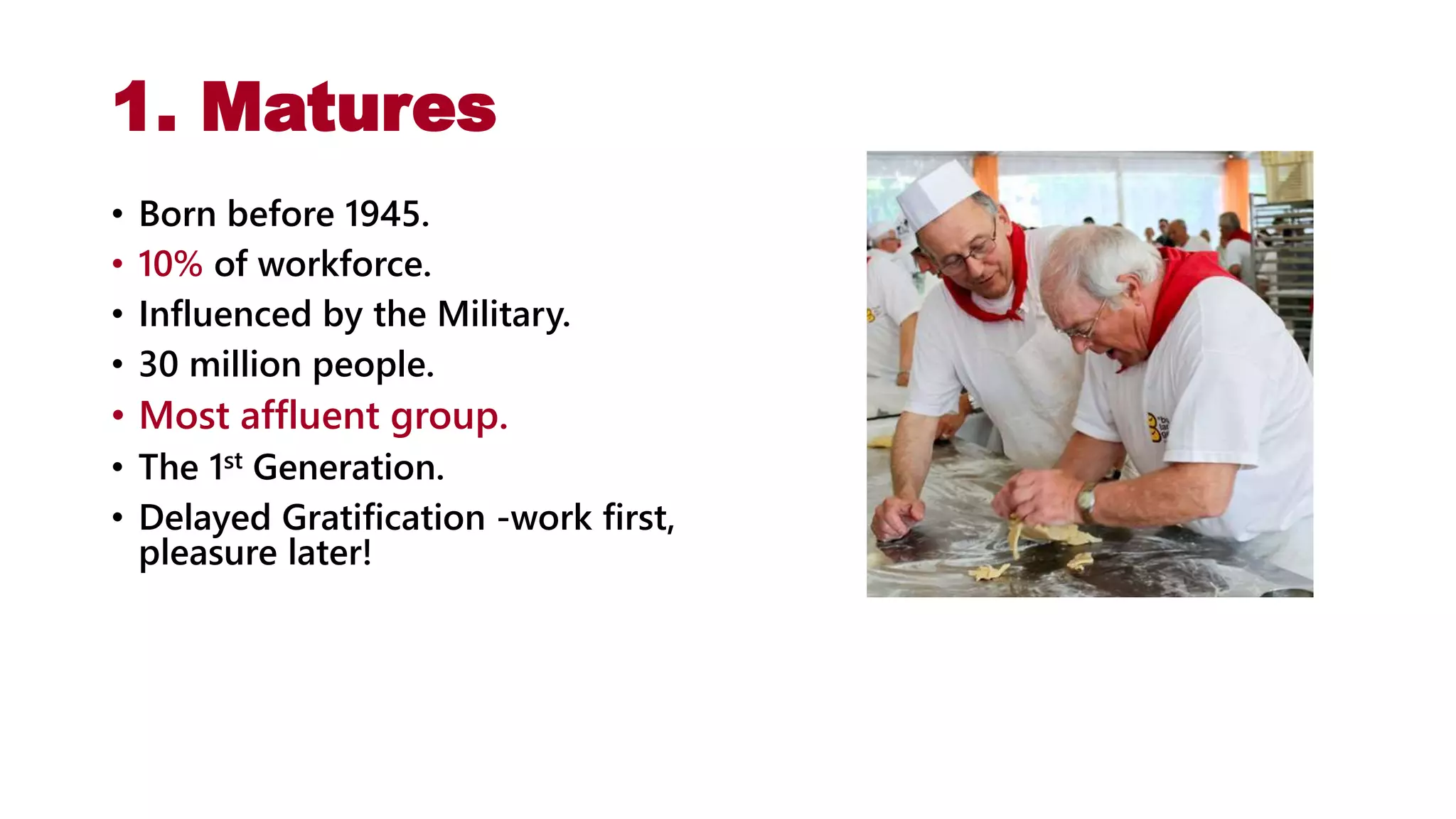
1. Matures
• Born before 1945.
• 10% of workforce.
• Influenced by the Military.
• 30 million people.
• Most affluent group.
• The 1st Generation.
• Delayed Gratification -work first,
pleasure later!
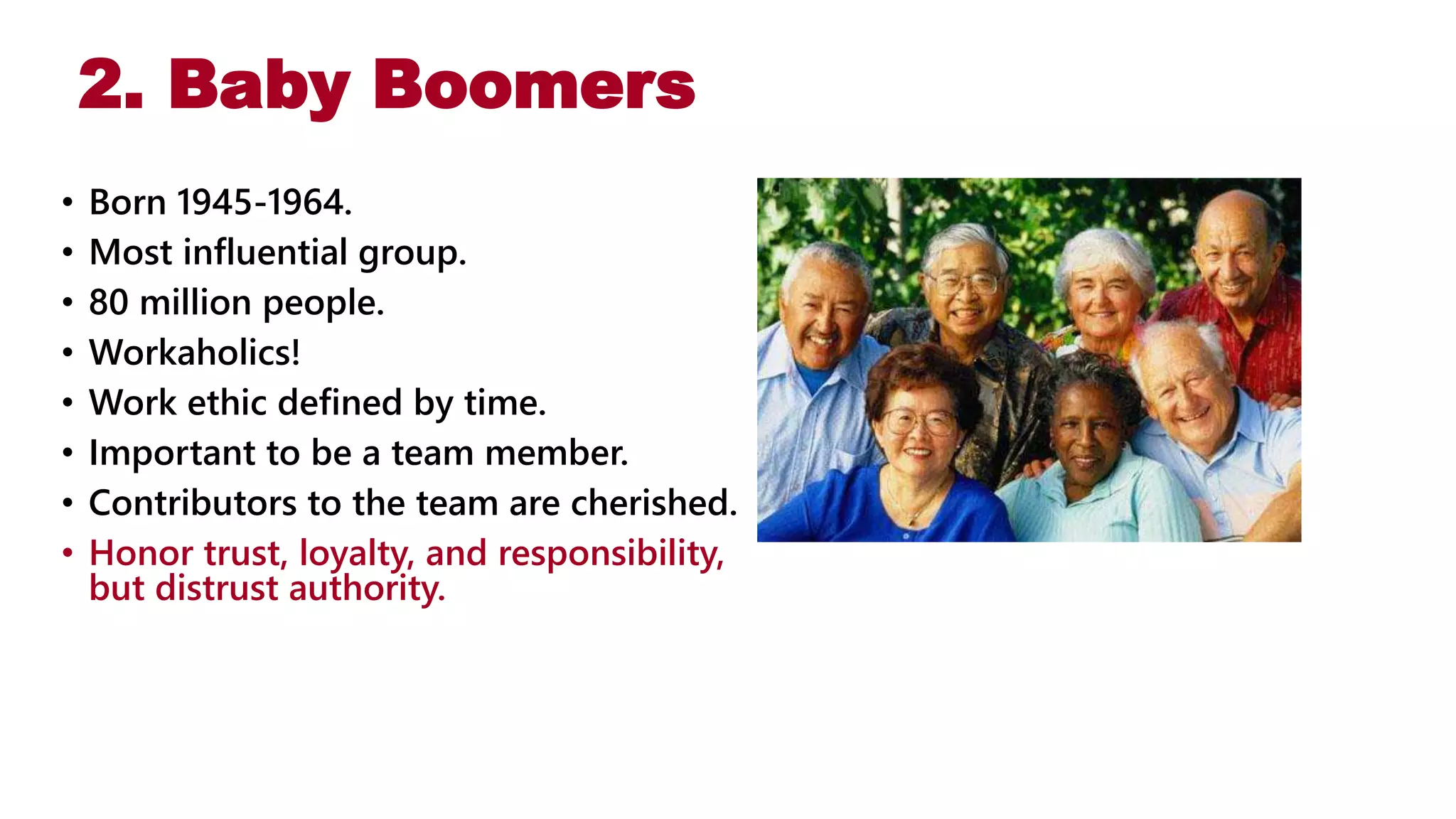
2. Baby Boomers
• Born 1945-1964.
• Most influential group.
• 80 million people.
• Workaholics!
• Work ethic defined by time.
• Important to be a team member.
• Contributors to the team are cherished.
• Honor trust, loyalty, and responsibility,
but distrust authority.
3. Gen Xers
• Born 1964-1980.
• Prove it to me.
• 45 million people.
• Loyal to people, NOT companies.
• Move from job-to-job more
frequently.
• Carpe Diem – Seize the day!
• Grew up with AIDS & MTV. Value
flexibility, life options, and achieving
achieving job satisfaction.
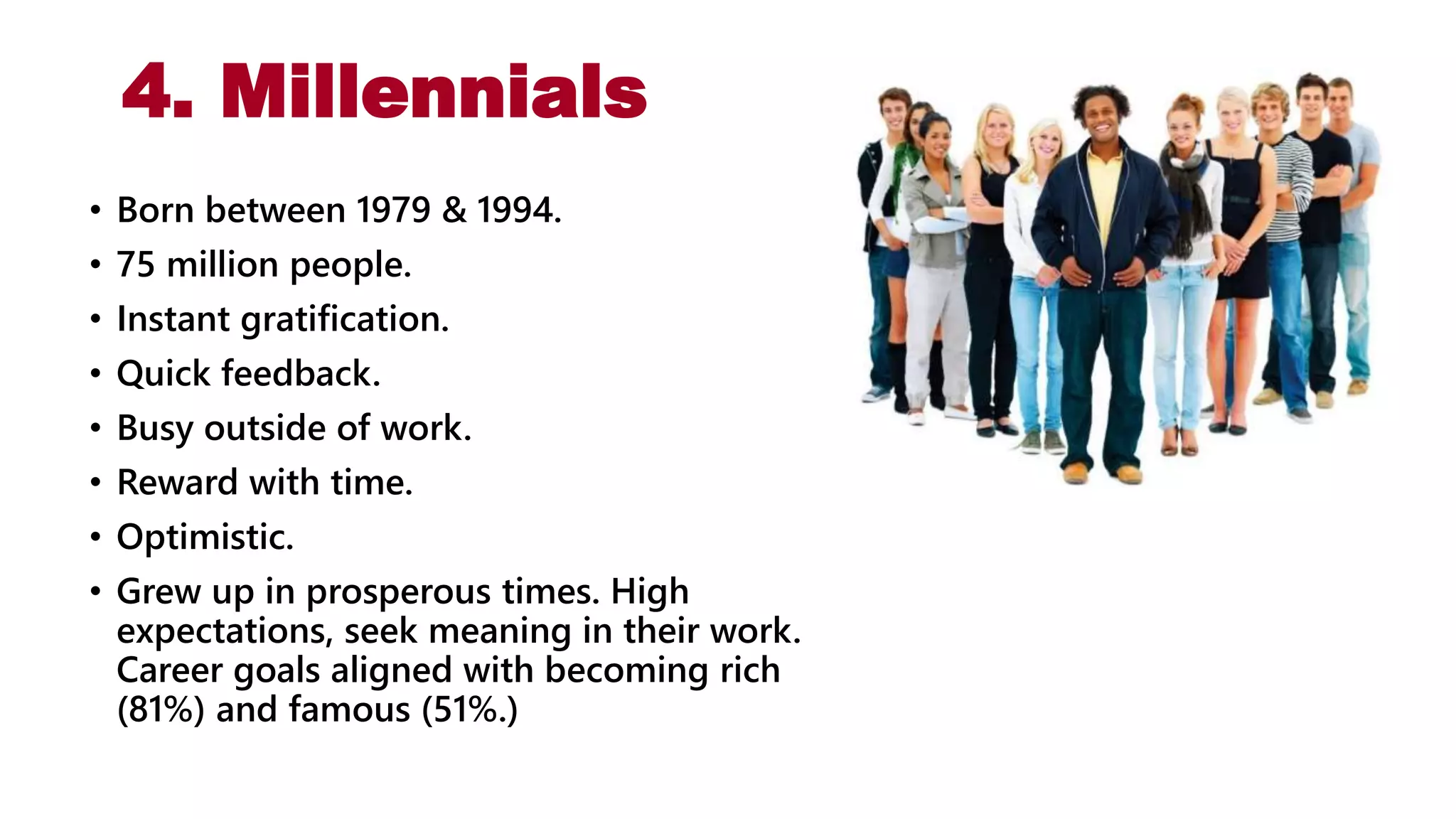
4. Millennials
• Born between 1979 & 1994.
• 75 million people.
• Instant gratification.
• Quick feedback.
• Busy outside of work.
• Reward with time.
• Optimistic.
• Grew up in prosperous times. High
expectations, seek meaning in their work.
Career goals aligned with becoming rich
(81%) and famous (51%.)
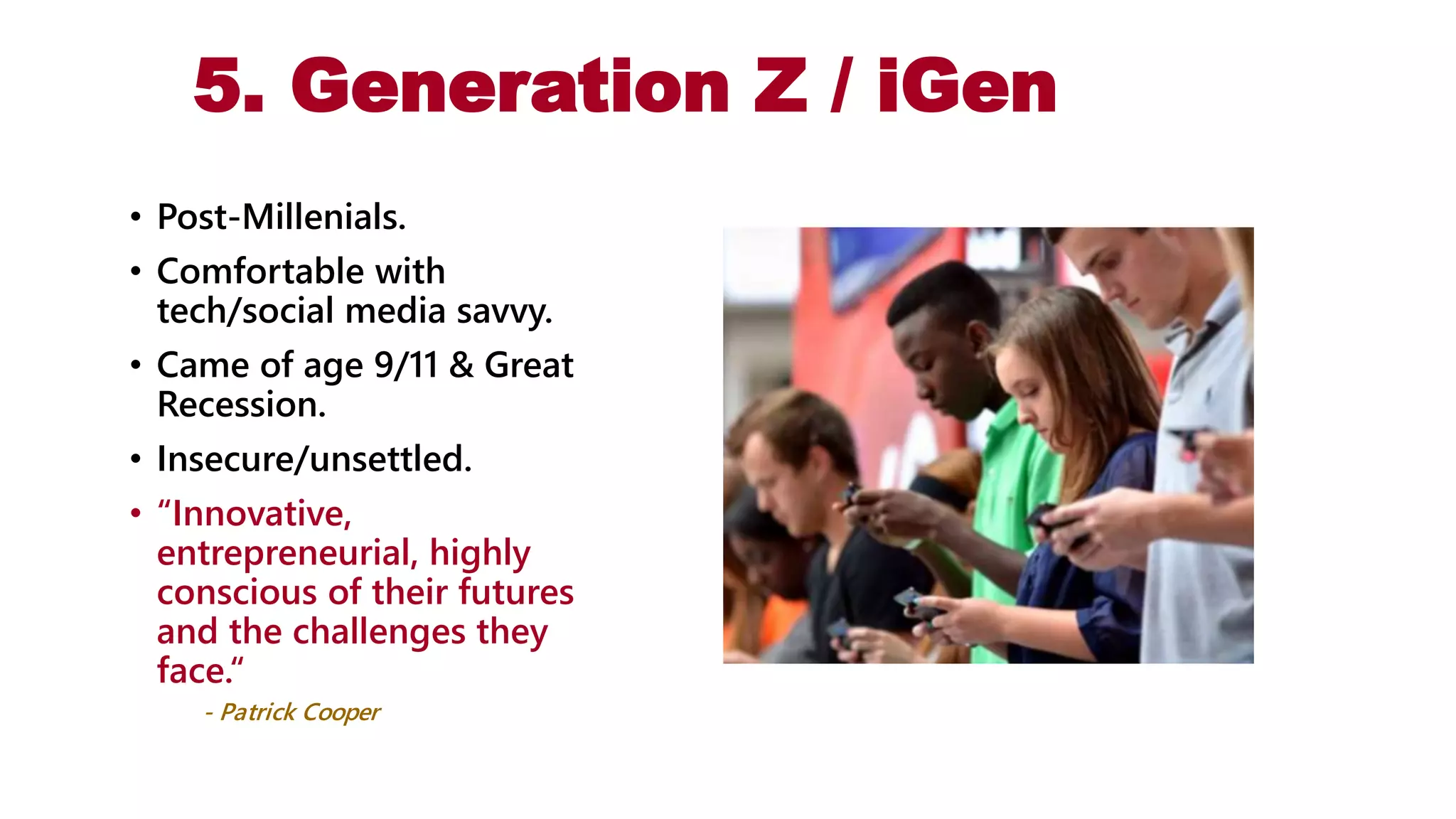
5. Generation Z / iGen
• Post-Millenials.
• Comfortable with
tech/social media savvy.
• Came of age 9/11 & Great
Recession.
• Insecure/unsettled.
• “Innovative,
entrepreneurial, highly
conscious of their futures
and the challenges they
face.“
- Patrick Cooper
•Change is constant.
•Strategy and execution are critical.
•Competition is simultaneously local
and global.
•Results are measured instantly.
•Customers demand interactivity and
individualization.
•Must stay ahead of the competition
The Chazin GroupThe Chazin GroupThe New Biz Reality
•Constant analysis required on
competitors, customers, marketplace
trends.
•The demand for SWOT information is
constant .
•Need for constant channels of
growth.
•Need to define a ‘business’ and
‘strategy.’
The Chazin GroupThe Chazin GroupStrategy is key
•Four (4) dimensions define any
sound business strategy:
• Product-market investment strategy;
• Customer value proposition;
• Assets & competencies; and
• Strategies and programs.
The Chazin GroupThe Chazin GroupWhat’s Business Strategy
•Determine where to conduct business
/compete.
•What industries/sectors should you
invest in.
•Specify: “What is our business and
what should it be.”
•(Exs. Williams Sonoma products for
home & kitchen. IBM shift from
hardware to consulting.)
The Chazin GroupThe Chazin GroupProduct Investment Strategy
•What you offer MUST appeal to
existing and new customers.
•Your value proposition must be
meaningful and relevant to your
target market(s.)
•Includes the following elements:
• Good value, excellence in features or service, best
overall quality, innovation, product depth/breadth,
shared passion, etc.
The Chazin GroupThe Chazin GroupCustomer Value Proposition
• Your biz assets or competencies will
provide a lasting competitive advantage.
• Includes your people, experience in a
region, understanding of client needs,
access to labor/materials, first in
market, established brand…
• Any/all things you do REALLY well.
• Are already established (part of what
you are and do.)
• Synergies obtained from operating a biz.
The Chazin GroupThe Chazin GroupAssets & Competencies
•Functional strategies & programs to
drive your biz strategy may include:
• Client relationship/retention strategy;
• Customer referral program;
• Communication strategy;
• Sourcing strategy;
• Distribution & logistics program;
• Manufacturing strategy.
The Chazin GroupThe Chazin GroupStrategies & Programs
Vision Versus
Mission
Statements
Your Vision statement explains what
you want to be/become.
Ex. Norfolk Southern: “Be the safest,
most customer-focused and most
successful transportation company in
the world.”
It’s entirely aspirational. Your Vision should
inspire the hearts of those people who work
for you, and engage with you/your business.
VISION STATEMENT
Defines what your organization does
and does not do, and who you do it
for.
Ex. U.S. Tennis Association: “Promote
and develop the growth of tennis.”
Mission statements drive everything
your organization does. They should be
simple, direct, and operative.
MISSION STATEMENT
Strategic Market
Management
Strategic market management
A system designed to help
management create, change, or
retain a biz strategy and
strategic visions.
The Chazin GroupThe Chazin GroupVision vs. Mission
Once you have
your strategy…
•Challenge the strategy to make sure
it remains relevant in a constantly
changing biz climate;
•Ensure your organization develops
and retains the necessary skills,
resources and staff to make the
strategy succeed;
•Infuse your strategy with energy &
focus.
The Chazin GroupThe Chazin GroupOnce You Have a Strategy
External &
Internal
Analysis
•Examine all the external elements
i.e. customers, competitors, markets,
and the general climate.
•Customer analysis: segments,
motivations, unmet needs.
•Competitor analysis: whose out
there, what do they offer?
•Market analysis: follow the trends.
The Chazin GroupThe Chazin GroupExternal Analysis
•Assess your sales organization,
marketing team, systems, processes,
talents, resources.
•Align marketing goals to sales goals
and overall business goals.
The Chazin GroupThe Chazin GroupInternal Analysis
Align Your Marketing,
Sales & Business
Strategies for
Success.
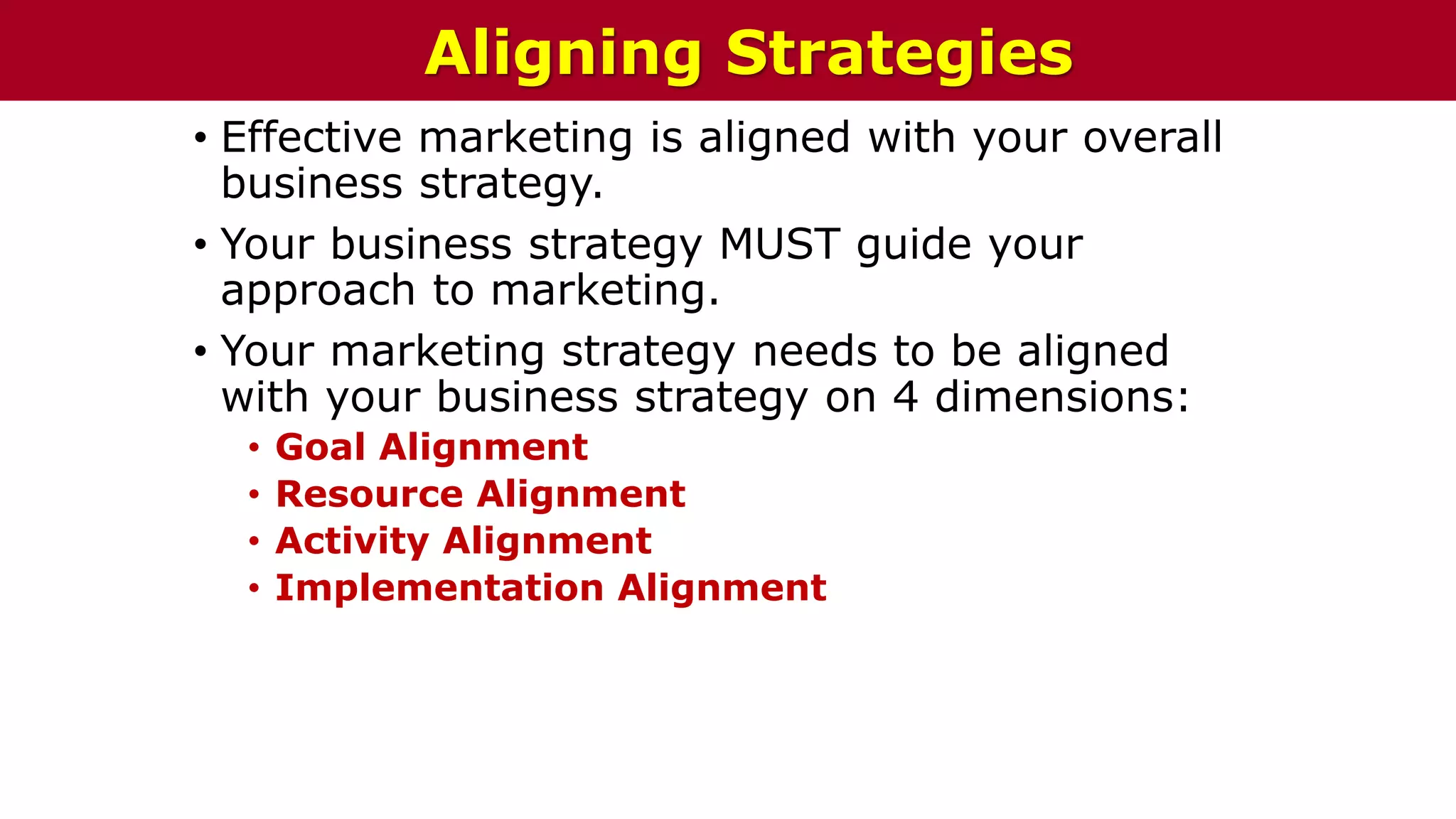
• Effective marketing is aligned with your overall
business strategy.
• Your business strategy MUST guide your
approach to marketing.
• Your marketing strategy needs to be aligned
with your business strategy on 4 dimensions:
• Goal Alignment
• Resource Alignment
• Activity Alignment
• Implementation Alignment
Aligning Strategies
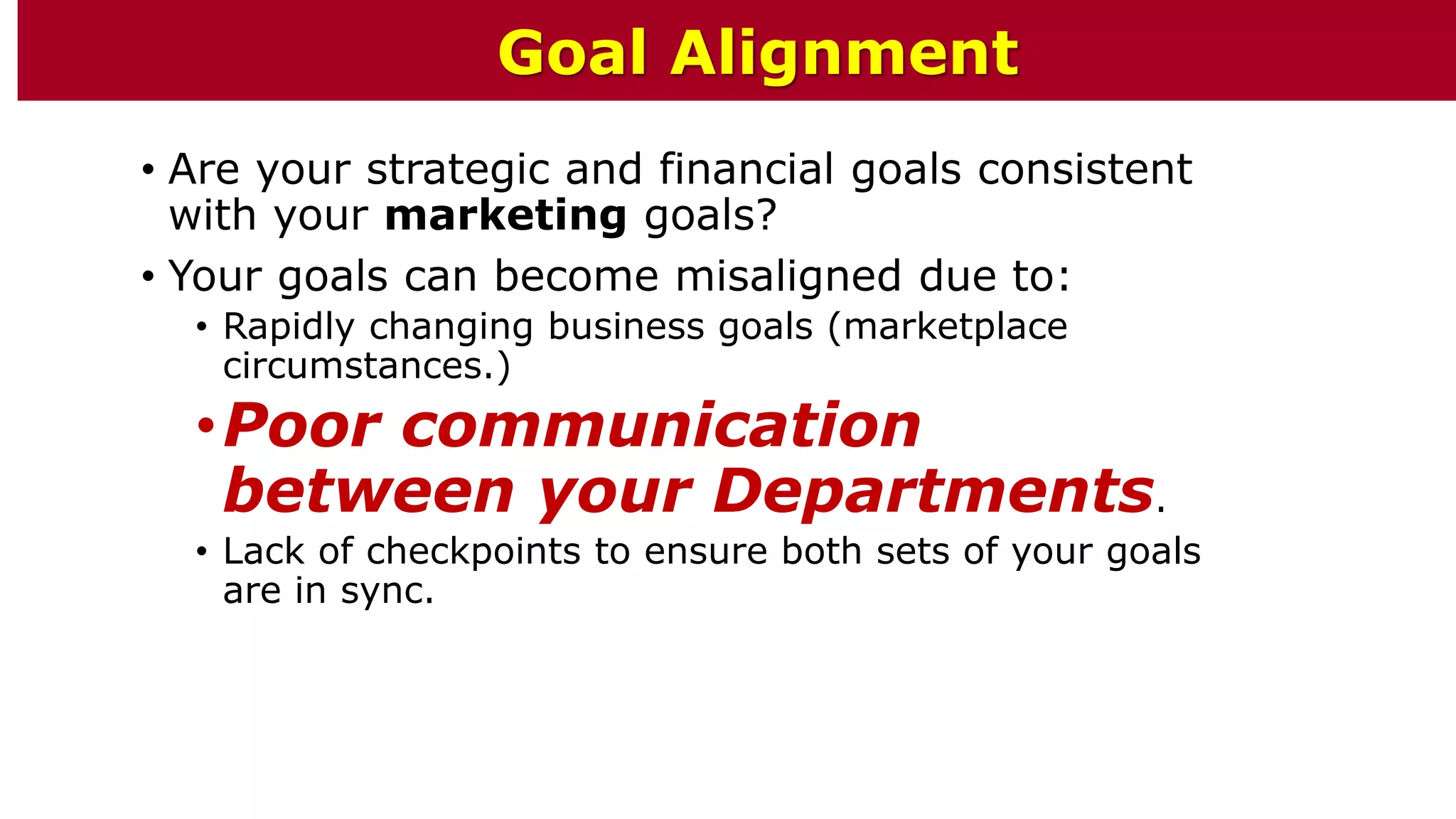
• Are your strategic and financial goals consistent
with your marketing goals?
• Your goals can become misaligned due to:
• Rapidly changing business goals (marketplace
circumstances.)
•Poor communication
between your Departments.
• Lack of checkpoints to ensure both sets of your goals
are in sync.
Goal Alignment
Aligning Goals
Your Business Goals Your Marketing Goals
Increase market share
By 15% this year.
Increase sales to existing
clients by 20%.
Acquire 2 competitors with
combined 10-15% market
share.
Acquire 400 new clients.
Discontinue 30% of your
existing product portfolio.
Launch minor league baseball
advertising campaign.
Form 3 strategic partnerships. Integrate outdoor ad
campaign in Central/No. NJ
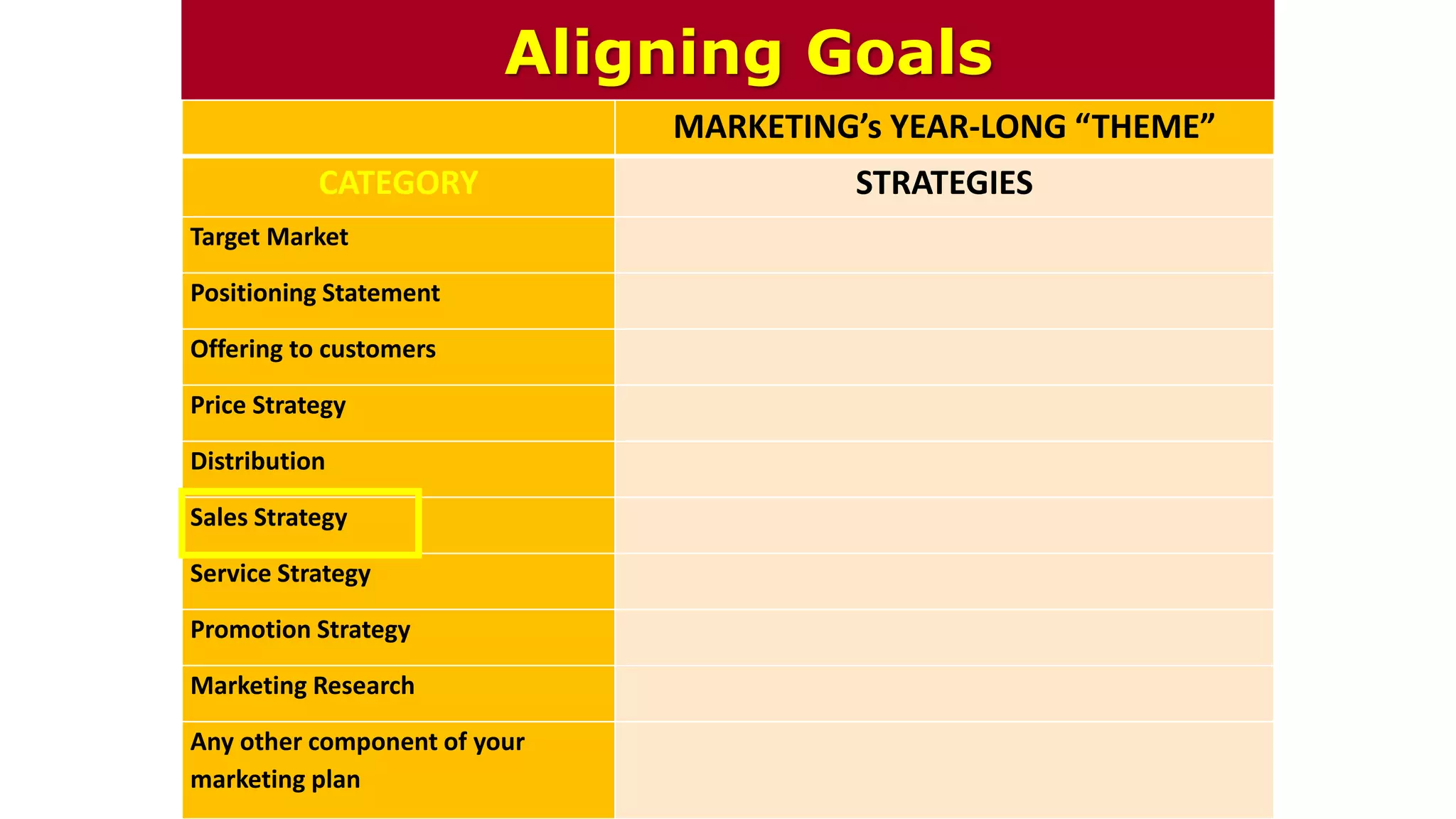
Aligning Goals
MARKETING’s YEAR-LONG “THEME”
CATEGORY STRATEGIES
Target Market
Positioning Statement
Offering to customers
Price Strategy
Distribution
Sales Strategy
Service Strategy
Promotion Strategy
Marketing Research
Any other component of your
marketing plan
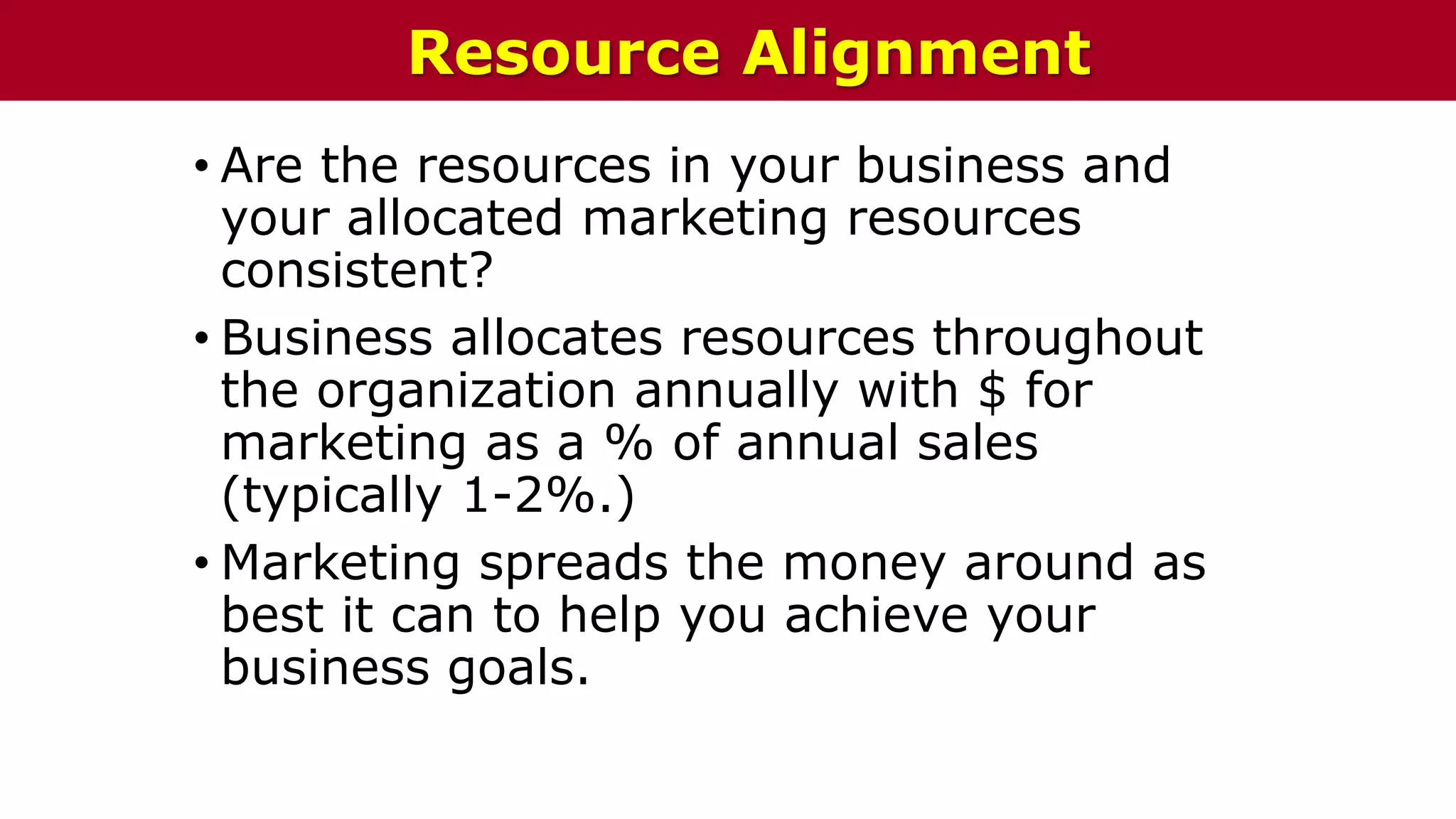
• Are the resources in your business and
your allocated marketing resources
consistent?
• Business allocates resources throughout
the organization annually with $ for
marketing as a % of annual sales
(typically 1-2%.)
• Marketing spreads the money around as
best it can to help you achieve your
business goals.
Resource Alignment
Developing Marketing
Strategies & Plans
•Executive Summary
•Situation Analysis
•Marketing Strategy
•Financial Projections
•Implementation Controls
Marketing Plan Components
Marketing Plan
Marketing Budget
What Do
Marketers Actually
“DO?”
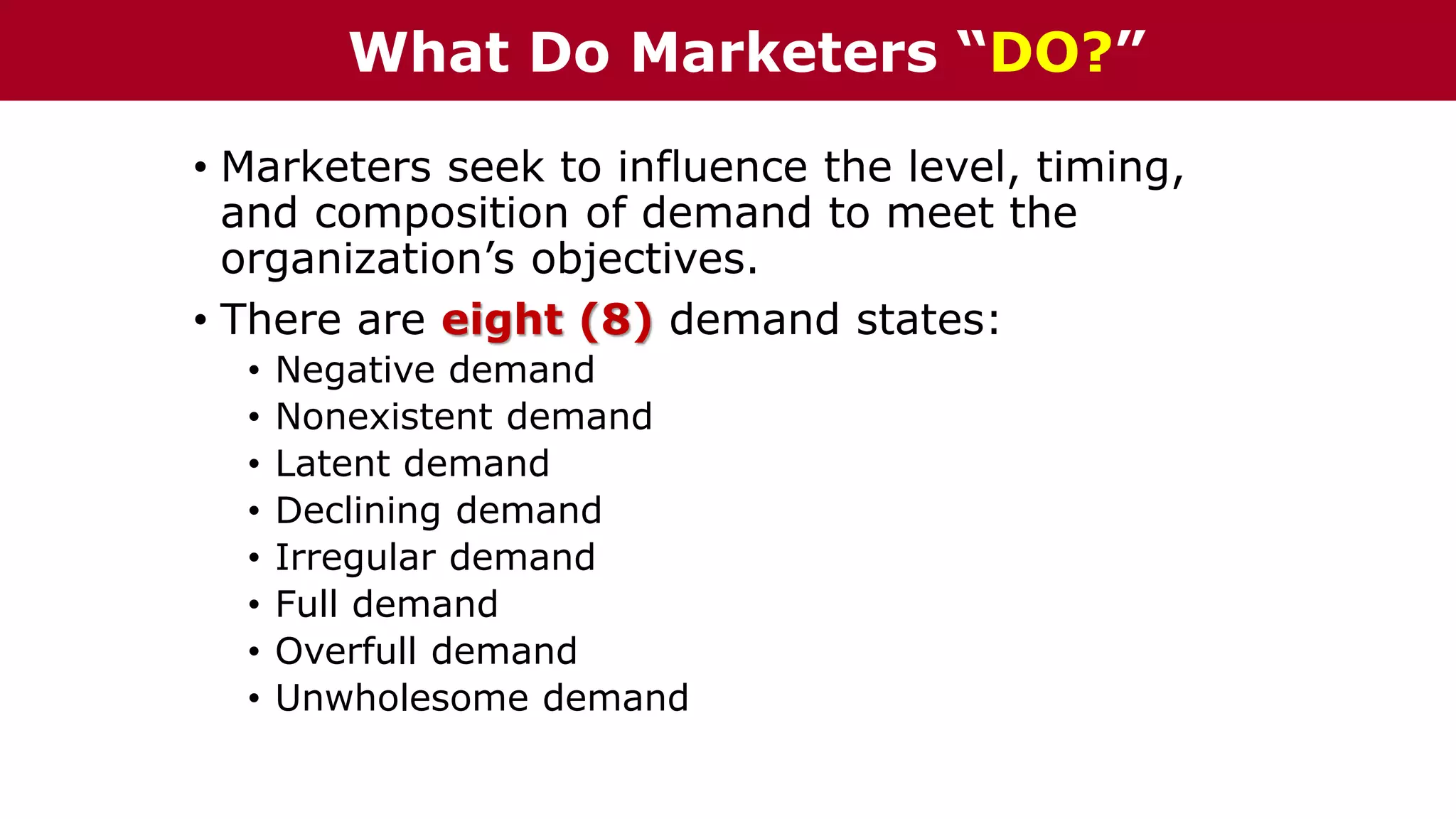
• Marketers seek to influence the level, timing,
and composition of demand to meet the
organization’s objectives.
• There are eight (8) demand states:
• Negative demand
• Nonexistent demand
• Latent demand
• Declining demand
• Irregular demand
• Full demand
• Overfull demand
• Unwholesome demand
What Do Marketers “DO?”
6 Steps to
Frame ANY Market
 Investigating opportunities in an existing or
new value system.
 Identifying unmet or underserved needs.
 Determining target segments.
 Assessing resource requirements to deliver the
offering.
 Assessing the attractiveness of the
opportunity.
 Making an educated “Go/No-Go” decision.
The 6-Step Process
Marketing
Communications
Objectives
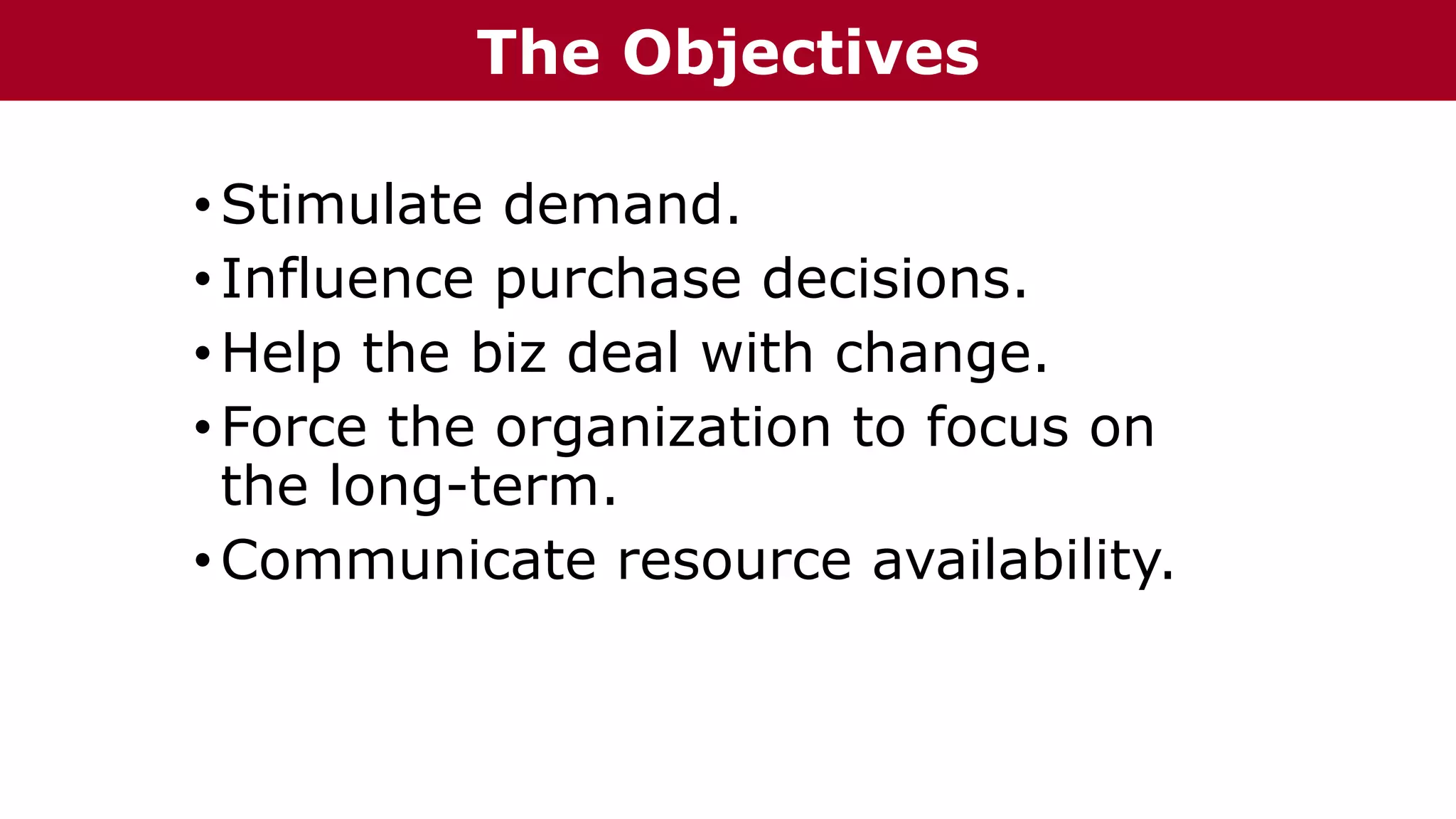
•Stimulate demand.
•Influence purchase decisions.
•Help the biz deal with change.
•Force the organization to focus on
the long-term.
•Communicate resource availability.
The Chazin GroupThe Objectives
Marketing’s Role in
Strategy
•Influence, set the entire strategy
through focus on customers,
competitors and the market.
•Drive the growth strategy.
•Align product lines and geographic
market areas.
The Chazin GroupThe Chazin GroupMarketing & Strategy
Defining Marketing
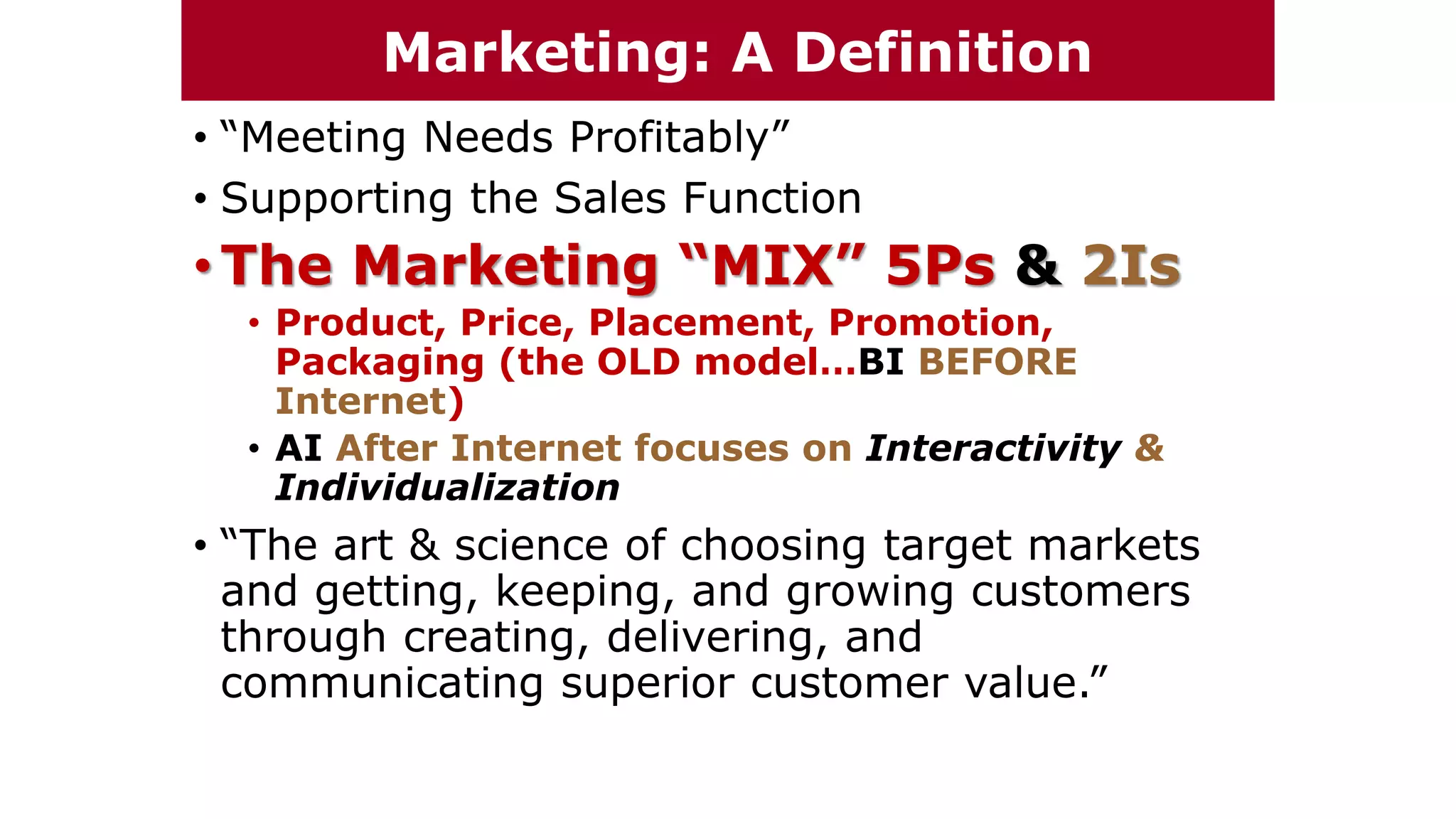
• “Meeting Needs Profitably”
• Supporting the Sales Function
•The Marketing “MIX” 5Ps & 2Is
• Product, Price, Placement, Promotion,
Packaging (the OLD model…BI BEFORE
Internet)
• AI After Internet focuses on Interactivity &
Individualization
• “The art & science of choosing target markets
and getting, keeping, and growing customers
through creating, delivering, and
communicating superior customer value.”
Marketing: A Definition
More on the 2Is of
Marketing…
•Products/Goods
•Services
•Events
•Experiences
•People
10 Things to Market
•Places
•Properties
•Organizations
•Information
•Ideas
10 Things to Market
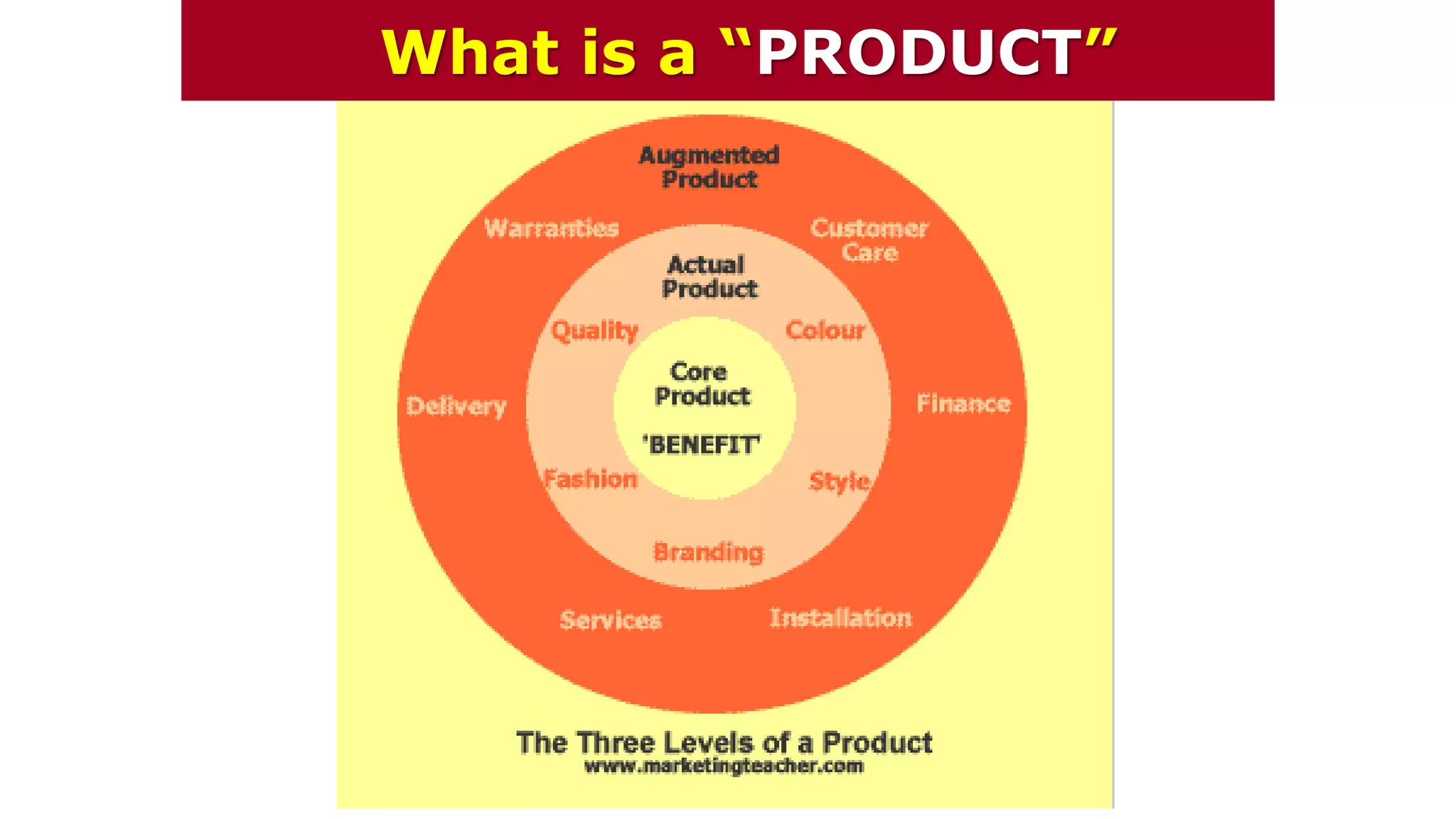
What is a “PRODUCT”
• Core benefit: the most fundamental value
offered by the product.
• Basic/actual product: the minimum product
offering needed to deliver the core benefit.
• Augmented benefit: Features that go beyond
a customer’s most basic expectations.
What is a “PRODUCT”
Product Versus
BRAND
“A product is something made in a
factory; a brand is something that is
bought by a customer. A product can
be copied by a competitor; a brand is
unique. A product can be quickly
outdated; a successful brand is
timeless.”
Stephen King
WPP Group, London

Mktg comms week1

  • 1.
  • 2.
    •Introduce Yourselves! •About Me •ReviewOur Syllabus •Charge Boldly Ahead! Agenda
  • 3.
    About Me  BAin Comms (Mktg MBA)  20 Years In Corp. America  Started Career as Recruiter  My Biases  Marketing Background Launched Biz Consultancy ‘09 Contact me: Tel: (201) 683-3399 E-mail: Ethan@TheChazinGroup.com
  • 4.
    What I Do Executive Coaching  Employee Training and Professional and Development  Career Coaching  Leadership Training  Business Owner Coaching  Human Capital Development
  • 6.
  • 9.
  • 11.
  • 12.
  • 20.
  • 22.
    5 US Segments: WhatMakes Us Americans ‘TICK?’
  • 23.
    1. Matures • Bornbefore 1945. • 10% of workforce. • Influenced by the Military. • 30 million people. • Most affluent group. • The 1st Generation. • Delayed Gratification -work first, pleasure later!
  • 24.
    2. Baby Boomers •Born 1945-1964. • Most influential group. • 80 million people. • Workaholics! • Work ethic defined by time. • Important to be a team member. • Contributors to the team are cherished. • Honor trust, loyalty, and responsibility, but distrust authority.
  • 25.
    3. Gen Xers •Born 1964-1980. • Prove it to me. • 45 million people. • Loyal to people, NOT companies. • Move from job-to-job more frequently. • Carpe Diem – Seize the day! • Grew up with AIDS & MTV. Value flexibility, life options, and achieving achieving job satisfaction.
  • 26.
    4. Millennials • Bornbetween 1979 & 1994. • 75 million people. • Instant gratification. • Quick feedback. • Busy outside of work. • Reward with time. • Optimistic. • Grew up in prosperous times. High expectations, seek meaning in their work. Career goals aligned with becoming rich (81%) and famous (51%.)
  • 27.
    5. Generation Z/ iGen • Post-Millenials. • Comfortable with tech/social media savvy. • Came of age 9/11 & Great Recession. • Insecure/unsettled. • “Innovative, entrepreneurial, highly conscious of their futures and the challenges they face.“ - Patrick Cooper
  • 28.
    •Change is constant. •Strategyand execution are critical. •Competition is simultaneously local and global. •Results are measured instantly. •Customers demand interactivity and individualization. •Must stay ahead of the competition The Chazin GroupThe Chazin GroupThe New Biz Reality
  • 29.
    •Constant analysis requiredon competitors, customers, marketplace trends. •The demand for SWOT information is constant . •Need for constant channels of growth. •Need to define a ‘business’ and ‘strategy.’ The Chazin GroupThe Chazin GroupStrategy is key
  • 30.
    •Four (4) dimensionsdefine any sound business strategy: • Product-market investment strategy; • Customer value proposition; • Assets & competencies; and • Strategies and programs. The Chazin GroupThe Chazin GroupWhat’s Business Strategy
  • 31.
    •Determine where toconduct business /compete. •What industries/sectors should you invest in. •Specify: “What is our business and what should it be.” •(Exs. Williams Sonoma products for home & kitchen. IBM shift from hardware to consulting.) The Chazin GroupThe Chazin GroupProduct Investment Strategy
  • 32.
    •What you offerMUST appeal to existing and new customers. •Your value proposition must be meaningful and relevant to your target market(s.) •Includes the following elements: • Good value, excellence in features or service, best overall quality, innovation, product depth/breadth, shared passion, etc. The Chazin GroupThe Chazin GroupCustomer Value Proposition
  • 33.
    • Your bizassets or competencies will provide a lasting competitive advantage. • Includes your people, experience in a region, understanding of client needs, access to labor/materials, first in market, established brand… • Any/all things you do REALLY well. • Are already established (part of what you are and do.) • Synergies obtained from operating a biz. The Chazin GroupThe Chazin GroupAssets & Competencies
  • 34.
    •Functional strategies &programs to drive your biz strategy may include: • Client relationship/retention strategy; • Customer referral program; • Communication strategy; • Sourcing strategy; • Distribution & logistics program; • Manufacturing strategy. The Chazin GroupThe Chazin GroupStrategies & Programs
  • 35.
  • 36.
    Your Vision statementexplains what you want to be/become. Ex. Norfolk Southern: “Be the safest, most customer-focused and most successful transportation company in the world.” It’s entirely aspirational. Your Vision should inspire the hearts of those people who work for you, and engage with you/your business. VISION STATEMENT
  • 37.
    Defines what yourorganization does and does not do, and who you do it for. Ex. U.S. Tennis Association: “Promote and develop the growth of tennis.” Mission statements drive everything your organization does. They should be simple, direct, and operative. MISSION STATEMENT
  • 38.
  • 39.
    Strategic market management Asystem designed to help management create, change, or retain a biz strategy and strategic visions.
  • 40.
    The Chazin GroupTheChazin GroupVision vs. Mission
  • 41.
    Once you have yourstrategy…
  • 42.
    •Challenge the strategyto make sure it remains relevant in a constantly changing biz climate; •Ensure your organization develops and retains the necessary skills, resources and staff to make the strategy succeed; •Infuse your strategy with energy & focus. The Chazin GroupThe Chazin GroupOnce You Have a Strategy
  • 43.
  • 45.
    •Examine all theexternal elements i.e. customers, competitors, markets, and the general climate. •Customer analysis: segments, motivations, unmet needs. •Competitor analysis: whose out there, what do they offer? •Market analysis: follow the trends. The Chazin GroupThe Chazin GroupExternal Analysis
  • 46.
    •Assess your salesorganization, marketing team, systems, processes, talents, resources. •Align marketing goals to sales goals and overall business goals. The Chazin GroupThe Chazin GroupInternal Analysis
  • 47.
    Align Your Marketing, Sales& Business Strategies for Success.
  • 48.
    • Effective marketingis aligned with your overall business strategy. • Your business strategy MUST guide your approach to marketing. • Your marketing strategy needs to be aligned with your business strategy on 4 dimensions: • Goal Alignment • Resource Alignment • Activity Alignment • Implementation Alignment Aligning Strategies
  • 49.
    • Are yourstrategic and financial goals consistent with your marketing goals? • Your goals can become misaligned due to: • Rapidly changing business goals (marketplace circumstances.) •Poor communication between your Departments. • Lack of checkpoints to ensure both sets of your goals are in sync. Goal Alignment
  • 50.
    Aligning Goals Your BusinessGoals Your Marketing Goals Increase market share By 15% this year. Increase sales to existing clients by 20%. Acquire 2 competitors with combined 10-15% market share. Acquire 400 new clients. Discontinue 30% of your existing product portfolio. Launch minor league baseball advertising campaign. Form 3 strategic partnerships. Integrate outdoor ad campaign in Central/No. NJ
  • 51.
    Aligning Goals MARKETING’s YEAR-LONG“THEME” CATEGORY STRATEGIES Target Market Positioning Statement Offering to customers Price Strategy Distribution Sales Strategy Service Strategy Promotion Strategy Marketing Research Any other component of your marketing plan
  • 52.
    • Are theresources in your business and your allocated marketing resources consistent? • Business allocates resources throughout the organization annually with $ for marketing as a % of annual sales (typically 1-2%.) • Marketing spreads the money around as best it can to help you achieve your business goals. Resource Alignment
  • 53.
  • 54.
    •Executive Summary •Situation Analysis •MarketingStrategy •Financial Projections •Implementation Controls Marketing Plan Components
  • 55.
  • 56.
  • 57.
  • 58.
    • Marketers seekto influence the level, timing, and composition of demand to meet the organization’s objectives. • There are eight (8) demand states: • Negative demand • Nonexistent demand • Latent demand • Declining demand • Irregular demand • Full demand • Overfull demand • Unwholesome demand What Do Marketers “DO?”
  • 59.
    6 Steps to FrameANY Market
  • 60.
     Investigating opportunitiesin an existing or new value system.  Identifying unmet or underserved needs.  Determining target segments.  Assessing resource requirements to deliver the offering.  Assessing the attractiveness of the opportunity.  Making an educated “Go/No-Go” decision. The 6-Step Process
  • 61.
  • 62.
    •Stimulate demand. •Influence purchasedecisions. •Help the biz deal with change. •Force the organization to focus on the long-term. •Communicate resource availability. The Chazin GroupThe Objectives
  • 63.
  • 64.
    •Influence, set theentire strategy through focus on customers, competitors and the market. •Drive the growth strategy. •Align product lines and geographic market areas. The Chazin GroupThe Chazin GroupMarketing & Strategy
  • 65.
  • 66.
    • “Meeting NeedsProfitably” • Supporting the Sales Function •The Marketing “MIX” 5Ps & 2Is • Product, Price, Placement, Promotion, Packaging (the OLD model…BI BEFORE Internet) • AI After Internet focuses on Interactivity & Individualization • “The art & science of choosing target markets and getting, keeping, and growing customers through creating, delivering, and communicating superior customer value.” Marketing: A Definition
  • 67.
    More on the2Is of Marketing…
  • 68.
  • 69.
  • 70.
    What is a“PRODUCT”
  • 71.
    • Core benefit:the most fundamental value offered by the product. • Basic/actual product: the minimum product offering needed to deliver the core benefit. • Augmented benefit: Features that go beyond a customer’s most basic expectations. What is a “PRODUCT”
  • 72.
  • 73.
    “A product issomething made in a factory; a brand is something that is bought by a customer. A product can be copied by a competitor; a brand is unique. A product can be quickly outdated; a successful brand is timeless.” Stephen King WPP Group, London