It pertains to the technical and symbolic
ingredients or codes and conventions that
media and information professionals may
select and use in an effort to communicate
ideas, information and knowledge.
Language – pertains to the technical and symbolic
ingredients or codes and conventions that media and
information professionals may select and use in an effort
to communicate ideas.
Media language – codes, conventions, formats, symbols
and narrative structures that indicate the meaning of
media messages to an audience.
Is it possible that a different individual
derives a different meaning from the
message? Explain.
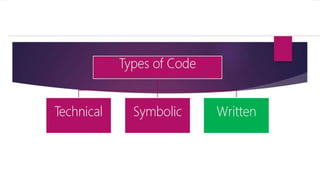
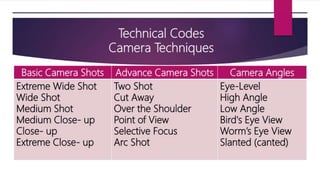
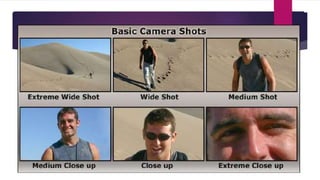
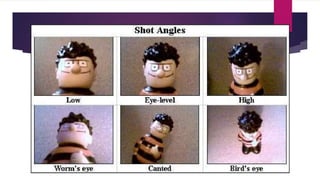
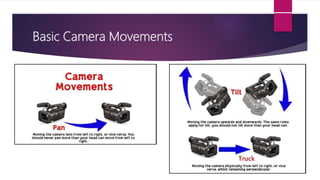
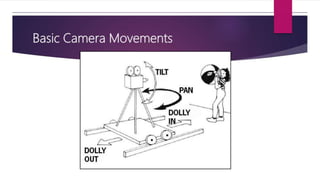
Technical codes
 include sound, camera angles, types of
shots and lightning. They may include, for
example, ominous music to communicate
danger in the future film, or high- angle
camera shots to create a feeling of power in a
photograph.
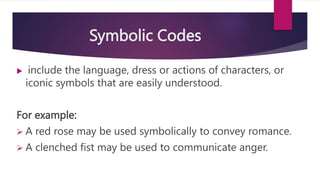
Symbolic Codes
 include the language, dress or actions of characters, or
iconic symbols that are easily understood.
For example:
 A red rose may be used symbolically to convey romance.
 A clenched fist may be used to communicate anger.
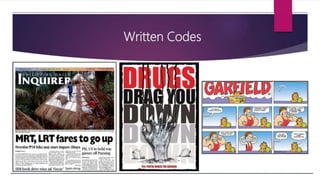
Written Codes
Use of language style and textual
layout (headlines, captions, speech
bubbles, language style, ect.)
 Messages – the information sent from a source to a receiver.
 Audience – the group of consumers for whom a media message was
constructed as well as anyone else who is exposed to the message.
 Producers – people engaged in the process of creating and putting
together media content to make a finished media product.
 Other stakeholders – libraries, archives, museums, internet and other
relevant information providers.
What codes are used in the TV ad?
How were the codes used in constructing
the message of this TV ad?
Why do you think this TV ad went viral?
QUIZ
Direction: Give your insight or reflection through
essay or sketch.
 How is understanding of the technical and symbolic
codes contribute to media and information literacy?

MEDIA AND INFORMATION LANGUAGES.pptx

  • 2.
    It pertains tothe technical and symbolic ingredients or codes and conventions that media and information professionals may select and use in an effort to communicate ideas, information and knowledge.
  • 3.
    Language – pertainsto the technical and symbolic ingredients or codes and conventions that media and information professionals may select and use in an effort to communicate ideas. Media language – codes, conventions, formats, symbols and narrative structures that indicate the meaning of media messages to an audience.
  • 5.
    Is it possiblethat a different individual derives a different meaning from the message? Explain.
  • 9.
    Technical codes  includesound, camera angles, types of shots and lightning. They may include, for example, ominous music to communicate danger in the future film, or high- angle camera shots to create a feeling of power in a photograph.
  • 15.
    Symbolic Codes  includethe language, dress or actions of characters, or iconic symbols that are easily understood. For example:  A red rose may be used symbolically to convey romance.  A clenched fist may be used to communicate anger.
  • 16.
    Written Codes Use oflanguage style and textual layout (headlines, captions, speech bubbles, language style, ect.)
  • 18.
     Messages –the information sent from a source to a receiver.  Audience – the group of consumers for whom a media message was constructed as well as anyone else who is exposed to the message.  Producers – people engaged in the process of creating and putting together media content to make a finished media product.  Other stakeholders – libraries, archives, museums, internet and other relevant information providers.
  • 23.
    What codes areused in the TV ad? How were the codes used in constructing the message of this TV ad? Why do you think this TV ad went viral?
  • 24.
    QUIZ Direction: Give yourinsight or reflection through essay or sketch.  How is understanding of the technical and symbolic codes contribute to media and information literacy?