Media and
Information
Literacy
After going through this module, you
are expected to:
1. present an issue in varied ways to
disseminate information using the
codes, convention, and language of
media (MIL11/12MILA-IIIf15)/
(MILI11/12MILA-IIIf16)
Quarter 3 - Module 5:
Media and Information
Languages
Let’s Recall
Lesson 1:
Media and
Information
Languages
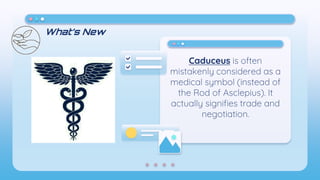
Caduceus is often
mistakenly considered as a
medical symbol (instead of
the Rod of Asclepius). It
actually signifies trade and
negotiation.
Peace Sign is originally
created to encourage
British nuclear disarmament
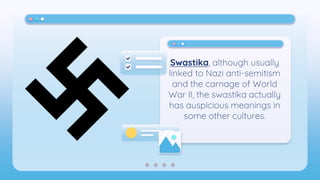
Swastika, although usually
linked to Nazi anti-semitism
and the carnage of World
War II, the swastika actually
has auspicious meanings in
some other cultures.
Trinity Knots is the three-
cornered symbol in the
ancient Celtic which signifies
the Holy Trinity. It also
represents the three
promises of a relationship:
to love,honor, and protect.
Media language
 denotes how media producers make meaning about a
certain medium (advertisement, TV show, film, etc.) they
are producing and how they transfer that meaning to
their target audience.
 It allows the audience to convey the meaning of the text
through its signs and symbols.
Denotative meaning is the literal meaning
of the media text while connotative
meaning refers to the various
interpretations that the text suggests to the
audience which are often associated with
their culture, values, beliefs, etc.
Media Codes and Conventions
Media codes commonly have an established
meaning, denotation or connotation, to the
target audience
Media conventions refer to the possible
methods in which codes are organized in a
product.
Types of Media Codes
are audience-based. The
meaning of the product is not
based on the product itself
but on the interpretation of
the audience.
LOGIN
NEW ACCOUNT
1. Symbolic codes
 Setting refers to the time and place of the narrative or
a specific scene.
 Mise en scene is a French term that means “everything
within the frame”. It describes all the features (set
design, costume, props, staging) within a frame of
media products.
 Acting refers to the portrayal of the actors in creating
media products.
 Color considerations are highly connotative when it
comes to interpretations. It is also usually associated
with cultural aspects.
refer to codes specific to a
media form alone. The
knowledge and connotations
of different camera angles
and shots make sense when
looking at films and
photographs but mean
nothing outside those forms.
LOGIN
NEW ACCOUNT
2. Technical codes
are the formal written
language used in creating a
media product. It includes the
printed language (the text
visible with the media frame
which is the text you can see
within the frame) and the
spoken language which
includes the dialogues and
even the lyrics of the song.
LOGIN
NEW ACCOUNT
3. Written codes
Types of Conventions
1. Form conventions
are ways in which the
types of media codes
are expected to be
arranged.
2. Story conventions
refer to the basic
structures of
narratives.
3. Genre conventions
refer to the common
use of the elements
of narratives such as
the characters,
settings, or themes in
a certain type of
media
Media Producers, Stakeholders, and Audience
 media producers refer to the people who
initiate, plan, and produce media texts.
 stakeholders refer to people or
organizations that share the same
interests or intentions.
 audience, on the other hand, is a
significant element in delivering media
texts.
USERNAME
PASSWORD
LOGIN
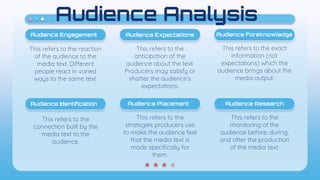
Audience Analysis
This refers to the reaction
of the audience to the
media text. Different
people react in varied
ways to the same text.
Audience Engagement
This refers to the
anticipation of the
audience about the text.
Producers may satisfy or
shatter the audience’s
expectations.
This refers to the
connection built by the
media text to the
audience.
This refers to the
strategies producers use
to make the audience feel
that the media text is
made specifically for
them.
This refers to the exact
information (not
expectations) which the
audience brings about the
media output.
This refers to the
monitoring of the
audience before, during,
and after the production
of the media text.
Audience Expectations Audience Foreknowledge
Audience Identification Audience Placement Audience Research
THANKS!

MIL-Module 5.pptx

  • 1.
  • 2.
    After going throughthis module, you are expected to: 1. present an issue in varied ways to disseminate information using the codes, convention, and language of media (MIL11/12MILA-IIIf15)/ (MILI11/12MILA-IIIf16)
  • 3.
    Quarter 3 -Module 5: Media and Information Languages
  • 4.
  • 5.
  • 6.
    Caduceus is often mistakenlyconsidered as a medical symbol (instead of the Rod of Asclepius). It actually signifies trade and negotiation.
  • 7.
    Peace Sign isoriginally created to encourage British nuclear disarmament
  • 8.
    Swastika, although usually linkedto Nazi anti-semitism and the carnage of World War II, the swastika actually has auspicious meanings in some other cultures.
  • 9.
    Trinity Knots isthe three- cornered symbol in the ancient Celtic which signifies the Holy Trinity. It also represents the three promises of a relationship: to love,honor, and protect.
  • 10.
    Media language  denoteshow media producers make meaning about a certain medium (advertisement, TV show, film, etc.) they are producing and how they transfer that meaning to their target audience.  It allows the audience to convey the meaning of the text through its signs and symbols.
  • 11.
    Denotative meaning isthe literal meaning of the media text while connotative meaning refers to the various interpretations that the text suggests to the audience which are often associated with their culture, values, beliefs, etc.
  • 12.
    Media Codes andConventions Media codes commonly have an established meaning, denotation or connotation, to the target audience Media conventions refer to the possible methods in which codes are organized in a product.
  • 13.
    Types of MediaCodes are audience-based. The meaning of the product is not based on the product itself but on the interpretation of the audience. LOGIN NEW ACCOUNT 1. Symbolic codes
  • 14.
     Setting refersto the time and place of the narrative or a specific scene.  Mise en scene is a French term that means “everything within the frame”. It describes all the features (set design, costume, props, staging) within a frame of media products.  Acting refers to the portrayal of the actors in creating media products.  Color considerations are highly connotative when it comes to interpretations. It is also usually associated with cultural aspects.
  • 15.
    refer to codesspecific to a media form alone. The knowledge and connotations of different camera angles and shots make sense when looking at films and photographs but mean nothing outside those forms. LOGIN NEW ACCOUNT 2. Technical codes
  • 16.
    are the formalwritten language used in creating a media product. It includes the printed language (the text visible with the media frame which is the text you can see within the frame) and the spoken language which includes the dialogues and even the lyrics of the song. LOGIN NEW ACCOUNT 3. Written codes
  • 18.
    Types of Conventions 1.Form conventions are ways in which the types of media codes are expected to be arranged. 2. Story conventions refer to the basic structures of narratives. 3. Genre conventions refer to the common use of the elements of narratives such as the characters, settings, or themes in a certain type of media
  • 19.
    Media Producers, Stakeholders,and Audience  media producers refer to the people who initiate, plan, and produce media texts.  stakeholders refer to people or organizations that share the same interests or intentions.  audience, on the other hand, is a significant element in delivering media texts. USERNAME PASSWORD LOGIN
  • 20.
    Audience Analysis This refersto the reaction of the audience to the media text. Different people react in varied ways to the same text. Audience Engagement This refers to the anticipation of the audience about the text. Producers may satisfy or shatter the audience’s expectations. This refers to the connection built by the media text to the audience. This refers to the strategies producers use to make the audience feel that the media text is made specifically for them. This refers to the exact information (not expectations) which the audience brings about the media output. This refers to the monitoring of the audience before, during, and after the production of the media text. Audience Expectations Audience Foreknowledge Audience Identification Audience Placement Audience Research
  • 21.