HAIKU
by: Matsuo Basho
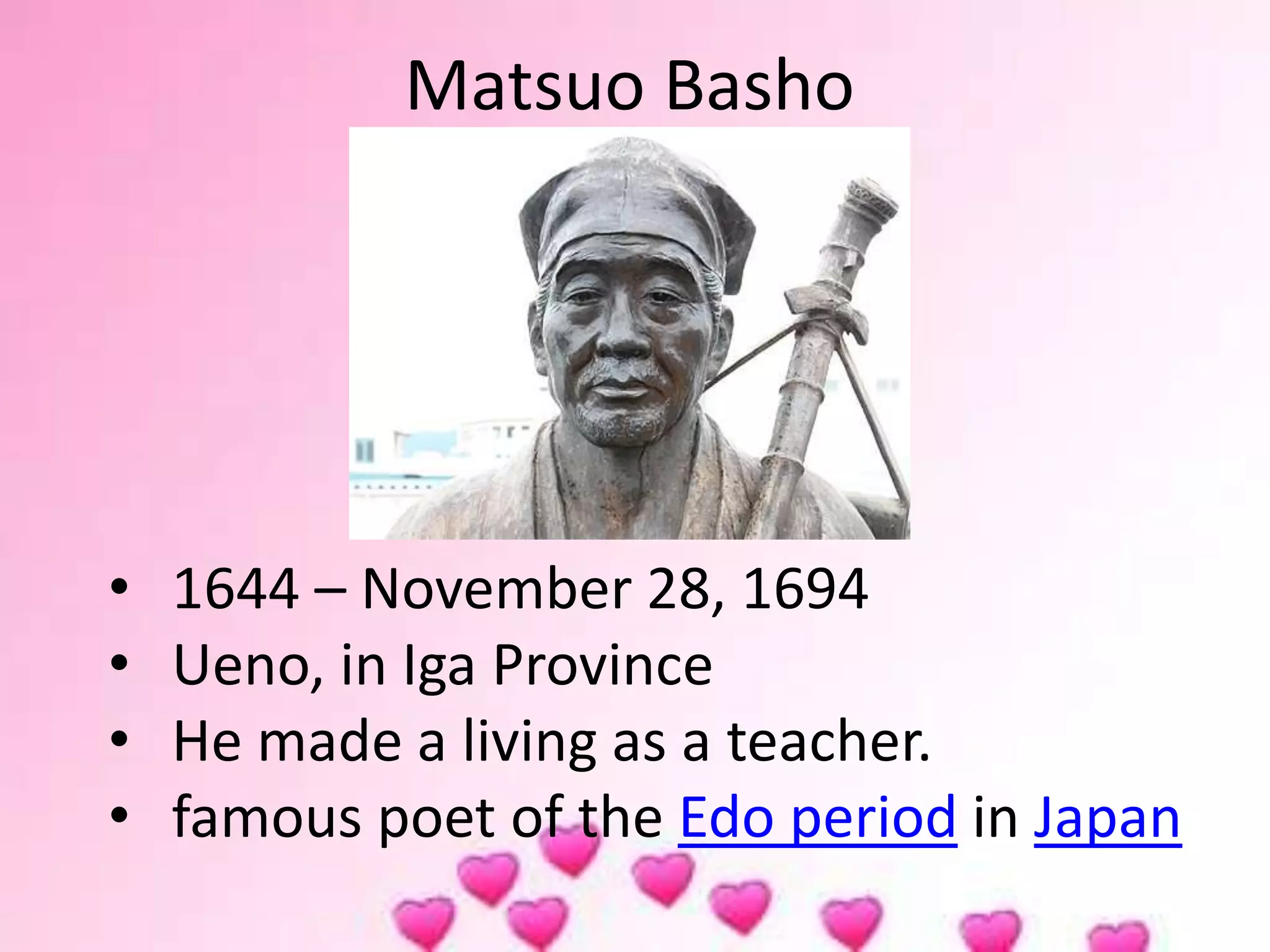
Matsuo Basho
• 1644 – November 28, 1694
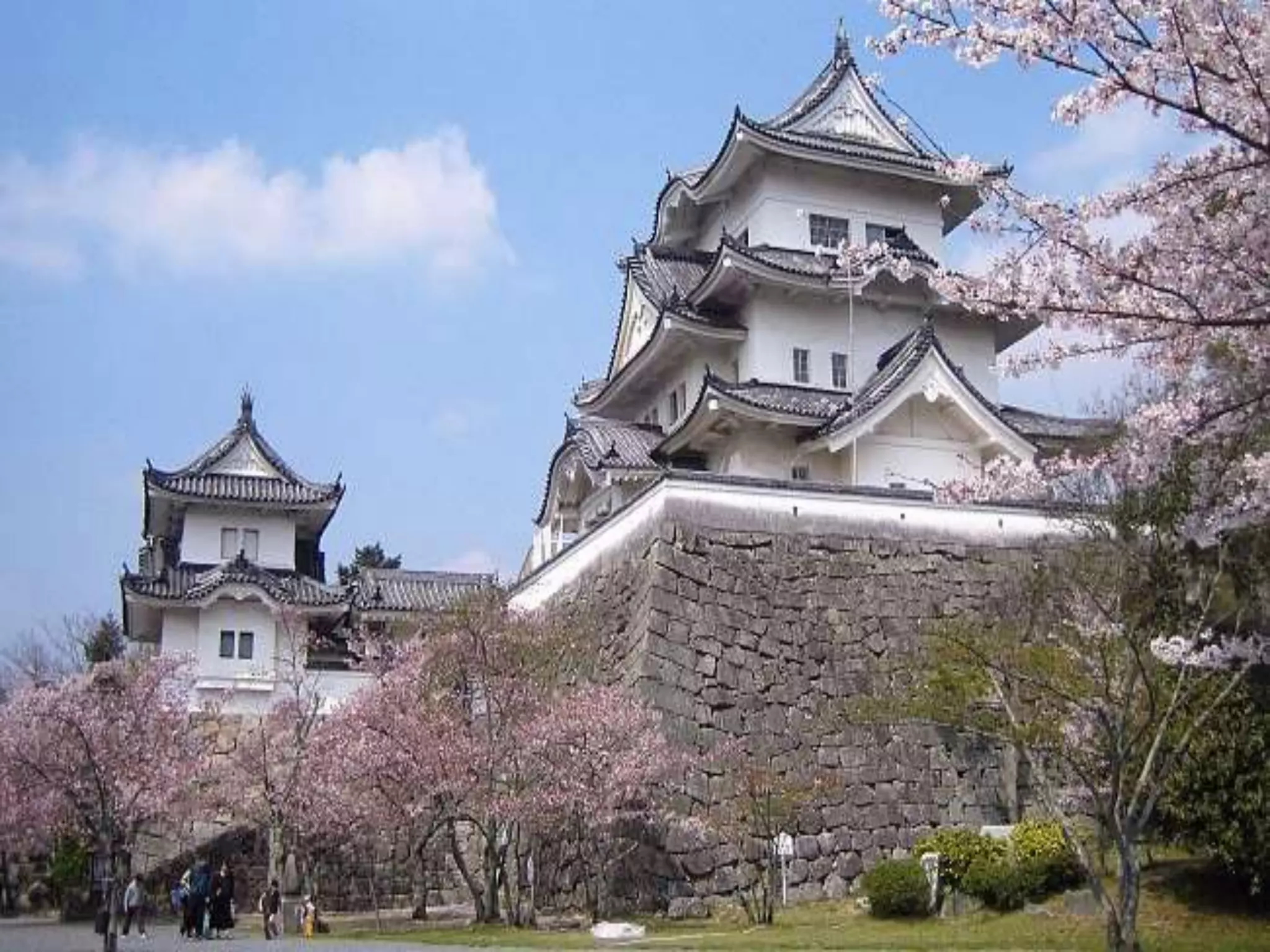
• Ueno, in Iga Province
• He made a living as a teacher.
• famous poet of the Edo period in Japan
Contributions to Literature
• most famous poet of the Edo
period in Japan.
• recognized for collaborative haikai no renga
form
• in Japan, many of his poems are reproduced
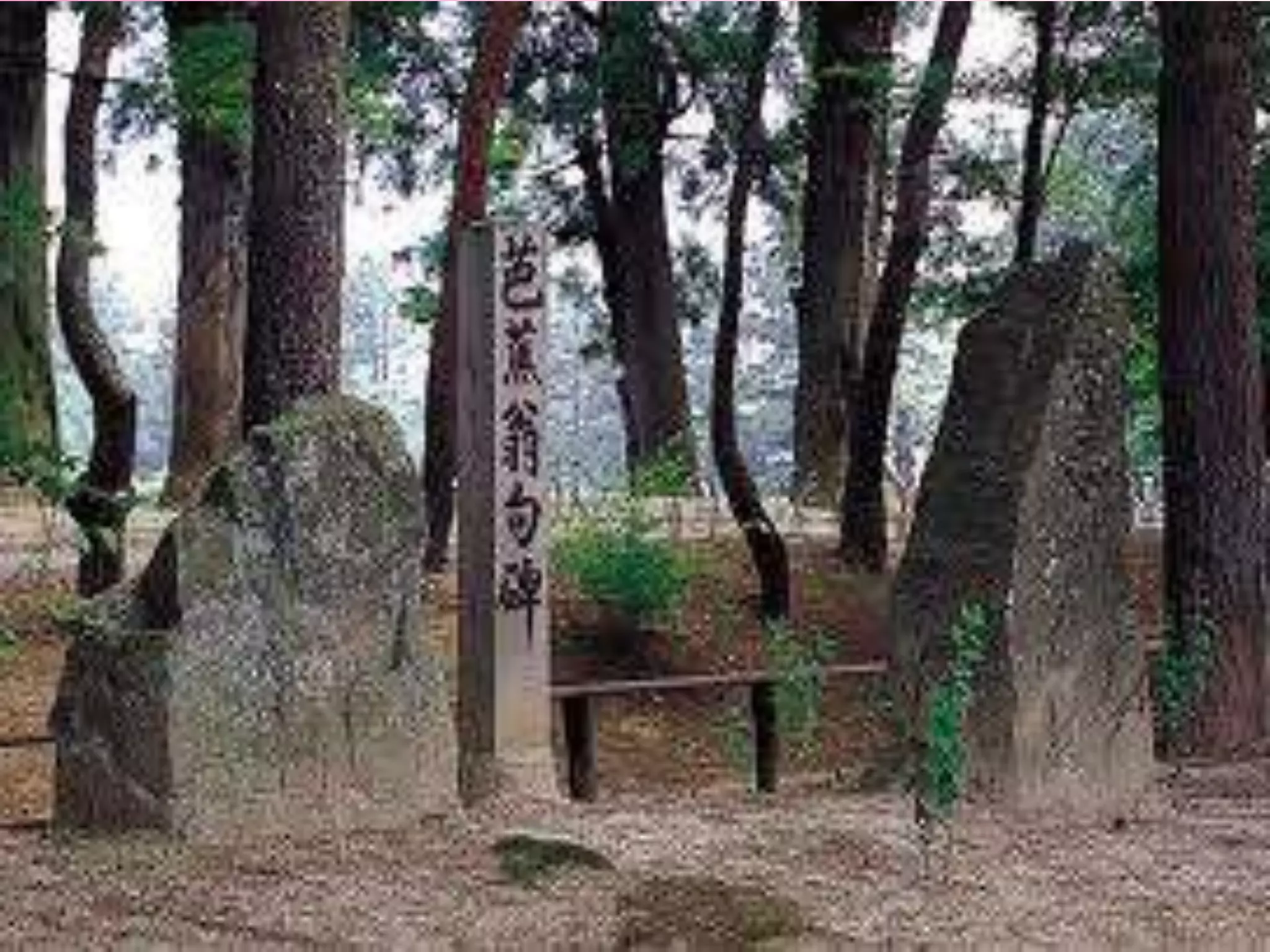
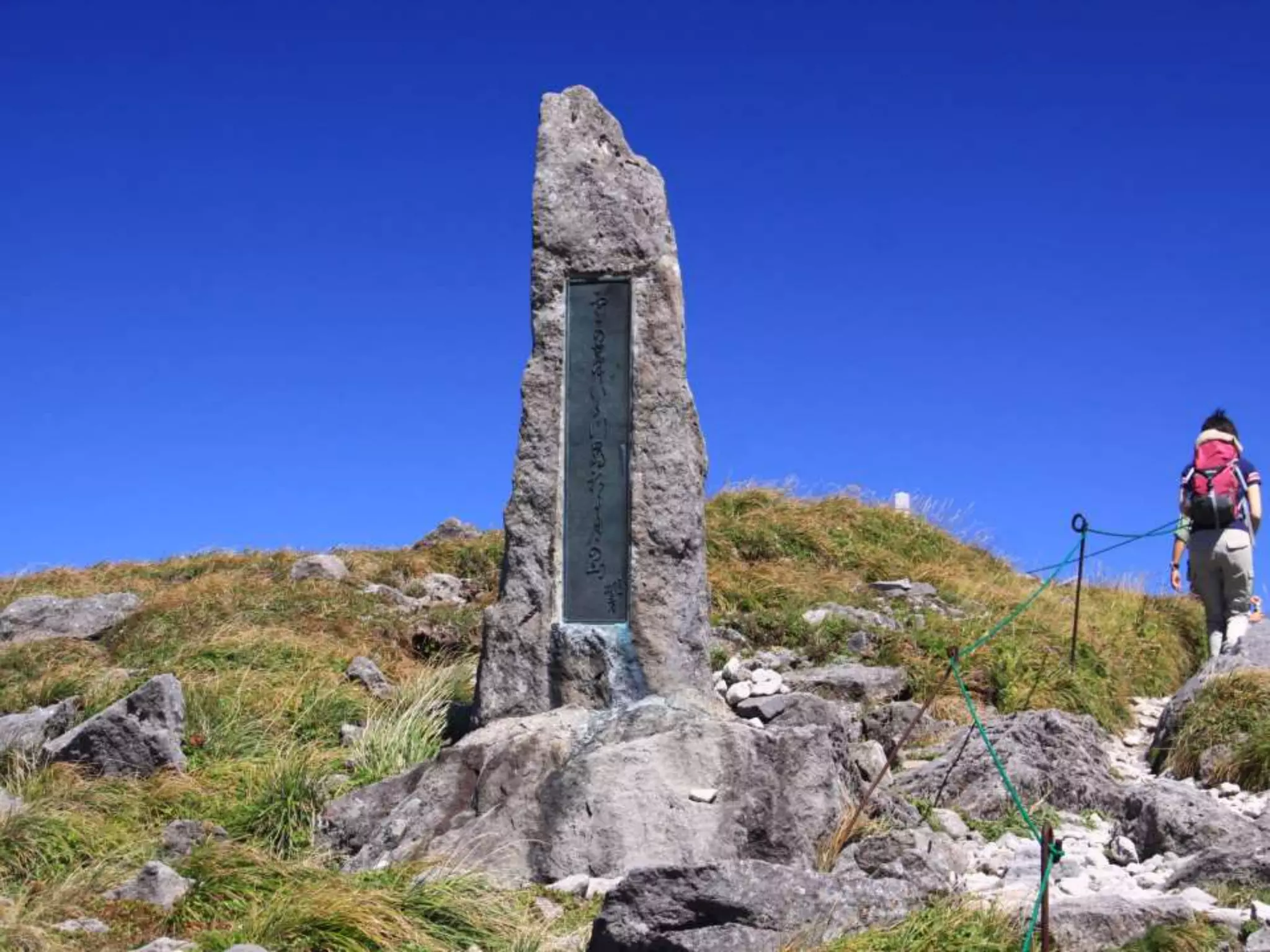
on monuments and traditional sites.
• recognized as the greatest master of haiku
History of Haiku
• Bashō became a servant to Tōdō
Yoshitada.
5-7-5 mora format
hokku
Later renamed as haiku.
What is Haiku?
• a Japanese poem of seventeen
syllables, in three lines of five,
seven, and five, traditionally
evoking images of the natural
world.
Structural Rules
• Uses exactly 17 syllables
• Syllables are arranged in three
lines of 5-7-5
• Avoids similes and metaphors
• Refers to a season of the year
What is Haiku All About?
• Haiku poems can describe anything
• Has a dominant impression
• Uses imagistic language
Seasonal Theme
Each Haiku must contain a kigo,
a season word, which indicates
what season of the year the
Haiku is set.
Example
Clouds appear and bring -
to men a chance to rest from
looking at the moon
• Subject- nature
• Observation at the moment (beautiful
day)
• Senses- sight
Other Example
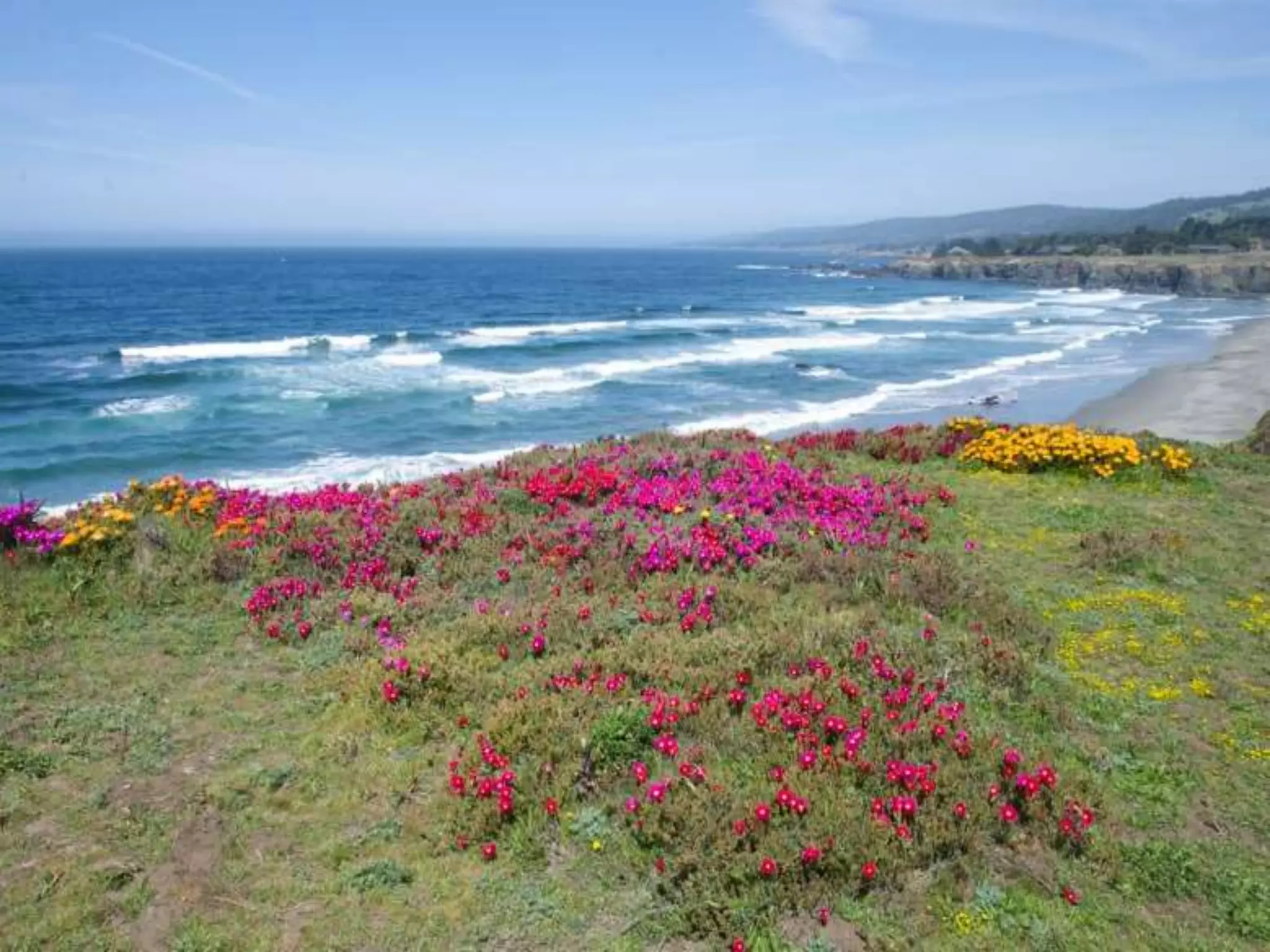
Spring morning marvel
lovely nameless little hill
on a sea of mist
• Subject- nature
• Observation at the moment
• Senses- sight, smell and texture
• Season- Spring
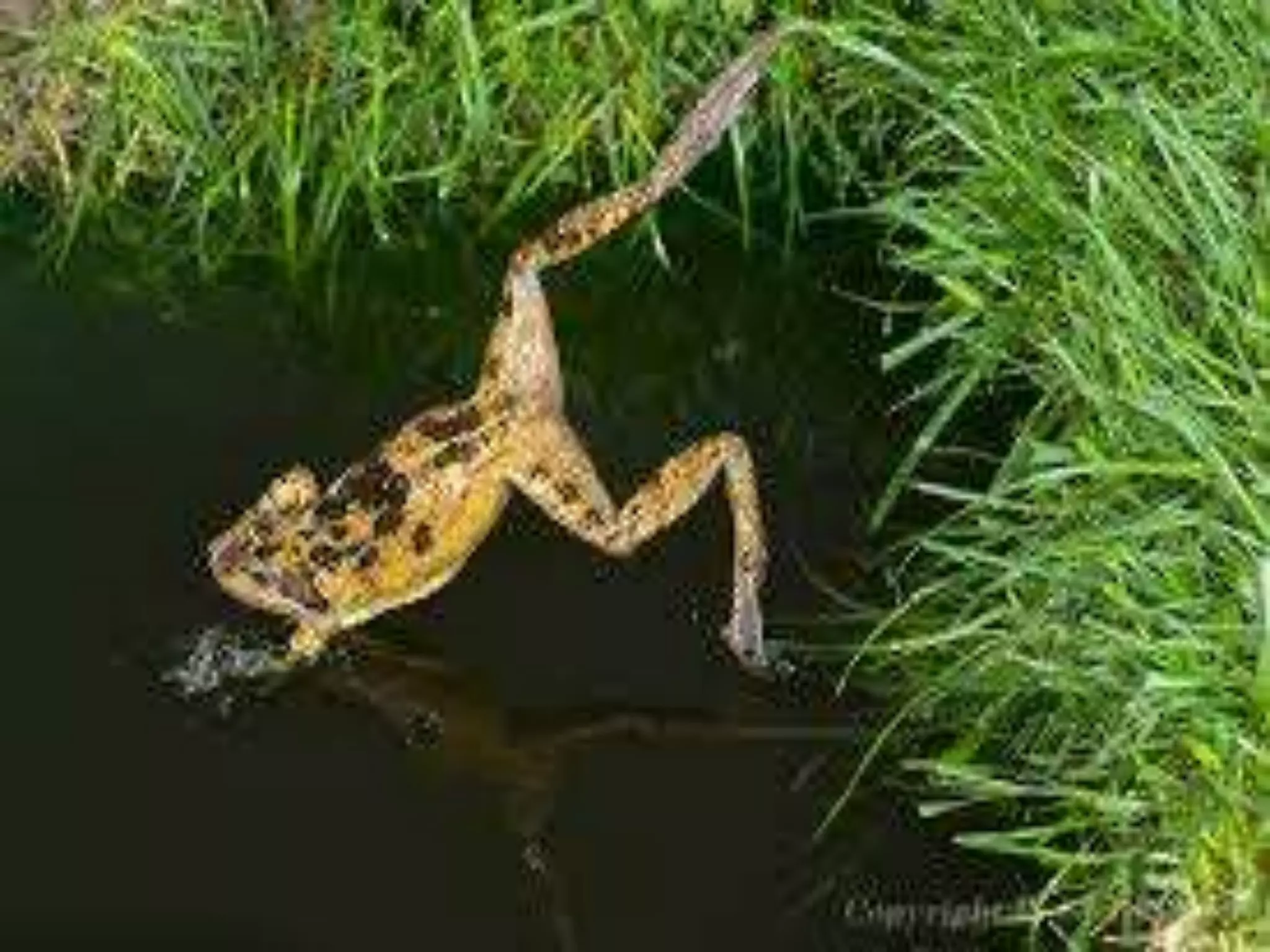
Old pond
a frog jumps
the sound of water
Matsuo Basho (Haiku)

Matsuo Basho (Haiku)

  • 1.
  • 2.
    Matsuo Basho • 1644– November 28, 1694 • Ueno, in Iga Province • He made a living as a teacher. • famous poet of the Edo period in Japan
  • 4.
    Contributions to Literature •most famous poet of the Edo period in Japan. • recognized for collaborative haikai no renga form • in Japan, many of his poems are reproduced on monuments and traditional sites. • recognized as the greatest master of haiku
  • 7.
    History of Haiku •Bashō became a servant to Tōdō Yoshitada. 5-7-5 mora format hokku Later renamed as haiku.
  • 8.
    What is Haiku? •a Japanese poem of seventeen syllables, in three lines of five, seven, and five, traditionally evoking images of the natural world.
  • 9.
    Structural Rules • Usesexactly 17 syllables • Syllables are arranged in three lines of 5-7-5 • Avoids similes and metaphors • Refers to a season of the year
  • 10.
    What is HaikuAll About? • Haiku poems can describe anything • Has a dominant impression • Uses imagistic language
  • 11.
    Seasonal Theme Each Haikumust contain a kigo, a season word, which indicates what season of the year the Haiku is set.
  • 12.
    Example Clouds appear andbring - to men a chance to rest from looking at the moon
  • 14.
    • Subject- nature •Observation at the moment (beautiful day) • Senses- sight
  • 15.
    Other Example Spring morningmarvel lovely nameless little hill on a sea of mist
  • 17.
    • Subject- nature •Observation at the moment • Senses- sight, smell and texture • Season- Spring
  • 18.
    Old pond a frogjumps the sound of water