Downloaded 70 times
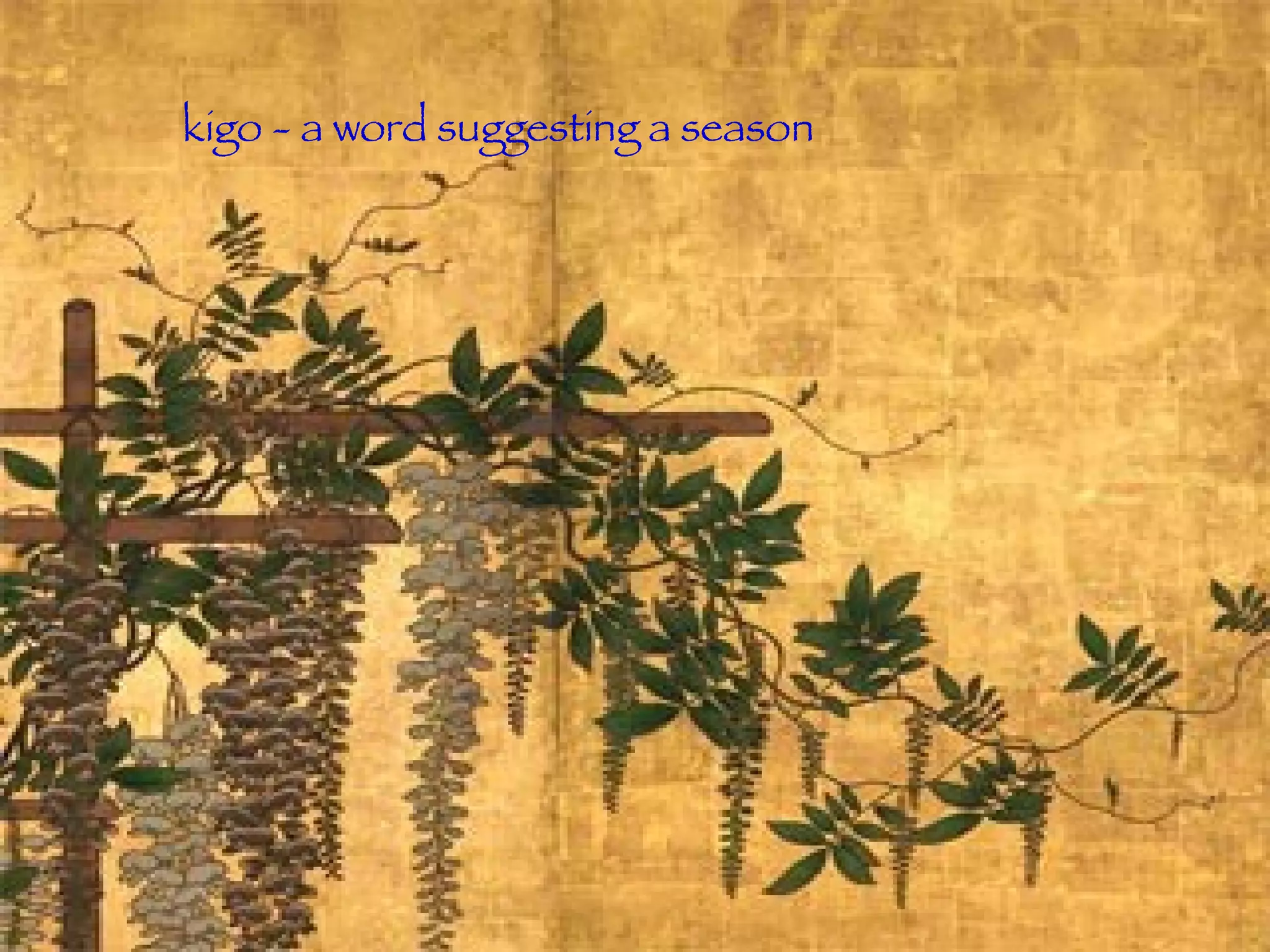
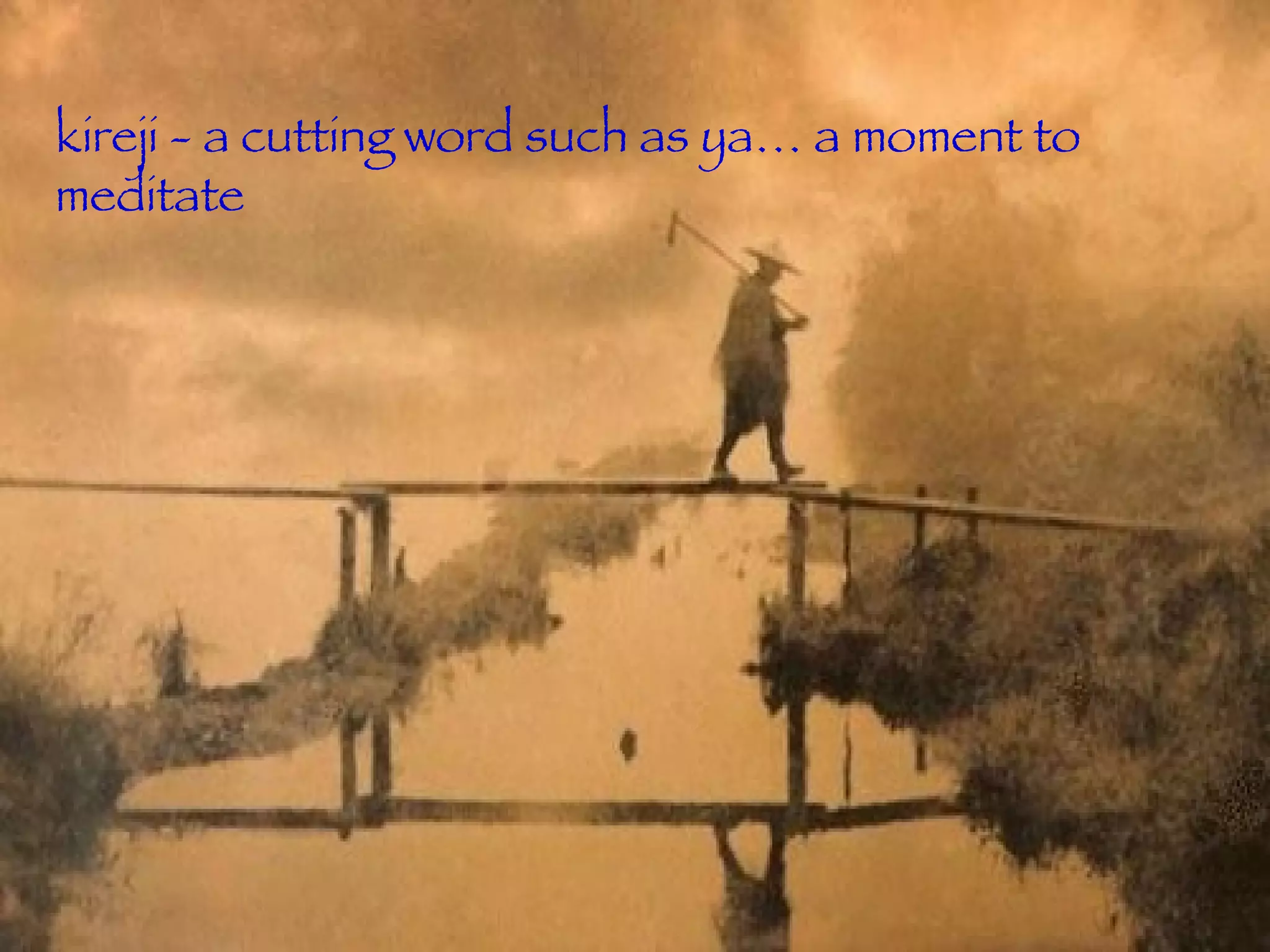
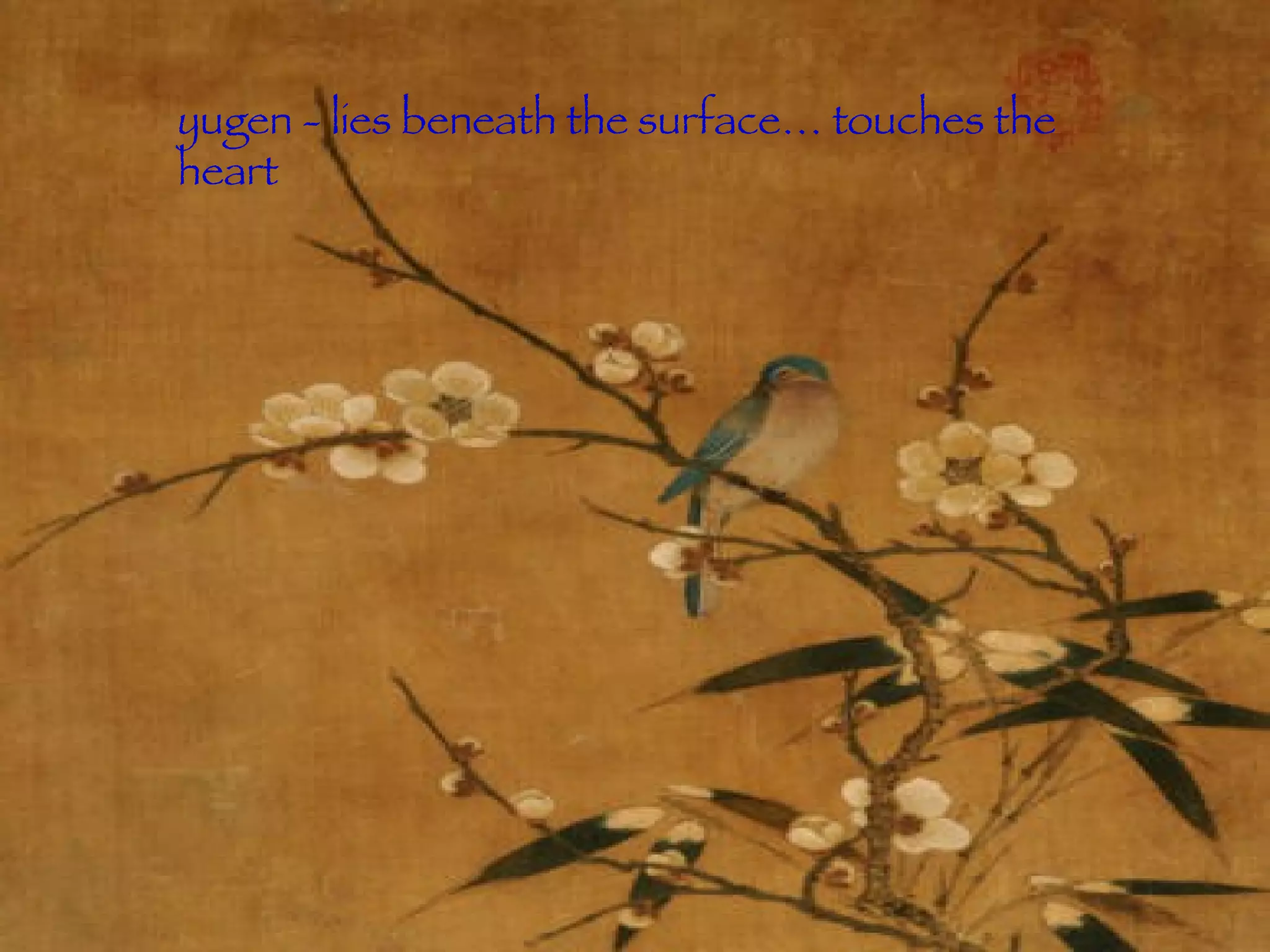
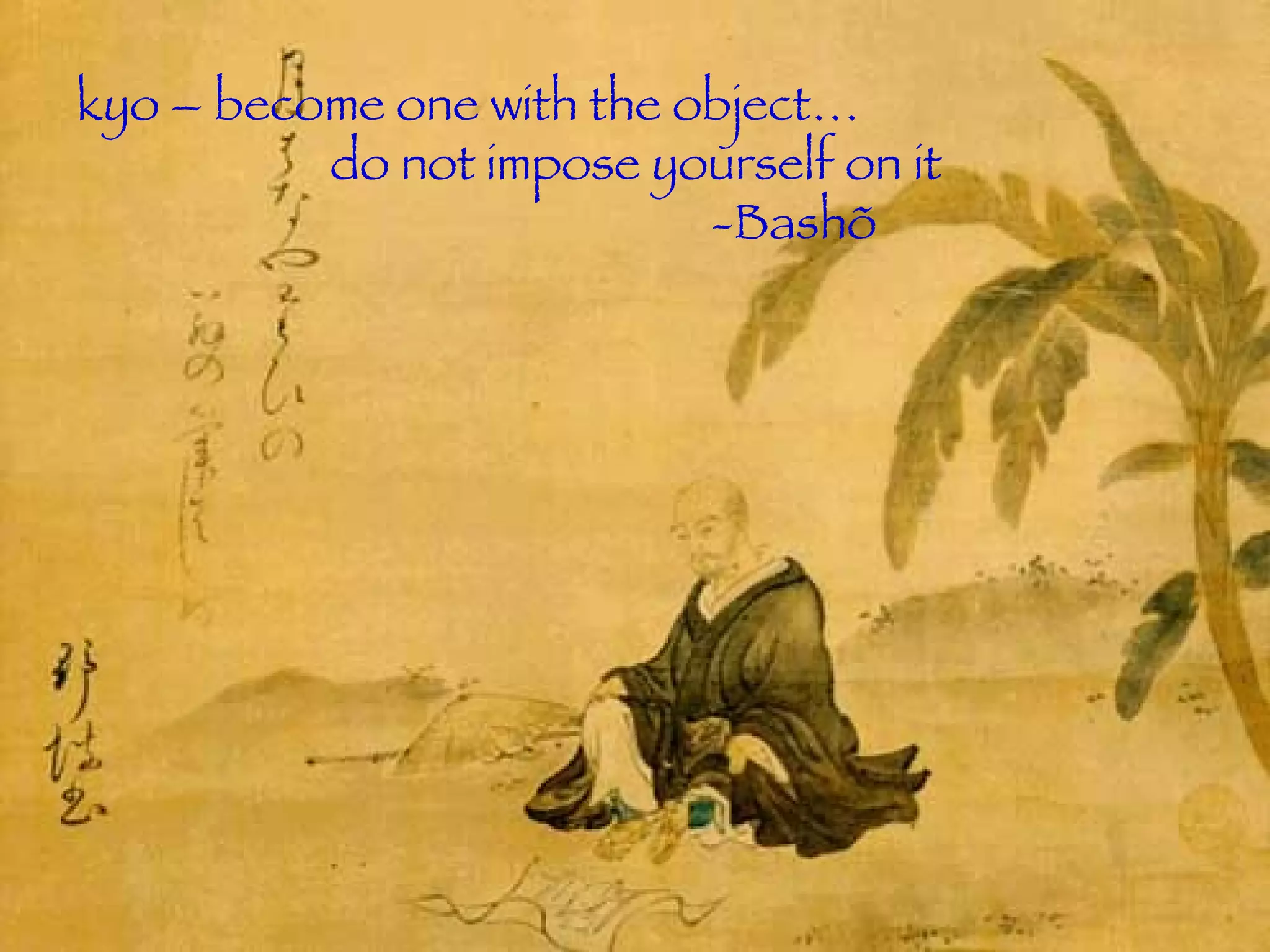
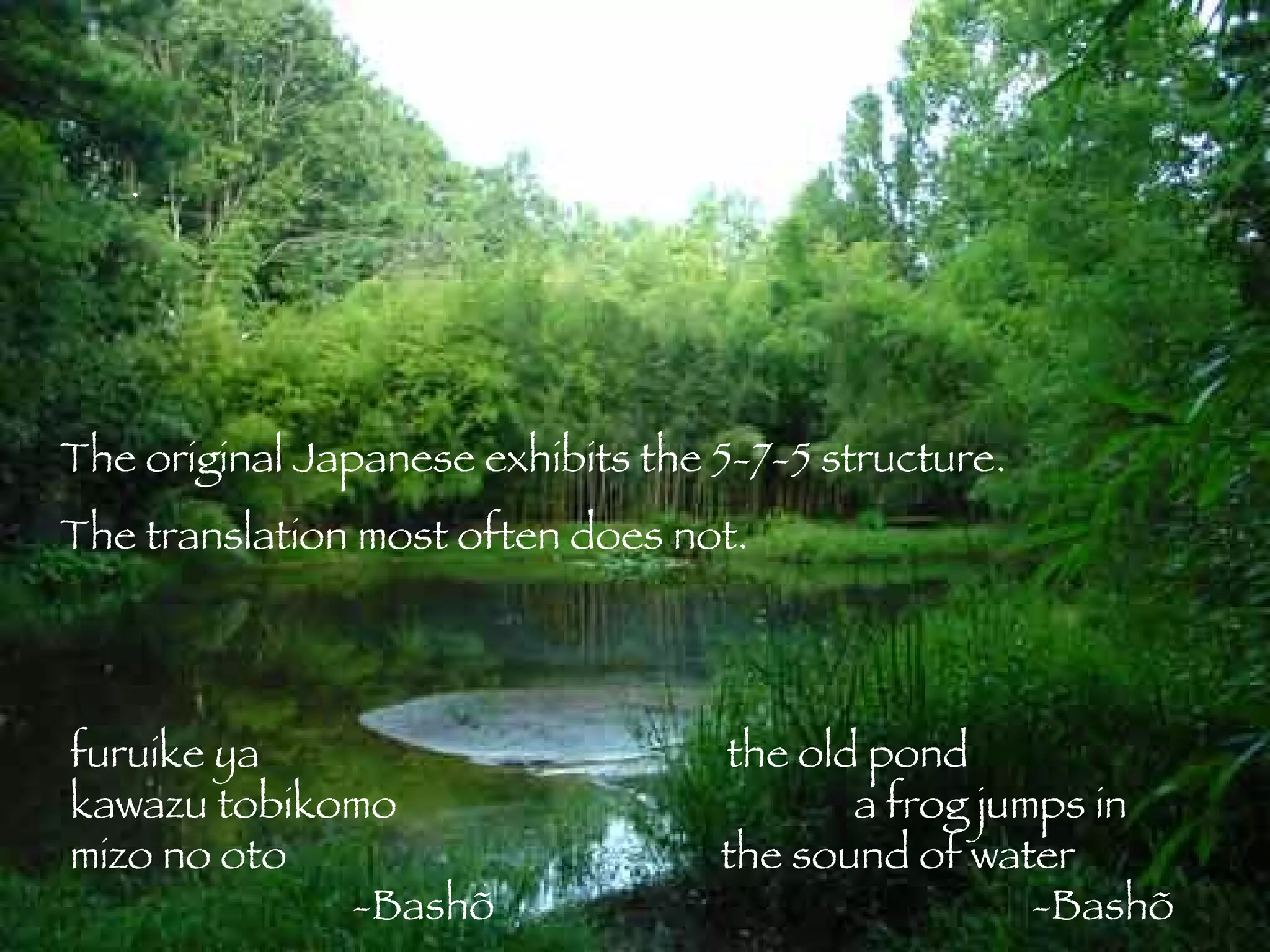

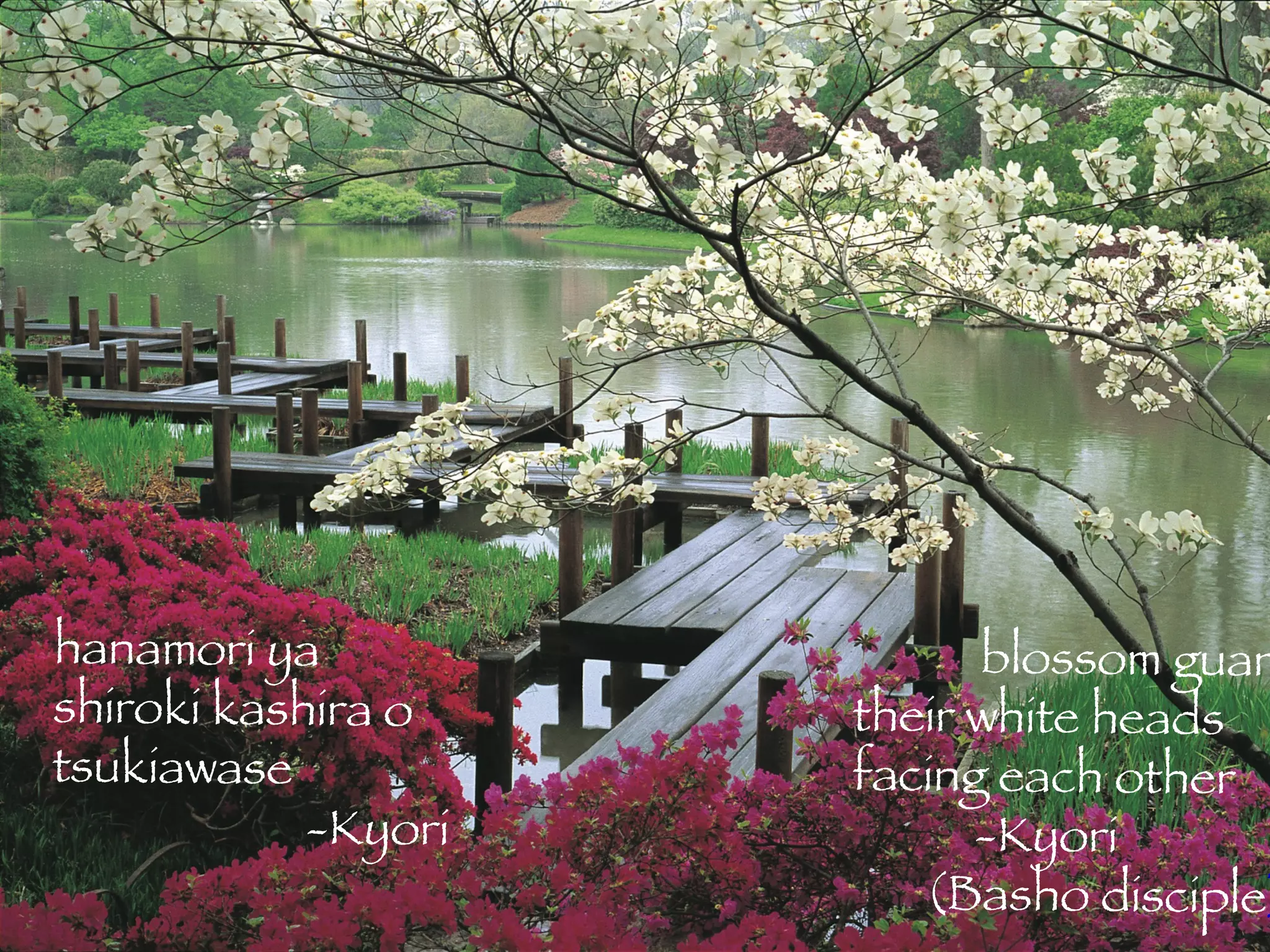
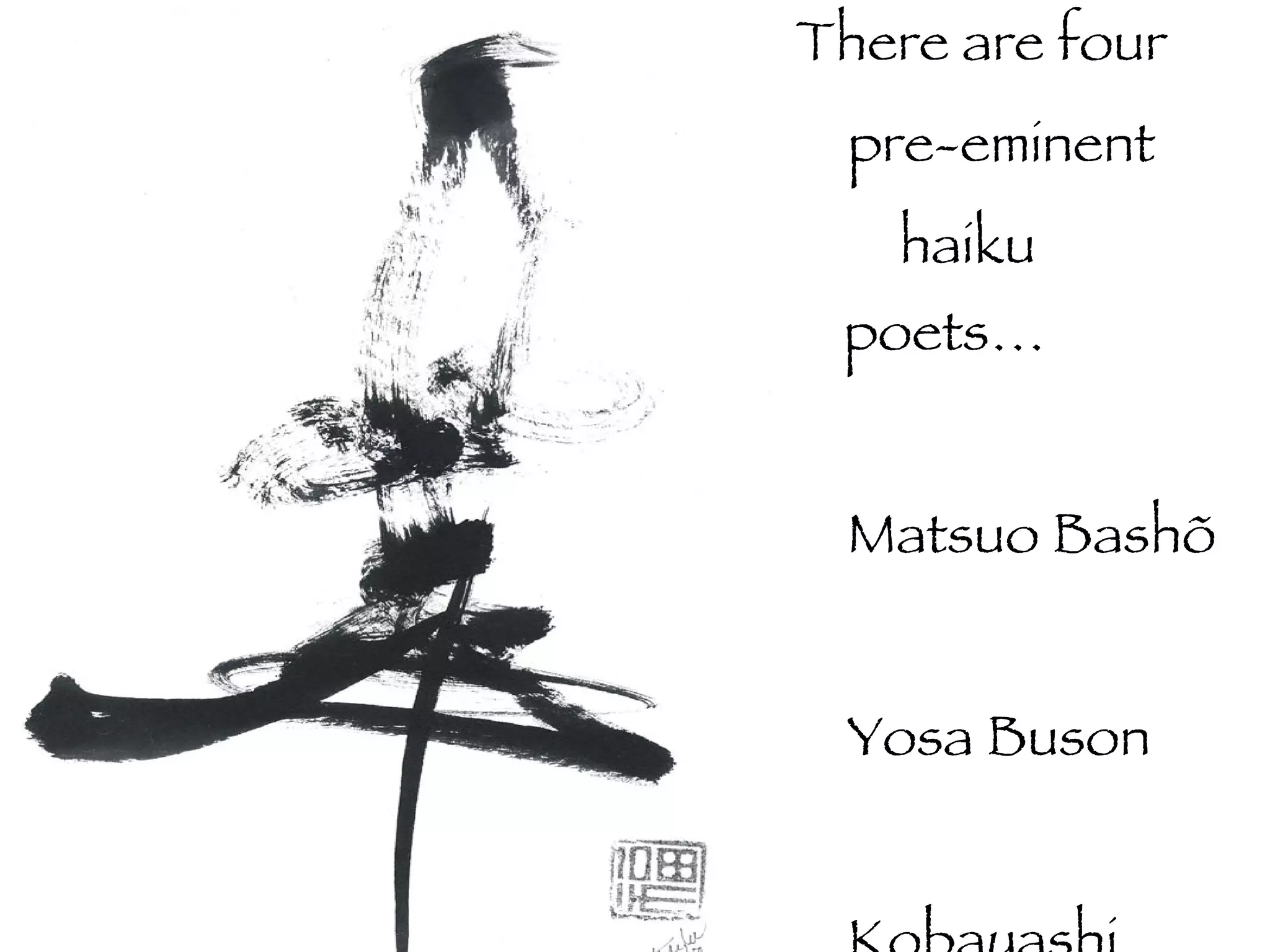
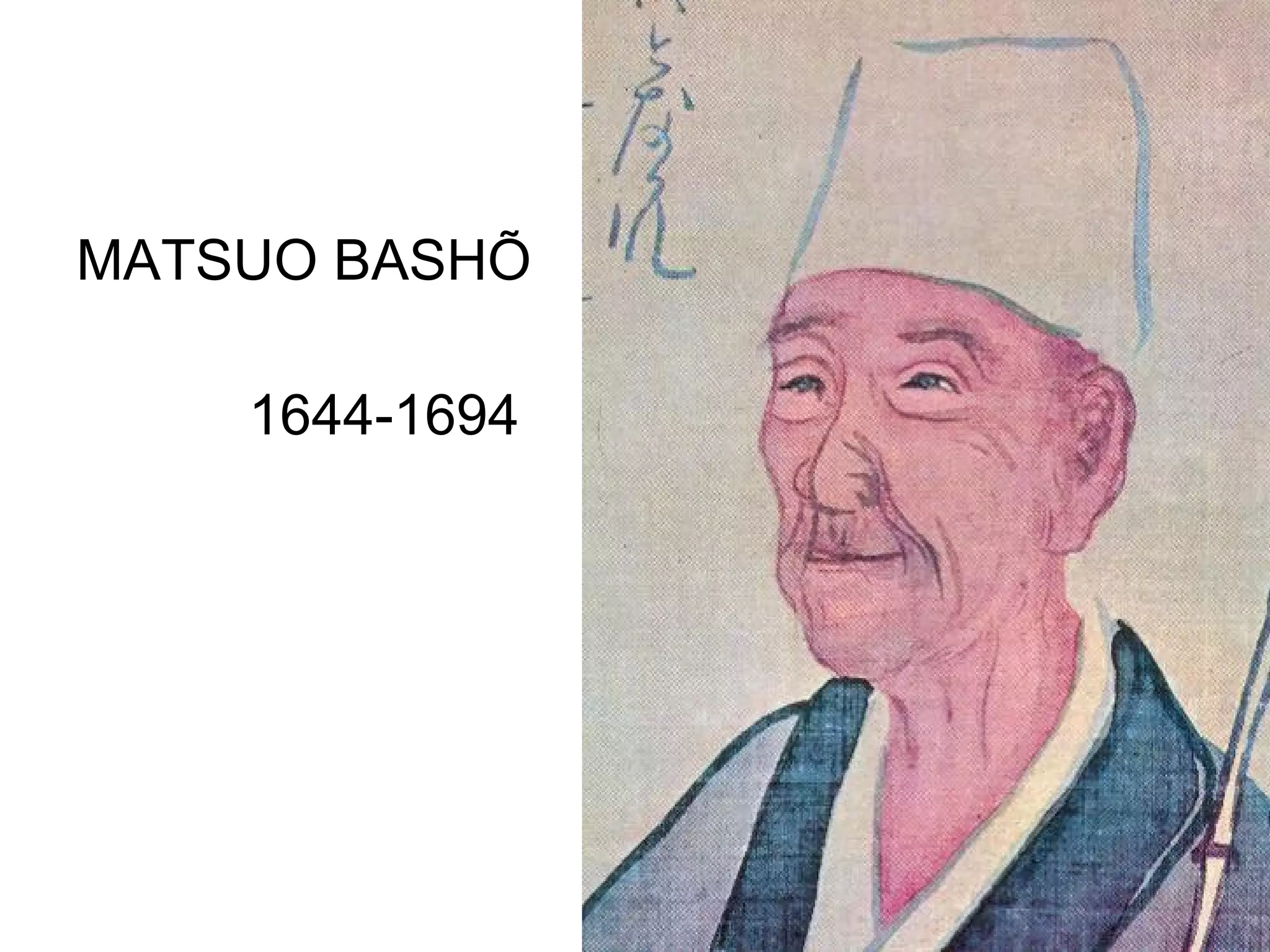
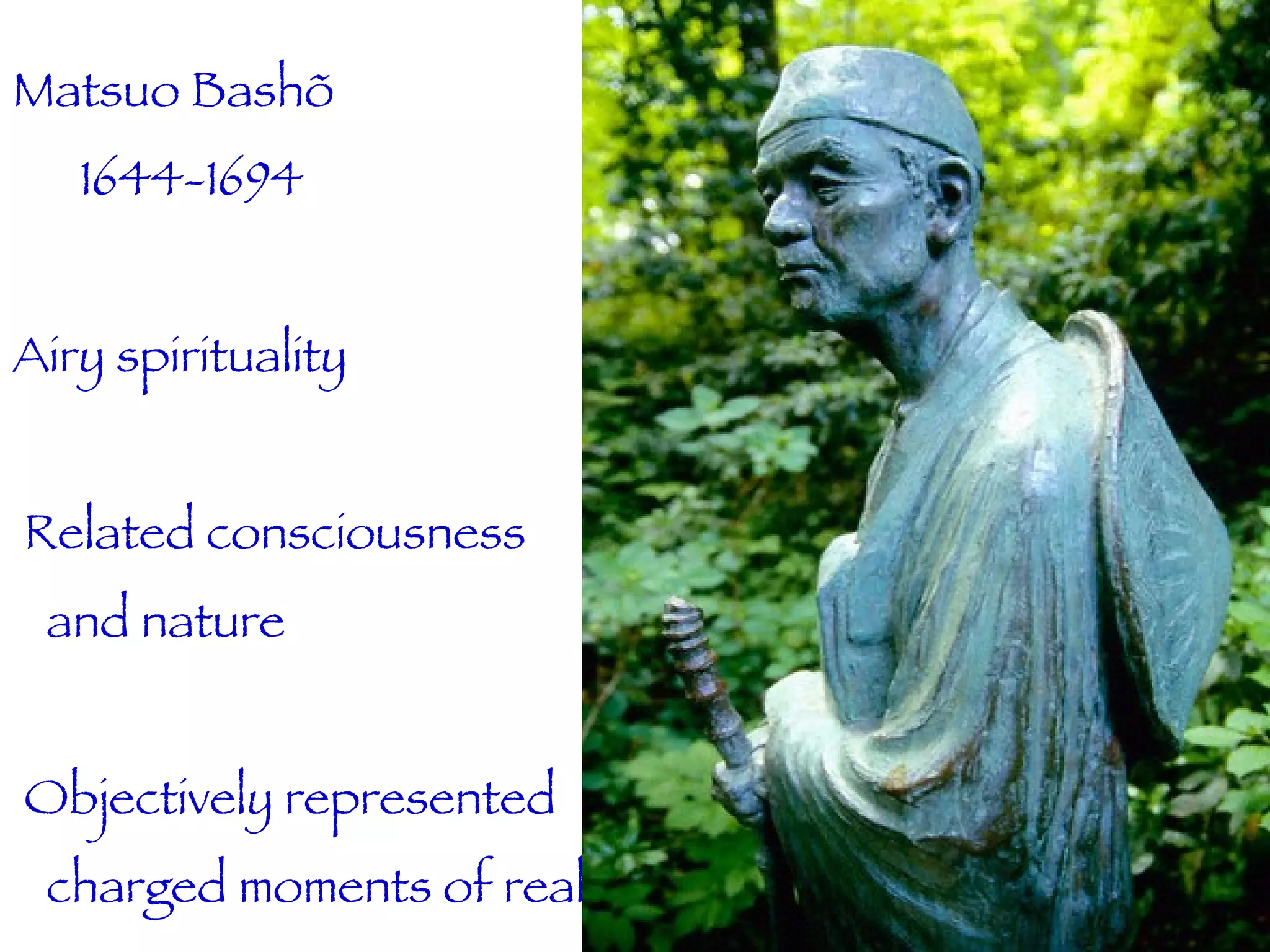
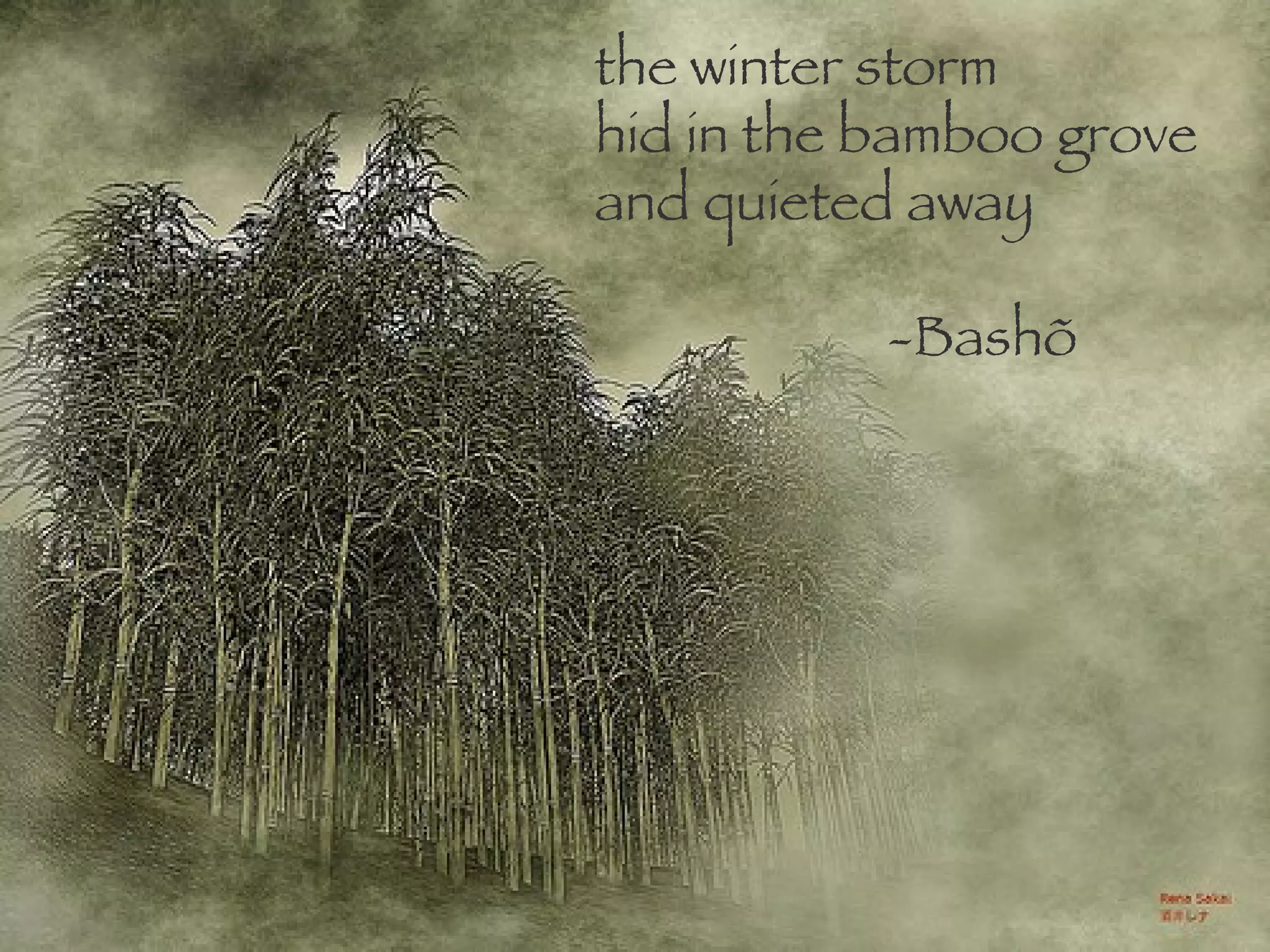

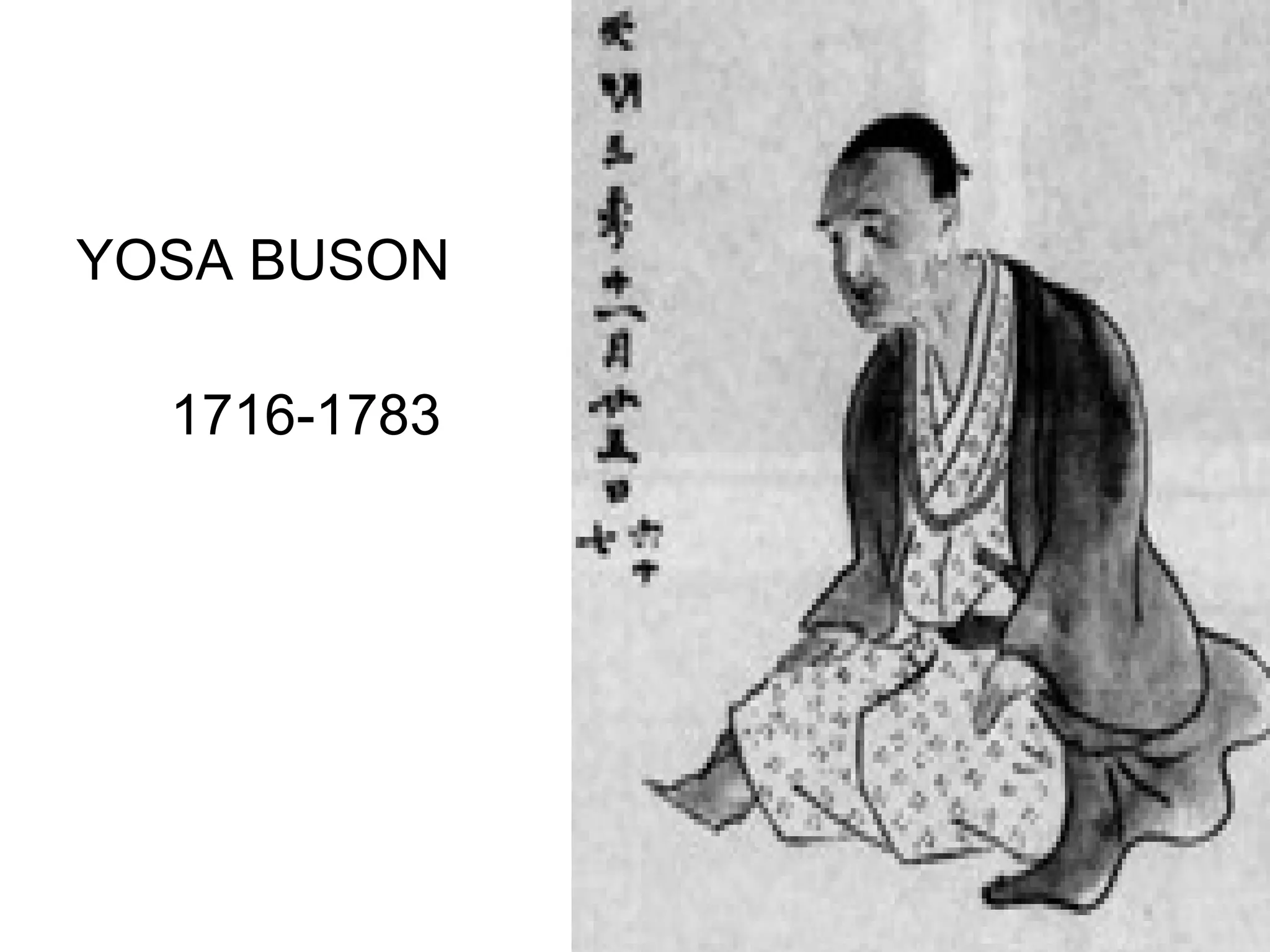
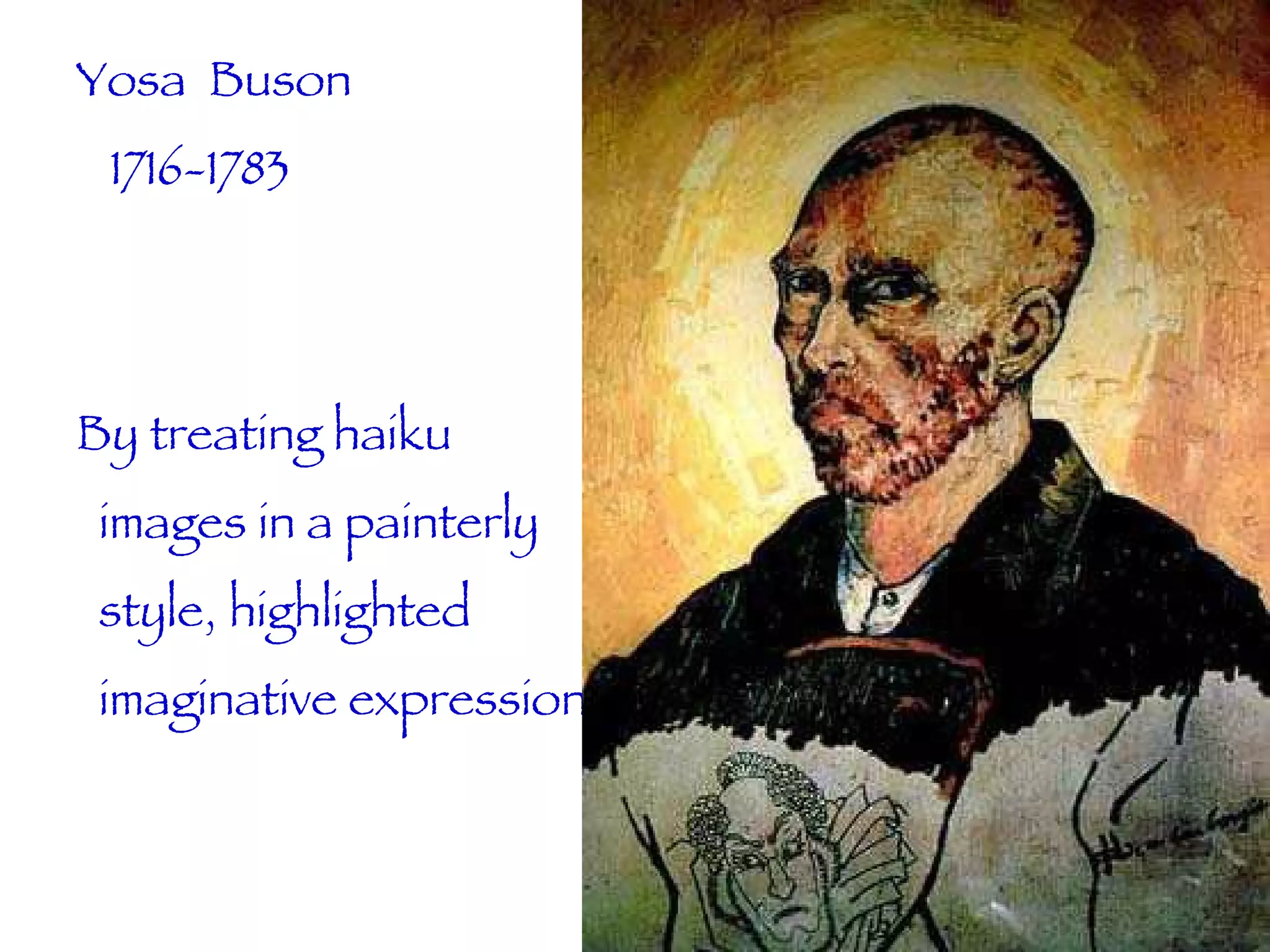
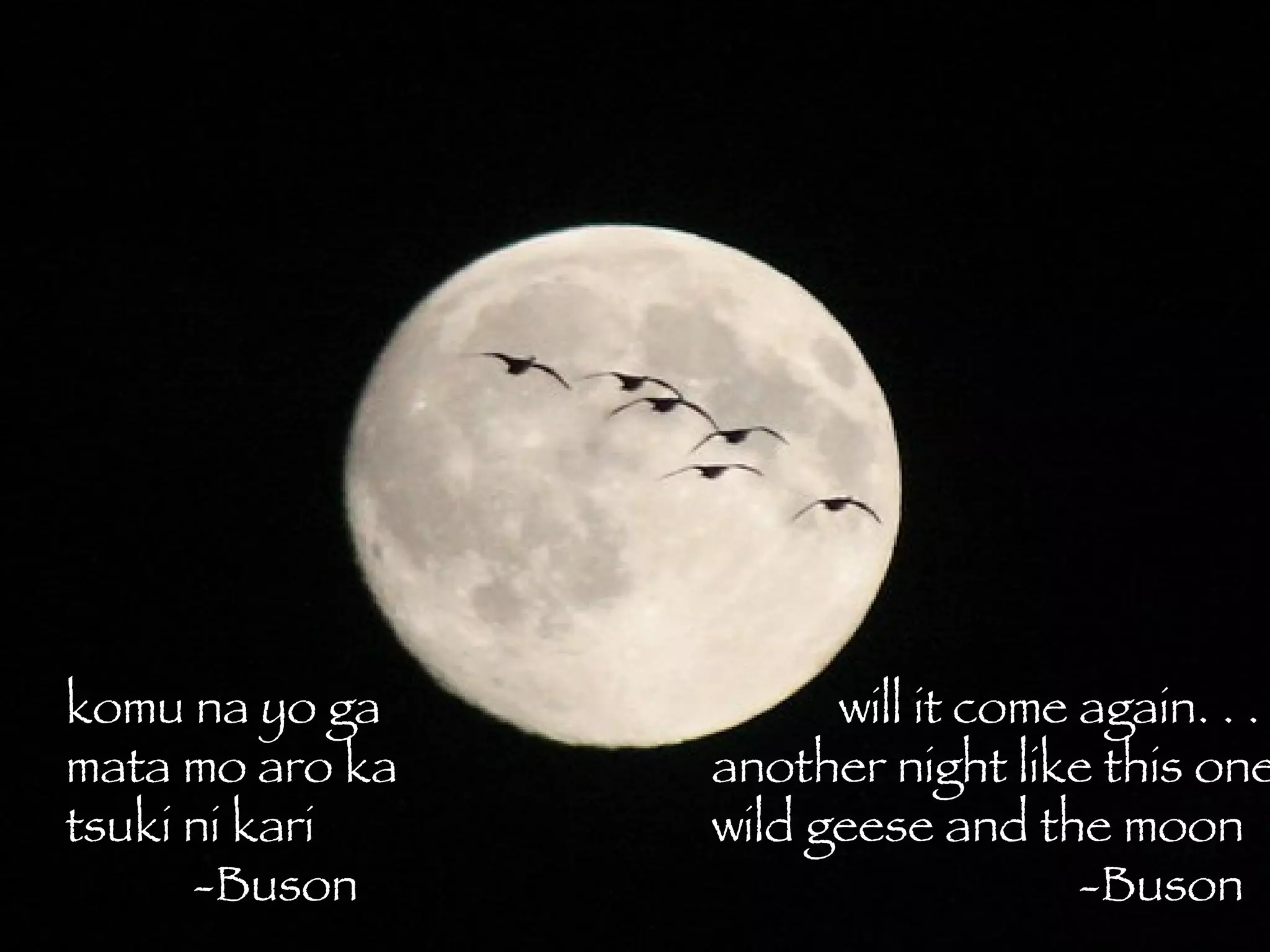

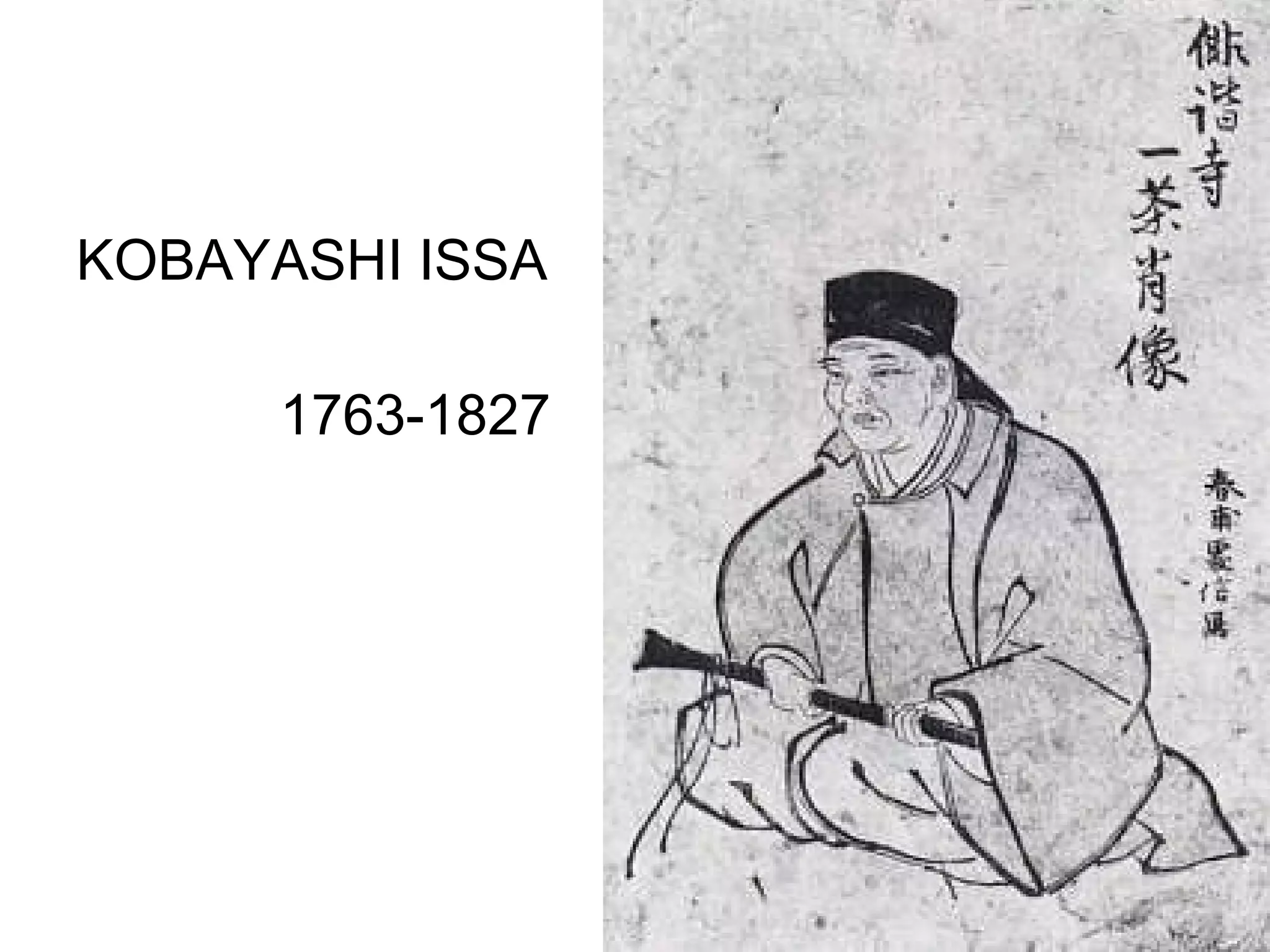
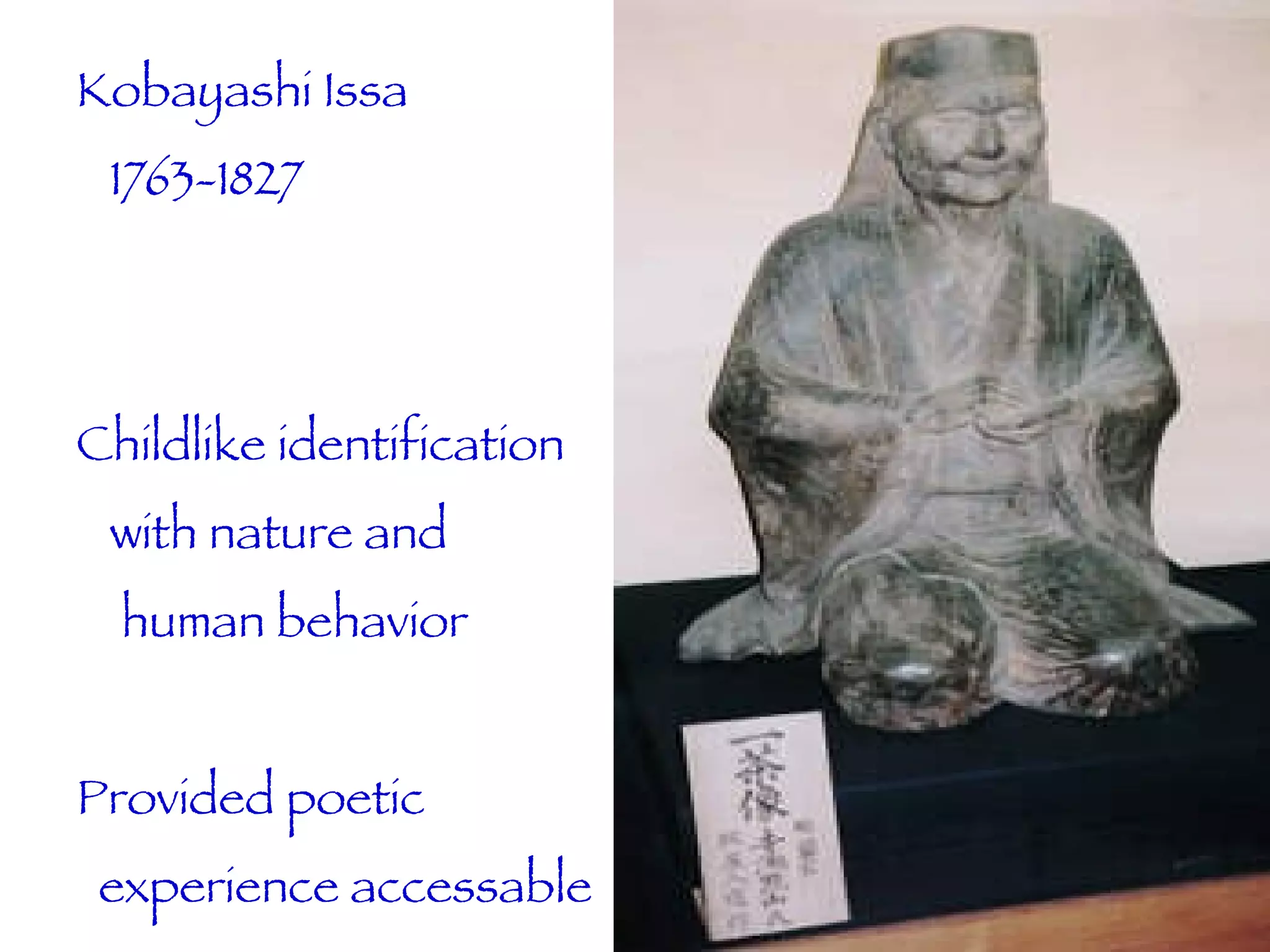
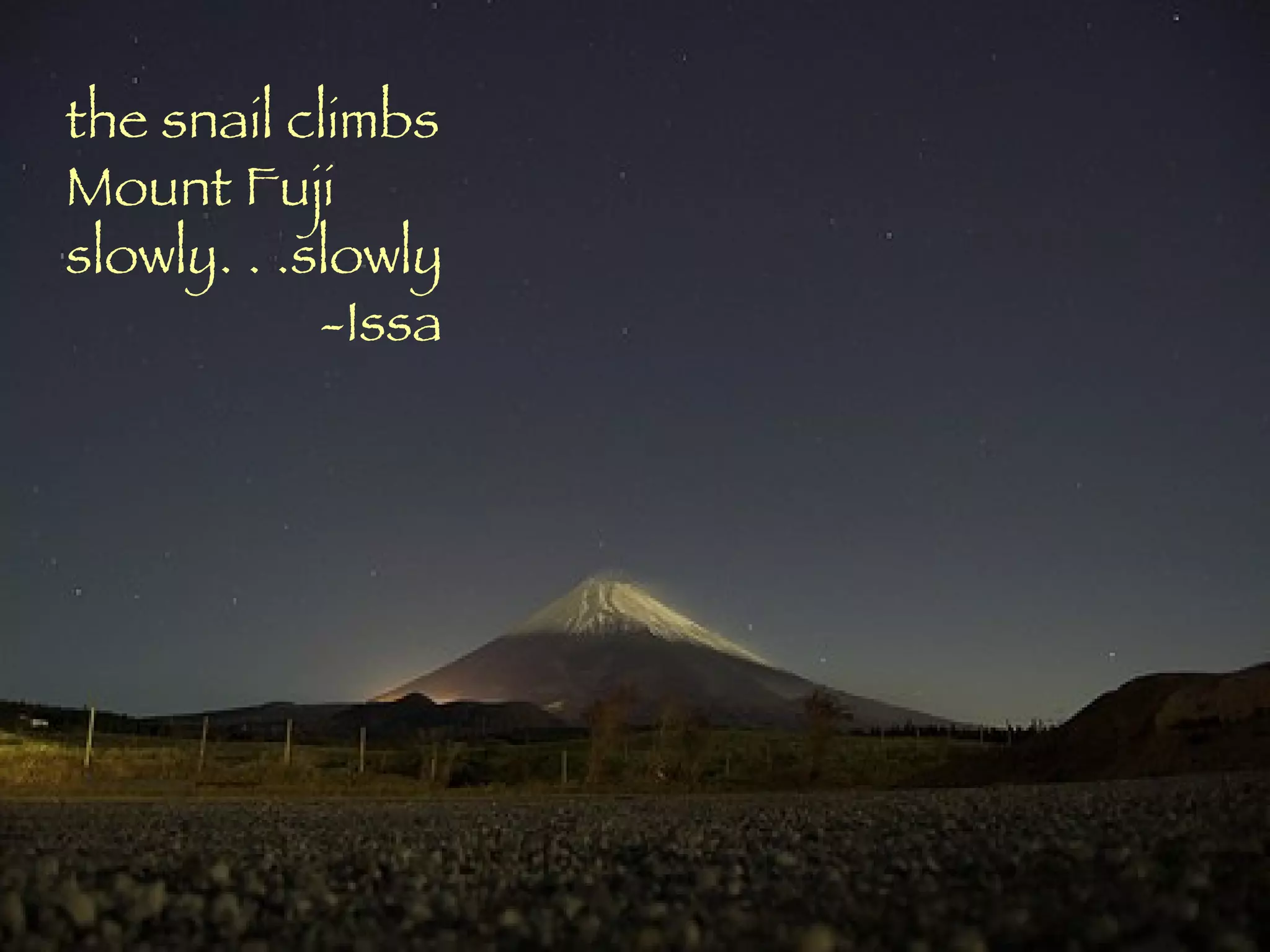

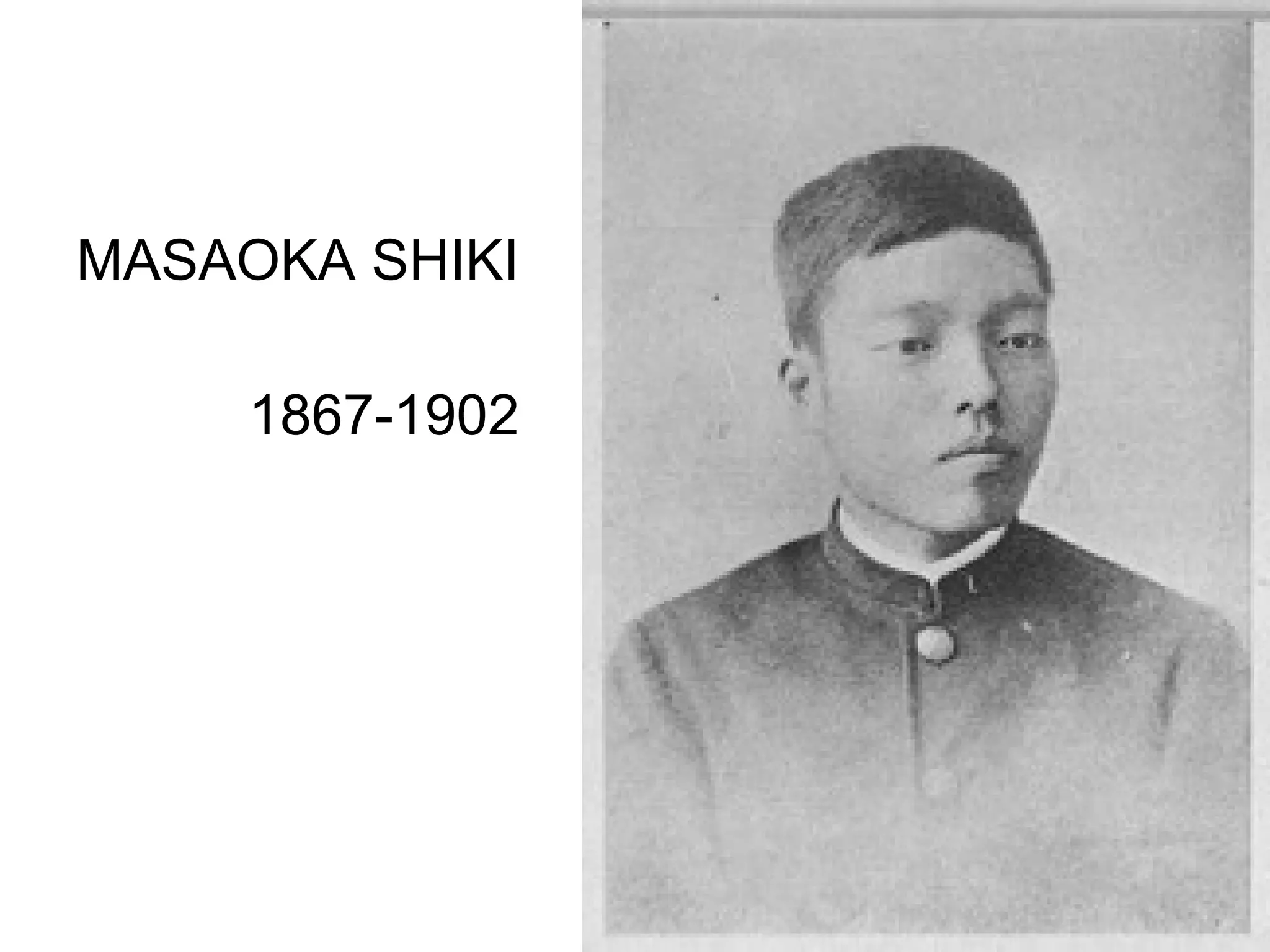
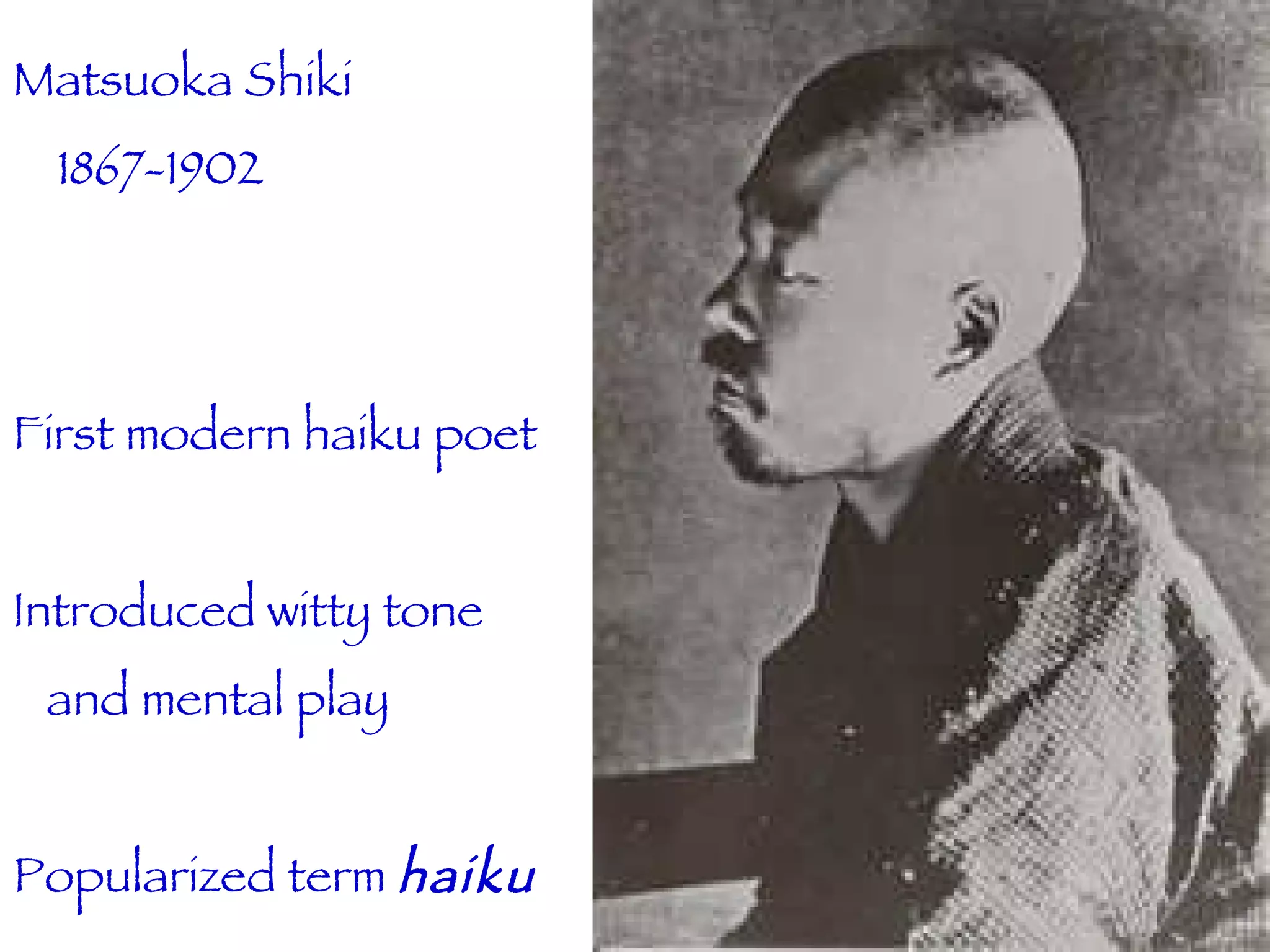
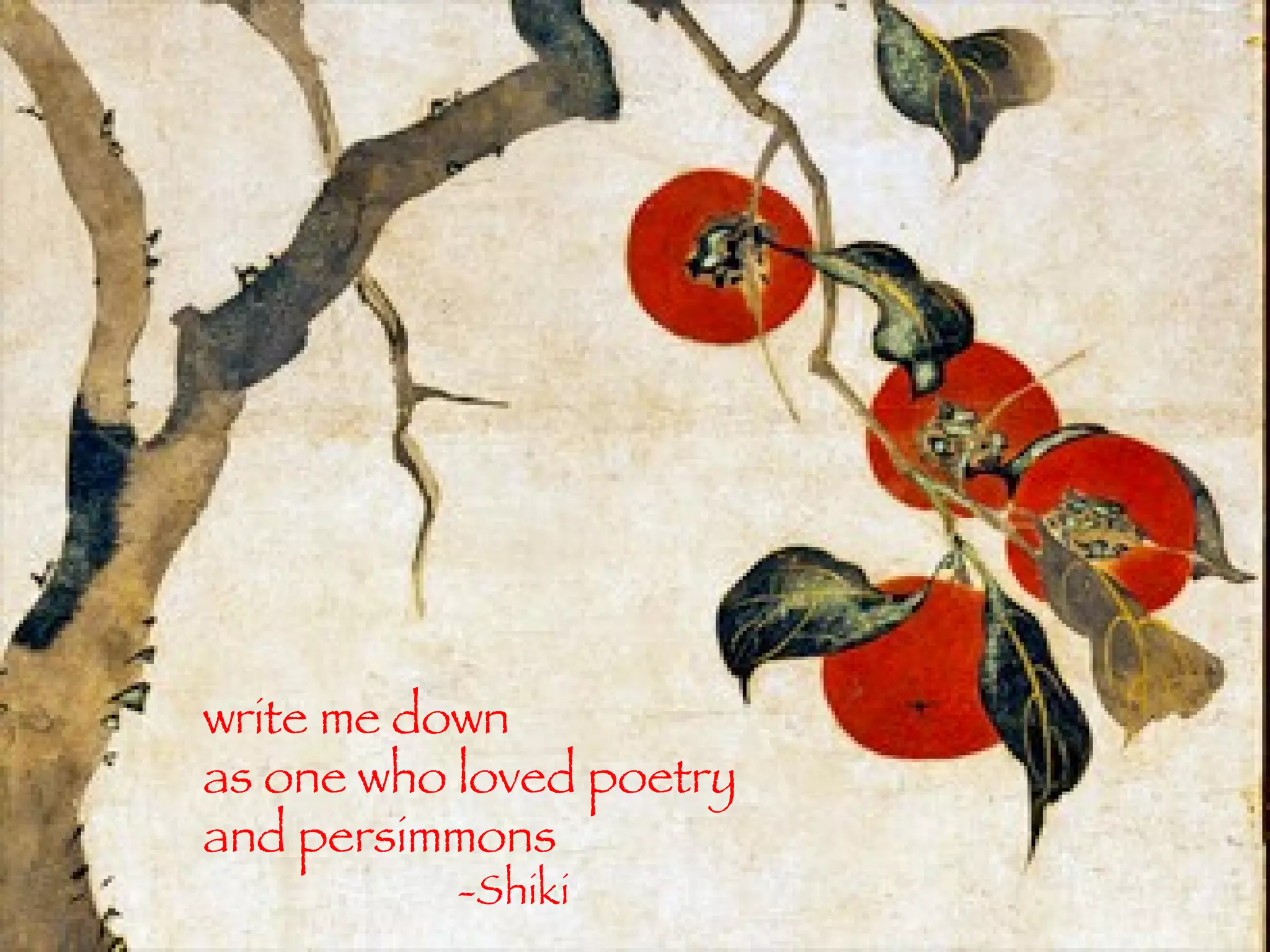



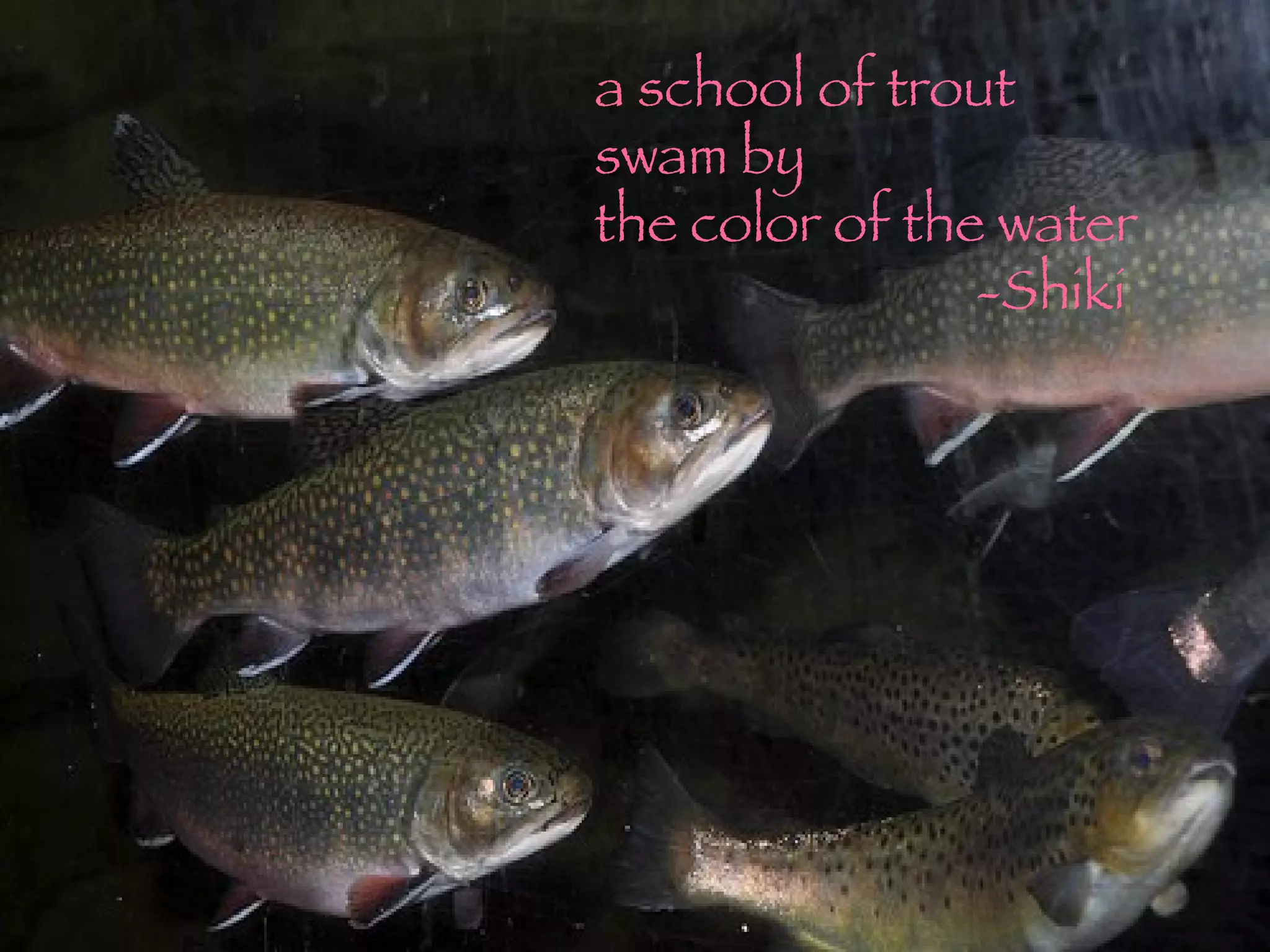

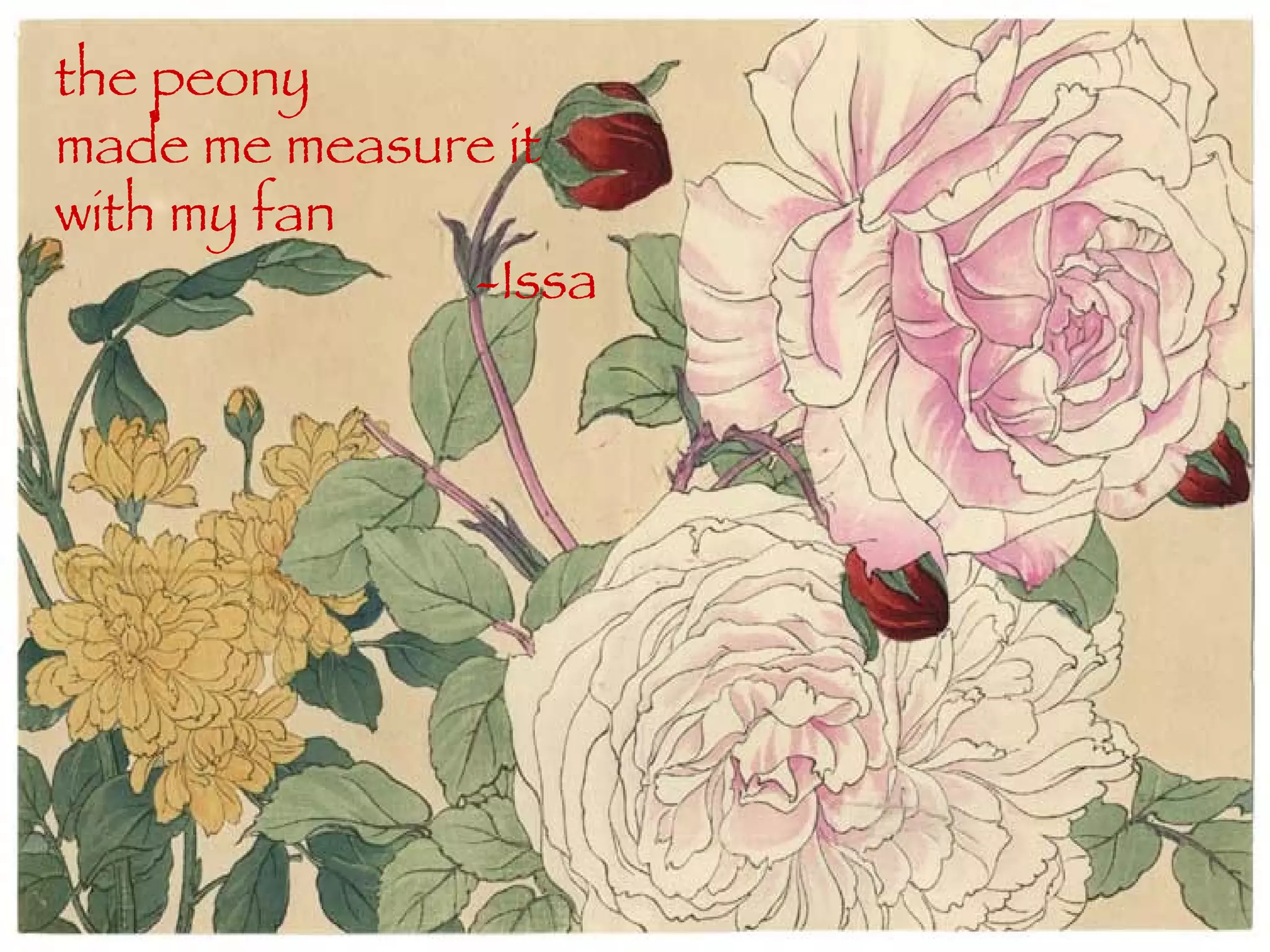

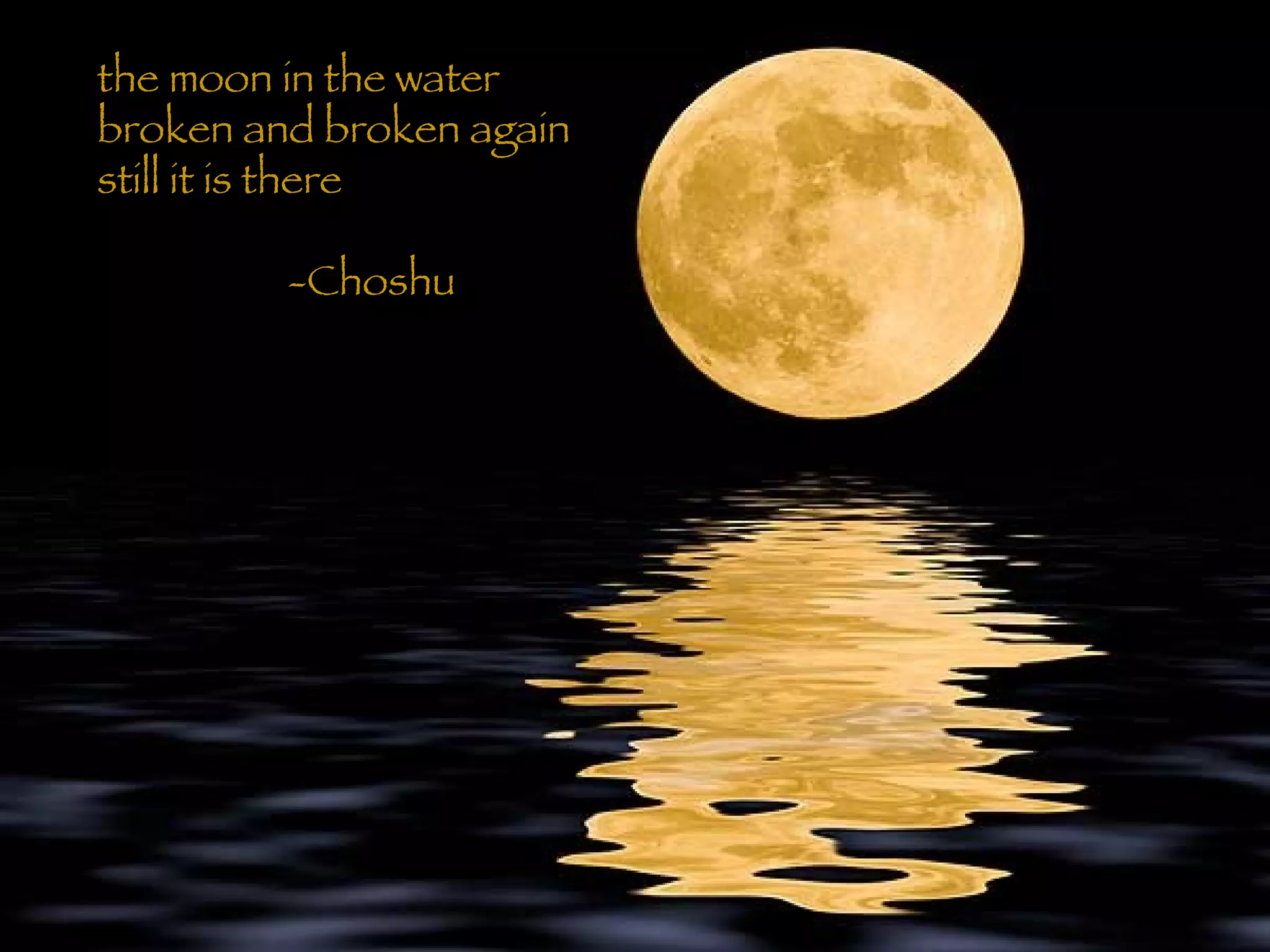
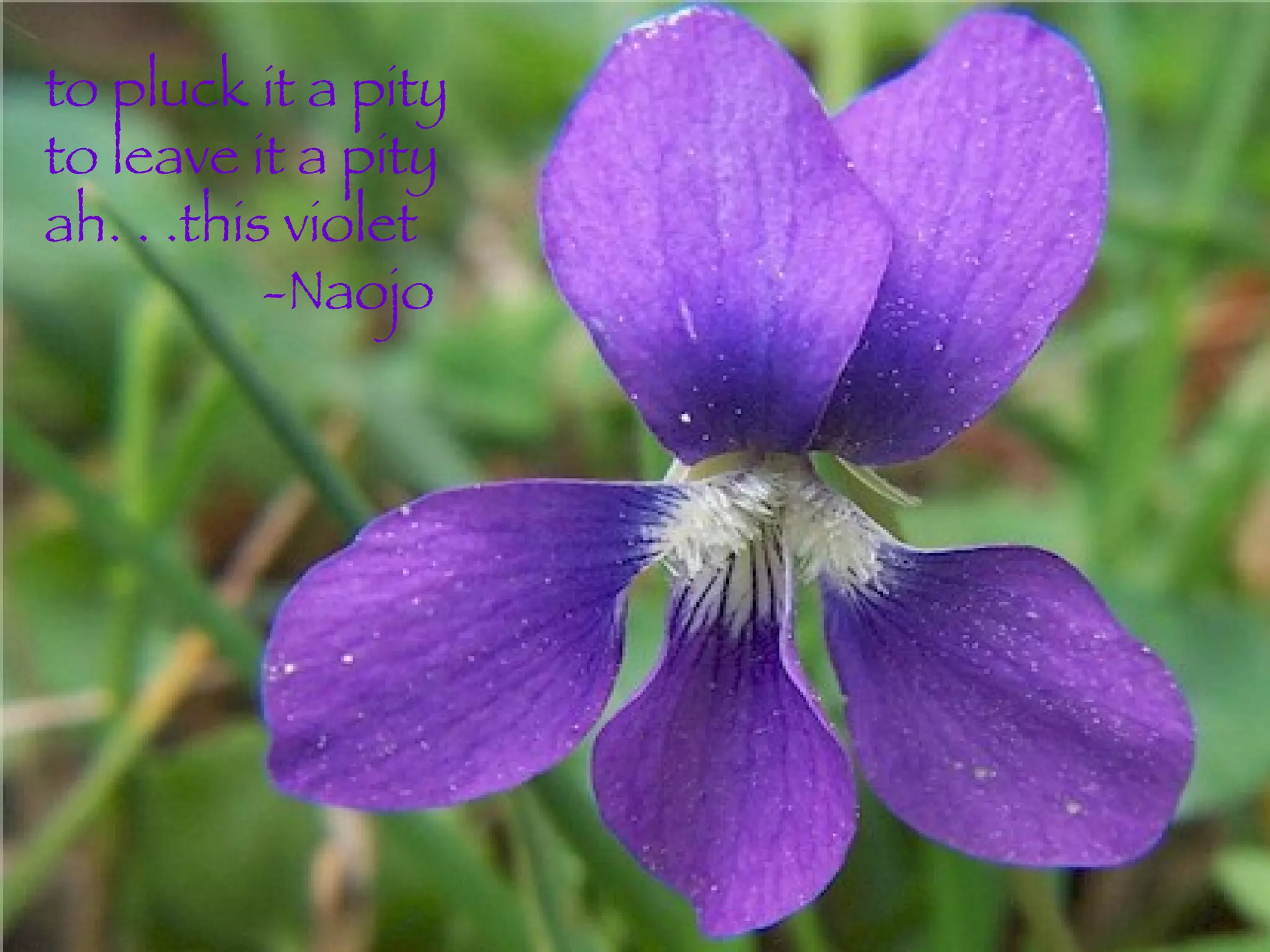




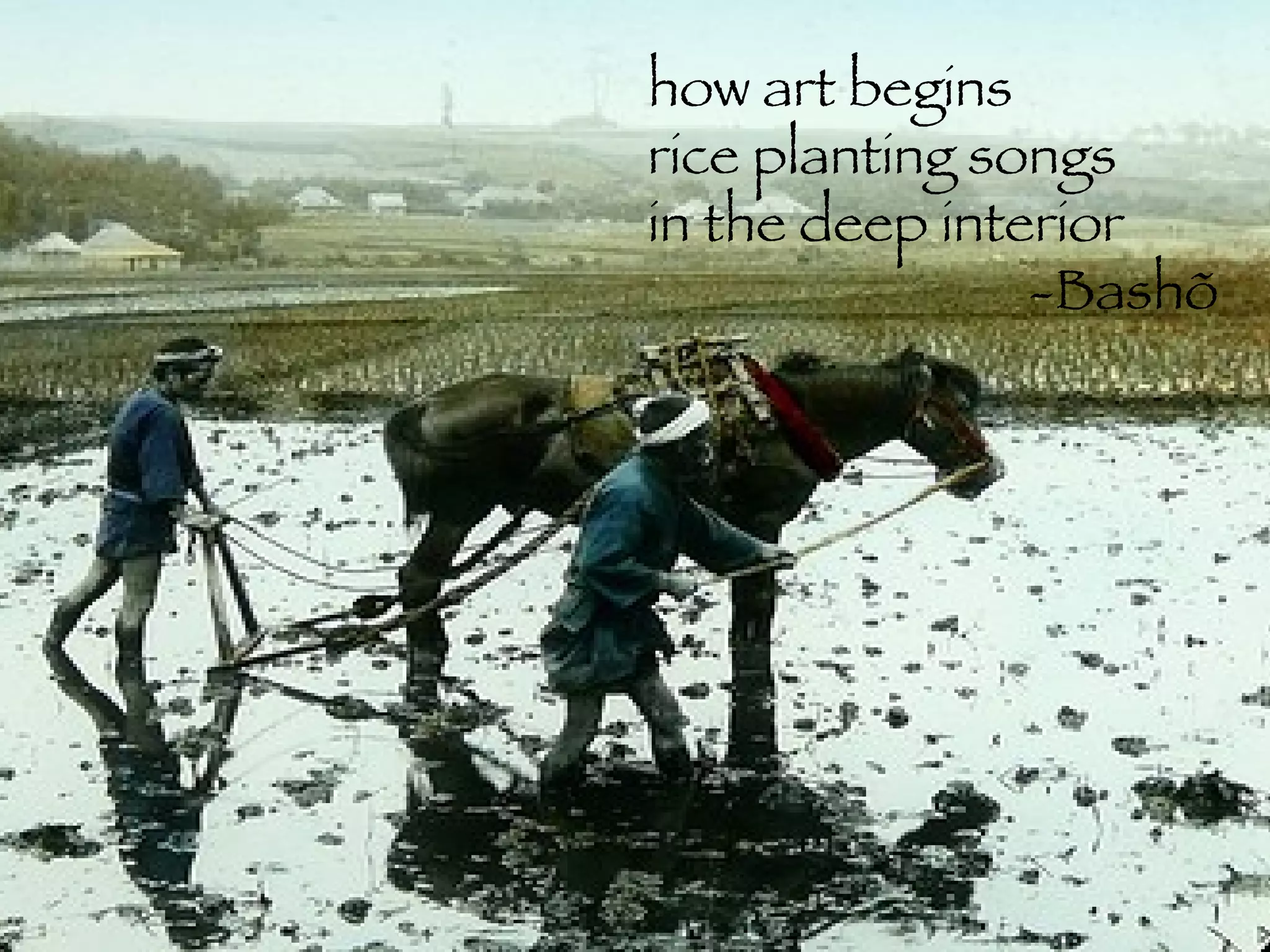
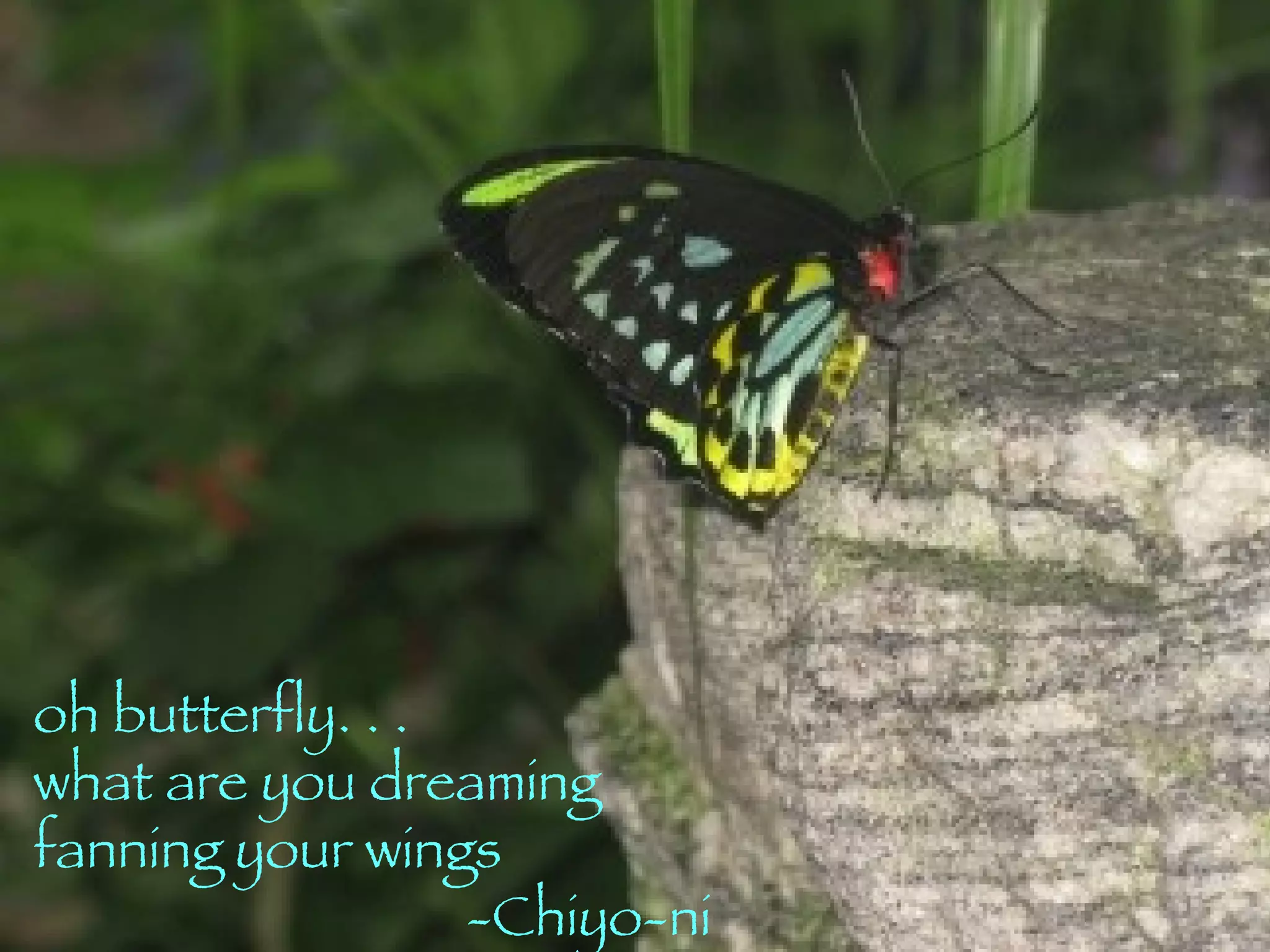

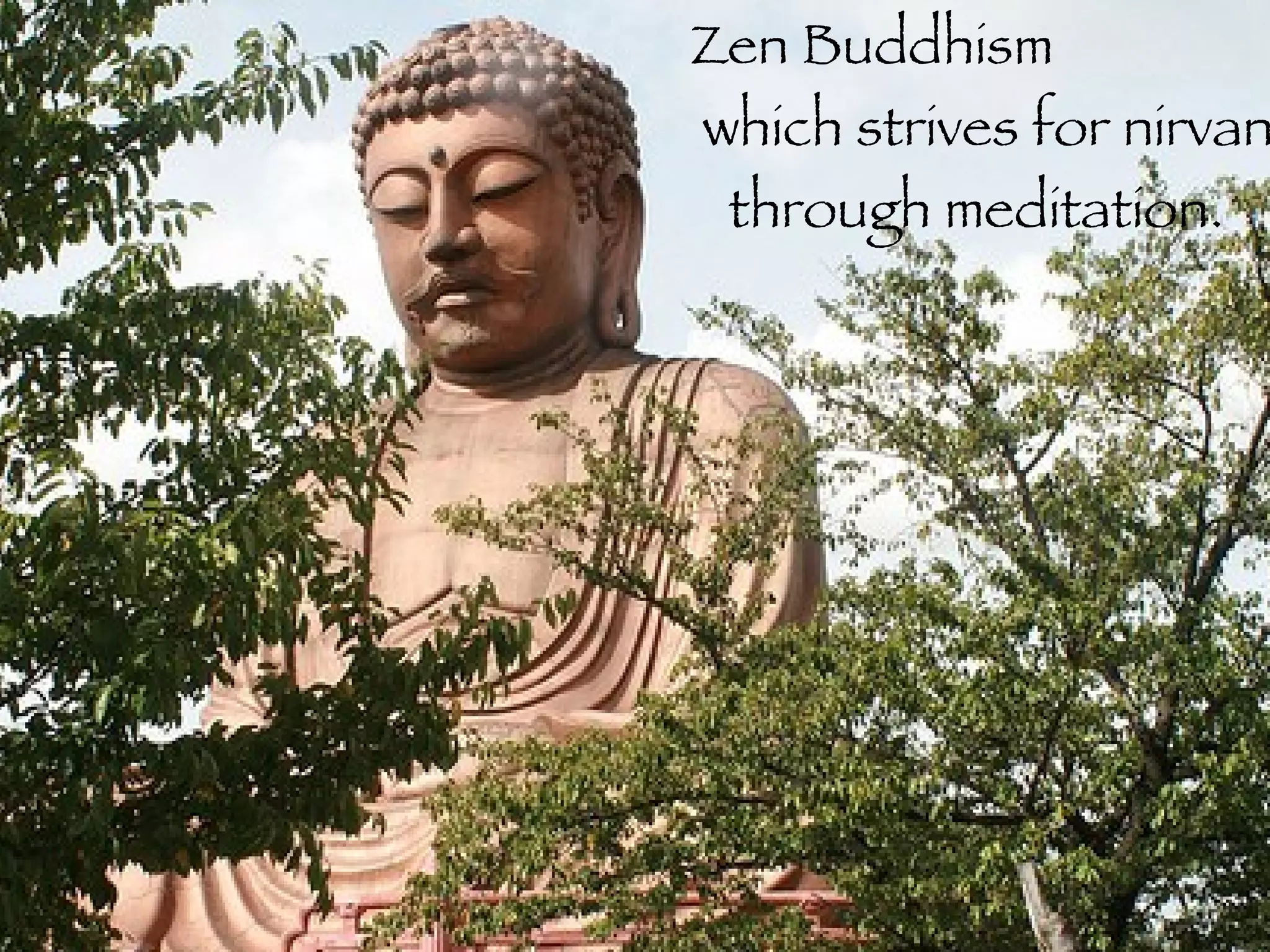

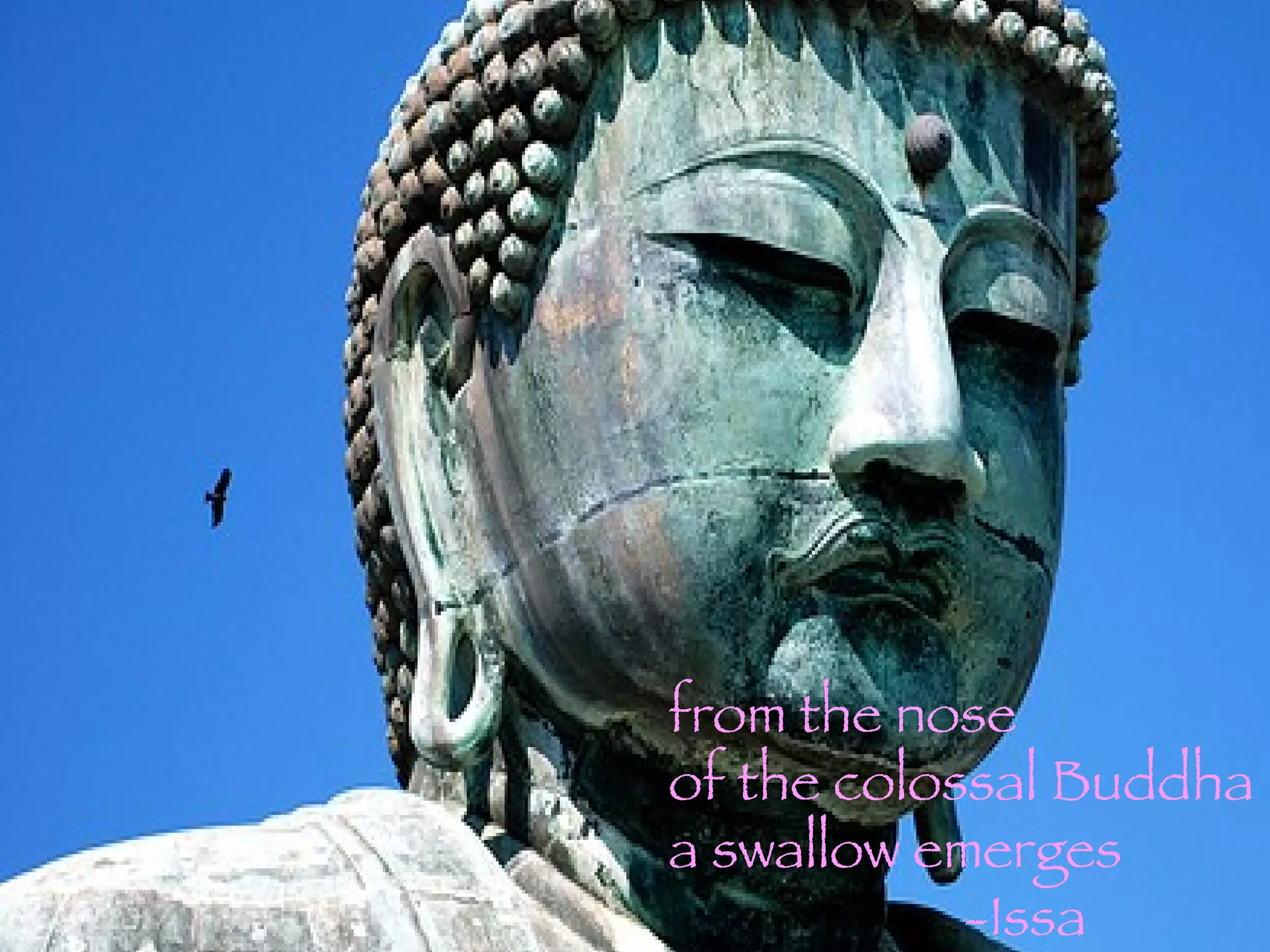


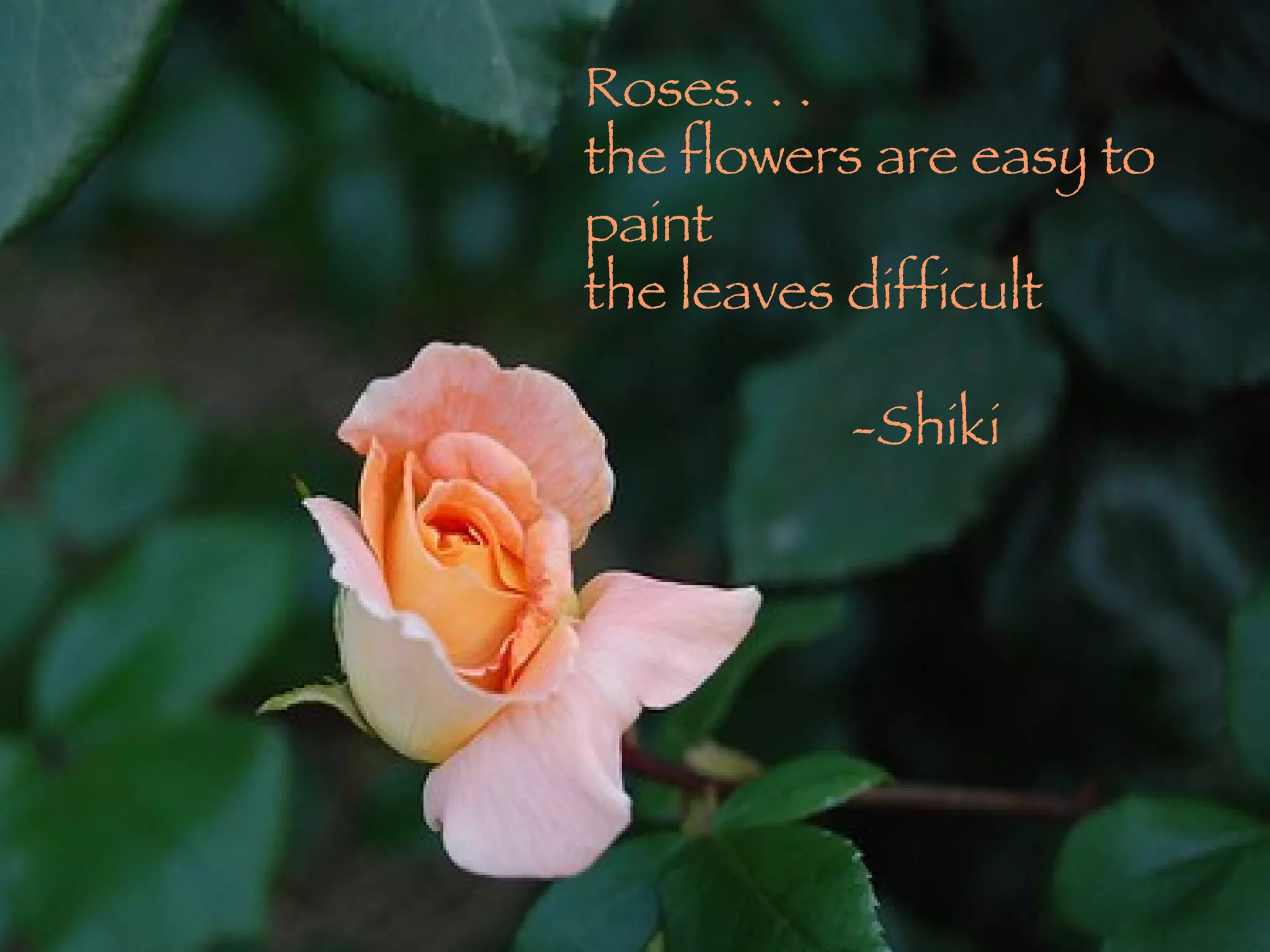

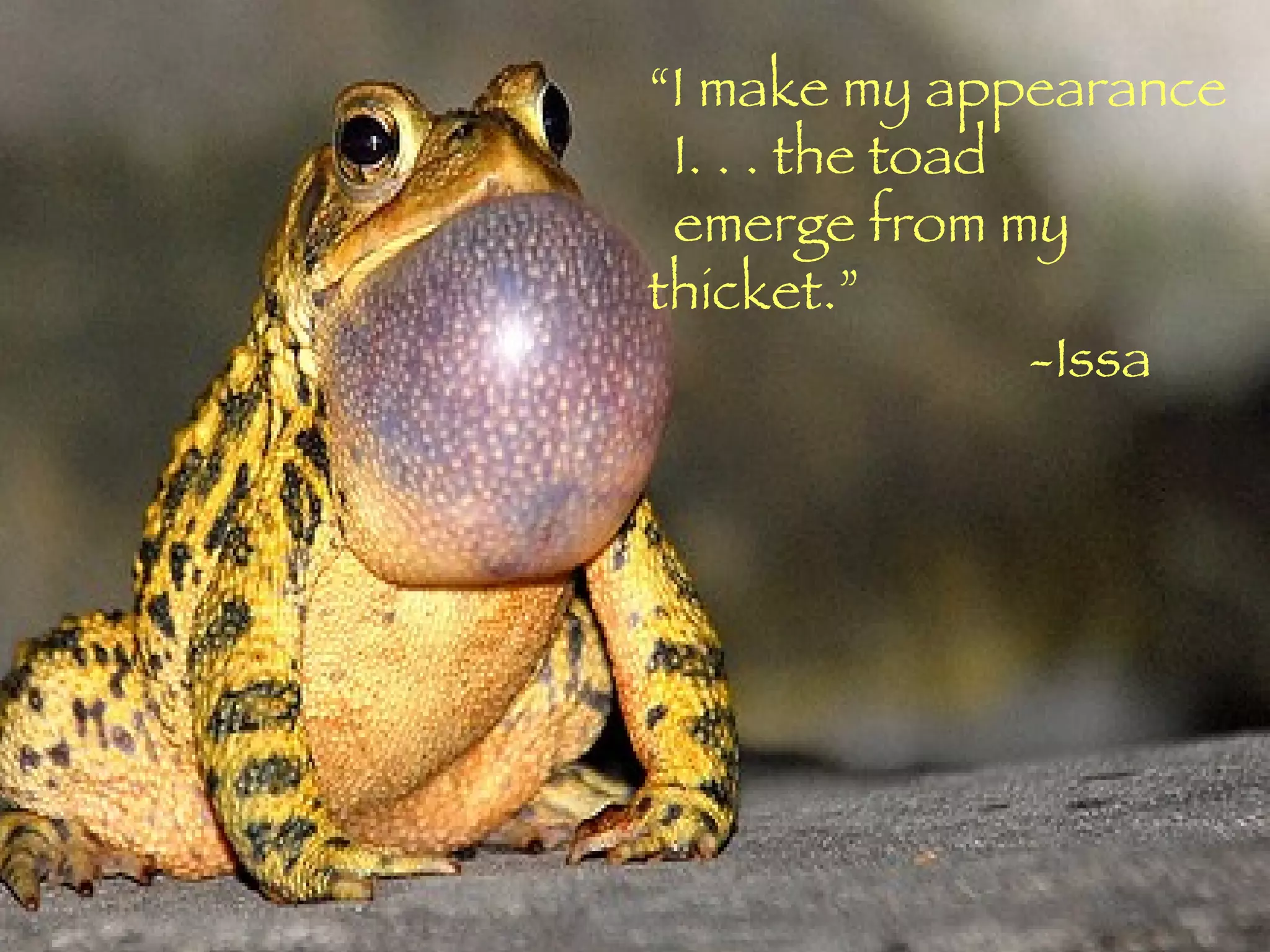











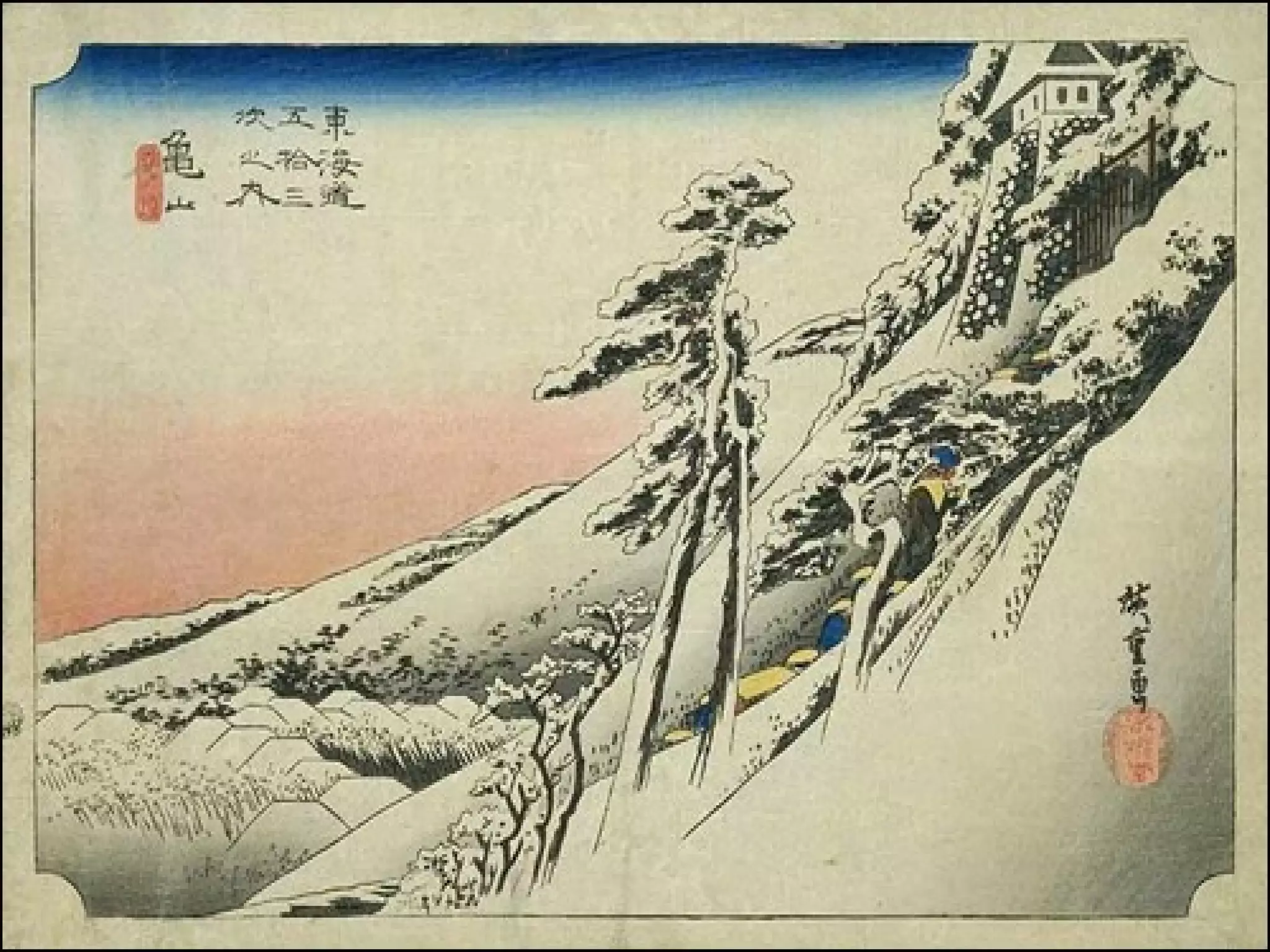
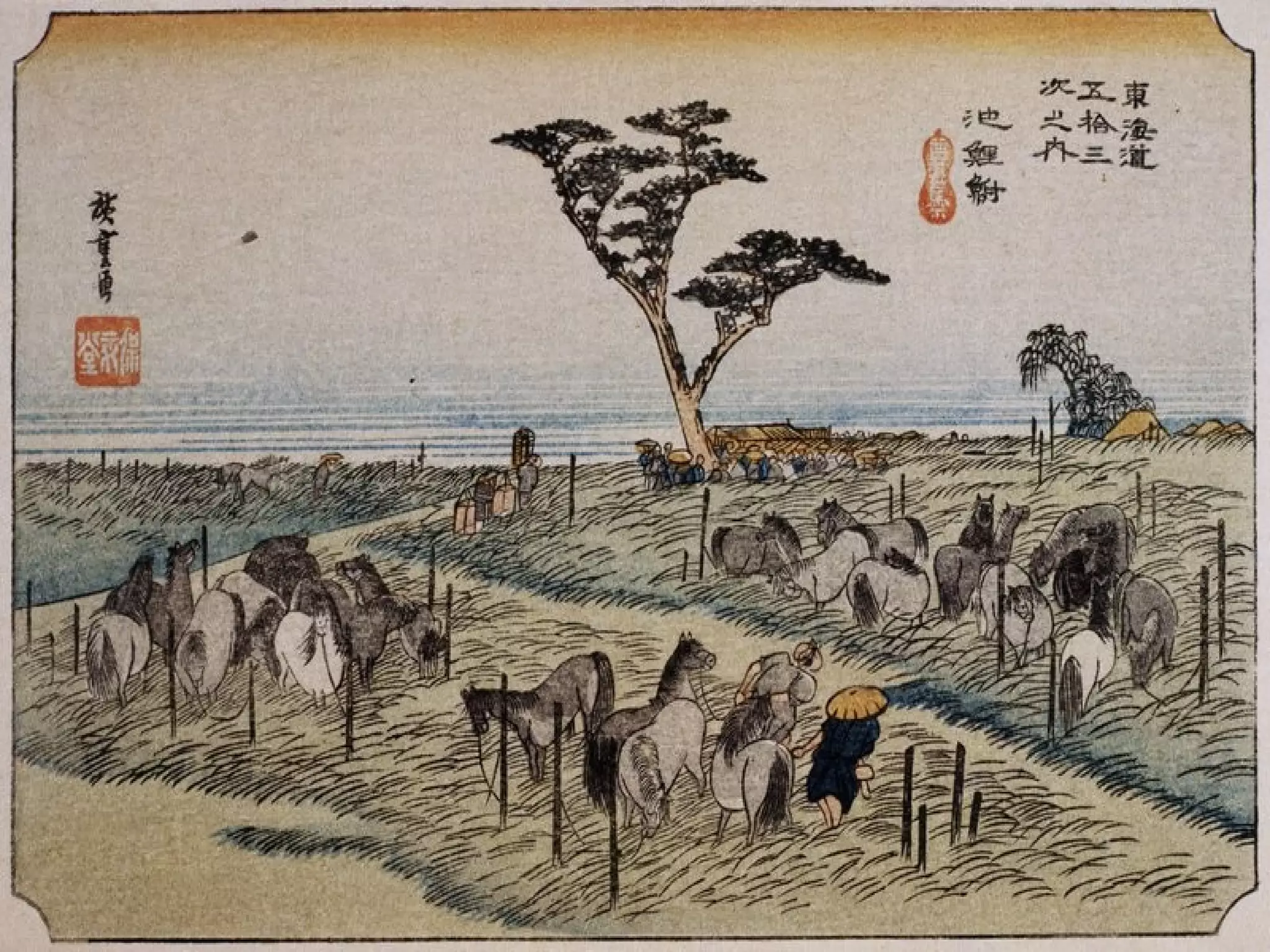
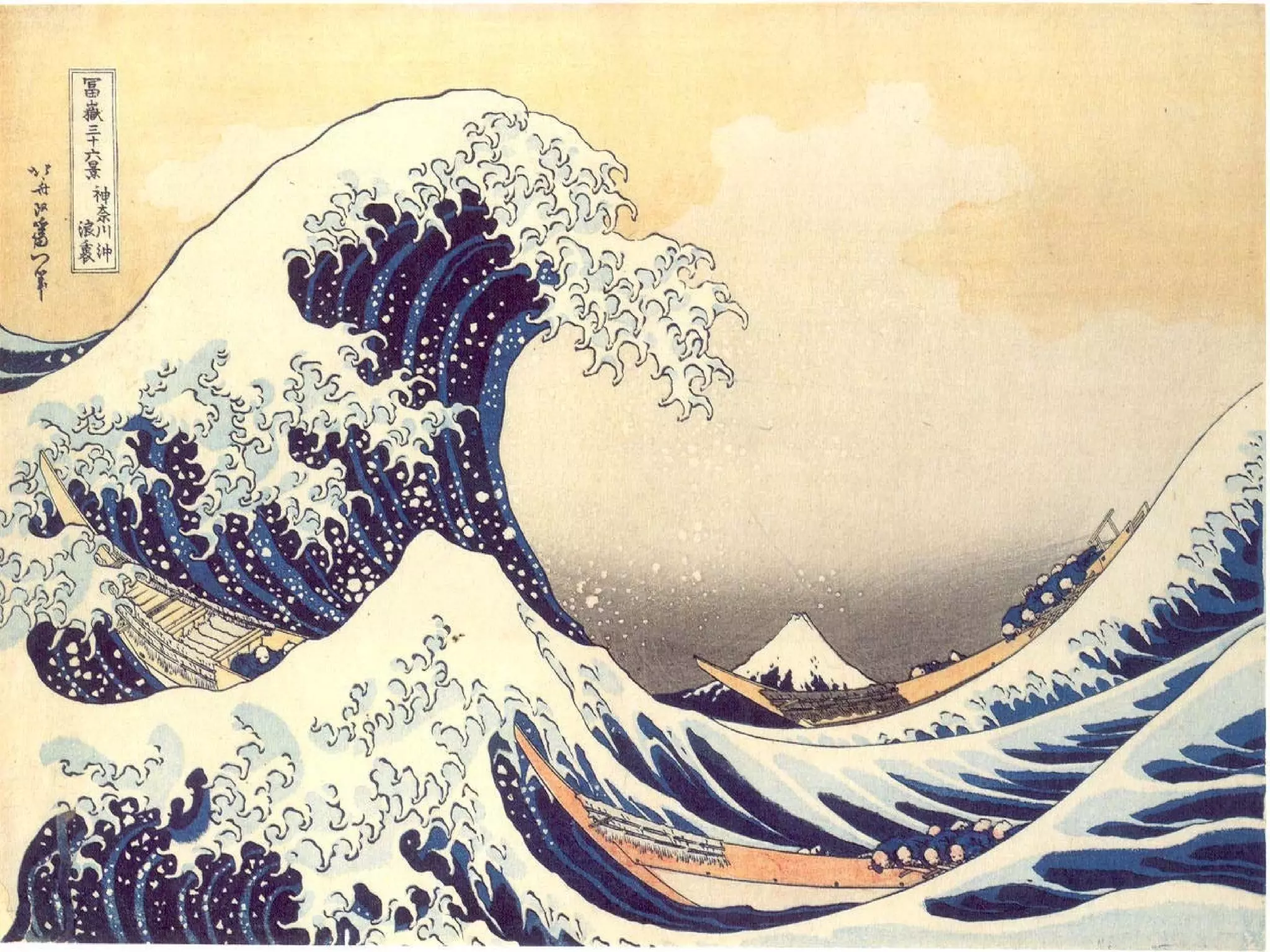
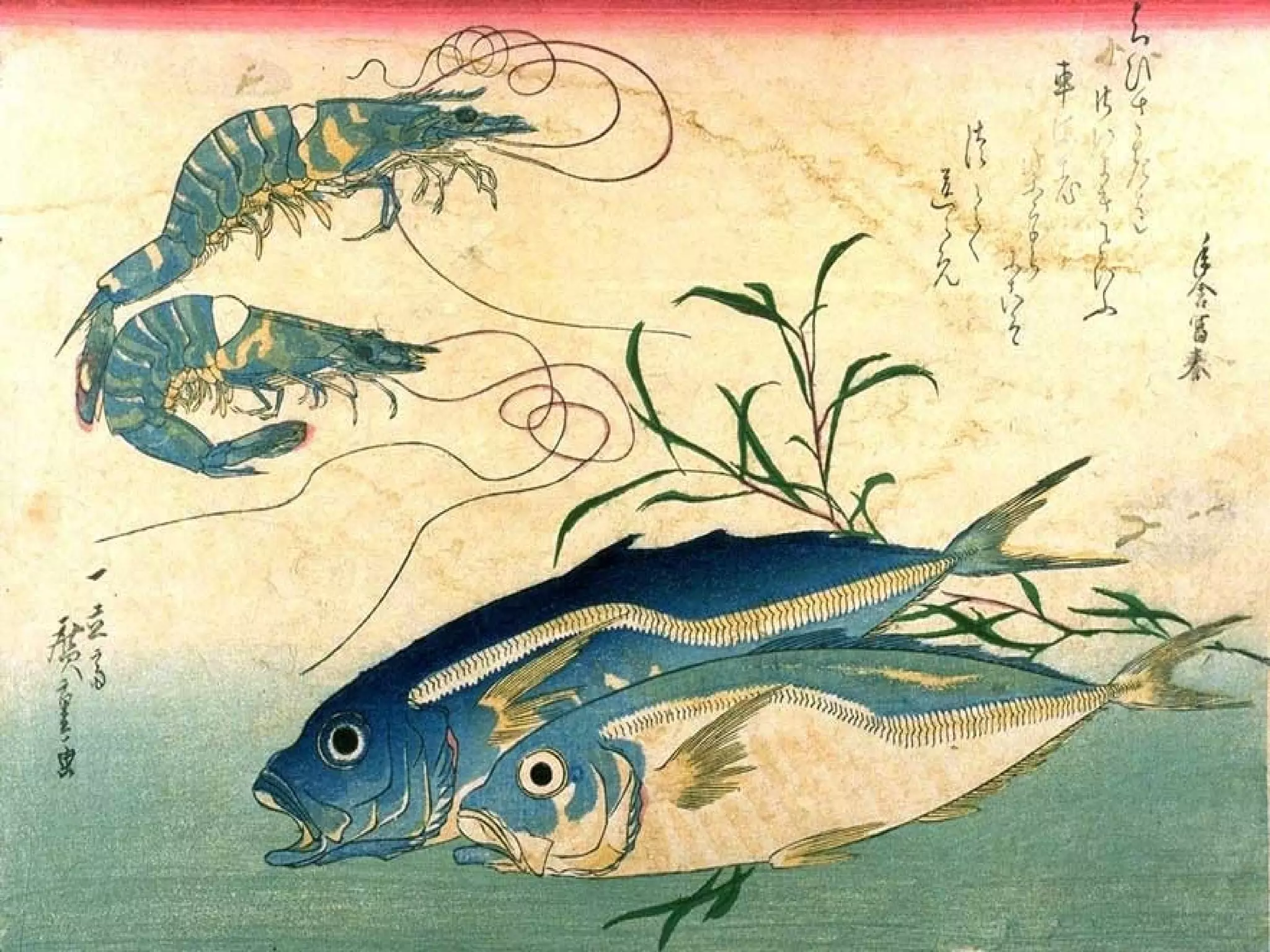
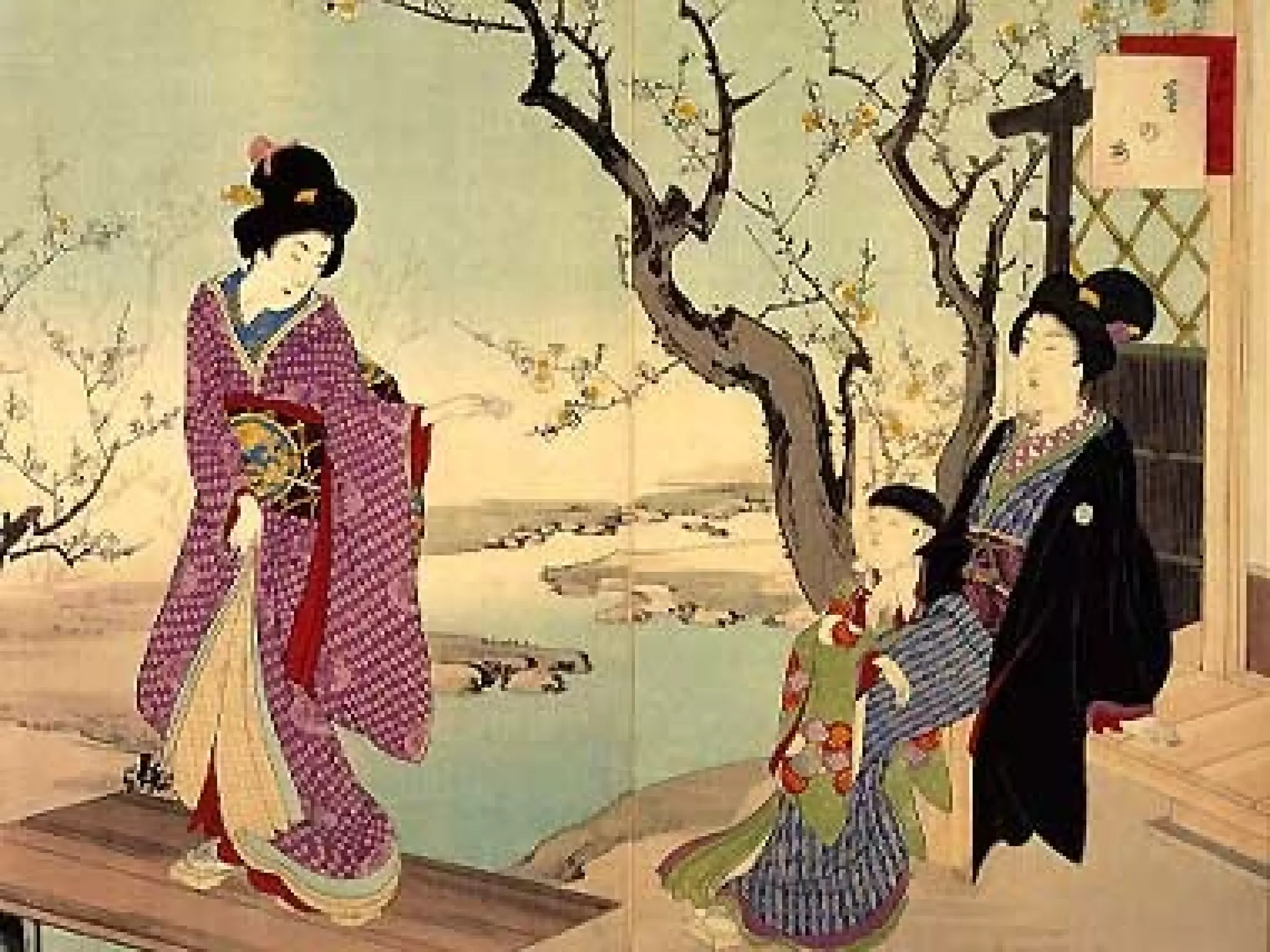
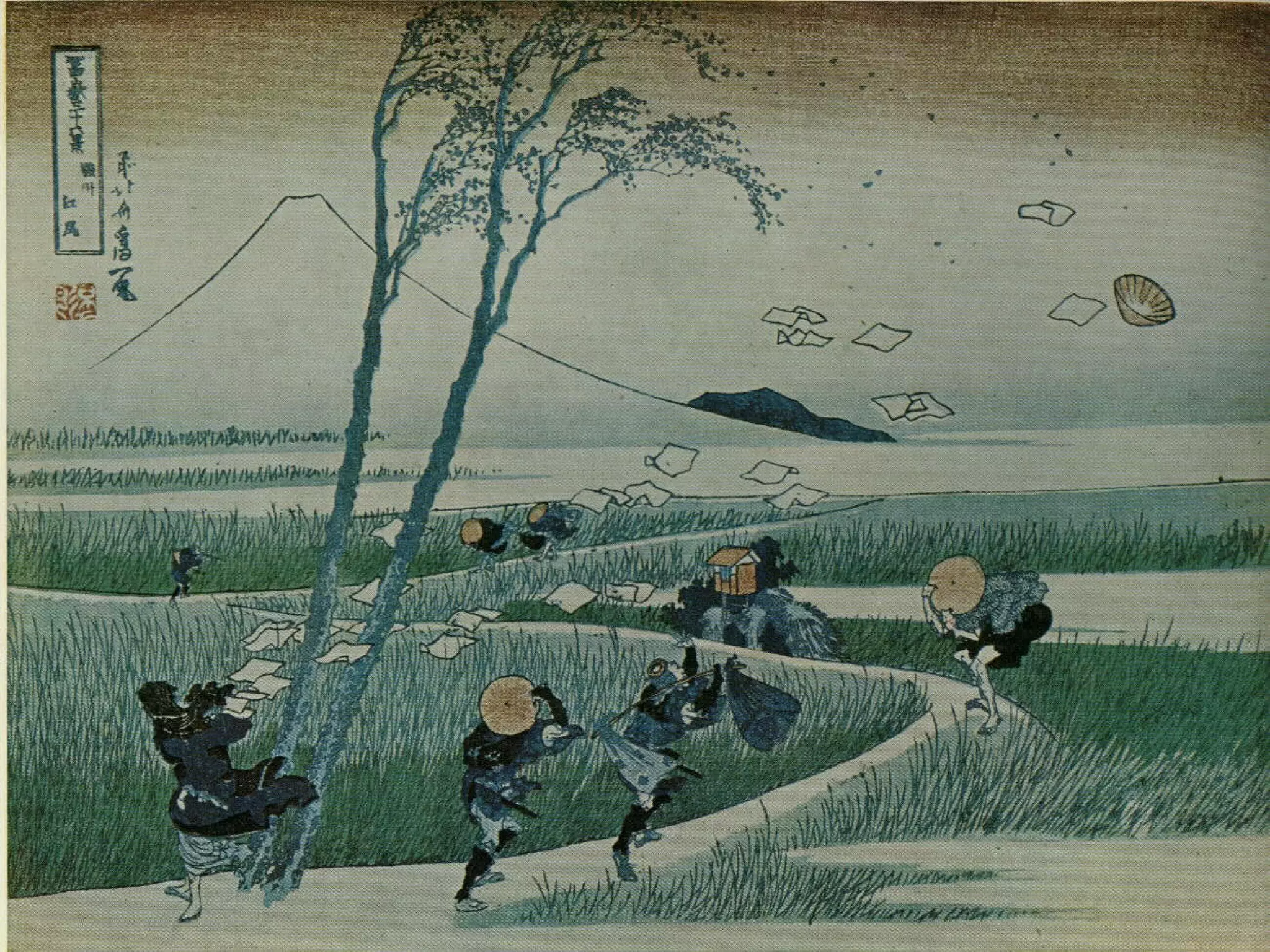


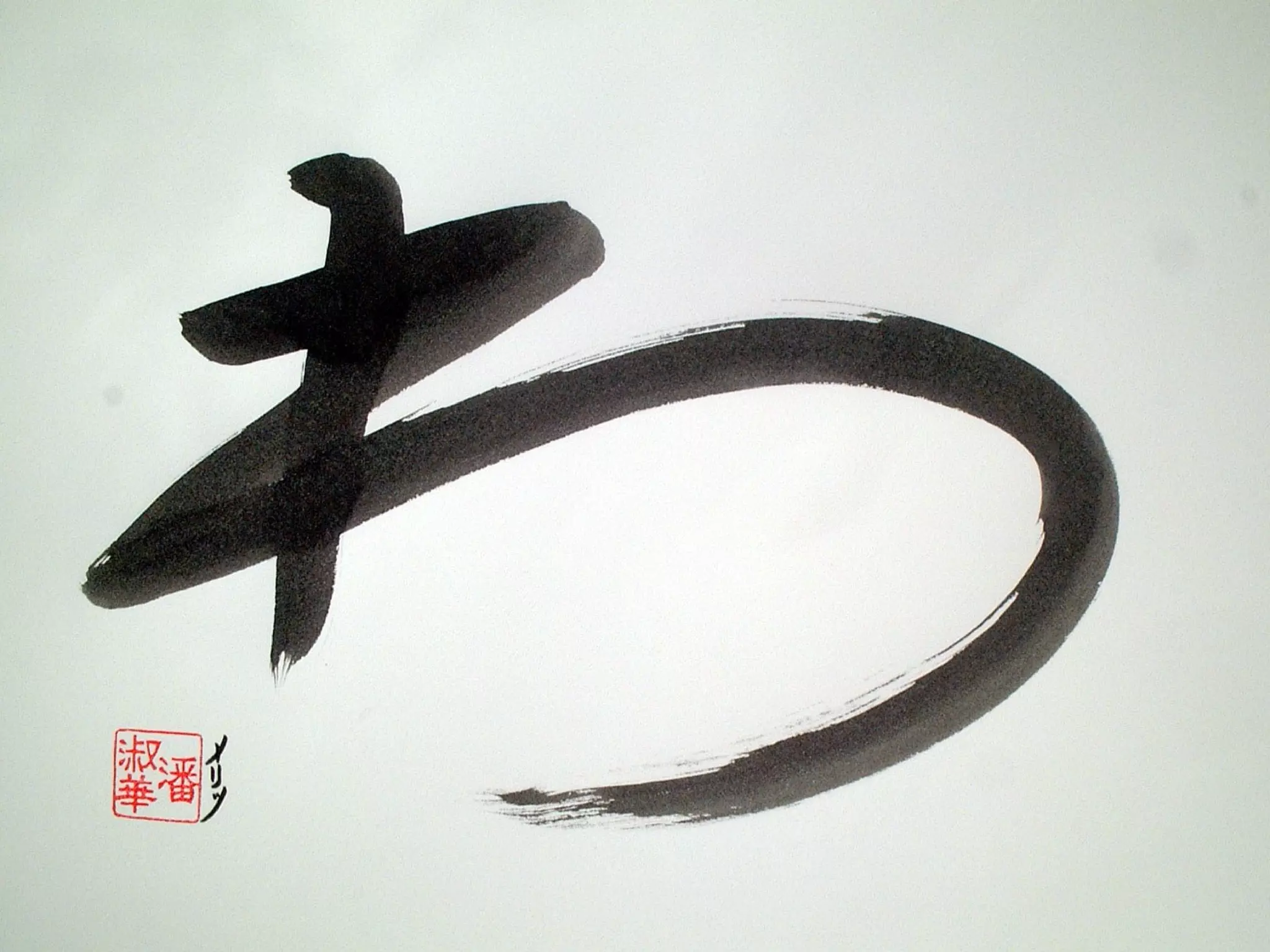















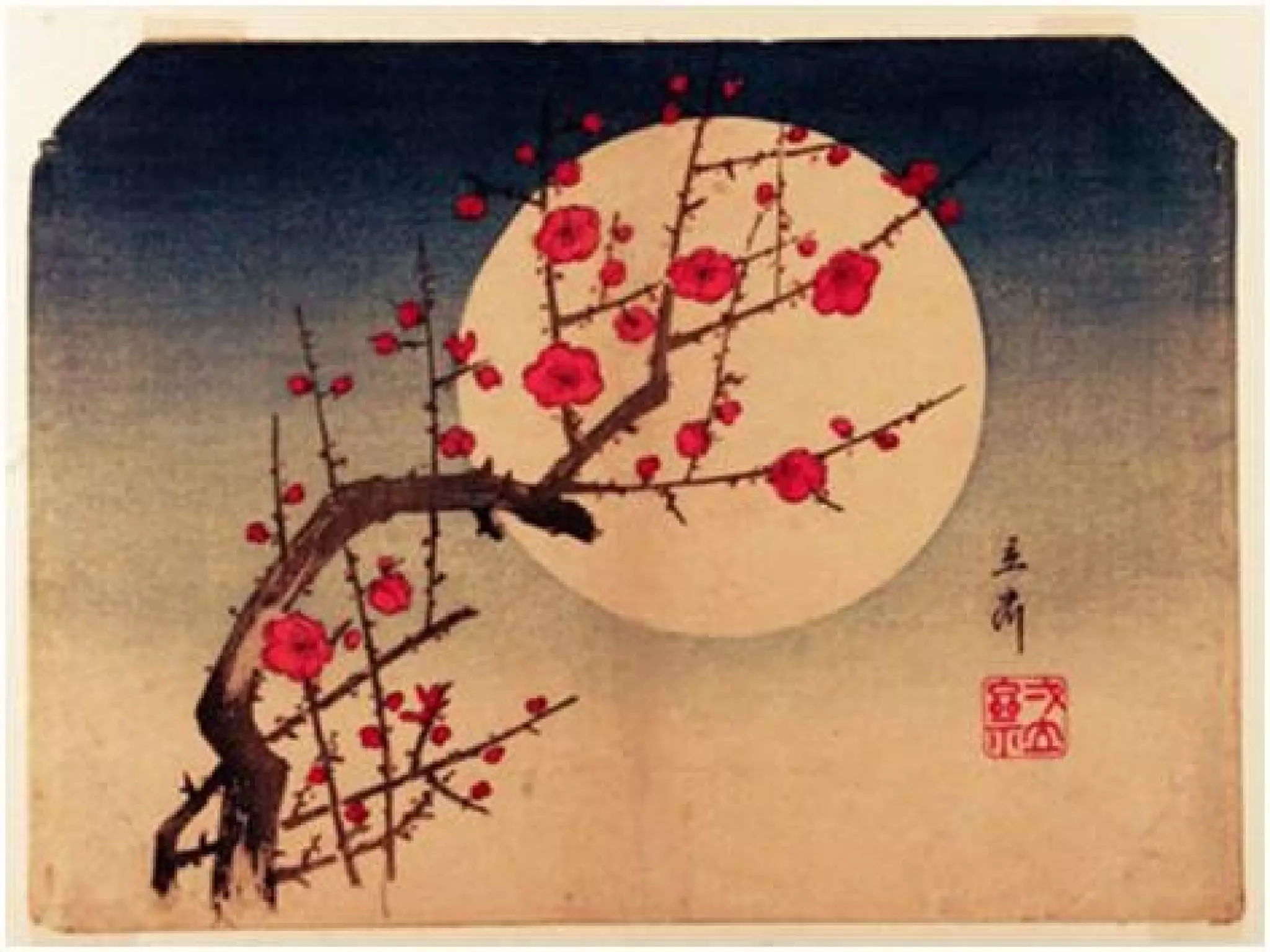



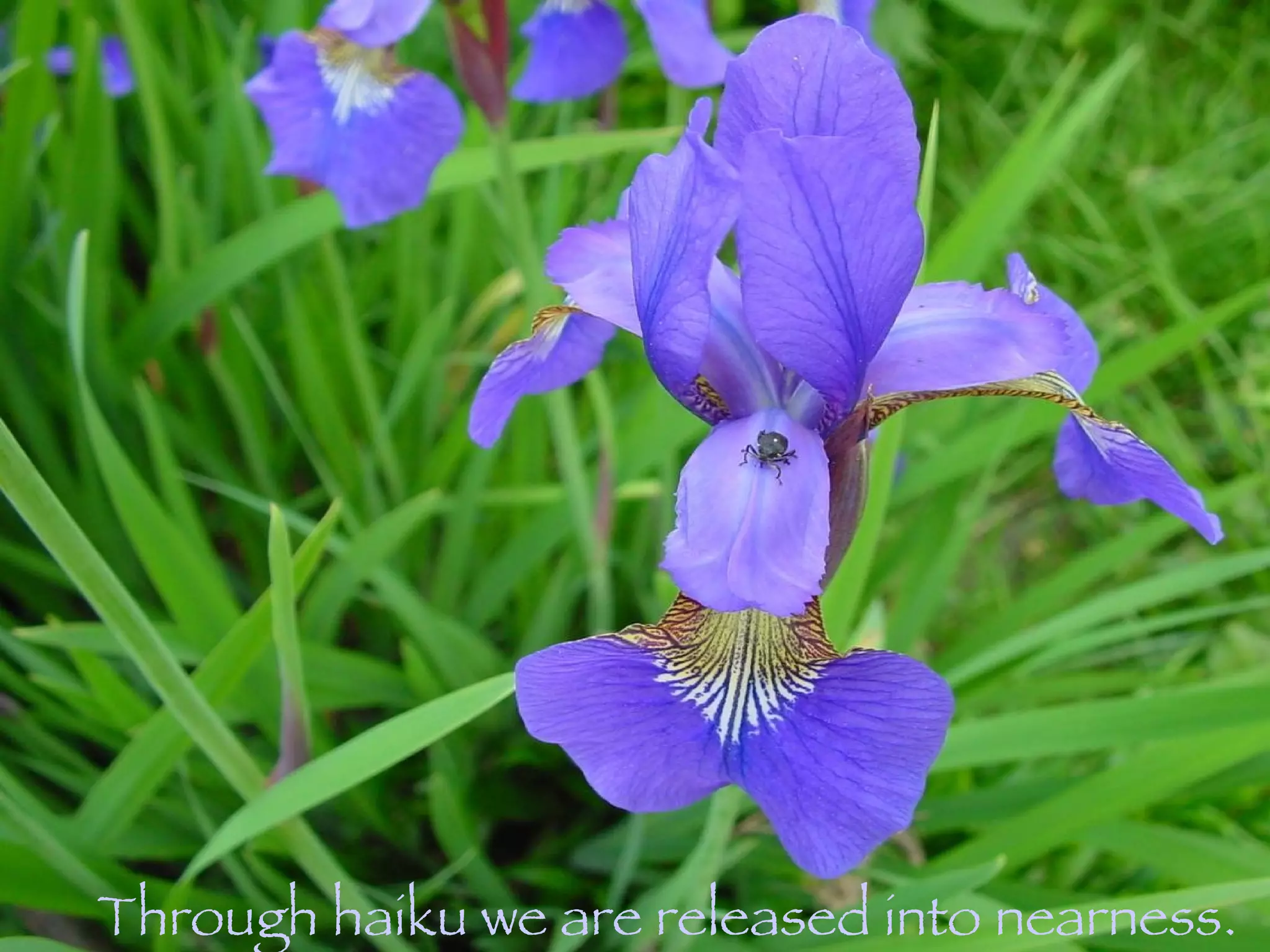





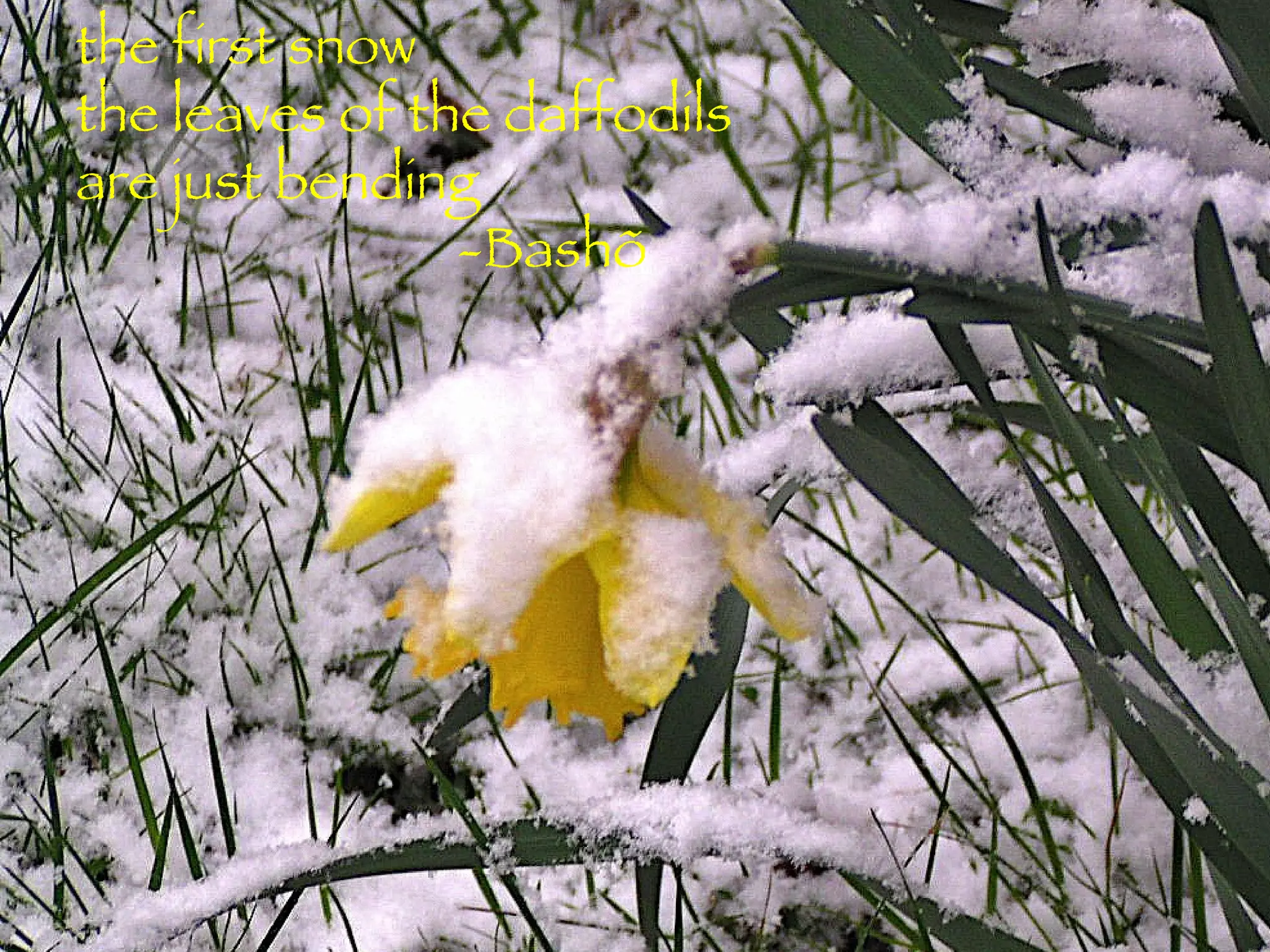



Haiku is a three-line poem with a 5-7-5 syllable structure that originated in Japan as 17-syllable verses opening renga linked poetry chains. It focuses on vividly capturing a moment or scene, often connected to the seasons, with concise language and subtle emotional resonance. Some of the most famous haiku poets were Matsuo Basho in the 17th century, Buson and Issa in the 18th century, and Masaoka Shiki in the 19th century, who helped popularize the term "haiku" and introduced new styles. Haiku is influenced by Shintoism's worship of nature spirits and Zen Buddhism's emphasis on brevity and meditation.


