

JIET SCHOOL OF ENGG. & TECH.
FOR GIRLS (JIET SETG)
Making Indian Engineering World Class
Presented By:
Ravina Dadhich
Raksha Mathur
III Year
EEE Department
Making Indian Engineering World
Class
Inside This Presentation
Introduction
Engineer’s Contribution
To National Development
Where We Lag?
Steps Of Improvement
Conclusion
Engineering is a diverse industry with a
number of segments.
The engineering sector is the largest of the
industrial sectors in India.
India’s engineering industry accounts for 27%
of the total factories in the industrial sector.
It represents 63% of the overall foreign
collaborations.
It employs approximately 4 million workers.
Introduction
Engineer’s Contribution To
National Development
 Engineers are key figures in the material progress of
the world.
 An Engineer is always considered as an asset to the
nation and society as he is the one who makes a
reality of the potential value of science by
translating scientific knowledge into tools,
resources, energy, and labour to bring science into
the service of the country
 Capacity creation in sectors such as infrastructure,
power, mining, oil and gas, refinery, steel, automotive,
and consumer durables are driving demand in the
engineering sector.
 This sector has a comparative advantage in terms of
manufacturing costs, market knowledge, technology and
creativity.
 The market size of the sector is driven by multiple
factors such as macro economic situation, GDP growth,
policy support and state of user industries.
 The sector’s growth is dependent on the growth of its
user industries.
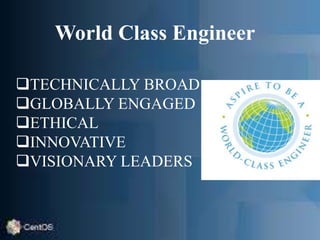
World Class Engineer
TECHNICALLY BROAD
GLOBALLY ENGAGED
ETHICAL
INNOVATIVE
VISIONARY LEADERS
“The Path to Becoming a World-Class
Engineer … begins with undergraduate
study and requires a commitment to
lifelong learning and professional
development”
Where We Lag?
Lack Of Technical Support
Lack of Innovative culture
in Organizations
Lack Of Commitment &
Competitive Skills
Communication Barrier
WHY SO??
“ In India, you become an
engineer first and then figure
what to do with your life”
Steps Of Improvement
Making Patent of your inventions
Connect to National and Global
Professional Societies
Connect to the Society
Connect to the Industries
Communicate and interact with other highly
recognized international leaders in
engineering.
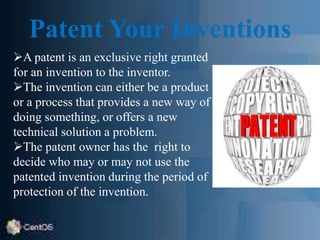
Patent Your Inventions
A patent is an exclusive right granted
for an invention to the inventor.
The invention can either be a product
or a process that provides a new way of
doing something, or offers a new
technical solution a problem.
The patent owner has the right to
decide who may or may not use the
patented invention during the period of
protection of the invention.
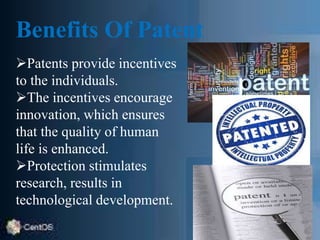
Benefits Of Patent
Patents provide incentives
to the individuals.
The incentives encourage
innovation, which ensures
that the quality of human
life is enhanced.
Protection stimulates
research, results in
technological development.
Connect To National And Global
Professional Societies
Engineering and technology education and research
cannot flourish without effective linkages and mechanisms
for collaboration and cooperation between universities and
institutions in India and at the global levels.
Institution on its part can set up portals for curriculum
watch, knowledge watch, technology watch, new product
and innovations watch which can be developed in
partnership with the professional societies.
Connect To The Society
It is important that the institutions begin to focus
on the society in which they are established so as to
be partner in progress.
We need to address the major problems such as
energy efficiency, energy conservation
,environmental degradation, water quality
management, creating trained manpower in areas of
emerging and new technologies and as also
partnering with local schools to create the desired
interest in science and engineering.
Connect To The Industries
This is absolutely necessary to focus on
relevance.
 Industry partnership in delivering expert
lectures, conducting technology workshops,
participation in joint guidance of major
projects and for internship to the students
forms the basics of the connect to the
industries.
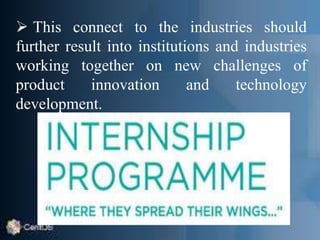
 This connect to the industries should
further result into institutions and industries
working together on new challenges of
product innovation and technology
development.
Interaction With International
leaders In Engineering
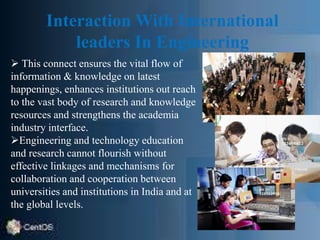
 This connect ensures the vital flow of
information & knowledge on latest
happenings, enhances institutions out reach
to the vast body of research and knowledge
resources and strengthens the academia
industry interface.
Engineering and technology education
and research cannot flourish without
effective linkages and mechanisms for
collaboration and cooperation between
universities and institutions in India and at
the global levels.
Moving Towards Research
 Sustainable development is also a pre-
requisite of world-class engineering.
 Research should be oriented towards
sustainable development and should have
an overall positive social impact.
 Engineers should also practice 'frugal
engineering' in view of the scarce resources
and to mitigate the impacts on environment
Most Inspiring Icons of Indian
Engineering
Dr. Vikram Sarabhai
(Father of Indian Space
Program)
Sorab K. Ghandhi
(Pioneer of Electrical
Engineering Education)
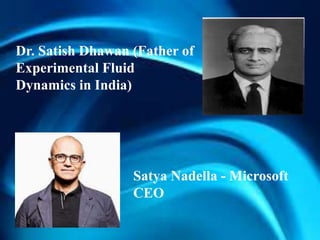
Dr. Satish Dhawan (Father of
Experimental Fluid
Dynamics in India)
Satya Nadella - Microsoft
CEO
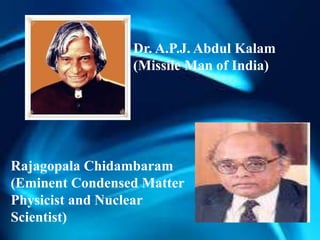
Dr. A.P.J. Abdul Kalam
(Missile Man of India)
Rajagopala Chidambaram
(Eminent Condensed Matter
Physicist and Nuclear
Scientist)
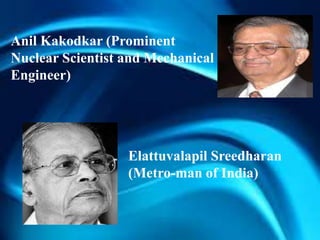
Anil Kakodkar (Prominent
Nuclear Scientist and Mechanical
Engineer)
Elattuvalapil Sreedharan
(Metro-man of India)
There is no doubt that Indian engineering is not world
class. We have immense talent and lot of potential. There
are certain problems in this field but they all can be
eradicated. If we try to increase the level of commitment
and competition, remove the technological and
communication barrier and try to innovate more, then our
engineers can make wonders. Working together towards
achieving our goal will make India a “Technological
Superpower”.
ANY QUERIES??
THANK YOU!!!

Making indian engineering world class

  • 1.
    JIET SCHOOL OFENGG. & TECH. FOR GIRLS (JIET SETG) Making Indian Engineering World Class Presented By: Ravina Dadhich Raksha Mathur III Year EEE Department
  • 2.
  • 3.
    Inside This Presentation Introduction Engineer’sContribution To National Development Where We Lag? Steps Of Improvement Conclusion
  • 4.
    Engineering is adiverse industry with a number of segments. The engineering sector is the largest of the industrial sectors in India. India’s engineering industry accounts for 27% of the total factories in the industrial sector. It represents 63% of the overall foreign collaborations. It employs approximately 4 million workers. Introduction
  • 5.
    Engineer’s Contribution To NationalDevelopment  Engineers are key figures in the material progress of the world.  An Engineer is always considered as an asset to the nation and society as he is the one who makes a reality of the potential value of science by translating scientific knowledge into tools, resources, energy, and labour to bring science into the service of the country
  • 6.
     Capacity creationin sectors such as infrastructure, power, mining, oil and gas, refinery, steel, automotive, and consumer durables are driving demand in the engineering sector.  This sector has a comparative advantage in terms of manufacturing costs, market knowledge, technology and creativity.  The market size of the sector is driven by multiple factors such as macro economic situation, GDP growth, policy support and state of user industries.  The sector’s growth is dependent on the growth of its user industries.
  • 7.
    World Class Engineer TECHNICALLYBROAD GLOBALLY ENGAGED ETHICAL INNOVATIVE VISIONARY LEADERS
  • 8.
    “The Path toBecoming a World-Class Engineer … begins with undergraduate study and requires a commitment to lifelong learning and professional development”
  • 9.
    Where We Lag? LackOf Technical Support Lack of Innovative culture in Organizations Lack Of Commitment & Competitive Skills Communication Barrier
  • 10.
    WHY SO?? “ InIndia, you become an engineer first and then figure what to do with your life”
  • 11.
    Steps Of Improvement MakingPatent of your inventions Connect to National and Global Professional Societies Connect to the Society Connect to the Industries Communicate and interact with other highly recognized international leaders in engineering.
  • 12.
    Patent Your Inventions Apatent is an exclusive right granted for an invention to the inventor. The invention can either be a product or a process that provides a new way of doing something, or offers a new technical solution a problem. The patent owner has the right to decide who may or may not use the patented invention during the period of protection of the invention.
  • 13.
    Benefits Of Patent Patentsprovide incentives to the individuals. The incentives encourage innovation, which ensures that the quality of human life is enhanced. Protection stimulates research, results in technological development.
  • 14.
    Connect To NationalAnd Global Professional Societies Engineering and technology education and research cannot flourish without effective linkages and mechanisms for collaboration and cooperation between universities and institutions in India and at the global levels. Institution on its part can set up portals for curriculum watch, knowledge watch, technology watch, new product and innovations watch which can be developed in partnership with the professional societies.
  • 15.
    Connect To TheSociety It is important that the institutions begin to focus on the society in which they are established so as to be partner in progress. We need to address the major problems such as energy efficiency, energy conservation ,environmental degradation, water quality management, creating trained manpower in areas of emerging and new technologies and as also partnering with local schools to create the desired interest in science and engineering.
  • 17.
    Connect To TheIndustries This is absolutely necessary to focus on relevance.  Industry partnership in delivering expert lectures, conducting technology workshops, participation in joint guidance of major projects and for internship to the students forms the basics of the connect to the industries.
  • 18.
     This connectto the industries should further result into institutions and industries working together on new challenges of product innovation and technology development.
  • 19.
    Interaction With International leadersIn Engineering  This connect ensures the vital flow of information & knowledge on latest happenings, enhances institutions out reach to the vast body of research and knowledge resources and strengthens the academia industry interface. Engineering and technology education and research cannot flourish without effective linkages and mechanisms for collaboration and cooperation between universities and institutions in India and at the global levels.
  • 20.
    Moving Towards Research Sustainable development is also a pre- requisite of world-class engineering.  Research should be oriented towards sustainable development and should have an overall positive social impact.  Engineers should also practice 'frugal engineering' in view of the scarce resources and to mitigate the impacts on environment
  • 21.
    Most Inspiring Iconsof Indian Engineering
  • 22.
    Dr. Vikram Sarabhai (Fatherof Indian Space Program) Sorab K. Ghandhi (Pioneer of Electrical Engineering Education)
  • 23.
    Dr. Satish Dhawan(Father of Experimental Fluid Dynamics in India) Satya Nadella - Microsoft CEO
  • 24.
    Dr. A.P.J. AbdulKalam (Missile Man of India) Rajagopala Chidambaram (Eminent Condensed Matter Physicist and Nuclear Scientist)
  • 25.
    Anil Kakodkar (Prominent NuclearScientist and Mechanical Engineer) Elattuvalapil Sreedharan (Metro-man of India)
  • 26.
    There is nodoubt that Indian engineering is not world class. We have immense talent and lot of potential. There are certain problems in this field but they all can be eradicated. If we try to increase the level of commitment and competition, remove the technological and communication barrier and try to innovate more, then our engineers can make wonders. Working together towards achieving our goal will make India a “Technological Superpower”.
  • 27.
  • 28.